
Zurich: what to do, where to stay, and how to enjoy the city in 2 to 3 days
How to use Zürich as a base and where to stay
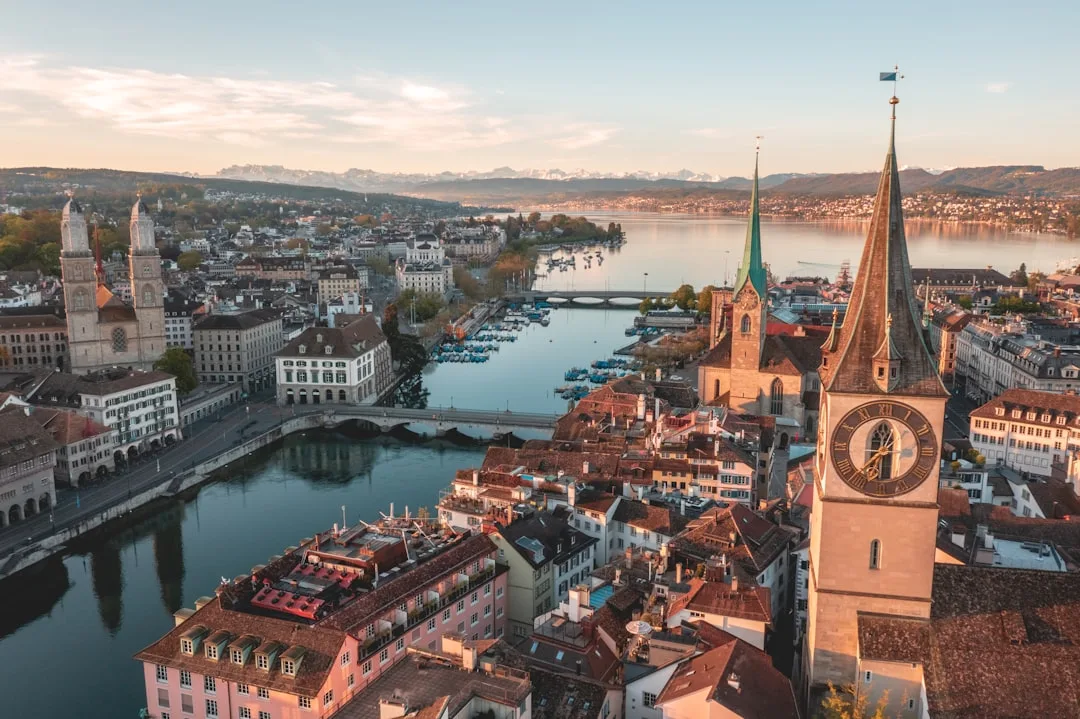
Zürich works well as a base when the stay is short, especially for two or three days. The city is compact, and that matters more than it seems when deciding: you can leave the hotel and cover much of the itinerary on foot, without relying on long transfers. For that, the most practical starting point is to stay in the Old Town or in Kreis 1, near Bahnhofstrasse. These locations keep the Limmat River close by and shorten the walks to the areas most used by those who want to enjoy the city in little time.
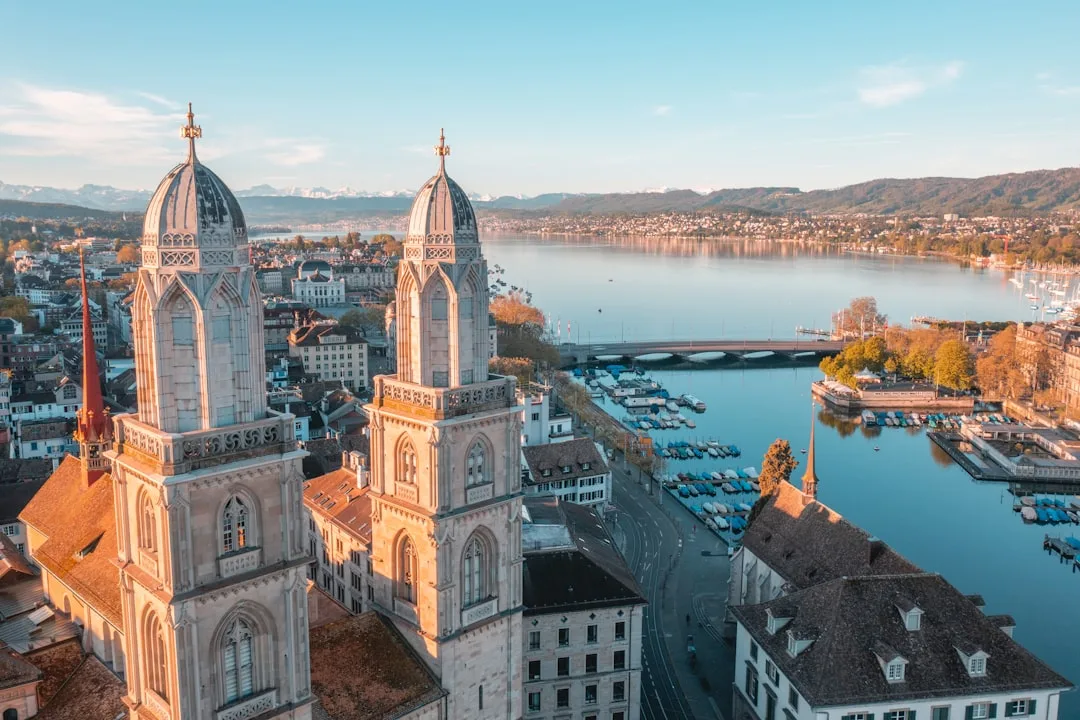
When choosing accommodation, location matters more than room size. It is worth prioritizing an address that lets you walk to the banks of the Limmat, Bahnhofstrasse, and the old streets of the center. If the idea is to combine urban sightseeing with quick breaks at the hotel, staying in this central area avoids crossing the city several times a day. It also helps to be near tram stops, because that makes it easier to get around when walking is not as convenient, without taking you out of the most useful area for exploring Zürich.
Those looking for a simpler, more functional profile usually do well in hotels in Kreis 1, especially because the area concentrates the essentials and reduces time lost with logistics. The Old Town, on the other hand, works better for those who want to set off on foot early in the morning and return at the end of the day without relying on transportation. In both cases, the most useful criterion is the same: choose a spot that puts you just a few minutes' walk from the river, the main station, or Bahnhofstrasse, because that is what makes the city more rewarding on a short stay.
The main boat tours on Lake Zurich and the Limmat River
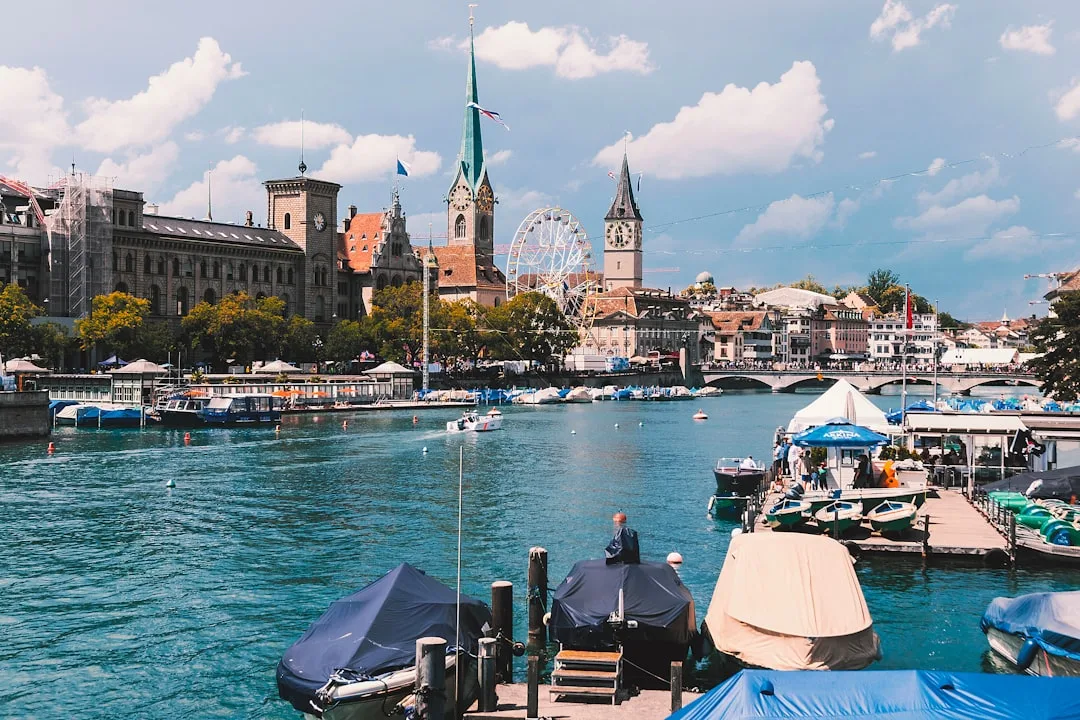
Lake Zurich fits into the itinerary effortlessly because the cruise works as an activity in itself, not just as transportation. The route operated by ZSG departs from Bürkliplatz and can be done in shorter or longer versions: there is a mini-cruise of about 1h30, which follows the shoreline to Erlenbach and Thalwil before returning, as well as a route of about 4 hours. The boat has outdoor areas, a café and restaurant, plus first and second class. If the idea is to see the city from the water at a relaxed pace, the longer route makes more sense; if you want to fit the outing in between other commitments during the day, the shorter one usually works well.
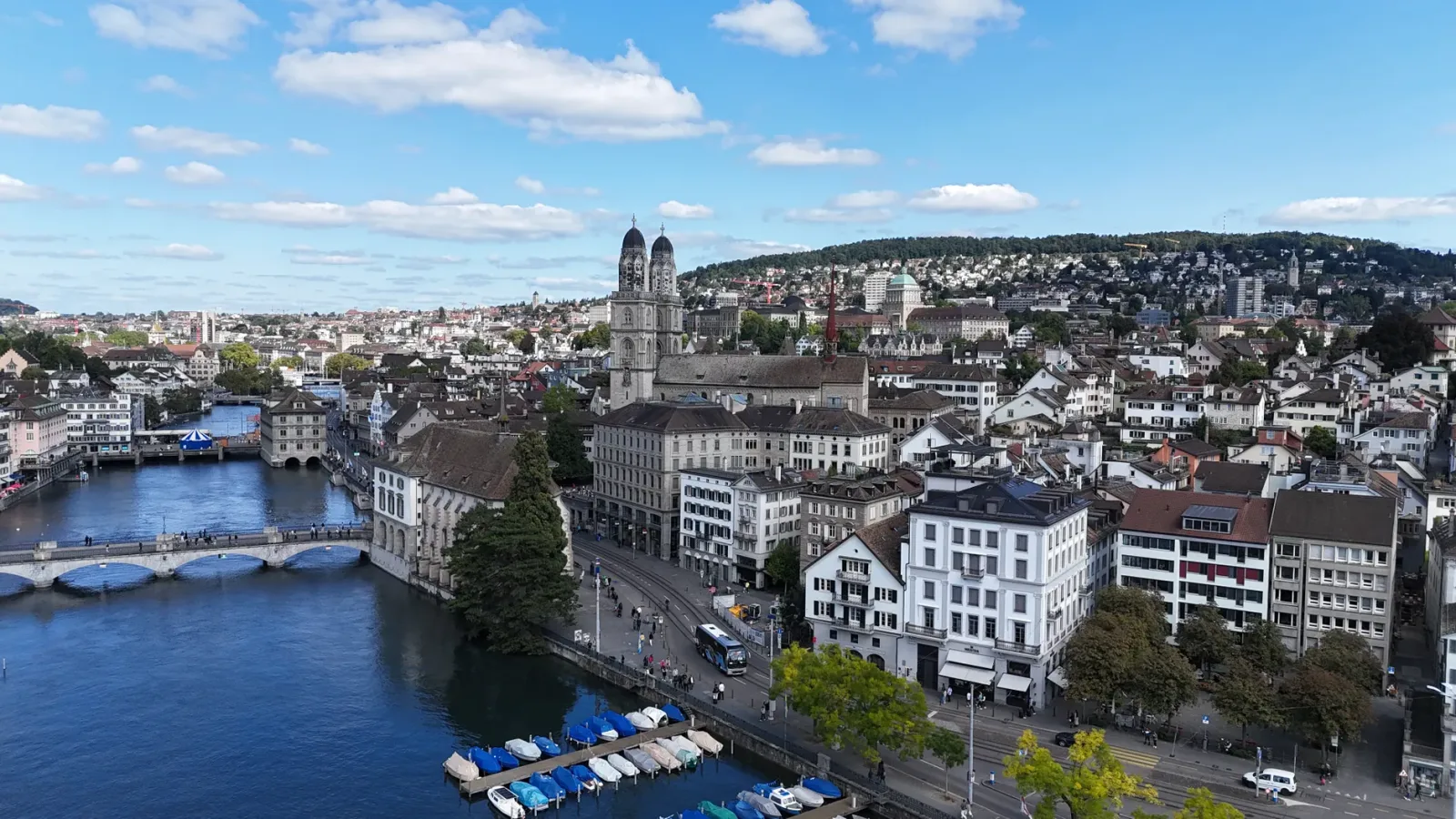
On the lake, what matters is the scenery around you: the houses along the shore, the movement of the boat, and, in the background, the Alpine landscape. In the morning, the light favors the view of the horizon and the slopes; late in the afternoon, the trip offers a different atmosphere. It is the kind of outing that is worthwhile more for the experience of the journey than for a final destination. For those traveling as a couple, with family, or alone, the choice usually depends less on “seeing something specific” and more on how much time you want to dedicate to the lake without rushing.
The Limmat River offers another perspective on the city. The boats are lower and flatter, designed to pass under the bridges, and the route lasts about 50 minutes. Here, boarding shifts the focus: the trip stops being a panoramic open-shore cruise and becomes a passage closer to the urban fabric. It works best for those who want a short slice of the city by water, without repeating the format of the lake cruise.
Those with little time tend to leave Limmat more satisfied if the goal is to fit in a brief, practical outing; those who want a longer boat experience should aim for Lake Zurich. Both are usually included in the Swiss Travel Pass and the Zürich Card, but this should be confirmed when planning the itinerary, because coverage can change.
Zurich’s historic center on foot
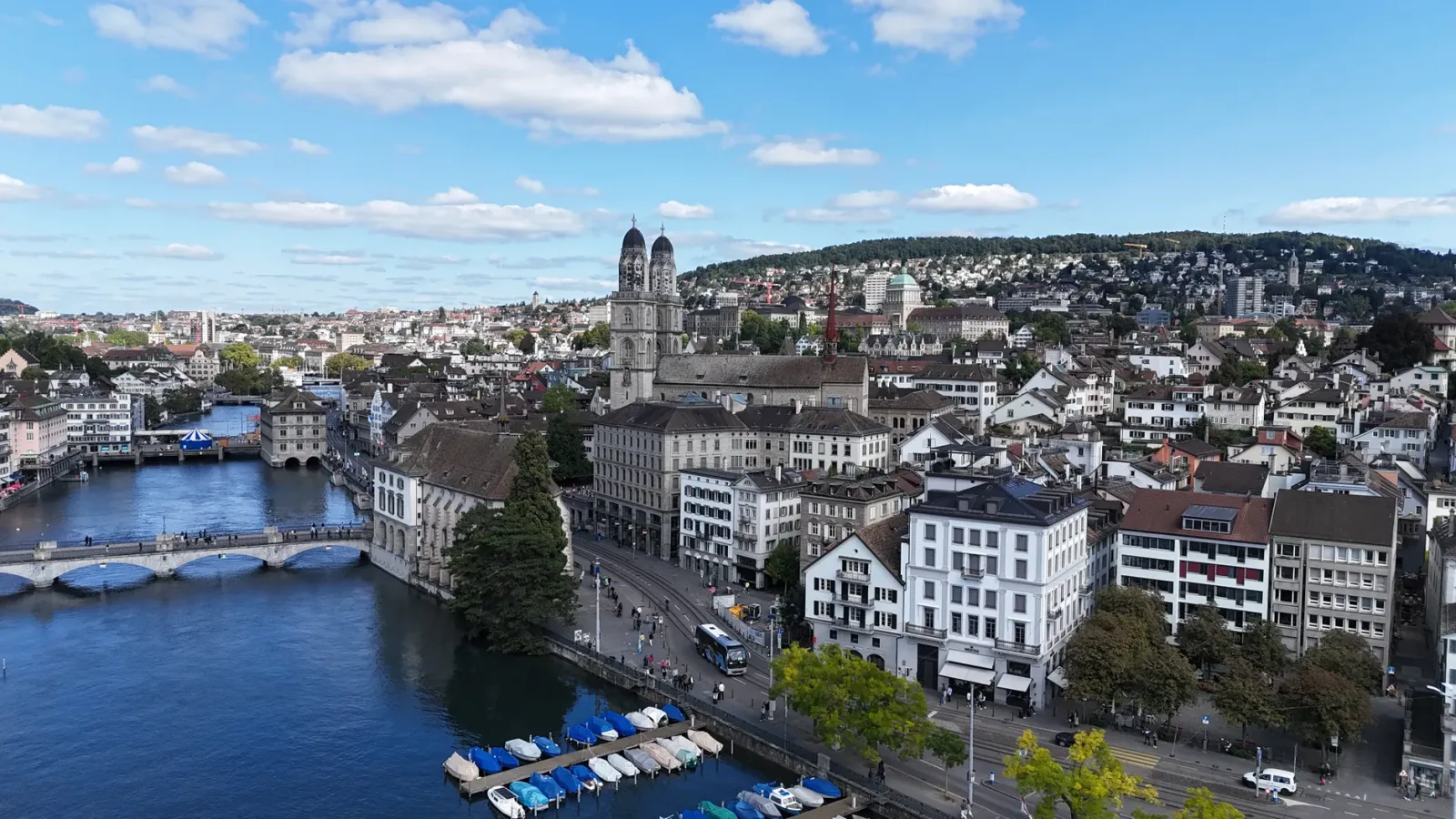
The Altstadt is best enjoyed when you cross it on foot, without trying to “cover” everything at once. The most logical route starts at Lindenhof, goes down Augustinerstrasse and continues to Münsterbrücke, because this stretch helps you read the city in layers: the hill, the narrow streets, the river crossing and the change of bank. Lindenhof gives you the first sense of the urban layout and works well as a point of orientation before entering the old streets.
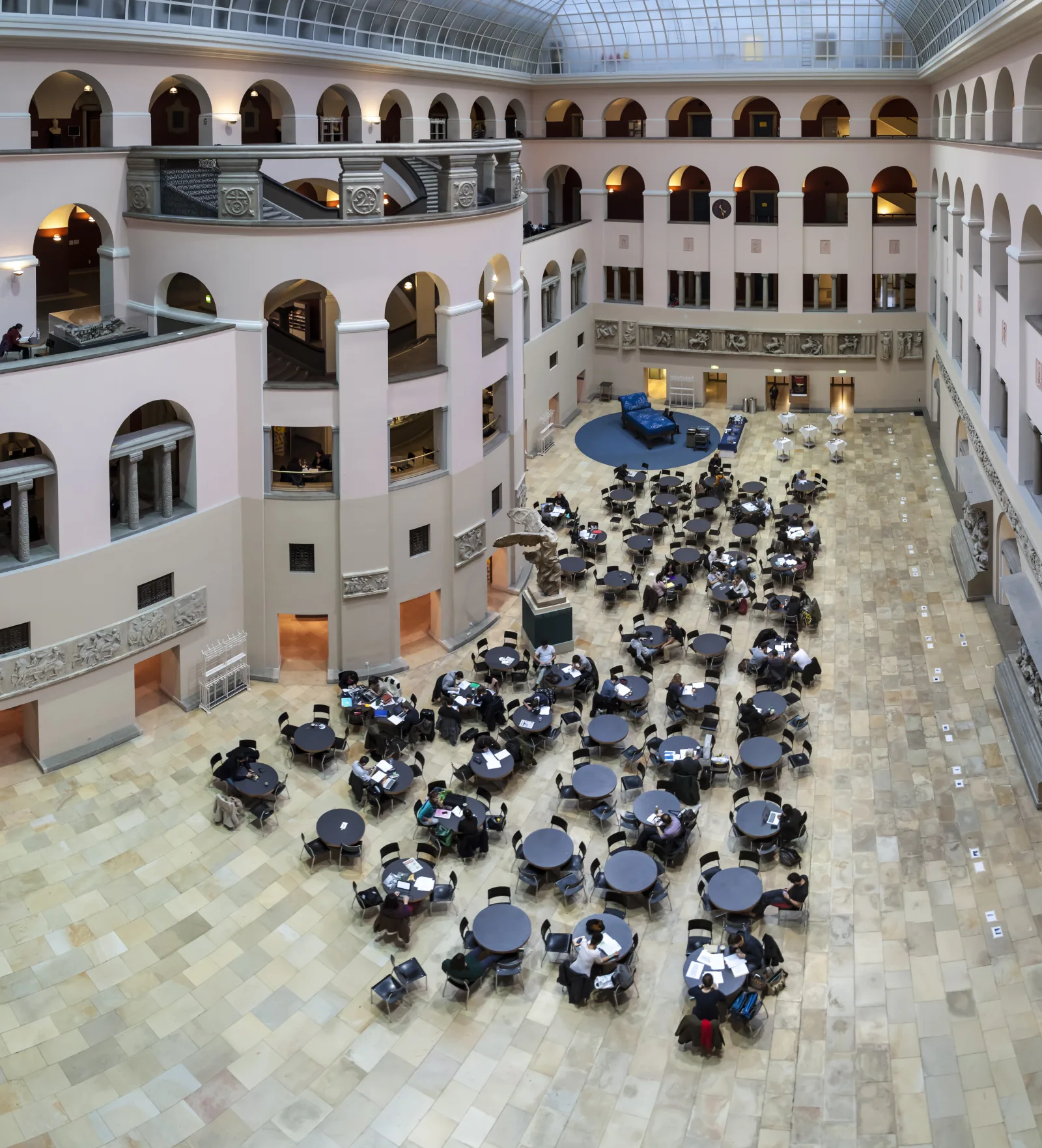
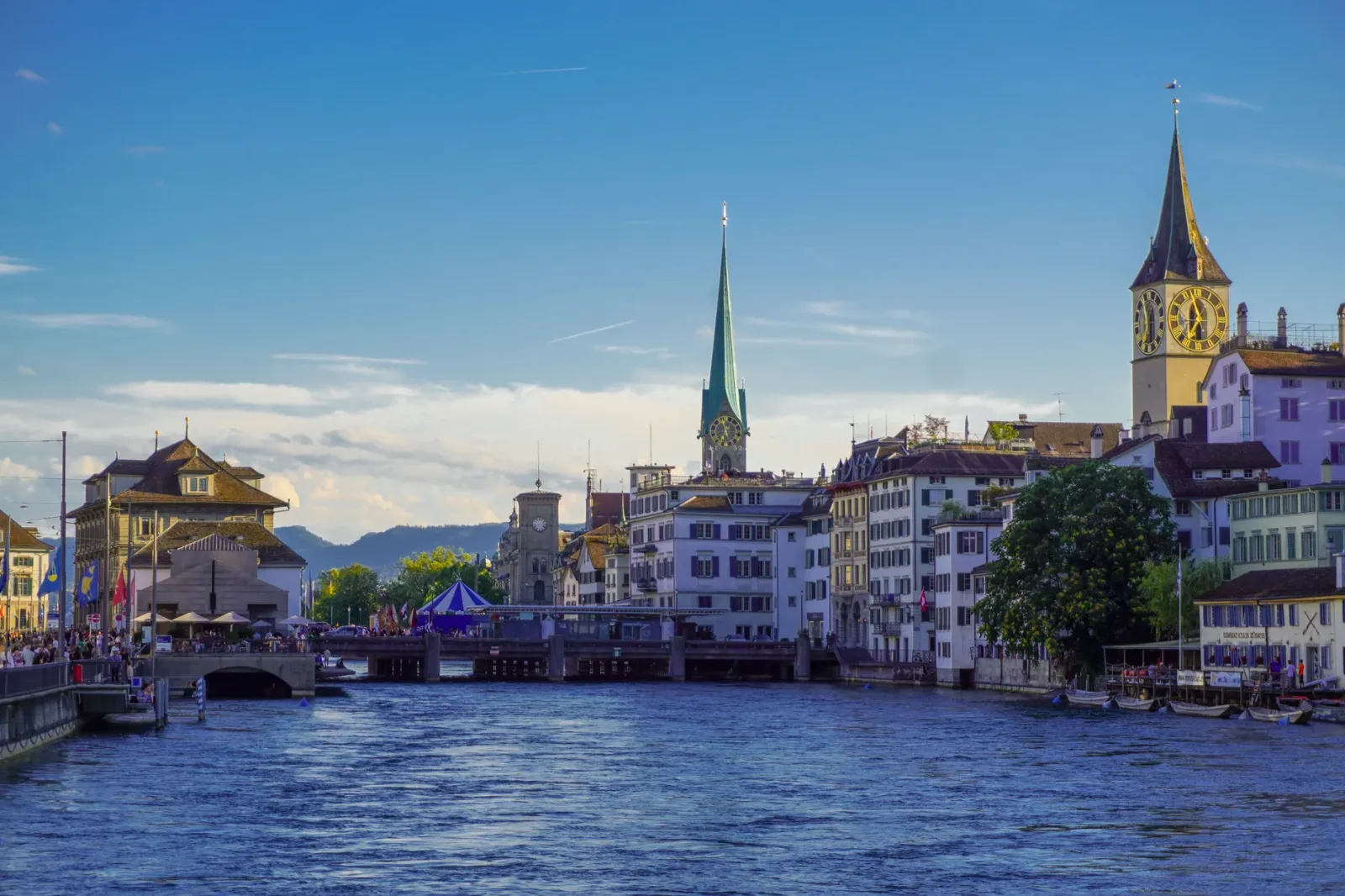
After the descent, Augustinerstrasse and the smaller streets around it, such as Schippe, Öbere Zäune, Brun Gasse and Froschau Gasse, show the narrowest and most irregular side of the old center. Here it is worth walking slowly, looking at the façades and the changes in level of the medieval street grid. St. Peter’s Church enters the route through its clock tower and the position it occupies in the center’s fabric, while Fraumünster marks the other bank with a more open presence toward the square and the river. Münsterbrücke connects these two sides and is a good place to stop, look at the Limmat and understand how the historic center is organized around the water.
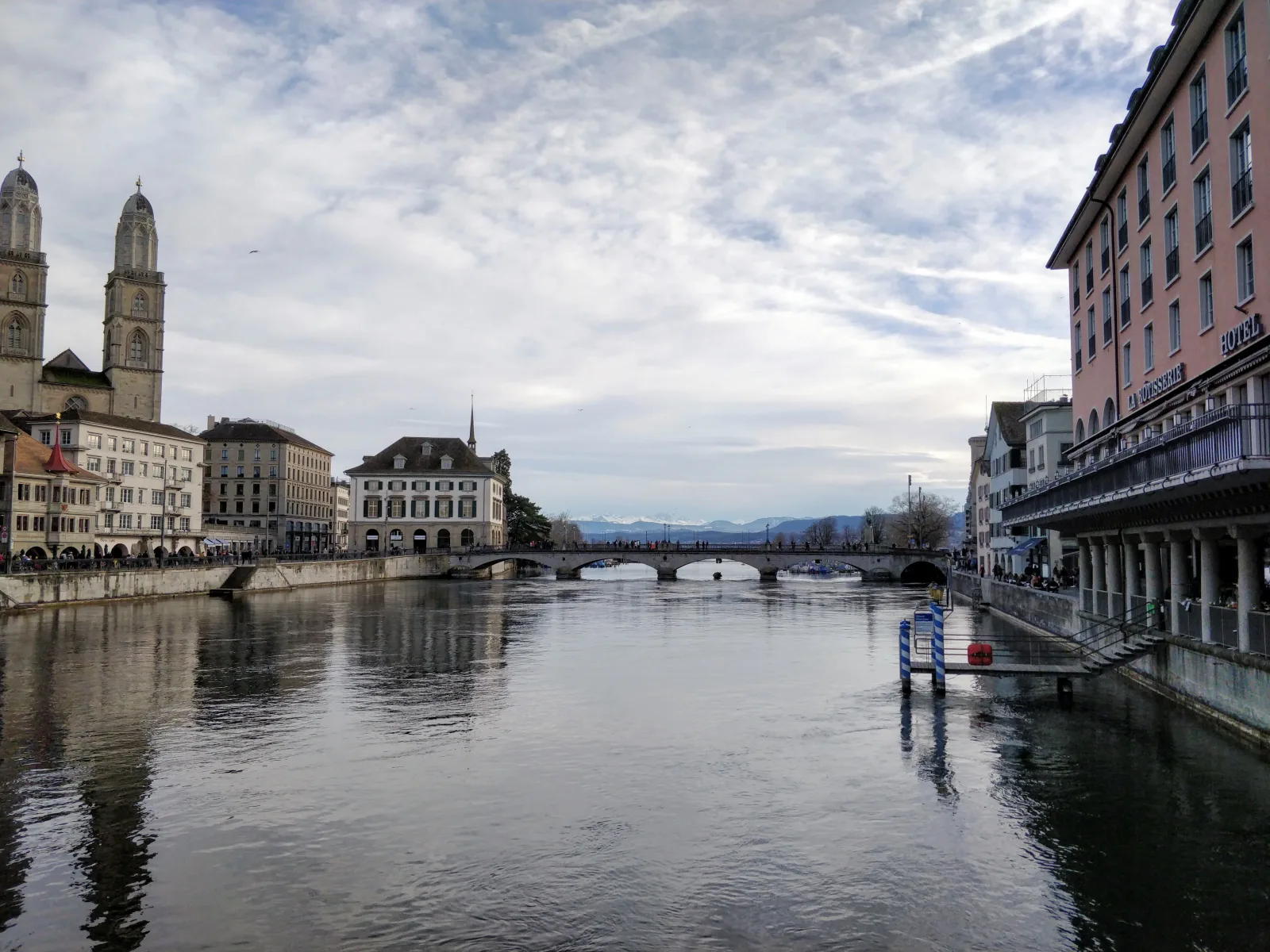
On the other side, Niederdorf changes the pace of the walk. The streets become busier, the layout remains old, but the flow is different. It is the most useful part to include in a continuous loop through the Altstadt, because it concentrates foot traffic, local movement and easy access to the streets that go up and down between the old blocks. Grossmünster closes this walking circuit very well: it works as a visual reference and helps you perceive the scale of the neighborhood, in addition to giving meaning to the crossing between the two banks of the river.
Museums worth visiting in Zurich
The Swiss National Museum is the most straightforward stop for anyone who wants to understand the country’s formation without spending the entire morning there. The collection covers history, politics, economics, and everyday objects, with rooms of antique furniture, traditional clothing, and gold and silver pieces. It works well for a visit without too much rush, and admission is included in the Swiss Travel Pass and the Zürich Card.
The FIFA Museum takes a different approach: it is interactive and talks about football, with pieces linked to the history of the sport and a good draw for those who like seeing original objects. The entrance already stands out for the display of national team shirts, and one of the most sought-after highlights is the original World Cup trophy. There is also an area where you can take part in arcade-style games and tests. It is also included in the Swiss Travel Pass and the Zürich Card.
At the Lindt Home of Chocolate, the focus is on Swiss chocolate from start to finish. The visit is well put together, with explanations about the origin of cocoa, the tradition of chocolate making in the country, and the modern production method. The space is known for the chocolate fountain in the atrium and the tastings along the way. Here, booking in advance makes a difference, because capacity often sells out.
The Kunsthaus Zürich is the main stop for art in Zurich. The collection includes names such as Munch, Picasso, and Monet, and the visit appeals both to those who want to see key works and to those who prefer to use the museum as the main program for a morning or afternoon. If you have little time, choose it when your priority is modern art and a broad collection; if the idea is to vary the itinerary, it fits well without requiring an entire day.
Where to eat and what to try in Zurich
The most typical dish to order in Zurich is Züri Geschnetzeltes, strips of veal served with a cream, white wine, and mushroom sauce, almost always accompanied by rösti. If you want to try it at a classic spot, go to Zeughauskeller or Kronenhalle. They are different in style, but both make sense when the idea is to eat the local dish without falling into generic Swiss menu versions.
For fondue and raclette, the choice usually comes down to atmosphere and willingness to wait in line. Widdergarten and Walliser Kanne are among the most sought-after places for melted cheese. The first works well if you want something calmer; the second is often remembered by those who want a traditional meal without complicating the order. If the goal is to focus on the basics, go for cheese fondue; if you want variety, raclette is the most straightforward alternative.
The best-known sweet stop is Confiserie Sprüngli, especially for Luxemburgerli, the small macarons that became the house signature. They are light, easy to share, and work well after a heavier meal. If you’re structuring the day between lunch and dinner, it’s worth saving this treat for a short stop, without turning dessert into a long activity.
In Zurich, the best criterion for choosing where to eat is simple: traditional dishes in old establishments for the main lunch, cheese for a longer meal, and Sprüngli to finish with something quick. If you’re undecided between two places, the menu usually matters less than the kind of meal you want to have at that moment.
Bahnhofstrasse, shopping and breaks in the center
Bahnhofstrasse is the most direct street for feeling the center of Zurich without needing to plan an itinerary. It connects the main station area to Lake Zurich and concentrates the kind of retail that many people look for on a first visit: designer stores, more accessible international brands, and several Swiss watch shops along the way. For those who want to combine shopping with a short walk, it is an easy avenue to stroll along without a map.
The appeal of the street lies less in “window shopping” and more in observing how commerce is organized there. The watch shops stand out, which makes sense in a city where watches and precision have become part of the local image. Between one store and another, the experience works well at a leisurely pace, with no shopping commitment. If you are just crossing the area, Bahnhofstrasse still helps you understand the weight of consumer activity in the city center.
The most useful stop along the way is Confiserie Sprüngli, a good place for a brief break without straying from the central route. It is the address most associated with Luxemburgerli, the small macarons that have become the house signature. If the idea is to fit a dessert into the middle of the walk, just go in, order something light, and move on; there is no need to turn the visit into a long meal.
Those who want to make the street worthwhile usually combine two simple criteria: walk at a relaxed pace and set aside a short time for Sprüngli. The rest depends on what you are looking for at that moment, whether it is shop windows, watches, or a quick break between the station and the lake.
Viewpoints, walks and green areas to see the city
Lindenhof neatly solves the need to see Zurich without spending energy on getting around. The hill sits in the middle of the city center and lets you understand the city’s relationship with the Limmat, with the town hall in the background and the movement of the bridges just below. It’s a good place to start a walking tour or to stop midway, especially if you want a quick read of the urban layout before continuing through the old streets.
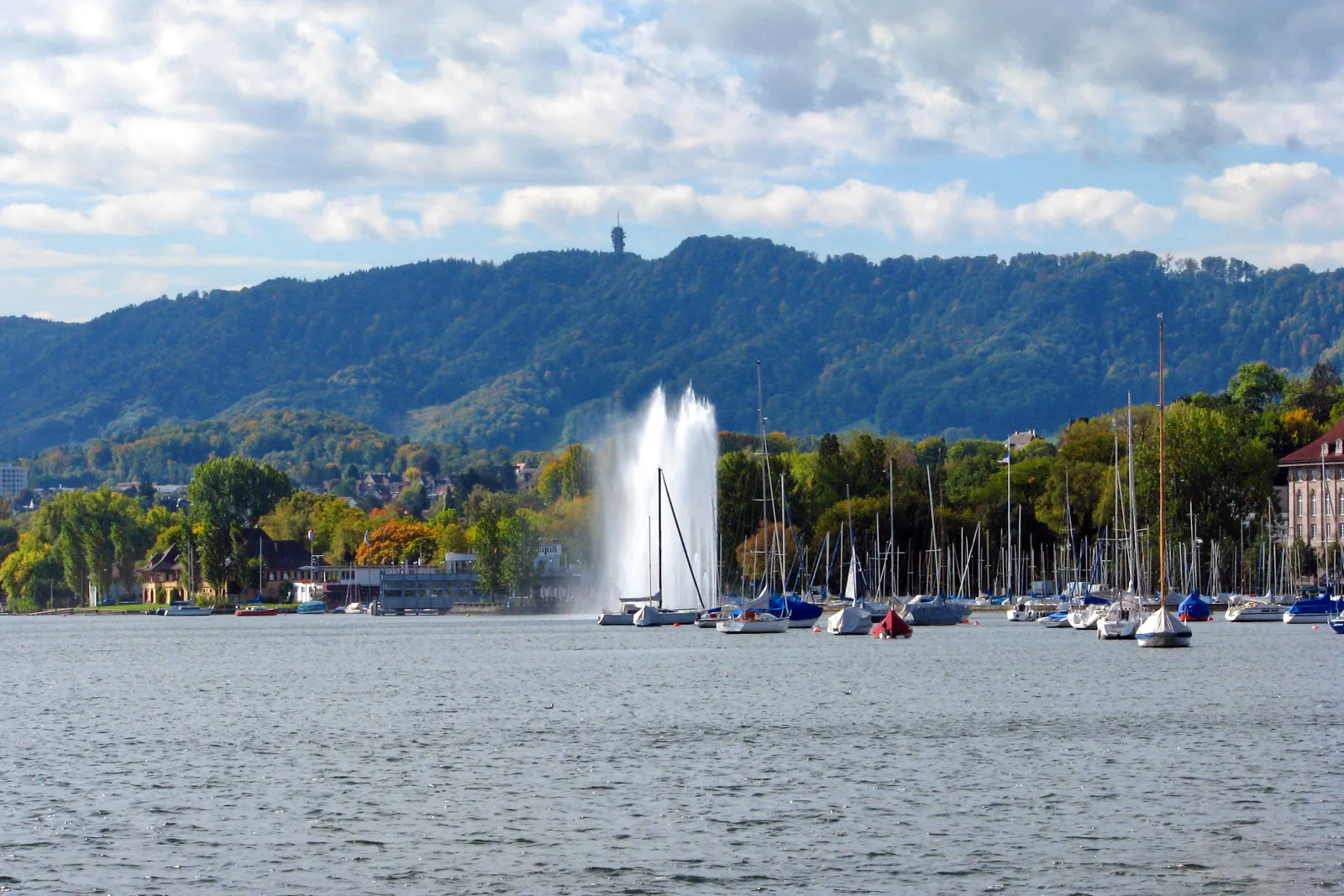
To get higher, Uetliberg comes in as the city’s broadest view. The most practical access is via the S10 line, which leaves from the main station and takes about 25 minutes to the mountain. From there, there is still an approximately 10-minute walk to the summit. At the top, the 72-meter observation tower offers 360º views and has a café and restaurant. The climb works best when you want to dedicate part of the day to walking and looking at the city from above, without turning it into too long of an outing.
Anyone wanting to extend this program can continue along the Planet Trail to Felsenegg. The route takes about two hours and follows a scale model of the Solar System, with the planets appearing לאורך the way until the final point, where there is a terrace with panoramic views and a cable car station. It’s a stretch that calls for comfortable shoes and an unhurried pace, more for the walk itself than for a destination in particular.
Along the waterfront, the walk between Bellevue, Chinese Garden and Zürichhorn works well when the idea is to stay outdoors without leaving the city. The promenade is flat and works for walking, stopping on benches, or simply watching the lake and local activity. In this stretch are Seebad Utoquai, with access to the lake and areas for swimming and rest, and Pavillon Le Corbusier, which is worth a short stop if you like architecture and want to include something different in the walk.
How to get around and when to go to Zurich
Zurich works well on foot, but not everything needs to be done walking. For short, practical stretches, the tram does the job without any hassle; to get to places like the FIFA Museum, the tram and even the boat are also common alternatives. The train also helps when the idea is to expand the itinerary without changing bases, since the city connects with other Swiss destinations in a direct and predictable way.
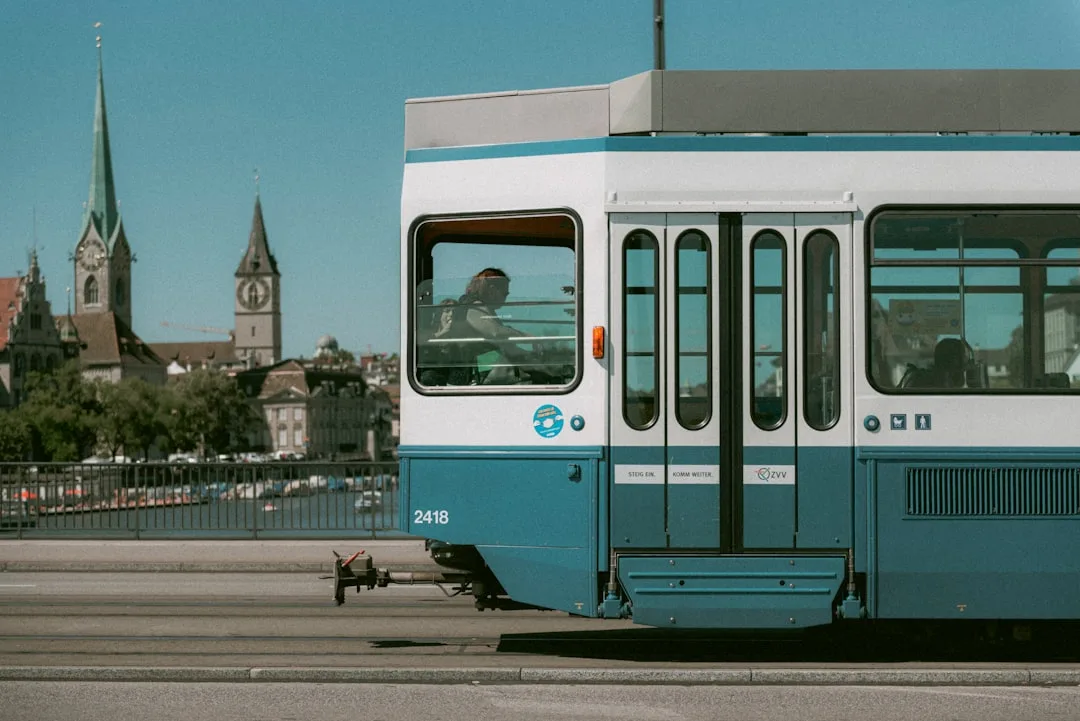
The advantage of staying overnight in Zurich is precisely that: you can leave early, do something in the city, come back to drop off shopping or rest, and head out again for another stop at the end of the day without reorganizing the logistics. For getting around within the city, it is worth thinking less in terms of “modes of transport” and more in terms of route fit. If the attraction calls for a specific journey, use the tram, the boat, or the train; if it is along the central axis, walk. This saves time and avoids crossing the city unnecessarily.
In winter, the pace changes. Christmas markets take over several parts of the city between November and December, along with ice rinks and seasonal food. If there is enough snow, Uetliberg can be added to the itinerary with sledding. What matters at this time of year is the light: it gets dark early, around 4:30 p.m., so it is worth leaving walks and viewpoints for earlier and saving late afternoon for indoor activities.
Zurich is also an efficient base for day trips by train. Lucerne is usually the most natural option; the Interlaken region, with Grindelwald and Lauterbrunnen, calls for a full day; Jungfraujoch is the choice when mountains are the priority; and the Rhine Falls and Bern work well for those who want to go out and come back the same day without disrupting the rest of the stay.
Day trips that make sense from Zurich
Lucerne is usually the easiest day trip to fit into a stay in Zurich. The city works well in a one-day itinerary because it lets you combine the historic center, the lakeshore and, if there is interest, some mountain climbing without needing to stay overnight. Among the nearby options, it is usually the most balanced choice for those who want to leave early and return the same day without turning the trip into a marathon.
If the idea is to prioritize the mountain, the Lucerne + Mount Rigi or Lucerne + Mount Pilatus combination makes sense when you want to mix city and altitude on the same day. Mount Titlis, in Engelberg, comes into play when the priority is to see eternal snow and use the highest suspension bridge in Europe. These outings require more organization than a simple city trip, so it is worth choosing one of them and not trying to fit two into the same day.
The Interlaken region also works as a day trip, but here the pace changes. Grindelwald, Lauterbrunnen and Jungfraujoch take a full day with transfers and little room for improvisation. It is the kind of trip that pays off when the mountain is the main focus of the itinerary and you accept spending much of the day in transit and at viewpoints.
Rhine Falls and Bern fall into another category: direct outings, with no need to change bases, for those who want to vary the trip without disrupting Zurich’s logistics. Rhine Falls works well as a half-day or full-day nature outing; Bern is usually the calmest choice for those who prefer a compact capital and an urban stroll off the Zurich axis.