Quiberon: what to do, how to get there, where to stay and how to organize the trip
Quiberon: find out what to do, how to get there, and where to stay to plan a trip with beaches, trails, sightseeing, and day trips.
What Quiberon offers the traveler
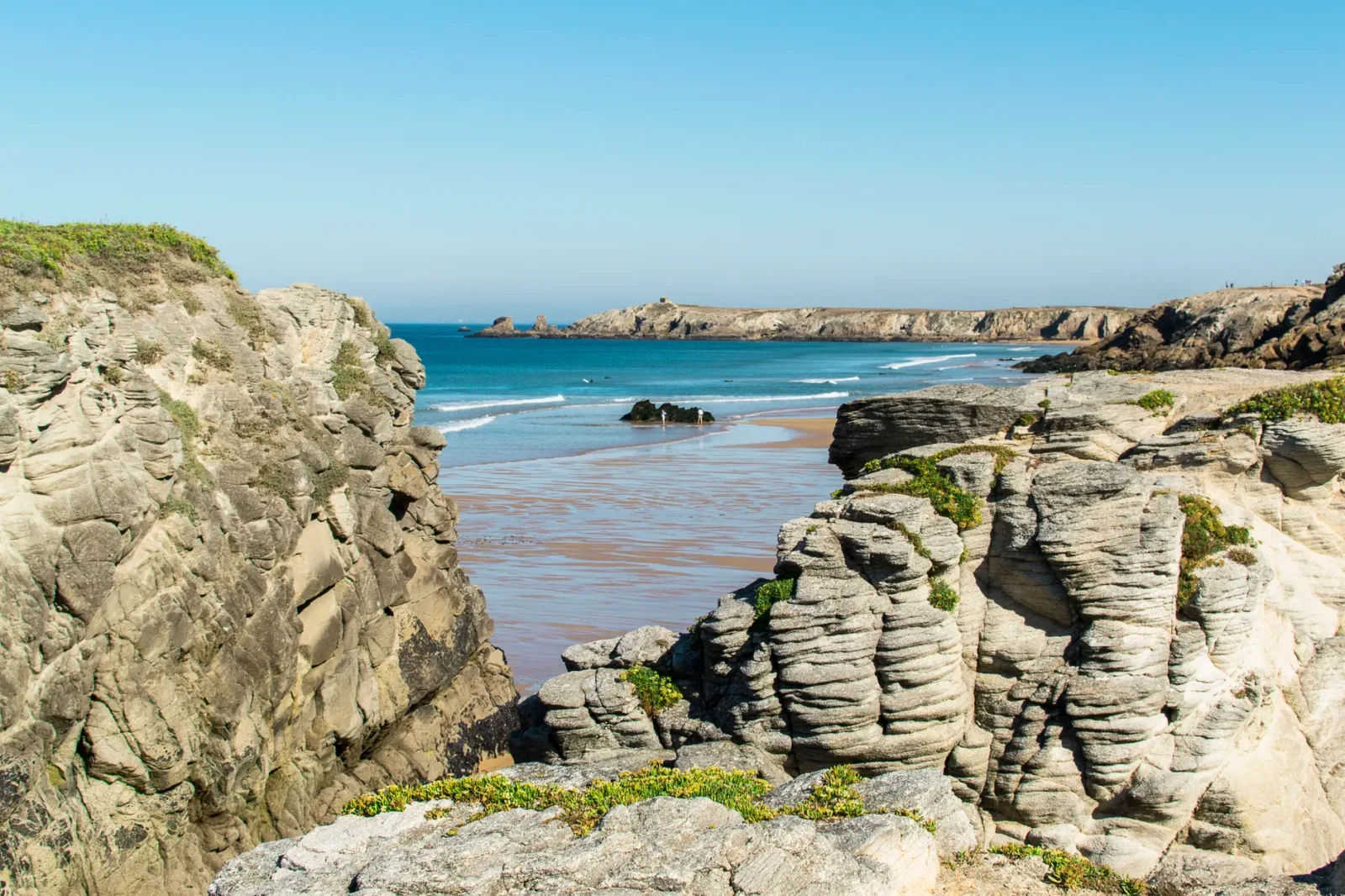
Quiberon is in Brittany, on a narrow peninsula facing the Atlantic, with a very direct relationship to the sea. The eastern side is gentler, with a sandy stretch, a seaside-resort atmosphere, and easier movement for those who want to walk at an unhurried pace. On the other side, the Côte Sauvage changes the rhythm: rugged coastline, exposed rock, constant wind, and a landscape that calls for more time on foot than haste by car.
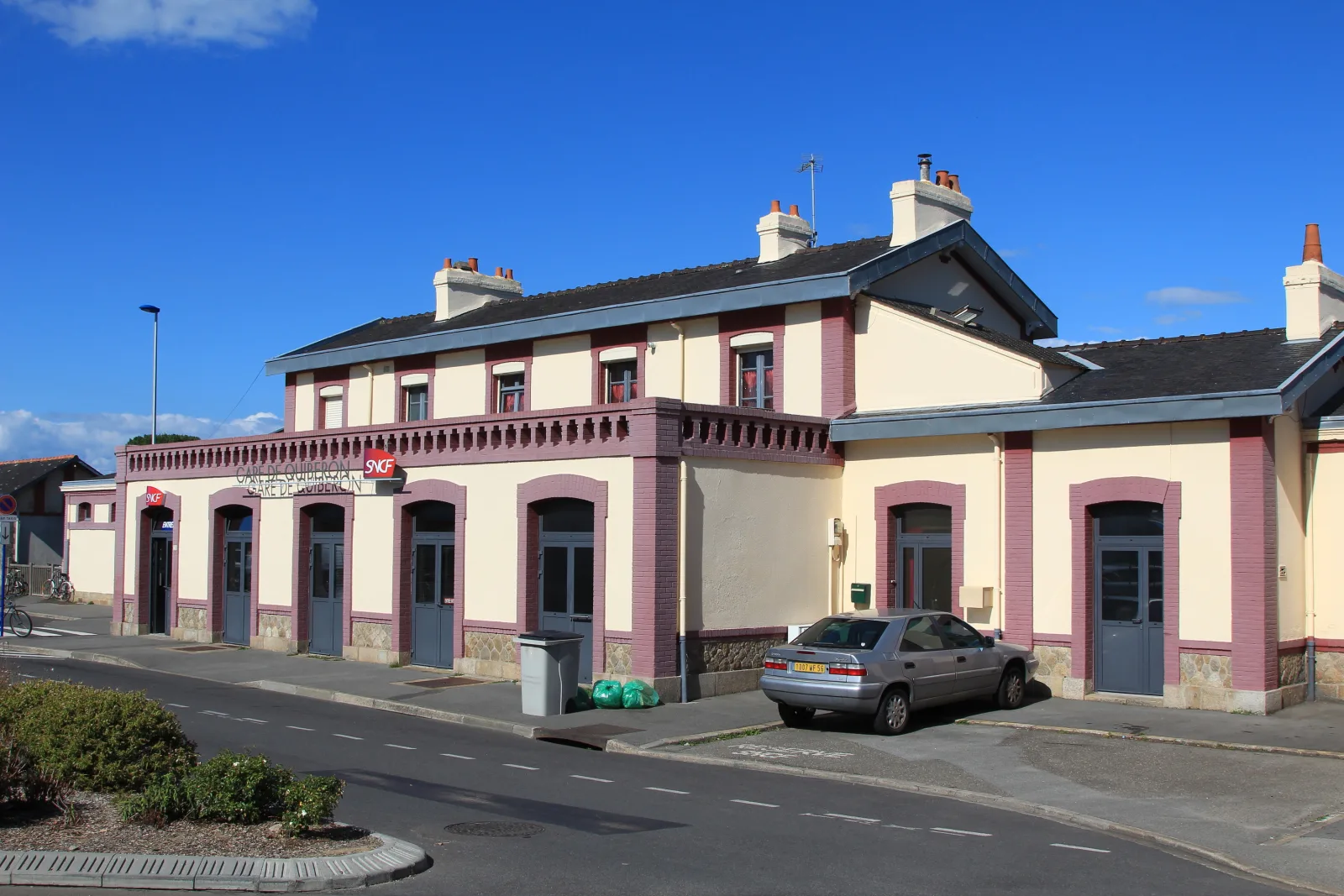
This contrast defines the stay. Those who go to Quiberon usually divide their days between seaside strolls, short or long walks, and moments of pause, whether on quieter beaches or on stretches of coast where wind and waves dominate. The peninsula works well for couples, families, and solo travelers who want a destination close to the sea without needing a packed itinerary to enjoy it.
The experience is more about living than ticking off a list. Quiberon calls for a base of a few days, with time to move between the sheltered side and the wild coast, observe the variation in light throughout the day, and choose the pace according to the wind and the state of the sea.
How to get to Quiberon
Driving is the most direct way to get there, especially if you plan to explore the peninsula and make stops along the way. The routes to Quiberon go via Rennes and the national roads RN 24 and 166; those coming from Nantes follow the RN 165. In summer, access gets busy: queues to enter, slow traffic on the approach, and real difficulty finding parking.
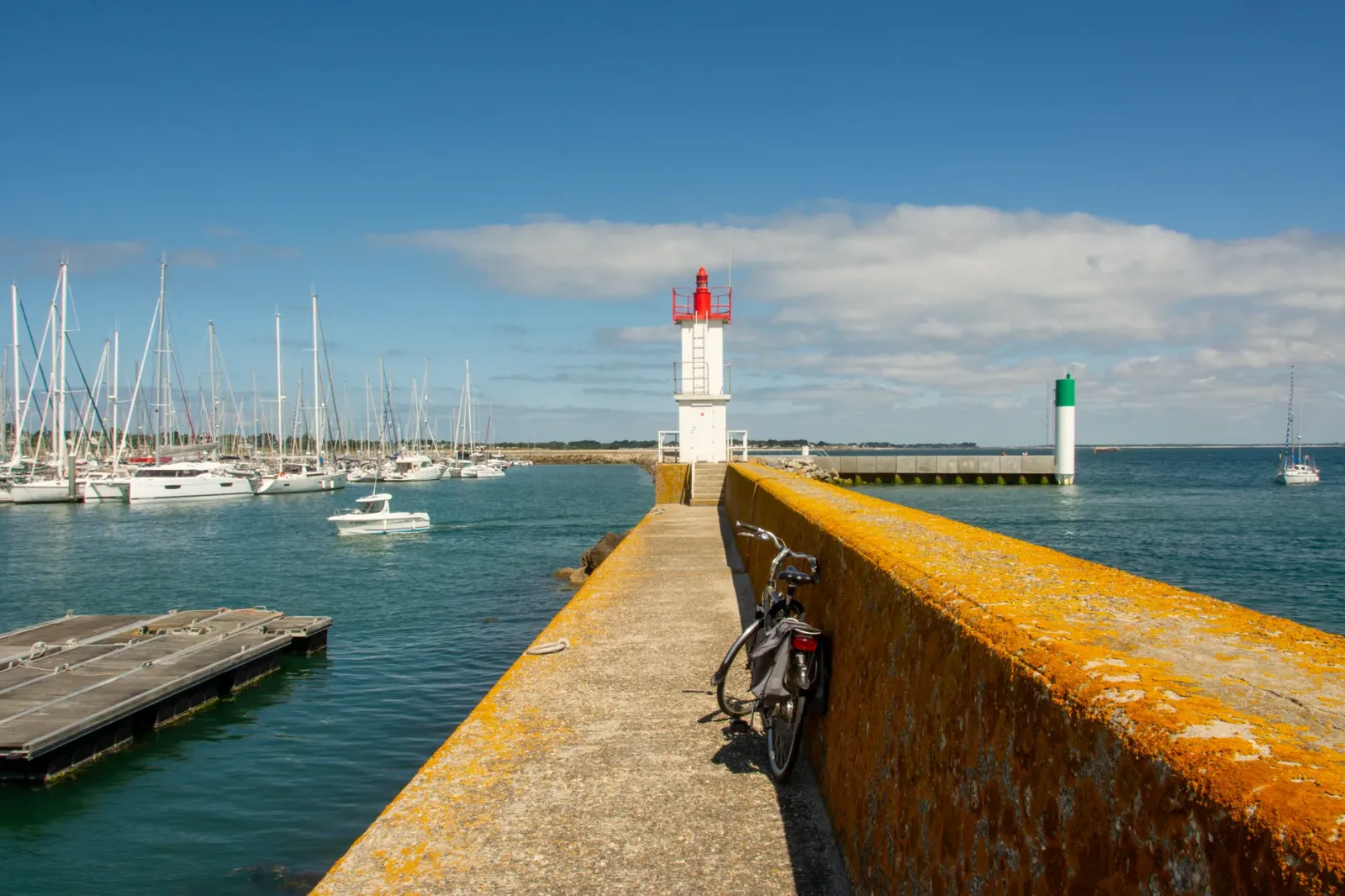
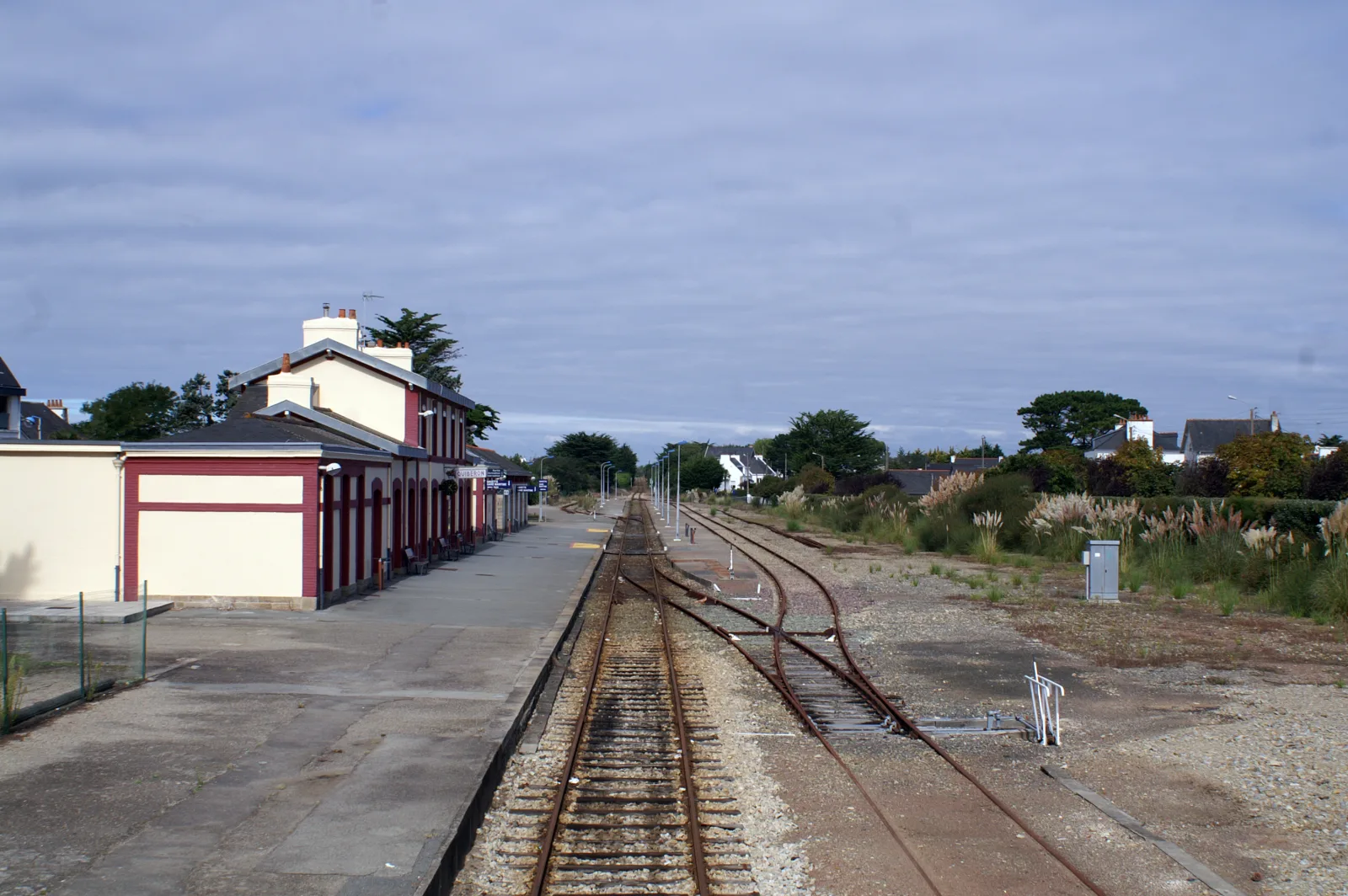
If you’re traveling by train, the most practical station is in Auray. From there, the connection to Quiberon can be made on the Tire-Bouchon, the seasonal service that links Auray to Quiberon during the high season. It’s the option that avoids part of the car-related hassle on crowded days, especially when the road and parking areas on the peninsula are under pressure. Always check whether the service is running and the day’s timetable before you travel, because this changes depending on the time of year.
For those going by car, paid park-and-ride lots are usually the most comfortable solution during the busiest periods. They handle the last part of the trip without requiring you to look for a parking space inside the peninsula. If you use this option, it’s worth arriving early and not leaving valuables in the vehicle.
Editorial transparency: Some links on this page are affiliate links. We may earn a commission at no extra cost to you. This does not influence our recommendations.
What to do in Quiberon and on the peninsula
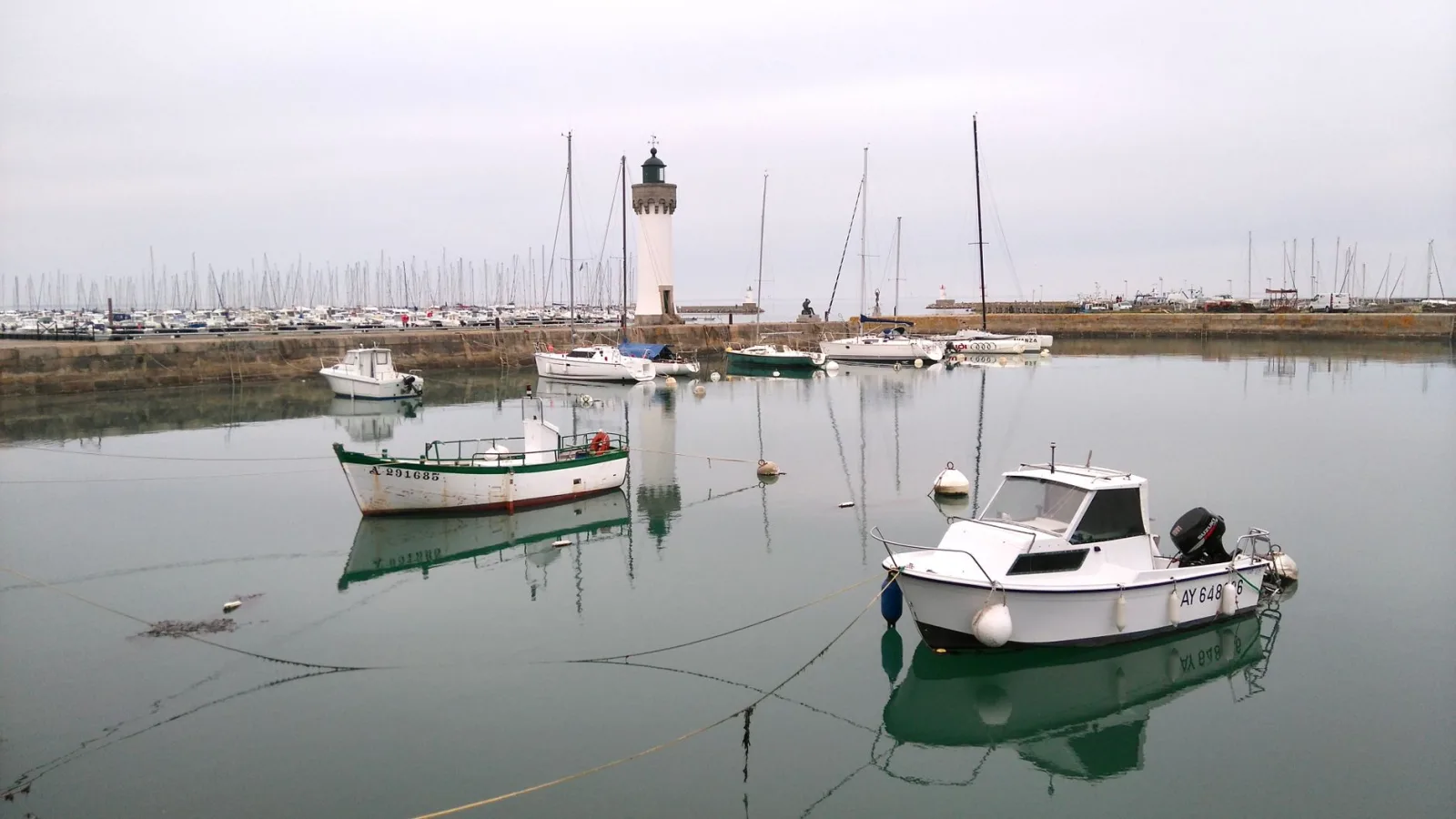
Port-Haliguen is the easiest starting point for getting around the eastern part of the peninsula. The harbor concentrates Quiberon's nautical atmosphere and works well for a short stroll, without a strict route. Walking along the waterfront here helps you understand the rhythm of the place: marinas, vacation homes, and a coastal frontage designed more for looking at the sea than for rushing from one point to another.
To relax, thalassotherapy makes sense if you want a quieter day between walks. The seaside spa is the kind of stop that fits the destination, especially when the wind is strong outside. Set aside this time for seawater treatments, a saltwater pool, sauna, or massage, if the idea is to divide the trip between movement and rest.
The GR34 trail circles the peninsula and is one of the most complete ways to see Quiberon on foot. The section passes through villages such as Kerhostin and crosses more open natural areas, with stretches of wild coast, houses facing the sea, and viewpoints that change quickly with the light. At the southern tip, Pointe du Conguel is in a natural reserve area and is worthwhile for the walk and the view up to the Teignouse lighthouse. On the other side, Pointe du Percho concentrates some of the most striking stretches of rocky coastline, with strong waves and the sequence of Port-Blanc, Port Bara, and the open horizon toward Belle-Île and Groix. In the late afternoon, Portivy is a good spot to end the outing with the sunset over the ocean.
The small villages in the interior and along the seafront also fit well into the itinerary: Kermorvan, Saint-Julien, and Kerhostin have quiet streets, white houses with blue shutters, and a scale that contrasts with the more popular coastal areas. Between one walk and another, the beaches vary quite a bit in character. Plage de Penthièvre works better for those who want water and wind sports; the stretches of Côte Sauvage call for more attention, as there are strong currents and reefs. Port-Blanc and Port-Bara attract surfers, but they are not good spots for beginners.
Carnac and Belle-Île-en-Mer as excursions from Quiberon
Carnac deserves a trip of its own. The Alignments bring together more than 3,000 menhirs, erected about 7,000 years ago along four kilometers of heathland, and form the largest megalithic complex in the world. The visit works on foot, by bicycle, or with a guide, and the interest lies as much in the scale of the site as in reading the landscape, which helps explain the arrangement of the stones. There is also a prehistory museum and accessible tombs, useful for those who want to contextualize the walk.
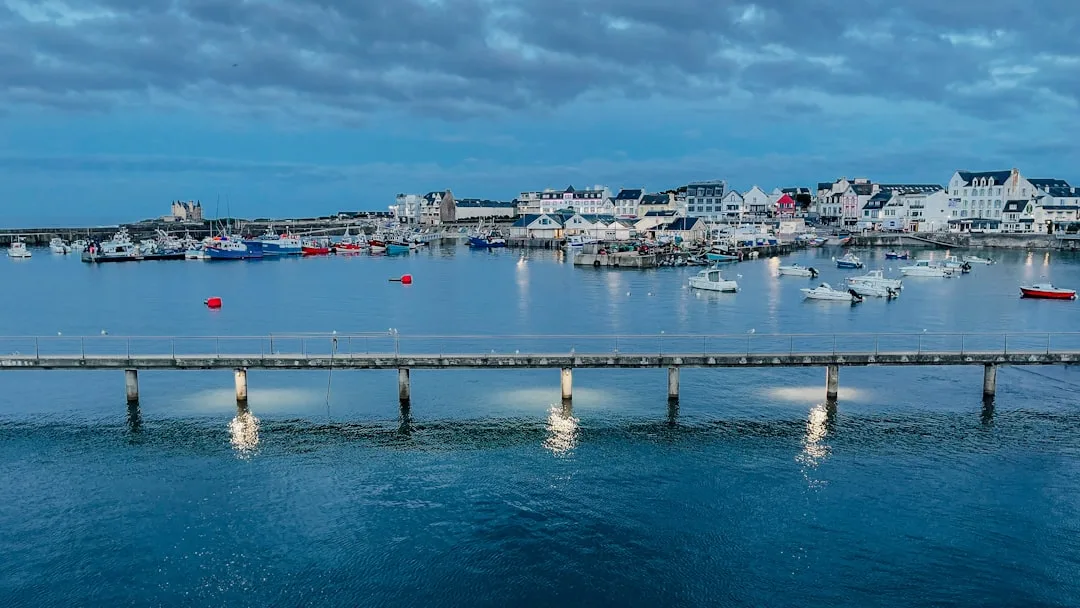
Belle-Île-en-Mer calls for a different pace. The ferry from Quiberon takes you to a larger island, with 58 beaches, 85 km of coastal trail, and a shoreline that alternates between cliffs, coves, and small harbors. Sauzon and Le Palais fit well into the itinerary if you want to combine a sea outing with a stop in an urban center, and the Pointe des Poulains draws attention both for its landscape and for its association with Sarah Bernhardt. If the day is short, prioritize a stretch of coast and a harbor; if it is longer, it is worth including a hike along the coastal trail.
Between the two outings, the choice is simple: Carnac works better as a half-day or full-day visit on the mainland, while Belle-Île calls for schedule planning and a willingness to spend much of the time in sea transit and getting around the island. If you want to fit both into the same stay, do so on separate days; each one uses up the day in a different way.
Beaches, sea and outdoor activities with safety
Plage de Penthièvre is the simplest area for being in the water with less concern, especially when you want space for windsurfing and other wind sports. On days with rough seas, the scenario changes quickly, so it is worth watching the wind, the wave conditions, and the designated swimming area before going in.
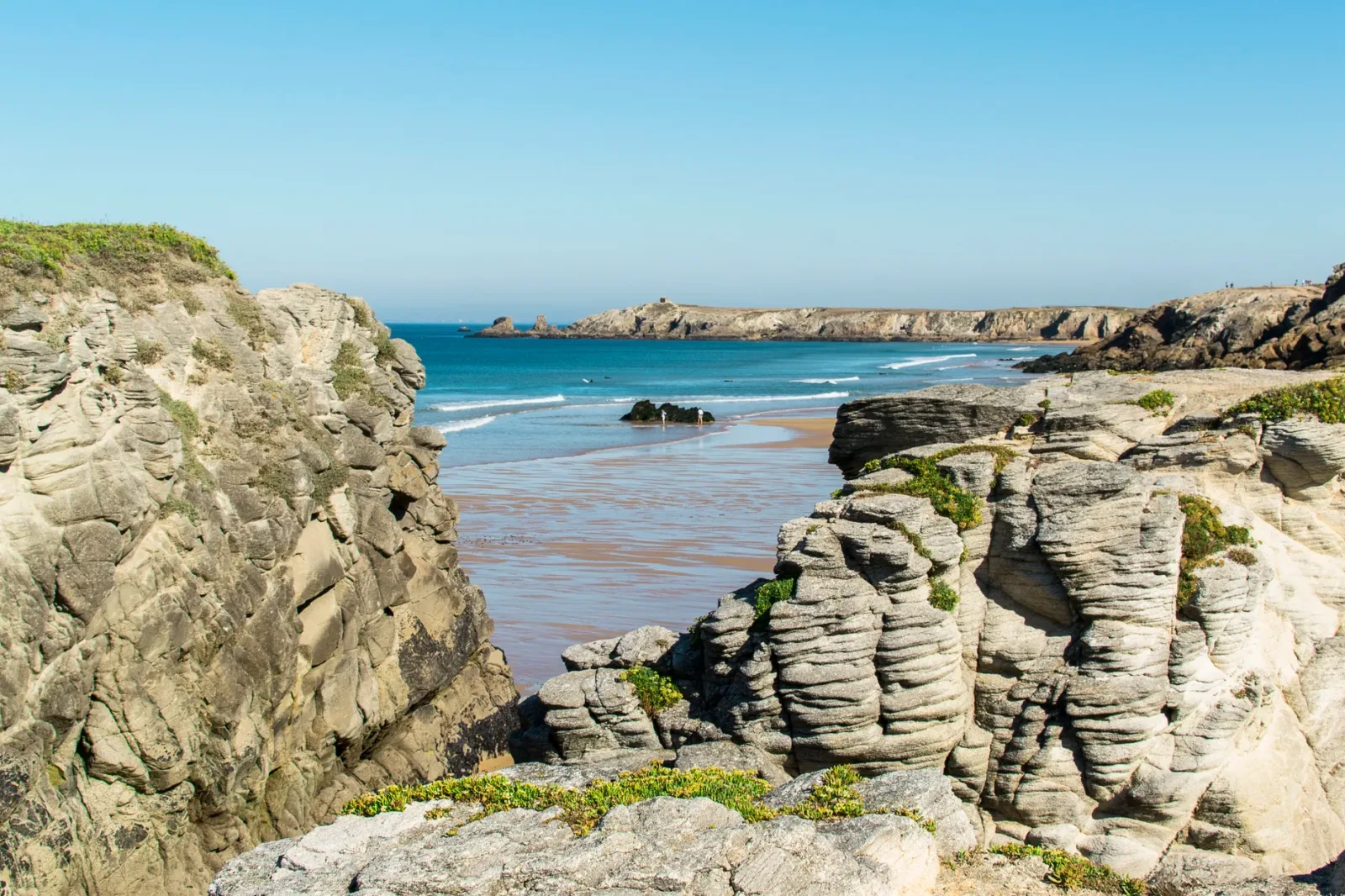
For surfing, the bays of Port-Blanc and Port-Bara are among the sought-after stretches, but they are not suitable for beginners. The presence of reefs and strong currents calls for real experience and the ability to read the sea, because the calm appearance can be misleading at certain points of the tide.
The Côte Sauvage demands extra attention. There are strong currents and reef areas, which makes the water unsuitable for beginners. If the idea is to swim or play with children, choose more sheltered areas with a family-friendly beach profile; in exposed stretches, stay on the sand and observe the conditions before deciding.
If you plan to go into the sea, choose the spot based on the combination of wind, tide, and the beach’s level of exposure. In Quiberon, this matters more than the distance between one beach and another: one stretch may work well for a board, while another, just a few minutes away, may already require complete caution.
Where to eat in Quiberon
Seafood and fish dominate the table in Quiberon. Bar de la Marine and Le Triskell are part of the route for those who want a simple meal centered on what comes out of the sea, with no frills. Aquaculture Chez Jaouen is the name most associated with a specific stop to taste the day’s fish and shellfish, at an address tied to this kind of cuisine.
For dessert, it is worth looking for local sweets with salted caramel. The salidous from Maison Armonine are the kind of purchase that makes sense to take at the end of a meal or buy to enjoy later without rushing. If the idea is to put together lunch or dinner in Quiberon, the choice is usually between a table focused on local seafood and a short break for something sweet, without needing to complicate the itinerary.
Where to stay in Quiberon
The accommodation offer in Quiberon is concentrated mainly on the peninsula and becomes more pressured in summer, when demand rises quickly. If you want to stay close to the water, the choice usually comes down to spa hotels, small inns, and seasonal apartments or houses along the coast. In this context, booking in advance makes a difference.
Spa hotels work well for those who want to split their days between walks and moments of rest. They make more sense if the idea is to concentrate services in the accommodation itself, without relying on much logistics. For short stays, it is worth checking whether the hotel is on the east side, which is more practical for getting around, or closer to the areas facing the open sea, if the priority is to stay close to the coastal scenery at all times.
Small inns and houses/apartments near the coast are usually the best choice for those who prefer autonomy, especially on trips as a couple, with children, or on their own. The decisive point is the location within the peninsula: staying closer to the central areas helps with walking mobility, while a base in quieter stretches favors silent nights and a less urban pace. If you want to spend several days there, choose a place with a kitchen or at least good facilities for simple meals, because that makes the stay more flexible.
Before confirming the booking, check three things: whether the property is really on the peninsula and not just in the bay, whether access to the room or apartment involves stairs or difficult parking, and whether there is a clear cancellation policy for the dates you plan to travel. This matters more in Quiberon than the decor or the size of the room.
When to go and how to organize the days
Quiberon works best between late spring and early autumn, when the sea and the walks still make for good days without the peak pressure of summer. In July and August, the peninsula gets busier, traffic builds up, and any trip requires extra time. If your trip falls during this period, book in advance anything that depends more on scheduling and accept that part of the time will be taken up by slow movement and waiting.
To organize the days, think in simple blocks. One day can be dedicated to walking along the Côte Sauvage, when the wind and tide are in favor of a longer route. Another can be set aside for the beach and rest, or for a spa if you want to slow the pace. Belle-Île works better as a separate outing, because it takes up much of the day, so it is worth reserving a full day. Carnac fits more easily into half a day or a short day, especially if you want to combine the visit with the rest of your stay without rushing.
The sequence of days usually depends on the weather. In Quiberon, the plan improves when you accept swapping the beach for a walk, a walk for a spa break, or a sea excursion for a more stable day on land. If the wind picks up on the exposed coast, use the more sheltered side of the peninsula and leave the more open stretch for when conditions are better.
If the stay is short, prioritize one day for the Côte Sauvage, one for the beach or spa, and one for Carnac or Belle-Île. With more time, you can repeat whatever the weather favors, without forcing a fixed itinerary.
Frequently asked questions
What to do in Quiberon?
In Quiberon, it is worth walking along the Côte Sauvage, visiting Port-Haliguen, hiking the GR34, and spending time on the beaches. It is also possible to include thalassotherapy, swimming pools, and walks through the peninsula's villages.
How to get to Quiberon?
The most direct way is by car. You can also take the train to Auray and continue on the Tire-Bouchon, the seasonal service that connects Auray to Quiberon during peak season.
Which excursions are worth taking from Quiberon?
Carnac and Belle-Île-en-Mer are the most common trips. Carnac works well as a half-day or full-day outing on the mainland, while Belle-Île requires more time and planning.
Which beaches in Quiberon are best for swimming?
Plage de Penthièvre is the simplest option for staying in the water with less worry. On the Côte Sauvage, the current can be strong and there are reefs, so extra caution is needed.
What is the best time to visit Quiberon?
Quiberon usually works best from late spring to early autumn. In July and August, there is more traffic, congestion, and difficulty finding parking.