Léon, Spain: what to do, where to stay, when to go and how to organize the trip
Plan your trip to León, Spain, with tips on the historic center, accommodation, the best time to visit, and excursions to make the most of the city.
Where is Léon and what to expect from the city
Léon is in northwestern Spain, in the autonomous community of Castile and León, and it appears on many people’s map because it is part of the Camino de Santiago. That already says a lot about the city’s rhythm: it works well as a base for a short trip, with a compact historic center that is easy to explore on foot.
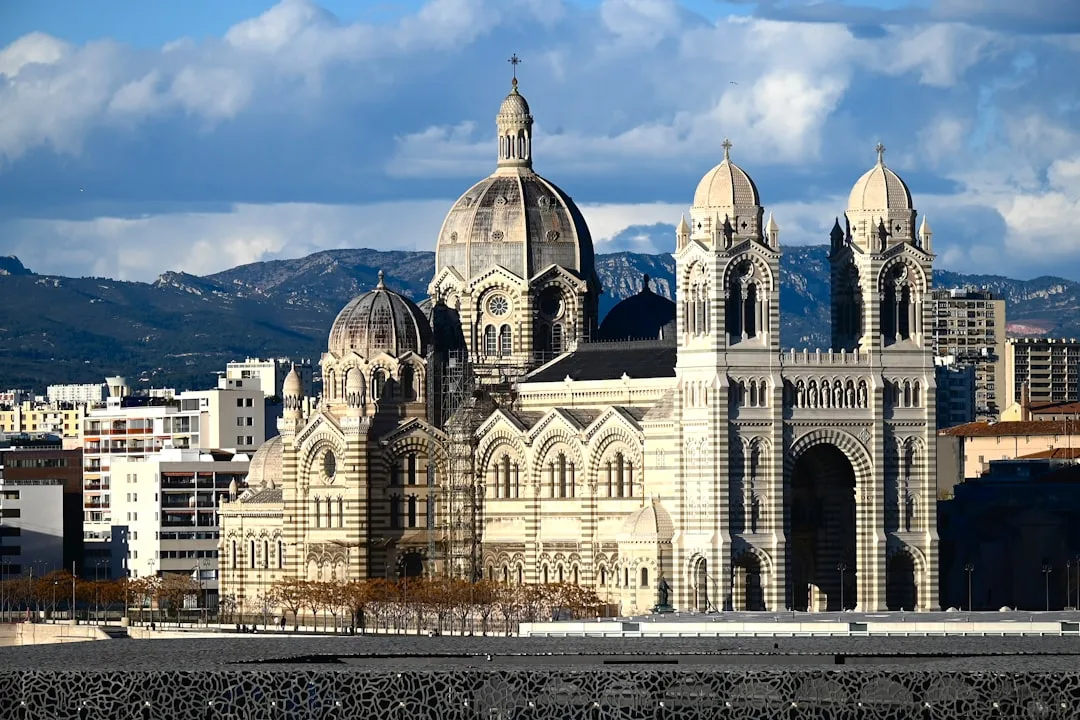
The city’s layout favors a straightforward urban itinerary, without long transfers between points of interest. The old core brings together medieval and Renaissance heritage, as well as streets where local life remains concentrated at the end of the day. Barrio Húmedo is part of that package as the area most associated with tapas bars and nightlife, especially when the city fills up with locals and pilgrims.
For those who want to leave the urban circuit for a day, Léon also serves as a starting point for nearby towns with very different profiles, such as Astorga, Ponferrada, Burgos, and Valladolid. This greatly expands the trip without requiring you to change bases every night.
In general, Léon works best for those who want to combine short walks, cultural visits, and a Spanish city routine that does not depend on long distances. You can stay in the center, explore the old core at a relaxed pace, and reserve part of the trip for the immediate surroundings.
What to see in the historic center in one or two days
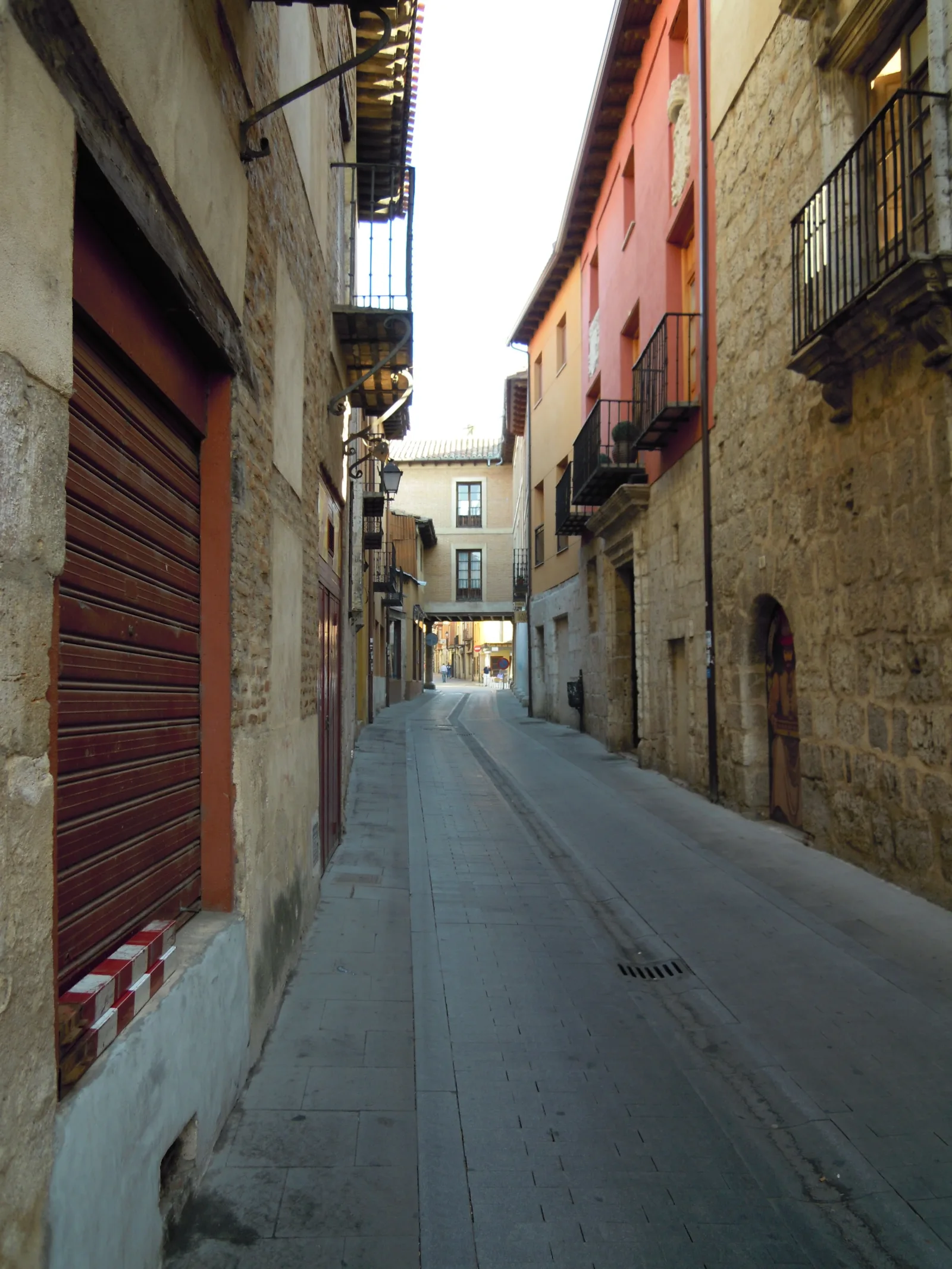
Start in the Barrio Húmedo area, using Plaza Mayor as your reference point and following Calle Ancha to the Cathedral. This stretch covers much of the historic center on foot and helps you understand León’s scale: narrow streets, nearby squares, and historic buildings concentrated along a short route.
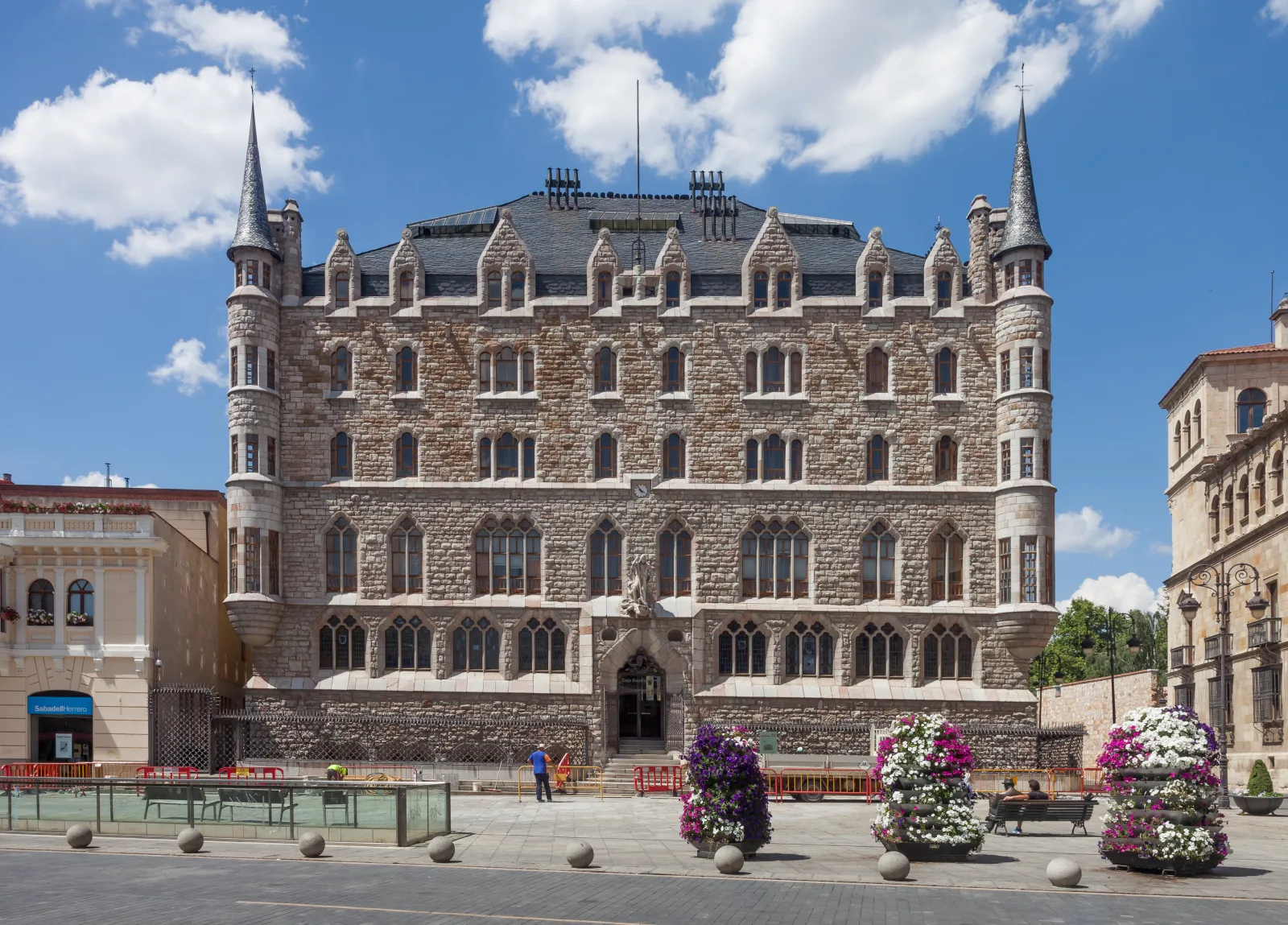
León Cathedral is the visit that takes the most time. In addition to the Gothic nave and the stained glass windows, it is worth including the adjacent museum if you want to understand the city in a broader religious and artistic context. A few blocks away, Basilica of San Isidoro expands that picture with Romanesque architecture, the Royal Pantheon, and its own museum collection. Along the same central axis, Palacio de los Guzmanes, Casa Botines, and Iglesia de San Marcelo help complete your reading of the old center, each with a different layer of urban history: Renaissance, Modernism, and a historic church remodeled over the centuries.
If you have a second block of time, fit in the smaller spaces at an unhurried pace. Museo de León works well for those who want to see pieces ranging from the Middle Ages to the 19th century, and if time is tight, even the rooftop alone justifies the stop. Museo Sierra-Pambley shows a 19th-century bourgeois house preserved with original furniture, and Fundación Vela Zanetti is a short, more straightforward gallery dedicated to the painter José Vela Zanetti. Iglesia de Nuestra Señora del Mercado calls for a quick look from the outside, mainly because it is linked to Plaza del Grano, one of the most distinctive squares in the center.
For a one-day itinerary, the most efficient circuit is the Cathedral, Basilica of San Isidoro, Palacio de los Guzmanes, Casa Botines, and, if you still have energy, Iglesia de San Marcelo and Museo de León. With two days, you can fit in the smaller museums and walk between stops at a relaxed pace, which makes a difference in León: the charm of the visit lies less in rushing after isolated sights and more in crossing the historic center at the right rhythm.
Editorial transparency: Some links on this page are affiliate links. We may earn a commission at no extra cost to you. This does not influence our recommendations.
How to organize your time in León
If you have one day, focus the morning on the historic center on foot, starting with the Plaza Mayor and Calle Ancha axis and moving on to the Cathedral and the Basílica de San Isidoro. This block already takes up much of the useful time on the visit, because it brings together the places that require more attention and follows a logical sequence. In the afternoon, fit in the Palacio de los Guzmanes, Casa Botines, Museo de León, and Iglesia de San Marcelo, choosing what truly fits your pace. At night, return to Barrio Húmedo if you want to have dinner and watch the city in motion; this is when the area comes alive and when it makes the most sense to end the day without long transfers.
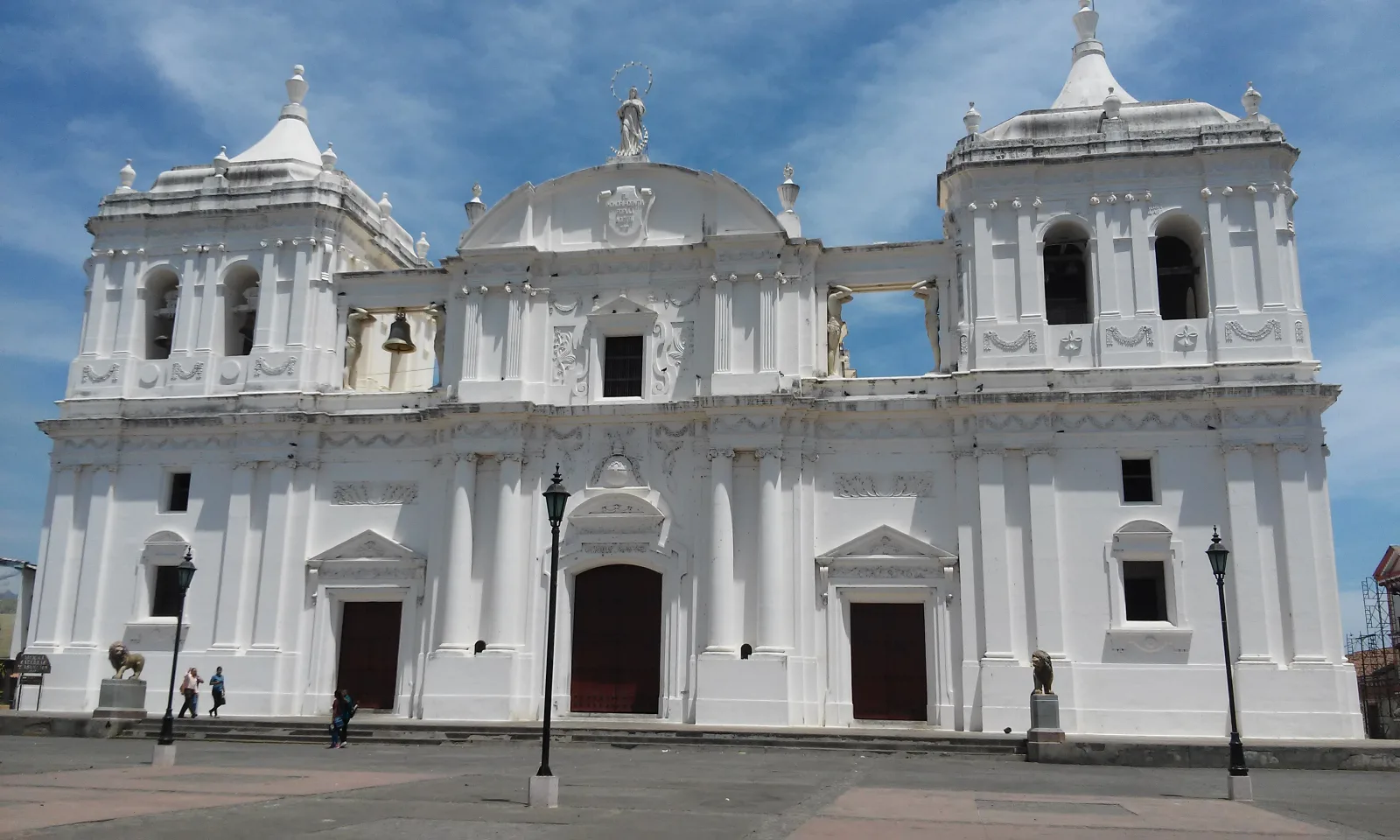
With two days, the first can follow this denser urban route and the second can make room for an unhurried walk. Reserve the morning for Iglesia de Nuestra Señora del Mercado and Plaza del Grano, then head to San Marcos, which deserves a calmer pace because of the architectural ensemble. In the afternoon, cross to the Bernesga riverbank and use Parque de Quevedo for a lighter walk, with the Museo de Arte Contemporáneo de Castilla y León in the same block if you want to keep the cultural visit going. This second day works best when you don’t try to stack too much.
If the stay is short, the criterion is simple: stick with the historic center and choose just one extra axis to open up space in the schedule. If you have an extra day, use it for San Marcos and the Bernesga, leaving the smaller museums for the gaps between one visit and another. In León, the gain lies in organizing the outings by proximity, not in rushing after many isolated places.
Where to eat and what to try in León
The table in León goes straight to the cuisine of Castile and León: cecina, botillo, and Astorga mantecadas appear frequently in the region, along with grilled and roasted meats. Cecina is worth your attention if you like cured, drier flavors; botillo is heavier and usually makes sense in unhurried meals; mantecadas come as a simple sweet, with a texture close to a fluffy cake, to finish the meal or take away as a quick purchase.
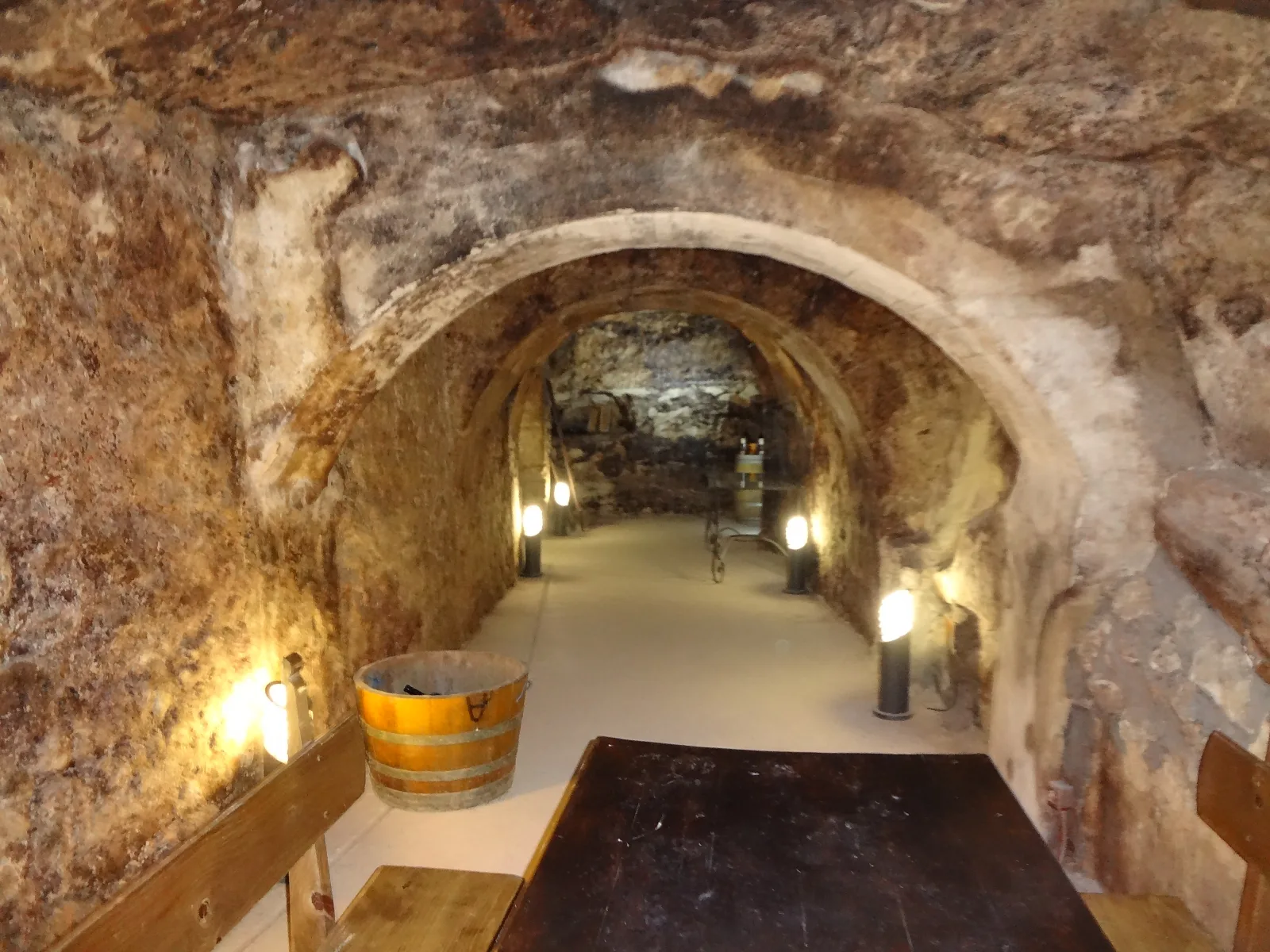
At Restaurante LAV, the approach is more modern. It is close to the Museo de León and offers either an à la carte menu or a six-course tasting menu, which changes according to the season. Local cheeses are available year-round, which helps if you want to try something from the region without tying your visit to a specific dish. It is a practical choice when you want a more structured meal, with more creative cuisine.
Alfonso Valderas takes a different path: traditional cuisine, focused on cod and red meats. The dish that usually draws the most attention is the cod risotto, as well as the lamb ribs. Cocinandos, near San Marcos, works with seasonal menus and a wine list centered mainly on local producers; the cuisine changes throughout the year, but cold tuna and tomato soup and pastrami are among the dishes often mentioned. If the idea is a more elaborate meal, this is the clearest address on the list.
Casa Mando, on the edge of the historic center, is the most straightforward option for those who want dishes from northern Spain without many detours. The solomillo and cachopo are among the highlights. To choose between the four, think less in terms of “best” and more in terms of meal style: LAV for a contemporary menu, Alfonso Valderas for cod and meats, Cocinandos for seasonal cuisine with a more technical touch, Casa Mando for traditional recipes in a straightforward format.
Where to stay in Léon
The Hotel Parador de León, rated 5 stars, is housed in a 16th-century building that once served as a military post. The concept is more formal, with antique decor and rooms that may feature a canopy bed; some have river views. It makes sense for those who want to stay at an address with historical weight and prefer a hotel with a restaurant and bar in the same building.
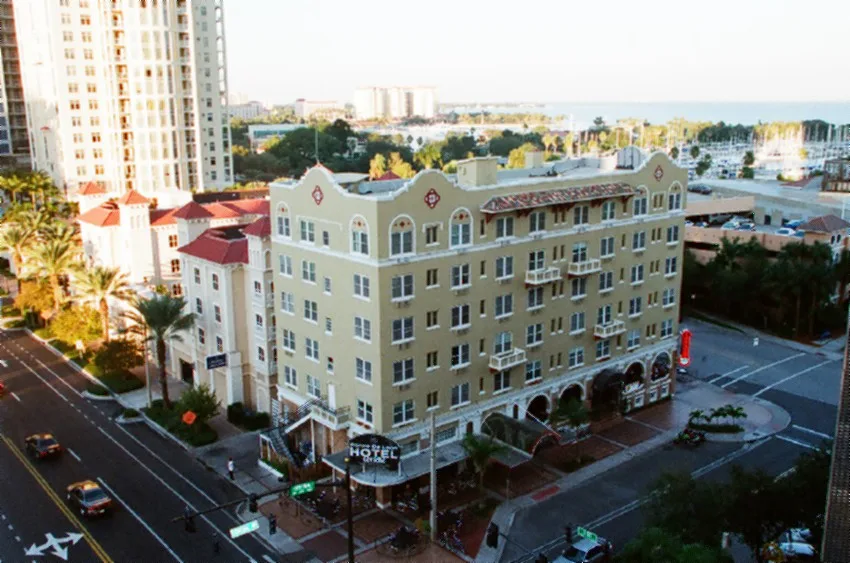
The Hotel Real Colegiata San Isidoro, rated 3 stars, is in the heart of the old town, connected to the basilica. Its location works well for a short stay, as it puts the main sights in the center within easy walking distance. The rooms are modern, in contrast to the historic character of the corridors and courtyard. It is the most straightforward choice for those who want to sleep inside the old core without giving up basic comfort and quick access on foot.
The Hotel Alda Vía León, also rated 3 stars, is the leanest option of the three. It is in an 18th-century building, with rooms featuring a rustic feel, exposed beams, and cast-iron beds. Its location is practical for those who want to stay near the central area without moving up to a higher hotel category. If the priority is spending less and keeping the trip focused on the center, it fits well.
When to go to Léon and what changes at each time of year
June to September is the most comfortable period to visit Léon. Summer brings longer days and the city works well for walking, with an average temperature in August of around 27 °C. During this period, the historic center is easier to explore at a leisurely pace, but the heat calls for breaks throughout the day, especially during the middle hours.
If you prefer a trip with activity in the streets and a simpler routine to fit in, summer is also when the city hosts the Fiestas de San Juan y San Pedro, at the end of June. The celebrations bring concerts, food stalls, and street performances, which changes the atmosphere in the center and may affect traffic in some areas. It is worth checking the current schedule before finalizing your dates, because this usually influences both hotel choice and the pace of sightseeing.
Semana Santa is the main alternative outside summer. It lasts about 10 days and concentrates processions through the streets, with participation from local brotherhoods, as well as concerts and special sermons. For those who want to see the city in a more solemn and traditional setting, it is a strong option; for those who prefer calmer movement, it is good to remember that this period usually brings more people and a busier schedule.
Outside these windows, travel is still possible, but the experience changes quite a bit with the temperature and the city’s cultural calendar. If the priority is to walk a lot and make good use of the center, the period between June and September tends to be the most comfortable. If the idea is to combine the visit with celebrations, Semana Santa and the late-June festivities are the dates that really change the atmosphere of the stay.
Day Trips from León
Astorga works well as a day trip when you want to leave the urban core of León without complicating the logistics. The city brings together a Gothic cathedral, Roman ruins, and the palace designed by Gaudí, which already gives a good sample of historical layers in a relatively compact space. It is a visit that is worthwhile more for the overall combination than for a single stop: you move between Roman remains, religious architecture, and a Modernist building that stands apart from the region’s usual style.
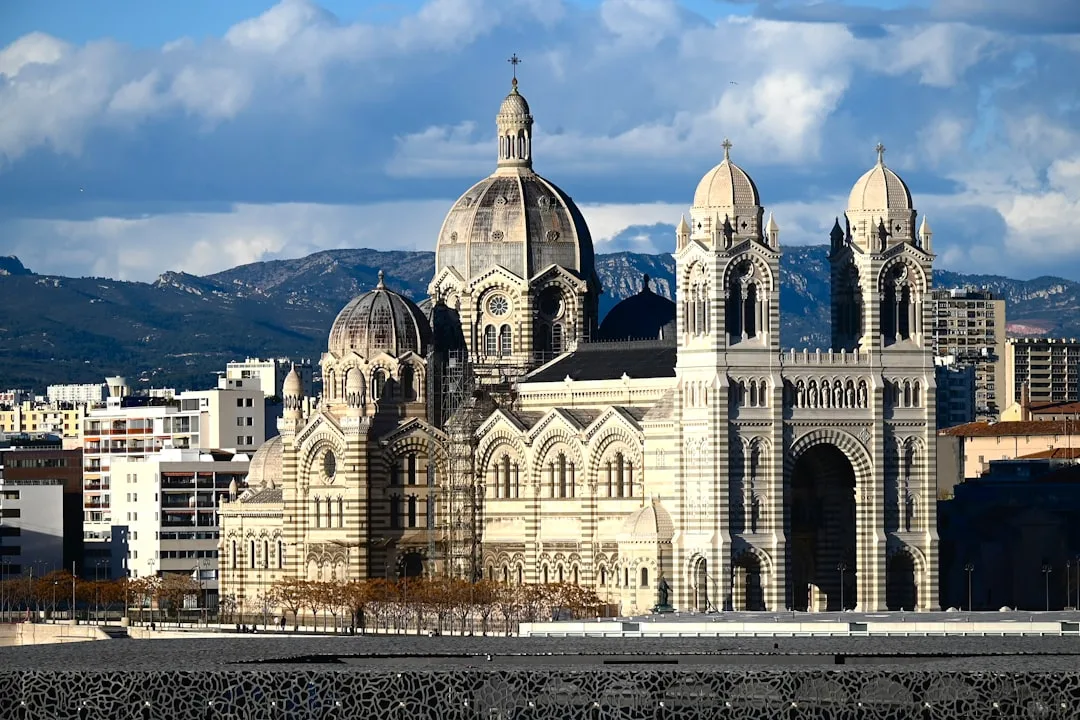
Ponferrada calls for a bit more interest in medieval heritage and the Camino de Santiago. The Templar castle is the strongest highlight, and the city also serves as a base for extending the trip to Las Médulas, one of the area’s most striking Roman landscapes. If you only have one day, Ponferrada is worth considering when the focus is on a castle and a historic landscape tied to ancient mining; if the idea is to combine the city and its surroundings, this is the excursion that benefits most from planning.
Burgos and Valladolid fall into a different category. Burgos stands out for its Gothic cathedral, medieval castle, and the Museum of Human Evolution, making it a clear choice for anyone wanting a day more focused on historical landmarks and monumental architecture. Valladolid, the regional capital, concentrates churches and palaces tied to the political history of Castile and León, with San Pablo and the Royal Palace standing out, which hosted Spanish kings in the early 17th century. It is the most direct option for those who want a large city with historical heritage spread across the center.
If time allows only one excursion, choose according to the type of heritage that interests you most: Astorga for Roman ruins and a strong cathedral; Ponferrada for a Templar castle and a connection to Las Médulas; Burgos for a cathedral and medieval castle; Valladolid for historical landmarks of the former court.
Léon with children: parks and nearby outings
For small children, the central parks work well for a break between visits. Parque del Cid and Parque de Quevedo serve as rest areas and light circulation spaces, with room to walk at a leisurely pace and break up the urban rhythm for a while. If the trip is on a hot day or with lots of walking around the city, these two spots work better as a break than as the main plan.
If the idea is to leave the center a bit, Islaleón is the most straightforward option in summer, because of the water park and pool. Villafranca del Bierzo, on the other hand, is suited to a simpler outdoor outing, with a river beach, which usually fits better when the family wants to spend a few hours outside the city without putting together a long itinerary.
For a nature outing, El Faedo is the easiest choice to understand with children who can already handle a walk in a forest setting. The caves of Llamazares and Valporquero fall into another category: they are cave visits, more suitable for those who want to combine a short trip with something different from the usual. Before going, it’s worth confirming access conditions and current operations, because this type of attraction often varies depending on the season.
If the priority is to keep everything simple, the urban parks do the job. If you want to fit in an outing outside the city without demanding too much from the logistics, Villafranca del Bierzo and El Faedo make more sense. The caves require a bit more planning and work best when the child is old enough to follow a visit in an enclosed environment with a set route.
Festivals and dates that may influence your trip
Semana Santa in Léon lasts about 10 days and clearly changes the rhythm of the city. The processions pass through the streets with local confraternities carrying religious images, and the program also includes concerts and special sermons. If you like seeing a city in a more solemn mood, this is the right time to plan your trip. If you prefer freer movement and less commitment to street schedules, it’s worth thinking twice.

The Fiestas de San Juan y San Pedro take place around the last week of June and bring a very different atmosphere. The center hosts concerts, food stalls, and street performances, with more activity throughout the day and night. For those who want to experience the city in a festive, popular mode, this is the date that truly changes the experience, including the way you walk the streets and decide where to stop.
Between one and the other, the decision depends on the type of trip you want to take. Semana Santa calls for attention to the calendar and the processions; San Juan y San Pedro works better for those who want lively streets, dispersed programming, and more activity in public spaces. If these dates coincide with your stay, it’s worth checking the current schedule before finalizing your day trips.
Frequently asked questions
How many days are enough to explore Léon?
One day covers the main historic center, but two days allow you to visit the Cathedral, San Isidoro, smaller museums, and areas like San Marcos and the Bernesga more calmly.
What to do in Léon's historic center?
The most practical itinerary includes Plaza Mayor, Calle Ancha, the Cathedral, the Basilica of San Isidoro, Palacio de los Guzmanes, Casa Botines, and Iglesia de San Marcelo.
What is the best time to visit Léon?
June to September is usually the most comfortable period for walking around the city. If you want specific events, Holy Week and the late-June festivities change the local rhythm quite a bit.
Where should I stay in Léon to do everything on foot?
Hotel Real Colegiata San Isidoro is the most practical for those who want to stay in the heart of the old city. Hotel Alda Vía León is also a central and simpler option.
Is it worth taking day trips from Léon?
Yes. Astorga, Ponferrada, Burgos, and Valladolid work well as day excursions, each with a different kind of heritage and route.