Winterberg: how to plan the trip, what to do, and where to stay
Plan Winterberg with tips on the best time to visit, where to stay, how to get there, and how to create a short itinerary with less travel time.

Where Winterberg is and why it enters the itinerary
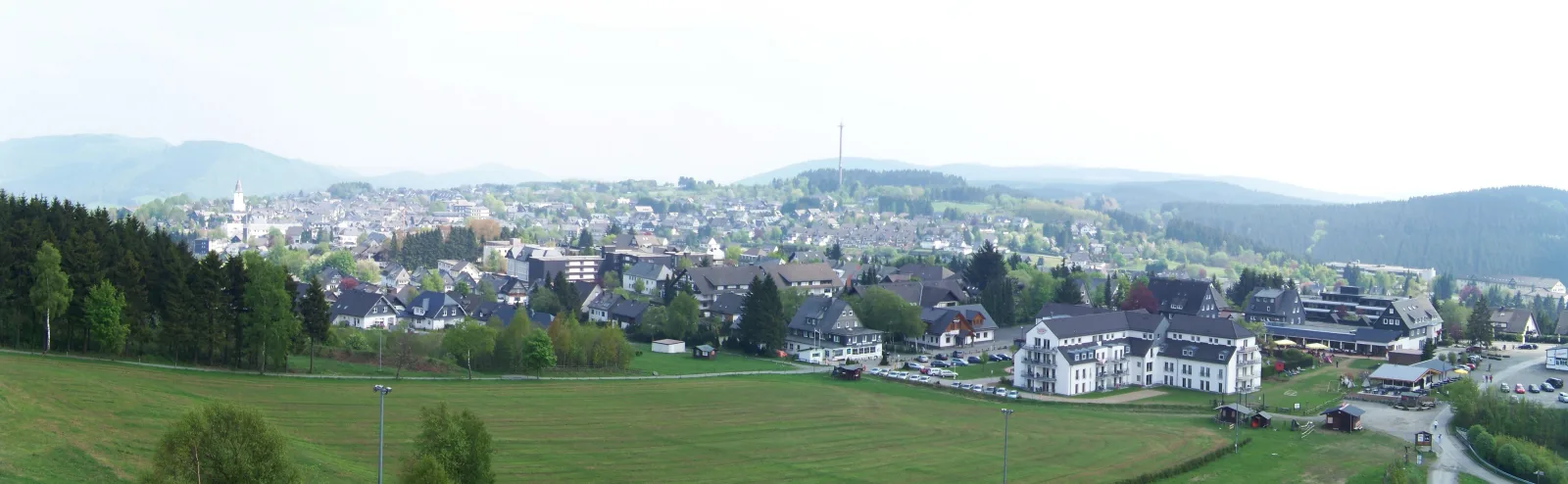
Winterberg is in Germany and enters the itinerary as a travel base more tied to the pace of the place than to a circuit of major cities. The appeal here lies in the combination of a small center, short trips, and time that is strongly shaped by the weather, which changes quite a lot how the days are planned.
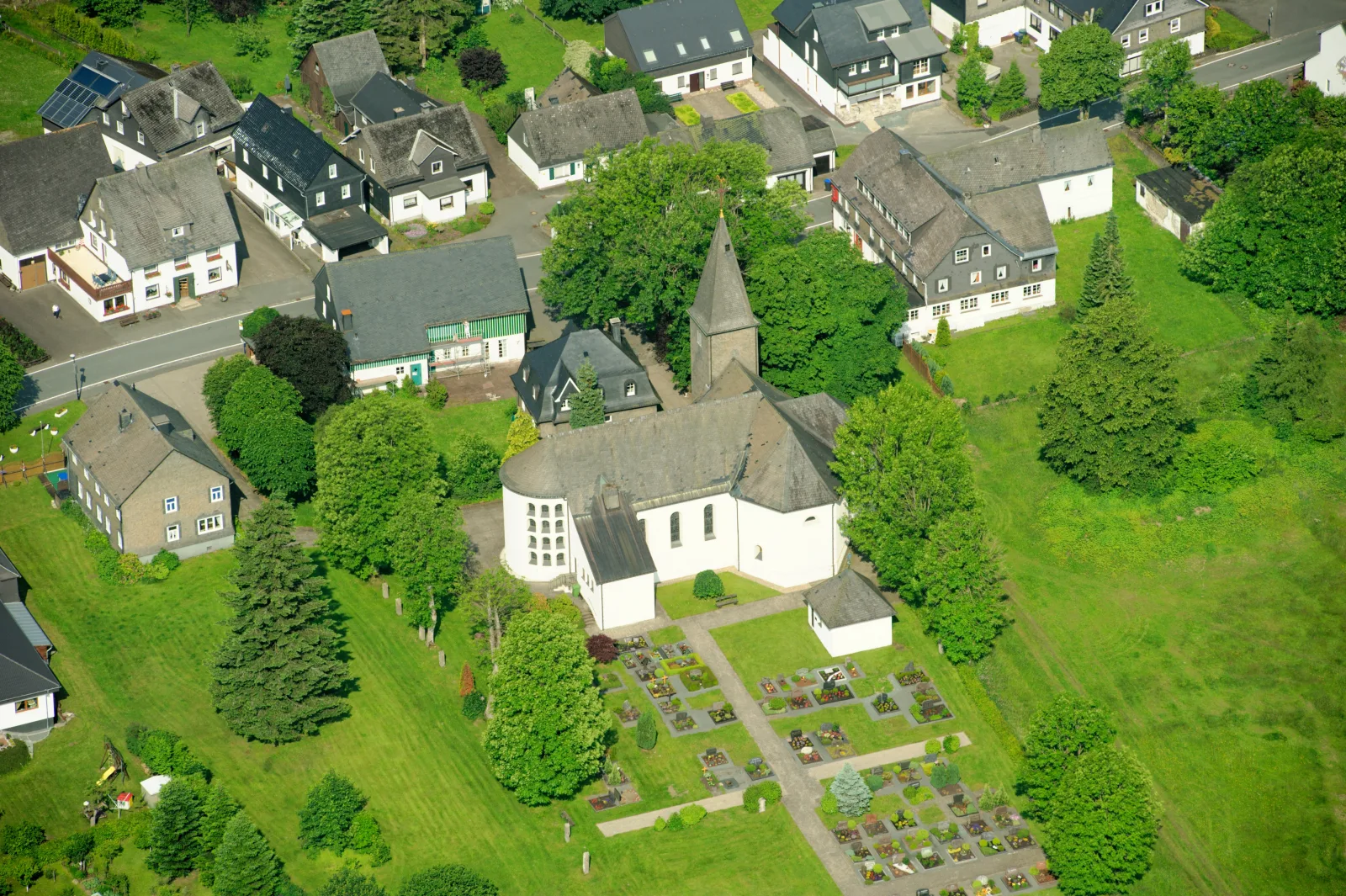
The city works best for those who want to walk with little time lost between arrival, stay, and sightseeing. In destinations like this, location matters more than the number of things on the map: staying close to the center simplifies the routine and avoids relying on long transfers for almost everything that fits into a short visit.
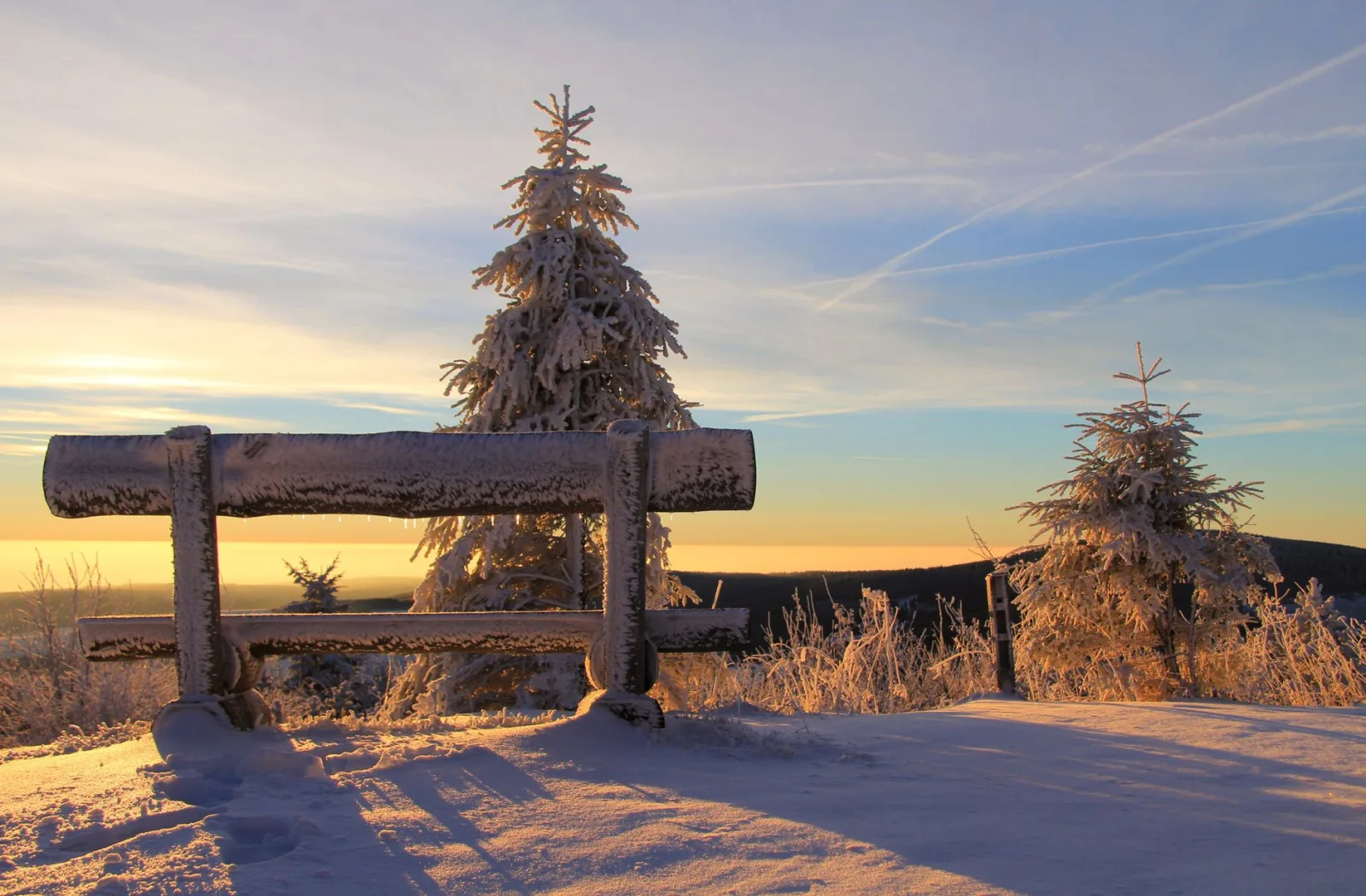
Winterberg also makes sense for those traveling in colder seasons and who want to choose the date by paying close attention to the weather. In winter, short days and low temperatures change how well the itinerary works and leave room for unexpected events. When the trip falls at this time of year, it is worth checking the forecast closer to departure and adjusting your luggage to the real cold, not to what appears on average on paper.
For an itinerary through Germany, it works well as a slower-paced stop, especially if the idea is to alternate between city, nature, and rest without putting together a rushed schedule. It is a destination that calls for a practical decision: stay briefly and make good use of the center, or set aside more time if the intention is to slow down.
What Is the Best Time to Visit Winterberg
The best time to visit Winterberg depends on what you want to do with the weather. In the cold, the city takes on a different logic: short days, low temperatures, and a greater chance of snow call for more attention to the clock and the right clothing. If the idea is to enjoy the trip with light transfers and little improvisation, it is worth choosing dates when you have room to adapt the plan to the forecast.
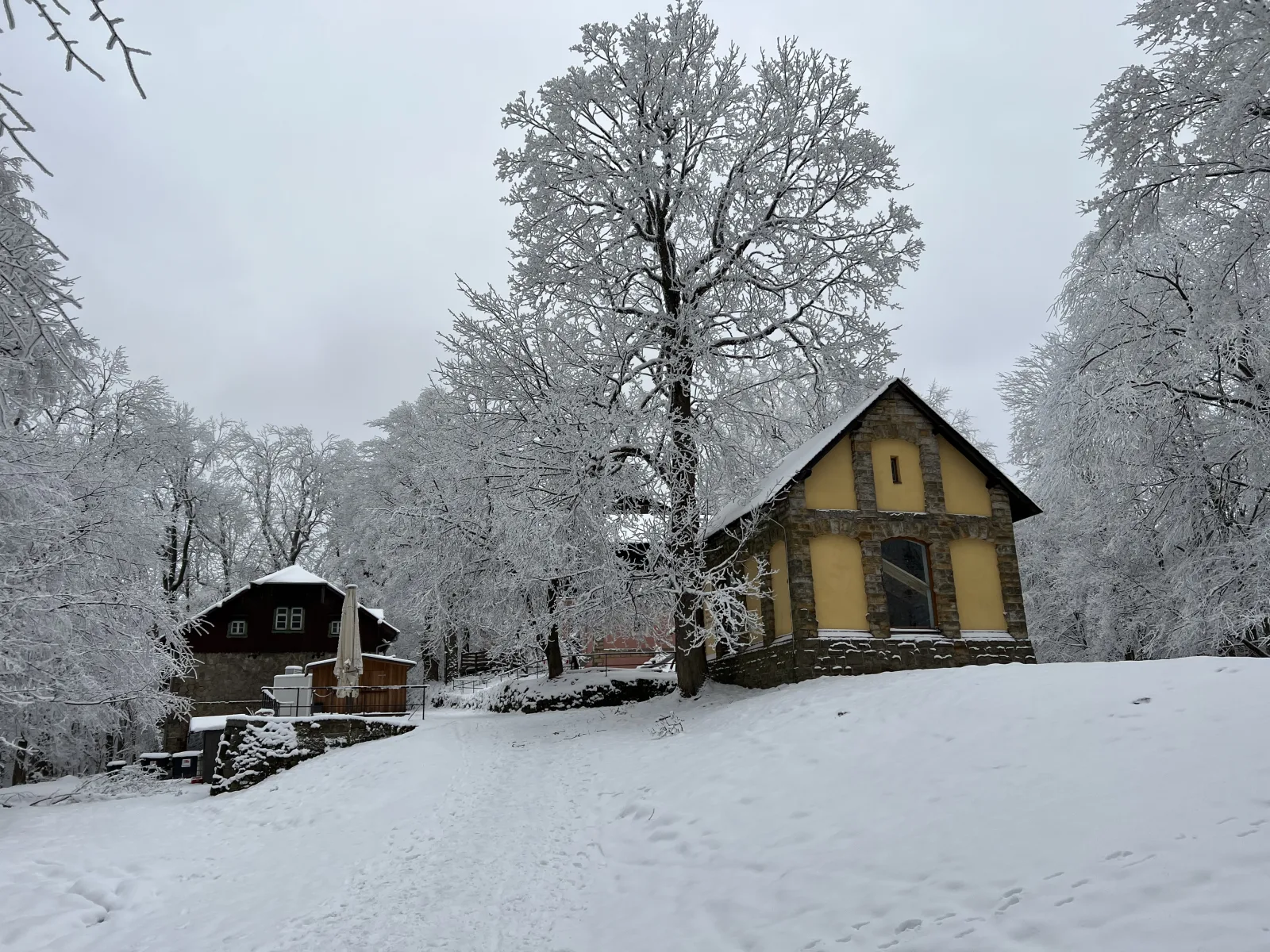
In winter, what matters most in the decision is the stability of the conditions. When snow becomes part of the itinerary, the experience changes quickly from one day to the next, and this affects both the pace of sightseeing and the way you move around the city. For those who do not want to depend on luck, it makes sense to follow the forecast in the days before the trip and avoid planning the schedule as if the weather were constant.
Outside winter, Winterberg usually requires less climate planning, but the trip becomes more predictable if you still consider the length of the day. With more daylight, it is easier to walk, fit in breaks, and return to the center without rushing. In colder seasons, the opposite happens: the day is shorter and the itinerary needs to fit into smaller time windows.
If the priority is snow, the most logical bet is to schedule the trip for the cold season and accept that the program will depend on what is happening outside. If the priority is walking more comfortably and without so much time pressure, the milder months tend to make things easier.
Editorial transparency: Some links on this page are affiliate links. We may earn a commission at no extra cost to you. This does not influence our recommendations.
How to get to and around Winterberg
Getting to the center of Winterberg with little hassle is a real advantage of the destination. In small-scale German cities, the logic usually favors taking the train to the main station and then continuing on foot or with a short taxi/local transfer, if necessary. The gain lies in reducing dependence on a car after arrival, because what really matters for a short stay is reaching the heart of the city and carrying on with your luggage without wasting time.
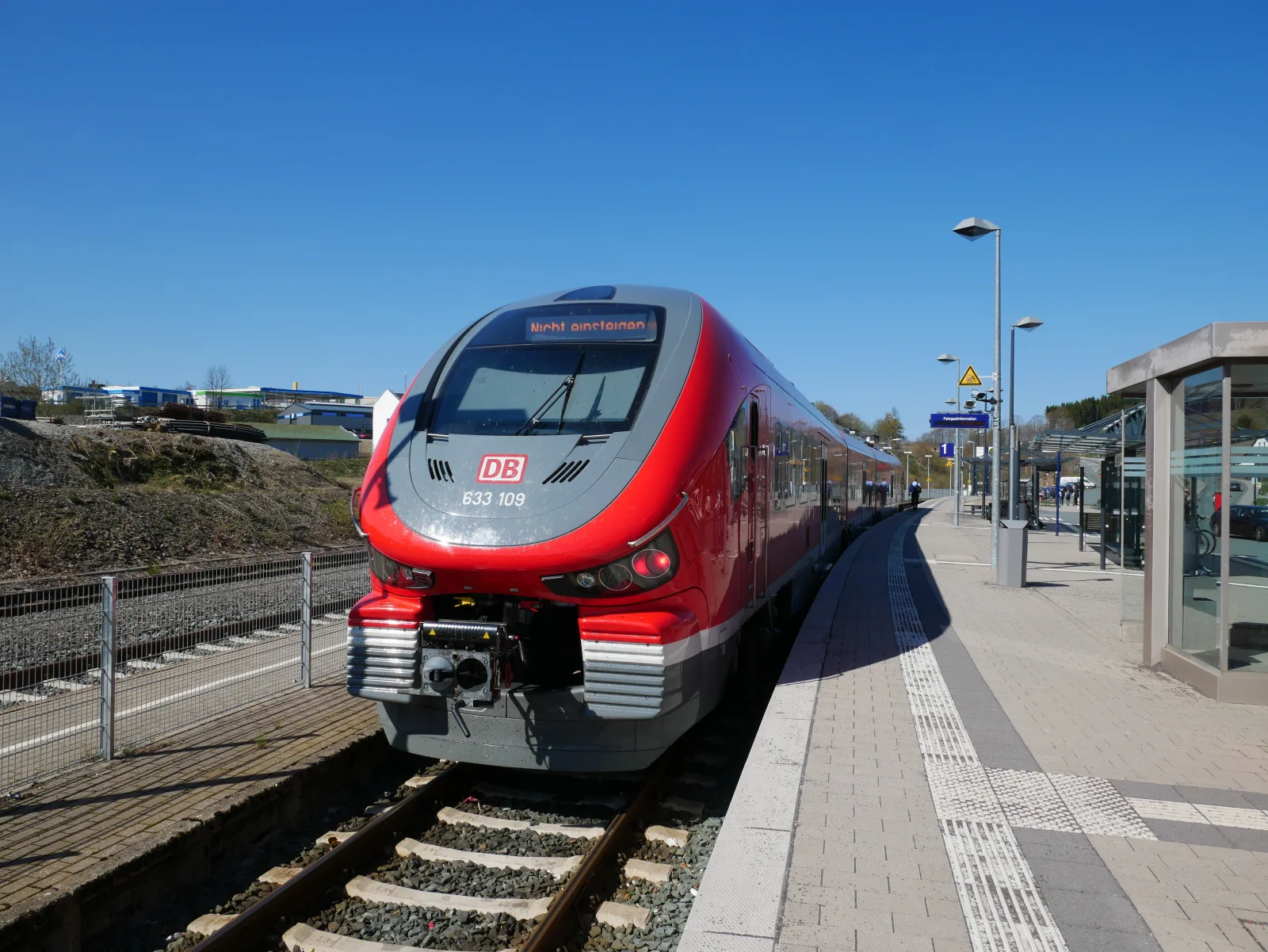
For those planning their transportation, it is worth thinking of Winterberg as a place where walking solves much of the day, as long as you stay near the center. This matters even more in winter, when the cold and limited daylight shorten the useful radius for getting around. If the itinerary is light, arriving already with the idea of doing almost everything on foot simplifies the schedule and avoids fitting too much transport between one stop and another.
Local movement tends to be more comfortable when you stay in the central area or its immediate surroundings. That way, you can head out to take care of the basics without relying on strict schedules, which helps a lot on short trips or on days with unstable weather. If you are carrying a lot of luggage, with children, or in a group, the best criterion is simple: sleep where the distance between arrival, accommodation, and the center is as small as possible.
If the plan includes leaving the city for excursions in the region, the ideal is to check in advance which combination of train, bus, or car makes the most sense on the chosen day. Winterberg works well when the base is clear from the start, because local mobility becomes easier to organize once you understand whether you will depend only on the walkable center or on occasional transfers to expand the itinerary.
Where to stay in Winterberg
Staying near the center solves most of a stay in Winterberg. In a compact destination, location matters more than the size of the room: those who stay in the central area tend to spend less time getting around and can fit the day’s outings in with more freedom.
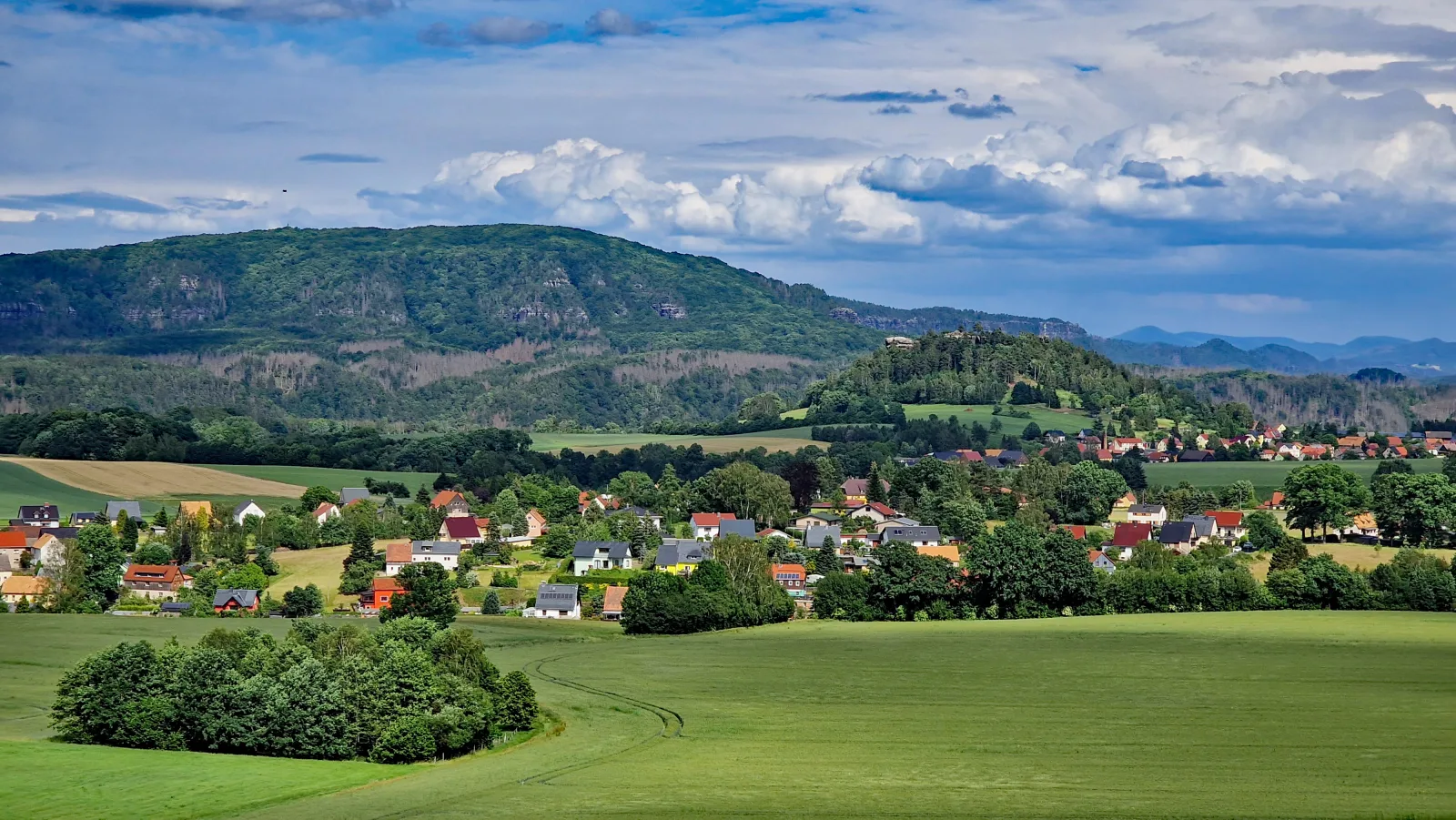
For a short trip, the best criterion is simple: choose an address that makes it easy to go out and come back on foot, especially if the idea is to spend little time in the city. This helps couples who want a hassle-free itinerary, families who need to reduce logistical changes, and solo travelers who prefer to get around without relying on tightly structured plans.
If the priority is rest and practicality, it is worth aiming for accommodations that make the center the main reference point of the stay. That way, you can handle meals, small purchases, and basic trips without turning every outing into a commute. When the trip falls during a cold period, this choice becomes even more useful, because it shortens the time exposed to the weather and reduces the feeling of wasting part of the day.
For those planning to use Winterberg as the base for a slower-paced itinerary, staying in the central area or nearby surroundings is usually the most efficient option. The less you depend on long trips to start the day, the easier it is to decide on the spot whether you want a full schedule or just to head out without rushing and return early.
Where to eat and what to try in Winterberg
In Winterberg, meals usually work best as part of the rhythm of the day rather than as a separate outing. For lunch, the safest choice is something simple and warm, especially when traveling in cold weather. In small German towns, this usually means straightforward dishes, soup, a meat portion, or a hot sandwich, with service designed for those who want to get back to their itinerary quickly.
If you are planning your day with only a few useful hours, it is worth prioritizing places that handle the break without making the stop too long. This helps families, couples, and solo travelers who prefer to eat well and keep walking, rather than setting aside an entire evening for the table. During cold periods, it also makes a difference to arrive with moderate hunger, because the cold often increases the temptation to linger too long over breaks and shorten sightseeing time.
To try something more aligned with German cuisine, look for winter classics and regional dishes that appear frequently in inland towns: meats, potatoes, sauces, and simple desserts. Among snacks, the most practical option is to choose items that work outside a formal restaurant, such as bread, a baked savory pastry, or a bakery sweet, especially if you want to keep the day flexible.
If the idea is to save time, have your main meal in the center and leave the smaller breaks for the middle of the walk. That way you avoid relying on extra travel just to eat and keep the itinerary light, without having to adjust everything to the schedule of a single table.
How long to stay in Winterberg and how to plan the itinerary
For a short stay, Winterberg works well in 2 full days. That gives you enough time to arrive, get into the rhythm of the city, and leave the rest of the itinerary unhurried, without turning the trip into a sequence of transfers. If the idea is a couple’s getaway or a lighter family stop, this duration is usually the most practical balance point.
With 3 days, the itinerary feels less rushed and you can better absorb the atmosphere of the destination, especially if the trip takes place during the cold season, when short days call for more focused choices. Instead of trying to fill every time slot, it is worth dividing the stay into simple blocks: one day for arrival and settling in, another for whatever is your itinerary priority, and a third to calmly repeat what made the most sense.
When traveling alone, 2 days work well if you want to keep the trip lean and with little complexity. For families, 3 days usually work out better because they reduce the pressure to do everything at once, which helps when there are children or the need for breaks. Couples who prefer a slower pace also benefit from an extra day, especially if the trip depends on the weather outside.
In practice, the itinerary becomes more efficient when you concentrate the day’s plans in the same area and avoid unnecessary changes. Winterberg calls for a simple plan: arrival without much ambition on the first day, a full day for what is the priority, and, if there is time, one last morning or afternoon to wrap up the trip comfortably. That leaves room for weather, tiredness, and last-minute adjustments without disrupting the stay.
How much does it cost to travel to Winterberg
The cost of Winterberg depends a lot on the time of year, because the weather directly affects demand and the kind of stay that makes sense. During colder periods, accommodation tends to weigh more on the budget, so it is worth booking this item first and letting the rest of the plan adjust to it. For a short trip, overnight costs are usually the part that most changes the final bill.
For getting around, Winterberg’s advantage is that reaching the center and walking around reduces the need for local transportation. This helps keep the daily budget under control, because you avoid adding short trips throughout the day. If the luggage is large or arrival happens at a less convenient time, there may be some extra cost with a short transfer or taxi, but this kind of expense is not something to assume as fixed.
For food, the impact usually depends more on the choice of pace than on the destination itself. Those who have simple meals and fit in short breaks spend less than those who turn each meal into a long stop. To decide on the budget, think of breakfast, lunch, and dinner as the three main blocks of the day, leaving a margin for hot drinks and snacks, which weigh more when the weather is cold.
There is no reliable basis here to state entry prices or specific fees without risking outdated information. The best approach is to treat these items as variables and confirm them close to the date, along with accommodation and transport, because these are precisely the costs that change most easily.
Frequently asked questions
What is the best time to visit Winterberg?
The best time depends on what you want to do. In winter, there is a greater chance of snow, but the days are short and the weather requires more attention to planning.
Where to stay in Winterberg?
Staying near the center is the most practical option. This reduces travel time and makes it easier to go out, come back, and handle the basics on foot.
How many days to stay in Winterberg?
For a short stay, 2 full days work well. With 3 days, the itinerary is more relaxed, especially during colder periods.
How to get to and get around Winterberg?
The most practical way is to get to the center and walk whenever possible. Staying in the central area helps a lot, especially on short trips.
How much does it cost to travel to Winterberg?
The cost varies greatly depending on the time of year, mainly because of accommodation. During colder periods, this is usually the item that weighs most heavily on the budget.