What to Do in Toulouse: A Practical Guide to Visiting the Pink City
Discover what to do in Toulouse with a practical itinerary to choose between the historic center, Cité de l’Espace, markets, nightlife, and day trips.
First steps in Toulouse: who the city suits best
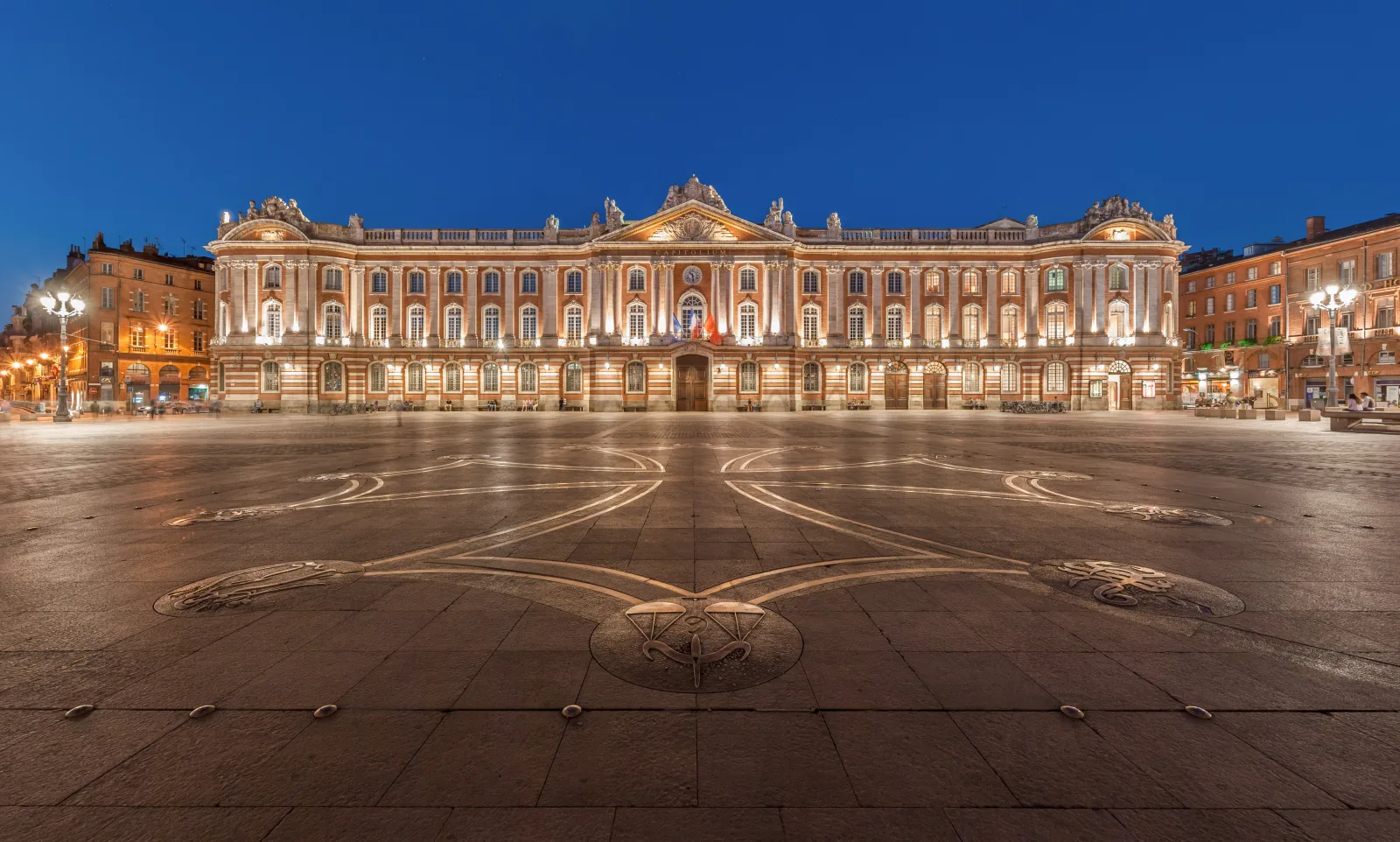
Toulouse works very well for those who want an urban trip without a hectic pace. The historic center brings together pink-brick architecture, important churches, lively squares, and streets made for walking. At the same time, the city has a strong layer of science and aeronautics, which significantly changes the profile of a visit: here, an itinerary can alternate between medieval heritage, art museums, and spaces connected to space exploration and aviation without feeling forced. If you like cities that mix the past and technology in the same day, Toulouse makes sense.
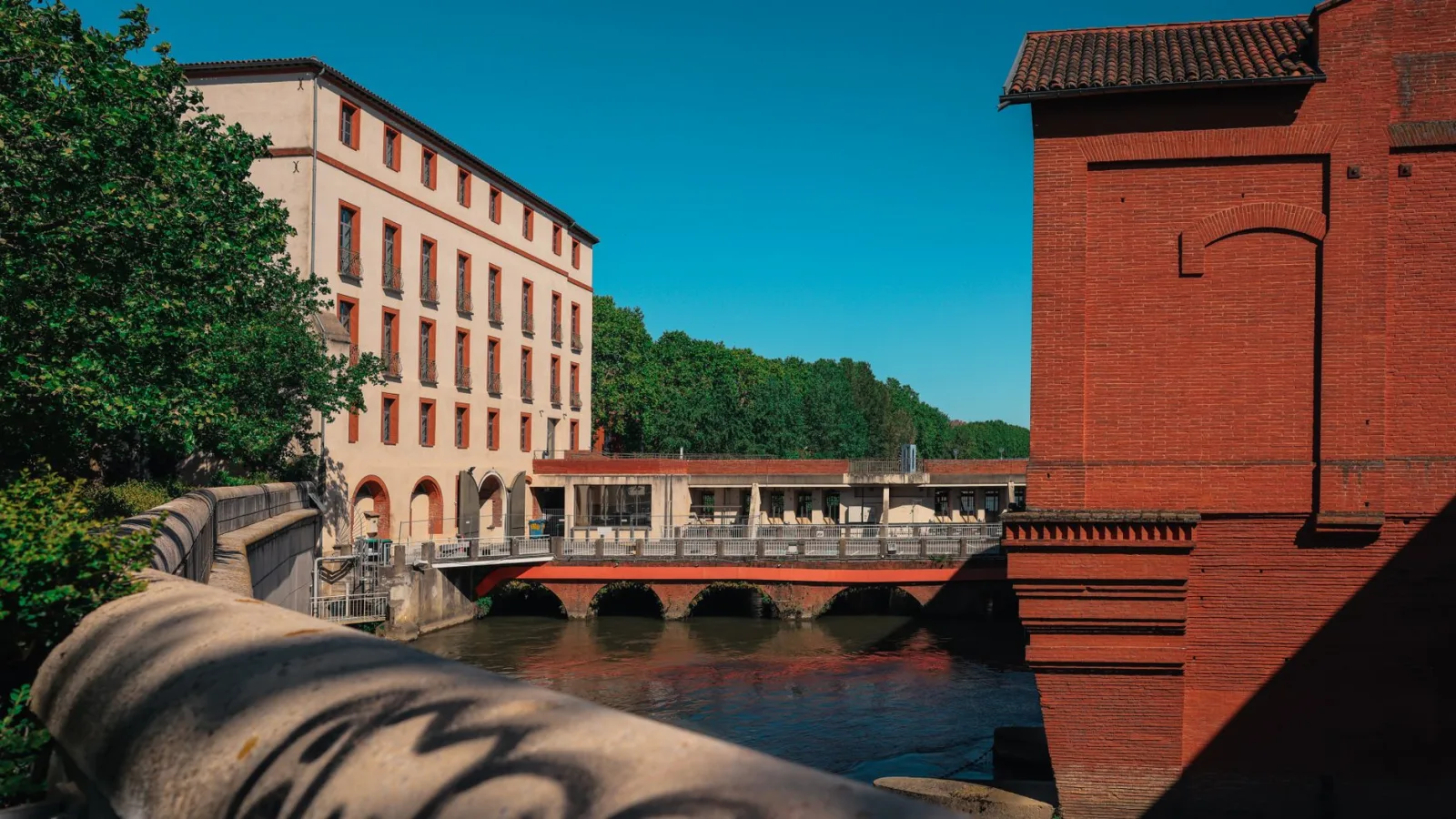
For couples, the city works best on trips of a few days, with time to walk unhurriedly, stop at a market, fit in a museum, and end the day by the river or canal. The appeal lies less in “checklist” attractions and more in the urban atmosphere: facades, late-afternoon light, cafés, food from southwestern France, and lively nights in central neighborhoods. It is a destination that suits those who prefer setting their own pace rather than chasing a long list of monuments.
For families, Toulouse usually works well when there is genuine interest in science, planes, or interactive experiences. The city’s aerospace side helps a lot, because it adds variety to the itinerary and holds the attention of older children and teenagers well. Families with young children, meanwhile, make the most of it if they combine those visits with parks and outdoor breaks, because the historic center on its own tends to appeal more to adults. If the group’s priority is a sequence of major child-focused attractions, it may not be the most straightforward city; if the idea is to balance learning, walking, and good food, it delivers.
For solo travelers, Toulouse is practical and not very intimidating. The center is walkable, there is university life, movement in the streets, and plenty of raw material to fill the day without depending on a car or a fixed schedule. It is also a good base for day trips, which helps those who like to vary the scenery without changing hotels. Those looking for a fast-paced capital, shopping as the main focus, or an agenda packed with major icons may find the city more understated than they expected.
Outdoor walks: canals, river, and gardens
If your plan is to get some air between visits, the most pleasant part of the city lies between the Canal du Midi and the banks of the Garonne. The canal works best for a relaxed walk, cycling, and a long break; it has shade, water, benches, and a quieter pace. This is the stretch to fit into an early morning or a late afternoon with no commitments. The river, on the other hand, serves a different purpose in the itinerary: open views, better light for photos, and a more urban feel. Along the banks of the Garonne, the walk is most rewarding near Pont-Neuf, where the framing of the river with the brick buildings is usually what many people are looking for when they head out with a camera or simply to watch the city slow down.
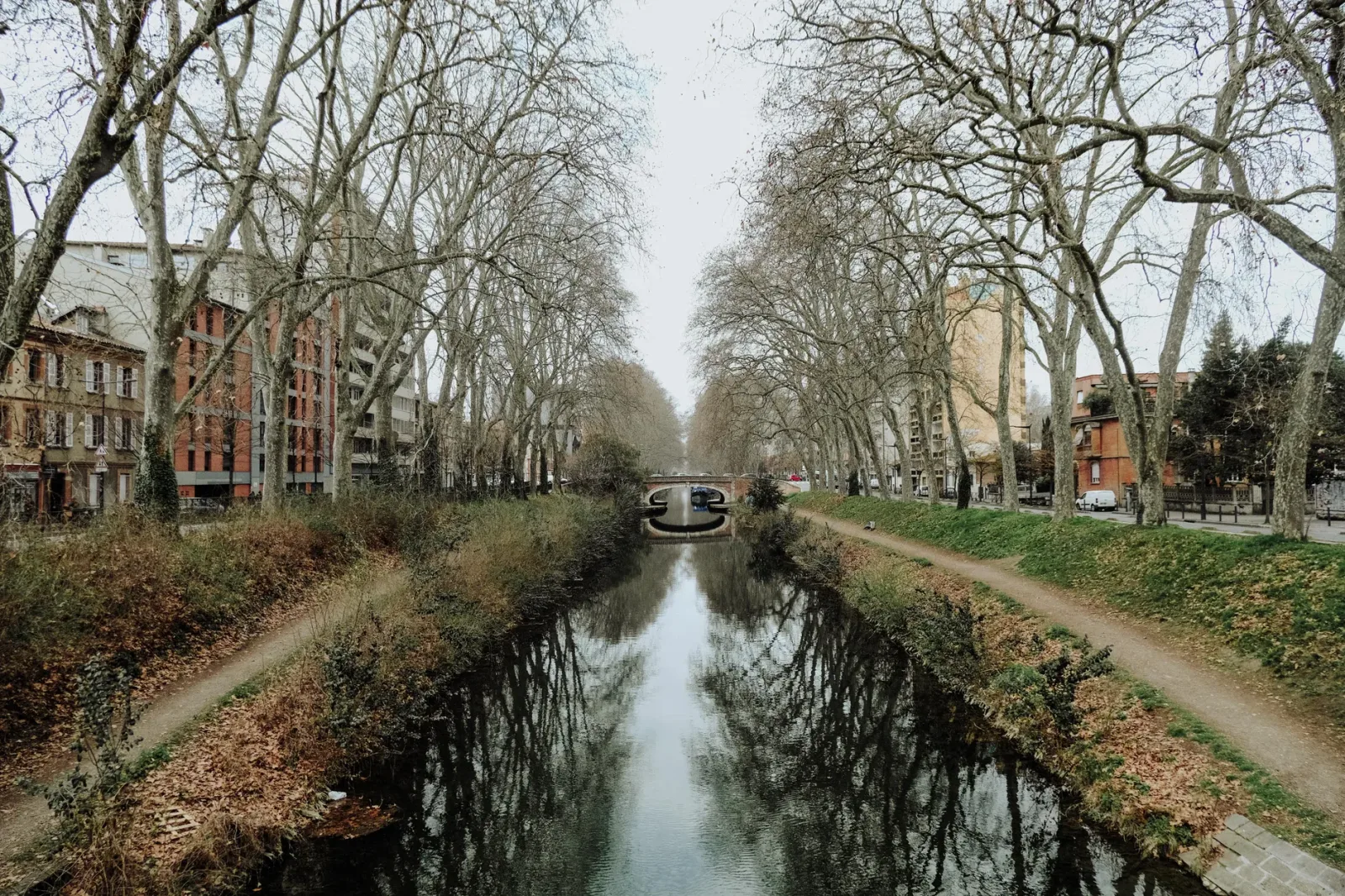
The Pont-Neuf is worth less as a crossing and more as a vantage point. If the weather is good, cross it at an unhurried pace and stop a few times in the middle to look at both sides of the river. At the end of the day, this is where the city’s color shows best. If you prefer a more contemplative walk, head to the Garonne; if you want to walk longer without so many urban interruptions, the Canal du Midi works better.
Among the gardens, the Pierre Baudis Japanese Garden is the best choice for a short break. It is compact, designed for slow observation, and usually works well for photography because of the red bridge, the lake, and the more controlled composition of the space. The Jardin des Plantes makes more sense when you want to spend more time outdoors, walk without a plan, and have space to rest between getting around. For families, it tends to be more practical precisely because it allows for a less “ceremonial” use than the Japanese garden.
The Raymond VI Garden usually appeals to those who want a more open and less formal park. It is a good place to sit, read, take a break in the middle of the day, or let the city go by without turning that into a plan. If you are choosing just one garden, think about how you want to use it: Pierre Baudis for a short and photogenic stop, Jardin des Plantes for a longer walk and rest, Raymond VI for a simple, no-fuss break.
Editorial transparency: Some links on this page are affiliate links. We may earn a commission at no extra cost to you. This does not influence our recommendations.
Museums and spaces linked to art, science, and aeronautics
The Musée des Augustins makes more sense for those who want an art visit with historical weight. It is housed in a former Augustinian convent, and the interest lies as much in the collection as in the building: medieval sculptures, paintings ranging from the Middle Ages to the 19th century, and a cloister that changes the pace of the visit. If you enjoy noticing the evolution of style and technique, this is a museum to take in slowly. Those who prefer contemporary art or exhibitions that are easier to read at first glance may connect less with it.
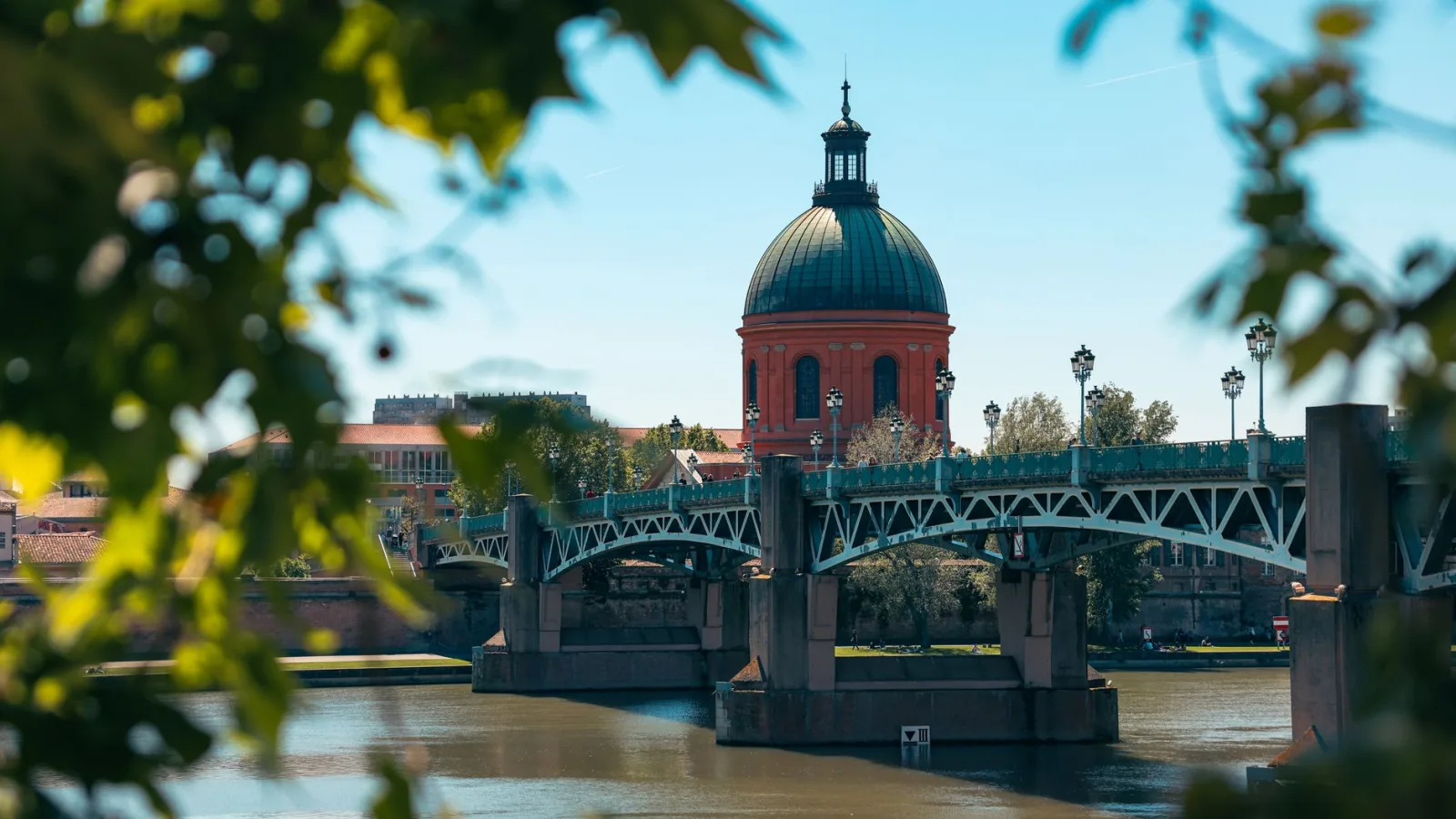
The Cité de l’Espace works best for families with older children, teenagers, and adults with a real interest in space, technology, and interactive experiences. It is the place to see up close a replica of the Mir station, the Ariane 5 launcher, and areas where the visit depends less on contemplation and more on practical curiosity. The planetarium is usually a good part of the program, but schedules and sessions may change, so it is worth checking in advance. If your interest in science is superficial, the visit may feel long; if the subject really engages you, it is one of the easiest stops to justify in the itinerary.
Aeroscopia speaks more to those who like aviation than to those looking for a general-interest museum. The focus is on the history of the aeronautical industry and on observing civil and military aircraft, with interactive exhibitions and, in some visit formats, access to the interior of planes. For enthusiasts, it offers a lot because it allows you to get into technical details such as flight controls and engines. For young children or for those with no prior interest in the subject, it usually works better if there is a desire to see aircraft up close, because that is the core of the experience.
If your preference leans toward contemporary art and photography, look at Les Abattoirs and Le Château d’Eau. Les Abattoirs is better suited to those who are open to less literal works and want a visit with a more current repertoire. Le Château d’Eau is the more straightforward choice for photography: ideal for those who follow visual language, processes, and temporary exhibitions. Before including either one, check the exhibition on display during your travel period. In these spaces, the theme of the exhibition weighs more in the decision than the name of the place.
Where to eat and what to try in Toulouse
The Victor Hugo Market is the most straightforward place to understand what people eat in Toulouse without turning the meal into a rigid program. On the ground floor, the logic is simple: walk among the stalls, look at the produce, and get a sense of the importance of local charcuterie. If you want to buy something for an informal lunch, it’s the best place to start. If the idea is to sit down and eat, head up to the restaurants on the upper floor. That’s exactly where the appeal lies: you see the products first and then find ready-made versions of them on the table.
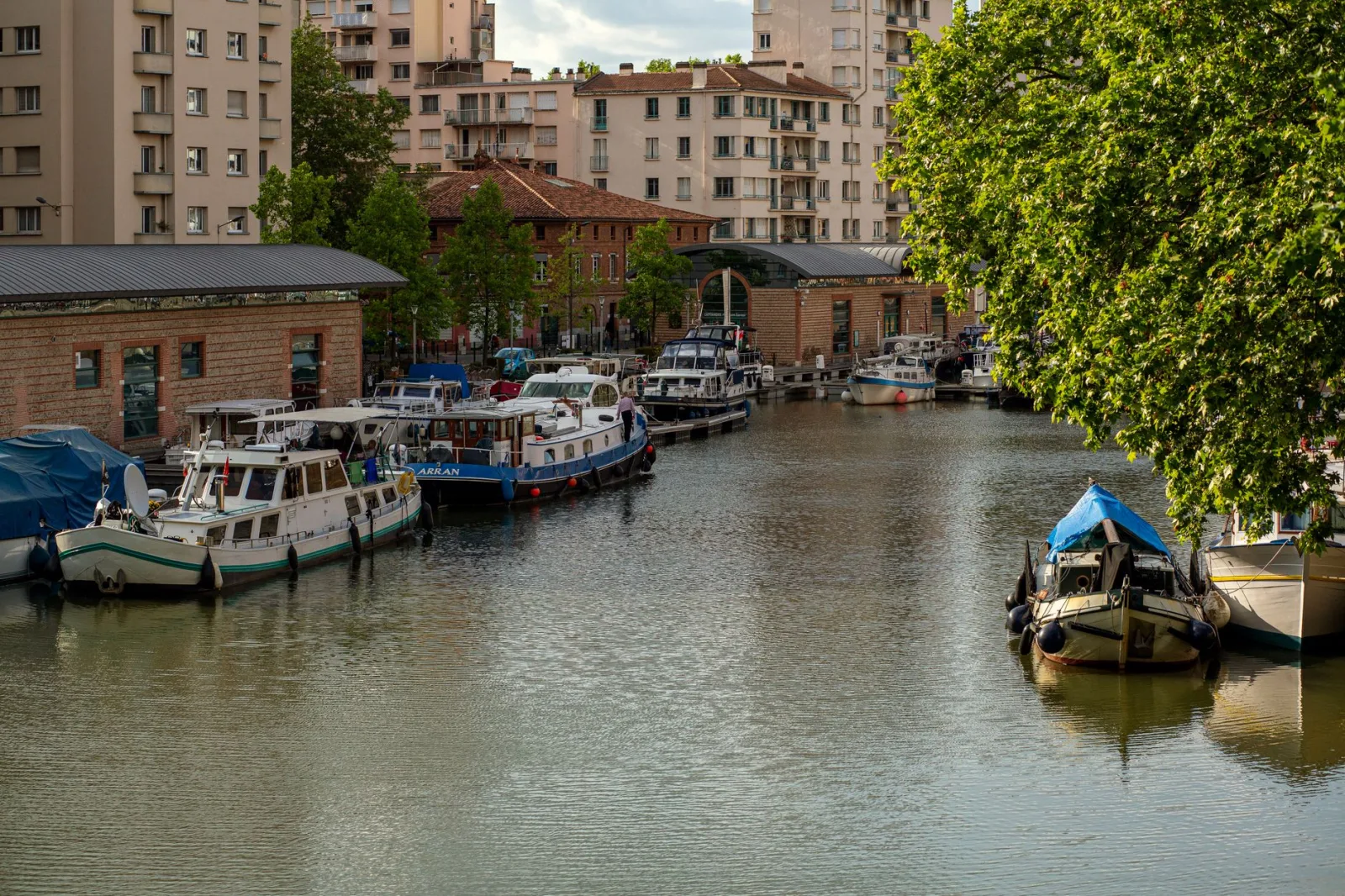
Among the things that make sense to try, Toulouse sausage is the most local choice and the easiest to recognize. Expect a sausage with a more straightforward profile, tied to the charcuterie tradition of southwestern France, rather than an item treated as a generic snack. It appears in different forms, but works best when you want to try something representative of the city without ordering a dish that is too heavy. Cassoulet, on the other hand, calls for a different kind of mood. It is a slow, substantial dish, made for those who want an unhurried meal. If you are sharing dishes at the table, this is usually a good way to try the two sides of the local cuisine: the sausage as a product and cassoulet as a dish.
At the restaurants on the market’s upper floor, lunch is the best way to make use of the place. You sit down already having some sense of what you saw at the stalls, and the experience becomes clearer. Instead of choosing blindly, it is worth looking for places that work specifically with the region’s specialties, especially Toulouse sausage and cassoulet. As menus, prices, and opening days may change, check what is open that day and what is being served before going upstairs with fixed expectations.
If you have little time and need to choose just one gastronomic experience in Toulouse, make Victor Hugo your main one. It solves two things at once: it shows the ingredients that define the local cuisine and delivers a meal that is consistent with what the city actually eats.
Where to go out at night in Toulouse
If you want to walk between bars and decide on the spot where to stop, Saint-Pierre usually works best. The area brings together people in the streets, groups moving from one bar to another, and a more relaxed atmosphere closely tied to university life. It’s the part of the nightlife for those who prefer to start without a rigid plan, order a drink, listen to music, and see where the night takes them. On busier days, the crowds are part of the experience; if you’re looking for quiet conversation and less noise, that vibe can be tiring.

Carmes tends to suit those who want a slightly more polished night out without losing the sense of informality. Instead of moving around very concentrated and noisy spots, here it makes more sense to choose one place and stay. For couples, it’s usually the easiest neighborhood to fit when the idea is to extend the night without jumping straight into a party atmosphere. For solo travelers, it’s also an easier area to read: you quickly notice whether a place leans more toward a social bar, music, or a longer night out.
If your priority is music, it’s worth checking the day’s schedule before going out. In Toulouse, that matters more than choosing the “right” neighborhood, because the nightlife changes a lot depending on the lineup of shows and sets. As for nightclubs and discos, the best decision is a practical one: see whether you want a night that starts with bars and evolves into the dance floor, or whether you’d rather go straight to the point. Saint-Pierre makes the first option easier; Carmes works better when the second half of the night is decided later.
The city after sunset works best for those open to some improvisation. Instead of planning a long route, choose the kind of atmosphere you want that night, check the current schedule of the places that caught your attention, and leave the rest open.
Rugby and events at Stade Toulousain
If you’re in the city on match day, it’s worth checking Stade Toulousain’s schedule before finalizing your itinerary. Rugby carries real weight in local life and, for many people, watching a match is a direct way to see Toulouse in collective mode, without the tourist filter. This experience makes more sense if you enjoy live sports, the atmosphere of a cheering crowd, and activities where the context matters as much as the score. Even those who don’t follow rugby regularly can enjoy it, as long as they enter the stadium with that expectation: to observe the city’s relationship with the team.
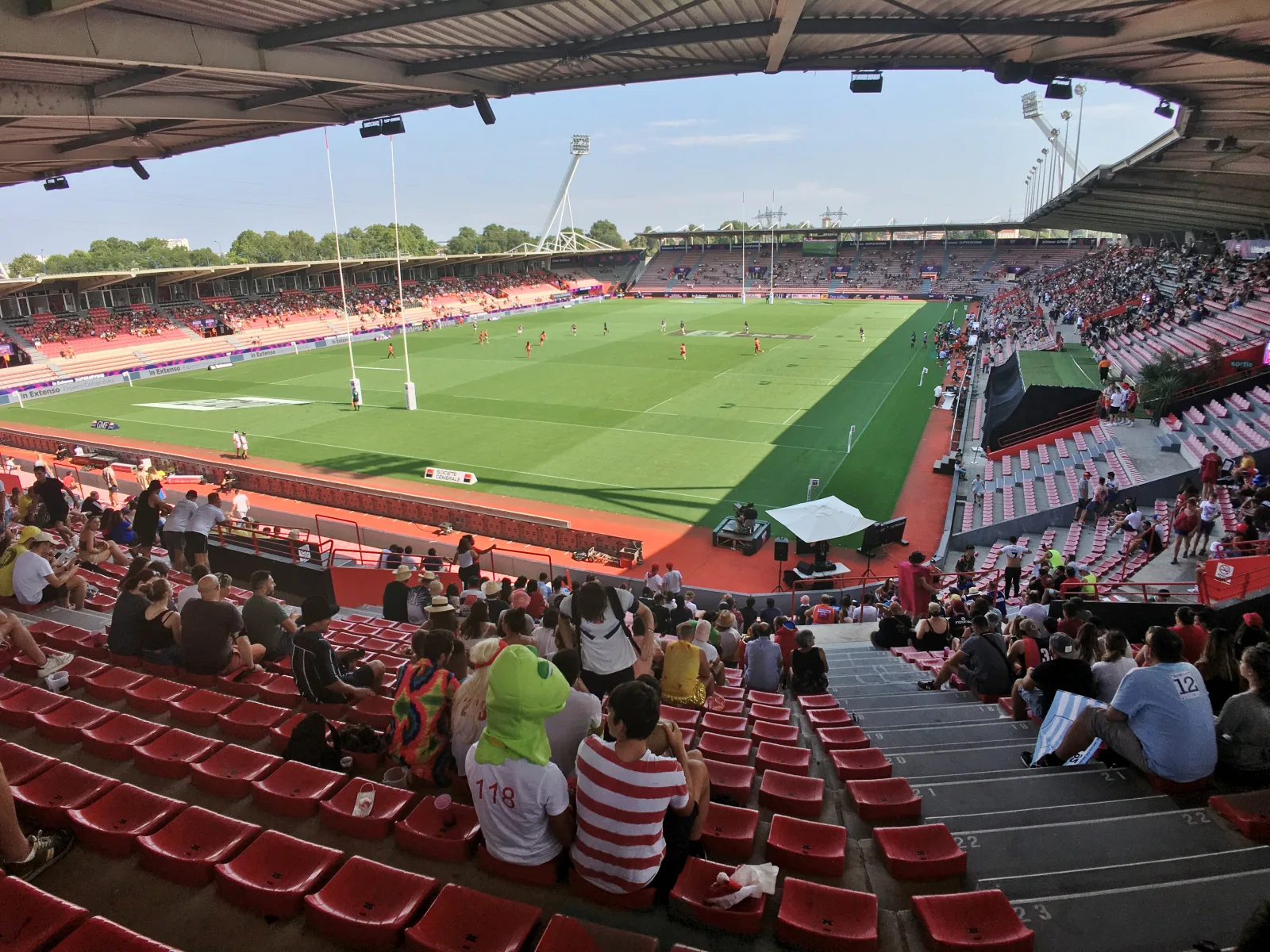
The atmosphere is usually intense from the moment the players enter the field. There are crowd chants, immediate reactions to every play, and a clear sense of local ritual. For those who have never seen rugby live, that helps a lot, because the energy in the stands carries the experience even when the rules aren’t completely clear. If you want to make the most of it, it’s worth reading the basics of the game beforehand or spending the first few minutes paying more attention to the dynamics between the crowd, officiating, and phases of the match than trying to understand every technical detail right away.
This activity fits better into trips of a few days than into very rushed stopovers, because it depends on the sports calendar and the type of matchup scheduled during your stay. It also requires advance purchase when there is a match during your visit, so the ideal is to confirm dates, availability, and access rules on the club’s official channels before planning the rest of your day. For families with older children and teenagers, it usually works well; for those seeking silence, total control over their time, or zero interest in sports, it will hardly be the best choice for the itinerary.
Day trips from Toulouse
If you want a quick trip with an immediate payoff, Carcassonne and Albi are the easiest choices to justify. Carcassonne offers ramparts, a medieval town, and a strong sense of historical scenery; it works well for those who want to spend almost the entire day in an old-world setting and walk along stone streets. Albi goes in a different direction: the visit revolves more naturally around the Sainte-Cécile Cathedral and the Toulouse-Lautrec Museum, so it makes more sense for those who prefer to combine large-scale religious architecture with a museum stop. Cordes-sur-Ciel works well as a complement to Albi when the idea is to see a hilltop medieval village, with narrow streets and valley views, but it requires more willingness to climb and walk at a slow pace than to “see attractions” one after another.
If landscape and countryside are what matter most in your decision, look to Comminges and the Ariège Valley. Comminges is best suited to those who want a nature-focused day built around hikes and mountain stretches, especially in the area of Pic de Céciré and Lake Marignac. Saint-Bertrand-de-Comminges, meanwhile, is the most reliable stop within this region for those who prefer heritage: medieval streets and a cathedral that fully justify the visit on their own. Rieux-Volvestre suits a similar profile, but on a smaller scale, with greater interest in historical traces and small-town atmosphere than in a monumental ensemble that fills an entire day.
In the Ariège Valley, the logic shifts once again. It is a better outing for those who want relief, caves, and smaller villages along the same route, without expecting a single major central highlight. The Grotte de Lombrives makes more sense for those who enjoy natural caverns and want an underground visit as the main focus of the day; before going, confirm visiting conditions and seasonal opening hours. Mirepoix is better suited to those who prefer a small urban break, with half-timbered houses and the feel of a market town in a historic setting, especially useful in itineraries that aim to balance nature with a more easily walkable center.
If you are choosing between them, think less about “which is more famous” and more about the kind of day you want to have. Carcassonne for a more direct medieval immersion; Albi to combine cathedral and museum; Cordes-sur-Ciel for a hilltop village and walking; Comminges for nature; Saint-Bertrand-de-Comminges for heritage in a rural setting; Rieux-Volvestre for a smaller historic stop; Ariège and Lombrives for relief and cave; Mirepoix for a small town that rewards an unhurried visit.
Frequently asked questions
How many days should you stay in Toulouse?
Toulouse is best enjoyed over a few days, especially for those who want to walk at a leisurely pace, visit museums, enjoy markets, and include a day trip.
Is Toulouse a good destination for families?
Yes, especially for families with older children and teenagers interested in science, space, or aviation. With young children, the itinerary works better when these visits are combined with parks and outdoor breaks.
What are the main things to do in Toulouse?
Highlights include the historic center, Pont-Neuf, Canal du Midi, the Garonne River, the Cité de l’Espace, Aeroscopia, and gardens such as Jardin des Plantes.
Where to eat typical food in Toulouse?
Marché Victor Hugo is the most straightforward option for discovering the local cuisine. There, it makes sense to try Toulouse sausage and cassoulet, as well as have lunch at the restaurants on the upper floor.
Which day trips are worth it from Toulouse?
Carcassonne and Albi are easy choices to justify. Cordes-sur-Ciel, Saint-Bertrand-de-Comminges, the Ariège Valley, Mirepoix, and the Grotte de Lombrives are also worth considering, depending on the kind of outing you are looking for.