What to do in Paris for 7 days: complete itinerary to plan your trip
See what to do in Paris for 7 days with an itinerary by neighborhood, clear priorities, and tips to avoid unnecessary travel.

Paris in 7 days: how to split the itinerary without rushing too much
For a 7-day stay, the itinerary works best by neighborhood blocks, not by a “list of attractions.” Paris calls for this kind of organization because many of the places travelers want to see are close to one another, and crossing the city several times in the same day only adds fatigue. For a couple or a family, it makes sense to divide the days between the banks of the Seine, the historic center, the rive droite axis, the area of the major museums, and one or two longer outings. That way, you fit in the postcard sights without turning the trip into a race.
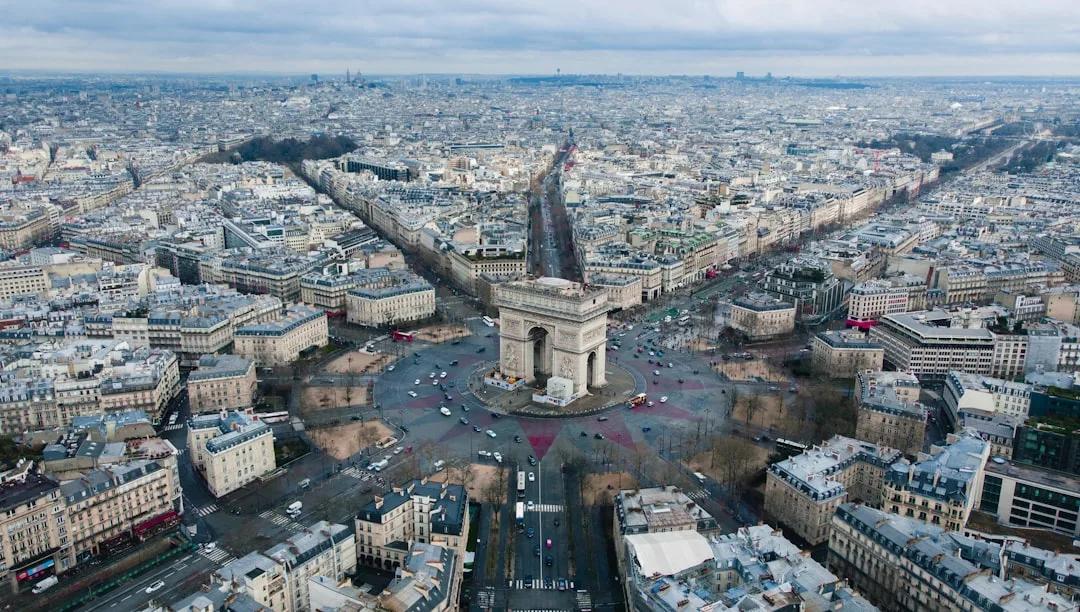
With a week, it’s worth prioritizing what defines Paris on a first visit: the Eiffel Tower, the Louvre, Notre-Dame, the Arc de Triomphe, Champs-Élysées, Musée d’Orsay, Sacré-Cœur, Montmartre, Luxembourg Garden, Opéra Garnier, Le Marais, and a cruise on the Seine. Versailles fits well as a full day outside the urban core, especially if the idea is to take a break from the museum pace. Disneyland Paris also fits into the plan, but only if that kind of visit is really central to the trip, because it takes up a day that could go to the city.
If you want to decide what stays in the week and what can be left out without guilt, use a simple rule: first come the places that help you understand Paris, then the ones that require more time. The Eiffel Tower, the Louvre, Notre-Dame, the Arc de Triomphe, and the Seine form the base; Montmartre, Le Marais, Luxembourg, and the Tuileries are included to give the itinerary scale; Versailles and Disneyland Paris remain extensions, not obligations. This avoids the trap of trying to see everything and ending the trip with only transfers and lines.
For a couple or a family, the best layout is to alternate denser days with lighter outings. A museum day calls for a park or a walk at the end; a neighborhood day means fewer transportation changes; a day outside the center needs a cleaner schedule. In Paris, the order of the outings matters as much as the places themselves.
What to Do in Paris in 7 Days, Day by Day
Day 1 — Eiffel Tower and Seine axis
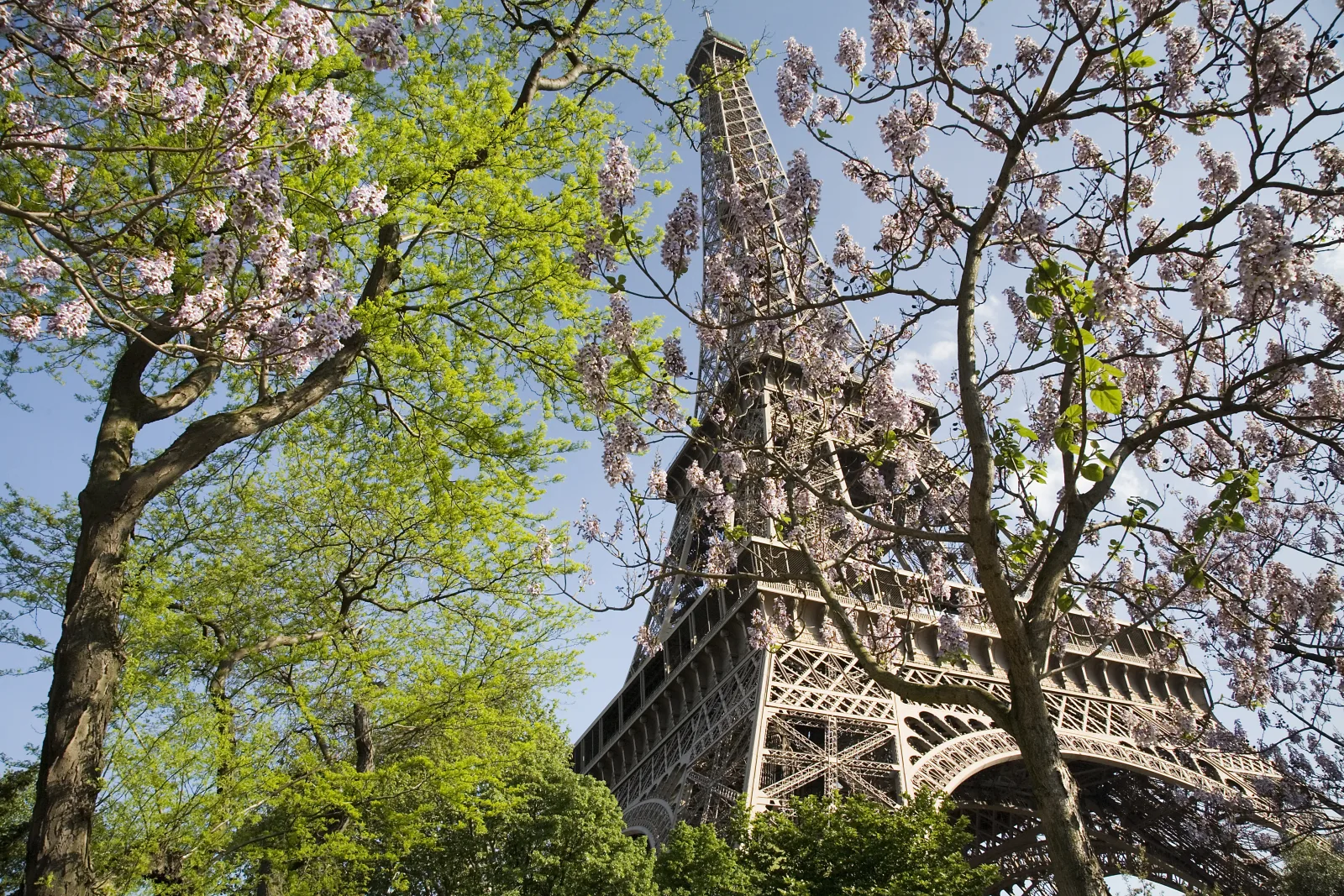
Start at the Eiffel Tower early, when the area is still less crowded, and then head to Champ de Mars, Trocadéro, or the banks of the Seine to see the monument from different angles. After that, fit in a boat ride on the river, which helps tie the rest of the trip together without requiring new transport changes. If going up the tower is part of your plan, organize the rest of the day with extra time for lines and for getting around the tower.
Day 2 — Louvre, Tuileries, and the central bank
Set aside the morning for the Louvre and leave the end of the route for a walk through the Tuileries Garden. This combination works well because it reduces travel time and fits in a park stretch after a museum that usually takes hours. If you still have energy, extend the walk to the central area of the Seine, without trying to fit in another major attraction on the same day.
Day 3 — Notre-Dame, Marais, and the walking neighborhoods
Dedicate the day to the area around Notre-Dame, with time to explore the Marais and the nearby streets. It’s a more urban itinerary, for walking without rushing, stopping into cafés, and observing the city on a neighborhood scale. Here it makes sense to keep the schedule more open, because the main appeal lies in the streets as a whole rather than in a single sightseeing spot.
Day 4 — Arc de Triomphe, Champs-Élysées, and Opéra Garnier
Build the day around the rive droite: start at the Arc de Triomphe, continue along the Champs-Élysées, and end with the Opéra Garnier. This layout avoids unnecessary backtracking and leaves room for a stop at a shop, café, or gallery along the way. If you want to see the avenue at a more relaxed pace, it’s worth reversing the order and leaving the arch for late afternoon.
Day 5 — Musée d’Orsay, Luxembourg, and Saint-Germain
Leave the Musée d’Orsay for the morning and then head to the Luxembourg Garden. The sequence works because it combines an indoor visit with some outdoor rest, without requiring long transfers. If you’re with children, this is one of the days when it’s worth allowing for longer breaks and reducing the number of formal stops.
Day 6 — Montmartre and Sacré-Cœur
Head up to Montmartre unhurriedly and set aside time to wander around the hill before or after Sacré-Cœur. This area calls for walking, short stops, and a looser pace, so it doesn’t make sense to overload the day with other major landmarks. If the family prefers a less packed plan, this is a good day to keep a few goals and let the streets guide the outing.
Day 7 — Versailles or Disneyland Paris, if it fits the itinerary
Use the last day for a longer outing. Versailles works best when the trip wants a contrast to the urban rhythm, while Disneyland Paris fits if the focus of the stay is also that type of visit. If neither is central to the trip, close the week with a lighter stroll along the Seine, through a neighborhood that was left out, or with another visit to areas that deserve more time.
Editorial transparency: Some links on this page are affiliate links. We may earn a commission at no extra cost to you. This does not influence our recommendations.
Which attractions to prioritize when you only have one week in Paris
For a week in Paris, not everything falls into the same level of priority. There are attractions that serve as the backbone of the itinerary because they help you understand the city, and others that make more sense if you already have the essentials covered. The Eiffel Tower, the Louvre, Notre-Dame, the Arc de Triomphe, the Opéra Garnier and the Musée d’Orsay are in the group that weighs most heavily in the decision. They cover landmark, art, historical axis and a variety of experiences without requiring the same travel logic as more peripheral visits.

The Seine River comes almost as a framework for reading the city: even when you do not take a specific cruise, it helps connect banks, bridges and walking stretches. The same applies to the Champs-Élysées, which works better as part of an urban corridor than as an isolated attraction. The Luxembourg Garden, on the other hand, is the kind of stop that balances the trip when the days are full of museums and landmarks; it matters less for the “list” and more for the break it creates between visits. Sacré-Cœur and Montmartre come into play when you want to set aside time to climb, walk and see the city from above, without relying on a single point of interest.
Versailles deserves a separate decision. On a 7-day stay, it only makes sense if you are willing to give up an entire day in the city for a program outside the center. If this is your first trip to Paris, I would prioritize the urban landmarks before fitting in this detour. If, after that, there is still room in the itinerary, Versailles is the kind of visit that broadens the trip, but does not replace the core of Paris.
Tours that help save time in Paris
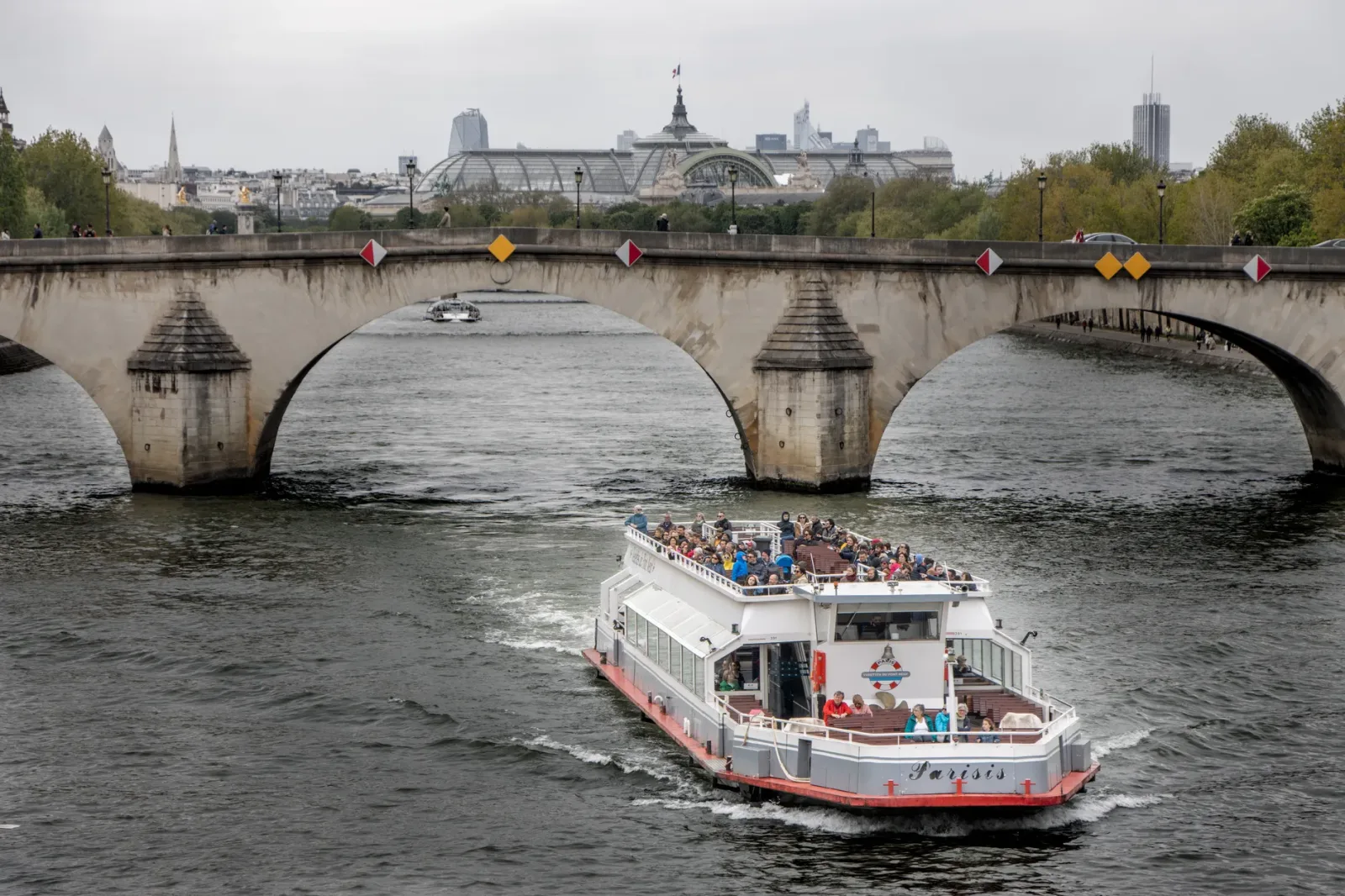
Paid tours and timed tickets make a difference in Paris because they reduce lines, organize the day, and keep you from losing half your schedule deciding on the spot. The Seine boat tour is usually the easiest to fit in: it helps fill gaps between visits and works well when the idea is to see the city without adding more walking. The combinations with a cruise and the Eiffel Tower follow the same logic, especially if you want to concentrate part of the day in a single circuit.
For the Eiffel Tower, it’s worth choosing the ticket according to the level of visit you want to make, since there are options for different floors. As demand is high, confirm in advance which access is available on your travel date and which type of ticket makes the most sense for your itinerary. The same applies to the Louvre: the guided visit with ticket saves queue time and keeps you from arriving there without knowing where to start, which is useful when the stay is short.
The Big Bus hop-on hop-off works best for those who want an overall view of the city without relying so much on the метро on the first contact with Paris. It helps connect broad areas and can serve as a transition day between more demanding visits. The Arc de Triomphe ticket and the Versailles tour require advance decision-making, because they are experiences that usually compete with other priorities in the itinerary and do not make sense as last-minute improvisation.
Disney Paris is a planning choice, not an automatic fit. If the trip focuses on monuments, museums, and central neighborhoods, it tends to fall outside the plan; if this type of visit is part of the idea of the trip, reserve a full day and treat the ticket purchase in advance.
Where to stay in Paris for a 7-day trip
Paris works best when your accommodation shortens your commute, not when it merely “looks good on the map.” For a 7-day trip, the starting point is the arrondissement: the city is divided into 20 numbered districts, and the lower numbers are closer to the center. Staying in the 1st, 4th, 5th, 6th, 7th, 8th, or 9th usually makes the trip easier, because you reduce transit changes and get to areas that concentrate much of the sightseeing more quickly. In general, the higher the number, the further you tend to be from that tourist core.
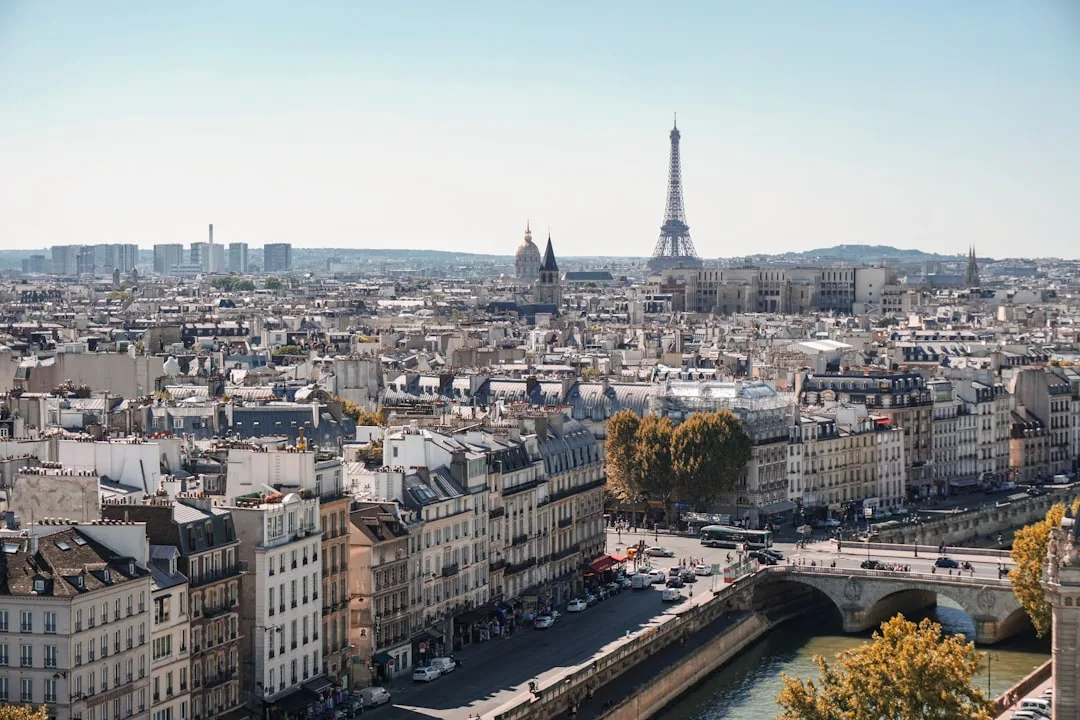
The choice, however, should not be based on the number alone. In Paris, the metro station matters just as much as the address. A hotel that is a bit less central, but close to a station with good connections, may work better than accommodation that is theoretically closer to the attractions but poorly served by lines. Before booking, check which lines stop there and whether they fit your daily itinerary. For those traveling as a couple or with family, this detail often matters more than saving a few blocks.
It is also worth looking at the budget with a cool head. Paris hotels tend to be expensive, and the balance between value and quality is not always comfortable. Booking in advance broadens your options and prevents you from being stuck with whatever is left near the travel date. If your stay falls during a busier period, leaving it to the last minute usually pushes your choice toward less practical neighborhoods or unattractive rates.
If you want to decide quickly, think like this: look for a central area, check metro access, and only then compare prices. For 7 days, this filter is usually more useful than searching for “the ideal neighborhood” in the abstract.
When to go to Paris and what to expect in each season
The best window to go to Paris is usually spring and early autumn. May, June, September, and October bring milder weather, sufficiently long days, and a city that is less crowded than at the peak of summer. These are months that help those who want to walk, visit museums, and still leave room for breaks without having to reorganize the entire day because of the heat or the crowds.
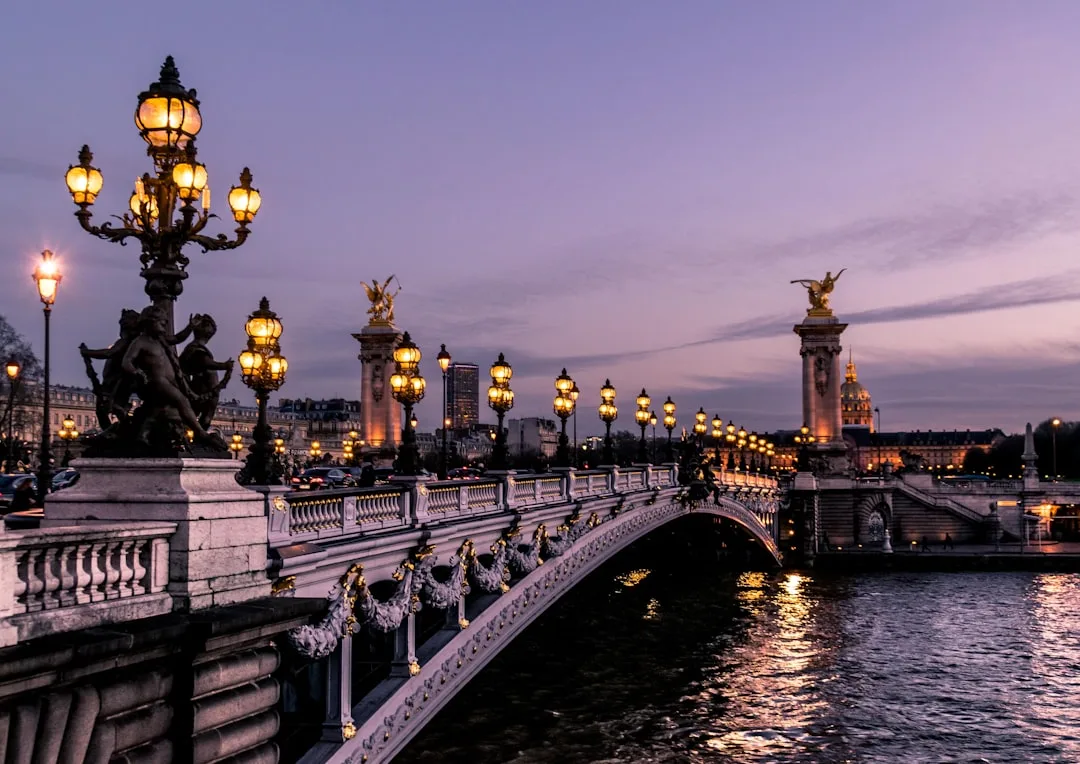
Summer, especially July and August, is the warmest period and also the busiest. The streets are busier, queues tend to be longer, and outdoor outings can become tiring quickly when temperatures rise. If your trip falls during this time, it is worth planning fewer neighborhood changes per day and accepting that everything may take longer than it would in another season.
In winter, especially between December, January, and February, the city enters the coldest stretch of the year. This is the phase when the pace becomes more subdued and the stay usually weighs less on the accommodation budget, but the experience depends more on your willingness to accept the cold and overcast skies. May, October, and December also appear among the rainiest months, although Paris does not have a pattern of extreme precipitation; the practical effect is more of an inconvenience for walking than an obstacle.
If the idea is to balance comfort, tourist activity, and the chance to enjoy the city without so much friction, May, June, September, and October remain the best bet. They make Paris easier to experience than the extremes of summer and winter, without requiring as much adaptation to the itinerary.
How to get to Paris and which airport makes the most sense
Paris is well served by plane, train, or bus, and the choice depends more on your route than on abstract preference. If the trip starts outside Europe, the most common way to arrive is by direct flight or with a connection. If you are already traveling around the continent, train is usually the most practical way to enter the city, because it takes you to stations already well connected to the metro and reduces dependence on a long transfer. Bus works as a more economical alternative on some itineraries, but it requires more patience upon arrival and less room for improvisation.

Among the airports, Charles de Gaulle is the main international gateway and is about 30 km from the city center. It is the most obvious choice for those arriving from outside Europe, especially on long-haul flights. Orly is closer, about 17 km away, and is often convenient when the air route fits this airport into the travel operation. In practice, the difference between the two matters less by name and more by the time and logistics of getting to your accommodation.
If you arrive by train, the stations usually make the transition into the city much easier, because they are closer to the center than the airports. This helps especially on short stays or family trips, when cutting out a transportation step makes a real difference in how tiring the day feels. The deciding factor is not just “where you land,” but how easy it is to leave from there with luggage and head to the hotel.
To choose without error, look at the airport or station of arrival in relation to the neighborhood where you will stay. If the accommodation is well served by the metro, a slightly more distant arrival point can still work well. If the idea is to reduce transfers, it is worth prioritizing the option that shortens the final trip to the address.
Paris for eating, walking, and fitting breaks into the itinerary
Paris calls for pauses along the way. Between one museum and another, it’s worth leaving time to sit down, eat unhurriedly, and cross the city on foot in short stretches. Cafés and restaurants are well concentrated in transit areas, so the logic here is simple: fit meals and walks where the itinerary already passes, without creating unnecessary detours.

Montmartre works well for this because it combines uphill walking, quick stops, and tables that make for a break before or after the stroll. Marais and Saint-Germain-des-Près are good for moving between shops, cafés, and streets with a slower pace. In Quartier Latin, the walk usually flows better when you accept walking a bit more and stopping wherever you find space. Champs-Élysées and Rue de Rivoli are useful for meals and snacks in the middle of getting around, but the experience there changes quite a lot depending on the stretch and time of day, so it’s worth choosing based on the crowd level you’re willing to face.
For outdoor breaks, Jardin du Luxembourg, Jardin des Tuileries, Jardin du Carrousel, and Place des Vosges help break up the day without losing travel time. They work well after more tiring visits because they let you sit, stroll slowly, and continue without having to go back to the hotel. The banks of the Seine and the bridges also serve this purpose: walking there connects neighborhoods and gives you a breather between attractions, especially when you want to see the city without being tied to transportation.
If the idea is to eat with little hassle, look for crêpes, cafés, and restaurants in the neighborhoods where you’ll already be, instead of booking each meal as a separate event. In Paris, that usually gives you more useful time in the itinerary and less travel time.
Frequently asked questions
What to do in Paris for 7 days on your first visit?
Prioritize the Eiffel Tower, the Louvre, Notre-Dame, the Arc de Triomphe, Champs-Élysées, the Musée d’Orsay, Montmartre, and a walk along the Seine. These places form the foundation of the itinerary and help you understand the city.
Is it worth including Versailles in a 7-day Paris itinerary?
Yes, but as a full day outside the center. It works best if you want to vary the pace of the trip and are willing to take a day away from the city.
What is the best way to divide Paris in 7 days?
The most practical way is to organize by neighborhoods and banks of the Seine, not by isolated attractions. That way, you reduce travel time and can fit in museums, parks, and walks with less rushing.
Which places are most important to fit into a week in Paris?
The Eiffel Tower, the Louvre, Notre-Dame, the Arc de Triomphe, the Opéra Garnier, and the Musée d’Orsay are among the priorities. The Seine and neighborhoods like Marais, Montmartre, and Luxembourg help balance the itinerary.
What is the best time to visit Paris?
May, June, September, and October are usually the most practical months. They offer milder weather and good conditions for walking, visiting museums, and taking breaks with less discomfort.