Gijón: what to do, where to stay, when to go and how to get around
Gijón: discover when to go, where to stay, and how to get around to plan a practical itinerary between the beach, historic center, and museums.
When to visit Gijón
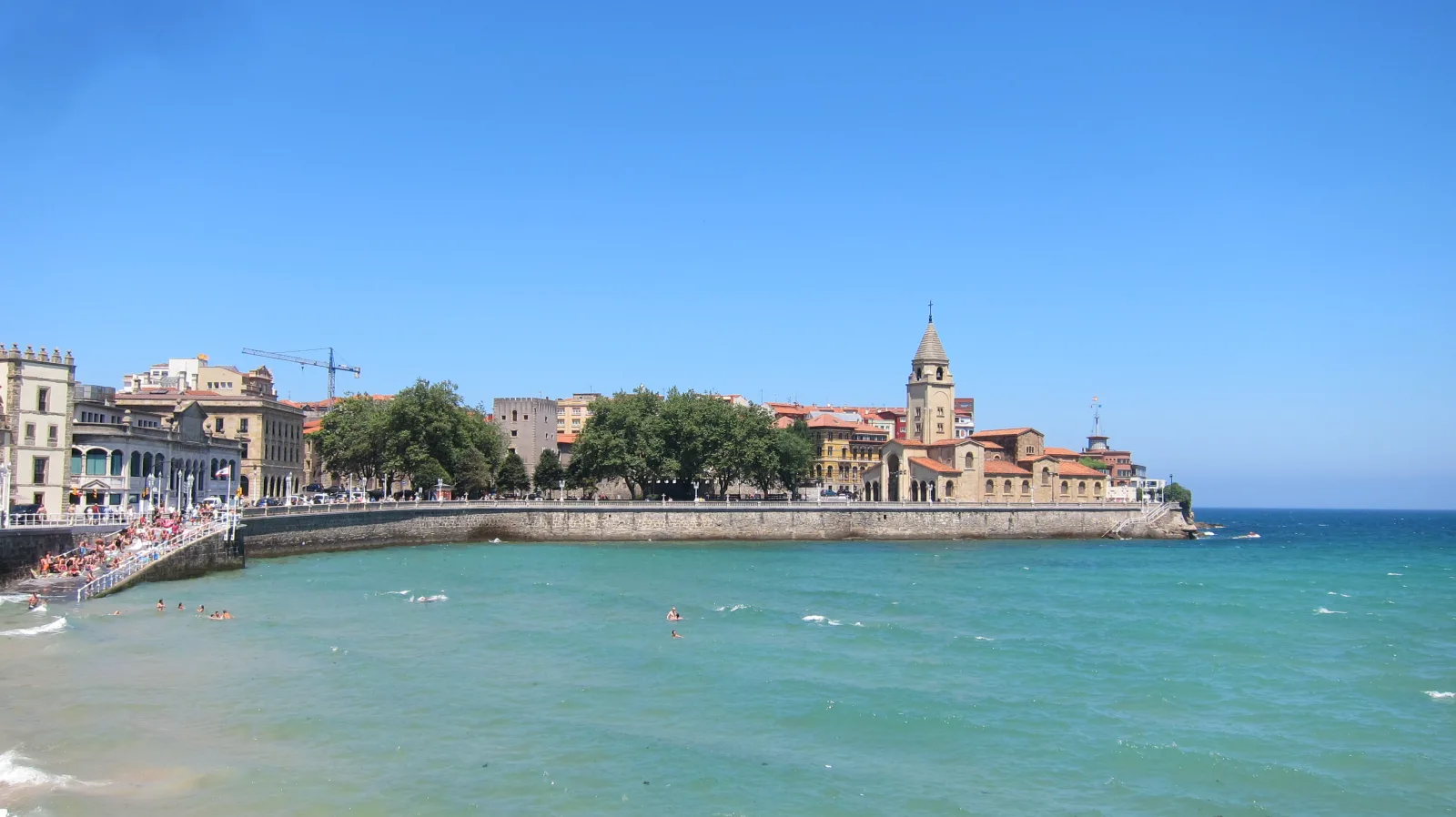
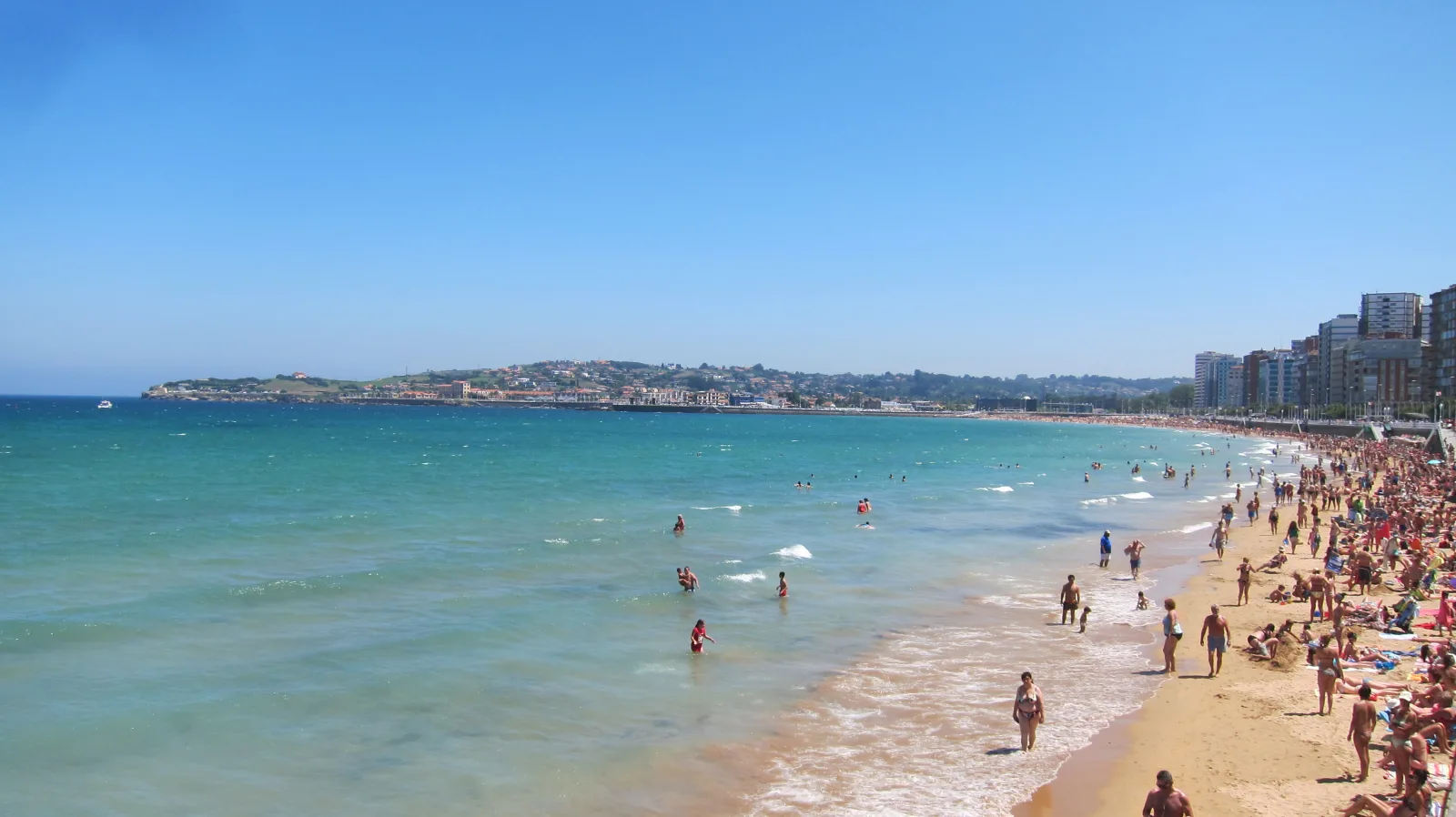
Summer is the most popular time to visit Gijón. During this season, average daily temperatures are around 23°C, which helps the city function well as a beach destination without the heavy heat that affects other parts of Spain.
Gijón also works well outside the high season. Winter brings more rainy days, something that is part of Asturias’ Atlantic climate, and leaves the landscape greener. Even so, those who want to walk around the city, visit museums, and get around at a leisurely pace will find reasonable conditions throughout the year.
If the idea is to avoid crowds and get more budget-friendly rates, it is worth aiming for late spring or early autumn. During these periods, the city is usually less crowded than at the height of summer, without losing the appeal of a seaside stay.
If you depend on fixed dates, the best approach is to compare your travel period with the weather forecast and accommodation availability before finalizing the itinerary.
Where to Stay in Gijón
Boogalow Hostel works for those who want to save money without leaving a convenient area, close to Playa de San Lorenzo. The dorms are not the cheapest in the city, but they offer space and are usually a straightforward option for those traveling light and prioritizing location.
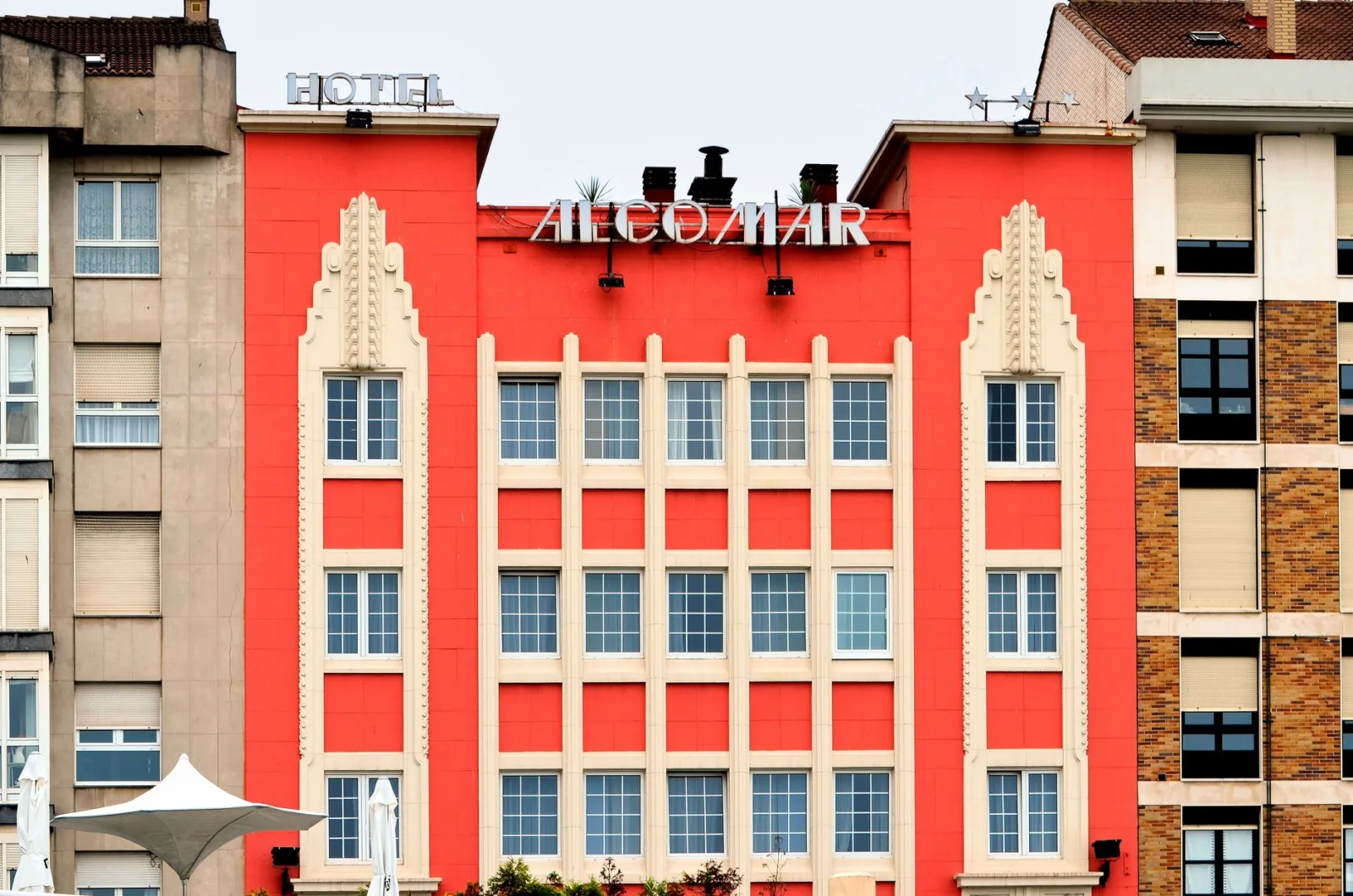
NH Gijón is located between the historic center and the beach, with a more comfortable and modern approach. Some rooms have sea and beach views, and the rooftop bar helps those who want to stay nearby at the end of the day without needing to go far. It is the most balanced choice if you want a good location and a higher standard without reaching the top of the price range.
Hotel Hernán Cortés is the most classic and most sophisticated alternative among the three. It is in a convenient area and occupies a historic building, with higher-standard rooms. If you prefer accommodation with more architectural character, this is the option to aim for.
In summer, it is worth booking in advance. The city gets busier at that time, and the rooms with the best balance between location and price tend to go first.
Editorial transparency: Some links on this page are affiliate links. We may earn a commission at no extra cost to you. This does not influence our recommendations.
What to Do in Gijón
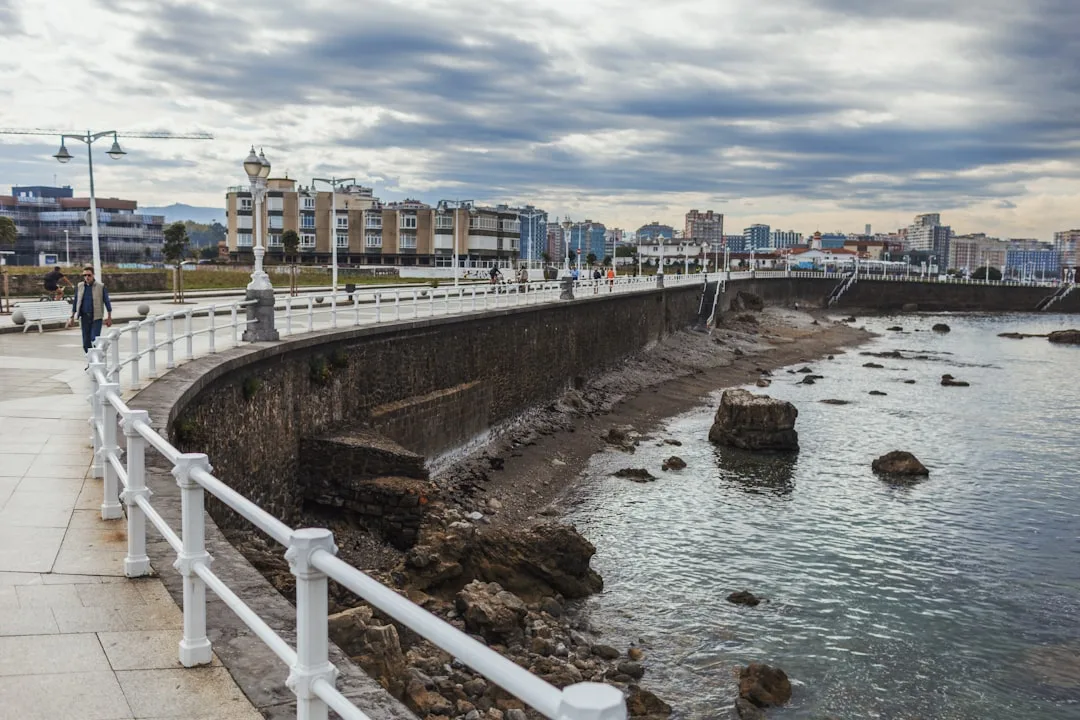
The most practical way to get to know Gijón in a short time starts with Playa de San Lorenzo and continues along the seafront to the city’s historic side. The beach gives you a sense of scale: urban, busy, with its long curve following the city. From there, the walk naturally includes the Termas Romanas de Campo Valdés, which are at the western end of the beach, and then goes up to Parque del Cerro Santa Catalina, where the Elogio del Horizonte is located. This sequence works well because it reduces travel and helps you read the city in layers, from the coast to the old core.
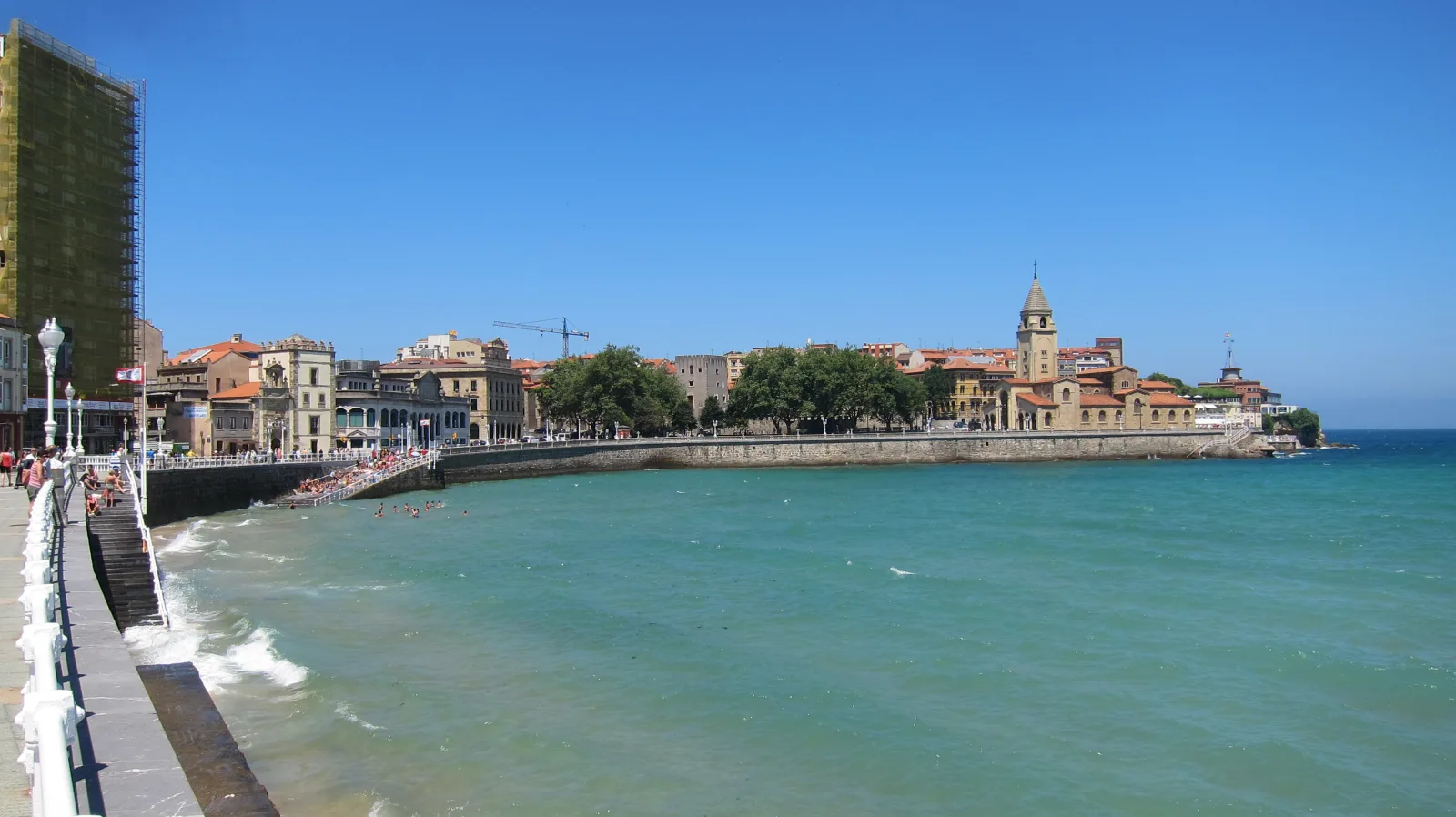
In Cimavilla, the old part of Gijón, Plaza del Marqués is usually a good stop between visits. The square offers an easily recognizable setting: the Palacio de Revillagigedo, the port area, and the presence of buildings from different eras. Nearby, it is worth taking in the Art Nouveau architecture scattered through the newer part of the center, especially in the streets where the ornamental style appears on facades, windows, and cornices. It is a detail that changes the way you read the city: Gijón does not depend only on its seafront; it also has an urban core with its own identity.
If you want to include museums in your itinerary, the Museo Ferrocarril, the Museo Casa Natal de Jovellanos, and the Museo del Pueblu d’Asturies help balance the visit between industrial memory, a local figure, and Asturian popular culture. The first connects with the region’s railway history; the second refers to Jovellanos, a central name for the city; the third broadens the portrait of Asturian traditions without leaving Gijón. To round off a lighter day, Parque Isabel la Católica and Playa de Poniente work well as urban breaks: one for walking among green areas, the other for following the water along a different stretch of the coast.
Cimavilla and the waterfront: how to organize a day between the historic center, beach, and viewpoints
If you have little time, this area works best in sequence. Start in Cimavilla, head down to Playa de San Lorenzo, and continue along the coastline to the Termas Romanas de Campo Valdés. From there, the climb to Cerro de Santa Catalina fits in effortlessly, because it ends the route with a view from above before you return to Plaza del Marqués.
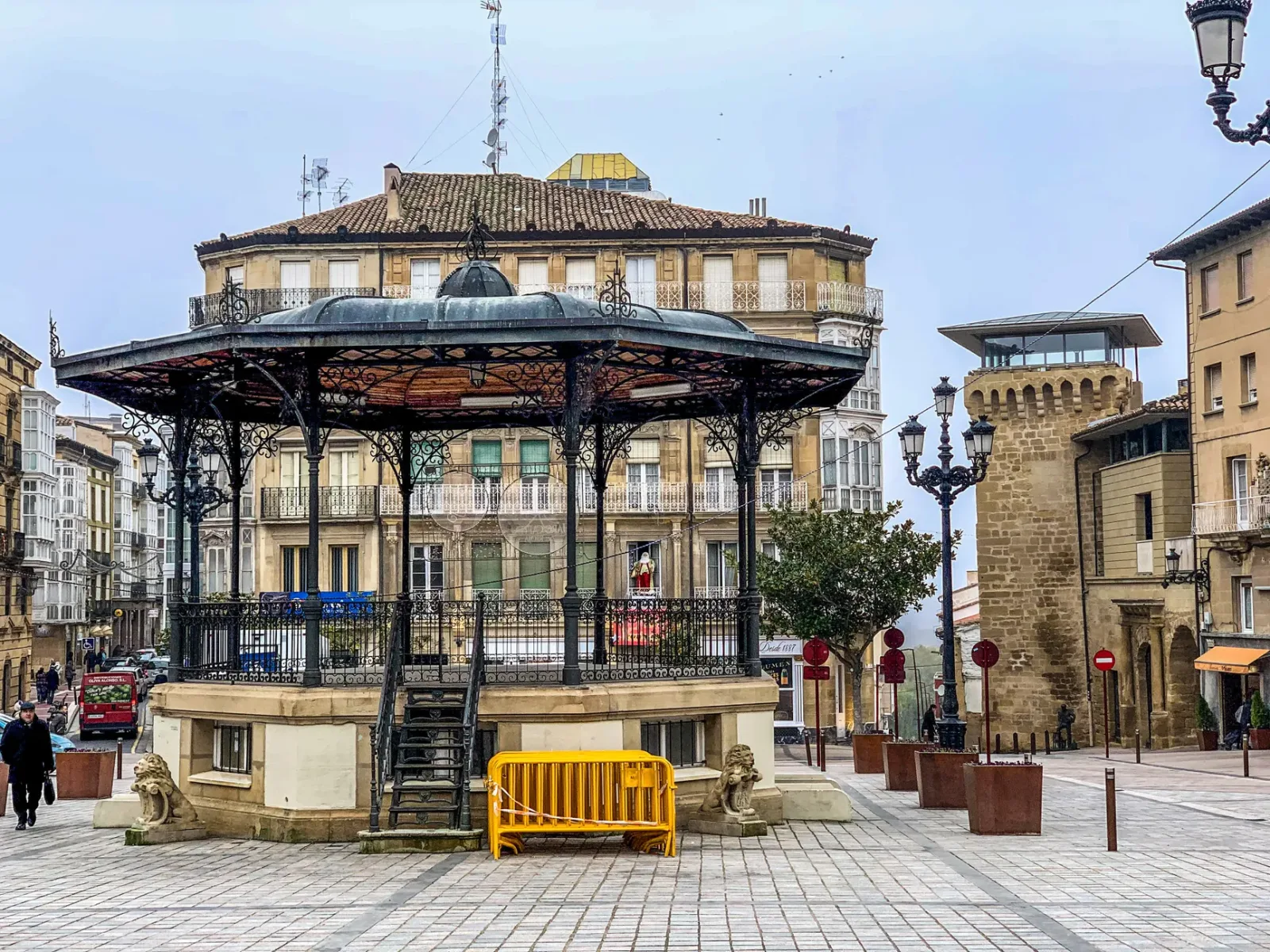
The order also makes sense to minimize backtracking. Plaza del Marqués and Cimavilla are close to each other, so they work well as a starting or ending point for the walk. The waterfront helps connect the different sections without interruption: first the urban area by the sea, then the passage through the historic district, and finally the viewpoint at the top.
If the day is short, you can do just this central axis and leave the rest of the city for another visit. If you have more time, keep the same route and extend your breaks at the beach or in the walking areas, without needing to change neighborhoods.
Where to eat and drink in Gijón
Sidra rules the table in Gijón. It doesn’t come to the table like any ordinary soft drink: the waiter usually pours it from a height to oxygenate the drink and release its aroma before you drink it. If you want to understand the local culture without beating around the bush, go into a sidrería and order a culín. In August, the Festival da Sidra Natural brings many people together around this tradition.
To eat, look for dishes that showcase Asturian cuisine without any embellishment. Cachopo comes in a generous portion, with meat, cheese, and ham; fabada asturiana is the stew most associated with the region, heavier and best when hunger is strong; and the local cheeses deserve attention in their own right, especially Cabrales and Casín. In Gijón, it makes sense to alternate sidrerías with seafood bars, especially if you want to eat well without turning every meal into a formal outing.
The choice of place matters more than the menu. Sidrerías are usually the right spot to try sidra and local dishes in a straightforward, no-frills setting. Seafood bars work well when the idea is to keep the meal lighter or focus on seafood, which is strongly present in the city. If in doubt, see whether the dining room is set up for sidra service and whether the house serves Asturian dishes on the board or on the menu.
How to get around in Gijón and arrive in the city
Gijón’s center works well on foot. Between the historic area, the waterfront, and the most visited spots in the urban core, walking is usually the simplest way to connect the stops without relying on transportation. For longer trips within the city, the bus network covers the basics and helps when you want to save energy or shorten stretches.

To arrive by train, Gijón fits well into an itinerary for those coming from other Spanish cities. From Madrid, the trip takes about 5 hours on Renfe’s Intercity service. From Oviedo, the journey takes just over 30 minutes. If your origin is outside these direct connections, ALSA intercity buses are usually the most practical alternative. BlaBlaCar also often appears as a paid rideshare option, useful when train or bus schedules don’t line up.
The nearest airport is Asturias. From there to Gijón, the bus takes about 45 minutes. Since schedules and connection availability change, it’s worth checking the current timetable before finalizing your arrival, especially if you plan to align your landing with a train or bus on the same day.
Day trips from Gijón
Oviedo is the easiest day trip from Gijón. By train, the journey takes a little over 30 minutes, so you can leave in the morning, spend the day in the Asturian capital, and return without tightening your itinerary. If the idea is to fit just one extra city into the trip, this is the most straightforward choice.
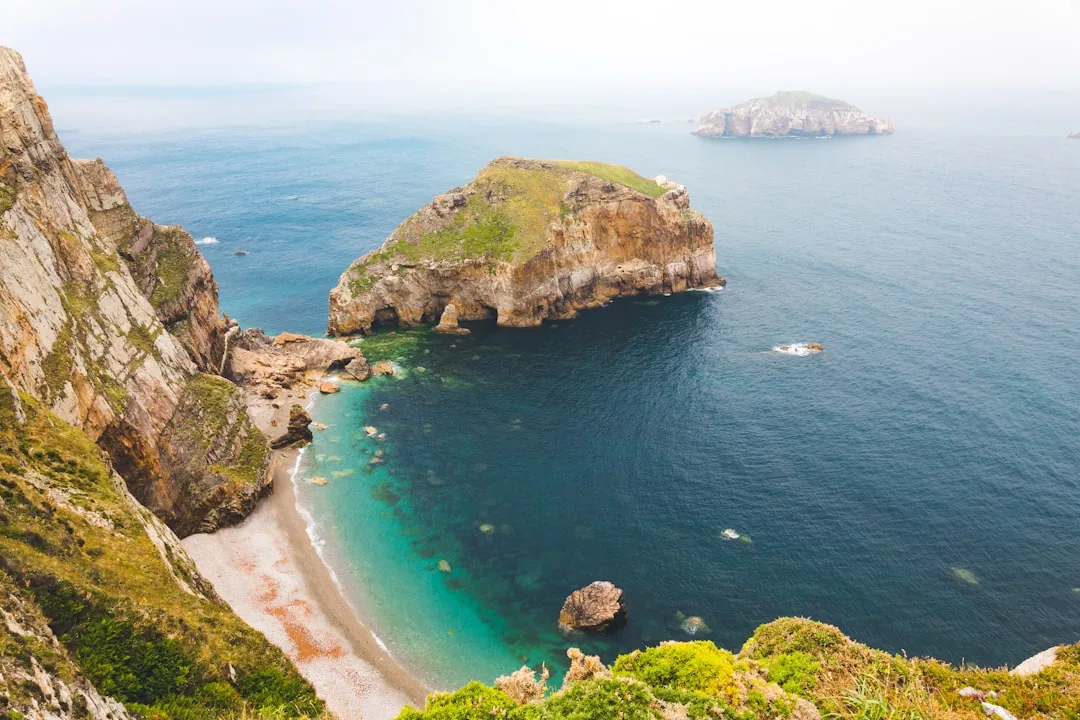
To see more of the Asturian coast, Luarca, Cudillero, and Avilés work well as an extension of an itinerary through Gijón. They are useful names when you want to step away from the urban area for a day and do not plan to use a car. There are tour options that combine these stops in the same outing, which helps save planning time.
If you are thinking of doing only one day trip, choose Oviedo. If you want to broaden the trip beyond the capitals and get a more varied sense of Asturias, it is worth considering Luarca, Cudillero, and Avilés as a complement, depending on the availability of transport or tours during your travel period.
What’s worth knowing before planning your itinerary
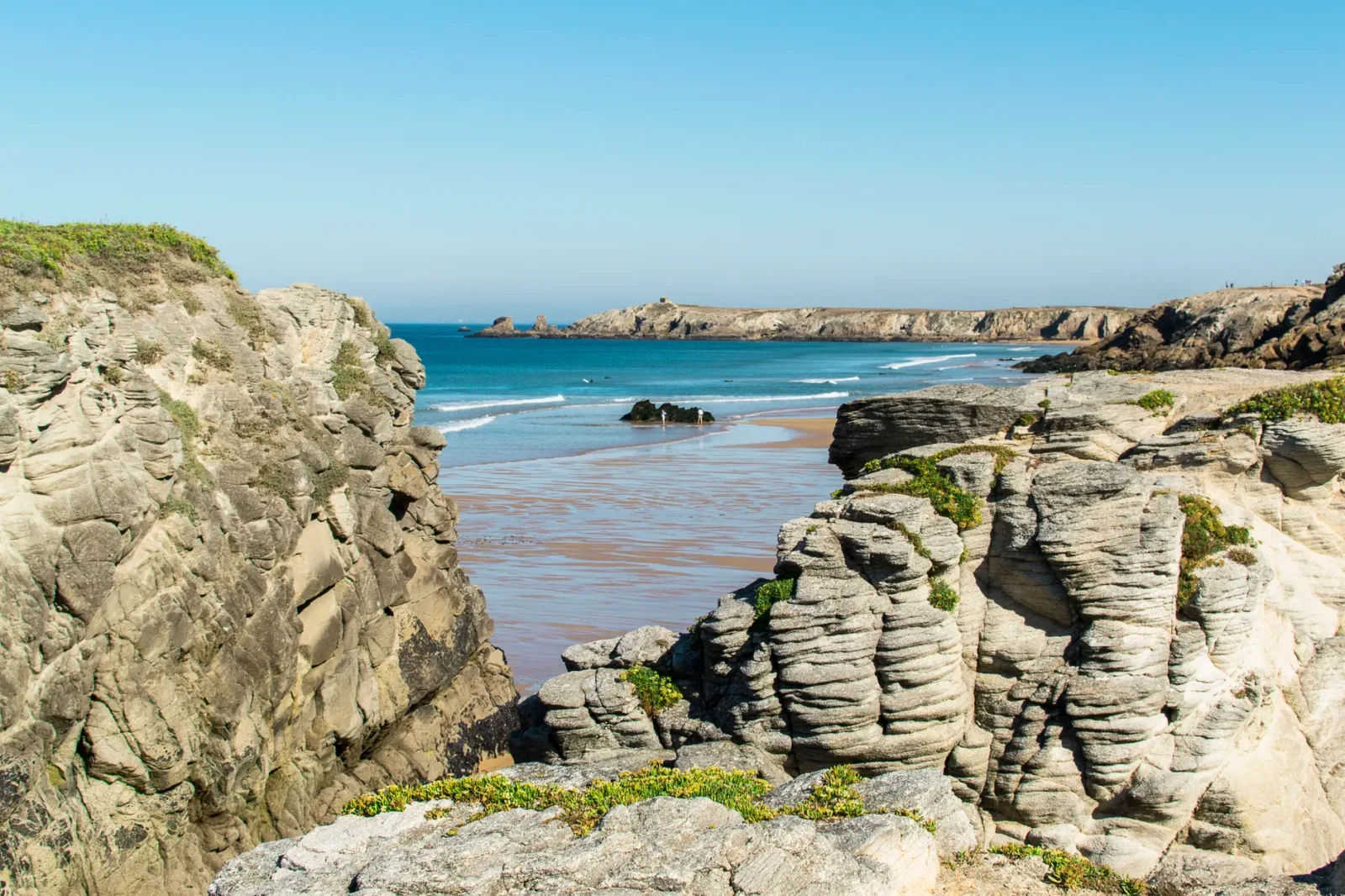
Gijón is the largest city in Asturias and faces the Bay of Biscay, on the Costa Verde, in northern Spain. That already helps shape the itinerary: here, the sea is part of the city, but the climate is usually milder than in the south of the country, with a distinctly Atlantic feel unlike the drier, hotter areas.
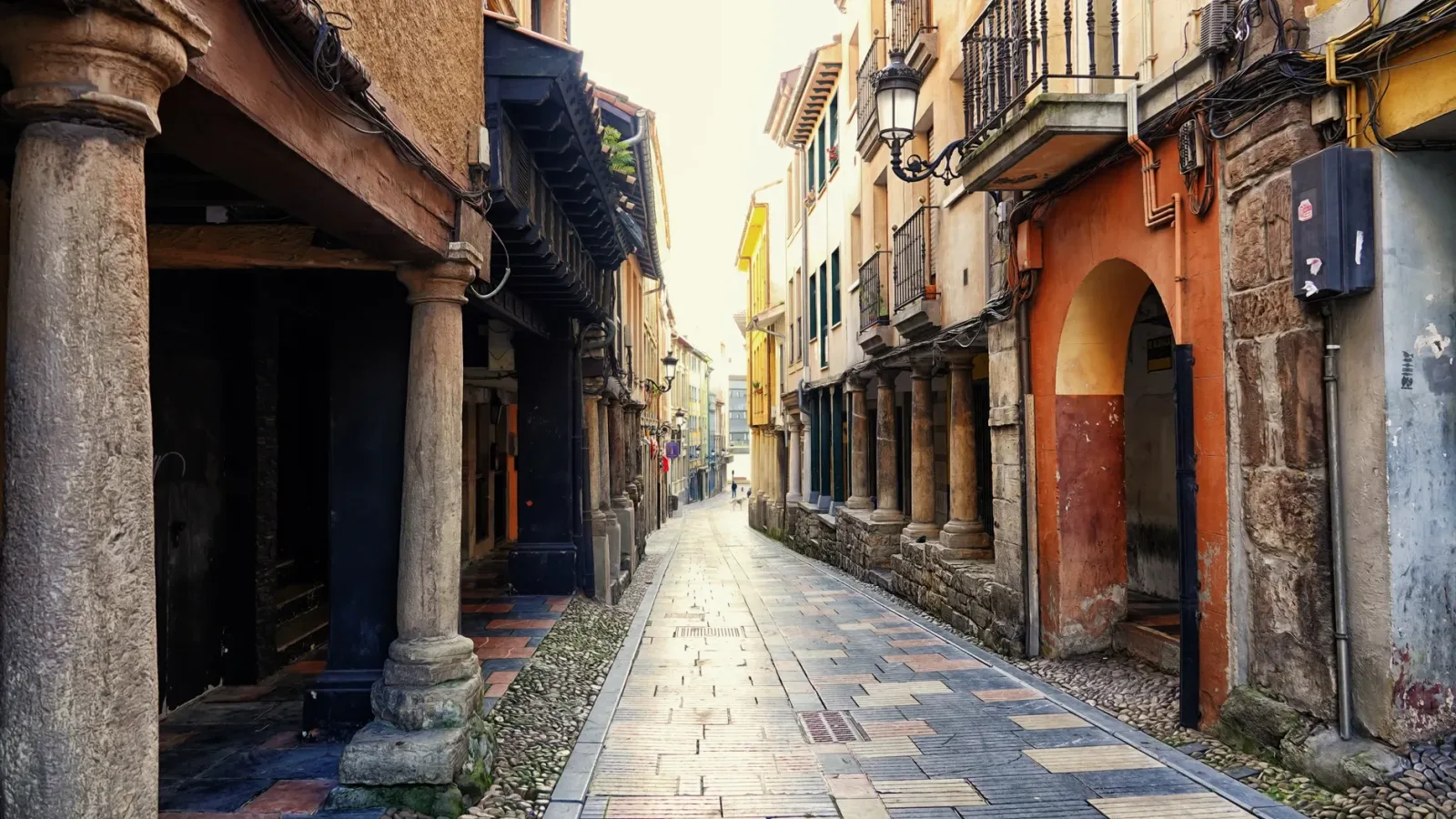
To plan the route, it helps to know that the local name is Xixón, pronounced “hee-hon”. You’ll see this form in Asturian contexts, alongside the Spanish Gijón. Recognizing both names helps avoid confusion when reading signs, maps, and local materials.
The city works well for those who want to combine an urban center, coastline, and longer breaks without relying on complicated transfers. If your trip calls for a base with less extreme heat and easy access to the beach and city life, that weighs in the choice.
It’s also worth keeping in mind that the weather in Gijón changes frequently, especially due to Atlantic influence. Even outside the height of summer, the climate usually allows for walking around, but the perceived temperature and rain can significantly change the shape of the day.
Frequently asked questions
What is the best time to visit Gijón?
Summer is the most popular time, with average temperatures around 23°C. To avoid crowds and find more budget-friendly prices, late spring and early autumn are usually good options.
Where should I stay in Gijón for a good location?
Boogalow Hostel is near Playa de San Lorenzo and works well for those looking to save money. NH Gijón and Hotel Hernán Cortés offer convenient locations with more comfortable profiles.
What can’t be missed on an itinerary in Gijón?
Playa de San Lorenzo, the Roman Baths of Campo Valdés, Cerro de Santa Catalina with the Elogio del Horizonte, and Cimavilla make up a central itinerary that is easy to do on foot.
How do I get around in Gijón?
The center of Gijón is easy to explore on foot. For longer distances, the buses cover the basics and help save time and energy.
Which day trips are worth it from Gijón?
Oviedo is the easiest day trip, with a short train ride. Luarca, Cudillero, and Avilés also work well to expand your itinerary along the Asturian coast.