What to do in Mexico City: practical guide to planning your trip
See what to do in Mexico City and discover how to organize neighborhoods, tours, and days to make the most of the city.
Why Ciudad de México deserves a place on the itinerary
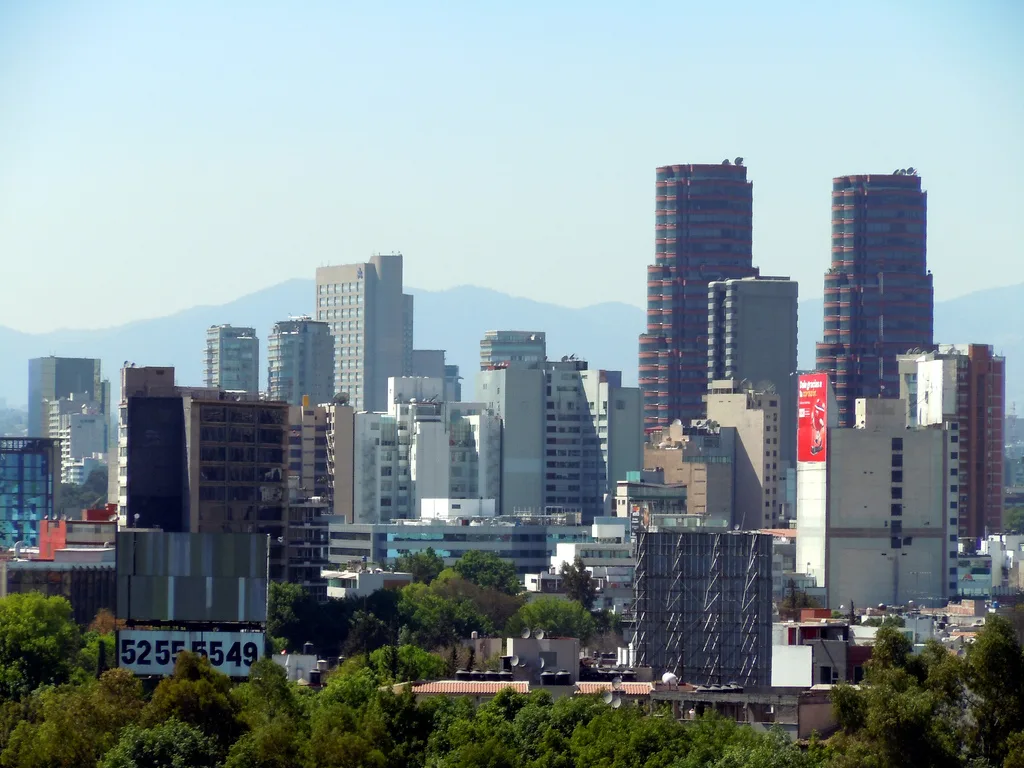
Ciudad de México occupies a rare place on the map of Latin America: it is a political capital, a cultural center, and a truly large-scale city, the kind where a single neighborhood already calls for its own time. For anyone putting together an itinerary, this matters because the city is not limited to a historic center. It brings together museums, cathedrals, palaces, ruins, parks, and monuments in areas with very distinct profiles, which changes quite a bit the way it is visited.
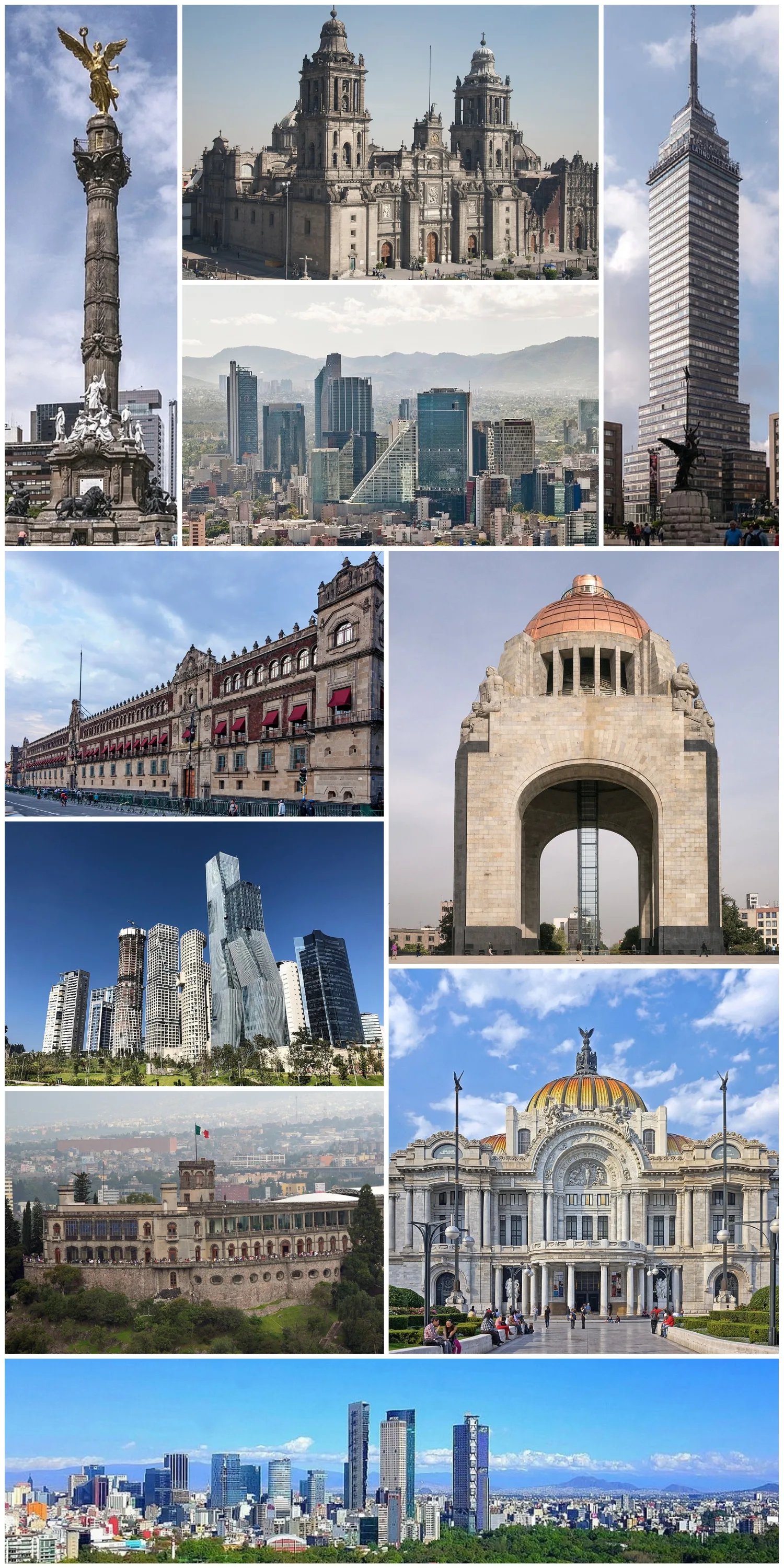
Visitors find the colonial layer, the pre-Hispanic heritage, and contemporary urban life coexisting within the same trip. In one day, it is possible to move through monumental squares and historic buildings; on another, to focus on parks and neighborhoods with a different rhythm. This variety makes the city work both for a short trip, with tougher choices, and for longer stays, in which the itinerary can alternate culture, walking, and breaks without repeating the same setting.
It also matters that each area has its own personality. There are zones more closely tied to cultural visits and national symbols, others with a neighborhood pace and more marked everyday life. For those traveling as a couple or with family, this helps adjust expectations: it is not a destination for “seeing everything in a rush,” but rather for carefully choosing the part of the city that makes sense for the time available.
If the idea is to understand how many days to set aside, think of the capital as a destination that requires some margin. A rushed itinerary covers only the surface; with more time, the city shows better how its neighborhoods differ and why it concentrates so much in a single place.
Which neighborhoods make the most sense for staying
La Condesa is the simplest area to use as a base if the idea is to stay in a neighborhood with its own rhythm and good services nearby. For couples, it usually works well because it makes it easy to head out on foot for meals, cafés, and walks without relying on long commutes all the time. For families, what stands out is the residential feel, with nicer streets to come back to at the end of the day and less need to keep crossing the city to take care of the basics.
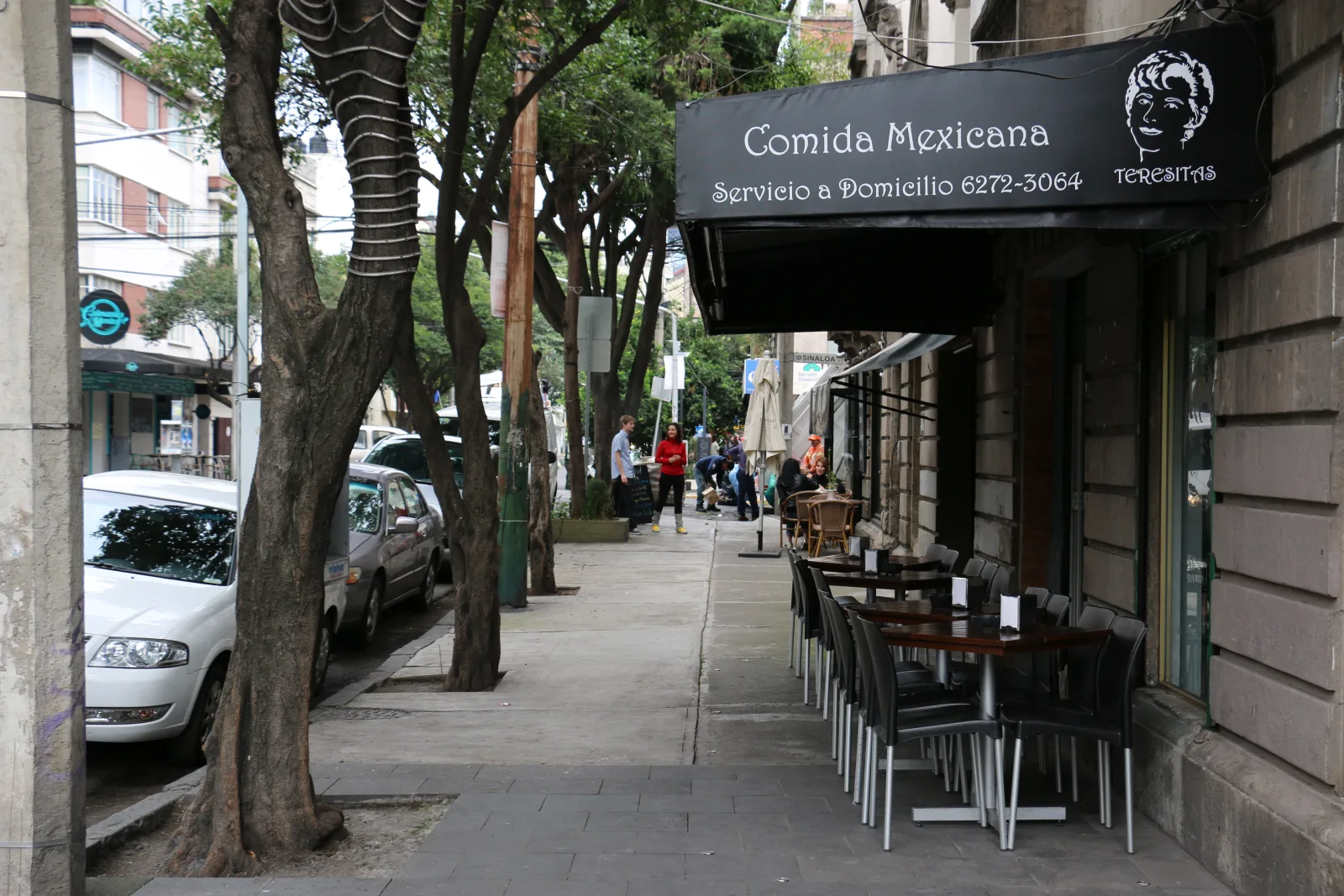
If the trip calls for more urban movement and quick access to an itinerary of visits, it is also worth looking at more central areas, near the historic axis and major avenues. This reduces the time spent traveling between one area and another, but it usually trades part of the neighborhood atmosphere for a more intense pace. Those who prefer to wake up already near cafés, parks, and strolling streets tend to adapt better to areas like La Condesa than to zones aimed almost exclusively at visitor traffic.
The choice of neighborhood changes the nighttime experience quite a bit. In areas more geared toward local circulation, you get a stay that depends less on a car and is easier to fit into long days of exploring. In more central areas, the advantage is convenience for going out early and coming back late without complicating logistics. For a trip as a couple or with children, the most useful criterion is simple: first decide whether the priority is walking comfortably around the accommodation or shortening travel times to the city’s main sights.
Editorial transparency: Some links on this page are affiliate links. We may earn a commission at no extra cost to you. This does not influence our recommendations.
What to visit in Ciudad de México
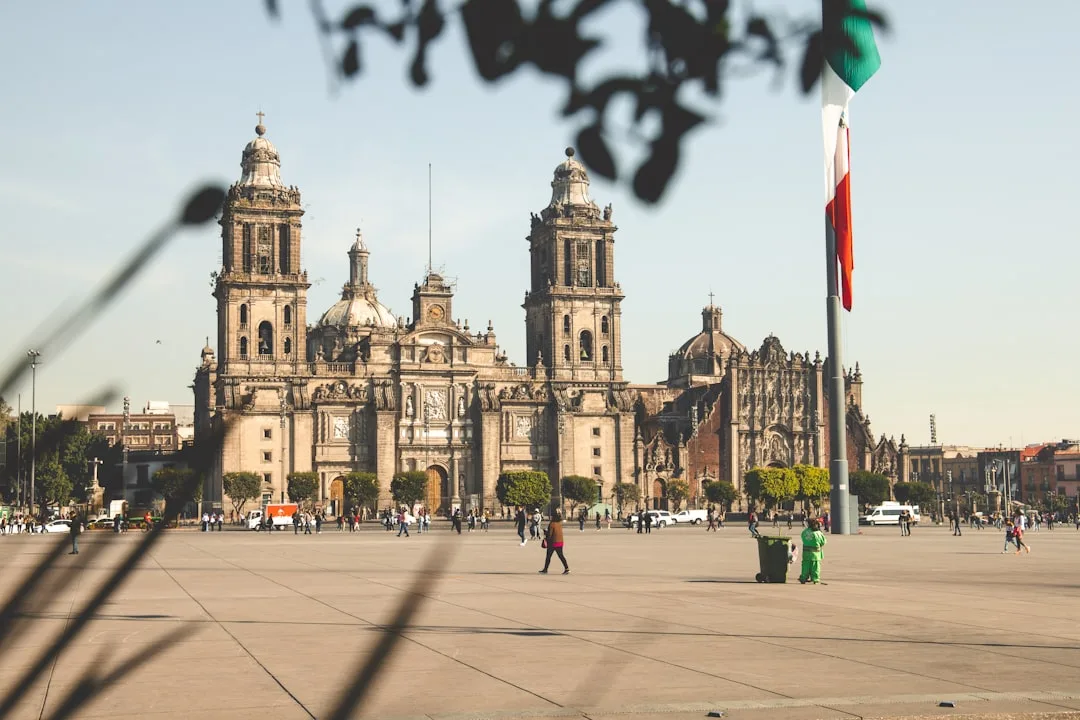
To see the city through its best-known frame, it is worth starting with the historic center axis, where Palacio de Bellas Artes and Plaza del Zócalo concentrate the capital’s symbolic weight. The former helps you understand the city’s relationship with the arts and architecture; the latter, with its scale as the main square, gives a sense of the political and religious center of Ciudad de México.
Chapultepec Castle and Park calls for more time in the itinerary, because the visit mixes palace, green space, and a broad view of the city. It is the kind of stop that works well when you want to step a little away from the denser circuit of monuments and take a break between walks. Ángel de la Independencia, meanwhile, usually comes in as an urban reference point: it does not need a big plan around it to make sense, just fit it into the route of those who want to see one of the capital’s most recognizable landmarks.
For a more local reading of the city, Plaza Garibaldi and Coyoacán offer very different rhythms. The square has nightlife associated with mariachis, while Coyoacán stands out for its neighborhood atmosphere and slower pace. If the idea is to set aside a visit to observe how the city moves beyond the monumental axis, both places help a great deal.
San Juan Market comes in a different register: it is the place for those who want to see a market focused on less usual products and a selection that goes beyond the basics. It is not a stop to breeze through; it works best when the visit is long enough to look at the stalls calmly and understand what the place has to offer.
How to organize city tours without wasting time
Group the itinerary by areas, not by scattered “must-see” spots around the city. The historic center works well as a single outing, because it concentrates Zócalo Square and the Palacio de Bellas Artes in an area that calls for walking, short breaks, and attention to the surroundings. If you try to combine that with another neighborhood that is very far away in the same period, the day quickly loses rhythm.
Chapultepec deserves its own block. The castle and the park require more time on site and pair better with a day when you want to alternate between cultural visits and green space, without rushing from one side to the other. The same logic applies to neighborhoods with a more distinct character, like Coyoacán: it is worth setting aside the visit for a period when the tour can be done at a leisurely pace, because the appeal there lies as much in the atmosphere as in what you do while walking its streets.
To fit the city better into your itinerary, think in three types of outings: one for the historic axis, one for Chapultepec, and another for areas with more local foot traffic, like Coyoacán or La Condesa. Ángel de la Independencia fits easily as a reference point between areas, while Plaza Garibaldi and San Juan Market make more sense when the day is already built around the center and does not require crossing the city for a short stop.
If your stay is short, choose fewer areas and explore each one more thoroughly. If it is longer, you can spread the days by pace: one for the monumental center, another for park and museum, another for the neighborhood. The gain is less about “seeing everything” and more about avoiding routes that drain energy without adding substance to the trip.
Where to eat in Ciudad de México
To eat in Ciudad de México without turning the choice into a lottery, think by type of experience. Plaza Garibaldi works when the meal comes with mariachis; the focus there is the atmosphere of the square, so it works better for a night with music than for a quiet meal. If the idea is to eat and listen, this is the right place.

Coyoacán comes in a different register. Churros are usually the excuse to sit down, walk around a bit, and extend the outing with something simple. It is an easy stop to fit into the middle of the day, especially when you want a casual snack. San Juan Market, on the other hand, is for those who want to go beyond the obvious and try exotic food in a market known precisely for that kind of offering. It is not a place to go blindly: those who like trying new things will find it worthwhile; those who prefer predictability may want to lower their expectations.
Polanco is where upscale restaurants come in. If the trip calls for a more elaborate meal, with higher-level service and cuisine, focus your search there. Since menus and price ranges vary quite a bit, the best thing is to confirm beforehand which place is still operating in the style you are looking for and whether reservations are required. For a special night as a couple, it is the most practical area to start your search.
How much time to stay to see the essentials
To see the essentials without turning the trip into a race, set aside at least 3 full days. That time lets you spread the sightseeing across different areas of the city and absorb the scale of Ciudad de México without always being in “quick pass-through” mode.
With 4 to 5 days, the itinerary gets real breathing room. The city has enough volume to fill that span well without repetition, and that especially helps those traveling as a couple or with family, because there’s room for pauses, calmer transfers, and a less rushed pace from one neighborhood to another.
A 2-day stay only works for a very selective slice. You see enough to understand the size of the capital, but you leave with the feeling that a lot was left out. Beyond 5 days, the trip starts to make sense for those who want to alternate cultural visits with neighborhoods, meals, and walks without building an exhausting itinerary.
If the trip is short, choose fewer areas and accept that not everything will fit in. If there is more time, the city rewards staying longer: the gain is in letting the itinerary breathe, not in stacking stops.
Best time and what to expect from the urban weather
The visit works best during a period when you can move between neighborhoods without rushing and set aside time for museums and parks. Since the city has wide areas and transfers that take energy, walking comfort matters more than an abstract “ideal season.”
If the itinerary includes a lot of time outdoors, it’s worth prioritizing more stable days so you spend less time improvising between an indoor attraction and another one outdoors. During rainy periods or more unstable weather, the plan needs to be more flexible: leave the open-air stretches for the hours when the city is easier to get around and keep indoor alternatives ready to fit in when the weather turns.
For those traveling with children or as a couple and wanting to enjoy the city at a human pace, the choice of period depends less on numbers and more on schedule. Check whether the trip falls on dates of heavier local traffic, because that changes movement in central areas, the time between one neighborhood and another, and even the experience in parks and squares. If the priority is to walk a lot, match the visit with a time when you can stay out longer without relying on constant plan changes.
The urban weather here calls for a versatile suitcase and an itinerary that can handle adjustments. Rather than trying to fit everything into the same day, leave room for breaks, start early when it makes sense, and spread out the outings so museums, open areas, and walkable neighborhoods aren’t tied to the same type of conditions.
Travel extensions from Ciudad de México
Teotihuacan is the most direct extension for those who want to leave the city without completely changing the type of trip. The ruins are close enough to work as a day trip and fit well into an urban itinerary because they add a different historical layer from what you see in the center. If there is little time, this is usually the easiest choice to fit in.
Other nearby destinations mentioned in the Mexican circuit tend to make more sense when the stay in Ciudad de México is already set and you want to expand the itinerary beyond the capital. Valladolid appears as a useful base for those heading toward Chichen Itza or other ancient remains in the region; Oaxaca comes up because of Hierve el Agua and the city itself, which calls for more than one stop; Chiapas works for those who plan to combine San Cristóbal de las Casas and the Sumidero Canyon in a longer sequence.
If the idea is to complement the trip without wasting days, choose extensions that change the type of experience, not just the address. Ruins, nature, and slower-paced cities fit better after a few days in Ciudad de México than a rushed swap from one urban center to another.
Frequently asked questions
How many days are ideal to stay in Ciudad de México?
The ideal is to set aside at least 3 full days. With 4 to 5 days, you can explore neighborhoods, museums, and open areas better without rushing.
Which neighborhoods make the most sense for staying in Ciudad de México?
La Condesa is a practical base for those who want to walk, eat nearby, and have a neighborhood routine. More central areas help reduce travel time to the main attractions.
What is worth visiting in Ciudad de México?
The historic center, the Palacio de Bellas Artes, Plaza do Zócalo, and Chapultepec Castle and Park are among the highlights. Coyoacán, Plaza Garibaldi, and San Juan Market help you see other rhythms of the city.
How can I organize sightseeing without wasting time?
The best approach is to group the itinerary by area. Spend one day for the historic center, another for Chapultepec, and another for neighborhoods like Coyoacán or La Condesa.
Is it worth taking day trips from Ciudad de México?
Yes, Teotihuacan is the most direct and easiest extension to fit in. It complements the trip well because it adds a historical experience different from the city.