Vienna: what to do, where to eat and how to plan the trip
See where to stay in Vienna, how to get around, and how to plan your itinerary to make the most of the city center, museums, and palaces.
Where to Stay in Vienna to Make the Most of the City
Staying near the historic center solves the trip for those who want to do a lot on foot and return to the hotel without depending on transportation for each move. The area around the Hofburg, Michaelerplatz and the pedestrian streets nearby work well for couples who want to have dinner early, walk afterwards and feel the city with little logistics. For families, the advantage is different: fewer transportation changes, easy access to cafes, shops and points of interest, and simple breaks between one visit and another.
The region connected to the Belvedere usually makes sense for those who want a more predictable pace and practical access to one of the most visited areas of the city. There are hotels and accommodation bases that leave you well positioned to start the day there and move on to other areas without crossing all of Vienna before breakfast. It's also a useful choice when the priority is to quickly reach the transport station in the area and keep the stay in a less saturated area than the historic center.
Leopoldstadt has a more local profile and usually pleases those who prefer a less touristy environment without moving too far away from what matters. It's a good base for families who value quieter streets at night and for couples who like to return to an area with neighborhood life, but still close enough to the center to go and come back without effort. The further you move away from the central ring, the more important it becomes to look at the connection with the U-Bahn and the real walk to the accommodation, not just the neighborhood on the map.
If the trip is short, choose based on the routine you want to repeat every day: walk to the center, sleep near the Belvedere or stay in Leopoldstadt with simpler access to other parts of the city. In Vienna, the right location reduces transportation changes, cuts time lost between attractions and helps to better fit in cafes, museums and breaks throughout the day.
How to Get Around Vienna Without Wasting Time
The center of Vienna works very well on foot. The streets of the historic core are compact, and on the way between one attraction and another, facades, churches, and buildings appear that make sense precisely when you walk without hurry. If your itinerary has few stops per day, walking also helps to cut transportation changes and to notice the parallel alleys better, which are usually less crowded than the main axes.
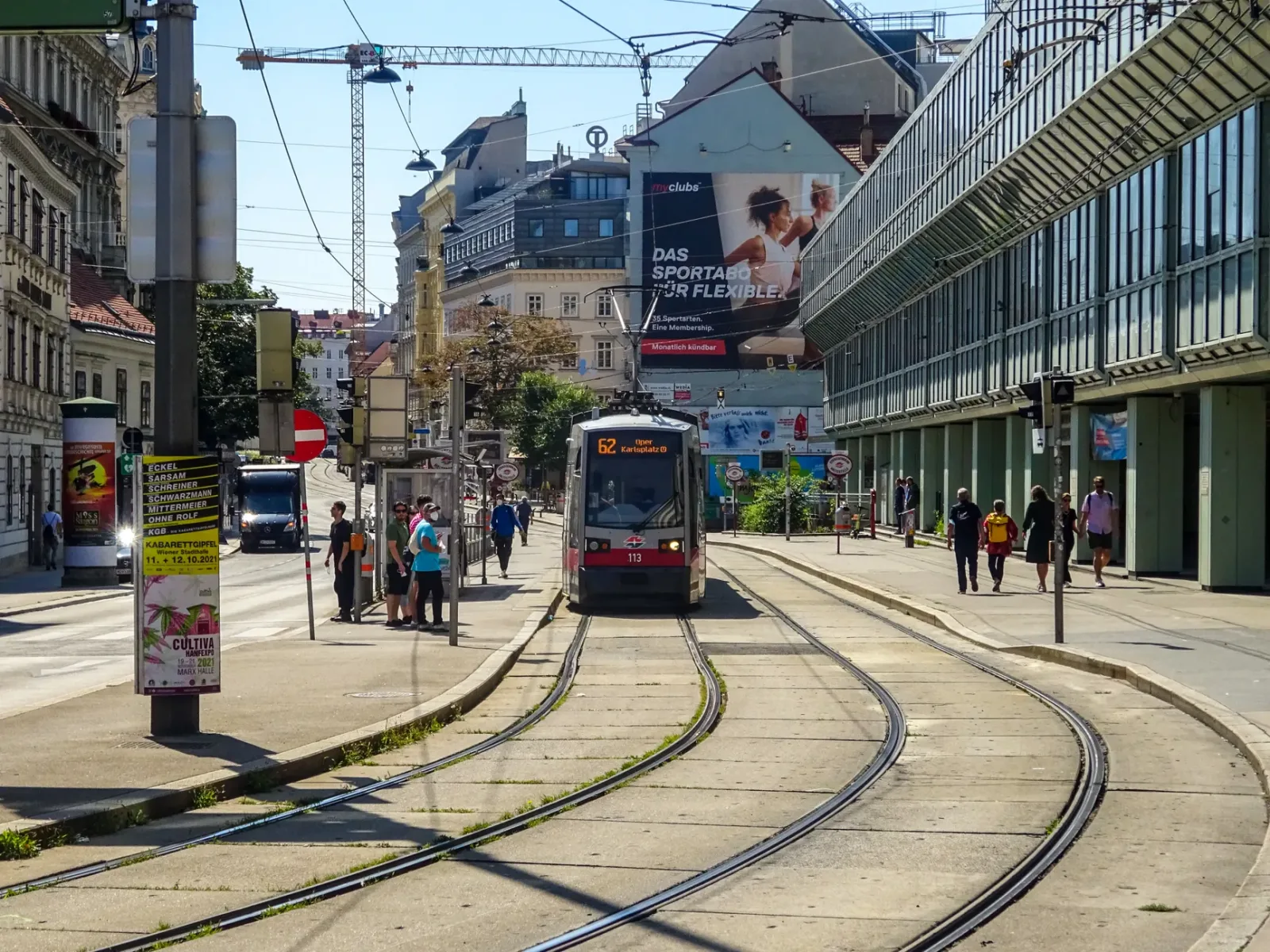
For longer trips, the U-Bahn solves most of the logistics without complicating the trip. It is useful for connecting points such as Stephansplatz, Quartier Belvedere, Kaisermühlen VIC, and Krieau, which facilitates combining the center with more distant areas or with accommodation zones outside the main ring. If you are staying near a station, the city becomes much simpler to use at night and on days when you want to fit several neighborhoods into the same outing.
The choice of transportation directly affects the pace of the itinerary. Those who are very centered on the historic core tend to use little metro in their daily routine; those who want to fit in Belvedere, the Danube bank, or more open areas of the east side of the city need to think first about the nearest station and the final walk to the hotel. In Vienna, looking only at the neighborhood is not enough, because the real distance between the platform and the accommodation door changes the convenience quite a bit.
To visit attractions and move between neighborhoods, it is worth planning the day with one stretch on foot and another by metro, instead of trying to cross everything without a break. This reduces time wasted, makes the center more pleasant, and avoids unnecessary movements between areas that make more sense in different blocks of the itinerary.
Editorial transparency: Some links on this page are affiliate links. We may earn a commission at no extra cost to you. This does not influence our recommendations.
How much time to dedicate and how to plan the itinerary
If the trip allows, stay for at least three days. Less than that usually rushes the city in a hectic itinerary, where you only pass through the most famous places without time to choose what you really want to see inside. With three days, you can separate the visit into blocks and avoid the most common mistake in Vienna: trying to fit the center, palaces, museums, and the Danube bank all at the same pace.
For a weekend, it works well to divide by areas. Reserve one day for the historic center and the Hofburg area, another for a palace with a garden and a museum stronger in art, and leave the third for the Danube part and the more open neighborhoods. If you only have two days, choose between delving into the center and the museums, or reducing museums to make room for a palace and a more extensive walk around the city. In Vienna, trying to see everything in a fragmented way usually results in more travel than experience.
The order also matters. Start with the historic core because it requires walking and is better with full energy. Then fit in the museums, which work well as a midday or late afternoon program. The palaces fit better when you've already decided whether you want to prioritize the exterior, interior, or park, because that changes the time spent at the location quite a bit. The Danube bank and the more open areas require good light and less rush; they let the itinerary breathe after two days of the center and closed rooms.
If the stay is short, think in blocks, not in a list. One block for walking, one for entering a museum, one for crossing gardens or palaces, and one for seeing the city from afar. This helps to cut down on repetition of travel and makes it clearer what is worth your energy in Vienna.
The Places Most Worth Visiting in the Center of Vienna
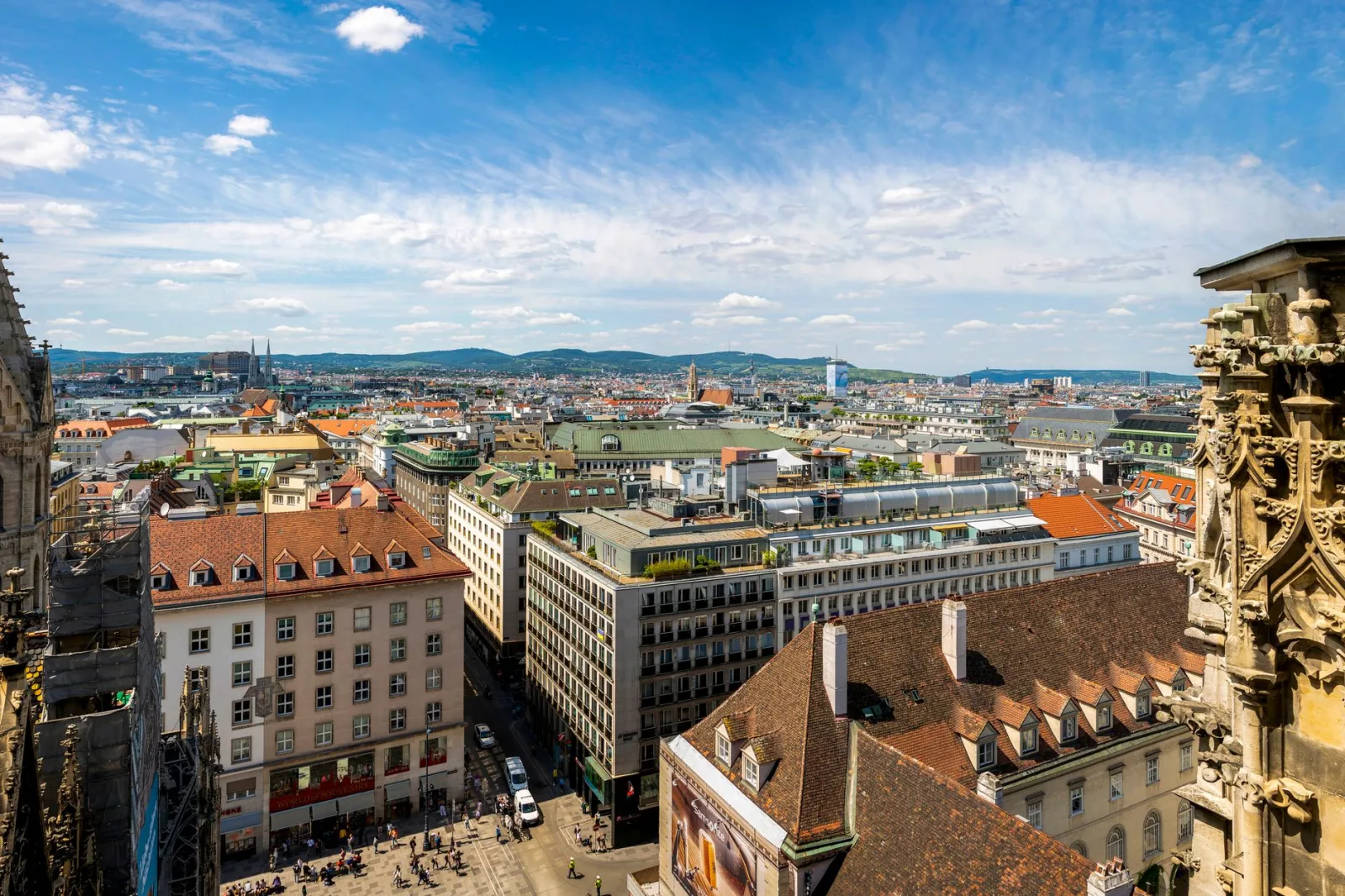
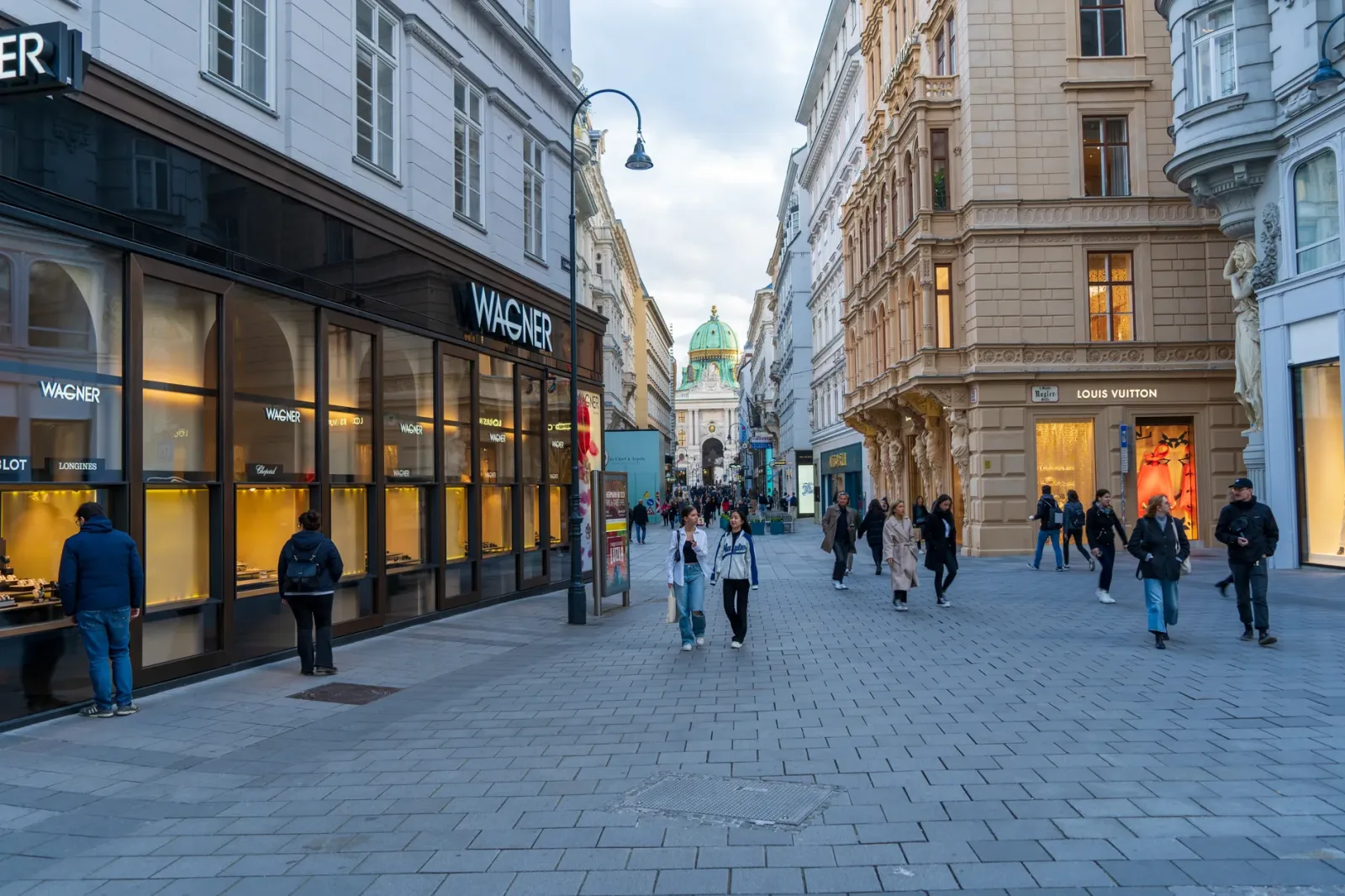
Walking through the historic center is still the best way to understand Vienna. The pedestrian streets and parallel alleys change the pace of the walk: on the main axes, you see more movement, but it's enough to go one block in to find decorated facades, churches, and buildings that make sense precisely when you slow down. The walk between the Staatsoper and the cathedral works well to feel this sequence of architecture without depending on transportation.
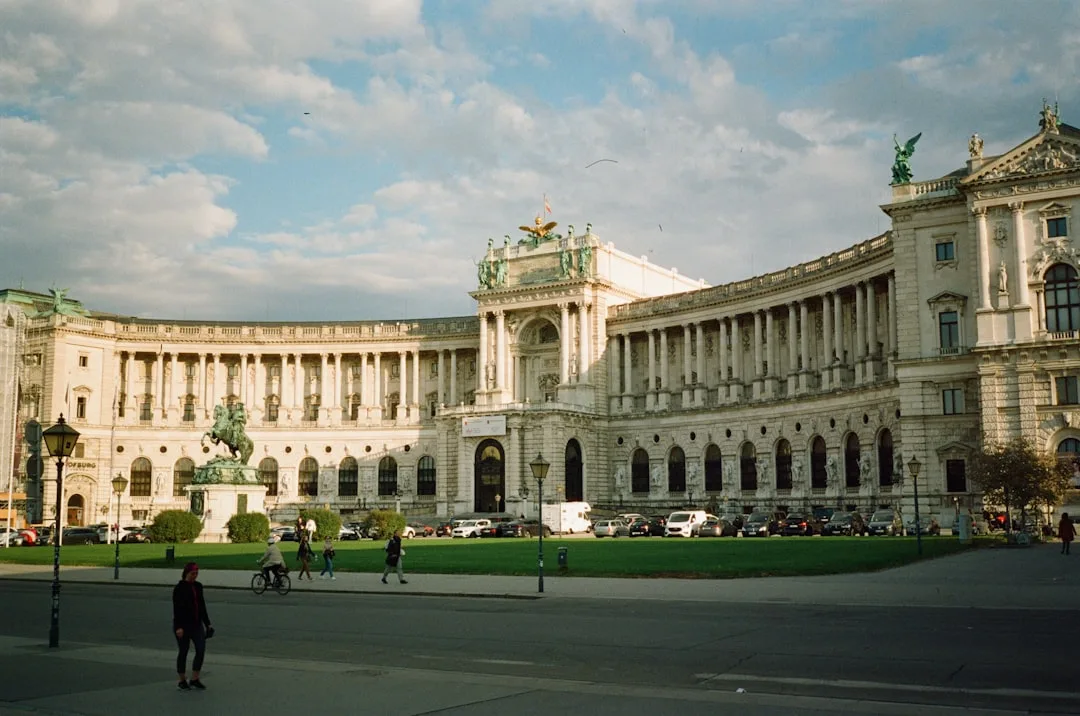
The Cathedral of St. Stephen dominates the central area and is worth visiting both for its exterior and its immediate surroundings, which concentrate the clearest reading of the old center. Michaelerplatz marks one of the most well-known entrances to the Hofburg complex, and Heldenplatz gives another dimension to the ensemble, with the opening of the square and the presence of the Neue Burg. Those who enjoy observing the city will find there an urban panorama that still converses with the end of the 19th century, even with traffic passing nearby.
In the Hofburg area, the interest lies less in a single point and more in the continuity between squares, courtyards, and building fronts. It's a stretch good for combining a leisurely walk with short stops, because the reading of the place happens in the displacement: the scale changes, the setbacks open perspectives, and the imperial architecture appears in sequence, without requiring entry into everything.
If the idea is to choose what really deserves your time in the historic core, stick with the walk, the cathedral, Michaelerplatz, and Heldenplatz. It's the ensemble that organizes the center and helps decide, afterwards, whether it makes sense to enter any building or just continue observing the city from the outside.
Palaces, gardens and viewpoints that help you choose what to visit
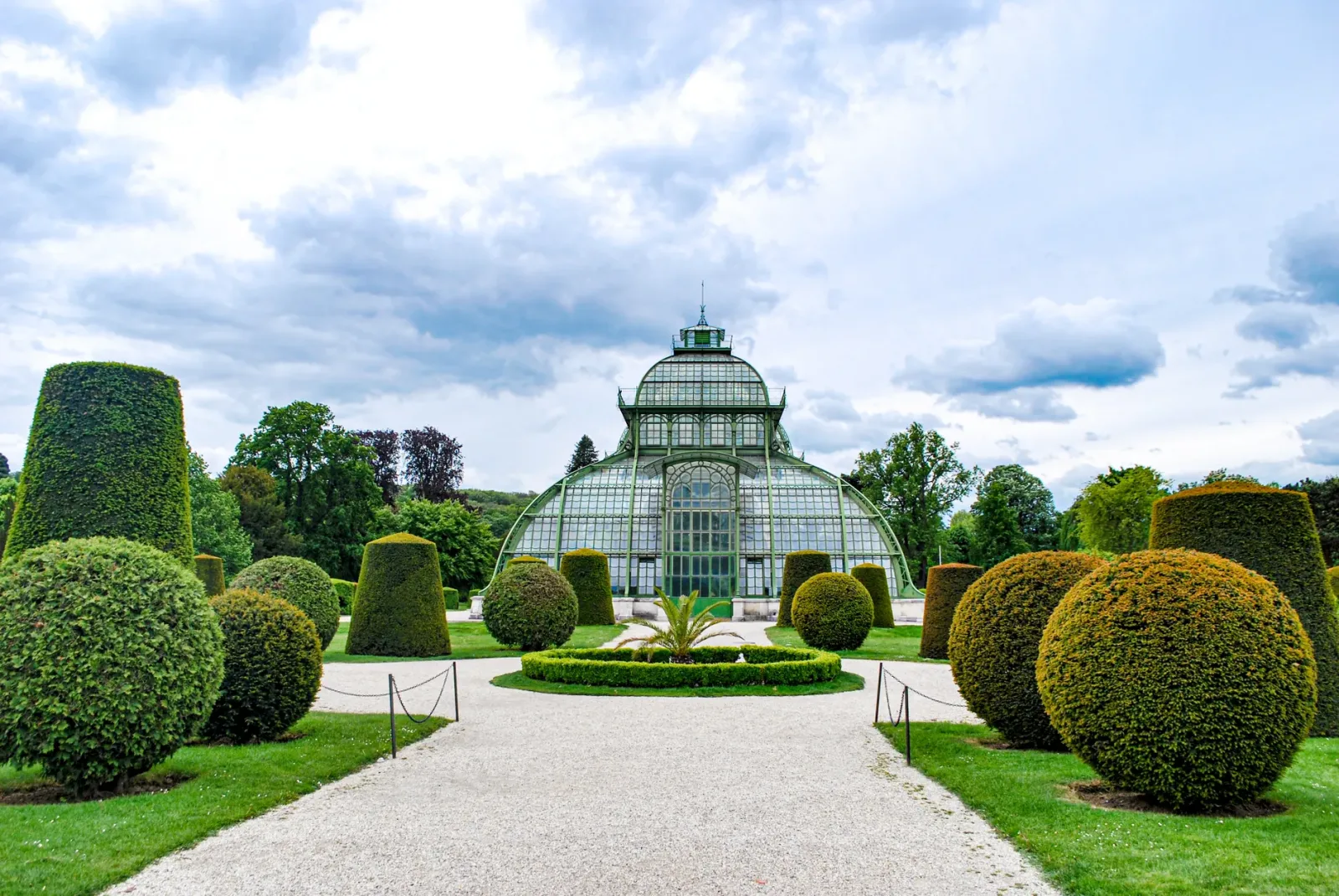
Schönbrunn enters the list when the trip calls for a palace with a large park and a visit that can be adjusted to your time. The interior tells the imperial history of the city, but what many people enjoy the most is the combination of facade, gardens and the outdoor paths. If the idea is just to understand the place and photograph the scale of the set, the exterior and the park already deliver a lot. If you want to enter, check beforehand the type of ticket and the time of day you plan to go, because that changes the experience quite a bit.
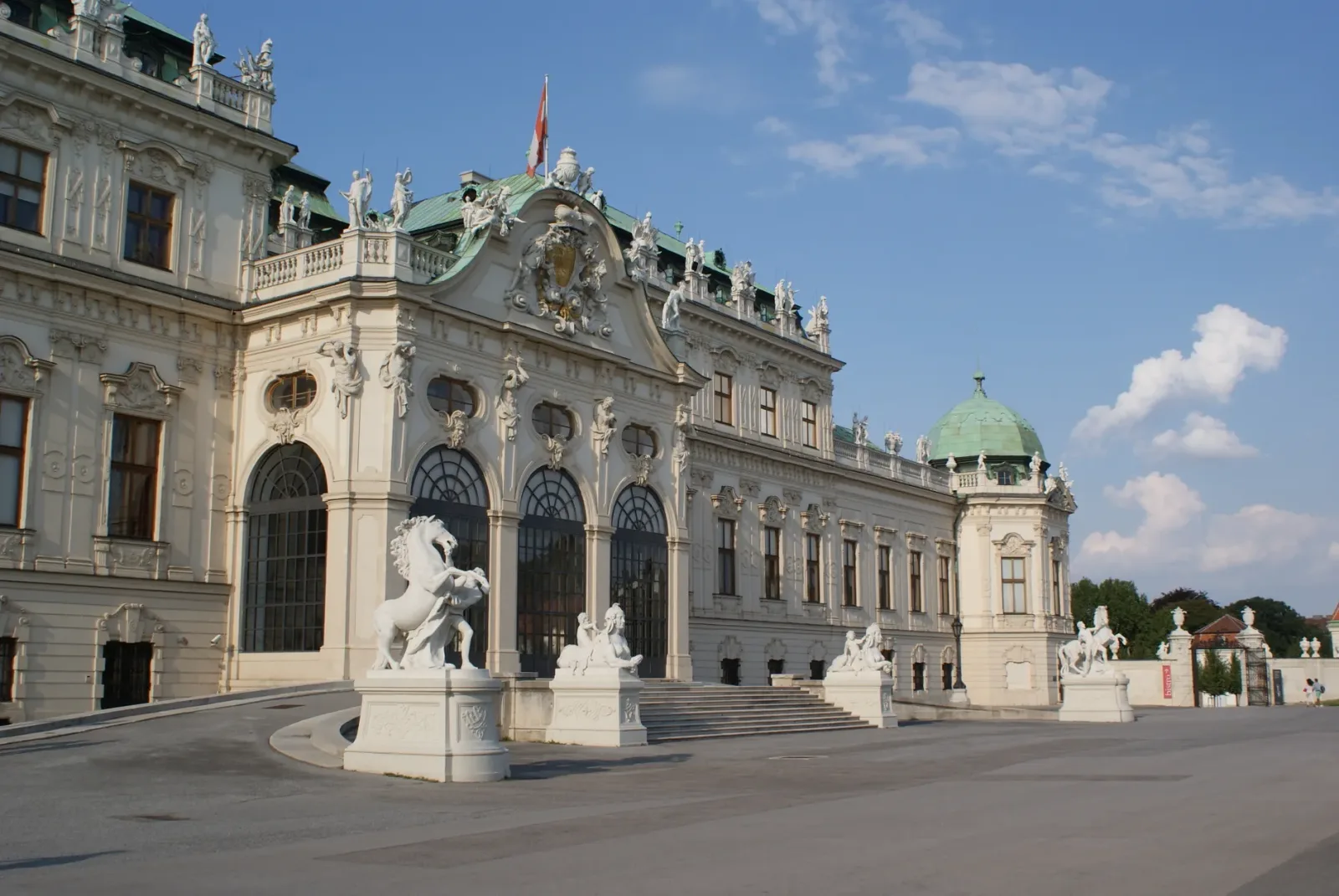
Belvedere works well for those who want a palace that's easier to fit in among other programs. The outdoor area offers short walks and photos of the architecture, and the park helps to spread out the visit without rush. It's also a good spot to decide whether it's worth entering the interior or sticking with the visual part and moving on. Those who like art usually aim for the Belvedere because of the collection, but even without that, the set already makes sense as a half-day stop.
Volksgarten takes less time and fits better as a walking break. The rose gardens make more sense in spring and summer, when the blooming completely changes the reading of the space. If you're planning your day between the city center and museums, it works as a light interval, without requiring long planning. The St. Stephen's Cathedral, on the other hand, is worth it for the view from above, which helps to understand the layout of the center and the scale of the surrounding roofs. The platform of the Donauturm, in turn, trades the closed urban panorama for a more open view of the city and the Danube; it's the kind of visit that makes more sense when you want to see Vienna from the outside in, rather than walking through it.
Museums and Art to Fit in Your Itinerary
If time is short, prioritize a museum with a strong collection or focus and move on. The Kunsthistorisches Museum usually fits this bill by bringing together painting and the Kunstkammer, the court curiosities section of the Habsburgs, with pieces that demand more attention than haste. It's the kind of visit where you can decide beforehand whether you want to see the entire collection or focus your energy on the Kunstkammer rooms.
The Kunst Haus Wien makes more sense for those interested in architecture linked to Hundertwasser and a lighter visit to large collections. There, part of the experience is in the building itself, and the ticket grants access to the upper floors and the Hundertwasser art collection. There is also a café on the ground floor, accessible without a ticket, which helps if you just want to take a peek before deciding to enter. The MAK follows a different line: it's the right address for design and applied arts, with a more specific focus than the average museum in the city. If your interest is in object design, furniture, or decorative arts, it fits better than a large picture gallery.
The Albertina usually works well for those who want high-profile exhibitions without being tied to a single theme. The profile changes according to the current exhibition, so it's the kind of place worth checking on the day of the visit to see what's on display. The Belvedere enters the itinerary for a very clear reason: the presence of The Kiss by Klimt, in addition to the collection and the building itself. If you have to cut a museum, the decision usually comes down to this: curiosities and rare objects at the Kunsthistorisches, design at the MAK, contemporary art and Hundertwasser at the Kunst Haus Wien, major exhibitions at the Albertina, Klimt at the Belvedere.
Cafés, Viennese food and where to stop for a meal
Café Central and Café Sacher are on the itinerary of those who want to sit in a classic coffee house and understand why this type of place still holds weight in Vienna. The former usually draws attention for its interior, which seems almost scenographic; the latter is remembered for its connection with the coffee and cake that bear its name. Both attract a lot of people, so it's worth considering them as scheduled stops, not as an impromptu between one point and another.
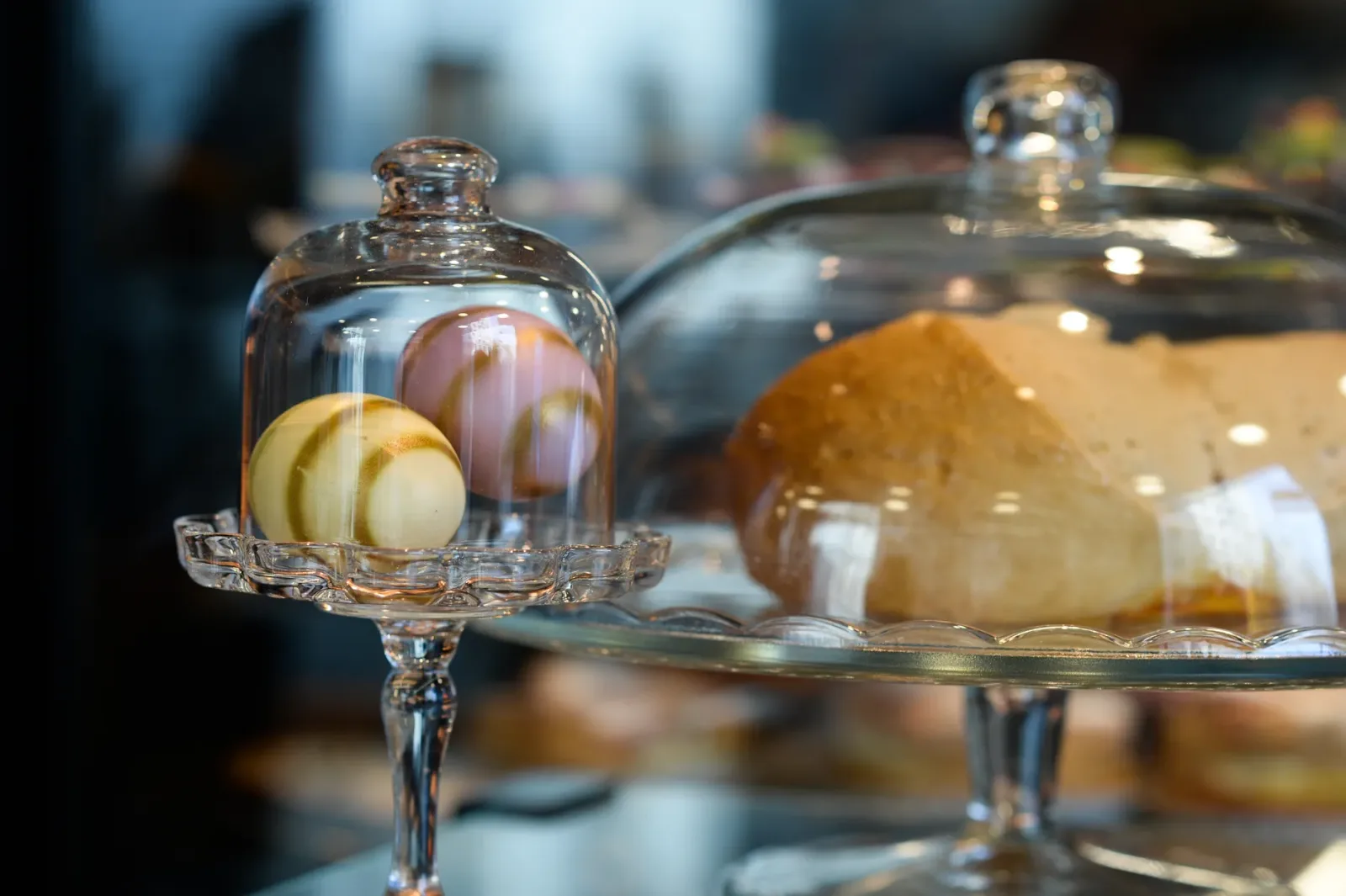
The experience in a Viennese coffee house revolves less around speed and more around sitting time. You order coffee, choose something sweet and stay a while. If you want to enjoy this atmosphere without losing the day, come early or make a reservation when possible. Outside of the most famous names, look for houses with antique furniture, unhurried service and a pastry shop window; that's where the city best shows off this tradition.
For a more complete meal, Fromme Helene is a useful address for Viennese food in generous portions and a cozy atmosphere. The menu usually follows the line of dishes that require appetite and a table without haste, with attentive service and the atmosphere of a well-kept neighborhood restaurant. If the idea is to try schnitzel, strudel or something from the local repertoire instead of having a rushed meal, this type of place works better than cafés focused only on sweets.
Between café and restaurant, choose according to the pace of the day. Café Central and Café Sacher work better when you want the classic break, with cake and coffee. Fromme Helene makes more sense when the priority is to sit down for a proper meal. In Vienna, exchanging a rushed visit for a well-chosen stop usually pays off more than trying to fit in three places without time to really enjoy any of them.
When to Go to Vienna and Which Areas Change the Experience
The city changes quite a bit with the season, and this affects the type of outing that is worth doing. During Advent, the markets take on another face after dark: the low light, the cold, and the movement around the stalls make late afternoon the best time to stroll without rushing. If your trip falls during this time, save this activity for after sunset and reserve the evening to walk between the squares with time to stop, observe, and eat something along the way.
Spring and summer favor the Volksgarten, especially the rose garden, which makes more sense when there is blooming. Outside of these months, the space remains useful as a break between one visit and another, but loses the main reason to go there. Those who want to photograph or just sit for a few minutes should aim for late morning or early afternoon, when the light helps and the park has not yet emptied or filled too much.
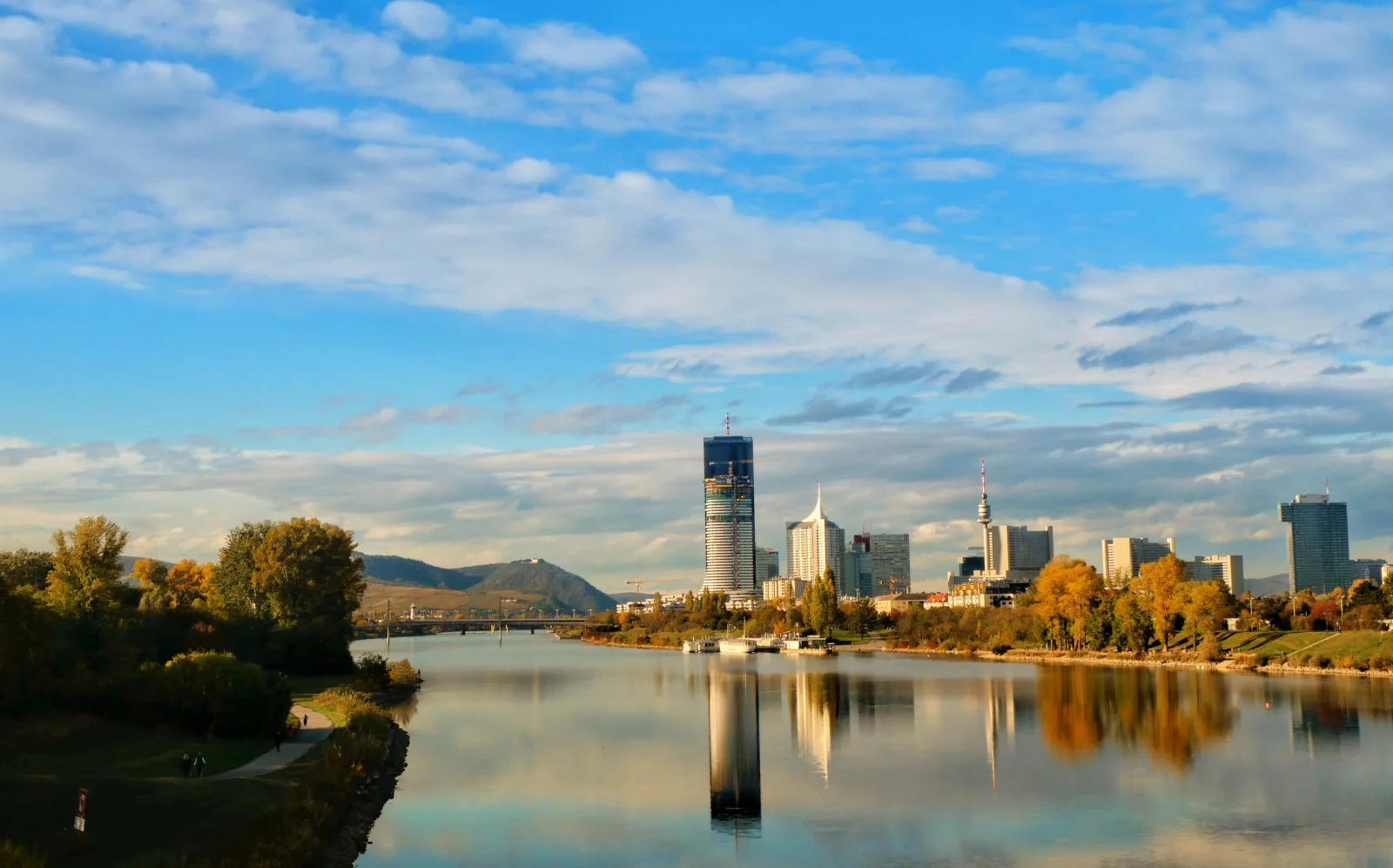
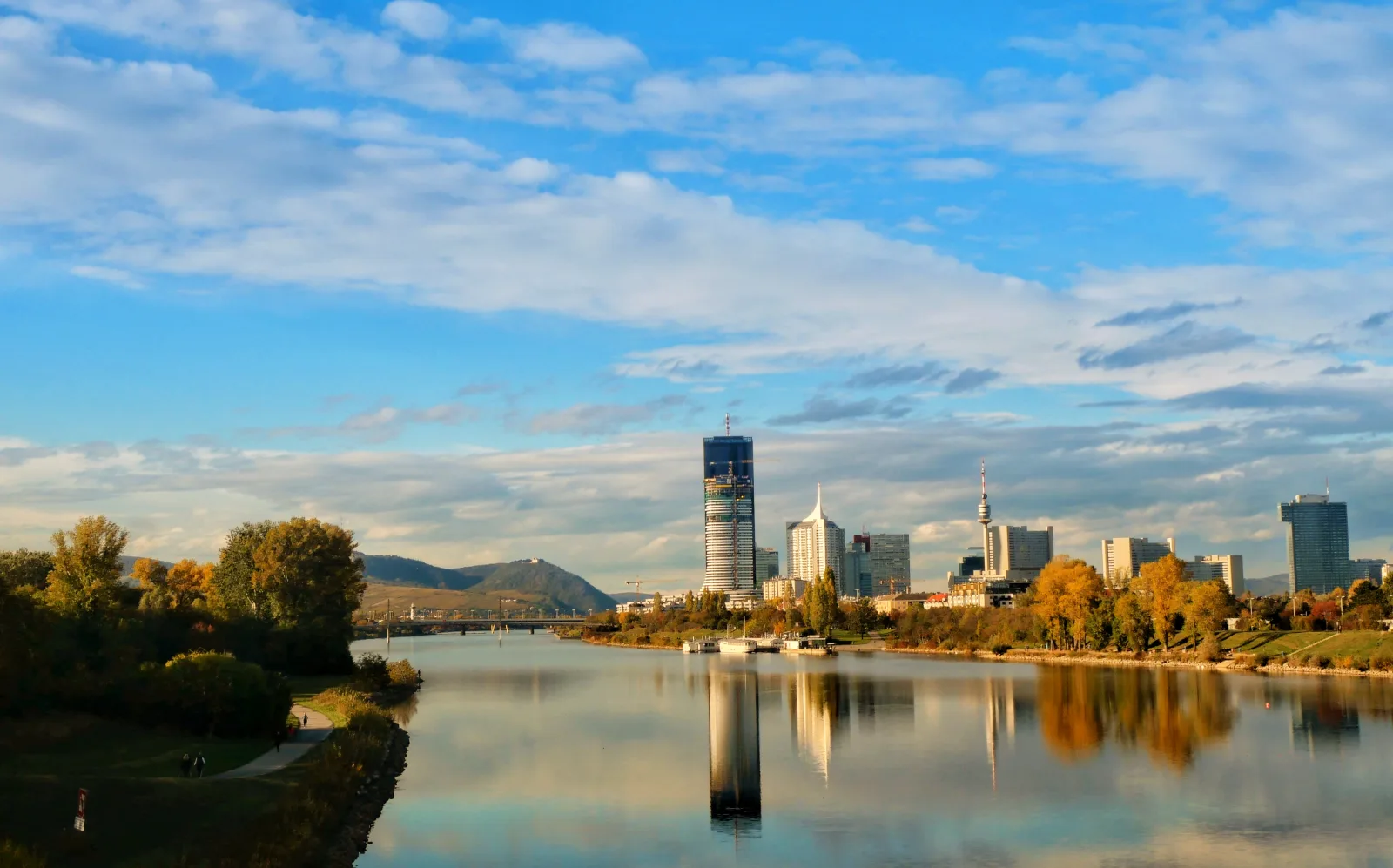
To see the city from another angle, late afternoon works better on the banks of the Danube and along the Donaukanal. The sunset changes the atmosphere of these areas and also decides the type of walk that is worth taking: more open and contemplative near the river, more urban and with a flow of people along the canal. If the idea is to catch this time, fit the walk in before dinner and don't leave it for later, when the light has already faded and the scene loses its strength.
Leopoldstadt, Prater, and Donauinsel have very different rhythms throughout the day. Leopoldstadt is usually quieter for sleeping and early morning strolls, with neighborhood movement and less rush. The Prater comes alive when there is activity and enough light to walk comfortably; at night, the atmosphere changes and the interest becomes more limited to those who want to extend the program. Donauinsel works best on long afternoons, when there is still time to walk, stop, and return without rushing against the clock.
Frequently asked questions
Where to stay in Vienna to make the most of the city?
Staying near the historic center is usually the most practical option for doing a lot on foot. Belvedere and Leopoldstadt also work well, depending on the pace and routine you want to repeat.
How to get around Vienna without wasting time?
The center can be explored on foot, and the U-Bahn covers most of the longer trips. Combining walking with the subway is usually the most efficient way to get around the city.
How many days are enough to visit Vienna?
Three days already allow you to divide the visit into blocks and avoid a rushed itinerary. With less time, it's worth prioritizing the historic center, a palace, and a museum.
Which attractions in the center of Vienna are worth the visit?
St. Stephen's Cathedral, Michaelerplatz, Heldenplatz, and the Hofburg area organize the visit to the historic core well. The walk between these points helps to understand the city.
Which museums in Vienna fit best in a short itinerary?
The Kunsthistorisches Museum, the MAK, the Albertina, the Kunst Haus Wien, and the Belvedere are good options, each with a different focus. If time is short, choose one that matches your main interest.