Vienna: what to do, where to eat, how to get around and when to go
Vienna: see when to go, how to get around, where to eat, and which palaces, neighborhoods, and viewpoints to include to put together a practical itinerary.
When to go to Vienna and how many days to set aside
Spring and autumn are usually the most comfortable windows for getting around Vienna: the weather tends to be milder, walks are more pleasant, and the city continues to work well for those who want to alternate between museums, cafés, and historic streets without relying so much on the weather. December also deserves attention, especially for the Christmas markets, when the city settles into its own rhythm and calls for a heavy coat, warm breaks, and less rushing from one stop to the next.
Three days is a practical base for a first trip. That time is usually enough to see the essentials without turning the itinerary into a sprint, leaving room for palaces, cafés, and one or another longer trip within the city. If you stay less, the trip tends to become too much of a hard selection; if you extend it beyond that, Vienna still delivers well, because the center is compact and the distances between points of interest do not require much time loss.
The city works in any season because the attractions do not depend only on good weather. On cold days, indoor spaces, cafés, and shorter walks do the job well. When the weather improves, broad streets, parks, and riverbanks come into play more strongly in the itinerary. This makes Vienna suitable for both a short winter trip and a more relaxed stay in spring or autumn, without requiring a single fixed logic for visiting.
How to get there and get around the city
Getting to Vienna is usually straightforward. Vienna International Airport is the main air gateway, and the Hauptbahnhof works well for those arriving by train. From these two points, the rest of the trip usually depends more on your accommodation base than on anything else.
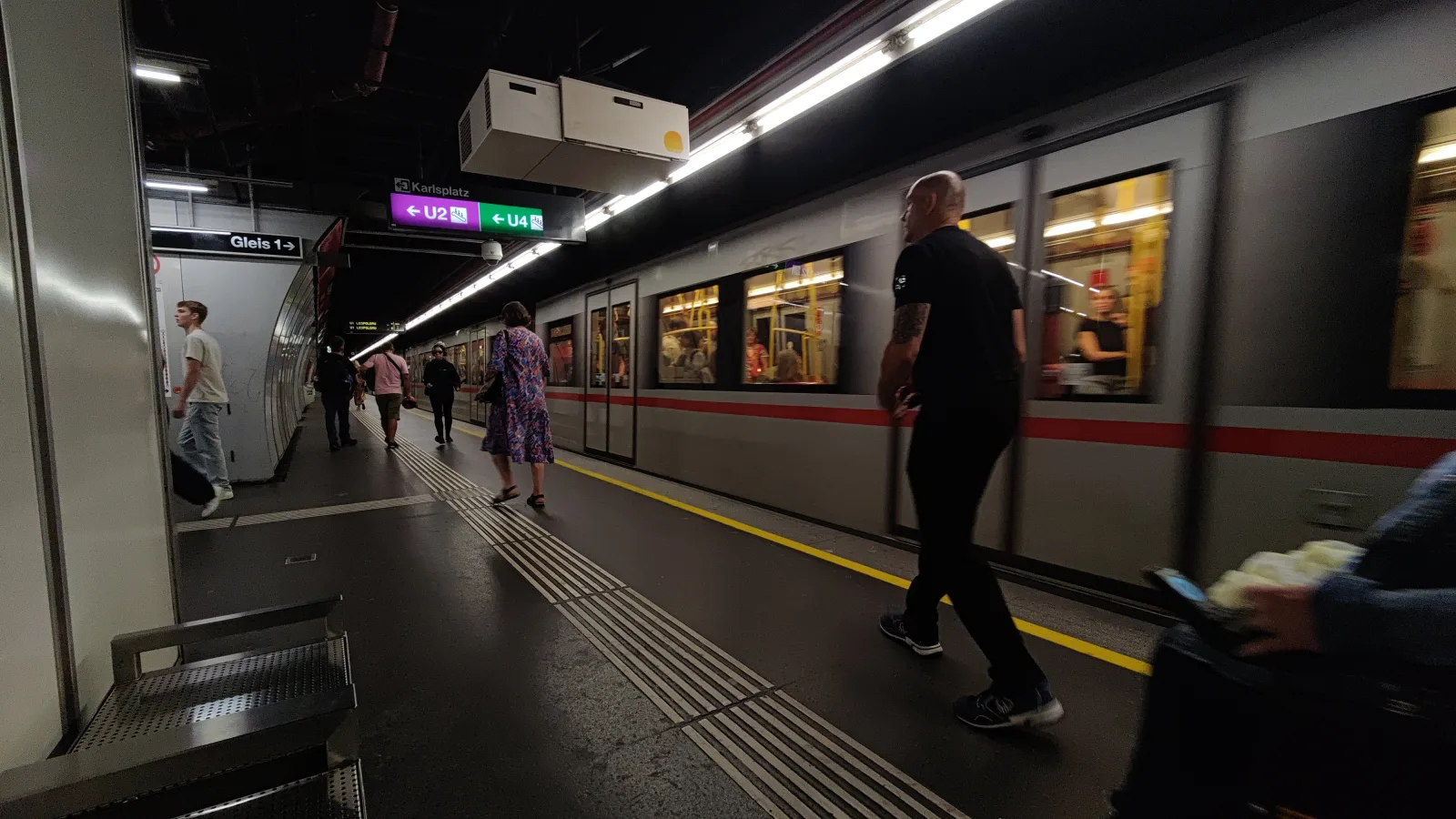
To get around, the city works well with a mix of walking and public transport. The center and several points of interest can be explored on foot, but the U-Bahn handles the longer stretches quickly. Buses and trams complete the map and help when the route does not fit the metro well. If you want a practical rule of thumb, use the U-Bahn to cross the city, walk in the central areas, and leave buses or trams for more specific connections.
Some points mentioned in this guide are especially easy to reach by metro: Stephansplatz for St. Stephen’s Cathedral, Kaisermühlen VIC for the Donauturm, Rathaus or Rathaus/Universität for Fromme Helene, and Krieau for Leopoldstadt. That already covers much of the most common travel without needing a car.
In Vienna, public transport works best when you think in terms of combining modes, not relying on a single one. Walking covers a lot in the historic core; the U-Bahn cuts distances; trams and buses fill in the gaps.
Editorial transparency: Some links on this page are affiliate links. We may earn a commission at no extra cost to you. This does not influence our recommendations.
Palaces and historic architecture to include in the itinerary
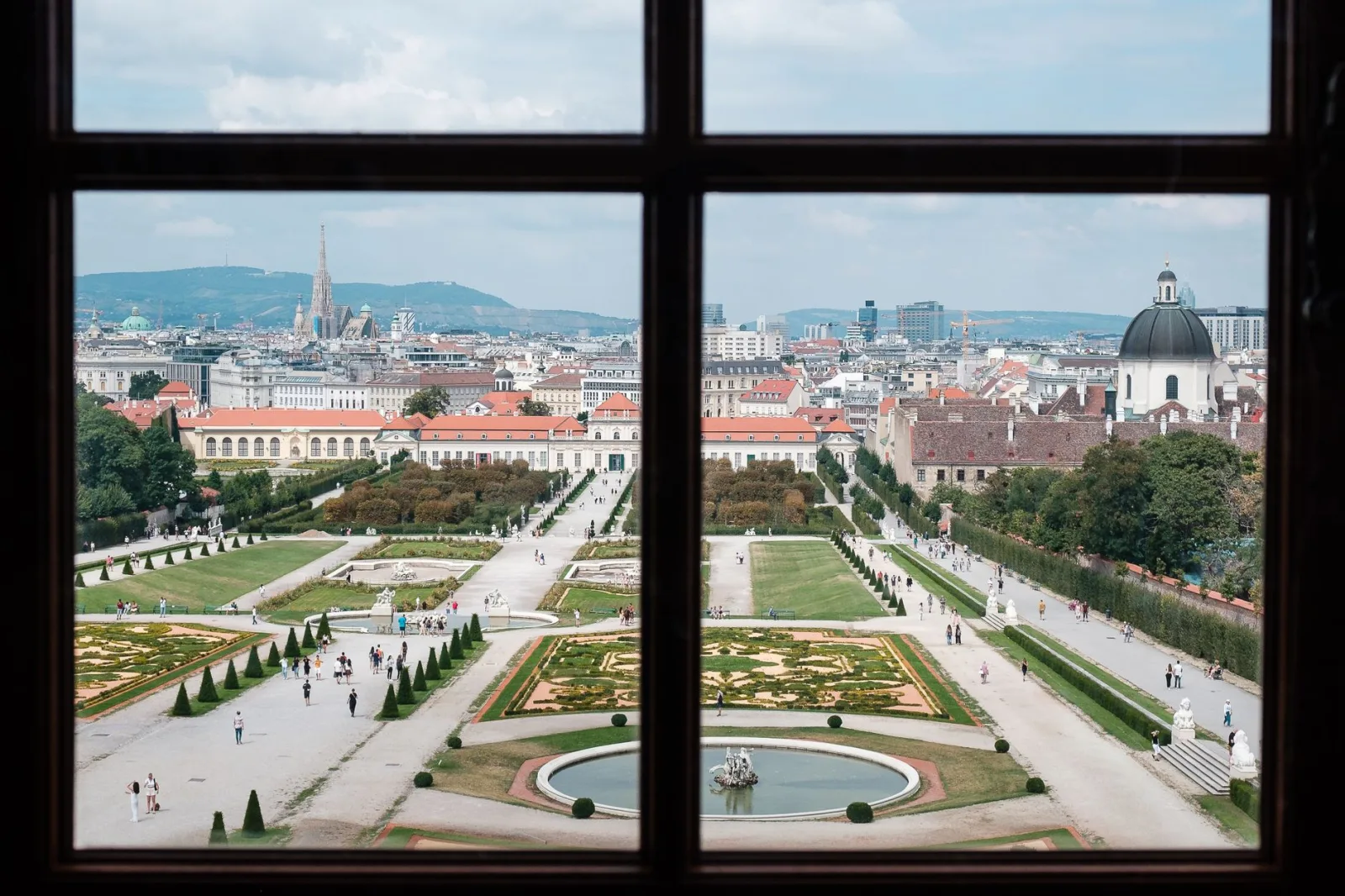
Belvedere Palace works well on two levels: the park can be seen without a ticket, and the building requires paid entry if you want to see the interior. The exterior already conveys the scale of the complex, with expansive green areas, a fountain, and open sections that help explain why the palace became such a common stop on the city’s architecture itineraries. If you plan to go inside, it’s worth deciding in advance whether you just want to walk through the spaces or include a guided tour.
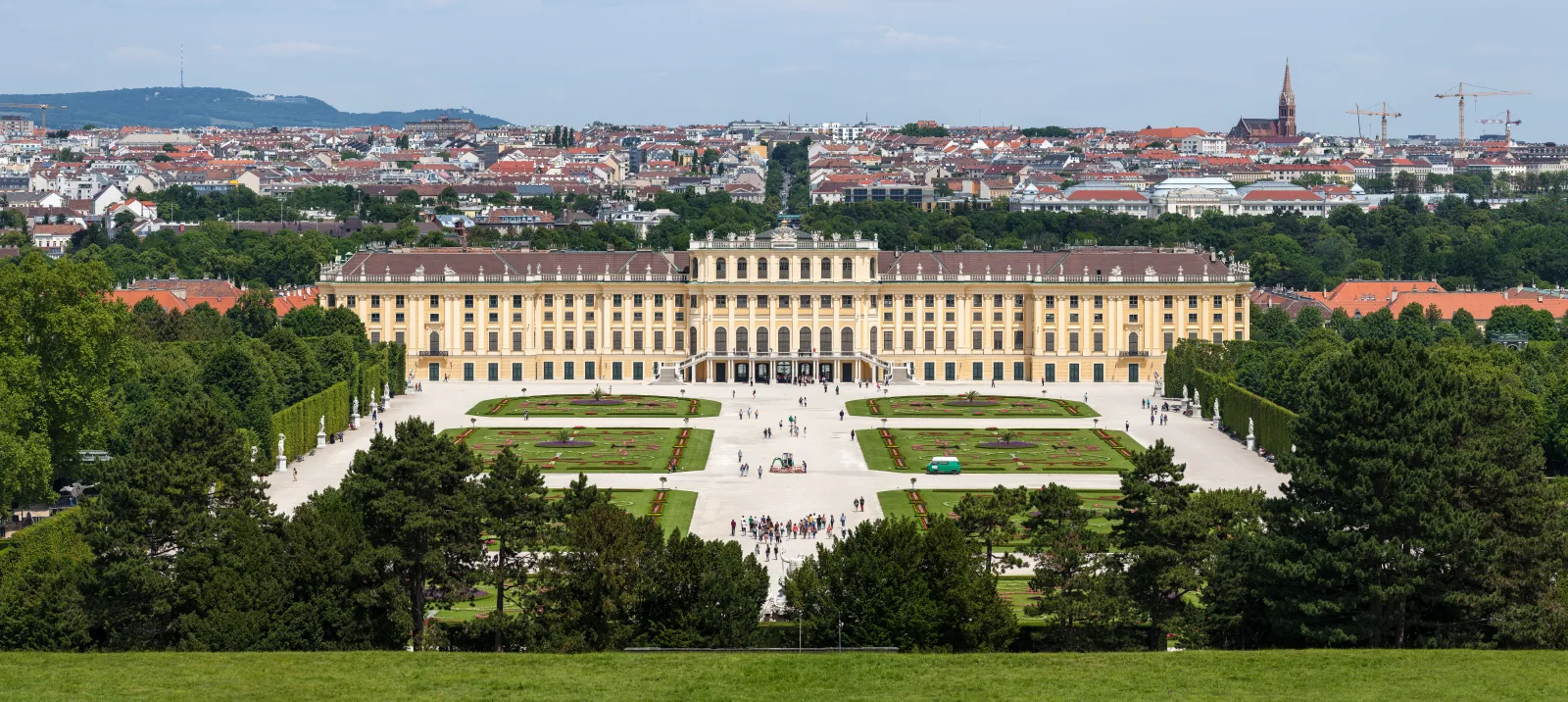
Schloss Schönbrunn is the kind of palace where the garden and the interior deserve separate attention. The gardens are large and can be enjoyed without a ticket, which already justifies the visit for anyone who wants to see the composition of the complex and walk around the grounds. To enter the palace, a ticket is required; inside, the rooms offer a more concrete idea of court life and the historical weight of the place. If you have little time, choosing between the gardens and the interiors is an honest way to organize the visit, rather than trying to do everything in a rush.
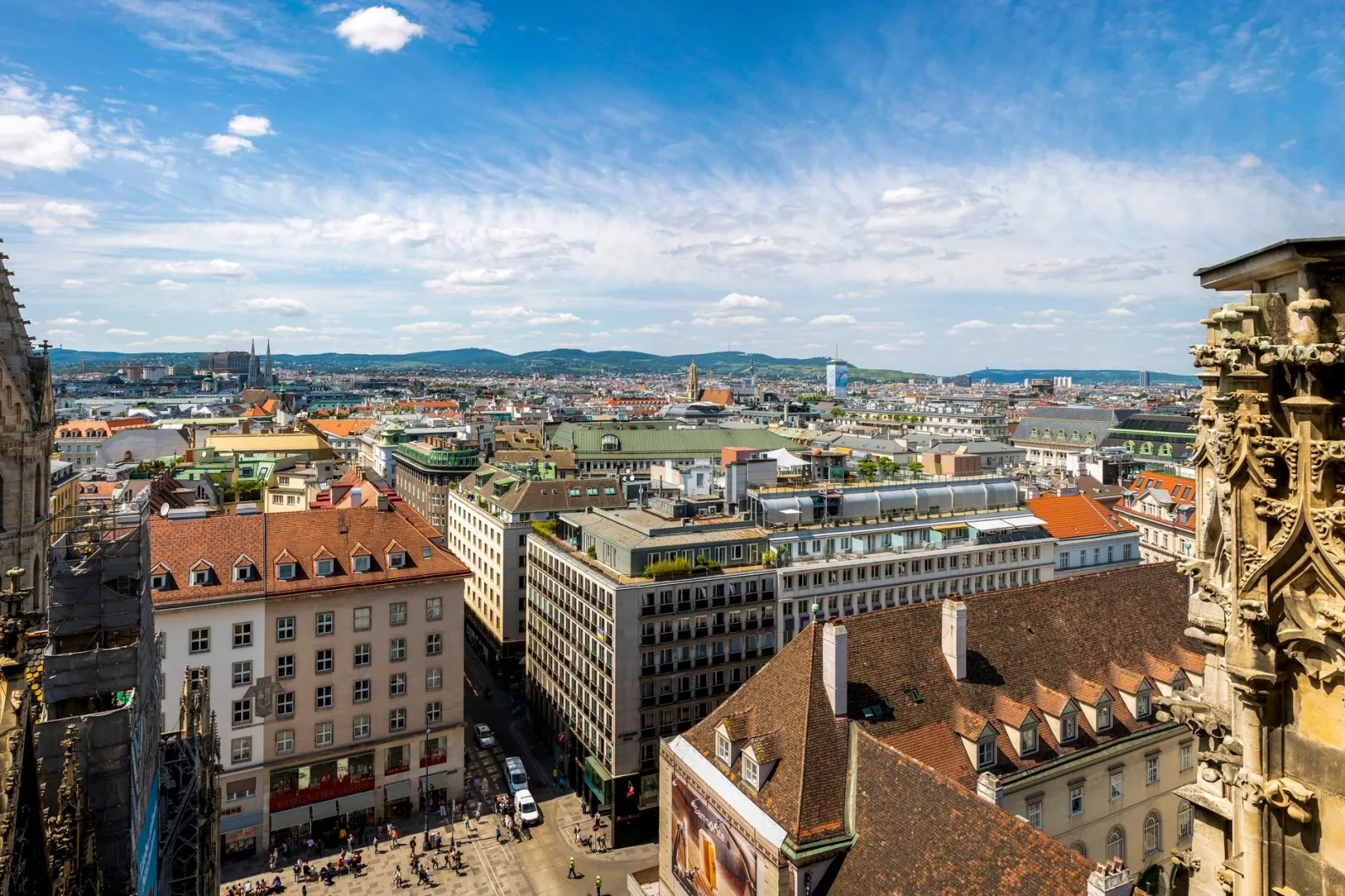
St. Stephen’s Cathedral enters the itinerary for another reason: it concentrates the most historic part of the center and also works as a building to visit. The façade and the roof already provide good viewing from the outside, but the most memorable experience is climbing the 343 steps to see the city from above. There is no elevator, so the visit requires physical readiness and attention to the narrow stairs. For those who prefer religious architecture without rushing, the cathedral is worthwhile both for its presence in the urban space and for the interior route.
The residential buildings linked to the Red Vienna era call for a different kind of look. They are still in use as housing, so the focus is on the exterior: observing façades, period marks, and the variety of styles spread across the central districts and beyond. Some have a more recent appearance; others retain a more old Vienna reading. Since they cannot be visited inside, the interest lies in walking to them with time and noticing how the city’s social architecture is part of everyday life, not just the monumental circuit.
The Best Spots to See Vienna from Above
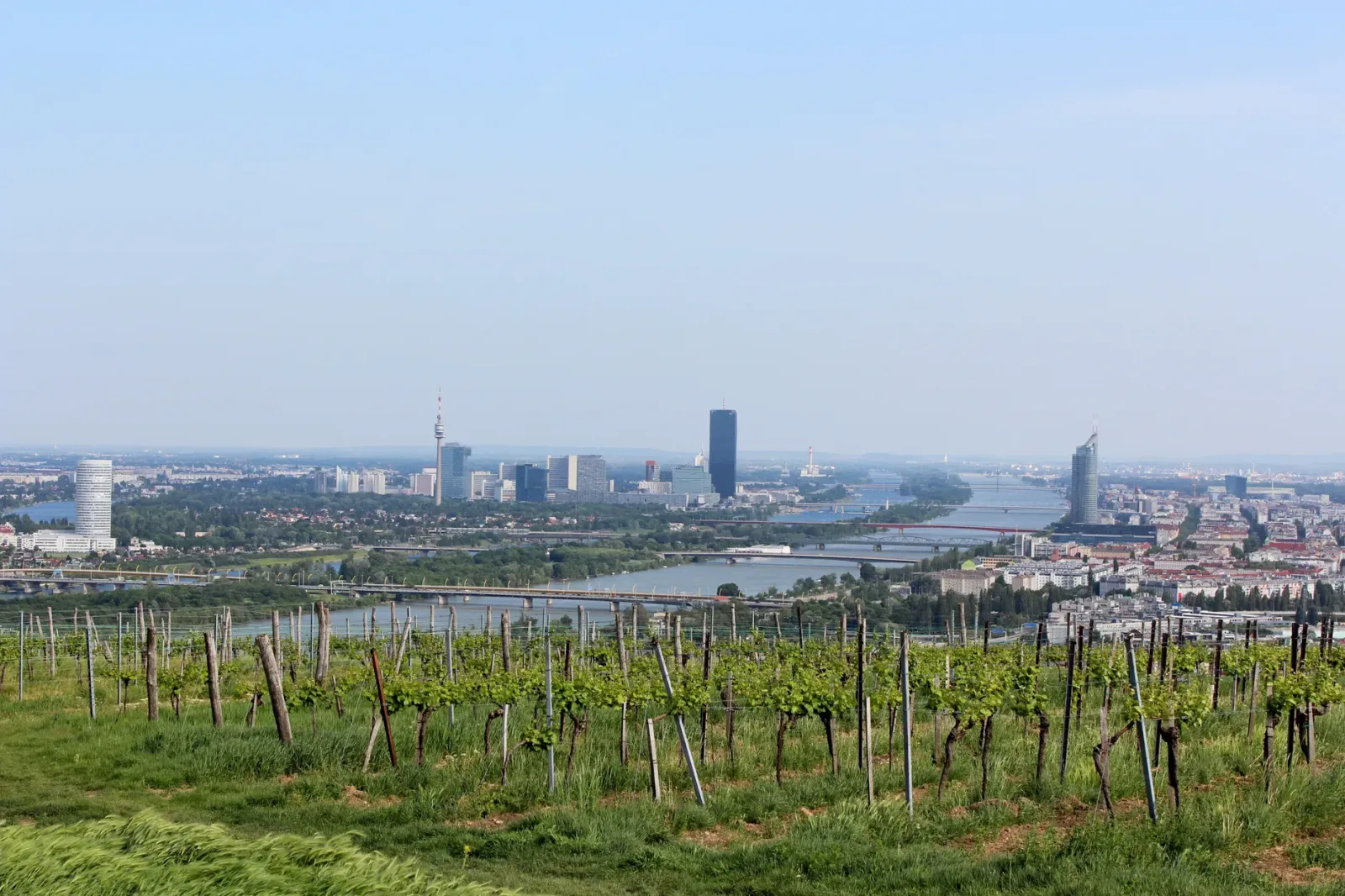
The Donauturm is the easiest spot for those who want to see Vienna from above without physical effort. There is an elevator to the top, so the visit works well even when you do not want to tackle stairs. The view opens in every direction, with a good reading of the city and the Danube; if the day is clear, the scenery is even better toward the end of the afternoon.
At St. Stephen’s Cathedral, the experience is different. Here there is no elevator, and the climb is made via 343 steps, on narrow and steep stairways. The reward is seeing the historic center from a point that is lower and more urban than the Donauturm, with a focus on the city’s old layout. Those who climb need to be prepared for physical effort and limited space along the way.
If you want comfort and a wide panorama, the Donauturm is the better choice. If you prefer a view connected to the center and are willing to make the climb, the cathedral delivers that straightforwardly. The two options work at different moments of the trip, and the choice usually depends more on how you feel that day than on how much time you have available.
At the cathedral, it is also worth considering how you feel about stairs: the climb is part of the visit, not a detail. At the Donauturm, the elevator makes the experience more direct, so the focus is entirely on the view.
Where to eat Viennese food and which sweets to try
Fromme Helene is a safe bet for trying Viennese food without any fuss. The address is Josefstädter Strasse 15/Lange Gasse 33, and the easiest way to get there is to get off the U-Bahn at Rathaus or take the tram to Rathaus/Universität and walk from there. The menu usually includes schnitzel and strüdel in generous portions, and the place also serves beer. If you want to have dinner there, it makes sense to reserve a table in advance, because it tends to get busy enough for that.
For dessert, Café Demel is worth visiting for another reason: Kaiserschmarrn. It’s the kind of dessert worth ordering with time, without trying to squeeze it in as a detail between one activity and another. In Vienna, cafés like this are not just places to eat; they are part of the city’s routine, with spacious rooms, service designed for lingering, and the freedom to stay longer without rushing. It’s a café culture in which sitting down, ordering something sweet, and extending your visit are part of the experience.
If you want to choose well among the cafés, think less about “stopping for something” and more about how long you want to stay there. Some places require reservations, especially at the busiest times, and that avoids wasting time out on the street. In more traditional places, coffee comes with desserts and with an atmosphere in which the pause matters just as much as the order.
Rooftop bars and the most romantic atmosphere of the night
Vienna’s rooftop bars work best when you want to end the night without rushing, with a drink and the city in the background. The terrace at the Radisson RED Hotel is a good example of this format: it usually attracts those looking for a lighter atmosphere, with drinks and beer, without the formality of a classic restaurant.
In these places, the dress code tends toward smart-casual. There’s no need to overdo it, but it’s also not a good idea to show up in very casual clothes if you want to get in comfortably. If you’re going at a busy time, it’s worth checking whether a reservation is needed or whether entry is by queue, because this varies from place to place and can save you waiting at the door.
The experience here is less about dining and more about spending some time watching the city after nightfall. In general, what matters is choosing a terrace that matches the pace of your night: if you want something straightforward, order a drink and stay briefly; if you want to stretch the evening out, rooftops are a good place for that.
If your goal is to decide where to go, look for bars with open views and simple menus, since that usually works better than grand promises. In Vienna, this kind of outing is more understated than theatrical, and that is precisely what makes sense for many people.
Seasonal events and short trips from Vienna
The Donauinselfest takes place for 3 days in June on the Donauinsel, and it is a good choice if your trip coincides with the beginning of summer. The event brings together music from various genres, as well as food, and usually attracts large local and visiting crowds. If you are thinking of going, it is worth checking how you will get back beforehand, because leaving late may require more attention to transportation.
For day trips, Bratislava is the shortest option: it is about an hour from Vienna, with trains and buses running every day. You can see the main sights in one day, focusing on Bratislava Castle and the Old Town. Budapest takes less than three hours; the train is usually a bit faster, but the bus also works well. In one day, the Buda side offers good views of the Parliament and the other side of the Danube. Salzburg is a little over two hours away by train and calls for a different pace, with the Mozart House and Hohensalzburg Fortress on the radar.
If the idea is to cross a border, bring your passport even within the Schengen area, because checks can happen. This is especially true for trips to Bratislava and Budapest.
Neighborhoods for walking: Leopoldstadt and the Danube riverbank
Leopoldstadt is one of the easiest neighborhoods to explore on foot because it mixes residential areas, parks, and broad stretches along the water. It is a less formal side of the city, with locals moving around, runners, cyclists, and long pauses in open areas. For those who want to experience Vienna outside the more monumental axis, it works well in the late afternoon, when the pace slows down and the paths become more inviting.
Prater Park is the simplest part to fit into the itinerary. You can walk around it unhurriedly and continue to the amusement park, where the Ferris wheel appears as the neighborhood’s visual landmark. The visit makes more sense if you want to walk a bit and observe the surroundings without turning the stop into a fixed program. If the idea is to stay only in the park, you can adjust the time according to the crowd and your interest in rides, open areas, or simply walking around the surroundings.
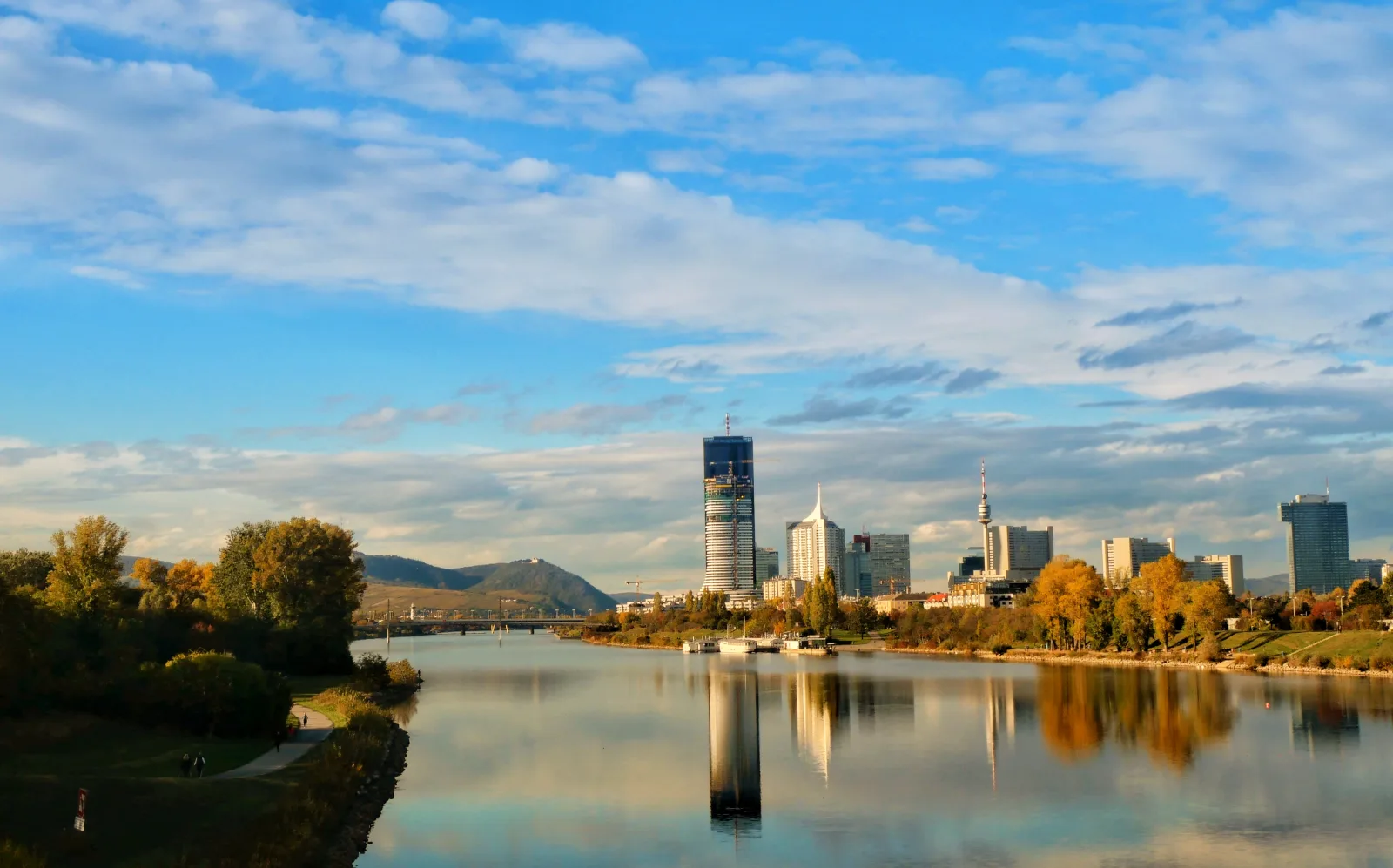
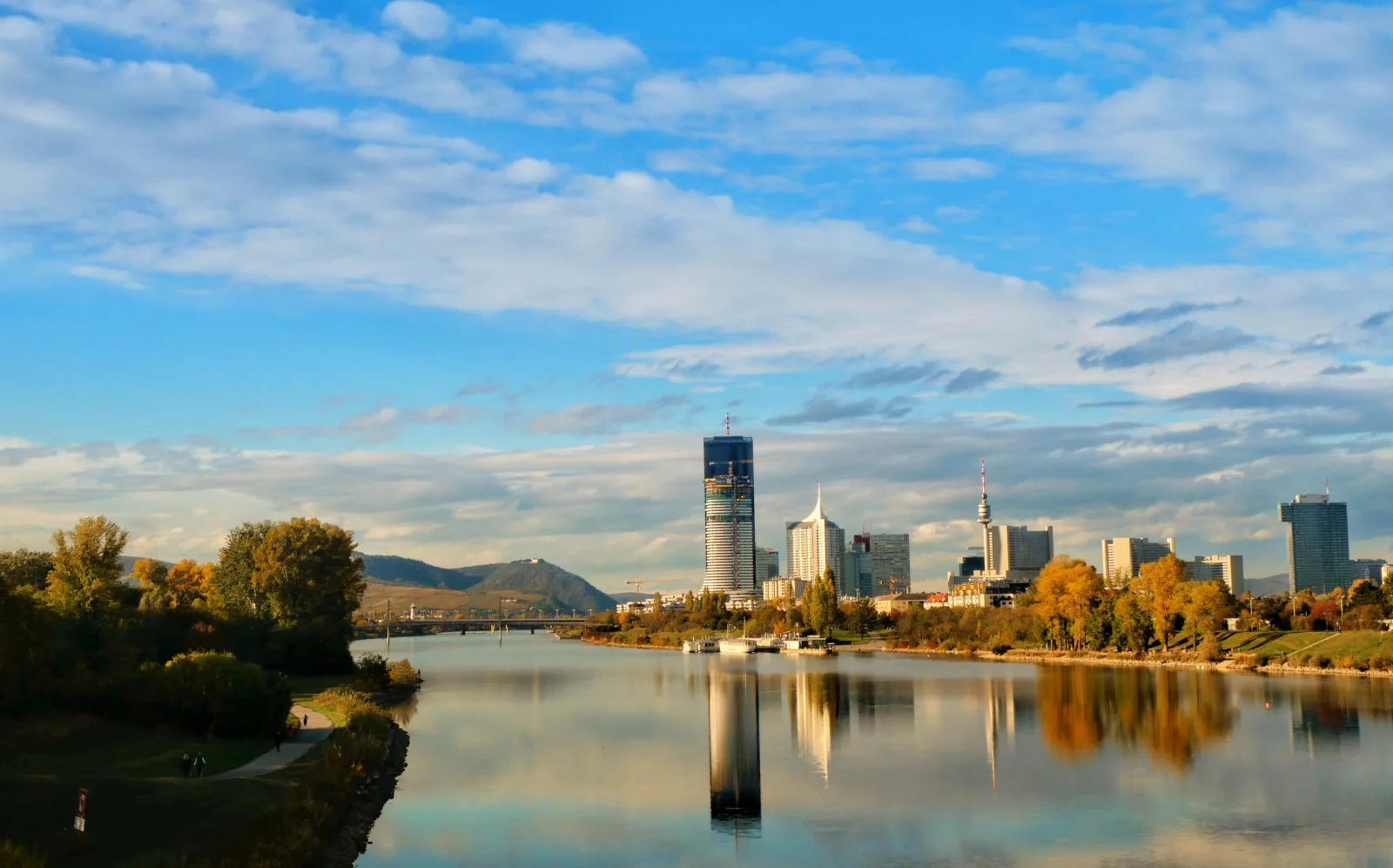
Along the Danube River, the Danube Canal, and Donauinsel, the city changes register. Instead of historic facades, you have riverbanks for walking or cycling, with stretches that usually are best in the late afternoon. The Danube Canal is the most practical for an urban passage, while Donauinsel calls for more time and works well if you want to stay outdoors without committing to museums or shopping. Bring water and choose the stretch according to the day’s energy, because the value lies more in the route than in reaching a specific point.
If you are putting together a short itinerary, fit Leopoldstadt in as a light walking block, not as a standalone attraction. The neighborhood works best with unhurried transfers, stops to observe the city, and, if it makes sense, a bike ride along the riverbank or the island.
Frequently asked questions
How many days should you set aside for Vienna?
Three days is a practical base for a first trip. This amount of time is usually enough to see the essentials without rushing too much.
What is the best time to visit Vienna?
Spring and autumn are usually the most comfortable times to get around the city. December is also worth it for the Christmas markets.
How do you get around Vienna?
The best option is to combine walking with public transportation. The U-Bahn helps with longer stretches, while trams and buses cover the rest of the trips.
Is it worth going up St. Stephen’s Cathedral?
It is if you want a view of the historic center and do not mind stairs. The climb is made up of 343 steps and there is no elevator.
Where can you eat Viennese food in Vienna?
Fromme Helene is a good option for schnitzel and strüdel. For something sweet, Café Demel is a well-known choice for Kaiserschmarrn.