Urubici: what to do, when to go, and how to plan a 4-day itinerary
See what to do in Urubici, when to go, and how to plan a 4-day itinerary with attractions, transportation, and costs to better plan your trip.
Where is Urubici and why it belongs in an itinerary through Serra Catarinense
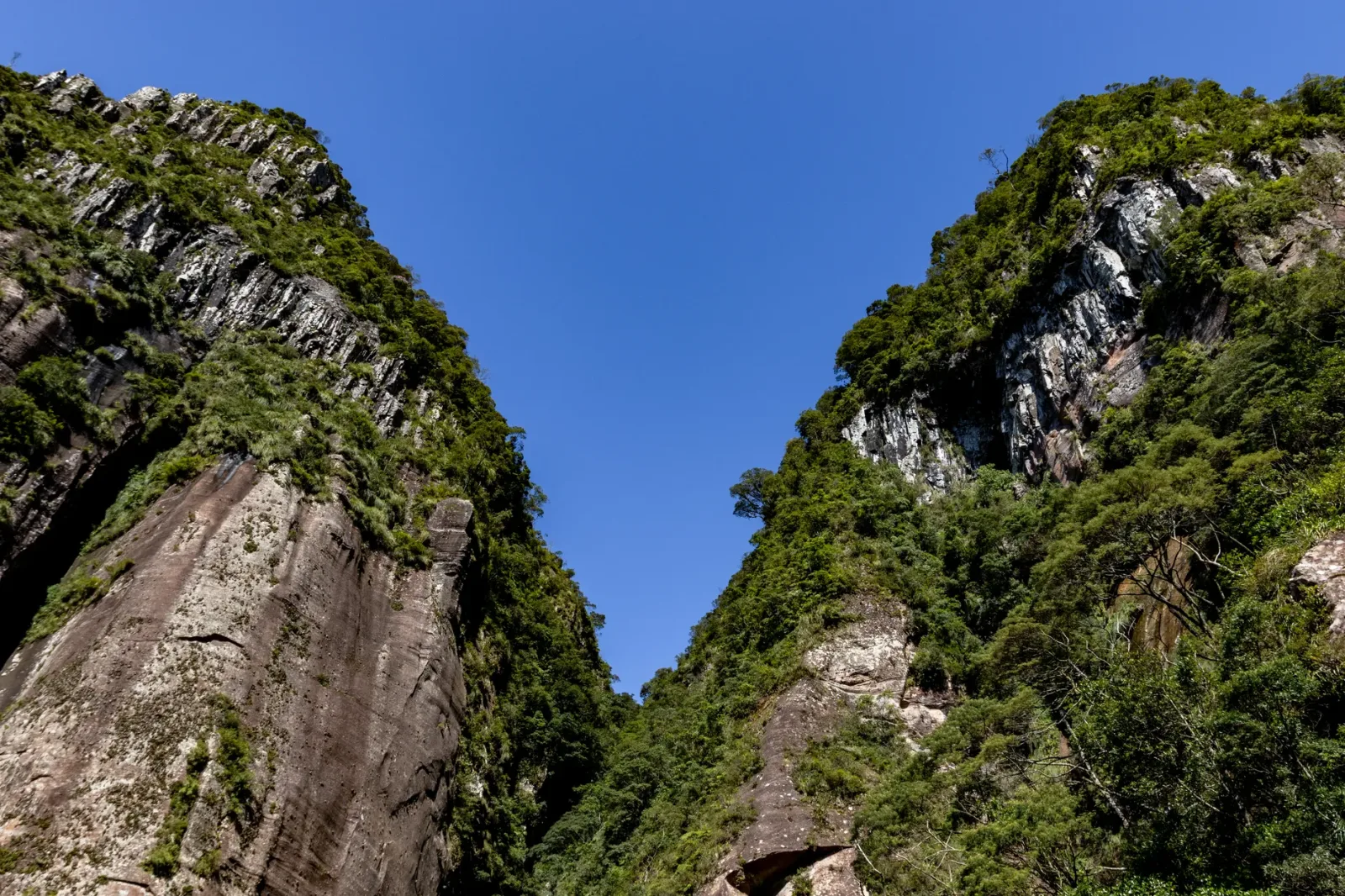
Urubici is located on the Santa Catarina plateau, within Serra Catarinense, a region marked by altitude, intense cold during part of the year, and mountain field landscapes. The trip is usually based in the city, but the appeal lies in the surroundings: viewpoints, waterfalls, rock walls, highland fields, and access stretches that require travel between scattered points.
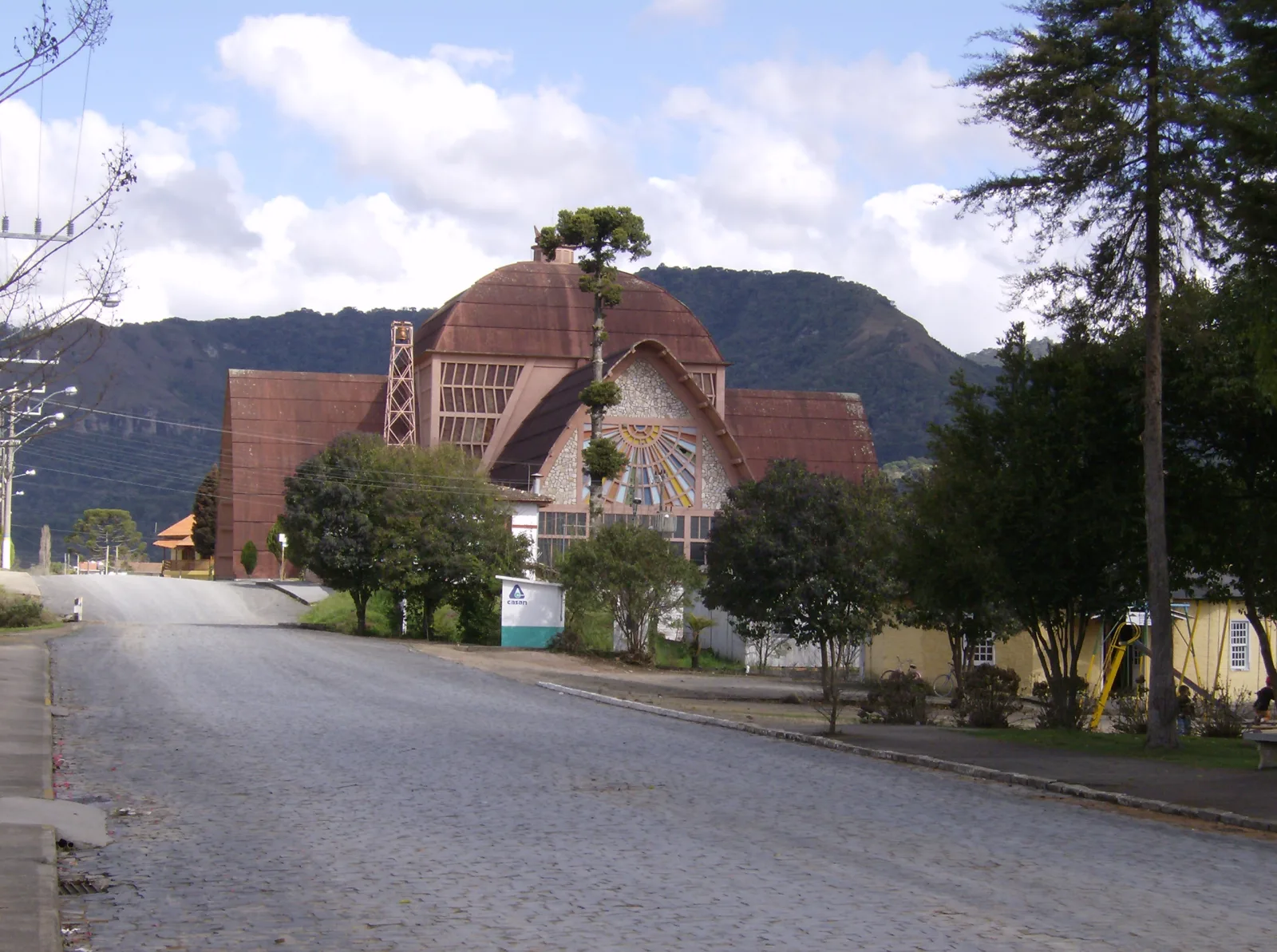
This kind of itinerary calls for organization. The attractions are not concentrated in a single hub and, in several cases, the outing depends on dirt roads, reservations, weather conditions, or a better window of light and visibility. That is why four days make a difference: it allows longer outings to alternate with lighter stops, without cramming everything into a single day or repeating the same side of the region.
The logic of staying longer also helps deal with the highland climate, which changes quickly. In the same period, you might leave the center in fog and find clear skies in another part of the mountains. With more time, it becomes easier to adjust the order of the outings to the available time and the day’s conditions, instead of relying on a single rushed trip.
For those planning a trip through Serra Catarinense, Urubici works well as a main base or as part of a larger circuit with neighboring towns. Four days are usually enough to see the essentials without turning the stop into a rushed day trip.
When to go to Urubici and what to expect from the weather in each season
June to August is the coldest period in Urubici, with a chance of frost and, in some years, snow. It’s the time when the mountain region gets busier and accommodations tend to sell out in advance, so it’s worth booking early if the trip depends on fixed dates. The cold can be intense, especially at night and at dawn, and the wind chill changes quickly with wind and fog.
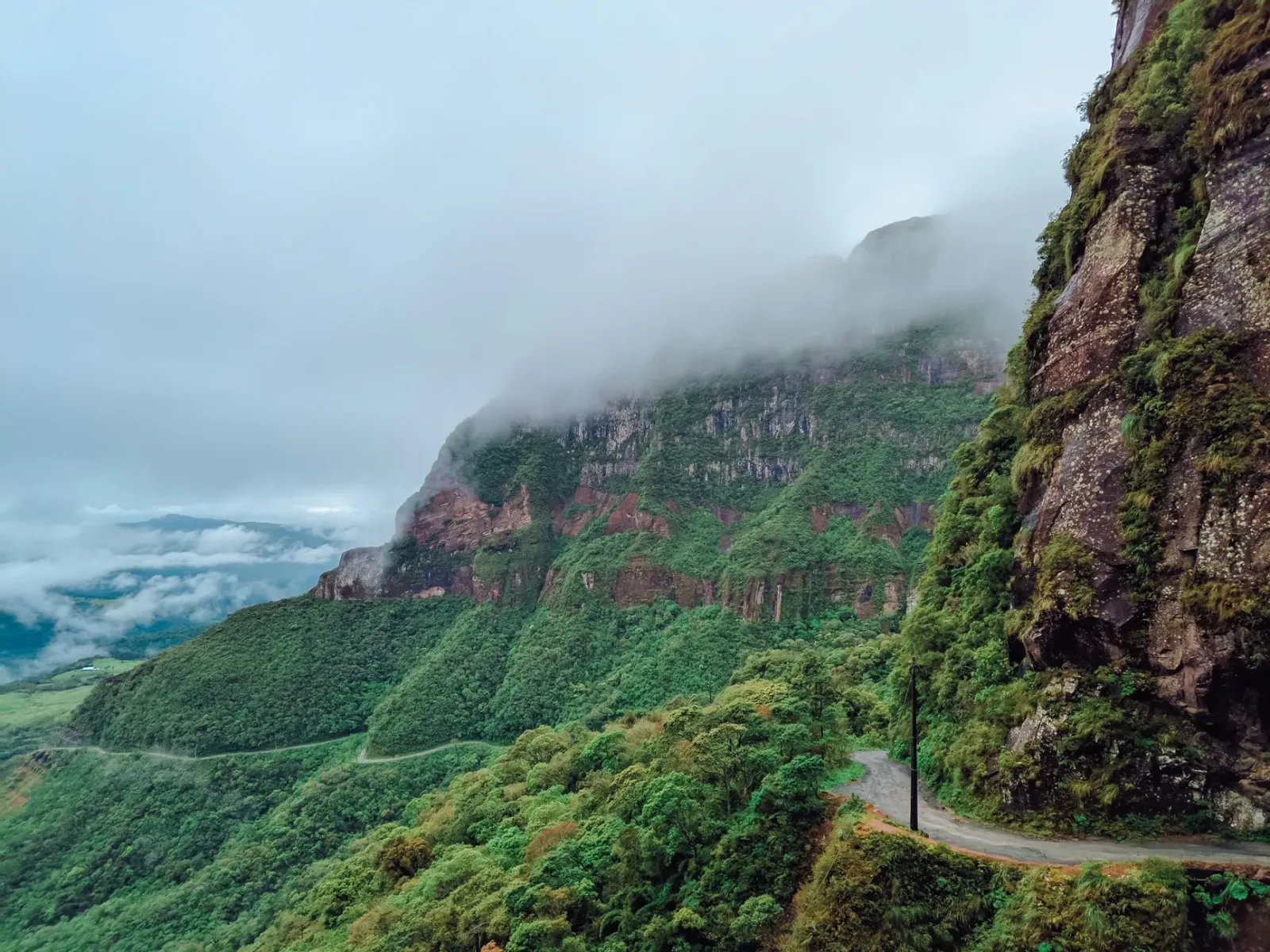
Between September and November, the weather is usually more favorable for hikes and outdoor activities. Temperatures rise a little, the weather becomes more stable, and the chance of facing waterlogged paths or poor visibility decreases on part of the days. Still, altitude does not pair with absolute predictability: on the same trip, you may get a cold morning and a pleasant afternoon.
In summer, Urubici sees less traffic. For those who want to get around more calmly, this helps, but the season also calls for attention to rapid weather changes and road conditions in more exposed areas. It’s not a summer of constant heat; it’s a mountain season, with days that can start cool and end with rain or fog.
If the priority is to see intense cold and try to catch frost, winter makes more sense. If the focus is on walking with less risk of overcast weather, spring is usually the more balanced choice.
Editorial transparency: Some links on this page are affiliate links. We may earn a commission at no extra cost to you. This does not influence our recommendations.
How to get around and travel between Urubici’s attractions
Urubici is practically organized around three access axes: SC-110, SC-370, and SC-439. It is through these highways that you reach most of the points of interest, almost always in combinations of asphalt and dirt-road stretches. This changes the choice of car more than it seems: on several routes, a regular vehicle is enough; on others, especially where there is a longer dirt-road section, the extra clearance of a 4x4 makes a difference.
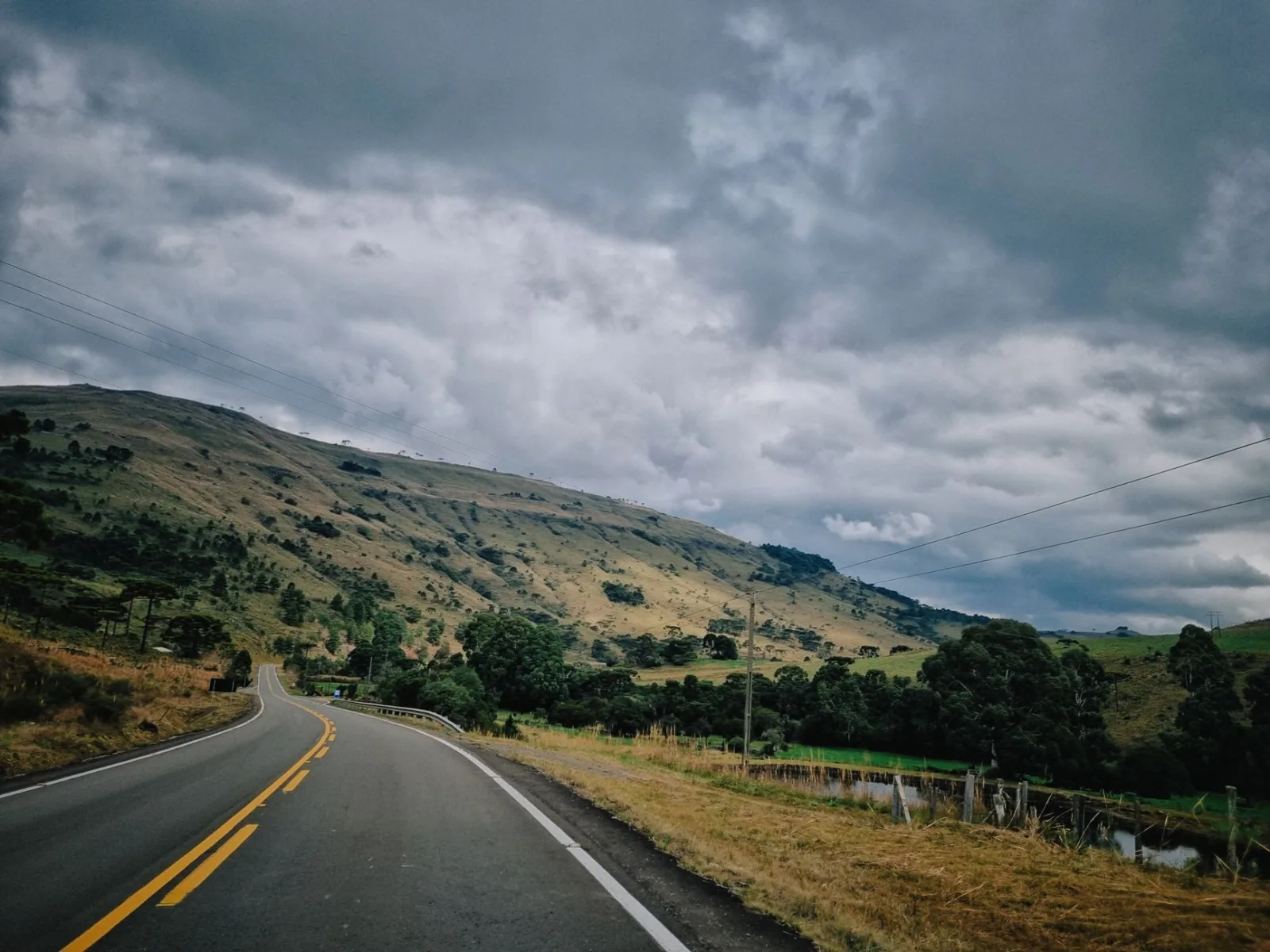
From the center, some trips are short and others require more time on the road. There are points about 5 km, 7 km, 8 km, and 11 km from the city, as well as more remote areas, such as those 35 km and 50 km from the center. On certain access routes, the final stretch is what matters most: there is a route with 18 km of asphalt and 6 km of dirt road, another with 23 km of highway and another 12 km of dirt road, and one case in which 9 km can only be done by 4x4, ATV, or on foot. If you are using Urubici as your base, it is worth grouping the outings by direction, so you do not end up crossing the mountains from one side to the other on the same day.
Not every road offers the same level of comfort. SC-110 concentrates more direct access to points close to the center; SC-370 leads both to support urban areas and to longer detours toward rural communities; SC-439 serves as an entryway to higher and more isolated sectors of the surroundings. On dirt roads, rain and fog can genuinely change the driving conditions, so the best criterion is not just looking at the distance on the map, but checking the road surface and the final stretch before you leave.
If the itinerary includes remote areas, travel during daylight and leave a larger margin between one outing and the next. In Urubici, the problem is rarely the total mileage; it is the combination of climbs, rough ground, the final detour, and the time spent traveling between one region and another.
Main tours in Urubici to plan your itinerary
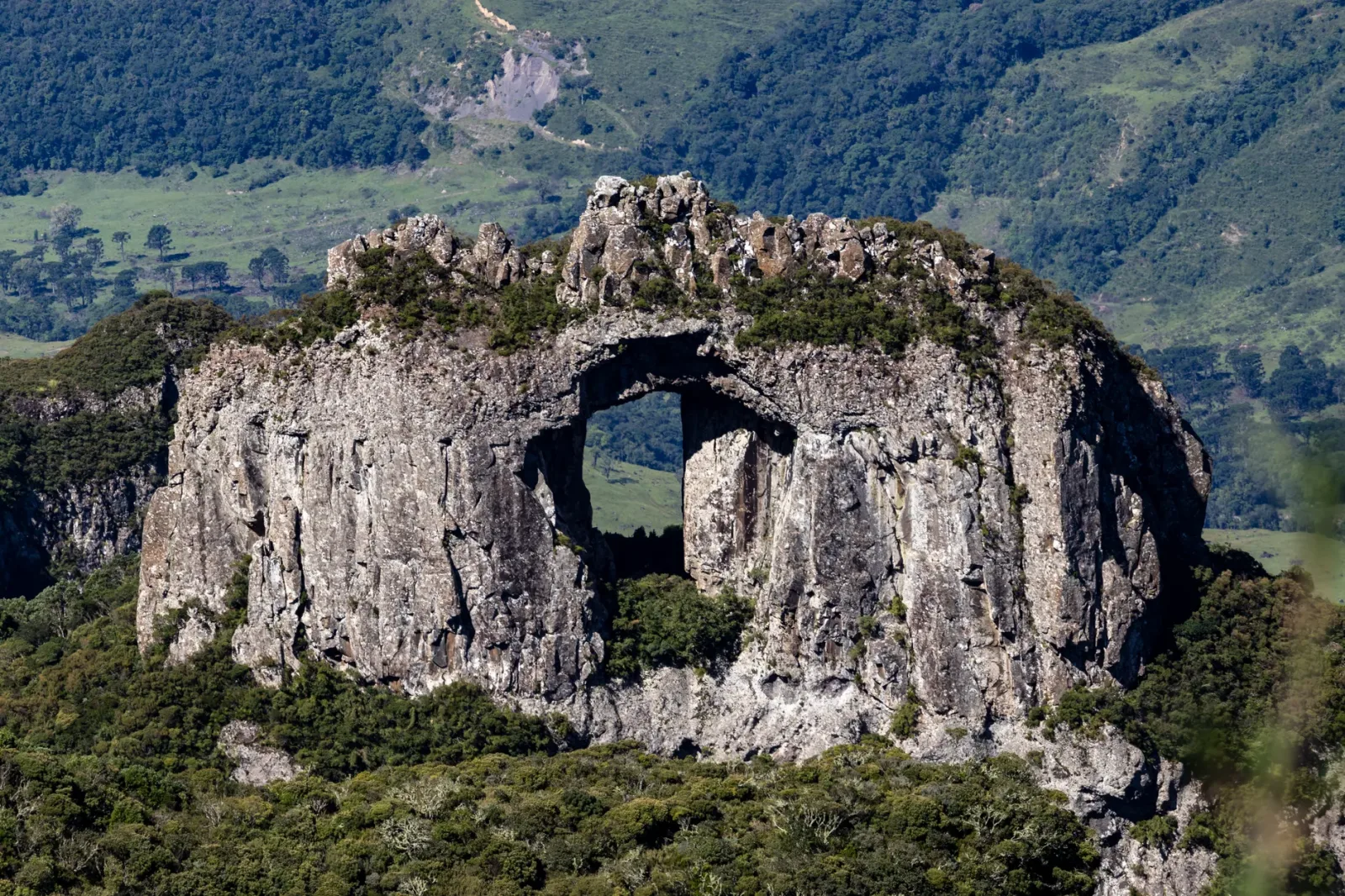
The tour circuit in Urubici combines stops with very different profiles. Morro da Igreja and Pedra Furada are at the top of the list for those who want the region’s most famous postcard view, with the open view of the plateau and the lookout point that has become a landmark in the city. Serra do Corvo Branco delivers the cut in the rock and the descent viewpoint, a short stretch on the map, but with visual impact that makes it worth fitting into the same day of departure toward the southern side of the mountain range.
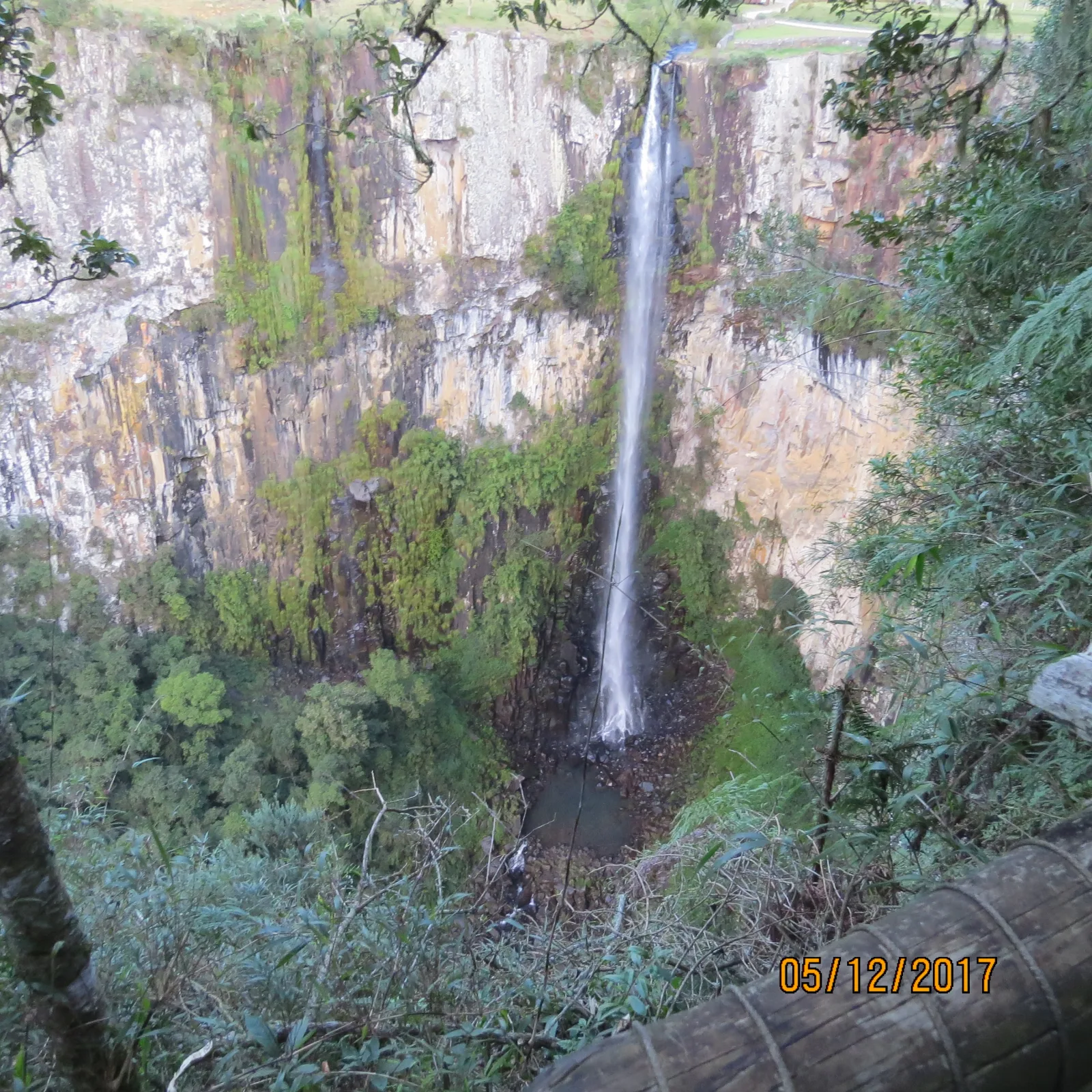
In the area closer to the center, the itinerary usually alternates water, countryside, and rock formations. Cascata do Avencal is inside Parque Mundo Novo and usually works well as a half-day or full-day program, especially if you want facilities in the same place. Cascata Véu de Noiva follows a different logic: easy access, a 62 m drop, and restaurant service on-site. Morro do Campestre is a good late-afternoon stop, with access to the top and wide views of the valley. For those who prefer hiking, Sítio 7 Quedas calls for more time and energy; there are seven waterfalls along 1,800 m, with a marked trail and river crossings along the way.
The more distant outings require a more careful choice. Cânion Espraiado works for those willing to make a long trip and who want to hike in a setting of cliffs and slopes. Campo dos Padres requires even more planning, since the region has trails of different difficulty levels and considerable length. Cachoeira Rio dos Bugres is also among the tours that take the whole day, with a viewpoint, a long climb, and a visit made from the upper part. Cascata do Vacariano, on the other hand, is straightforward for those looking for a trail without supporting infrastructure, on a route with low tolerance for improvisation.
To vary the itinerary without repeating mountain nature, historical points of interest and different-style tours come into play. As Inscrições Rupestres are near the center and combine archaeological and valley views. Caverna Rio dos Bugres adds interconnected tunnels and a more enclosed environment, good for those who want a short visit that differs from the usual waterfall routes. Rancho da Montanha suits those who prefer horseback riding or quad biking. Museu Brunken breaks up the sequence of trails with a collection of vehicles and antiques. Jardim Secreto Ville de France is a guided visit, day use with coffee or accommodation, and makes sense for those who want a more contemplative stop, with prior booking.
How much does it cost to visit the tourist attractions of Urubici
There are free attractions and others with an entrance fee upon arrival, as well as activities sold separately at some spots. In Urubici, this affects the itinerary because the final cost depends less on “going or not going” and more on how you combine viewpoints, trails, guided visits, and extra services.
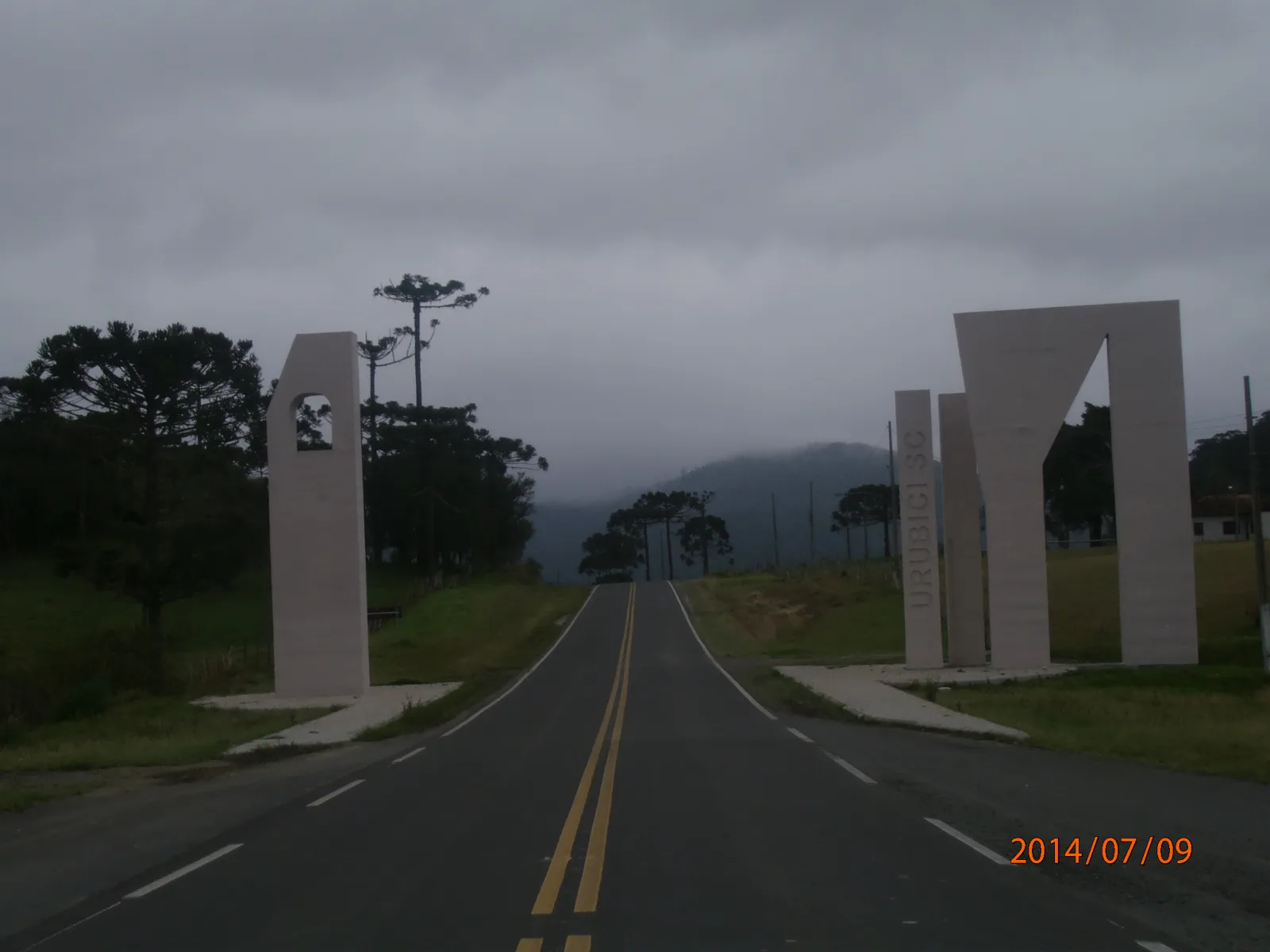
Among the paid ones, Parque Mundo Novo charges R$ 40 and sells activities separately. Morro da Igreja has free access, with prior reservation. Sítio 7 Quedas costs R$ 10 per person. Entrance to Cascata Véu de Noiva costs R$ 15. Morro do Campestre charges R$ 40. Cânion Espraiado has paid access for R$ 20, and some activities at the support house are charged separately. The Inscrições Rupestres cost R$ 10. Caverna Rio dos Bugres charges R$ 15. Campo dos Padres costs R$ 20 to visit. Cachoeira Rio dos Bugres charges R$ 20. Museu Brunken costs R$ 25. Jardim Secreto Ville de France charges R$ 100 for day use with a guided tour and coffee, and the other options require separate scheduling.
No entrance fee is charged for Serra do Corvo Branco and for the visit to Morro da Igreja itself, since access there is controlled by reservation, not a ticket booth. At places with additional facilities, it is worth checking at the time of the visit what is included in the ticket and what is not: zip lines, horseback riding, 4x4 rides, rappelling, guides, camping, and consumption at the restaurant or café are usually charged separately.
Where to stay in Urubici and what kind of base makes the most sense
For a base in Urubici, the choice usually comes down to staying near the center or moving a bit farther away to gain privacy and views. Those who want to use the city as a starting point to leave early and return without hassle tend to do better with more central accommodations. Those who prefer to spend more time on the property can look at chalets and hotels with a more exclusive profile, where the room itself is part of the experience.
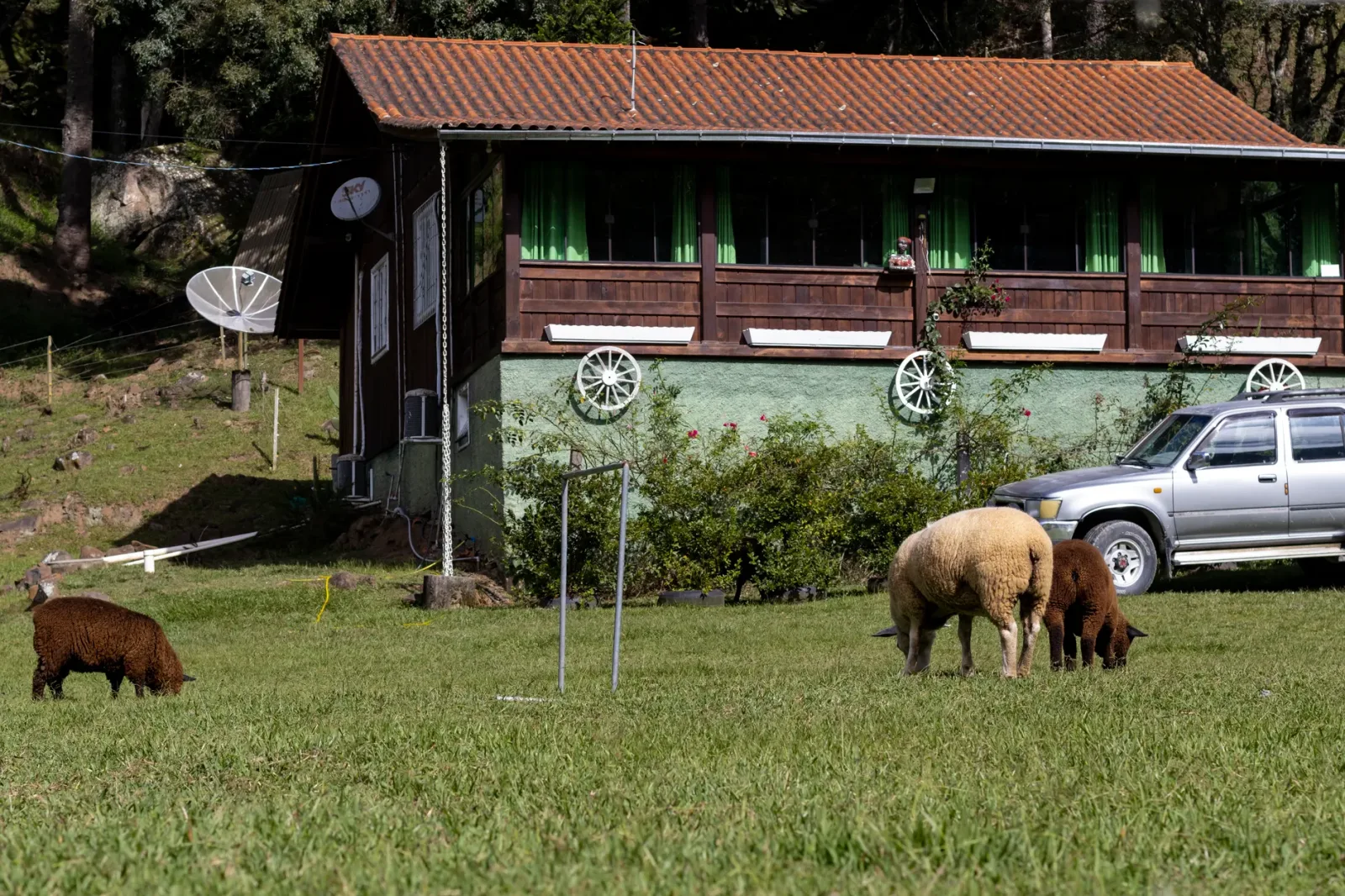
The Green Barn Hotel follows the boutique hotel line, with houses/villas made of replanted wood, floor-to-ceiling glass, a private steam sauna, and an immersion bathtub facing the valley. It is a good option for those who want comfort with less of a conventional hotel feel, without depending on a large structure. The location, about ten minutes from the center, helps keep the trip practical.
Among the chalets, Benta Rosa Chalés de Luxo is the option most geared toward those who want to stay at a higher altitude and prioritize privacy. The units have different concepts, with a bathtub, decks, and areas facing the landscape, plus a full kitchen in all of them. It is a base that works better for couples or families who want more autonomy in their daily routine.
Parque Nacional Eco Resort, on the other hand, follows a different design, with a focus on well-being and integration with nature. The suites have heating, a private balcony, and views of the lake or mountains, and the structure includes a spa, heated pool, sauna, hot tub, massage room, fitness area, horseback riding, and trails. For those who want to concentrate part of the stay in the hotel itself, without needing to go out all the time, it is the most complete format among the ones mentioned.
Where to eat and which places work well for a day out
For full meals on a day out, Parque Mundo Novo offers the most practical solution: it has a restaurant, café, bathrooms, and parking at the same address, which makes it easy to fit in a stop without deviating from the itinerary. It also allows camping with showers, if the idea is to extend the stay and handle part of the logistics on site.
Cascata Véu de Noiva works well for those who want lunch or a snack without leaving the visit area. The place has a restaurant that serves lunch, snacks, and drinks, as well as a small shop with crafts and souvenirs. Morro do Campestre, on the other hand, has a food stop and offers picnic baskets, a useful option for those who prefer to bring the break in the outing to the viewpoint itself.
Jardim Secreto Ville de France fits into the route in a more planned way, because the day use includes a guided tour with coffee and the other options require advance booking. In the hotels mentioned, Green Barn Hotel serves breakfast with its own products and local ones, and the bistro serves guests and visitors by reservation. At Parque Nacional Eco Resort, the bistro also operates by reservation.
For quick snacks, the best approach is to check the structure of the place before leaving. Sítio 7 Quedas does not have food service on site, so it makes more sense to arrive after eating. In more isolated spots, such as those without restaurant or café support, it is worth arranging your meal along the way and not counting on improvised service upon arrival.
4-day itinerary in Urubici for couples, families, and solo travelers
Divide the four days by effort and direction of travel, not by “main attraction.” In Urubici, this avoids unnecessary backtracking on the road and leaves room to adjust the day according to the weather. For couples, it usually works well to start with easy-access visits and end with a calmer late afternoon; for families, it is worth concentrating the outings with infrastructure into one day and leaving long hikes out of the core itinerary; solo travelers tend to gain more from this same logic, because they can fit in breaks without racing against the clock.
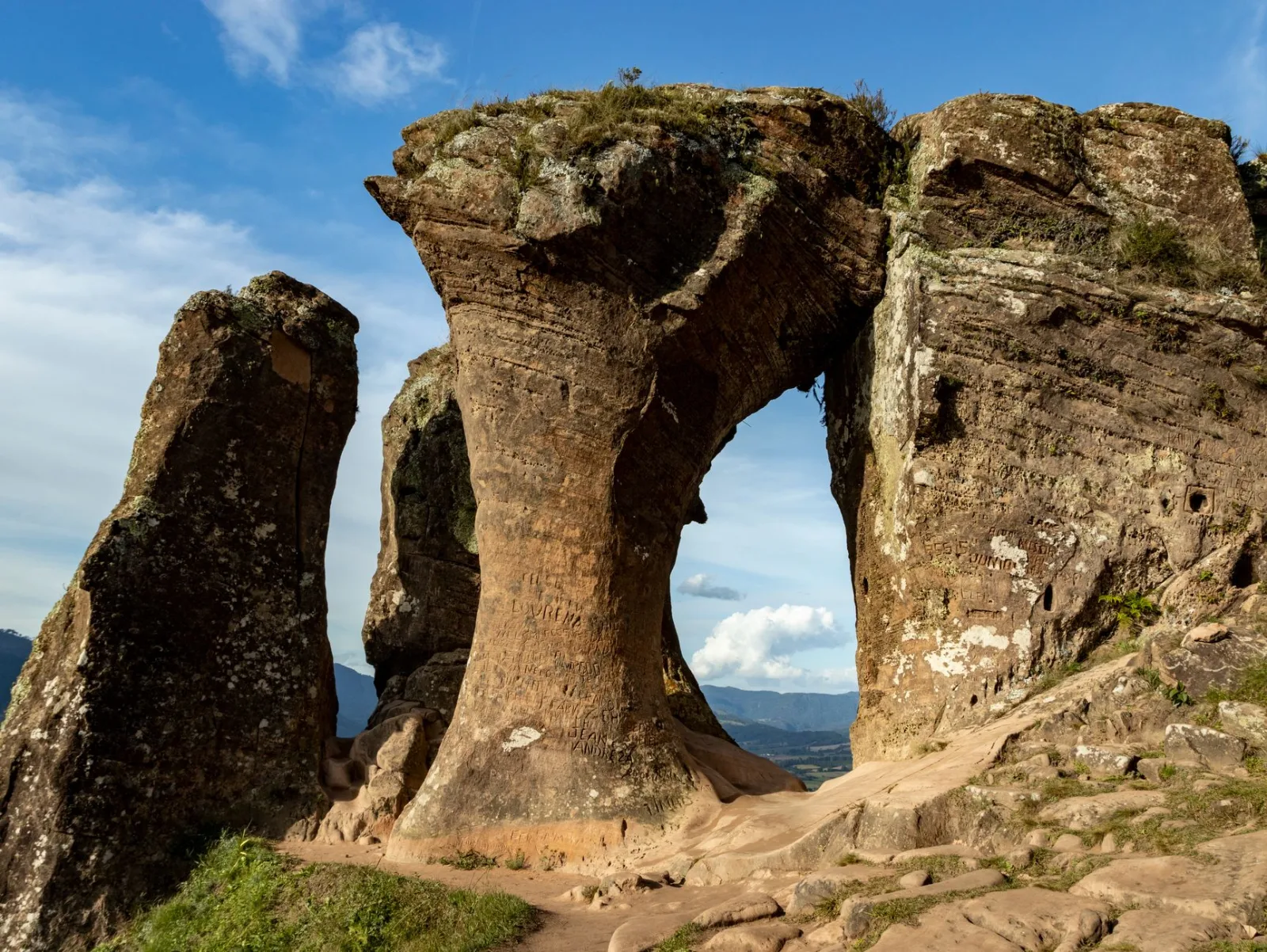
A practical layout is this: on the first day, do Morro da Igreja and Pedra Furada, and, if the reservation fits the time slot, combine it with Cascata Véu de Noiva or Parque Mundo Novo, since both work well as a complement without requiring another heavy journey. On the second day, head to Serra do Corvo Branco and finish with Morro do Campestre, leaving the afternoon climb for the viewpoint. On the third, choose a more physically demanding trail: Sítio 7 Quedas, Cânion Espraiado or Cachoeira Rio dos Bugres. On the fourth, slow the pace with Inscrições Rupestres, Caverna Rio dos Bugres, Museu Brunken and Jardim Secreto Ville de France, which work better with a shorter outing, lower energy reserve and more time to stroll around calmly.
If the goal is to balance the group, go with the mixed version: Day 1 with Morro da Igreja and a light stop; Day 2 with Corvo Branco and Campestre; Day 3 with a long trail; Day 4 with a combination of a historical visit and a support point, leaving Jardim Secreto for those who want a more contemplative program and Museu Brunken for those who prefer an urban break. If the trip is as a couple and the idea is to reduce long transfers, concentrate the first and last day on points closer to the center and use a full day for the southern side of the mountains. For families with small children, I would cut the more demanding trails and keep the itinerary around Morro da Igreja, Véu de Noiva, Parque Mundo Novo, Inscrições Rupestres and Museu Brunken.
Frequently asked questions
How many days should I stay in Urubici?
Four days are usually enough to see the main attractions without rushing through everything. That time helps divide the itinerary by region and adapt the outings to the weather.
What is the best time to visit Urubici?
If the idea is to experience intense cold and a chance of frost, winter makes more sense. For walking with a better chance of stable weather, spring is usually the best option.
Do you need a car to get around in Urubici?
In practice, yes. The attractions are spread out and many routes combine paved roads with dirt sections, so a car makes getting from one point to another much easier.
What are the best-known attractions in Urubici?
The most mentioned are Morro da Igreja and Pedra Furada, Serra do Corvo Branco, Cascata do Avencal, Cascata Véu de Noiva, and Morro do Campestre. The itinerary can also include trails, caves, and historical sites.
How much does it cost to visit the attractions in Urubici?
There are free and paid options. Among the paid ones, prices range from R$ 10 to R$ 100, depending on the place and the type of activity included.