Travel guide to Évian-les-Bains: what to do, how to get there, where to stay, and how to enjoy the city on the shores of Lake Léman
Évian-les-Bains: find out what to do, how to get there and where to stay, with tips for planning itineraries along the shores of Lake Léman and using the city as a base.
Where is Évian-les-Bains and why it belongs on an itinerary around Lake Geneva
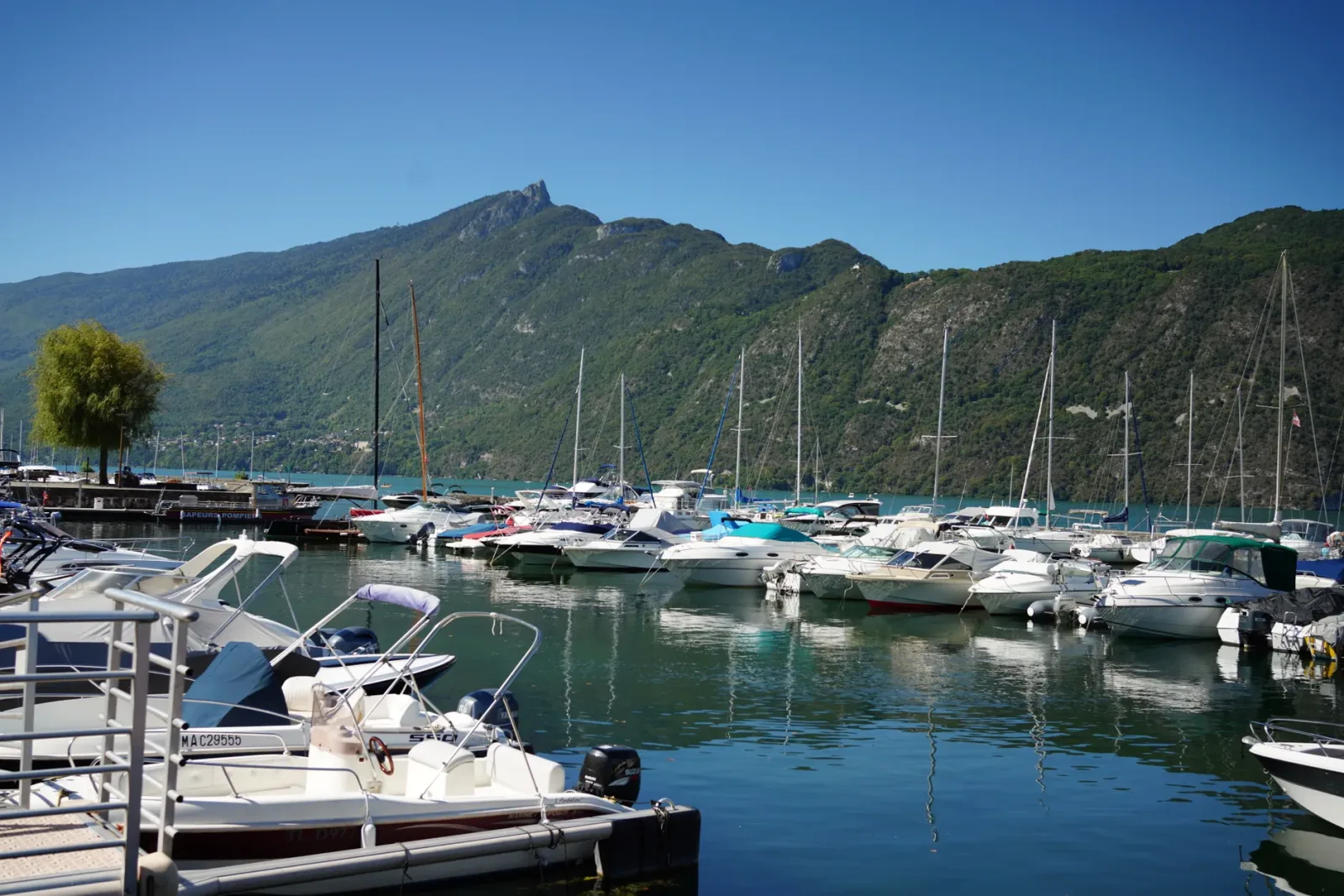
Évian-les-Bains is in Haute-Savoie, on the French shore of Lake Geneva, facing Switzerland. This makes it useful in two very different scenarios: as a base for exploring the stretch of the lake without staying on the Swiss side, or as a short stop within an itinerary between lakeside towns in the region. The atmosphere is that of a spa town, with the kind of scale that suits those who want to walk, stay close to the water, and use the center as a base.
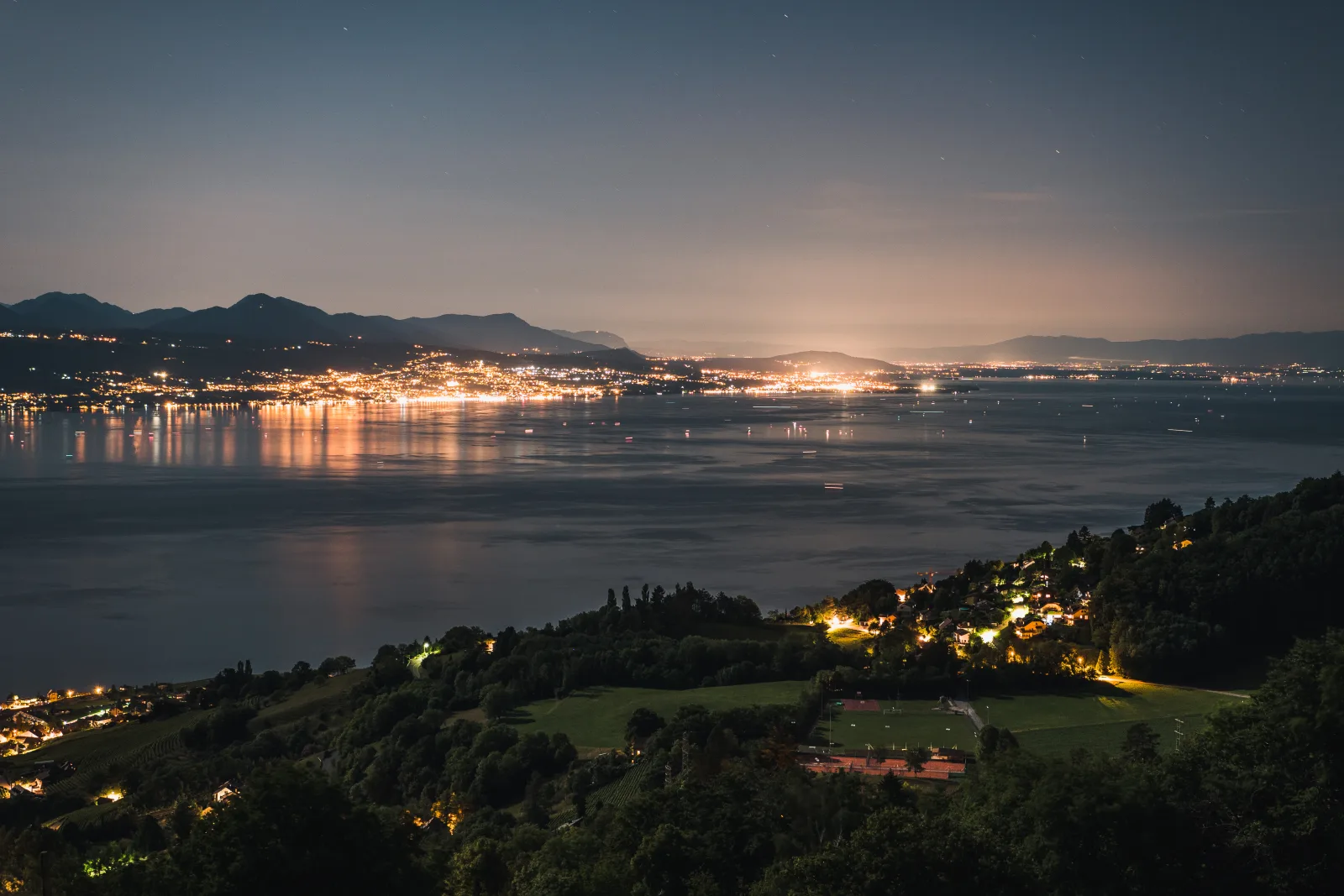
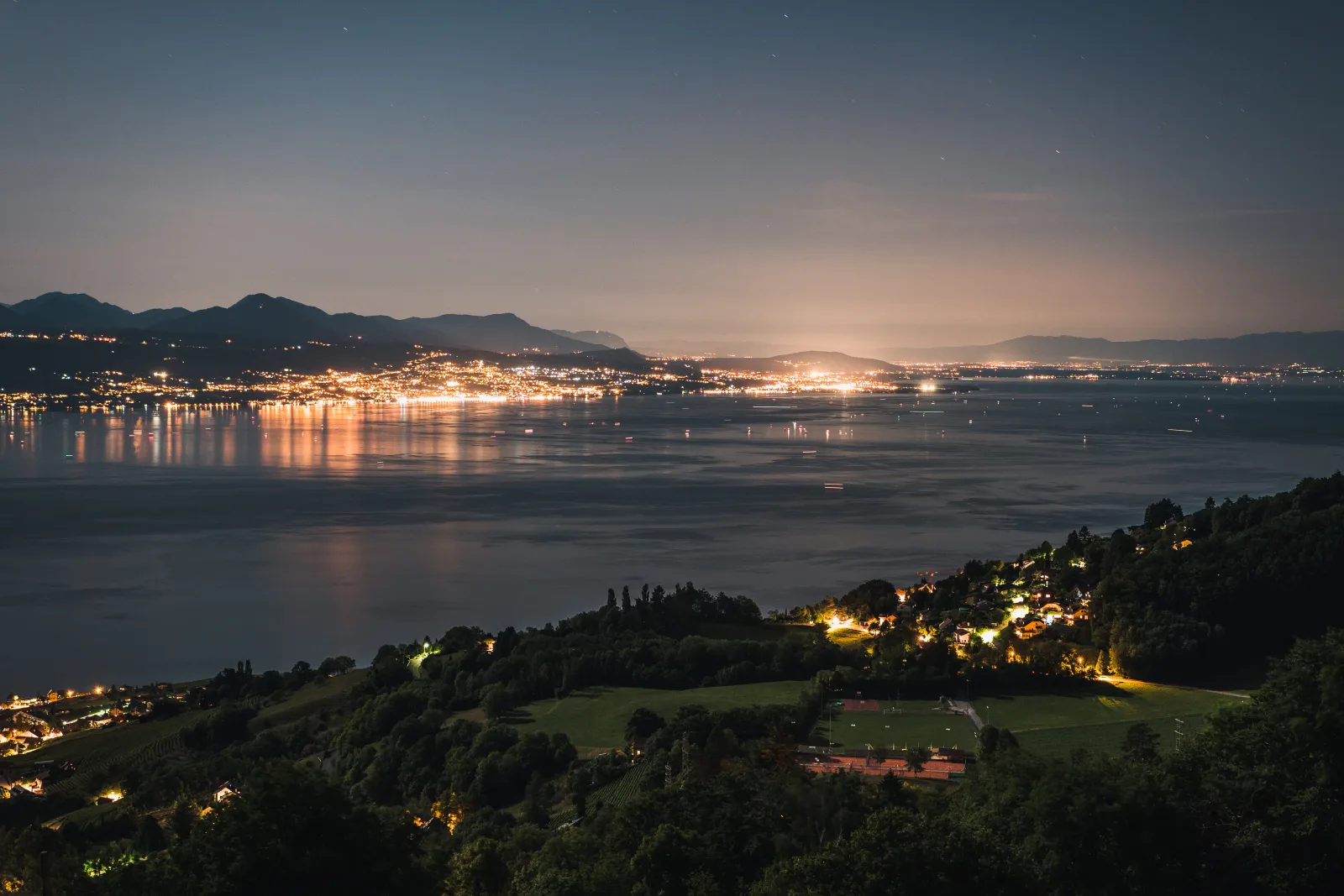
It works best for those who combine lake time, light urban strolling, and short trips to nearby destinations. It is not a city for rushing from attraction to attraction; the appeal lies more in the whole: the waterfront, the resort character, and the strategic position facing Lausanne and other places around Lake Geneva. If the itinerary calls for a quieter base than a larger city, Évian fits well.
Whether or not to include it usually comes down to this: do you want to stay facing the lake, with easy access to crossings and departures around the region, or do you prefer to concentrate your stay in a busier center? If it is the former, Évian tends to make sense. If the idea is only to pass through the area without stopping, it can be included as a stopover, but it loses strength compared with a stay of at least one night.
When to go to Évian-les-Bains
The most practical period for combining lake, hiking, and cultural activities is usually from spring to early autumn. During this stretch, the town becomes livelier, walks along the waterfront make more sense, and there is a better chance of finding activities related to the lake operating regularly. If your priority is to stroll at a leisurely pace and sit watching the activity along the shore, the warmer months help.
The historic funicular does not operate year-round: it runs from May to September. This weighs heavily on the choice of date, because the ride offers a simple way to reach viewpoints and higher areas without relying on physical effort. Outside this period, the visit loses this option and the itinerary becomes more focused on the center and the lakeside.
In summer, boat trips become more prominent in the schedule. It is the most convenient time to cross the lake, take a scenic route, or fit in specific water-based experiences, such as access to the Pré Curieux Water Garden by solar boat. Those who want to enjoy Évian as a starting point for crossings and outings on Lake Geneva tend to have more options in this season.
For a day visit, the best fit is when the weather encourages staying outdoors and you do not depend on many connections. A longer stay makes more sense if the idea is to use the town at a slower pace, alternating between the lake, viewpoints, and cultural events without being tied to just one time of year. If the trip is short, it is worth checking in advance what will be open; if it is longer, the ideal window is more flexible and depends on what you want to prioritize.
Editorial transparency: Some links on this page are affiliate links. We may earn a commission at no extra cost to you. This does not influence our recommendations.
How to get to Évian-les-Bains
Arriving by plane, the nearest airport is Geneva. From there, Évian-les-Bains works well as a combination of train, car, or ferry, depending on where you are coming from and how much you want to simplify the trip. For those traveling around the Lake Léman area, this is often more practical than looking for long connections through other hubs.
From Geneva, the train connection goes via the Léman Express or a regional service through Annemasse. If you are on the Swiss side of the lake, this is the most direct public transport solution. Lausanne also fits well into the route: in summer, the panoramic ferries cross Lake Léman and arrive in the city, which makes sense when the goal is to combine travel and a stretch on the lake in the same journey.
By car, Évian fits easily into itineraries around the region and gives you more freedom to combine nearby towns on the same day. This is especially useful if you are thinking of trips to places like Gruyères or Yvoire, where logistics are simpler with a vehicle. For those coming from other European urban centers, the logic remains the same: get to Geneva or to a connected point in the rail network and continue from there with the mode that best fits the rest of the itinerary.
If your trip already includes lakeside cities, it is worth choosing the arrival via the shortest route within the itinerary itself, not the “most beautiful” mode. Train works well for Geneva, ferry is the most interesting option when Lausanne is on the route, and car is an advantage when Évian will be your base for exploring the region.
How to get around in Évian-les-Bains
Évian-les-Bains is easy enough to get around on foot in the central area. The lakeside promenade, Rue Nationale, Place Charles de Gaulle, and the main spots tied to the spa past are close enough to be combined at a leisurely pace. If you plan to stay only in the area most used by visitors, there’s no need to set up a complex transportation plan.
To reach the higher parts, the historic funicular makes the trip much simpler. It is free and connects the waterfront to the top in six stations, covering 750 meters with about 140 meters of elevation gain. It operates from May to September, so it’s worth checking whether it will be running during your trip before relying on it for this move. If the idea is to make the journey without the climb, boarding near the Palais Lumière is usually more practical than following the map to the intermediate stop.
The local bus network helps when the itinerary goes beyond the walkable core, and bike-sharing is also an option for getting along the waterfront without depending on a car. There are also guided city tours for those who want a more organized overview of the historical sights. This makes a difference especially if you use Évian as a base: to stay in the center, walking is enough for much of the time; to explore the surroundings of Lake Léman, local mobility works better combined with a regional transfer already planned.
Where to stay in Évian-les-Bains
If the idea is to sleep near the lake and use the town as a base without complicating the routine, apartments make sense. They work well for longer stays, for those who want to cook something simple, and for families who prefer more autonomy than hotel service. In Évian, this is an especially useful choice when the itinerary mixes sightseeing days with quieter moments in the town itself.
Hotels are a better fit for those who want to stay in the center and reduce walking between the hotel, the waterfront, and Rue Nationale. In general, this is the most practical option for a short stay or for those who prefer to arrive, drop off their bags, and forget about logistics. If the priority is waking up with a view of Lake Léman, it’s worth filtering for lakeside options; if the focus is staying close to the urban buzz, the center offers more convenience.
There are also alternatives with a more family-oriented profile, including apartment-hotel formats or accommodations designed for groups. This type of lodging usually works better when the trip includes children or when room space matters more than extra services. For those traveling with a pet, it makes a difference to look for pet-friendly options in advance, because not every property accepts animals and this changes quickly from one property to another.
Stays linked to the resort follow a different logic: they are the best match for those who want to set aside time for spa, relaxation, and services within the complex itself. If that is the goal, it makes more sense to stay in that area than to rely on daily transfers. To decide, first look at the pace of the trip: lake and leisurely outings call for the center or waterfront; rest and treatment call for the resort area; autonomy and space call for an apartment.
What to do in the center and on the lakeshore
The central area of Évian-les-Bains is easy to explore on foot, and this is where the city shows its most straightforward side: the promenade and the Quai put the lake front and center, with space to walk slowly, stop on benches, and watch the activity along the shore. It is also the best stretch for understanding how the city is organized around the water and its spa history, without needing to leave the center.
The Cachat Spring is at the heart of this experience. It is the original source of Évian water, and the free flow of mineral water attracts people who come to fill bottles and see the city’s most famous spot up close. It is worth waiting a little in line, because the place receives visitors who stop to take photos and record videos. From here, Rue Nationale naturally becomes part of the route: it is the main shopping street, with historic façades, storefronts, bakeries, and shops that help you read the city as you walk.
In the same area are Place Charles de Gaulle, Palais Lumière, Buvette Cachat, Villa Lumière, and the theater. The square works well as a break between one stop and the next, and Palais Lumière brings the part most closely tied to the city’s former spa life into the cultural sphere, with exhibitions and events. Buvette Cachat still shows the restoration process of one of the Art Nouveau buildings most closely linked to the past of baths and water, while Villa Lumière and the theater complete the urban picture of a city that grew around spa visitors, elegant circulation, and public use of its central spaces.
Boat Tours and Water Activities
Boat tours are a central part of the experience in Évian because the town opens directly onto Lake Geneva. The waterfront serves as a departure point for scenic cruises and ferry crossings, so it makes sense to think of the lake as an extension of the itinerary, not as an extra. If you want a more direct way to see the shoreline and the surrounding towns, it is worth prioritizing a stretch on the water rather than staying only in the urban area.
Among the most interesting departures is the Barque La Savoie, a replica of the boats that transported stones from the Meillerie quarries. It is a great fit for those who want an outing with local context, without relying on a long transfer. In summer, CGN ferries also operate, used both for regular trips and for tourist routes across the lake. Lausanne is one of the most practical connections, and the journey itself is already part of the experience when the goal is to cross Lake Geneva with open views the whole time.
The Pré Curieux Water Garden is only accessible by solar boat, so it requires a slightly different kind of planning. It is not an outing you fit in by chance: you need to check the seasonal schedule and confirm operation during your travel period, because availability changes. For those interested in gardens and in a visit that depends on the water from the start, it is one of the most specific uses of the waterfront.
This logic applies to any water activity in Évian: first you choose what you want to see on the lake, then you organize the rest around it. If crossing is the priority, the ferry does the job. If it is a scenic outing, the cruises are a better fit. If the intention is a short, well-localized experience, the solar boat to Pré Curieux makes more sense.
Day Trip Ideas from Évian-les-Bains
Geneva comes into play when you want a day in the city without complicating the logistics. It’s the most direct route by public transport from Évian, so it works well for walking through the center, crossing different areas of the city, and returning the same day without relying on a car.
Lausanne makes sense when the idea is to use the lake as part of the journey. The ferry connects the two shores and turns the crossing into part of the outing, which suits those who want to reduce the feeling of “going and coming back” and enjoy the open view of the Léman. If the itinerary already includes Switzerland on the lakeshore, Lausanne fits more smoothly than a more distant city.
Gruyères calls for a car. It’s the option worth choosing when you want a more rural day trip and are willing to drive to gain route flexibility. Among the nearby options, it depends the most on having your own transportation. Montreux also works better for those traveling by car or already structuring the day around the road; if the stop is quick, the appeal usually lies in the scenery along the shore and access to Château de Chillon.
Yvoire is on the French side and can be reached by combining train and ferry, which makes it an easier alternative than it first appears. It’s a good choice for anyone who wants a small historic town without crossing the entire region by car. If you only have room for one or two day trips, prioritize Lausanne and Yvoire for convenience, then Geneva for the direct connection; Gruyères and Montreux require more travel time and work better when the itinerary is already built around them.
What to fit in if you have more time in Évian-les-Bains
If you have extra time, the casino works as a short stop, more for the address and use of the space than for any commitment to spend an entire afternoon there. The same goes for the thermal spa: it makes sense when the trip has settled into a slower pace and you want to set aside part of the day for treatment or rest in the complex itself.
For something light, mini-golf and bike rental work as an addition to your stay, not as the main plan. The bikes are especially useful for anyone who wants to cover the lakeside again without walking the whole time; mini-golf serves as an informal break, especially if the trip includes children or if you want a low-logistics plan.
The open-air market fits well into free mornings. It is usually the most practical choice when the idea is to see local activity and handle simple shopping without organizing an entire itinerary around it. The tourist train ride also falls into this extra category: useful for anyone who wants a quick overview of the city with onboard commentary, without relying on much energy or a planned route.
If the stay is extended by a day or two, choose just one of these extra blocks. Mixing them all usually takes time away from the areas you already wanted to see at a leisurely pace.
Frequently asked questions
Is it worth staying in Évian-les-Bains?
Yes, especially if you want to stay near the lake and use the town as a base for short trips in the region. It works well for those who prefer a more relaxed pace.
What is the best time to visit Évian-les-Bains?
The best time is from spring to early autumn. During this period, outdoor walks, boats, and the funicular make more sense.
How do you get to Évian-les-Bains?
The most practical access is usually via Geneva, continuing by train, car, or ferry, depending on your itinerary. Lausanne also works well via the boat crossing in summer.
Can you visit Évian-les-Bains on foot?
Yes, especially in the center and along the lakeside. Rue Nationale, the promenade, and the area around the Cachat Spring are all within walking distance.
What boat trips are there in Évian-les-Bains?
There are scenic cruises, ferries across Lake Geneva, and access to the Pré Curieux Water Garden by solar boat. In summer, the options on the water increase.