Toronto: complete guide to planning your trip, choosing neighborhoods, getting around, and putting together your itinerary
Toronto guide to plan your trip, choose neighborhoods, and create an itinerary with beaches, museums, waterfront, and public transportation.
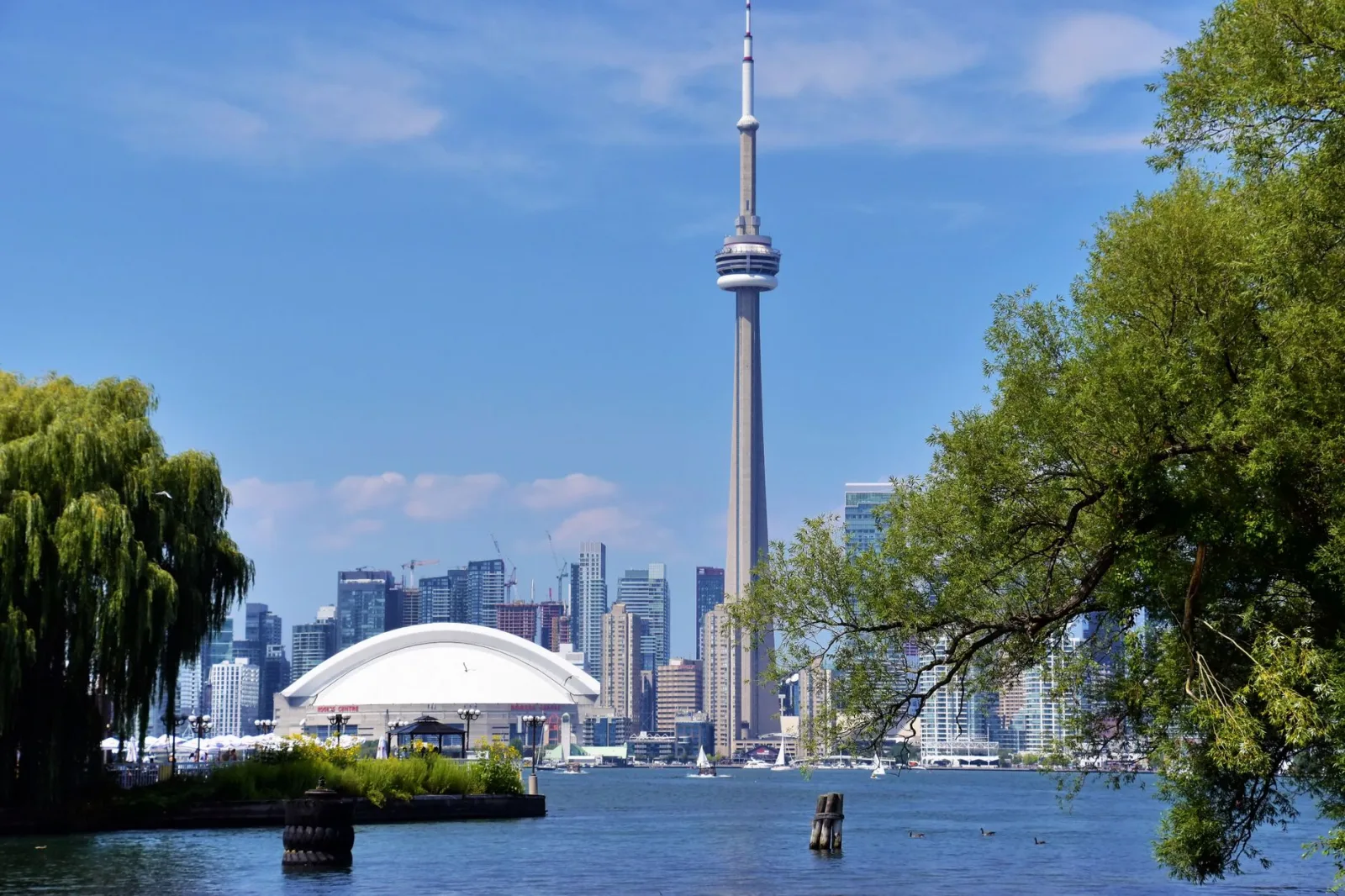
What Toronto offers the traveler
Toronto works well for an urban trip when you want to vary the pace without leaving the city. In a few days, you can alternate between high-rise areas, residential streets with low houses, lakeside stretches, museums, and markets, without feeling stuck with just one kind of outing. The city also works well for those who enjoy walking with frequent stops at cafés, browsing independent shops, and changing neighborhoods throughout the day without much logistical effort.
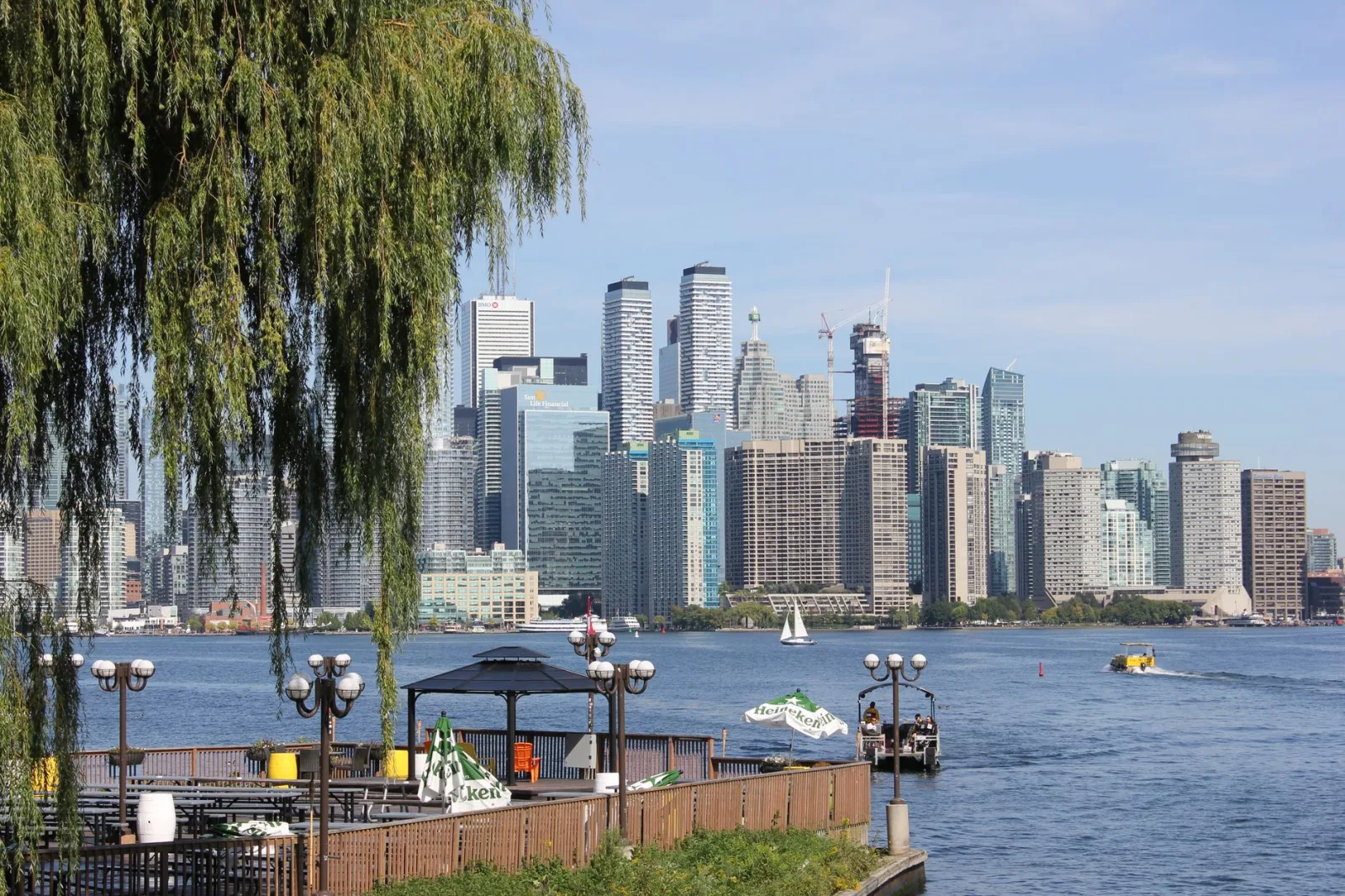
For couples, Toronto usually works well when the trip calls for a mix of cultural activities and free time. There is plenty of room to choose between art, architecture, cafés, and dinners in neighborhoods with different profiles, without relying on a rushed itinerary. For families, the appeal usually lies in the diversity of activities and the possibility of keeping children and adults on the move with relatively simple urban transfers, alternating indoor spaces and open areas.
What stands out most is the mix of built landscape. One block can have glass towers and, just ahead, streets with two-story houses, balconies, and small gardens. This constant change of scale gives the walk a visual interest that helps a lot for those who like to explore the city on foot, without needing to turn every outing into a mandatory visit to a tourist spot.
Toronto also works for those who value casual food, markets, work cafés, and a cultural scene spread throughout the city. Instead of concentrating everything in a single area, the interest is distributed among different neighborhoods and corridors, which makes it easier to put together a trip that combines everyday observation, museums, and free time without being tied to a single formula.
When to go to Toronto and what to consider by season
September usually concentrates one of the city’s busiest periods because of the Toronto International Film Festival. If the trip includes cinema and activity in the downtown streets, this is the month when it is easiest to find screenings, crowds in the central areas, and an agenda that changes the city’s atmosphere. If the idea is a more relaxed itinerary, it is worth considering whether you want that level of activity or prefer another time of year.
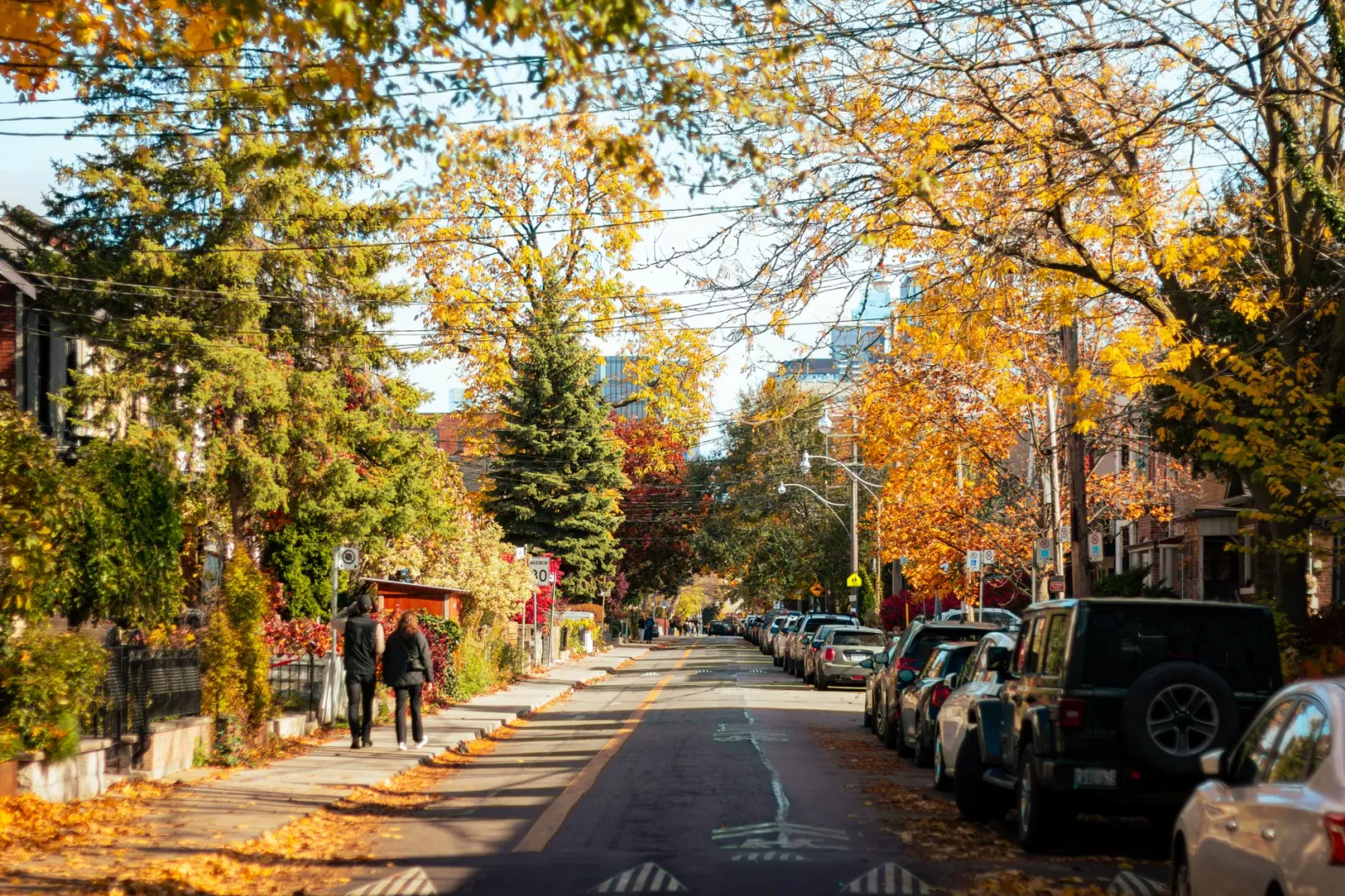
In summer, the Harbourfront Centre comes onto the radar with frequent festival programming, and this weighs in the decision for those who want to spend more time outdoors without relying only on museums and restaurants. It is also the season when harbor cruises operate regularly, from May until the weekend of October 1st. For those who want to see the skyline from the water, this window is the most useful; outside it, the offering tends to be more limited and the experience depends much more on the day’s conditions.
Activities such as Toronto Islands, waterfront walks, and lake activities work best when the weather cooperates. On cold, windy, or unstable days, their appeal drops quickly, especially if the trip depends on boat travel, cycling, or extended time outdoors. When the weather is good, these plans work well for couples and families because they break up the city’s pace without requiring long transfers.
If you are organizing the trip by season, think less about “what is the best time” and more about “what kind of Toronto I want to find.” September favors cinema and the urban agenda; summer favors the waterfront, festivals, and water excursions; harsher months call for a more indoor itinerary, with less dependence on open skies and lake crossings.
Editorial transparency: Some links on this page are affiliate links. We may earn a commission at no extra cost to you. This does not influence our recommendations.
How to get around Toronto
The subway is the most direct way to cross the city when the itinerary includes central areas. Lines 1 and 2 take you to stations that are useful for CN Tower, Royal Ontario Museum, and Bata Shoe Museum, and they also serve as a base for combining different neighborhoods in the same day. At subway stations, you’ll find machines to buy and reload the PRESTO card; those who prefer not to use the card should keep the transfer ticket when getting off, because it is what validates the continuation of the trip in the integrated system.
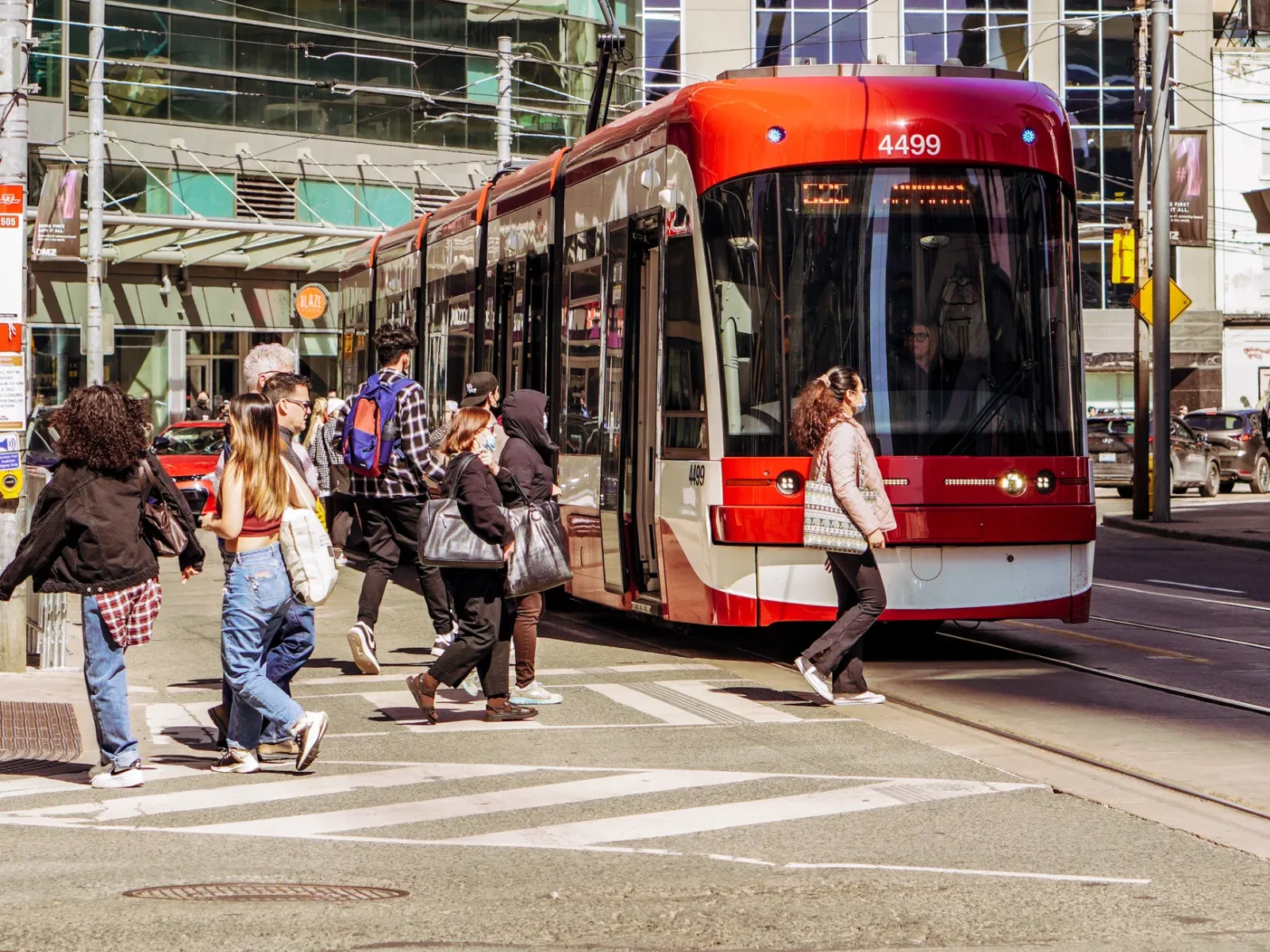
On streetcars and buses, paying in cash requires the exact fare. If you plan to use these lines frequently, PRESTO makes things much easier, because it avoids depending on change and makes switching from one mode to another simpler. To get to Distillery District, line 504 takes you to the Distillery Loop. For Kensington Market, the stops around Spadina Avenue, Dundas Street West, and College Street leave you a short walk from the neighborhood streets. West Queen West and Landsdowne Avenue are served by streetcars 301 and 504 along West Queen Street West, and line 2 helps access Landsdowne Station.
For The Junction, Dundas West station is the most practical base, with line 40 running along Dundas Street West. If the idea is to get to the beaches, line 501 takes you to Queen Street East, near Woodbine Beach. This same type of travel works well for fitting the waterfront into the itinerary without relying on a car. On more spread-out sightseeing days, public transportation handles most of the trips between museums, neighborhoods, and the waterfront.
Some spots only require attention to the last part of the trip. Toronto Islands begin with the ferry from Queens Quay Ferry Docks Terminal. For Scarborough Bluffs, the trip combines the streetcar to Eglinton GO Station and then buses 86 and 175. If you want to move between areas with different profiles in the same day, plan the route by first looking at the station or stop closest to the main stop on the itinerary; then fit in the short walk that remains.
Toronto neighborhoods worth including in your itinerary
Kensington Market does a good job of covering the part of the trip when you want to walk unhurriedly, alternating cafés, independent shops, and side streets with steady movement. It’s the most useful neighborhood when the idea is to spend a few hours moving between small storefronts, watching people, and stepping into places without any obligation to buy. The area around Spadina Avenue helps fit this kind of outing into the middle of the day, because the appeal lies more in the layout of the streets and what appears on each corner than in a single attraction.
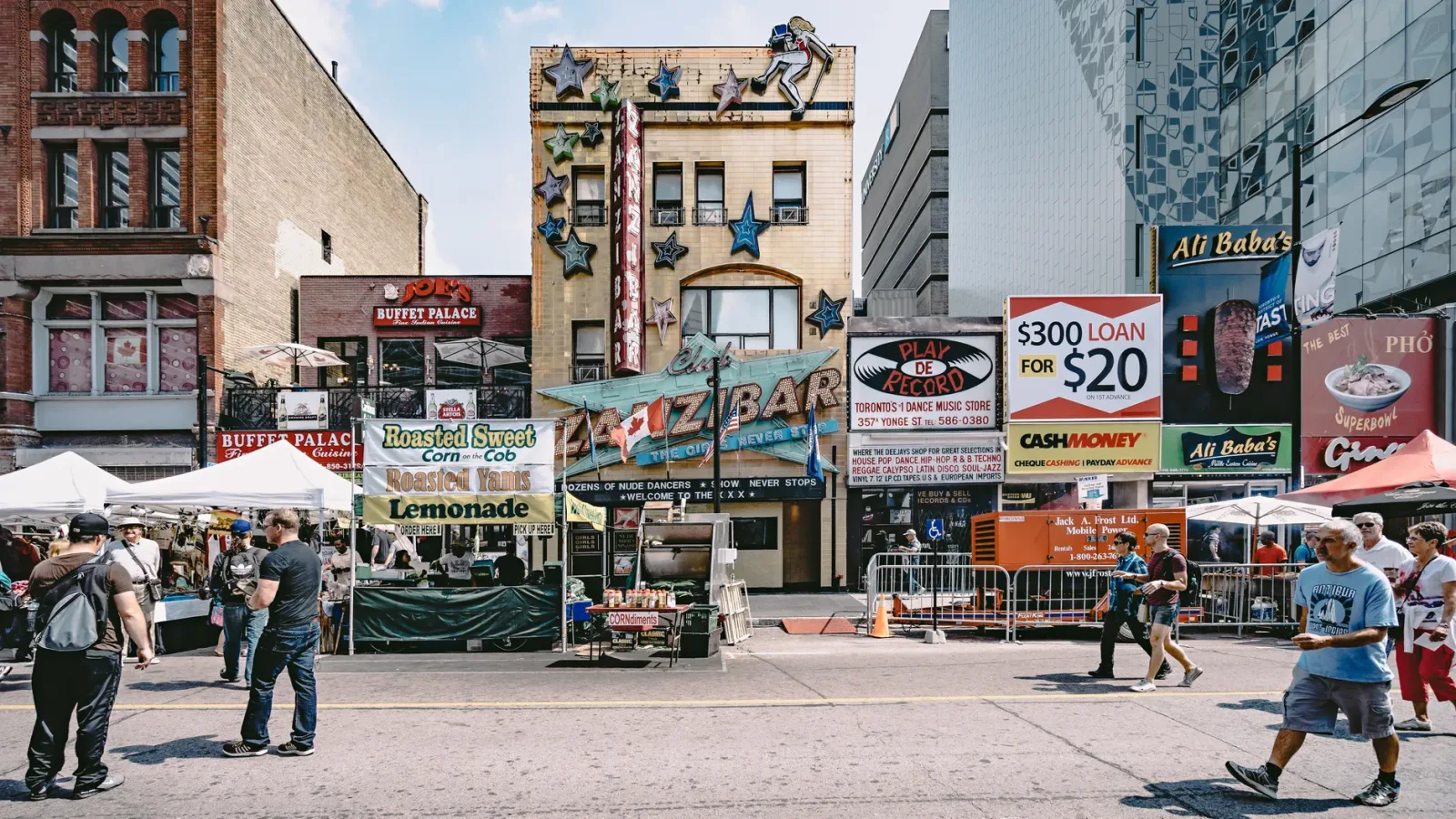
West Queen West and Landsdowne Avenue work for those who want to combine design, thrift stores, galleries, and places for a short break without leaving an area with good walkability. West Queen West leans more toward shopping, boutique hotels, and concept-driven stores; Landsdowne Avenue works well as a movement axis between neighborhoods, with the advantage of taking you to stretches where the city feels more residential and less touristy. The Junction comes into play when the itinerary calls for cafés, restaurants, studios, and antique shops in the same circuit, with streets that still make sense to explore on foot without turning the outing into a long transfer.
Distillery District is the clearest choice for those who want historic architecture and a walk with a more controlled pace. The brick buildings and street layout work best for those who like to observe facades, storefronts, and public space in the same outing, without needing a long list of stops. Chinatown serves another need: shopping, casual food, and easy movement, with the bonus of being an area where you find more street life and less formality along the way.
On the waterfront, the decision is different. There, the neighborhood is less about commerce and more about the sense of openness, with promenades, lake access, and space to fit in a long walk, a bike ride, or a break between one urban activity and another. If the trip calls for alternating between city and water on the same day, this is the stretch that usually ties the itinerary together best.
Museums and attractions to visit in Toronto
CN Tower, Royal Ontario Museum, and Bata Shoe Museum solve different decisions in the itinerary. The tower makes more sense if you want a broad view of the city and the lake; the ROM calls for more time and works better with a real museum day; the Bata Shoe Museum fits when the interest is in a smaller, more direct visit with a specific focus. If the trip has only a few days, choose one major observatory or main museum and leave the rest for another time.
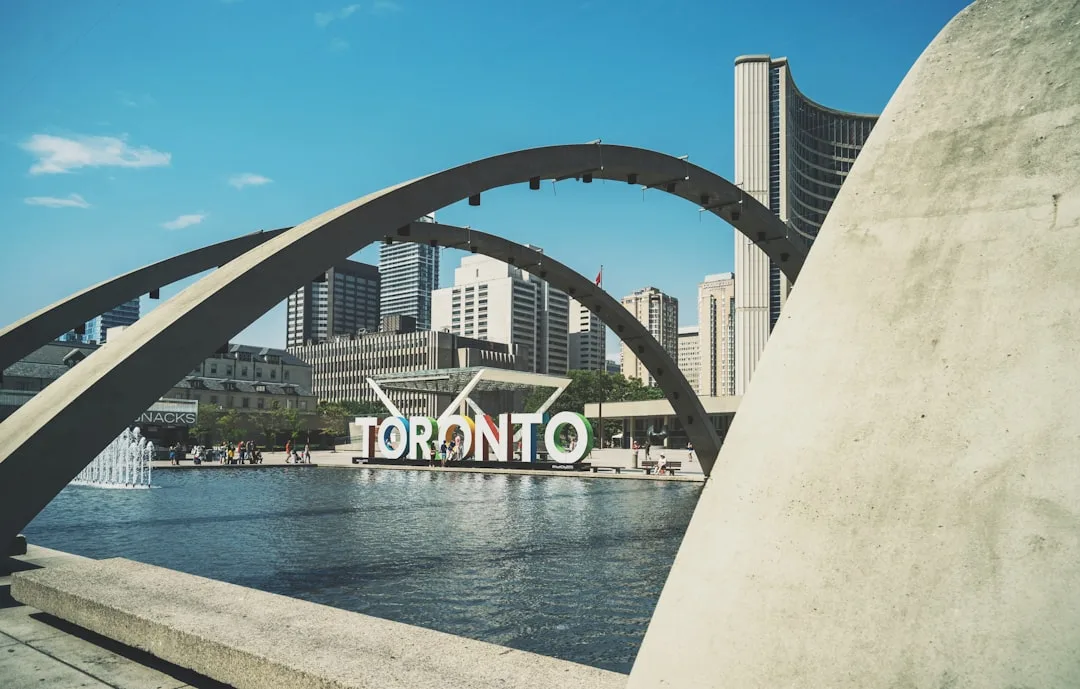
The city also works well when you alternate museums and street spaces. The street art tour through Graffiti Alley works as a short walk with a visual focus, especially if you are already in the Queen Street West area. TIFF Bell Lightbox is for those who want to fit cinema into the itinerary outside the festival, while Harbourfront Centre makes more sense when the schedule calls for a place to check programming and connect it with a stroll along the waterfront. These three spots help vary the day without requiring long transfers.
For outdoor plans, Toronto Islands and Woodbine Beach suit different moods. The islands work better for those who want to spend a few hours away from the city’s central pace, by bike, on foot, or by kayak; Woodbine Beach comes in when the idea is to have sand, water, and space for paddle boarding without complicating the trip. Scarborough Bluffs calls for a specific window in the itinerary: it is the place that shifts the focus to landscape and height, with the lake below and the cliffs dominating the scene.
Tall Ship Kajama is worth it when you want to see Toronto from the water and still fit in a different evening. The sunset cruise is the kind of plan that replaces a conventional dinner, not a daytime outing. For observing architecture in the neighborhoods, the logic is different: include the view along the way between attractions, without turning it into a separate stop. That is where the city delivers the most contrast, with glass towers, old brick, and residential streets in the same walking route.
Outdoor activities in Toronto and along the lakefront
The Toronto Islands work well when the idea is to get away from the city pace without leaving the central area. You can go on foot, by bike, or by kayak, and the appeal lies precisely in alternating quiet paths with the skyline view in the background. For couples, it makes for a half-day outing that doesn’t require any rush. For families, the combination of crossing over, open space, and car-free circulation is usually the main draw. If you plan to use a bike or rent a kayak, it’s best to arrive early, because availability tends to be better at the start of the day.
Woodbine Beach offers a different kind of outing: an urban beach with a long stretch of sand, shade in the grassy area behind the beach, and the possibility of paddleboarding on the lake water. It’s an outing that works best when you want to spend a few hours outdoors without turning the day into an excursion. For travelers with children, the beach handles the space and break time well. For couples, the SUP is more appealing when the goal is to see the city from a distance and change perspective without going far.
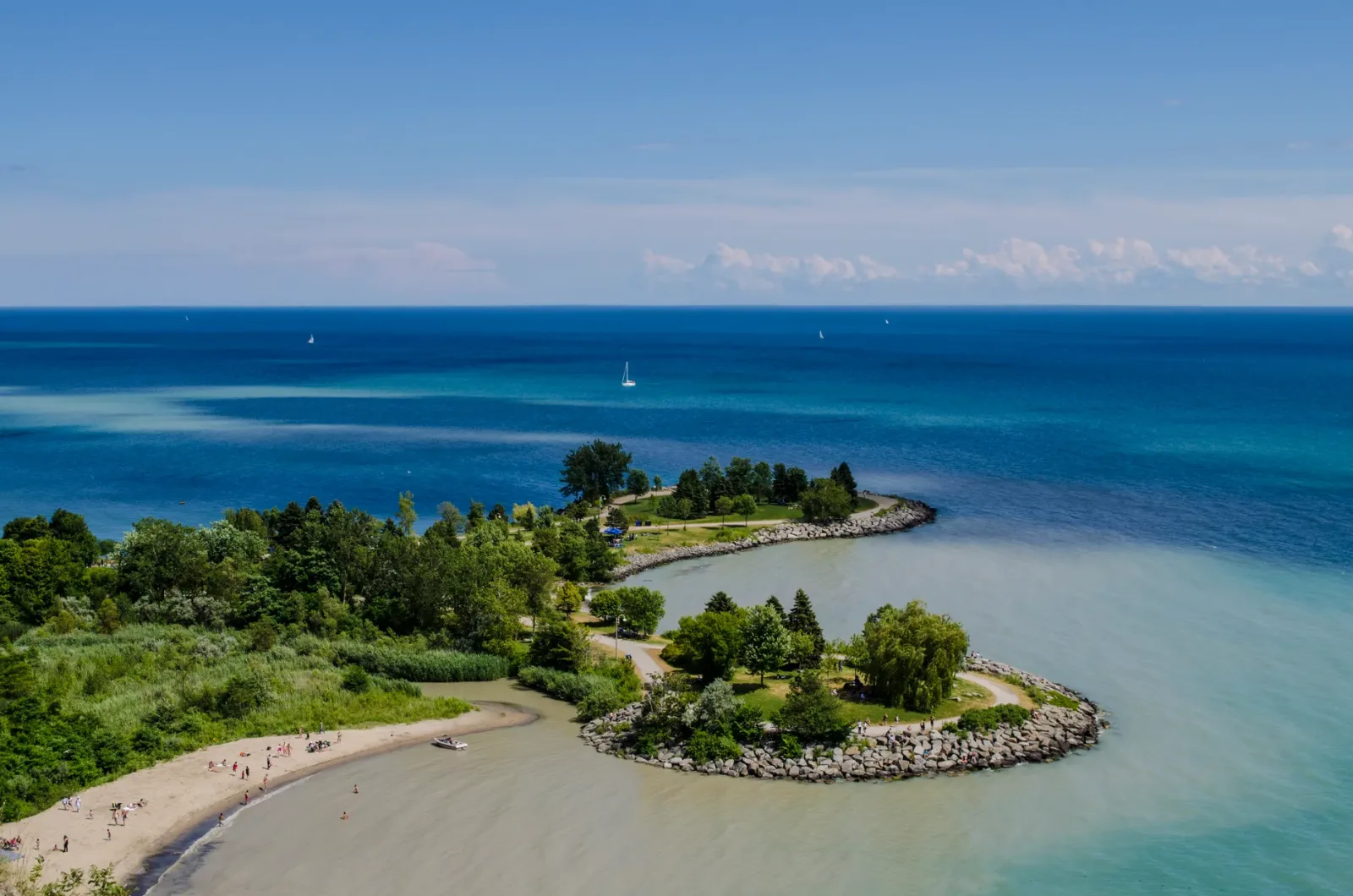
Scarborough Bluffs calls for a more landscape-focused visit. The cliffs rise to about 90 meters above Lake Ontario, and the most practical spot is Bluffers Park, which has access to the lake and the beach. It’s a good choice when you want to trade downtown for a more dramatic stretch of coastline, with a greater sense of scale. If the itinerary includes only one stronger nature activity within the city, this is usually the one that feels furthest from the usual urban circuit.
The Tall Ship Kajama rounds out a lakefront day nicely because it offers Toronto seen from the water, with a departure in the late afternoon and the skyline taking on a different look at sunset. The cruise operates in season from May until the weekend of October 1, so it’s worth checking the current schedule before relying on it. For couples, it works as the main evening activity. For families, it’s a simple way to include a boat ride in the itinerary without having to organize a long outing outside the city.
Where to eat and drink in Toronto
Cafés in Toronto work well for two types of stop: sitting down to work for a few hours or watching the flow of a neighborhood without the commitment of a long table stay. Around Kensington Market, I Deal Coffee has that corner-café feel, with mismatched tables and constant street activity; it works well for a short break or for anyone who wants to stay a bit longer. Also in Kensington, Dark Horse Espresso Bar often serves as a base for laptop mornings, with small tables and a communal table in the center. If the idea is to choose between the two, think about the pace: the first is more for street watching, while the second fits better when you want to get something done before heading out to explore.

For brunch and lunch, a few places help structure the day by neighborhood. Hello Darling, on Landsdowne Avenue, is a good spot for brunch in a more residential area, with a large window and natural light that favor an unhurried stop. The Good Neighbour, in the Junction, works as a lunch choice for those already exploring the neighborhood and wanting to handle the meal without heading back downtown. In both cases, the usefulness lies less in the dish itself and more in how it fits into the itinerary: you eat and continue walking around the area without straying too far from your route.
If dinner is the priority, Toronto offers very different choices. Pizzaiola caters to those who want vegan pizza in West Queen West, a neighborhood that pairs well with this kind of stop before or after browsing shops and galleries. El Catrin, in the Distillery District, is for a Mexican dinner in an area where the atmosphere of the surroundings matters as much as the table. Ruby Watchco works differently: the seasonal fixed menu calls for a simpler decision on the traveler’s side, since you go more for the menu experience than to build the evening around several separate items.
For a straightforward meal with little negotiation, Poutini’s House of Poutine is the place for poutine. It’s the kind of stop that fits best on looser urban sightseeing days, when you want to eat something quick and keep following your itinerary. Check each place’s current opening hours before heading out, because that’s the kind of detail that changes frequently.
Shopping and lodging in Toronto
Chinatown works well for quick practical shopping: simple souvenirs, small gifts, and items you can fit into your suitcase with ease. The advantage of the area lies in the easy flow and the kind of storefront you find there, more geared toward everyday objects than one-off purchases. If you want to come away with something without spending half a day on the matter, it is a good first place to look.
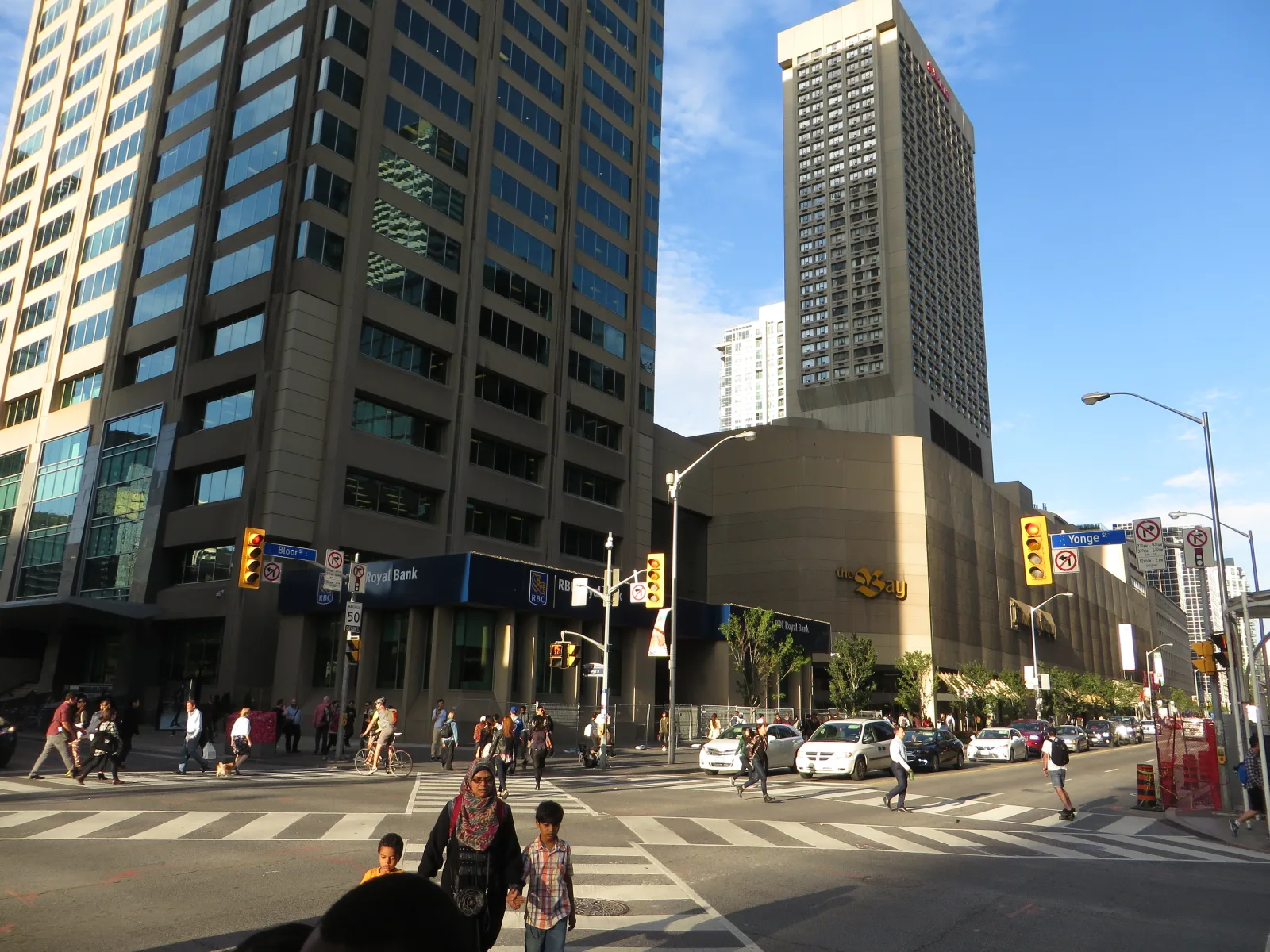
West Queen West is better suited for vintage pieces, original purchases, and decor items. It is the area where it is worth walking slowly, going into smaller shops, and comparing what appears on each block. If the idea is to find something for the home, this region calls for time and observation; the best find is usually less about the store’s name and more about the mix of storefronts, thrift shops, and independent addresses spread along the avenue. Smash Salvage fits into the same logic, with a focus on secondhand pieces and items for those who want to hunt for decor without following a set list.
When it comes to lodging, the most economical and flexible choice is usually a room in a local’s home via Airbnb, useful when you want a kitchen, laundry, or more space for a couple’s or family trip. The point to watch is the variation between listings: exact location, house rules, and level of privacy can differ quite a lot. A boutique hotel downtown, such as Thompson Toronto, works better for those who want a single base, easy check-in, and short trips to the central area. If the priority is leaving early and coming back late without relying on domestic planning, the hotel tends to be the more comfortable option.
Frequently asked questions
How many days are enough to get to know Toronto?
In a few days, you can combine neighborhoods, museums, the waterfront, and one or two shopping or café areas. The article suggests choosing a more urban pace or a more outdoor-oriented one, instead of trying to see everything.
What is the best way to get around Toronto?
The subway is the most direct way to cross the city, and streetcars and buses help you get to specific neighborhoods and attractions. The PRESTO card makes switching between modes much easier.
Which Toronto neighborhoods are worth including in the itinerary?
Kensington Market, West Queen West, The Junction, Distillery District, Chinatown, and the waterfront are the most useful for a varied itinerary. Each one suits a different kind of outing, from shopping to walks and meals.
What outdoor activities are there to do in Toronto?
The Toronto Islands, Woodbine Beach, Scarborough Bluffs, and a cruise on the Tall Ship Kajama are the strongest options. They work best when the weather cooperates and the trip includes time to stay on the water or by the waterfront.