Toledo, Spain: practical guide to planning your visit
Toledo: see how much time to set aside, what to visit, when to book the Cathedral, and how to put together a short itinerary without rushing too much.
What Toledo is like and how much time to allow
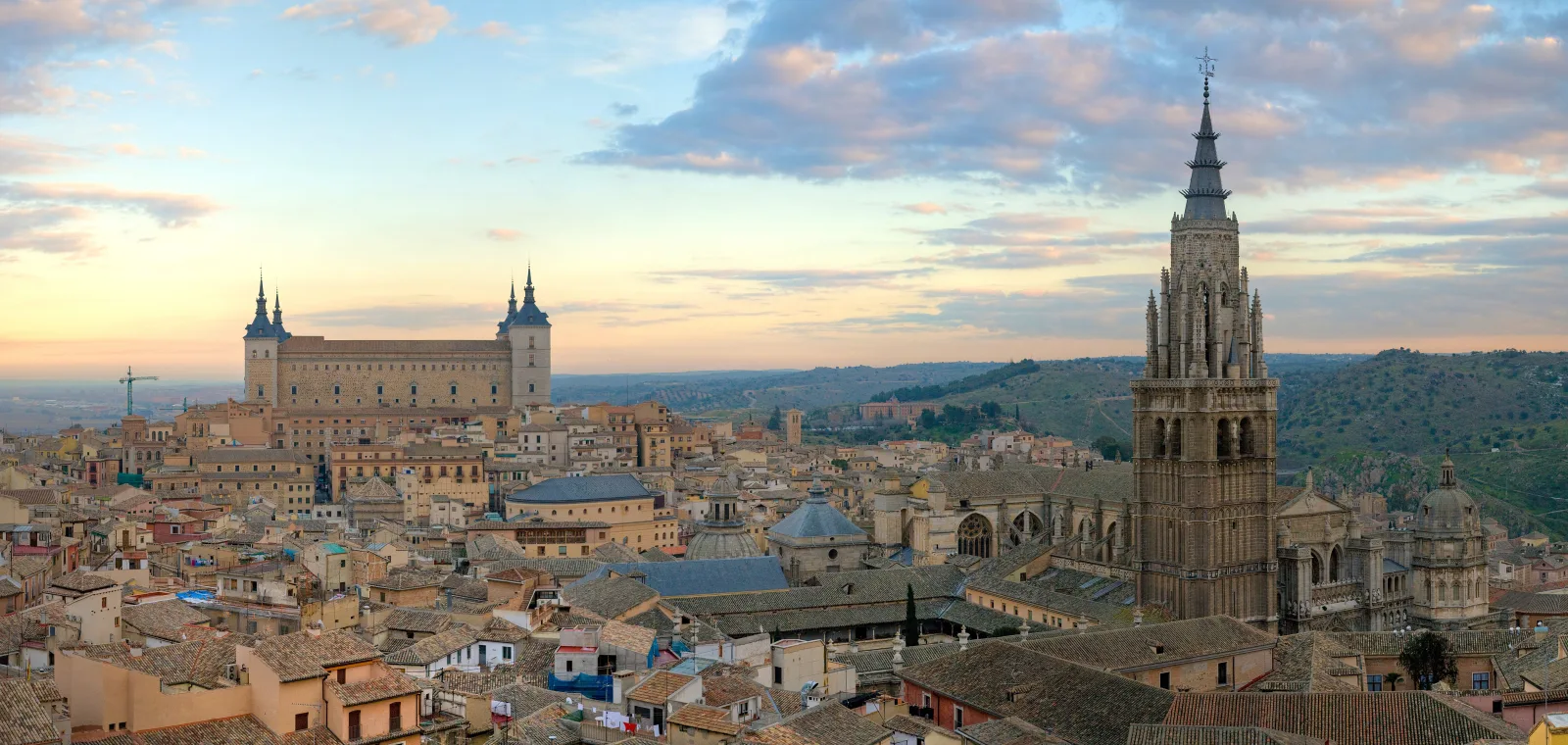
Toledo works well for a short visit because the historic center is compact and easy to cross on foot, but the terrain changes the experience. The streets go up and down often, the layout is hill-based, and the walk is more rewarding when you accept the city’s rhythm instead of trying to beat it with a fast pace.
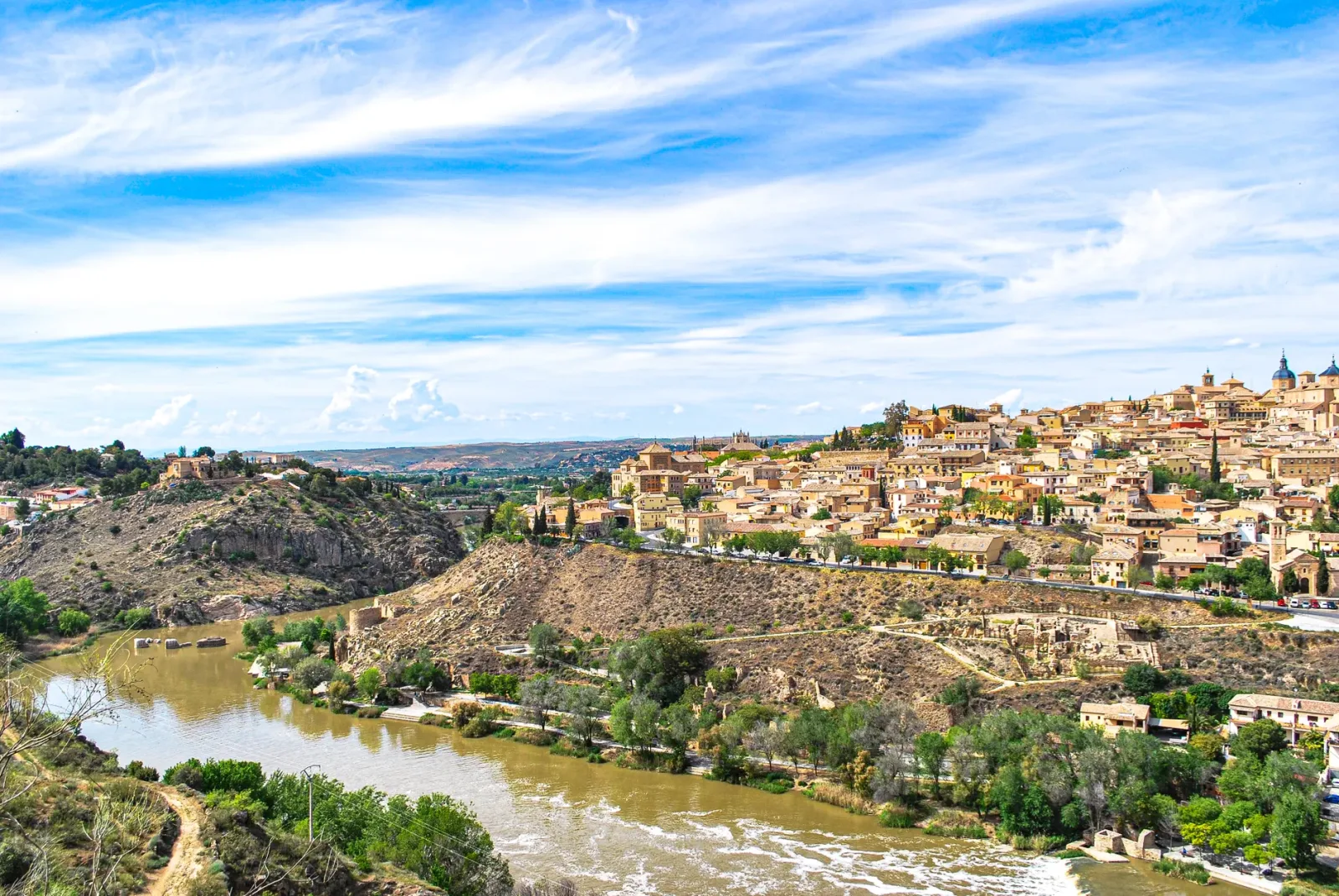
For a well-spent day trip, think of something in the range of 7 to 8 hours. That is usually enough to see the essentials without turning the day into a rush from one point to another. If the idea is to stay overnight in the city, 2 days make a difference: you arrive in the late afternoon, find quieter streets, and see Toledo without the heaviest flow of excursions.
Staying there also helps those who want to use Toledo as a base to explore Castilla-La Mancha and the area around Madrid without changing accommodations every night. The city fits well into this kind of trip because it lets you return to the historic center after the busiest part of the day and head out to the surroundings with less hurry.
If your itinerary is tight, Toledo still works, but it requires choices. With more time, it stops being just a visit centered on monuments and becomes a city you explore at a relaxed pace, moving in and out of viewpoints, narrow streets, and squares without having to count every minute.
When to go and what needs to be booked in advance
On regular weekdays, Toledo does not require a schedule locked in weeks ahead. What changes is the Cathedral calendar in 2026, because the 800th anniversary tends to bring special programming and, with it, higher demand on specific dates. Before finalizing your visit, it is worth checking whether the chosen day coincides with celebrations, exhibitions, or services that alter access.
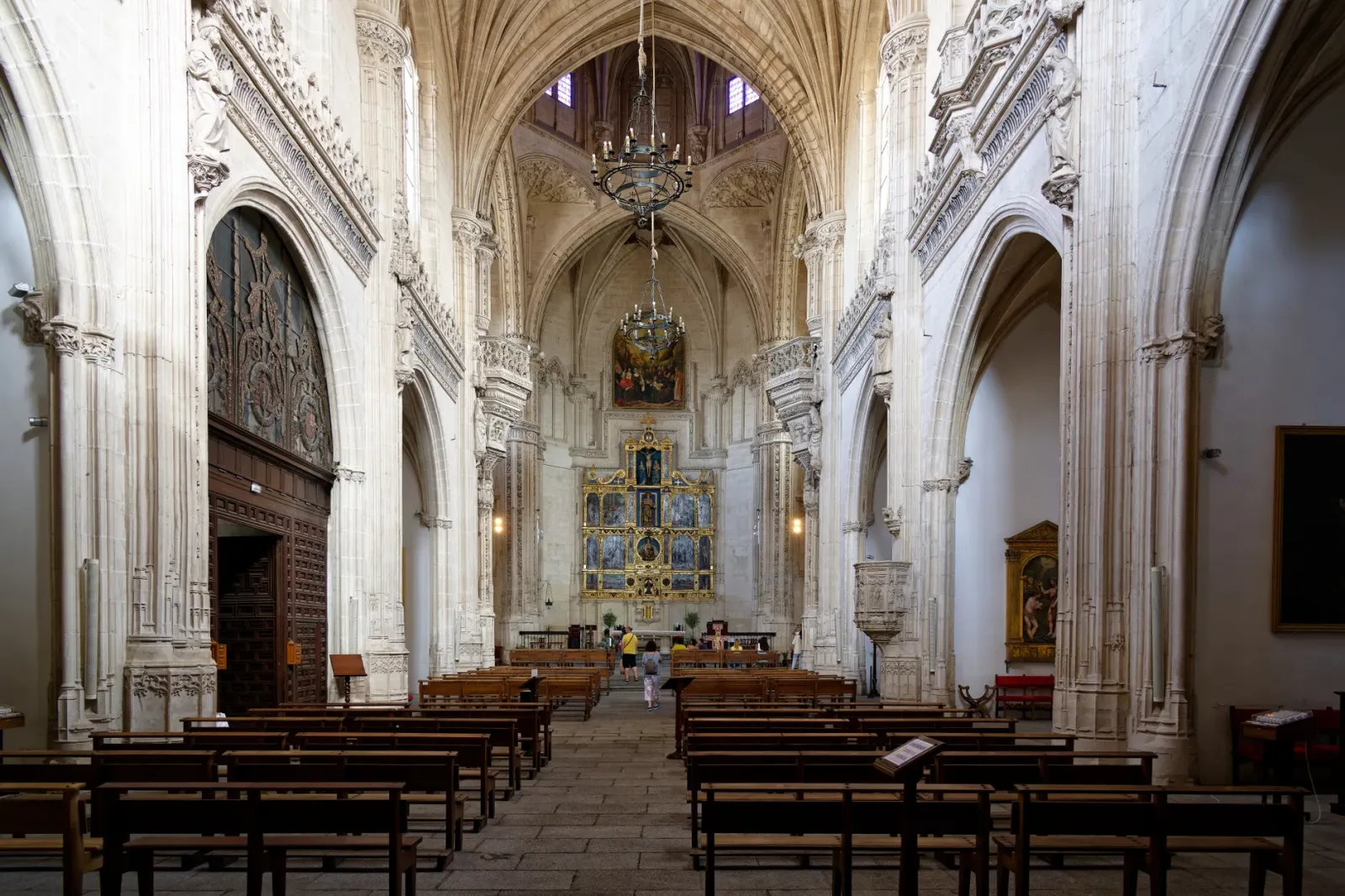
The most sensitive date is Corpus Christi, on June 4, 2026. If your trip falls within that window, book the Cathedral and the Alcázar before you go. These are the two places that draw the most interest during that period and the ones most affected by crowds when the city shifts into celebration mode.
The Toledo Wristband can help anyone who wants to fit several sites into the same day without buying ticket by ticket. It gives access to seven attractions, but it does not include the Cathedral or the Alcázar, so it does not solve the two places that most require attention on busy dates. For that reason, it works best as a complement, not a substitute for the reservations that matter most.
Outside those more pressured dates, you can plan your visit with flexibility. Even so, always confirm the Cathedral’s schedule for the day before heading out, because in 2026 its calendar carries more weight than that of any other place in the city.
Editorial transparency: Some links on this page are affiliate links. We may earn a commission at no extra cost to you. This does not influence our recommendations.
How to get around the historic center
The historic center sits atop a hill, surrounded by walls, and arrival is usually made through gates that help orient your walk. Instead of trying to cross Toledo in a straight line, it is worth thinking of the city in terms of entrances and axes: you go up, enter the old quarter, and then connect the streets from there.
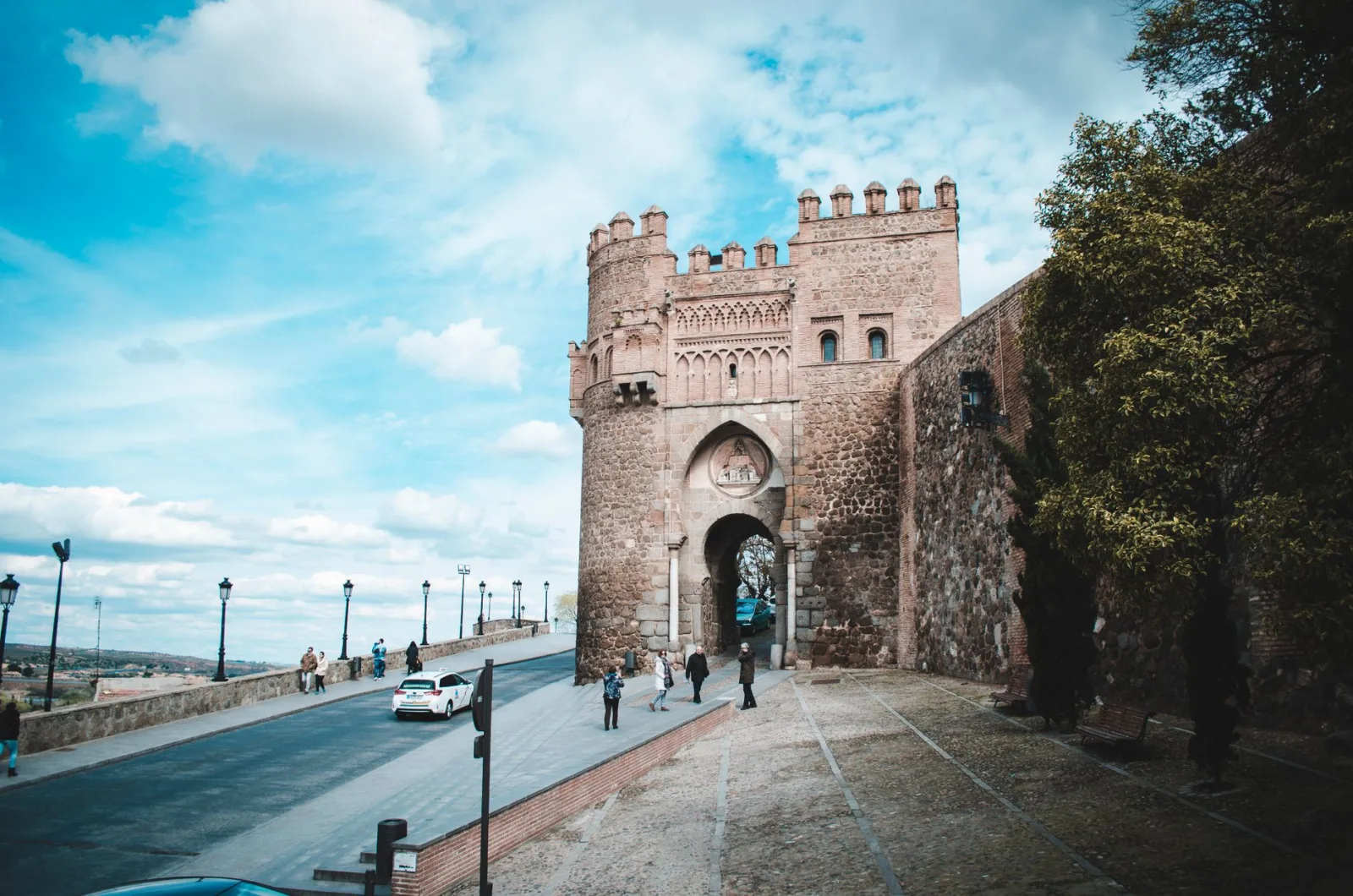
Movement is mainly on foot. The streets are narrow, winding, and steadily sloped in several stretches, so the route takes more out of your legs than the map suggests. The main gates work well as reference points for entering, leaving, and understanding where you are when the street layout starts to get confusing.
To get up to the old part without spending energy right at the start, the escalators near Puerta del Sol are the most practical shortcut. They are especially helpful when you arrive from the lower part of the city and want to gain elevation directly before continuing on foot. After that, the best way to get around is in sequence, using the streets of the center as a connection between one area and another.
It also helps to look at the city surroundings before heading up. Instead of following without a plan, use the access points and edges of the center as a guide to shape your walk: entering through one gate, crossing the historic core, and descending or climbing through another point is more efficient than trying to improvise at every corner.
Main places to visit in Toledo
For a short itinerary, order helps more than the list. Museo Cromático is the most unusual detour from the classic route, because it breaks the sequence of churches, fortresses, and viewpoints without taking much time. The Alcázar de Toledo plays the opposite role: it concentrates the longer visit, especially if you want to go in depth at one of the city’s best-known landmarks. The walls, gates, and Puente de Alcántara work better as stretches of passage and urban landscape reading than as isolated stops.
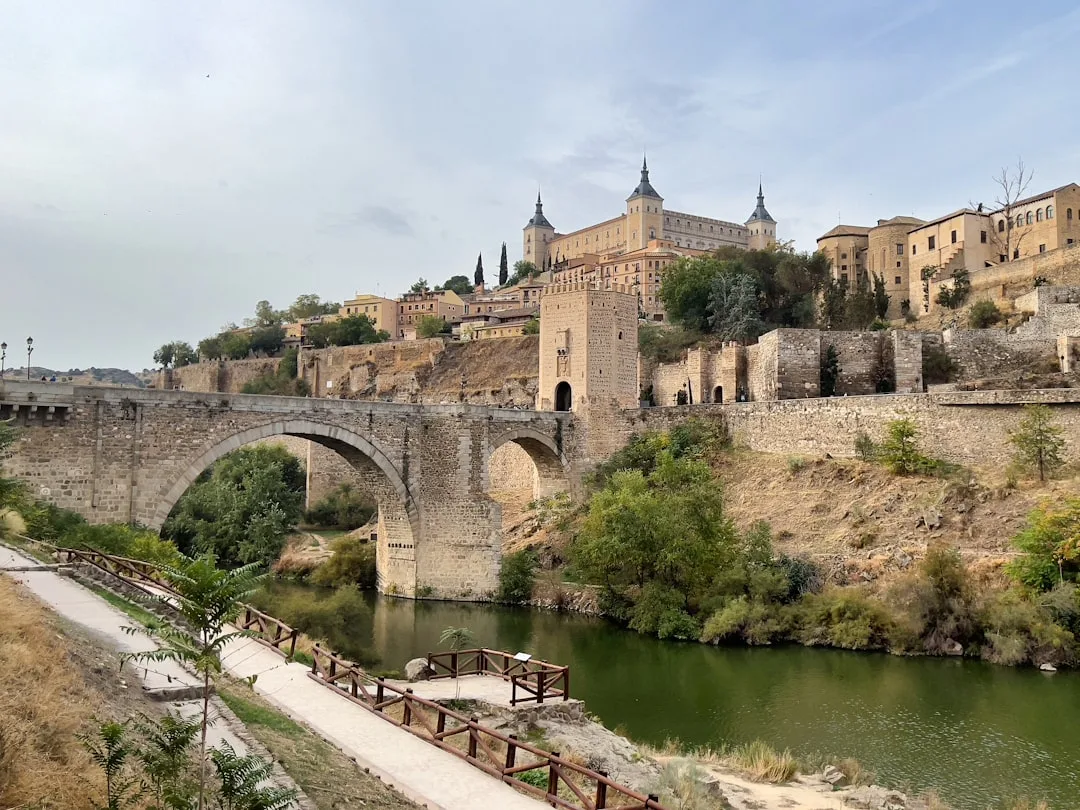
Mirador del Valle comes in as the open view of the city, useful for understanding the whole before or after walking through the center. Toledo Cathedral deserves priority if you are only going to include one major religious monument in the visit. The Museo Sefardí and the Sinagoga de El Tránsito are usually the most logical choice when you want to vary the pace and step away for a moment from the sequence of Christian monuments. The El Greco Museum makes sense for those who want a more direct focus on the artist and his presence in Toledo, without turning the day into an indoor marathon.
Among the smaller sights, the Monastery of San Juan de los Reyes is an easy visit to fit in without weighing down the itinerary too much, and the Mezquita del Cristo de la Luz usually works well as a short stop, given its small size. The Museo del Queso Manchego is more for those who have already covered the essentials and still have room in the day. If you are putting together the selection because of limited time, the most efficient cut usually is to start with the Alcázar, Cathedral, Museo Sefardí, and a viewpoint; then fit in whatever lies along the same walking route.
If you want to combine variety with little internal travel, think in blocks: the historic center for the Cathedral, San Juan de los Reyes, and the El Greco Museum; the more panoramic area for Mirador del Valle; and a passage through the old access routes for the walls, gates, and Puente de Alcántara. Museo Cromático and Museo del Queso Manchego are choices of taste, not obligations of the route.
What it costs to enter the main sights
Museo Cromático charges € 8 for basic admission; with a welcome drink, it goes up to € 10. Tickets are valid for the entire day, including concerts, so it can work out well for those who want to go in unhurriedly and come back later. If the idea is to fit everything into a short itinerary, this is one of the easiest expenses to predict.
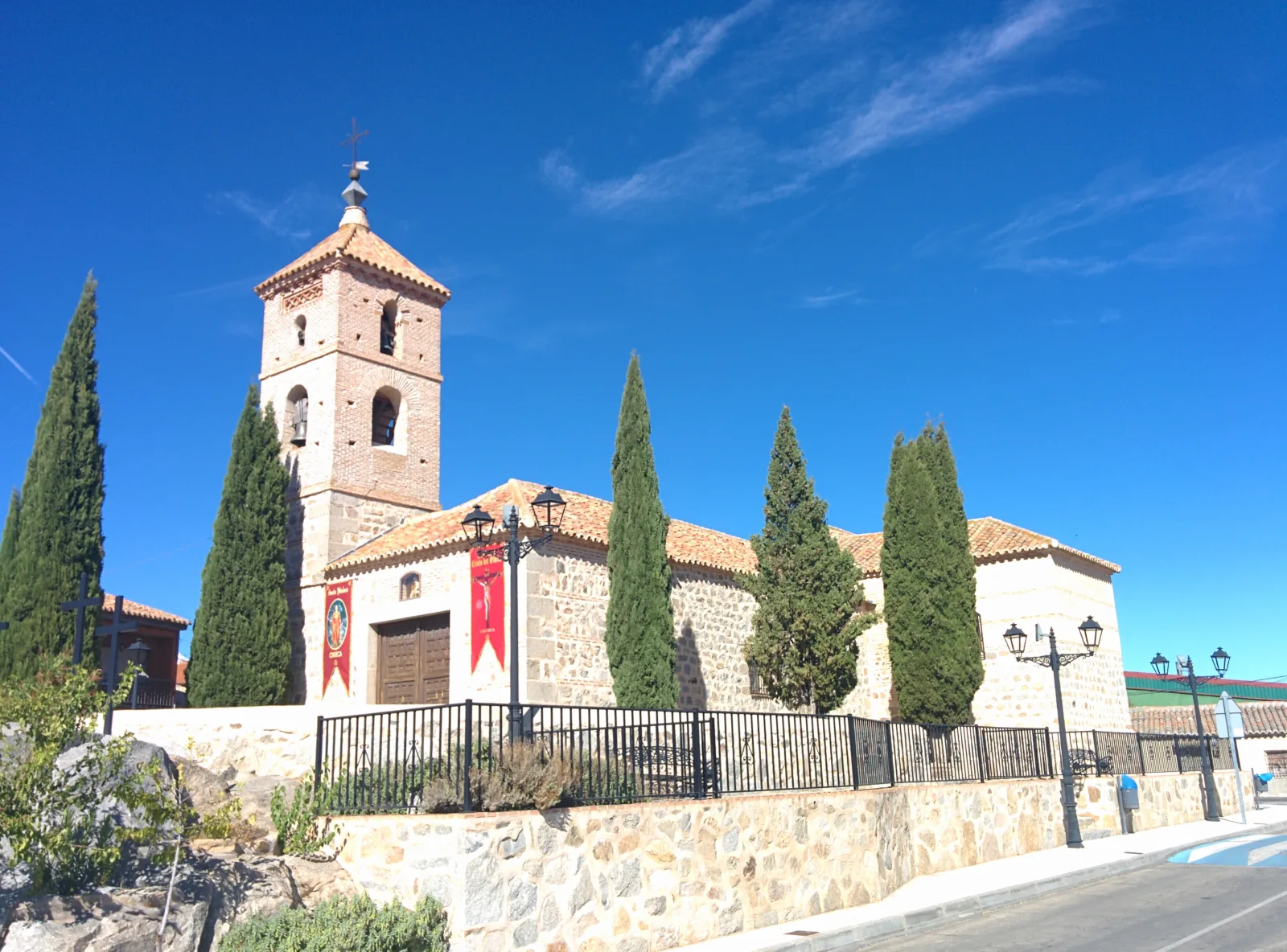
The Alcázar costs € 5, with an extra € 3 if you want an audio guide, and admission is free on Sundays. The Cathedral is € 12, a price that may change because of the 2026 schedule; it’s worth checking before your visit, because this is precisely one of the places that tends to fill up the most and affect advance purchases. The Museo Sefardí costs € 3, with free admission on Saturdays after 2 p.m. and on Sundays. The El Greco Museum is around € 4, while the Monastery of San Juan de los Reyes costs € 4, with free access on Thursdays and also on October 12, December 6, May 18, and December 24, 25, and 31. The Mezquita del Cristo de la Luz costs € 4, with free admission on Saturdays from 2 p.m. and on Sundays. The Museo del Queso Manchego charges € 5, and the Toledo pass can be useful when you want to stack several paid visits into the same day.
This pass tends to pay off when the itinerary includes several smaller sights and you want to simplify the total at the time of payment. It does not cover the Cathedral or the Alcázar, so it still makes sense to buy separate tickets if those two are a priority. The same logic applies to those who take advantage of free-entry days: in that case, the pass quickly loses value and it may be cheaper to pay only for what is not included in the free window.
If your day has only two or three paid attractions, add up the prices before deciding on the pass. If the combination includes places with free admission on Sunday, Thursday, or Saturday afternoon, the calculation changes quite a bit and it’s worth redoing it on the spot with the itinerary already set.
How much time to dedicate to each attraction
The Alcázar requires more time than the rest of the circuit: count on more than 2 hours if you want to see the visit with some breathing room. The Museu Sefardí, the Catedral de Toledo, the Museu de El Greco and the Mosteiro de San Juan de los Reyes all fit well into blocks of 30 minutes to 1 hour, which helps fit them in without overrunning the day.
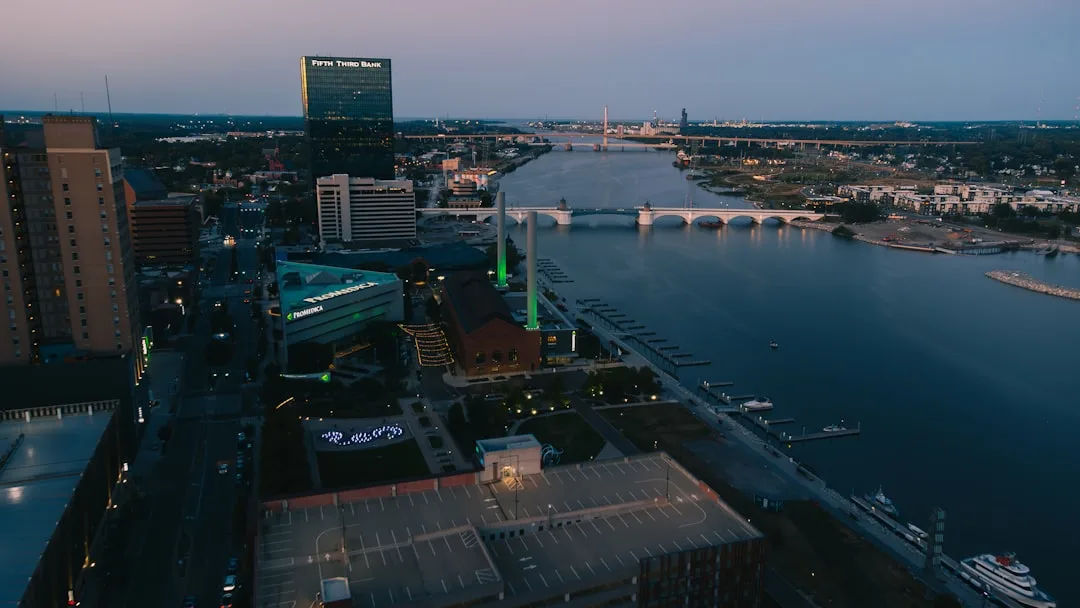
The quickest stops are the ones that work best when the itinerary is tight. Muralhas e Ponte de Alcántara take about 10 minutes, the Mirador del Valle also fits into 10 minutes, and the Museu Cromático requires about 60 minutes. If you only have room for short choices, these three points fit in without disrupting the rest of the route.
In practice, this means that a streamlined visit usually sets aside the long time for a major monument, adds two or three medium stops, and rounds out with one or two quick stops. Those who want to move around unhurriedly need to accept the Alcázar as the main commitment; those who want to prioritize variety can put together a lighter day with the Catedral, the Museu Sefardí and a viewpoint, leaving the short visits to fill in the gaps in the itinerary.
Where to stay and when it’s worth sleeping in Toledo
Sleeping in Toledo makes a difference when the idea is to see the city after the tour groups leave. The center is quieter at the end of the afternoon and early in the morning, and that changes the experience in the small streets, at the access points to the historic center, and at the spots that receive the most visitors during the day. For those who want to take advantage of this less crowded time, spending a night in the city is usually worth more than trying to fit everything into a rushed stop.
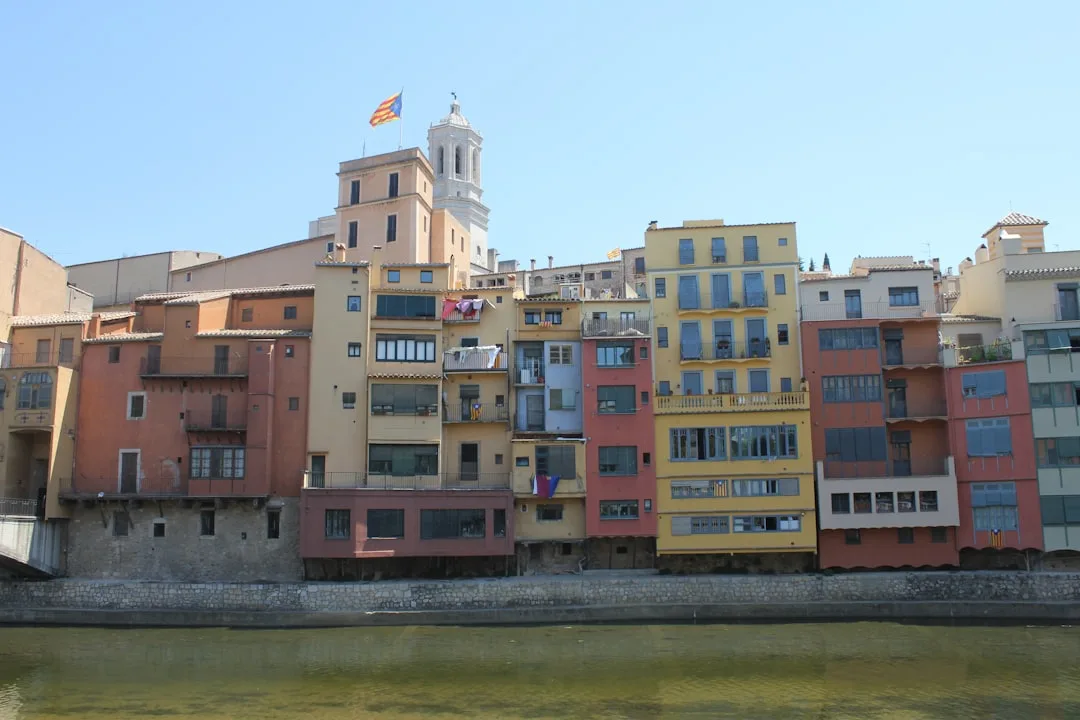
The area near the Alcázar is a practical base for staying well positioned without complicating the walk to the historic center. Among the options mentioned most clearly, Hotel Boutique Adolfo appears as a reference in this part of the city. If you want to reduce internal transfers and head out early to wander around, this location makes sense.
Toledo also works well as a base for exploring Castilla-La Mancha and the Madrid region without changing accommodation every night. This is useful for those who prefer to concentrate the visit in one place and continue from there to the surroundings with less logistics. If the itinerary is short, it is better to prioritize a good location than to try to spread the stay across less convenient areas.
When the decision is between staying or just spending the day there, the calculation is usually simple: an overnight stay helps those who want to see Toledo without so much rush and with a less crowded city; a day trip works better if you only need the essentials.
How to put together a short itinerary without rushing too much
If the day is short, start with the sights that define the city’s feel: a stretch of walls or gates, the Alcántara Bridge, and the Mirador del Valle. This block helps you understand the city’s layout before moving on to the interior visits, and it also makes the circuit lighter if the walk continues to the historic center. Then choose one major axis and don’t try to fit everything into the same stretch.
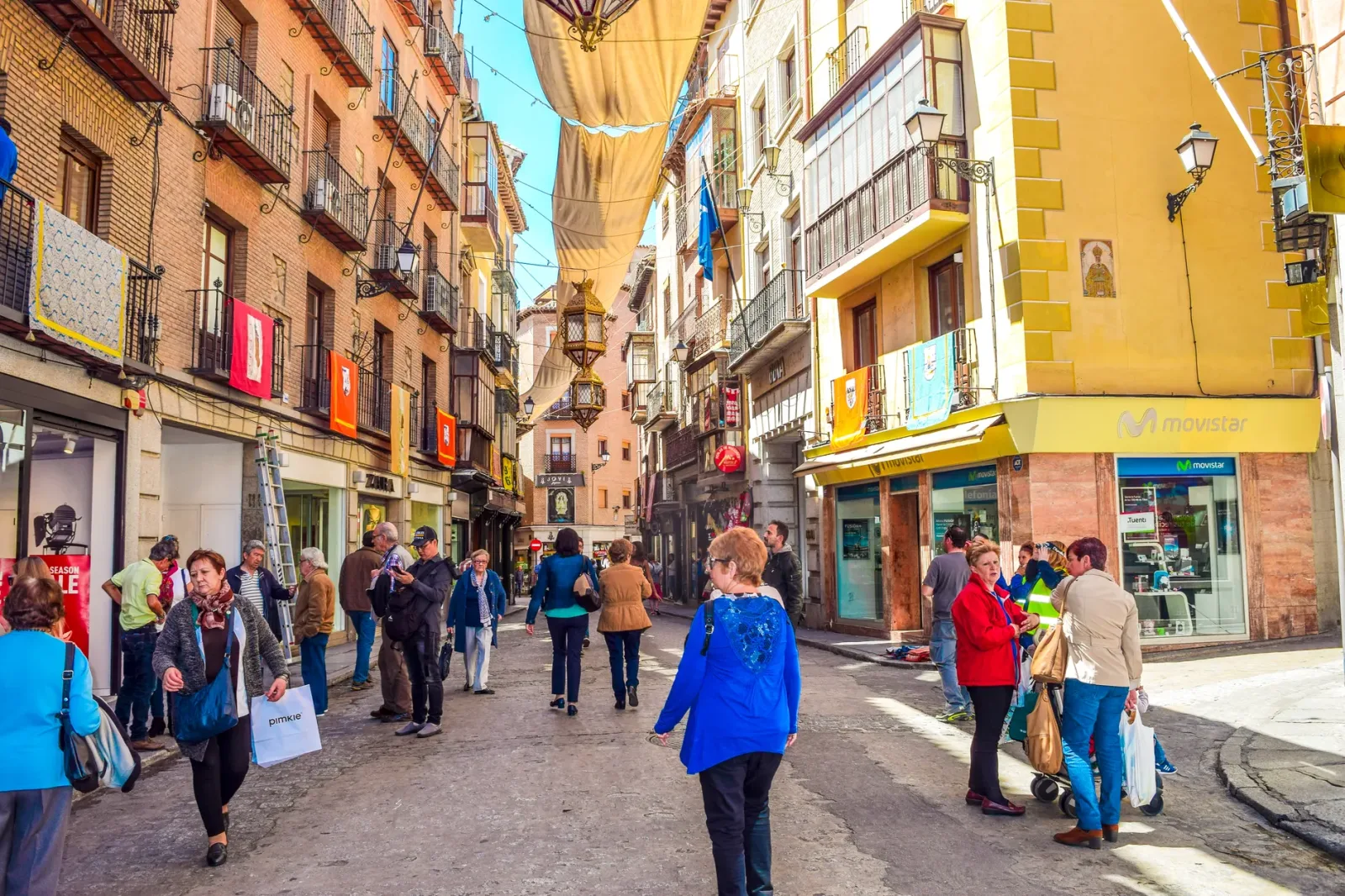
For a one-day itinerary, the most efficient combination is usually one main monument, one or two medium stops, and a short closing visit. The Alcázar deserves the biggest share of time; the Cathedral, the Sephardic Museum, the El Greco Museum, and the Monastery of San Juan de los Reyes work well in sequence, as long as you accept cutting the excess. If you want to vary the route without losing much time, the Museo Cromático comes before or after this block, because it takes less time than the major monuments and breaks up the repetition of churches and fortresses.
For two days, it is worth separating what requires more time from what fits into quick stops. Leave the Alcázar for a long stretch of the itinerary and spread the Cathedral, the Sephardic Museum, and the El Greco Museum throughout the rest. The short visits, such as walls, gates, the Alcántara Bridge, and Mirador del Valle, fit in between one point and another without breaking the pace. The Mezquita del Cristo de la Luz and the Museo del Queso Manchego fit well at the end of the circuit, when you still have energy and have already taken care of the essentials.
If you are traveling as a couple, with family, or alone, the order that usually works best is to keep the day alternating between indoor spaces and outdoor stretches. This avoids spending too much time in museums in a row and makes the walking less strenuous on the climbs. In Toledo, the itinerary works better when you accept making choices: one major stop, two medium ones, two short stops.
Frequently asked questions
How many hours are enough to visit Toledo?
For a day trip, 7 to 8 hours are usually enough to see the essentials. If you stay overnight in the city, 2 days help you get to know Toledo more calmly.
What needs to be booked in advance in Toledo?
On regular days, the city is usually flexible. In 2026, it is worth paying special attention to the Cathedral, and on the date of Corpus Christi, on June 4, it is also recommended to book the Cathedral and the Alcázar in advance.
How do you get around the historic center of Toledo?
The historic center is compact, and the main way to get around is on foot. The escalators near Puerta del Sol help you make the climb to the upper part of the city.
What are the main places to visit in Toledo?
Highlights include the Cathedral, the Alcázar, the Sefardí Museum, the Synagogue of El Tránsito, the El Greco Museum, the Monastery of San Juan de los Reyes, and the Mirador del Valle.
Is it worth staying overnight in Toledo?
Yes, if you want to see the city in the late afternoon and early morning, when it is quieter. Staying there also makes it easier to use Toledo as a base to explore the region.