Tbilisi: what to see, do, eat and how to organize your visit
Tbilisi: see how many days to stay, where to stay, how to get around, and what to eat to plan a practical and well-organized visit.
How Many Days to Spend in Tbilisi and Where to Stay
For a first visit, 2 to 3 days in Tbilisi work as a starting point. This time allows you to walk through the historic center, climb to viewpoints that are worth the effort, and still fit in long breaks for meals and coffee without turning the itinerary into a race.
If the idea is to use the capital as a base and go on excursions, 5 days is a more comfortable margin. This was the type of stay that allowed combining the city with day trips and still leaving space to return to the hotel without rushing in the late afternoon.
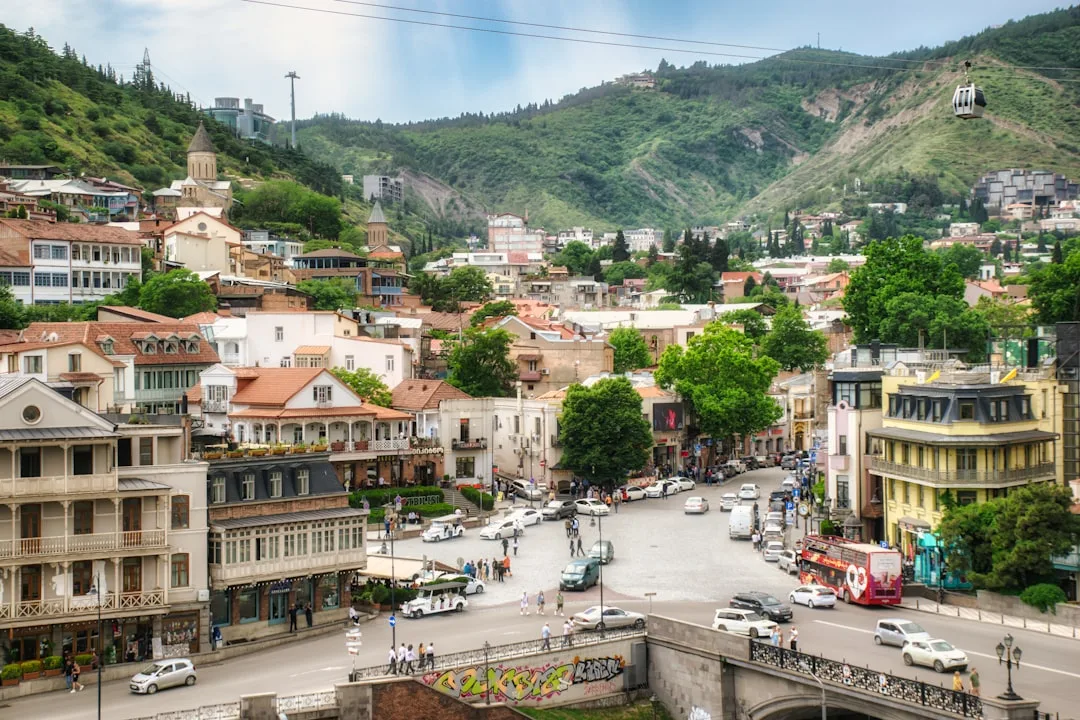
For sleeping, the Old Town makes more sense in most short itineraries. Staying there reduces dependence on transportation, because many central things become accessible on foot or in short stretches. It also helps when you want to leave early, return in the middle of the day, or circulate at night without having to reorganize movements.
Other areas only come into play if you have a clear preference for staying near a specific point or if you find a good rate outside the historic center. Otherwise, for a few days, the most practical choice remains staying near the Old Town and adjusting the rest of the itinerary from there.
How to Get Around Between the Center, the Hills, and the Main Attractions
To get around the center, walking covers most of the route. Between Freedom Square, the Old Town, Metekhi, and Abanotubani, the stretches are short enough to adjust the route as the street goes up, down, or closes at some point. For the hills, it's worth separating what can be done on foot from what makes more sense by cable car or taxi, as some climbs can be tiring and take up valuable time from the visit.
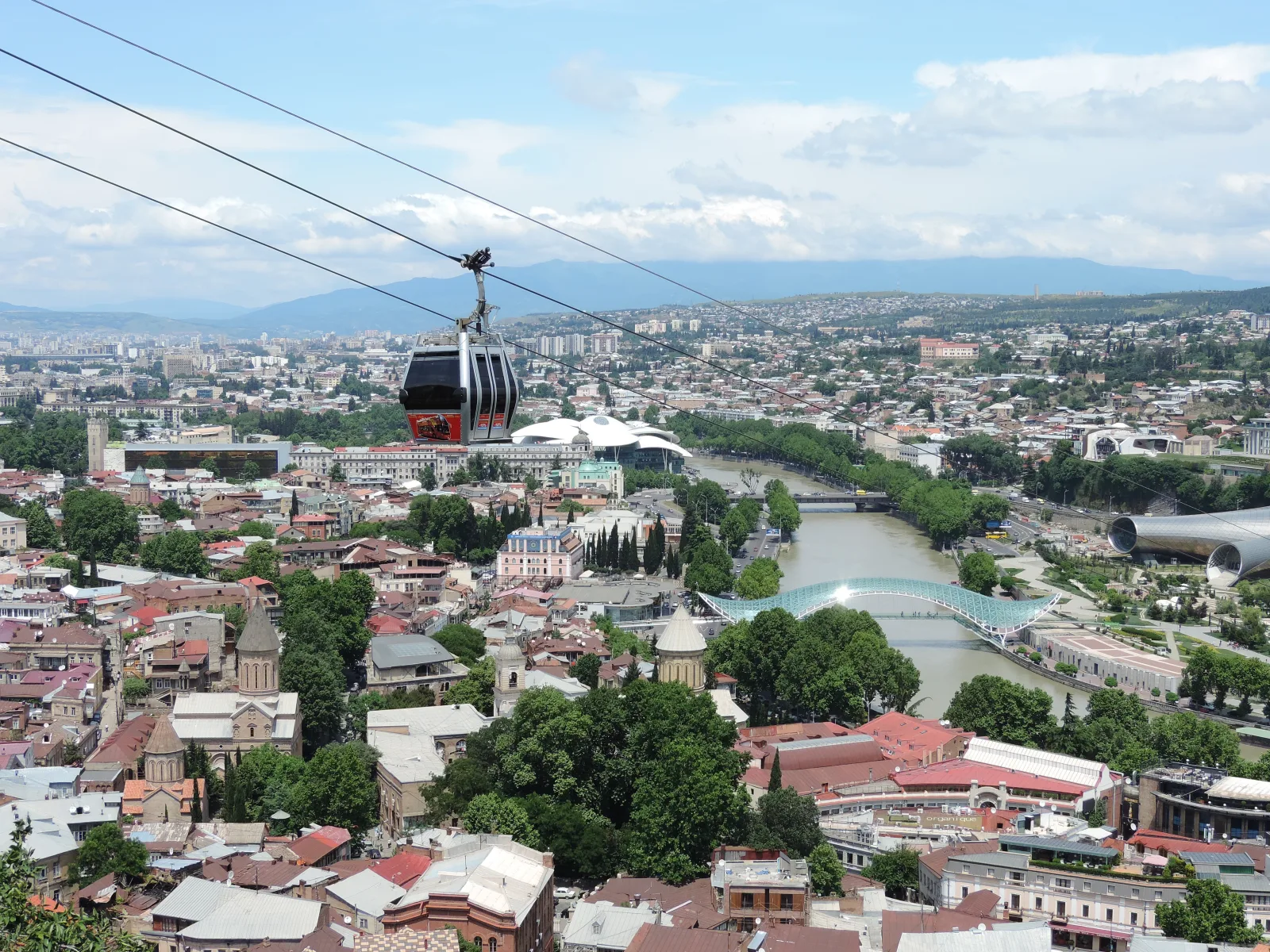
The climb to Narikala Fortress can be made by a steep 20-minute walk or by cable car, which takes less than 5 minutes to the Mother of Georgia area. This cable car uses the MetroMoney card, which costs 2 GEL, and the fare is 2.5 GEL per person. The card and ticket can be bought at the sales point in front of the system, with cash payment. If you plan to use it more than once, it makes sense to already have this card in hand to avoid delays in movement at the time.
For the Mother of Georgia, the logic is the same: walking up only makes sense if you want to turn the journey into part of the tour. Otherwise, the cable car is the most efficient shortcut. After arriving, remember that the photo angles change as you move a bit away and look for the side stairs. The Tbilisi Holy Trinity Cathedral is much more comfortable to reach on foot from Rike Park, a journey of about 30 minutes, but a taxi is usually the most sensible choice if the heat is intense or if you are with children.
The Chronicles of Georgia is outside the central area, and the most practical way to get there is by taxi. The complex is about 15 km from the center, so it's not worth treating it as an extension of a walk or as a spontaneous stop between two attractions in the historic center. If you are fitting the visit in the late afternoon, keep in mind that access involves stairs and that the place works better when you arrive with time to go up, look at the view over the Tbilisi Sea, and return without rushing.
Editorial transparency: Some links on this page are affiliate links. We may earn a commission at no extra cost to you. This does not influence our recommendations.
What to See in the Historic Center and Main Squares
Freedom Square works well as a starting point because it organizes the rest of the center around a simple walk. The square is marked by the Freedom Monument, a tall column with the figure of St. George at the top, and today it is surrounded by hotels, cafes, and fast-food chains. If you start there, you quickly understand the transition between the more institutional center and the old streets that lead to the historic part.
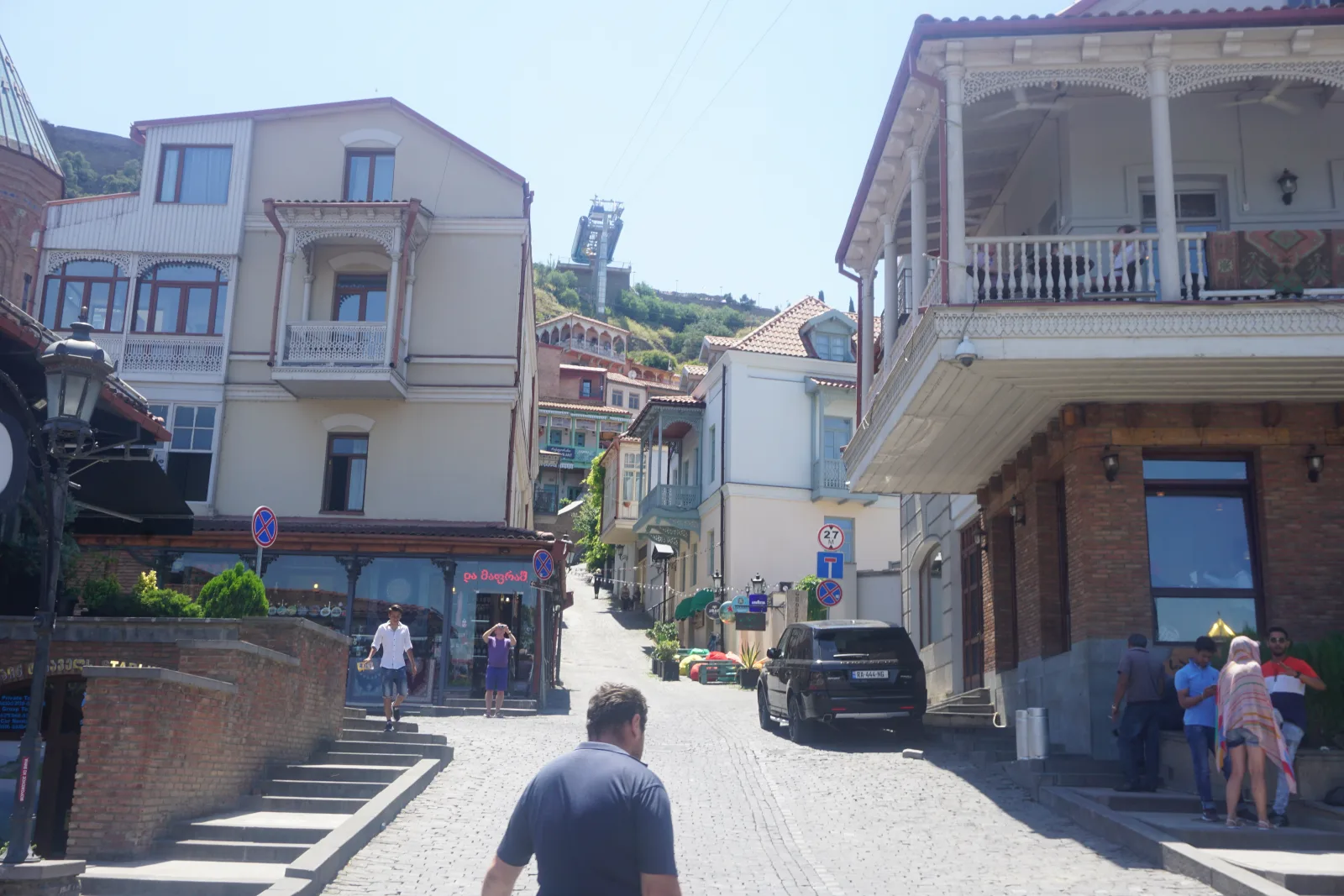
The Old Town is the stretch where Tbilisi takes on another scale: narrow streets, wooden balconies, facades from different eras, and a high concentration of restaurants, wine bars, and small shops. The interest here is less about "seeing a monument" and more about walking without haste, noticing the mix of medieval, neoclassical, Art Nouveau, and Soviet architecture, and choosing short detours when some alley seems promising. For a short itinerary, it's the kind of area that is more valuable as a route than as a single point.
Along the way, the Rezo Gabriadze Marionette Theater often catches attention with its clock tower, with misaligned blocks and deliberately crooked appearance. The tower is next to the theater and has a ritual that helps mark the time of the visit: every hour, a golden angel appears to ring the bell; at noon and 7 PM, there is the presentation of the "Circle of Life" inside the tower. If you want to watch the puppet theater, it's worth checking the schedule beforehand, as there are weekly sessions with limited seats.
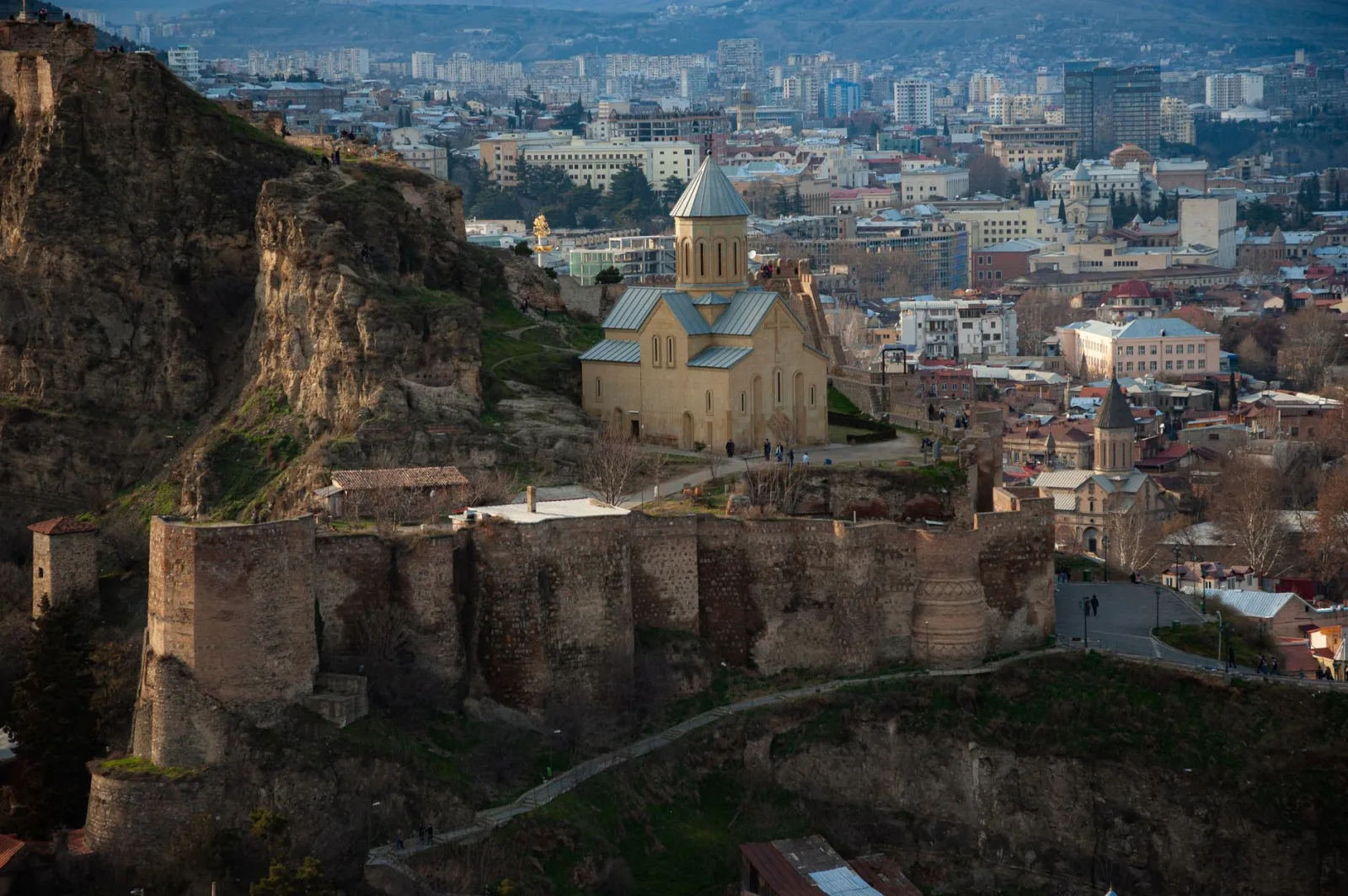
Further down, Metekhi Church offers one of the clearest points to understand the city from the river. The church is on a cliff, with a wide view of the bend of the Kura and the central area. It also serves as a visual stop because, from there, you can link the reading of the historic center with the climb up the opposite hill. Internal access is free, but the temple asks for discreet clothing; if you enter, keep that in mind.
Abanotubani and the Georgian Bathhouses close this circuit with a very distinctive mark of Tbilisi. The baths appear through the brick domes and concentrate an important part of the local identity, linked to the thermal waters that gave the city its name. For those with little time, the value of the stop lies in observing the semicircular roofs, the design of the buildings, and the logic of the neighborhood, rather than trying to turn everything into a long visit.
The viewpoints and monuments worth the climb
Narikala Fortress is a good spot to gain perspective of the city without relying solely on the street view. The climb can be done on foot, via a steep trail of about 20 minutes, or by cable car in a few minutes from Rike Park. The fortress is free, so the cost is in the access, not the entrance.
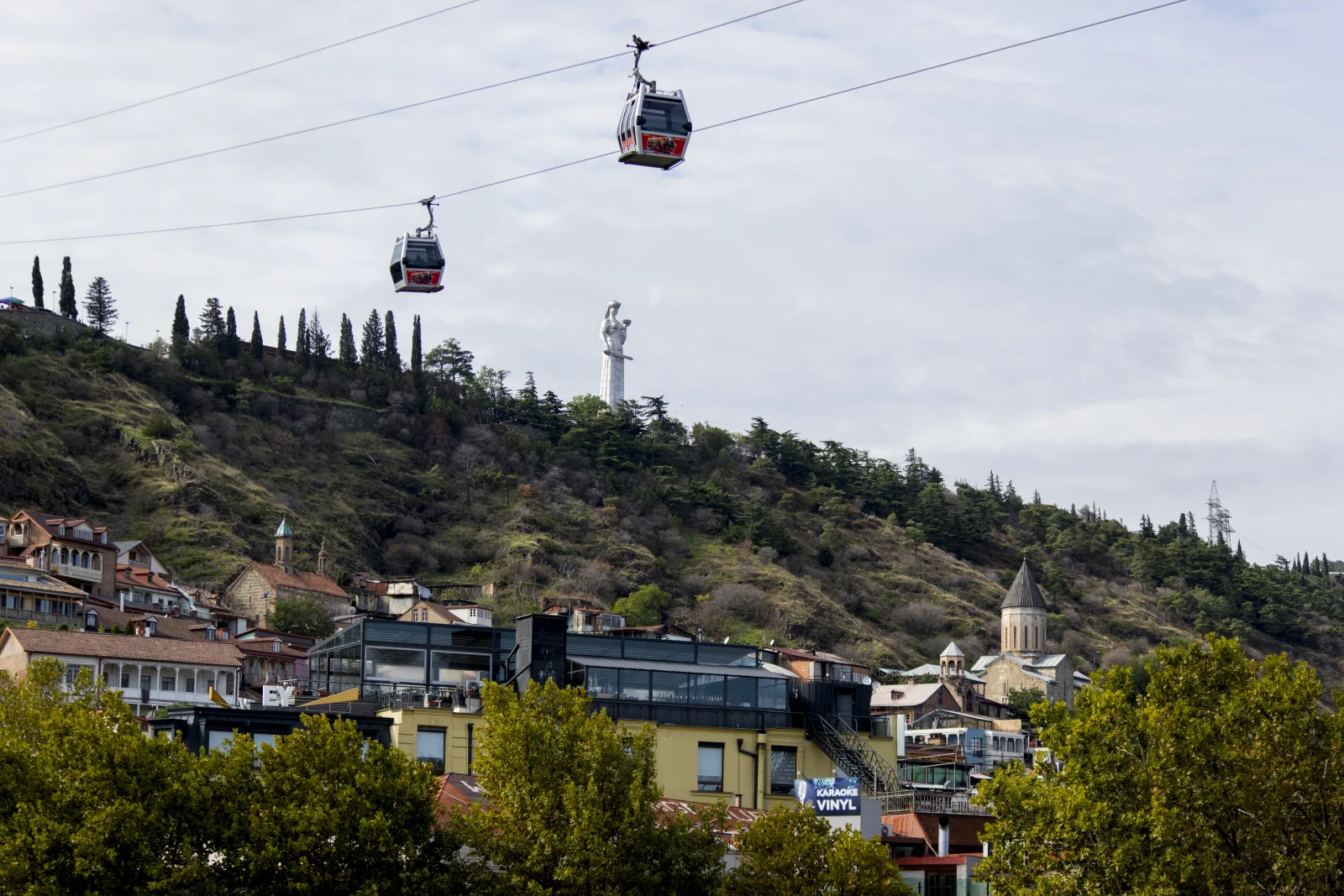
The same logic applies to the Mother of Georgia, atop Sololaki Hill. Walking only makes sense if the climb is part of your itinerary; otherwise, the cable car is more efficient. The ticket costs 2.5 GEL per person and the MetroMoney card necessary to use the system costs an additional 2 GEL, with purchase at the sales point in front of the cable car and payment in cash. From there, the view opens up over the center and the river, and the best frames usually appear when you move a bit away from the statue.
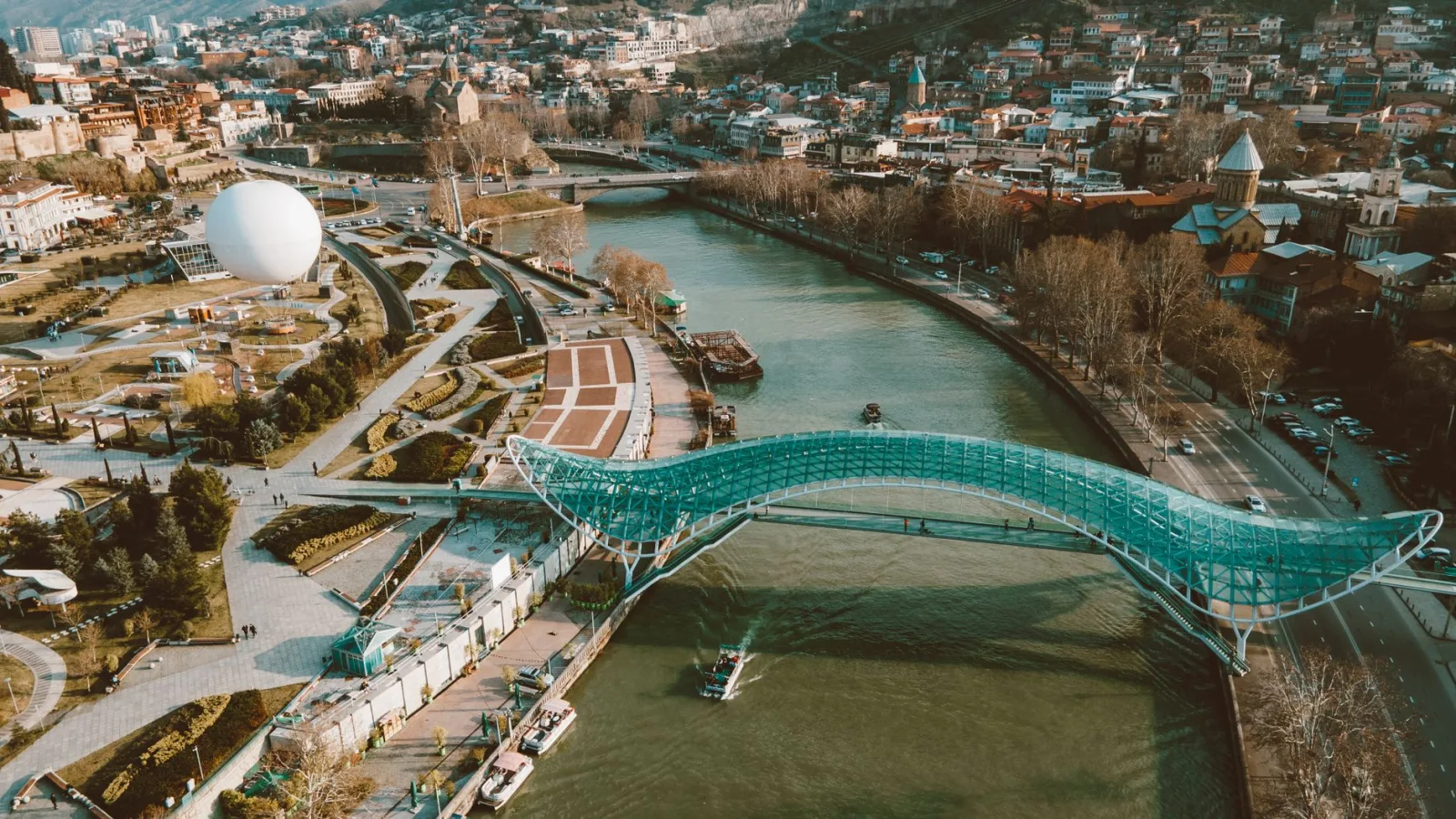
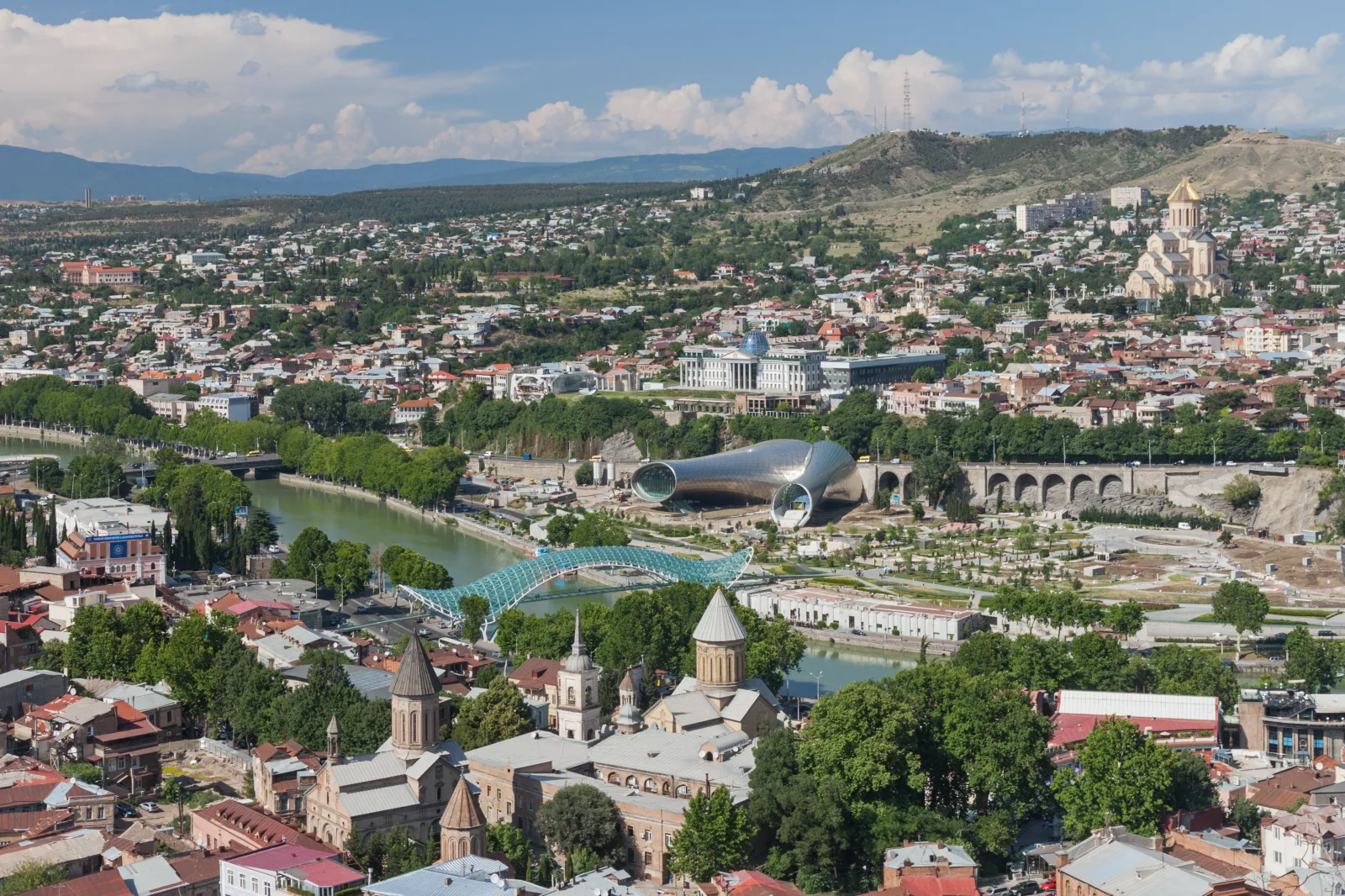
The Bridge of Peace serves as a link between the old part and the newer area of the city, and it's worth crossing on foot to read the urban ensemble from two sides. As night falls, the lighting changes the aspect of the bridge and offers a different reading of the same axis between the historic center and Rike Park. The Tbilisi Holy Trinity Cathedral, on the other hand, requires a walk of about 30 minutes from Rike Park, but a taxi makes more sense if you want to save energy. The surrounding area allows you to observe the ensemble calmly, without rushing to enter and exit.
The Chronicles of Georgia is located outside the center and works better as a dedicated taxi trip. The complex is free and access involves stairs, so the interest here is as much in the viewpoint over the Tbilisi Sea as in the scale of the columns. If the visit fits at the end of the afternoon, the light helps a lot with the reading of the monument and the surrounding landscape.
Where to Connect with Local Culture Beyond Tourist Spots
Seeing Tbilisi outside the axis of monuments helps to understand how the city functions day to day. In Vera, for example, the reading changes: residential streets, discreet cafés, and buildings from different eras give the neighborhood a less touristy pace, good for walking without a set itinerary and observing balconies, inner courtyards, and facades that mix distinct periods of the city.
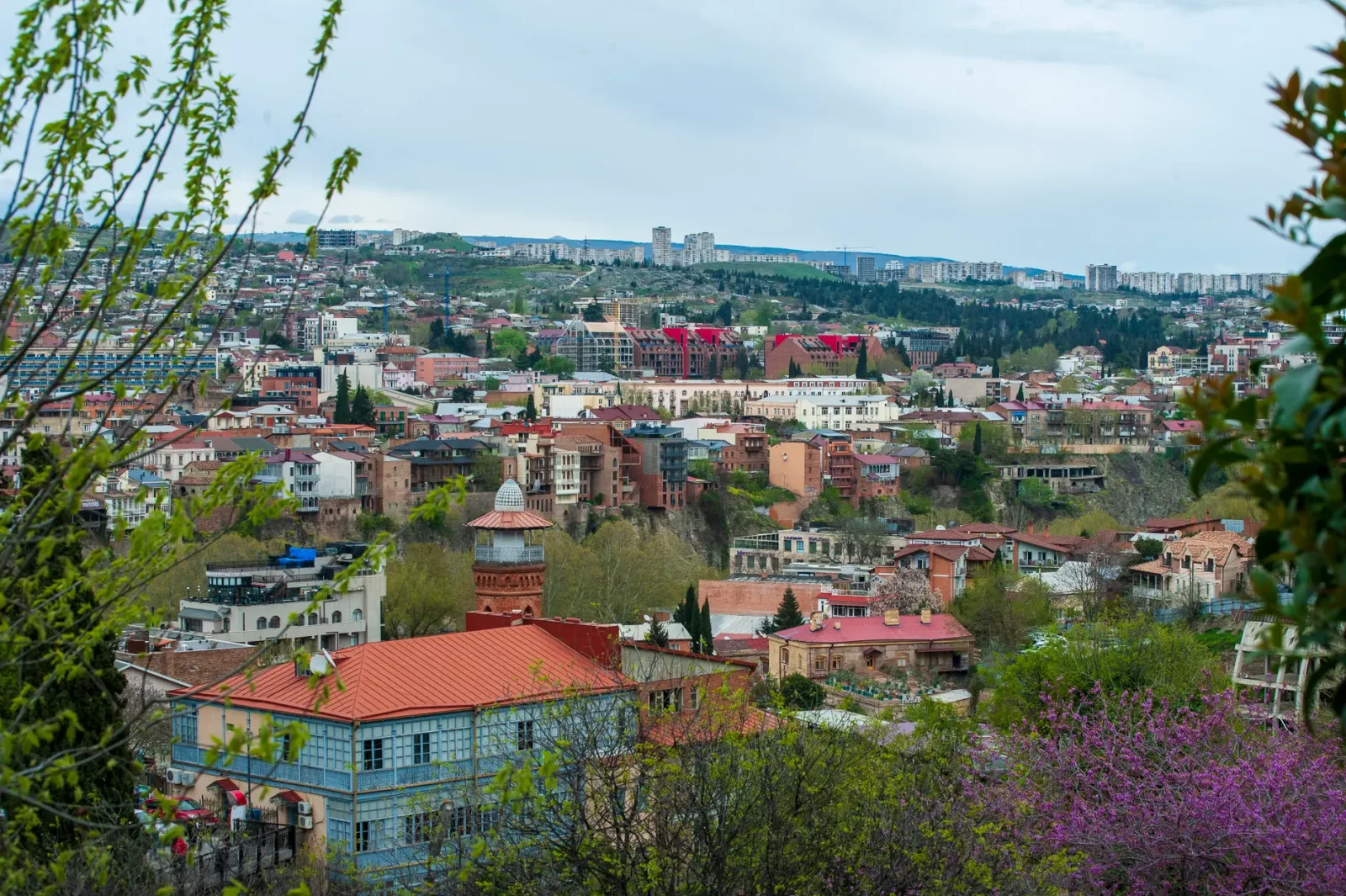
Cultural life appears well in spaces linked to the work of Rezo Gabriadze. The puppet theater and the tower next to it have interest not only for the design but for the type of use they attract: people who stop to look, groups waiting for a session, and visitors who end up staying longer than they planned. It's a small spot, but it helps to see how art and public space mix in Tbilisi without needing a formal visit.
Another good snapshot is in the streets of Old Town that escape the more obvious route. There, the architecture doesn't follow a single line: sections with worked wood, neoclassical buildings, Art Nouveau forms, and Soviet blocks appear in the same path. What's worth observing is less an isolated building and more the sequence of houses, courtyards, and passages that still preserve a human scale. If you like to walk without hurry, this type of street delivers more of the city than a list of points marked on the map.
What to Eat and Drink in Tbilisi
Khinkali usually appears as a main dish, not as a snack. The key is the broth that stays inside the dough, so the right way to eat it is carefully, to not lose the liquid on the first bite. Badrijani and pkhali work well as starters: the first one has eggplant with nut paste and garlic; the second usually varies between vegetables and leaves, also with nuts. Khachapuri is the most obvious option for those who want something more substantial, with bread and cheese in versions that can come with butter and egg. If you are putting together a short meal, these four dishes cover the local repertoire well without needing to leave the basics.

Georgian wine appears in the daily life of Tbilisi in wine bars and cellars scattered throughout the side streets, and it is worth paying attention to these smaller places, not just the most obvious addresses. Karalashvili Wine Cellar works well for those who want an organized tasting, with guided glasses and cheeses; it is the kind of stop that requires a reservation if you want to guarantee a place. Sakhli N11 is more straightforward for drinking something at the end of the day, with an outdoor area. Grilisi Bar, near the Mother of Georgia, compensates with the view and makes sense if you want to combine a drink with the landscape after the climb. In Tbilisi, wine is not just a dinner accompaniment, but a natural part of going out.
For a meal with a view and more complete service, SEE360° Restaurant Tbilisi is the clearest address among those mentioned: food, panorama, and live music in the same place. Kneina, in the Old Town, was marked by the outdoor table, the local food, and the homemade wine, with space for dishes like trout. Khinkali Collection is the most objective choice if the priority is to try khinkali with more attention, including vegetarian and pescetarian versions. These places cover three distinct intentions well: sitting down to eat calmly, trying local cuisine in a more casual environment, or going straight to the dish that defines the city.
How much does the basics cost in Tbilisi and how to pay on a daily basis
Have some cash on hand. In Tbilisi, card works for most expenses, but there are places where only cash works. ATMs are available throughout the city, although some impose a withdrawal limit of 400 GEL, so it's worth considering this if you want to have a margin for smaller expenses without depending on multiple withdrawals.
The cost that appears most clearly on a daily basis is the cable car to the Mother of Georgia: 2.5 GEL per person. To use it, you need the MetroMoney card, which costs 2 GEL. The card and the ticket are purchased at the sales point in front of the system, with payment in cash, so this is a case where going without notes can hinder the logistics of the ascent.
If you plan to use the cable car more than once or combine trips that depend on the system, buy the MetroMoney with the idea of reusing it. This avoids stopping twice at the same counter and makes it easier when the visit fits in sequence with other highlights of the city.
To control the budget without guessing values, think of Tbilisi as a city where variable spending usually appears in punctual transportation and smaller consumption paid on the spot. What needs to be checked at the time are prices of attractions and services that change over time; what is useful in advance is knowing that physical money still makes a difference and that the cable car card is a separate expense from the ticket itself.
Day trips from Tbilisi that make sense in the itinerary
Mtskheta fits into the itinerary when you want a short trip that complements your stay in Tbilisi without requiring heavy logistics. The city works well as a half-day or full-day trip, especially if the idea is to see one of the oldest historic centers in Georgia without leaving the capital's orbit. For those with few days, it is usually the easiest extension to fit in.
Kakheti requires a different pace. The region makes sense if the trip includes wine with more attention and time to explore outside the capital. Instead of treating the trip as just another displacement, it's worth thinking of it as a day dedicated to the country's wine-growing interior. If the itinerary is already full of viewpoints and historic centers, Kakheti fits better when you want to change the focus of the trip without changing your base.
Kazbegi is the option for those who accept a longer journey in exchange for mountain scenery and roads that are already part of the experience. It's not the kind of day trip you fit in on impulse between two commitments in the city. It works better when you have a full day to spare, or when the stay in Tbilisi was planned with enough leeway for a more ambitious trip.
If you're planning the itinerary, the most practical order usually is simple: Mtskheta for little time, Kakheti for wine, Kazbegi for the mountains. The choice depends less on "doing everything" and more on leaving the capital as a base and going out with a clear objective each day.
Frequently asked questions
How many days are enough to visit Tbilisi?
For the first visit, 2 to 3 days are usually enough to see the historic center, the main viewpoints, and make leisurely stops. If you want to use the city as a base for excursions, 5 days is more comfortable.
Where is the best place to stay in Tbilisi?
The Old Town is the most practical option for most short itineraries, as it facilitates exploring on foot and reduces the need for transportation. It is the most convenient area for those who want to easily get around the center.
How to get up to Narikala Fortress and the Mother of Georgia?
You can hike up a steep trail or take the cable car from Rike Park. The cable car requires a MetroMoney card, which costs 2 GEL, and the fare is 2.5 GEL per person.
What typical dishes are worth trying in Tbilisi?
Khinkali, khachapuri, badrijani, and pkhali are good choices for a first meal. They well cover the local repertoire between more complete dishes and appetizers.
What day trips make sense from Tbilisi?
Mtskheta is the easiest option for a half day or full day. Kakheti is better for those who want wine, and Kazbegi works when there is a full day available for the mountains.