São Paulo: how to get there, when to go, where to stay and how to get around
How to Get There - When to Go - Where to Stay - How to Get Around in São Paulo: choose the airport, the best time, and the ideal base for your trip.
How to get to São Paulo
Getting to São Paulo usually starts with Guarulhos, the city’s main international airport and the one most used by travelers arriving on long-haul flights. Congonhas is closer to the central area and usually concentrates domestic flights. Viracopos, in Campinas, appears as a relevant alternative for some flights and may make sense if the route and fare are better for your itinerary.
If you land in Guarulhos, there is a shuttle bus transfer connected to central points in the city, as well as urban buses with a connection to Tatuapé station. There is also the option of transfer between airports, useful when arrival and departure do not happen at the same terminal. In all of these cases, it is worth confirming the exact boarding point and the operation on the day, because this may change.
To choose the arrival airport, first think about your overall logistics. Congonhas is usually the most practical gateway for those who will continue traveling within the city or need a domestic leg. Guarulhos tends to concentrate more international connections. Viracopos comes in as an alternative when the flight network offers a better fit.
When to go to São Paulo
São Paulo calls for attention to the calendar because of the rain. Summer concentrates the precipitation, and January is usually the rainiest month, with a higher risk of flooding and heavier traffic on stormy days. If your priority is getting around with fewer weather-related surprises, this period requires more room in your planning.
Between June and August, the weather is usually drier. August stands out as the least rainy month, which helps those who prefer to walk more and reduce the chance of delays due to rain. Winter is milder, with averages around 12°C to 22°C, while in summer the range rises to about 19°C to 28°C. Even so, the perceived temperature varies quite a bit from one day to the next.
Altitude also affects the experience. The city does not usually have stifling heat all the time, and evenings and early mornings can feel colder than the thermometer suggests. If you are sensitive to sudden temperature changes, it is worth checking the forecast close to your trip and thinking about light layers, because the same day may call for summer clothes and a warmer piece later in the afternoon.
Editorial transparency: Some links on this page are affiliate links. We may earn a commission at no extra cost to you. This does not influence our recommendations.
Where to stay in São Paulo
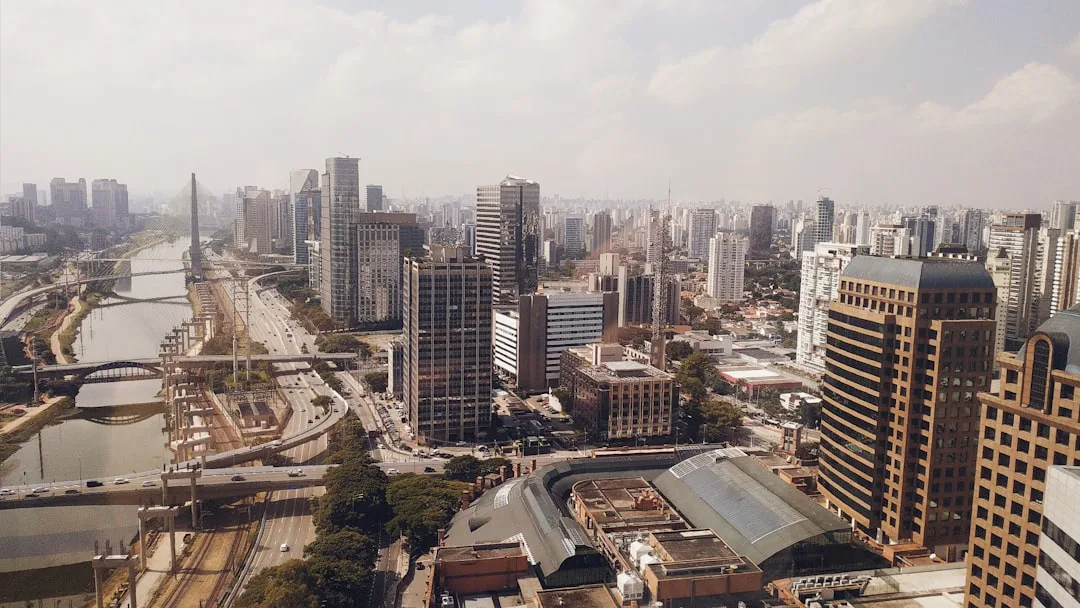
São Paulo’s hotel network is extensive and works according to location logic. If the priority is staying close to corporate and service areas, neighborhoods like Paulista, Jardins, Faria Lima, Vila Olímpia, and Moema usually make more sense. Those traveling for events also tend to look at the Expo Center Norte area and nearby areas around Congonhas, because choosing the right base matters more than distance on the map.
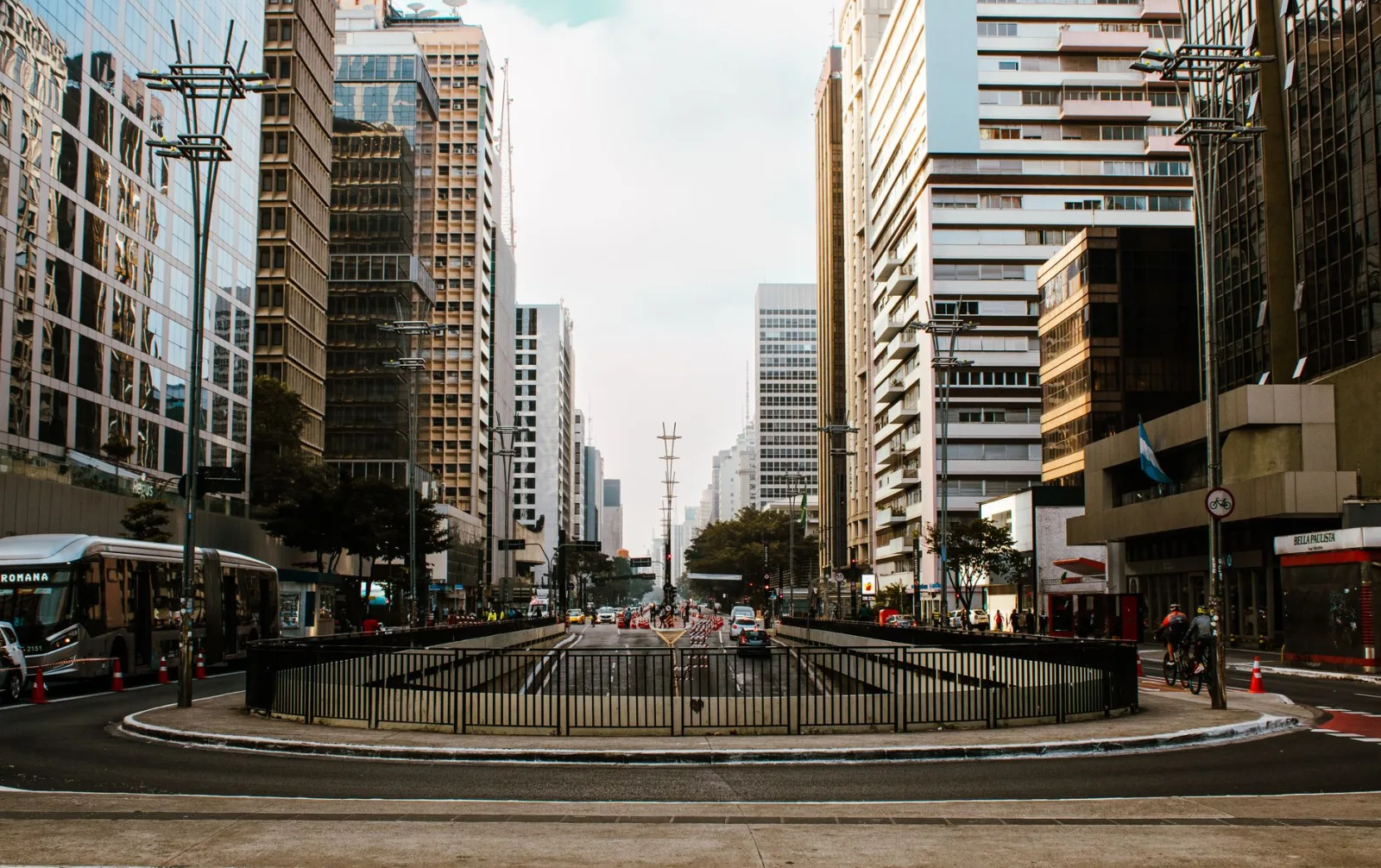
For higher-end accommodations, the city has concentrated options in the most sought-after areas and along well-infrastructure corridors. If the goal is to balance daily rate and location, it’s worth paying close attention to well-positioned hotels rather than focusing only on the neighborhood name. In São Paulo, this usually makes a bigger difference than in smaller destinations, because the city is spread out and the right address saves time in your routine.
Hostels and more economical options are also part of the mix, especially for those staying only a few days and wanting to spend less on lodging. In this case, the most useful criterion is simple: choose your base according to the reason for the trip. Paulista and Jardins work well for those who want easy access to a central part of the city; Vila Olímpia, Moema, and Faria Lima help those focused more on business; Ibirapuera and Congonhas usually appeal to those who need to stay close to specific commitments.
If the trip is tied to a fair, congress, or a one-off schedule, booking near the event venue usually matters more than looking for the “most famous” neighborhood. In São Paulo, the difference between choosing the right or wrong accommodation shows up in daily commuting, and that weighs more than in a compact city.
How to get around the city
The subway is the most predictable way to cross central areas and connect regions of interest without depending on traffic. In many stretches, it handles most of the trip; in others, you can finish it by bus or taxi, especially when the origin and destination are not on the same route.
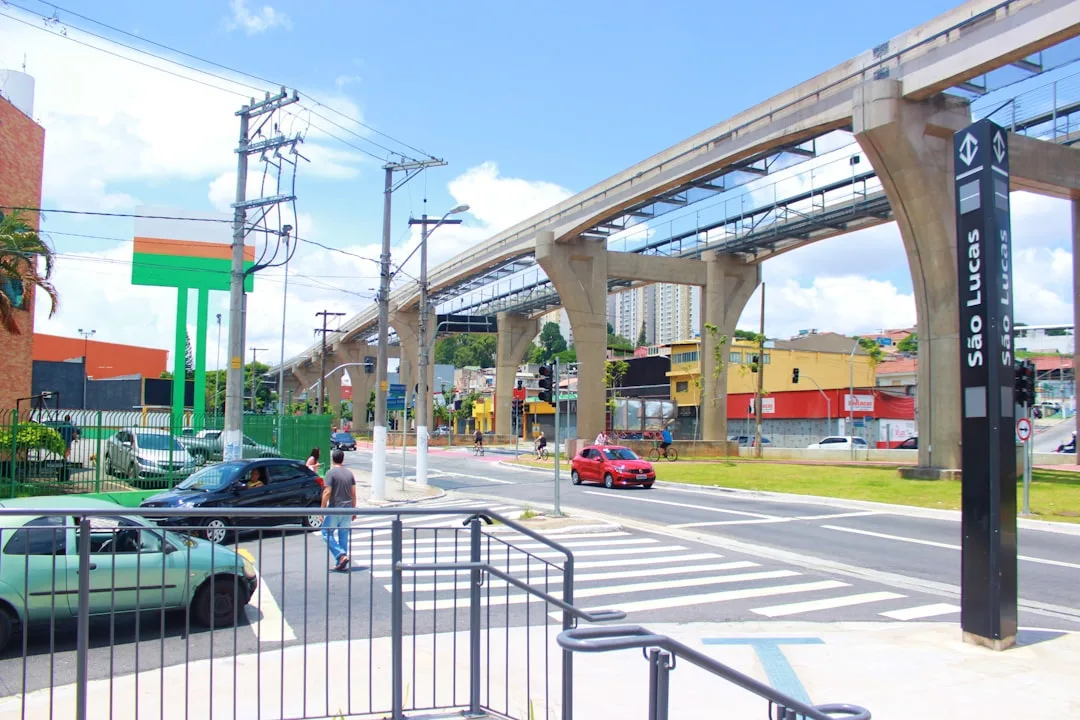
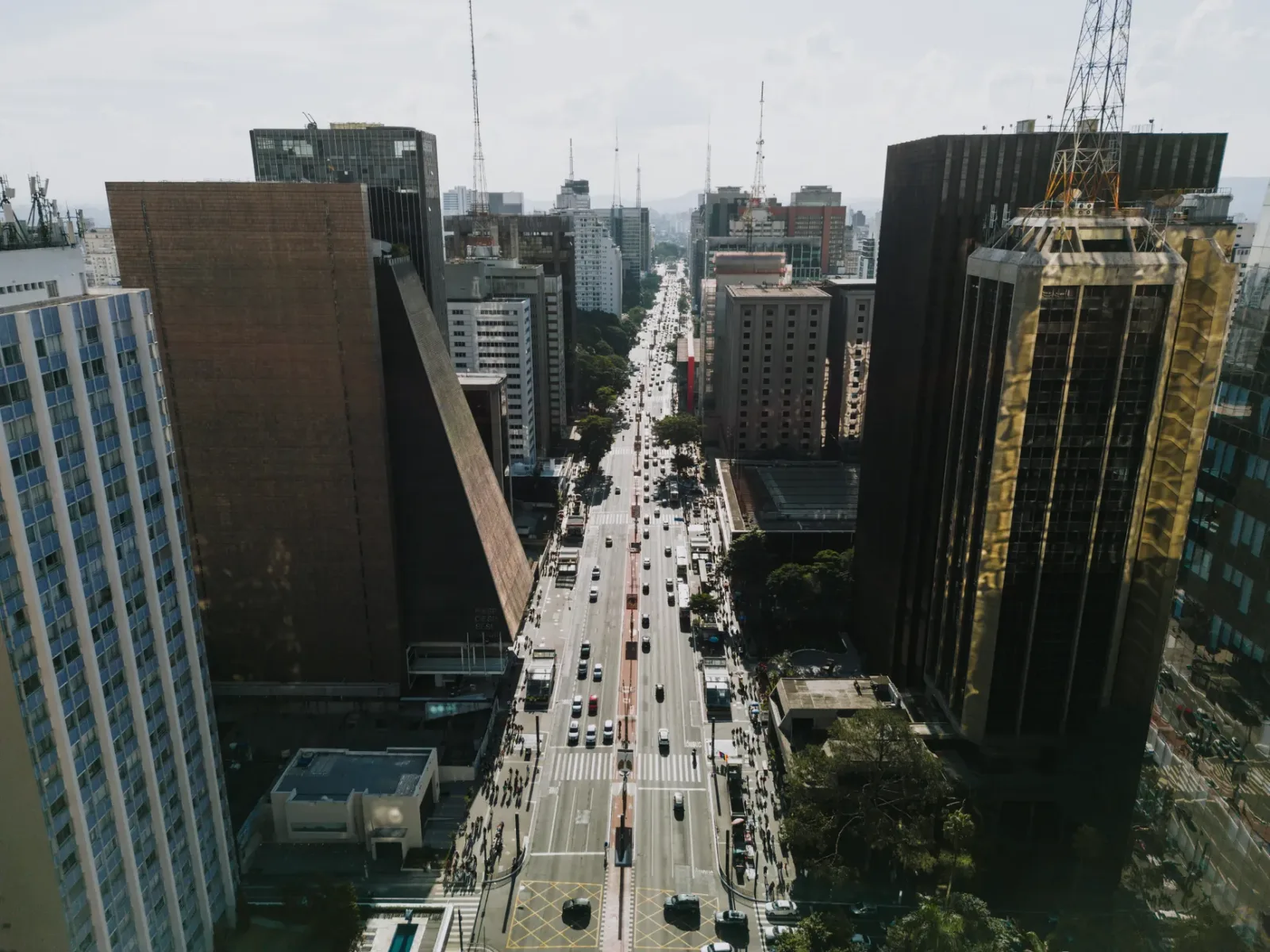
Buses cover the city more broadly, but they require more patience and attention to the direction of travel. To get your bearings, Avenida Paulista works as a practical reference: many people use this axis to understand which side of the city they are on and to decide the best combination of lines. The region-colored signs help with this reading, because they indicate direction more simply than a map open on your phone in the middle of the street.
A taxi works well when the trip is short, on a tight schedule, or between central points where changing modes is not worth it. In São Paulo, this kind of journey may seem simple on the map and end up more cumbersome on the street, so it is worth comparing time and comfort before leaving.
If you are moving between central areas, think less in terms of “one ideal line” and more in terms of route fit. On well-connected stretches, the subway is enough. When the route moves away from this axis, buses and taxis make a real difference in the pace of the day.
What to Do in São Paulo
Avenida Paulista concentrates an important part of the city’s sightseeing circuit. MASP is there, and around it, Parque Trianon and Casa das Rosas help make up an easy stretch to combine on the same day. For those who want to understand São Paulo’s cultural pulse without crossing the entire city, this axis is usually the most direct starting point.
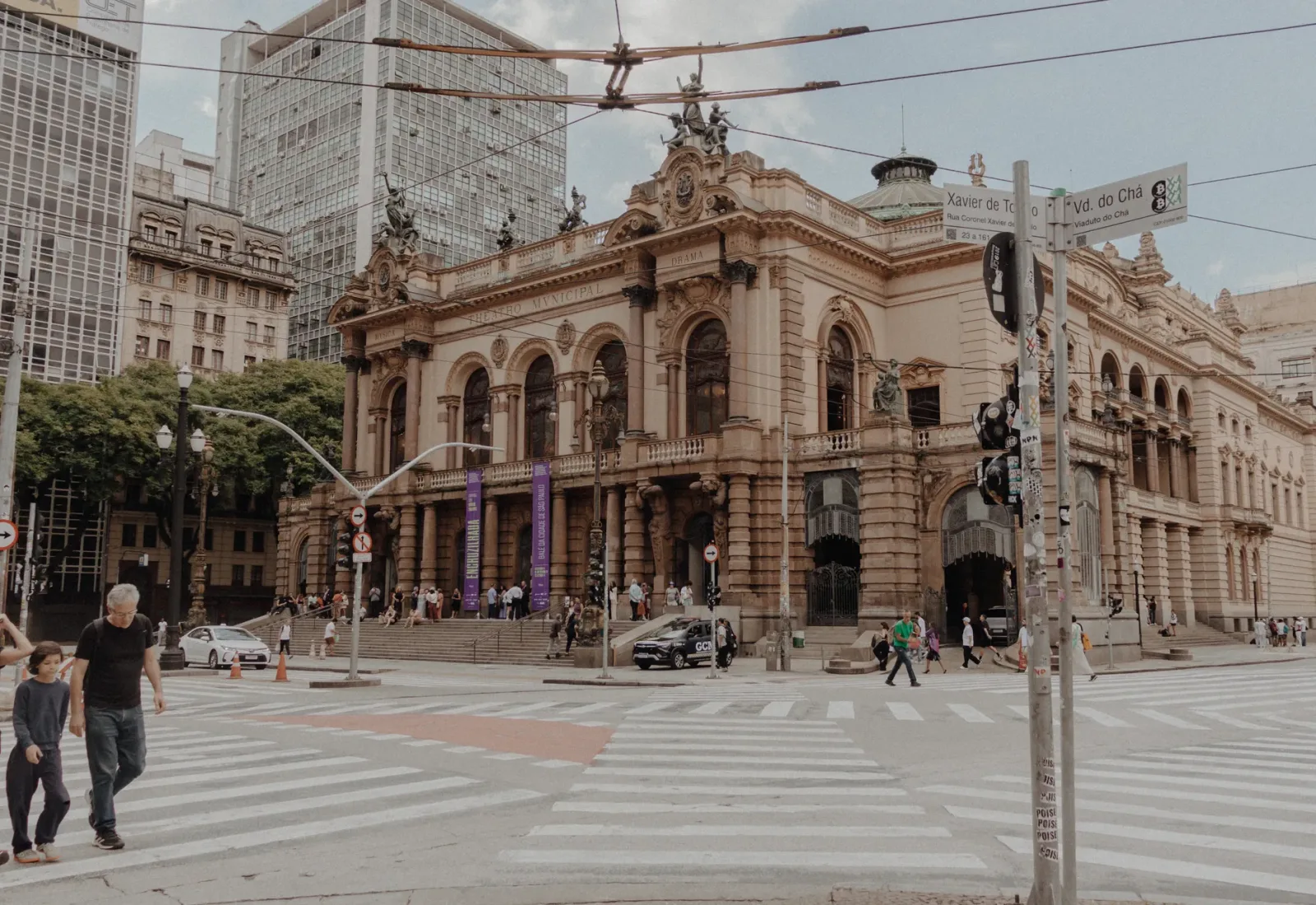
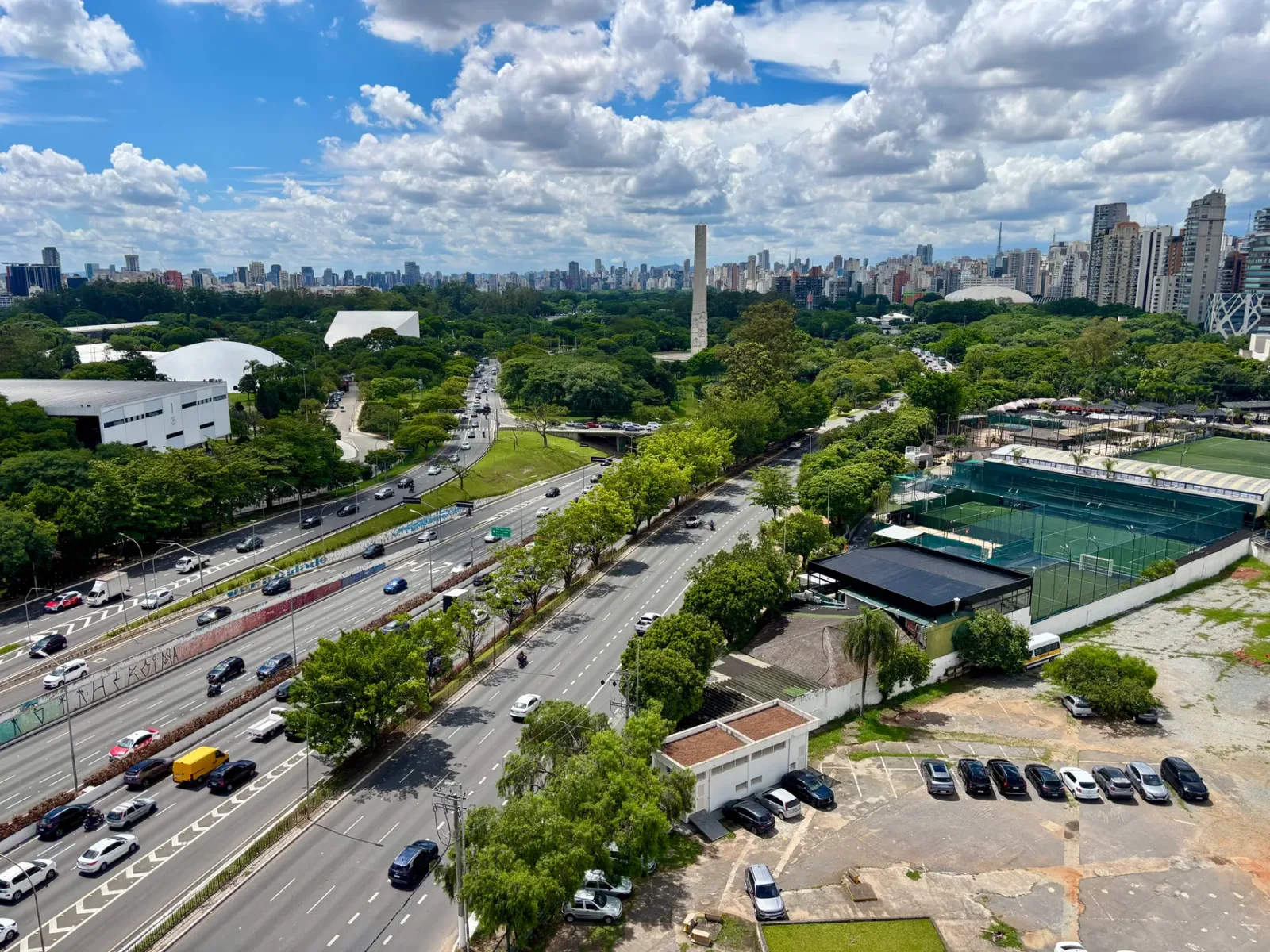
Parque Ibirapuera is included for another reason: it is the clearest address for fitting parks, museums, and outdoor walking into the same itinerary. In the central area, Edifício Martinelli and Prédio do Banespa also stand out for those who like to observe the city through architecture and urban history. If the idea is to alternate shopping and street movement, Mercado Municipal, 25 de Março, Oscar Freire and Augusta help nicely illustrate this contrast between popular commerce, higher-end retail, and a busier urban life.
Those traveling with children also tend to look at the zoo and the parks, which work well when the schedule calls for longer breaks. The city also has museums, cultural centers, stadiums, and a festival calendar throughout the year, so it is worth checking the schedule before your trip if you want to include a specific event. In São Paulo, the best way to structure a visit usually depends less on “seeing everything” and more on choosing one area per day.
Where to eat in São Paulo
The most direct place to try São Paulo cuisine is the Mercado Municipal de São Paulo, the “Mercadão”. There you’ll find the setting most associated with the city’s food, with snacks and dishes that help you understand the local taste without having to look far.
Among the classics, it’s worth going for the Bauru, the mortadella sandwich, virado à paulista and picadinho. These are quite different preparations: the Bauru leans toward the sandwich side, the mortadella sandwich is more filling, virado à paulista is closer to a prato feito, and picadinho usually comes as a full meal. If you want to compare what São Paulo eats day to day and what has become famous among visitors, these four already give you that snapshot.
To start the day, the most traditional combination at a bakery is still pão na chapa with pingado. It’s a simple, quick order and one closely associated with the local routine, useful when you want to eat without complications and move on. If the idea is to try something very São Paulo without putting together a food itinerary, this duo does the job well.
If you have little time, focus your choice on two stops: Mercado Municipal for the best-known dishes and a bakery for pão na chapa with pingado. That covers the essentials of São Paulo food well without spreading the trip too thin.
How many days to stay and who São Paulo is best for
São Paulo works well for short stays, because the city lets you build the trip in blocks. With two or three days, you can already feel the real weight of the destination without trying to cover everything, which here almost always turns into a rush. For those with more time, four days or more start to make a difference in the experience, because the city calls for choices: one day for culture, another for shopping or business, another for more open-air outings.
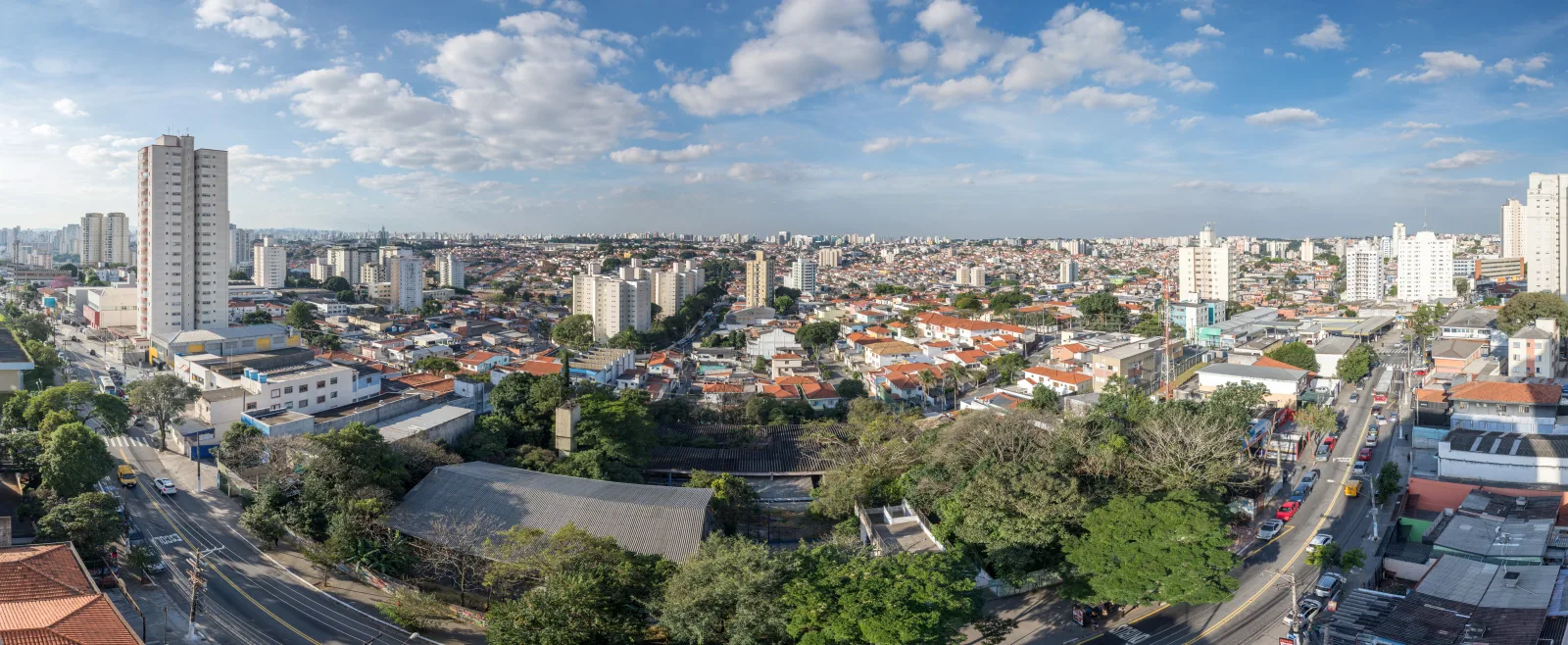
Couples usually enjoy the city when they want to combine cultural activities, gastronomy, and urban life in the same itinerary. Families also find good room here, especially when the trip is planned with breaks and without the pressure of “seeing everything.” São Paulo tends to work best for those who accept trading the idea of a concentrated outing for a more selective slice, with travel time and pauses between one point and another.
If the trip is for work, a trade fair, an event, or a meeting, São Paulo delivers even in a short window. The city is too big to be treated as a stopover destination without criteria, so what helps most is defining the main reason for the visit before finalizing the days. Those who return other times usually notice this quickly: the city changes enough to justify new visits, but each trip gets better when it has a clear focus.
If you want a looser fit, think of São Paulo as a repeat destination, not a checklist destination. A short visit covers the essentials; a longer stay only makes sense if there is a real plan for using the time, because the city is much better suited to those who choose the right slice of the trip.
Frequently asked questions
What is the best airport to arrive at in São Paulo?
Guarulhos is the main international airport and usually concentrates long-distance arrivals. Congonhas is more practical for the central area and domestic flights, while Viracopos may make sense depending on the route and fare.
What is the best time to visit São Paulo?
Between June and August, the city tends to be drier, which makes getting around easier. January tends to be rainier and can bring a higher risk of flooding and heavy traffic.
Where is the best place to stay in São Paulo?
It depends on the purpose of the trip. Paulista, Jardins, Faria Lima, Vila Olímpia and Moema usually work well for those who want a good location and access to services.
How to get around São Paulo without relying on traffic?
The metro is the most predictable way to cross central areas and connect regions of interest. On stretches outside this axis, buses and taxis can complete the trip.
How many days should you stay in São Paulo?
Two or three days already allow you to get to know the essentials without rushing too much. With four days or more, it is possible to split the trip by themes, such as culture, shopping and business.