Santiago de Compostela: what to do, how to get there, where to stay, and when to visit
Guide to Santiago de Compostela with tips on the best time to visit, how to get there, where to stay, and what to do in the historic center and the market.
When to go to Santiago de Compostela
Santiago de Compostela usually works best outside the extremes. In winter, rain and cold make outings shorter and require more time indoors. In spring and early autumn, the city is more comfortable for walking, with less friction for getting around the historic center and fitting in outdoor visits.
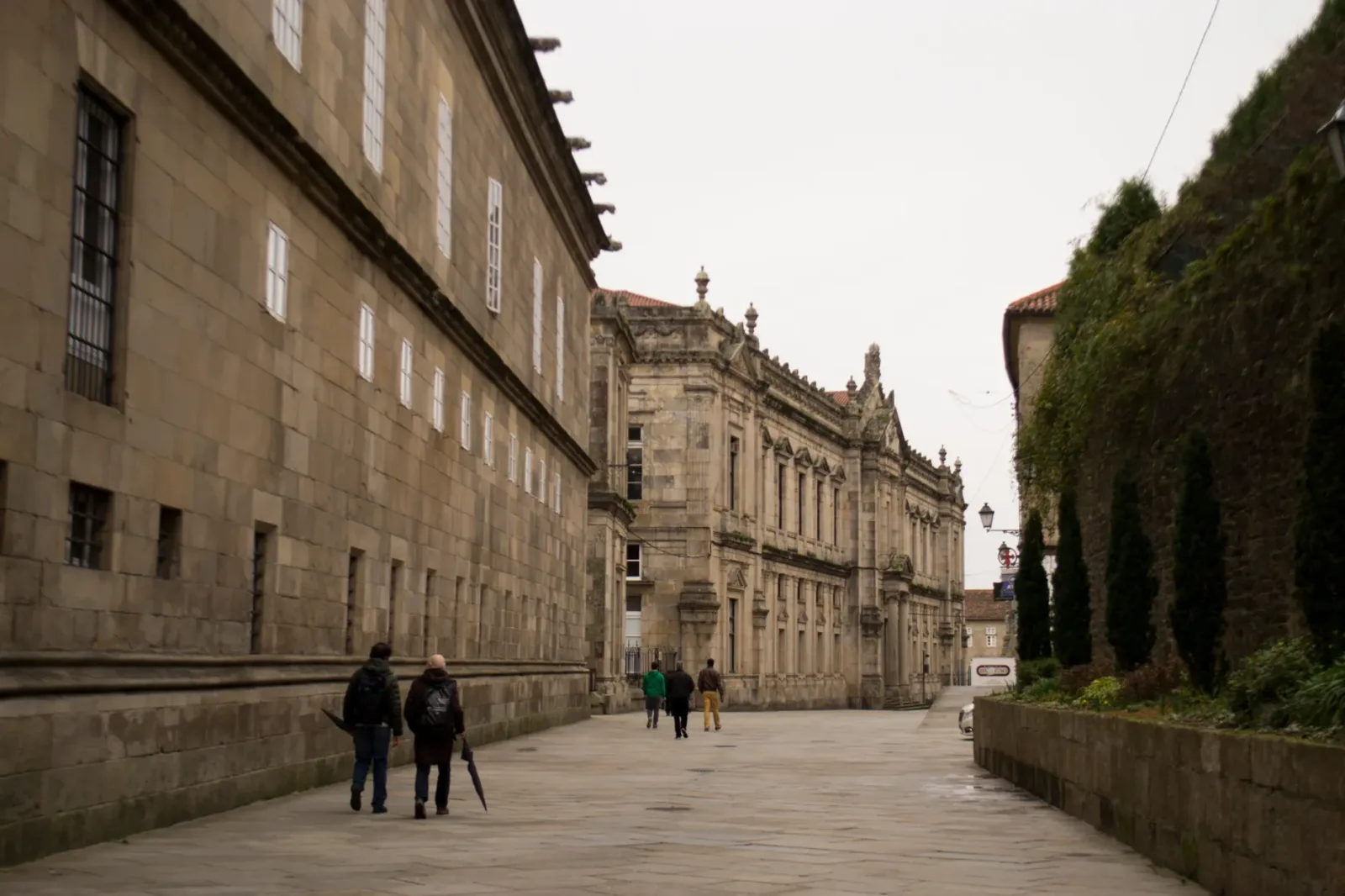
In June, the detail that changes the pace of the day is the light: sunset is very late, around 10:30 p.m. This extends the outing, delays dinner, and keeps the city active later in the late afternoon. If you like making the most of the streets until late, this month helps. If you prefer to end the day early, it’s worth considering this before planning the trip.
Rain matters more here than in destinations where you can improvise without losing much. In Santiago, it directly affects walks, breaks in squares, and especially visits that depend on open skies, such as the rooftop tour of the cathedral. When the weather turns, the city is still good for getting around, but the plan changes shape: anything under cover gains importance, and anything that depends on views and photos loses space.
If your priority is to do this kind of visit with more room for flexibility, it’s worth checking the forecast closer to the date and avoiding reliance on a single day. In Santiago, choosing the season also means choosing how much rain you want to deal with in your itinerary.
How to get to Santiago de Compostela
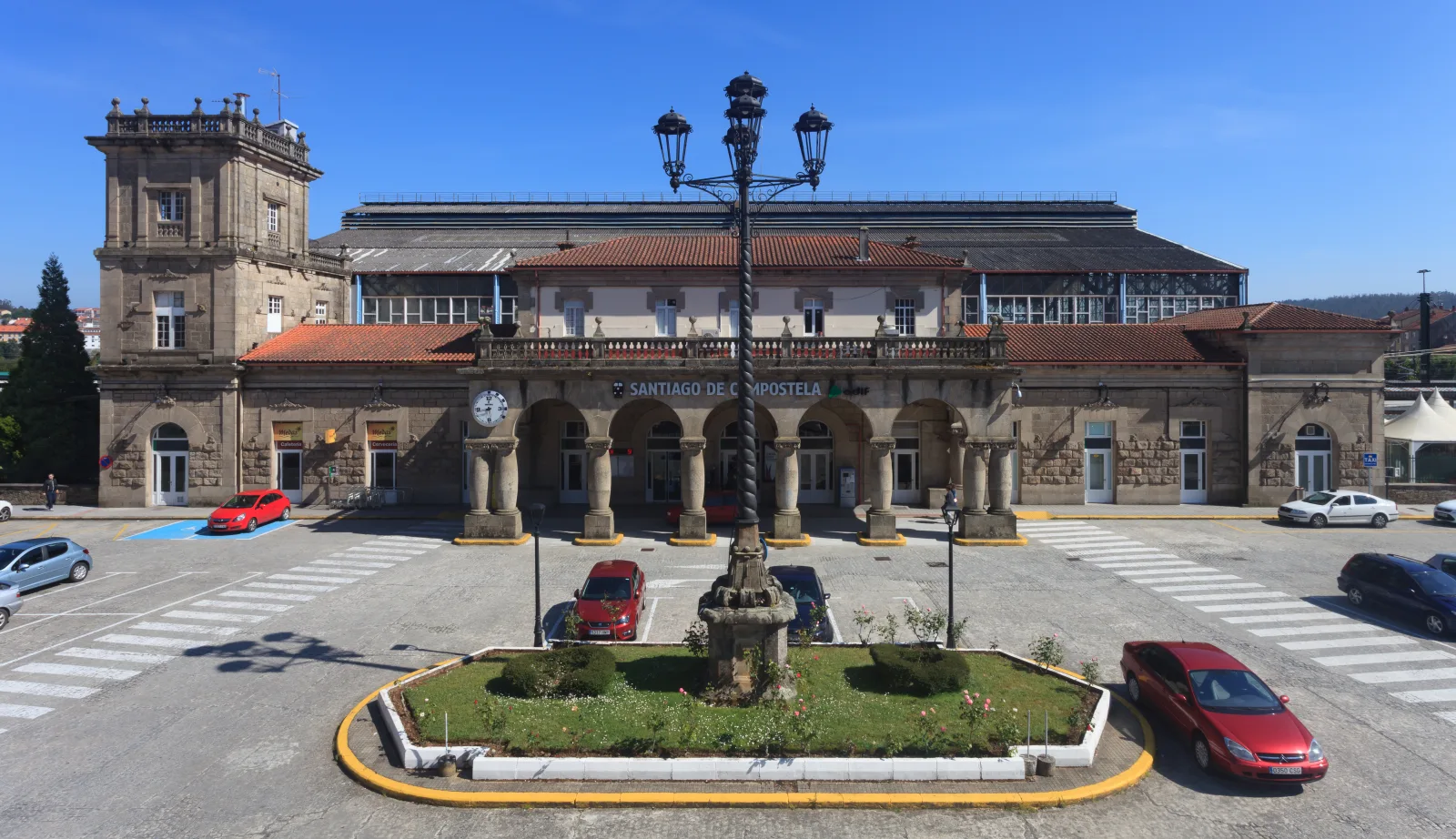
By train, Santiago de Compostela is connected to Madrid, with a journey of about 3h30. It is the most direct option among those mentioned for those who want to arrive without a car and already get off near the center.
By plane, the city has its own airport. To leave the airport and get to the center, use a bus or a taxi; if the idea is to avoid waiting, the taxi is the simplest solution, and the bus works for regular travel. Since the service may change, it is worth confirming the current setup before traveling.
By car, the city can be reached by road from other cities in the north and along the Atlantic coast. The drive from Porto takes about 2h30, and from Santander, about 5 hours. If you are going to cross borders with a rental car, confirm beforehand whether the contract allows this international travel, because some rental companies have restrictions.
Within the city, planning for the car matters less than in other destinations, since the historic center is closed to traffic. If your accommodation is on the more central streets, arriving on foot after parking is usually the most practical solution.
Editorial transparency: Some links on this page are affiliate links. We may earn a commission at no extra cost to you. This does not influence our recommendations.
Where to Stay in Santiago de Compostela
The accommodation offer in Santiago de Compostela is extensive for the size of the city, with options ranging from hotels and apartments to guesthouses and more basic lodgings. The factor that weighs most in the choice is the location: staying near the historic center and the cathedral saves time and keeps almost everything within a short walk.
If the idea is to get around the city on foot, it is worth focusing the search within walking distance of the center. Outside this area, you can still find alternatives, but the routine becomes less practical, especially if the trip is short or if you want to head out early and return without relying on transportation.
Prices vary considerably depending on the season. During periods of higher demand, daily rates go up and availability tightens; outside this peak, it is easier to find better rates and choose more calmly. Since this changes frequently, confirm the price at the time of booking and compare the location with what you really want to do in Santiago.
How to get around the city and its surroundings
The historic center of Santiago de Compostela is made to be explored on foot. Since the old area is closed to traffic, walking becomes the most practical way to leave the cathedral for the narrow streets, go in and out of the squares, and get around without relying on transportation for short trips. If you are staying nearby, this is the main argument in favor of the location: a lot of things are within real walking distance, without the need for a commute.
For covering longer distances within the city, the urban bus takes care of the basics. It helps when your accommodation is outside the old core or when you want to save time on journeys that do not make sense on foot. Even so, for visitors staying only a short time, the clearest advantage remains walking: the center is compact enough for most urban sightseeing to work that way.
Renting a car only starts to make a difference when the idea is to leave Santiago and reach the Galician coast or other areas outside the city. Within the center, it is more of a burden than a help, because traffic does not enter the historic heart and parking nearby becomes part of the plan. If you plan to combine Santiago with trips around the region, it is worth checking in advance whether the rental company allows crossing borders with the car, since this can vary from contract to contract.
What to do in the historic center
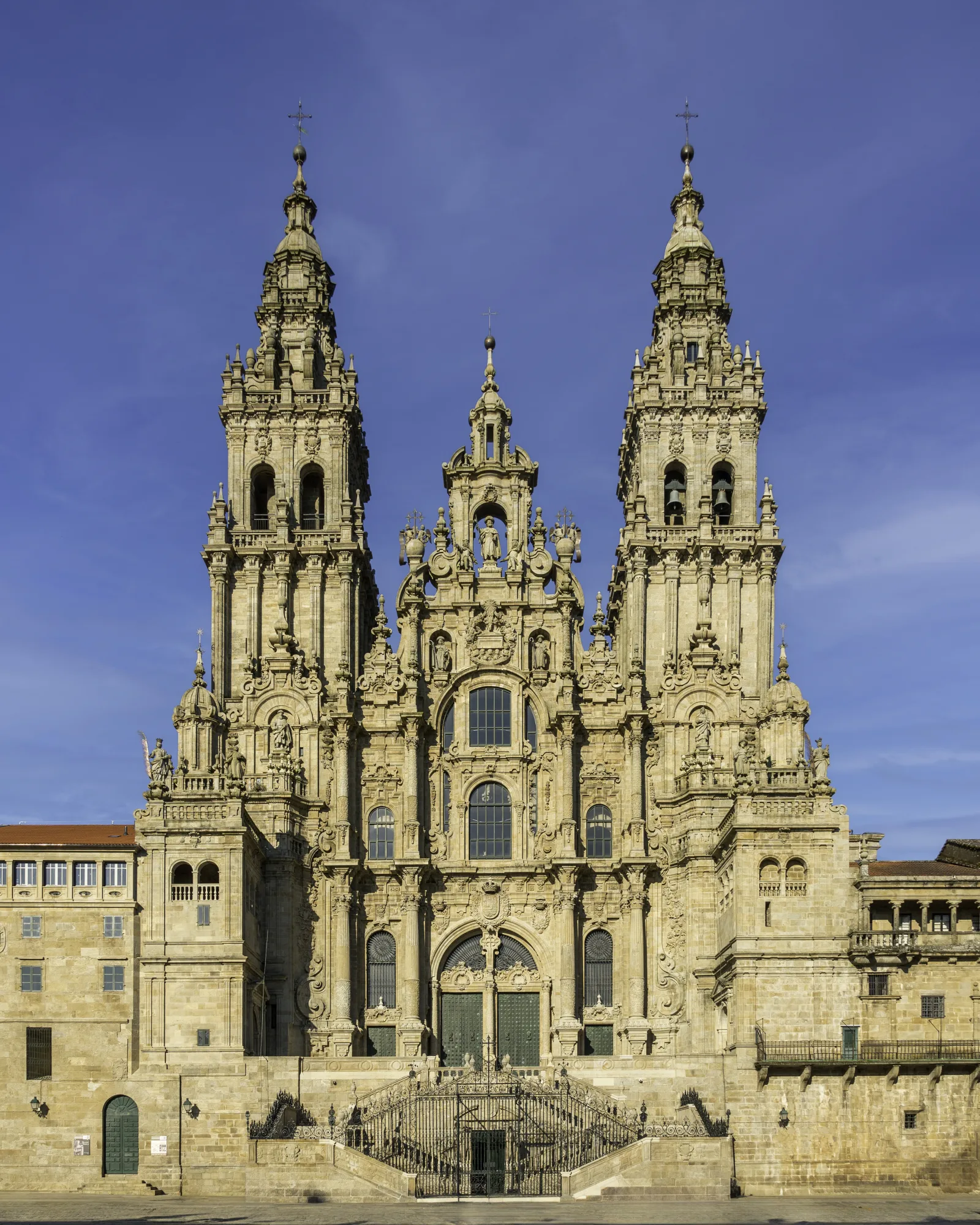
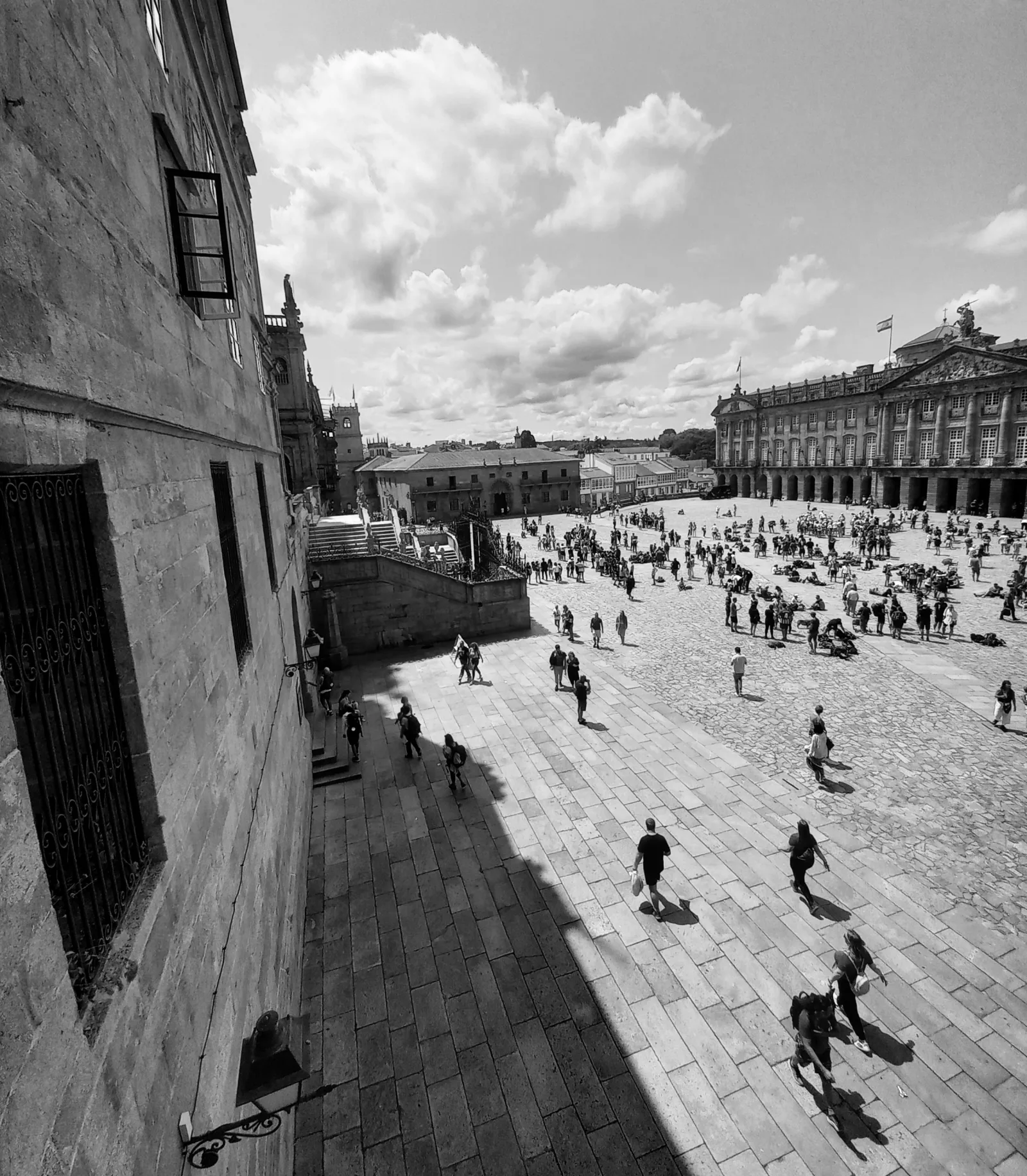
Praza do Obradoiro concentrates the most legible ensemble of the historic center: on one side, the cathedral; around it, the buildings that frame the square and give scale to the place. It is there that you realize how the old core was organized around this axis, with the passage between the buildings and the square functioning almost as a summary of the city.
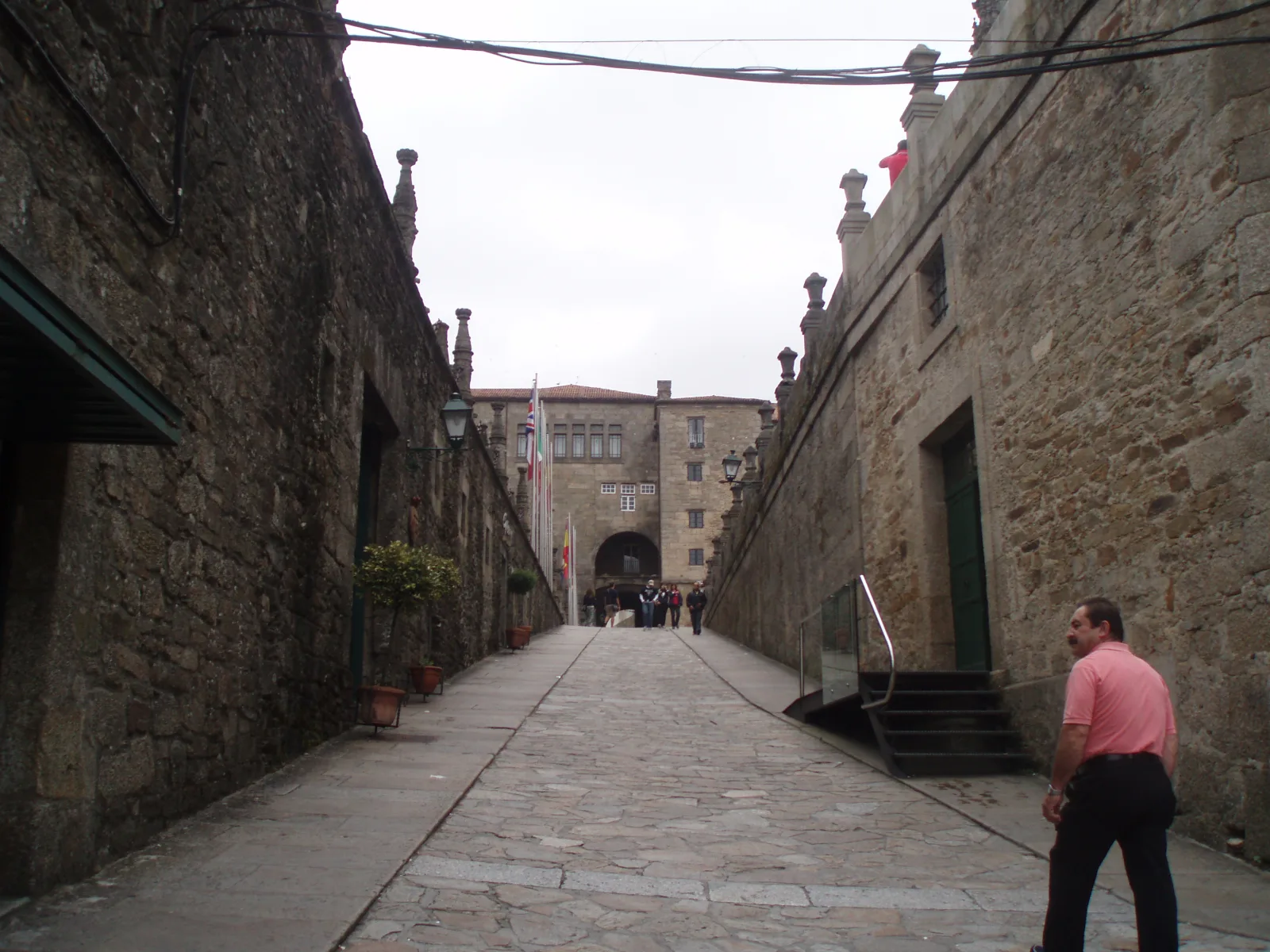
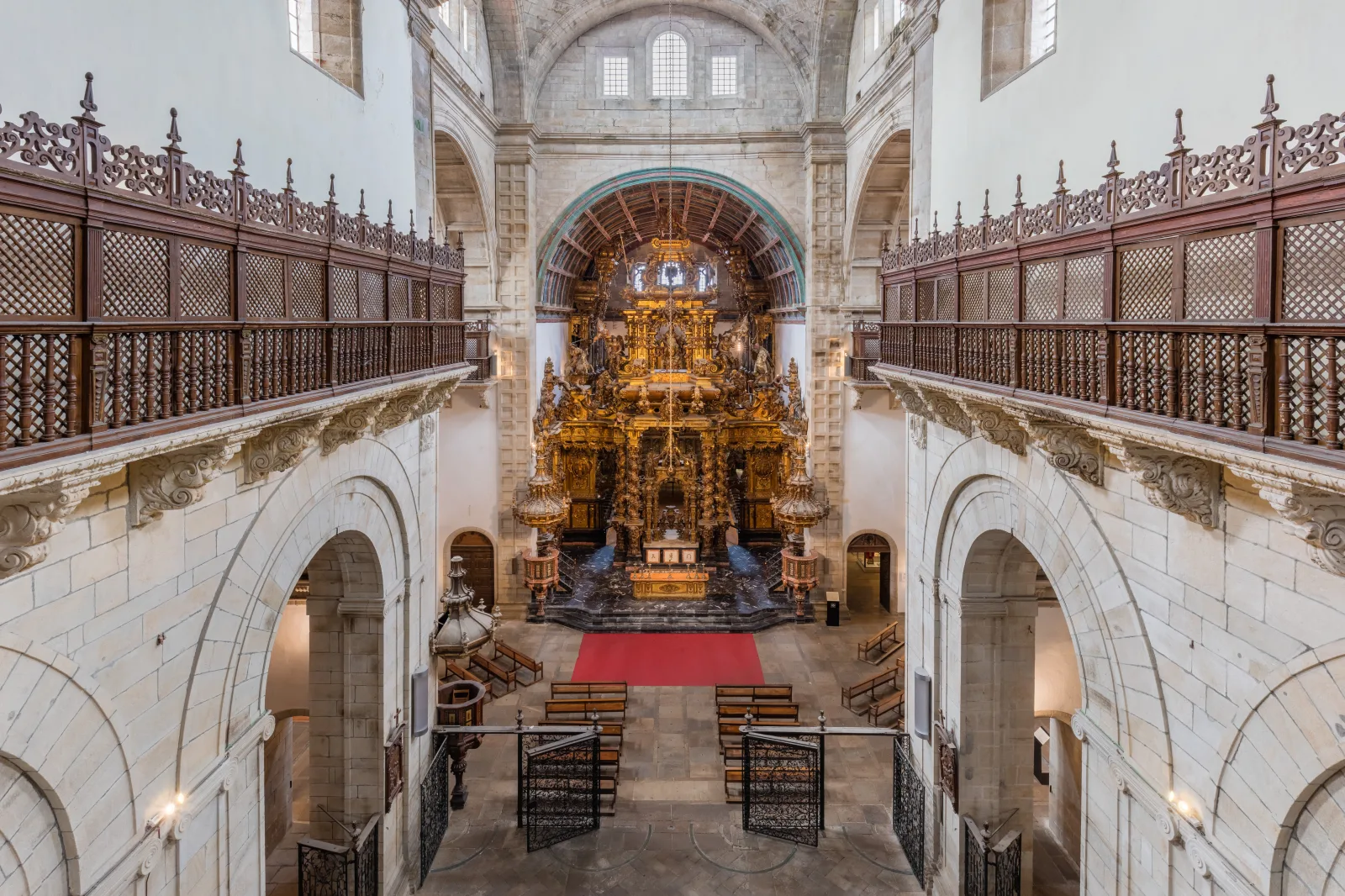
The Cathedral of Santiago de Compostela is the visit that structures everything else. Entry to the church is free, but some areas require a ticket, and the rooftop visits are the ones that most change the reading of the center, because they allow you to see the layout of the old quarter from above. If the goal is to understand the city, it is worth setting aside time for this route and confirming availability at the time of travel.
In Praza da Quintana, the mood changes. The square frequently hosts free concerts, dance, and theater, and this creates a very practical use of the space at the end of the day, especially when you want to stop without going into a restaurant or museum. Between the cathedral and the immediate surroundings, the traffic-free stroll is what sets the pace: narrow streets, little hurry, and many short pauses, without needing to “hunt” for attractions one after another.
San Martiño Pinario and the Museo do Povo Galego fit well into the same walking circuit. The first is next to the cathedral and helps complete the reading of the religious and monumental surroundings. The second broadens the visit beyond the center and the stone, with a focus on Galician culture in a broader sense. Both work best as part of a walking route, without heavy planning between one stop and the next.
Mercado de Abastos and where to try Galician food
Mercado de Abastos is the most direct address for trying Galician food without resorting to a setup designed only for visitors. It is open Monday through Saturday, from 7 a.m. to 4 p.m., and closed on Sundays. If you want to fit the visit into the right rhythm, go early: that is when the market functions as a real market, with fish, meat, and fresh produce being bought and sold.
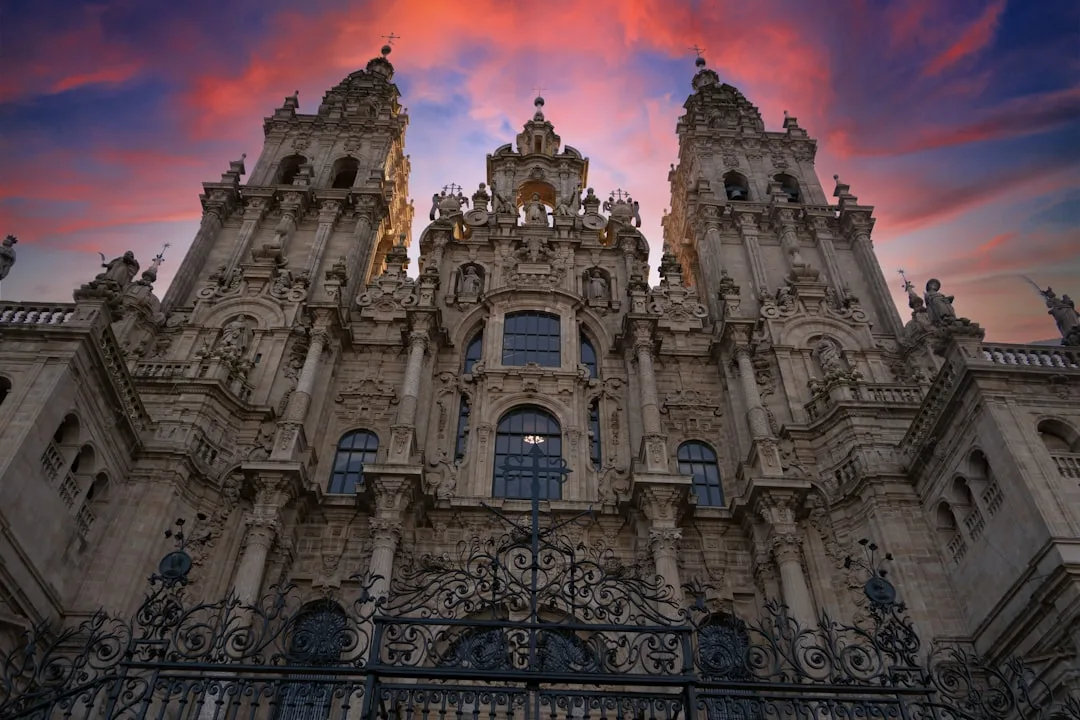
That is where several dishes and ingredients closely tied to local cuisine appear: grilled octopus, Padrón peppers, cheese, cured meats, empanadas, stewed fish, calamari, and almond cake. The value of the market lies in allowing you to compare stalls, observe what is in season, and choose between eating something made on the spot or putting together a meal from the products on display.
Inside the market itself, Abastos 2.0 works as a good extension of that experience. It occupies six stalls and offers different meal options: at Barrra, the table is shared and the menu changes according to the customer's preference; on the terrace, you can eat tapas without a reservation; for larger groups, there are reservable tables. The menu changes daily, so there is no point in arriving set on a specific dish.
If the idea is to eat well without complicating the itinerary, the market solves an important part of the decision in one place. You see the ingredients, eat close to the people who sell them, and avoid choosing a restaurant blindly on your first pass through the center.
Where to eat and drink in Santiago de Compostela
The best strategy in Santiago de Compostela is to combine places according to the time of day, because several close in the middle of the afternoon and the city usually operates on a late-lunch and later-dinner rhythm. For reservations, it is worth being cautious: at the most sought-after restaurants, it can make a difference.
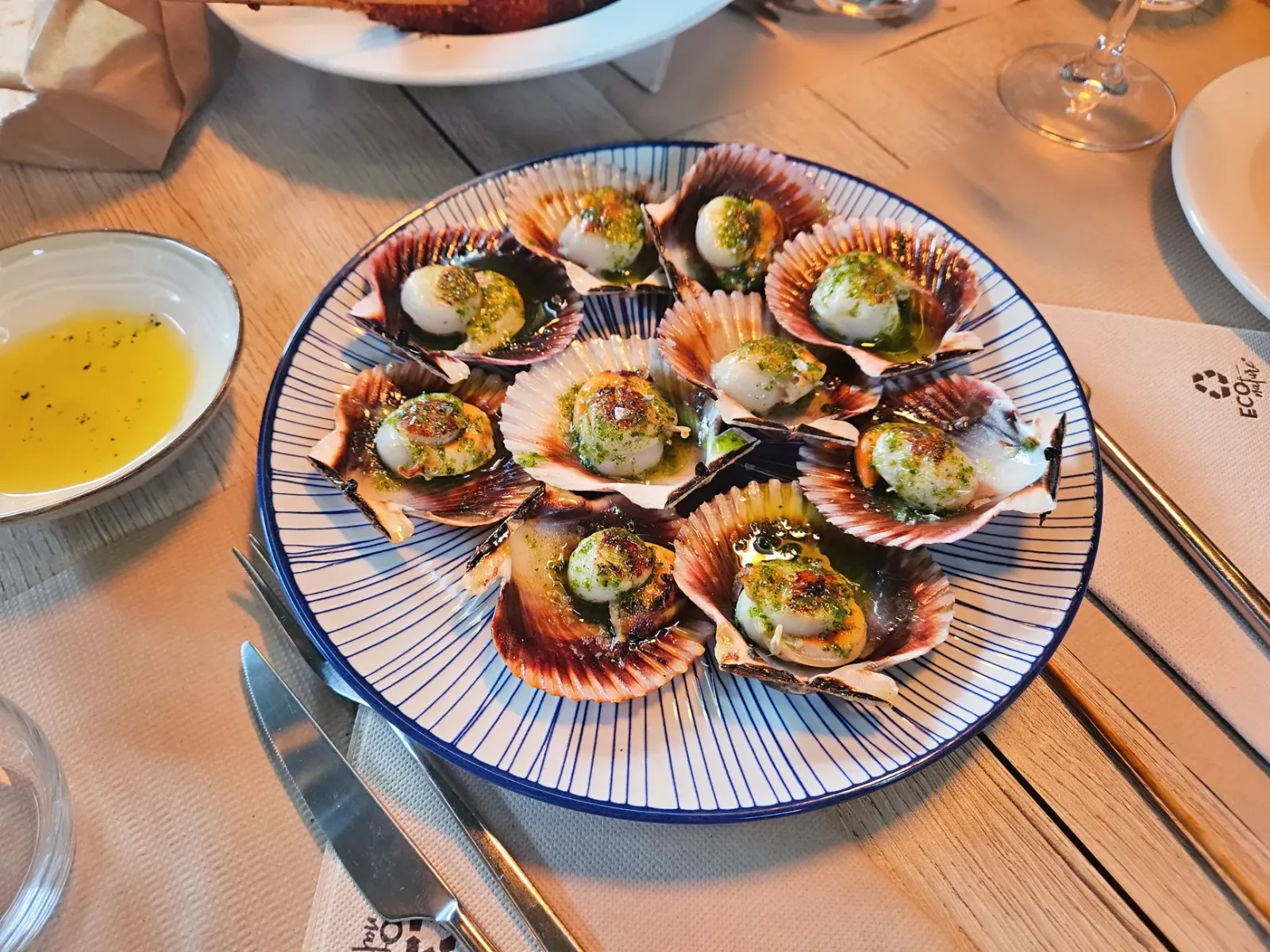
A Taberna de Bispo is in the heart of the historic center and works well for lunch or dinner. The house serves regional cuisine, with pinchos at the counter and dishes such as grilled seafood, local cheeses, cured meats, tapas and house specialties. It is an easy place to fit into a walking itinerary, without requiring complex planning.
El Papatorio is the most straightforward choice for grilled meats and seafood. The menu also includes classic tapas, such as croquetas, pimientos de Padrón, jamón ibérico and Spanish omelets. Marie Miner offers an informal terrace and a more formal dining room, with a focus on Galician cuisine, including croquetas, empanadas, risottos and fish and seafood. In all three cases, it is advisable to reserve if you want to avoid waiting.
For something lighter before dinner, the city has Heladería Puerta Real, with flavors such as Santiago almond cake, cherry yogurt, mascarpone with fig and dulce de leche, good for a break in the old center. Marie Miner itself also serves drinks, useful for an unhurried start to the evening.
Inside Mercado de Abastos, Abastos 2.0 handles post-market hunger well: at Barrra, the table is shared and the menu changes according to preference; on the terrace, you can have tapas without a reservation; for larger groups, there are reservable tables. If you want to keep the itinerary practical, this is the easiest address to combine food and drink without leaving the central area.
Doing the Camino de Santiago and understanding the arrival in the city
The Camino de Santiago is not a single route, but a network of paths that lead to the shrine of Saint James in the Cathedral of Santiago de Compostela. The city became the final destination because it was there that the cult linked to the apostle’s relics became established, and the cathedral came to mark the end of the pilgrimage.
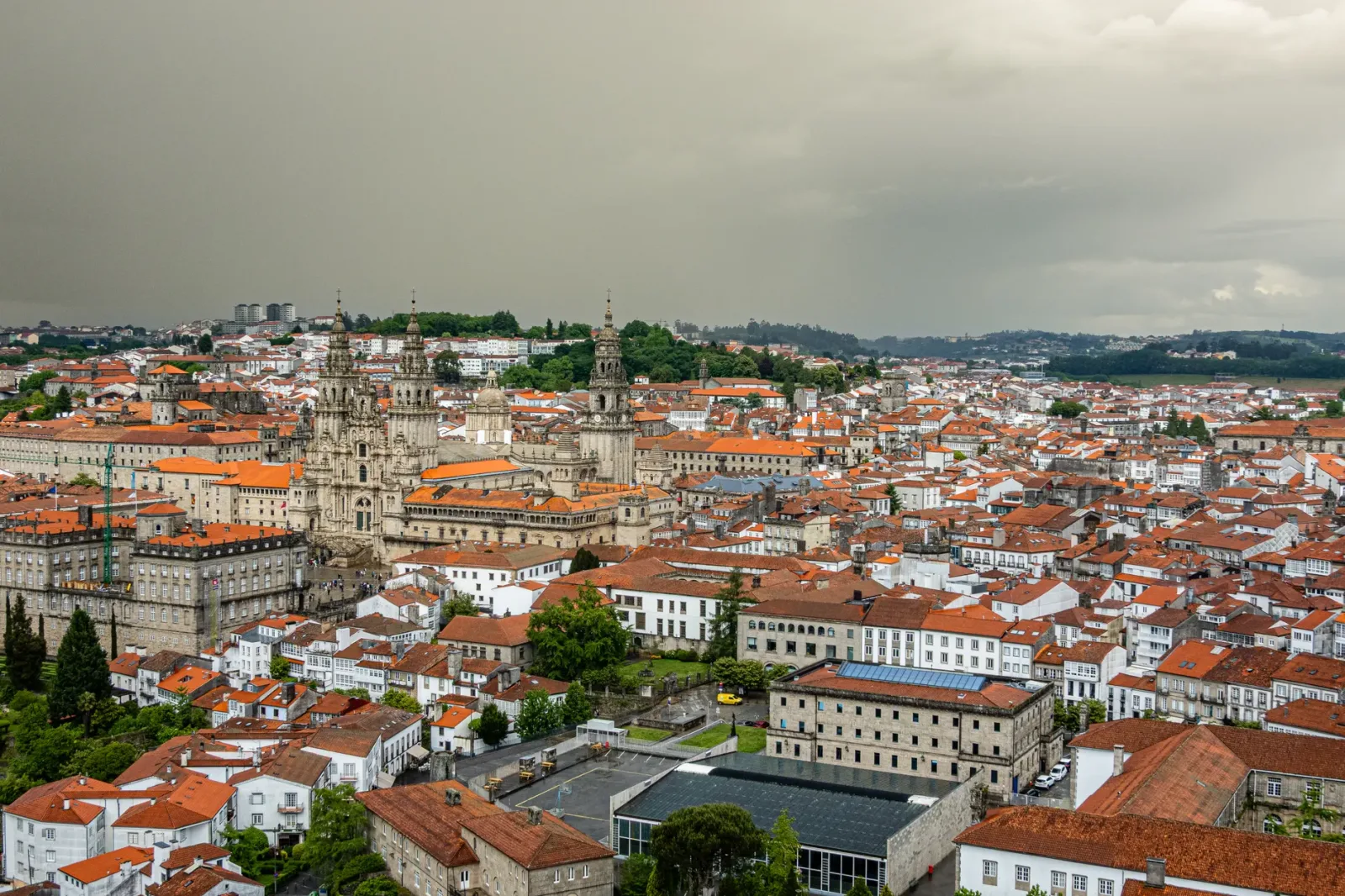
Among the best-known variants are the French Way, now the most popular, the Northern Way, which connects Santander, Santillana del Mar and Santiago de Compostela, and routes that begin in Portugal and France. The choice of route completely changes the journey: some paths take days, others weeks or months, and the route can be traveled on foot, by bicycle or on horseback.
Those who make the pilgrimage usually carry the pilgrim credential, the document that gives access to accommodations along the route and receives stamps at each stage. Upon arriving in Santiago, this credential is presented to obtain the compostela, the certificate of completion of the Camino.
The Cathedral of Santiago de Compostela closes the city’s historical and religious circuit. It was built on the site associated with the tomb of Saint James and became the arrival point for centuries of medieval pilgrimage. Even today, the presence of the shrine shapes the experience of those who arrive, whether after completing the full route or simply to understand why Santiago occupies this central place on the map of Europe’s pilgrimage routes.
Frequently asked questions
What is the best time to visit Santiago de Compostela?
Spring and early autumn are usually more comfortable for walking. In winter, rain and cold weigh more heavily on the itinerary, and June has daylight until late.
How to get to Santiago de Compostela?
It is possible to arrive by train, with a connection to Madrid in about 3h30, by plane via the city airport, or by car by road. From the airport, buses and taxis take you to the center.
Where to stay in Santiago de Compostela?
The best location is usually near the historic center and the cathedral, so you can do almost everything on foot. Outside this area, getting around is less practical, especially on short stays.
What to do in the historic center of Santiago?
Praza do Obradoiro and the Cathedral are the main highlights of the visit. Praza da Quintana, San Martiño Pinario, and the Museu do Povo Galego are also worth visiting.
Is it worth visiting Mercado de Abastos?
Yes, especially if you want to try Galician food without complicating your itinerary. The market is open Monday to Saturday, from morning until 4 p.m., and brings together local dishes and products.