Santander, Brazil: what to see, when to go, and how to plan the trip
See what to do in Santander, when to go, and how to organize your stay to combine beaches, museums, markets, and short trips.
Where is Santander and how to fit it into your itinerary
Santander is on the northern coast of Spain, in Cantabria, facing the sea and with the scale of a medium-sized city. That makes a difference in the itinerary: you can see the essentials without rushing, but also without feeling trapped in a “stopover” destination with nothing to offer. For many people, it works well as a short base, for two to three days, or as a stop between larger cities in northern Spain.
The city fits best into itineraries that already include Bilbao or San Sebastián. Santander is a little over an hour from Bilbao and about two and a half hours from San Sebastián by road, so the combination is natural for anyone putting together a circuit through the north. Madrid also comes in as a useful gateway, since there is a direct rail connection to Santander in about four and a half hours. If the idea is a slower trip, Santander can be added before or after these urban centers without requiring a long stay.
It also makes sense to include Santander in a shorter itinerary through Cantabria, using the city as a base and setting aside a short trip to Santillana del Mar. The contrast helps: Santander has the rhythm of a regional capital by the sea, while Santillana del Mar comes in as a historical half-day or full-day detour. If your time is tight, Santander alone already supports a short stay; if you have more room, it works better as part of a larger itinerary through northern Spain than as a standalone destination.
For those who like travel with practical transfers, the advantage is simple: Santander does not require complex logistics to make sense. You arrive, settle in, and decide whether you want to stay in the urban and coastal atmosphere of the city itself or use it as a base to fit in nearby cities.
How to get to Santander
There are direct flights to Santander Airport, which serves as the city’s air gateway. If your departure point is Madrid, the rail connection takes around four and a half hours, a useful option when you prefer to arrive without relying on a car.

There is also a ferry between Santander and Portsmouth, but the crossing is long, at around 29 hours. It makes more sense for those who want to include the sea in the journey and are not in a hurry.
Buses and trains are also ways to get to the city, although schedules and connections vary quite a bit. If that is your choice, it is worth confirming the day’s service in advance, because Santander is not a place where you want to wing your arrival without checking the basic logistics.
If the idea is to arrive and continue traveling the same day, the train is usually the simplest option to plan. If you prefer to minimize transfers, Santander Airport handles the city arrival very well.
Editorial transparency: Some links on this page are affiliate links. We may earn a commission at no extra cost to you. This does not influence our recommendations.
When to go and what to expect from the city’s routine
The climate in Santander is Atlantic coastal: it changes easily, with days that may start out clear and end up humid, and with a constant presence of wind and clouds for much of the year. For the beach and a walk along the promenade, the more stable months usually work better; outside that period, the city is still viable, but the plan needs to accept unstable weather and a less inviting sea.
The commercial routine is quite marked. On Sundays, much of the shops close, including markets, supermarkets, many museums, and various stores. Mondays also tend to shut museums. If you want to visit this kind of place, it is worth planning the day with that in mind and leaving Sunday for the beach, rest, or travel. Between 2 p.m. and 5 p.m. comes siesta, and many shops close during that interval; museums, however, tend to remain open throughout the day.
Meals also follow a different clock. Lunch is usually around 2 p.m., and many restaurants only open for dinner starting at 8 p.m. This affects the schedule: arriving late without having eaten beforehand can become a problem, especially outside the busier areas. A simple solution is to have lunch at local time and leave the afternoon for a light visit or a break.
If you want to take advantage of the seasonal calendar, think in terms of two logics. For the beach, choose a period when the weather is more settled and the sea makes sense for spending a few hours without improvisation. For calendar events, the night of San Juan tends to make more of an impact on the city and the beach area, so it is worth confirming the date and schedule before fitting the visit in.
Where to stay and which area makes the most sense
Staying in the city center works well for those who want to go out on foot, use less transportation, and have easy access to the markets, the commercial hubs, and the busiest stretches of the bay. It is the most practical area for a short stay, because it reduces travel time and keeps you close to what tends to be open throughout the day. If the priority is to arrive, settle in, and get around with little friction, this is the simplest choice.
The bayfront area usually appeals to those who want a more open view and a calmer pace without getting too far from the city. There you are well positioned to walk along the waterfront and easily access the main points of the maritime axis. It is a good area for those who value leaving the hotel already close to the water, without relying on a long route to start the day.
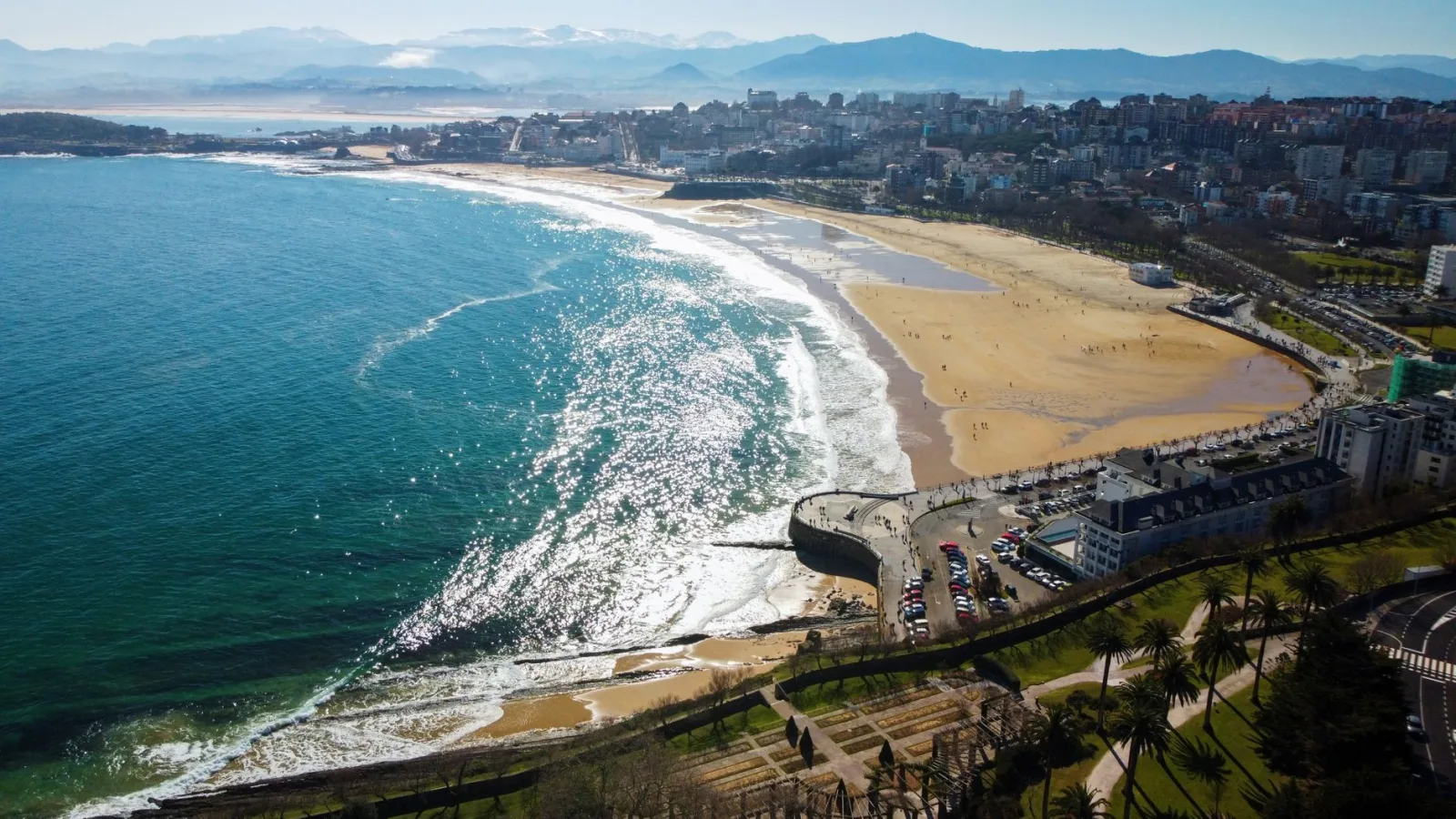
El Sardinero makes more sense for those who want to sleep near the beach and accept being a bit farther from the urban center. The area works well for families and for those who imagine the trip with more beach time and coastal walks. Since the area is more spread out, it is worth paying close attention to the bus connections and the real ease of getting around without a car.
If the idea is to prioritize the beach and seaside walks, choose a base near the routes that connect the coastal area to the rest of the city. If you prefer to dine late, go out on foot, and rely less on transportation, the city center is usually more comfortable. For those who want to wake up already near the sand, El Sardinero weighs more in the decision.
What to do in Santander
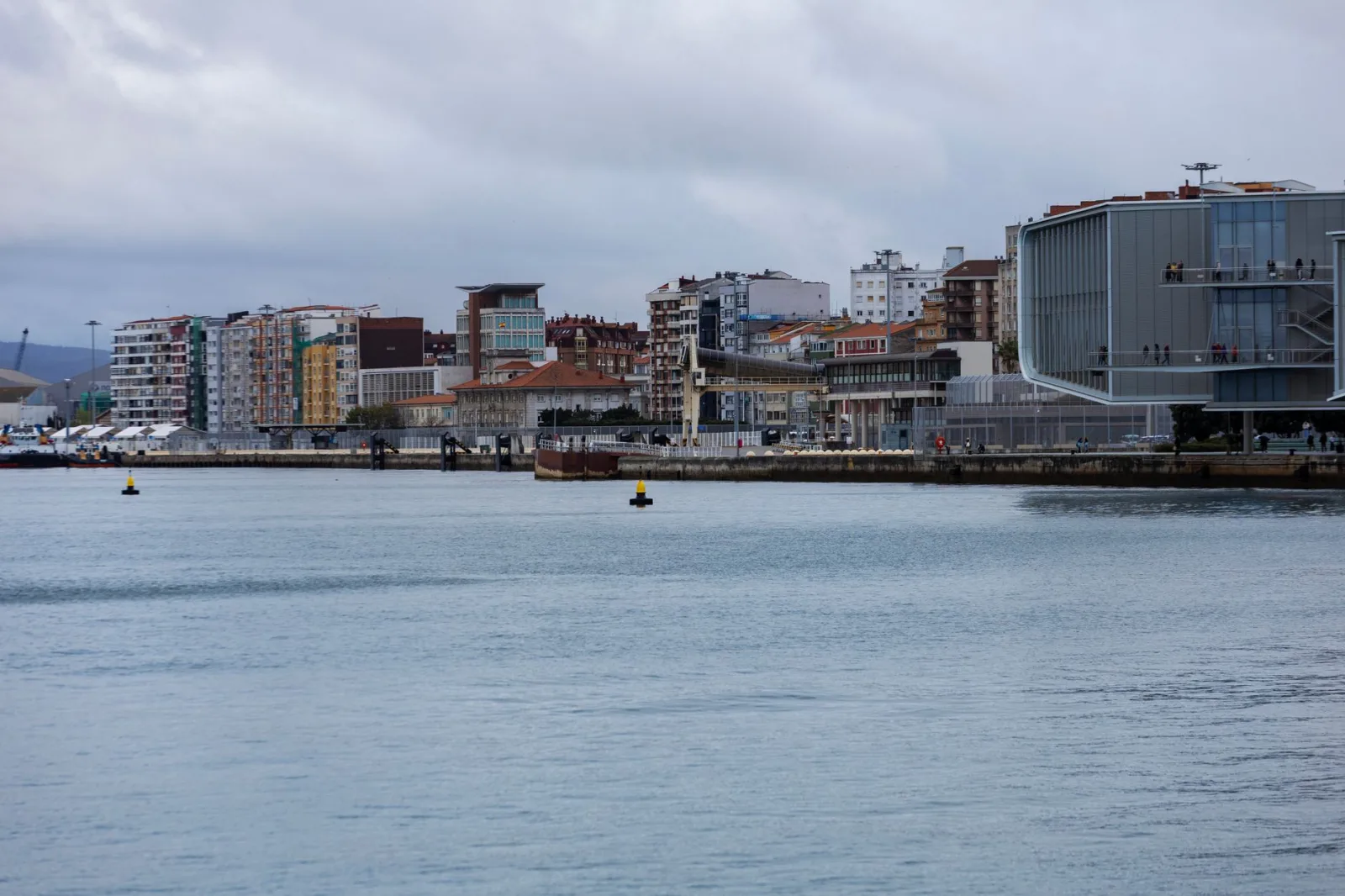
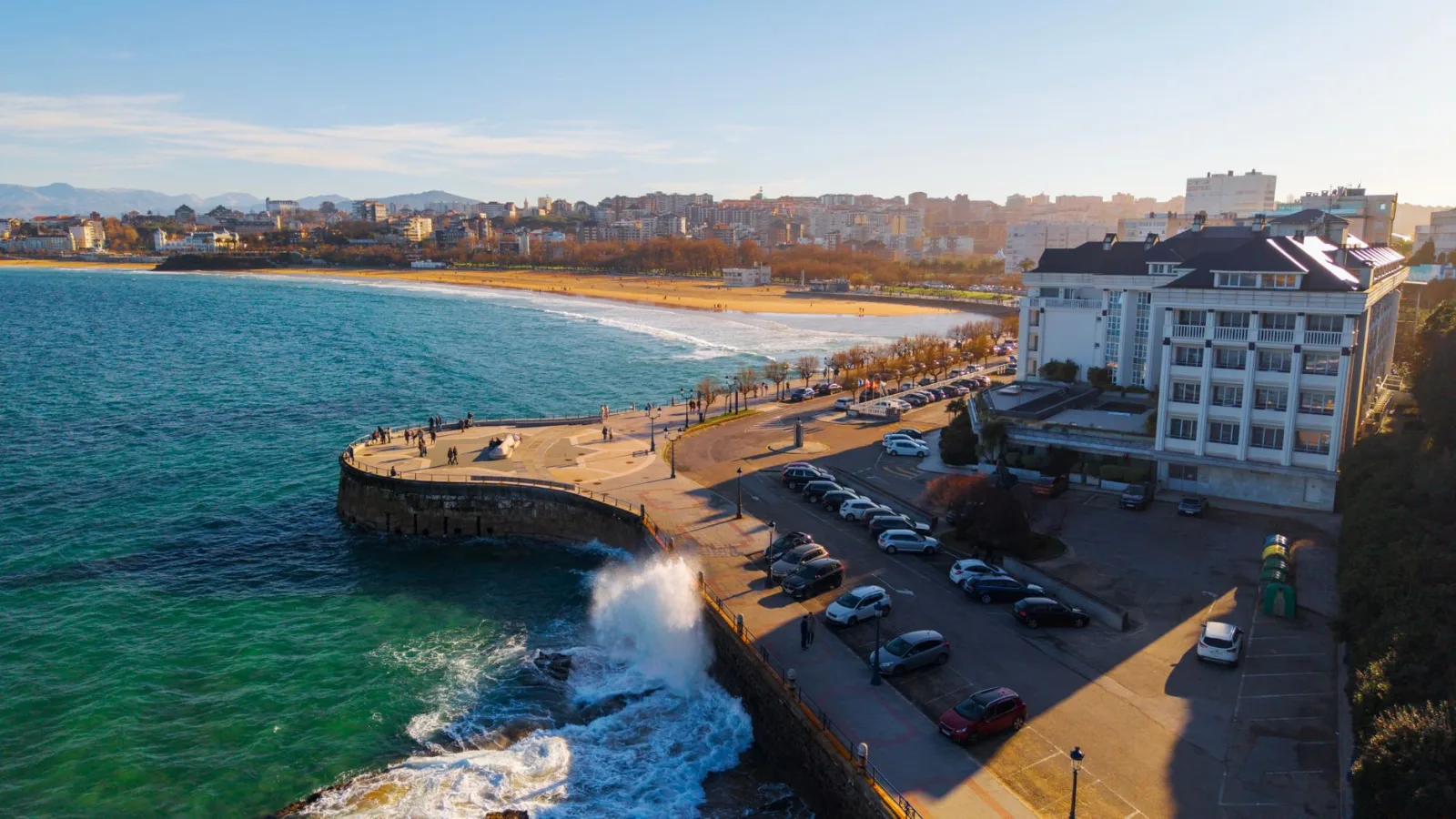
The waterfront is the easiest place to start: walk along the bay and fit in stops according to the time and the daylight. Playa de Magdelena is on the calmer side of the peninsula, with wave-free water and families around. On the other side, Sardinero I and II have a larger stretch of sand, surf with waves, and a more open vibe for those who want to stay at the beach longer or watch the coastline activity.

On the Magdalena Peninsula, the Palacio de la Magdalena is worth an unhurried visit. The building sits up high and, beyond its architecture, what really makes the climb worthwhile are the views over the bay and the coastline. Nearby, the Museu do Homem e do Mar helps complete this reading of the place, with a focus on the city’s relationship with the sea. If you like walking, this area is a great fit because it brings together viewpoints, stretches of coastline, and observation points along the same route.
In the center, the Centro Botín concentrates contemporary art and culture programming, with rotating exhibitions and events. A short distance away, the Museo de Arte Moderno y Contemporáneo de Santander y Cantabria expands this cultural map with modern and contemporary works. The Catedral de Santander, meanwhile, is a stop for architecture and history, with the lower nave and the cloister among the most interesting sections for those who enjoy old buildings without needing a long itinerary.
If museums are your thing, Santander lets you combine very different profiles in the same day: the Museu Marítimo, with its collection linked to navigation and the aquarium; the Museu de Pré-história e Arqueologia, more geared toward those who enjoy chronology and ancient pieces; and the Museu do Homem e do Mar, which rounds out the coastal route with another perspective. To finish the walk in an open area, head to Cabo Mayor: the final stretch of the coast and the viewpoints there work best in the late afternoon, when the landscape gains more contrast.
Markets, cafés and where to eat in Santander
Mercado del Este and Mercado de la Esperanza each work well for two different situations. The first is better for those who want to snack informally, with pinchos and quick dishes throughout the day. The second is more useful when you want to see fresh produce, especially fish, as well as buy what you’ll prepare later. If the priority is eating there on the spot, go straight to Mercado del Este; if you want to understand the city’s daily rhythm of shopping and supply, Mercado de la Esperanza is more worthwhile.

In Santander, going from bar to bar is part of local routine. Pinchos are easy to find in market areas and in the busier central districts, and this is usually the simplest way to put together a meal without committing to a formal restaurant. For those traveling as a couple, with children, or alone, it’s a practical solution because it lets you order a little, try more than one thing, and keep going through the day without a strict schedule.
Mercado de la Esperanza is also worthwhile for the experience of moving through different sections: fish downstairs, other products upstairs, and a few stalls with ready-to-eat food. It is a place to shop, but also to observe, because it shows how the city eats on a daily basis. If you want an iced coffee, the second floor is an easy spot for that, but hours and offerings can change, so it’s worth confirming on the spot what is open.
In the central area, among stalls, cafés and bars, the best strategy is to look at the counter before sitting down. In general, what makes sense there are small portions, seafood, cold and hot snacks, and daily specials. If you have little time, a market solves lunch; if the idea is to stretch out the afternoon, pinchos work better than a long, heavy meal.
How to get around the city
The bus solves a good part of the journeys in Santander and, in practice, is usually the simplest way to cross stretches that would be long on foot. For those who will alternate between the center, the waterfront, and more outlying areas, it reduces dependence on a car and avoids the headache of parking.
A car only makes sense if you really need to leave the city frequently. Within Santander, parking is difficult, and the time spent looking for a spot usually weighs more than the freedom of driving. If the itinerary is almost entirely urban, it is better to combine walking with the bus and leave the car aside.
The city also works well for short walks, especially in the flatter areas and in stretches where pedestrian movement is natural. For short distances, walking is usually the most direct way to get around, without needing to fit in a schedule or wait for transportation.
On the Magdalena peninsula, the tourist train helps when you want to avoid going uphill or shorten the effort of getting around internally. It makes sense for those traveling with children, with little time, or simply wanting to avoid walking the entire route under the sun or wind.
Day Trips from Santander
Santillana del Mar is the most natural short excursion from Santander. It is about a 25-minute drive away and works well for a half day or a full day, especially if you want to swap the coastline for a small historic center, with stone houses, cobblestone streets, and flower-filled balconies. It is a good choice for a day when the beach is not part of the plan.

Cabárceno works better as a nature and wildlife excursion, without requiring you to make it a rushed day. Altamira, on the other hand, makes sense for those who want to fit an archaeological detour into the same trip, especially if the interest is in ancient history and prehistoric heritage. Both require more planning than Santillana del Mar, so they are worthwhile when you have time to leave early and return without hurry.
If you are choosing just one excursion, Santillana del Mar is usually the simplest bet because it offers sightseeing, lunch, and walking without depending on complex logistics. Cabárceno and Altamira work better as a complement to an itinerary with an extra night in Santander, not as a hurried fit between two commitments.
Frequently asked questions
How many days should I stay in Santander?
Two to three days are usually enough to see the essentials at a relaxed pace. That time also allows for a short trip to Santillana del Mar.
What is the best area to stay in Santander?
The city center is the most practical option for getting around on foot and relying less on transportation. El Sardinero works better for those who want to stay close to the beach.
What are the main places to visit in Santander?
The bay, the Magdalena Peninsula, Palacio de la Magdalena, Centro Botín, the Cathedral, and the city museums are among the most useful stops. Cabo Mayor is also worth it to end the day with a sea view.
When is the best time to go to Santander?
The most stable months are usually the best for the beach and walking along the waterfront. Outside that period, the city is still good for urban sightseeing, but with more unsettled weather.
Is it worth taking a day trip from Santander?
Yes. Santillana del Mar is the simplest and most practical outing for a half day or a full day. Cabárceno and Altamira are also options, but they require more planning.