San Carlos de Bariloche: what to do, when to go, where to stay and how to plan the trip
See what to do in San Carlos de Bariloche, when to go, where to stay, and how to get around to put together a more practical itinerary.
Where is Bariloche and what to expect from the city
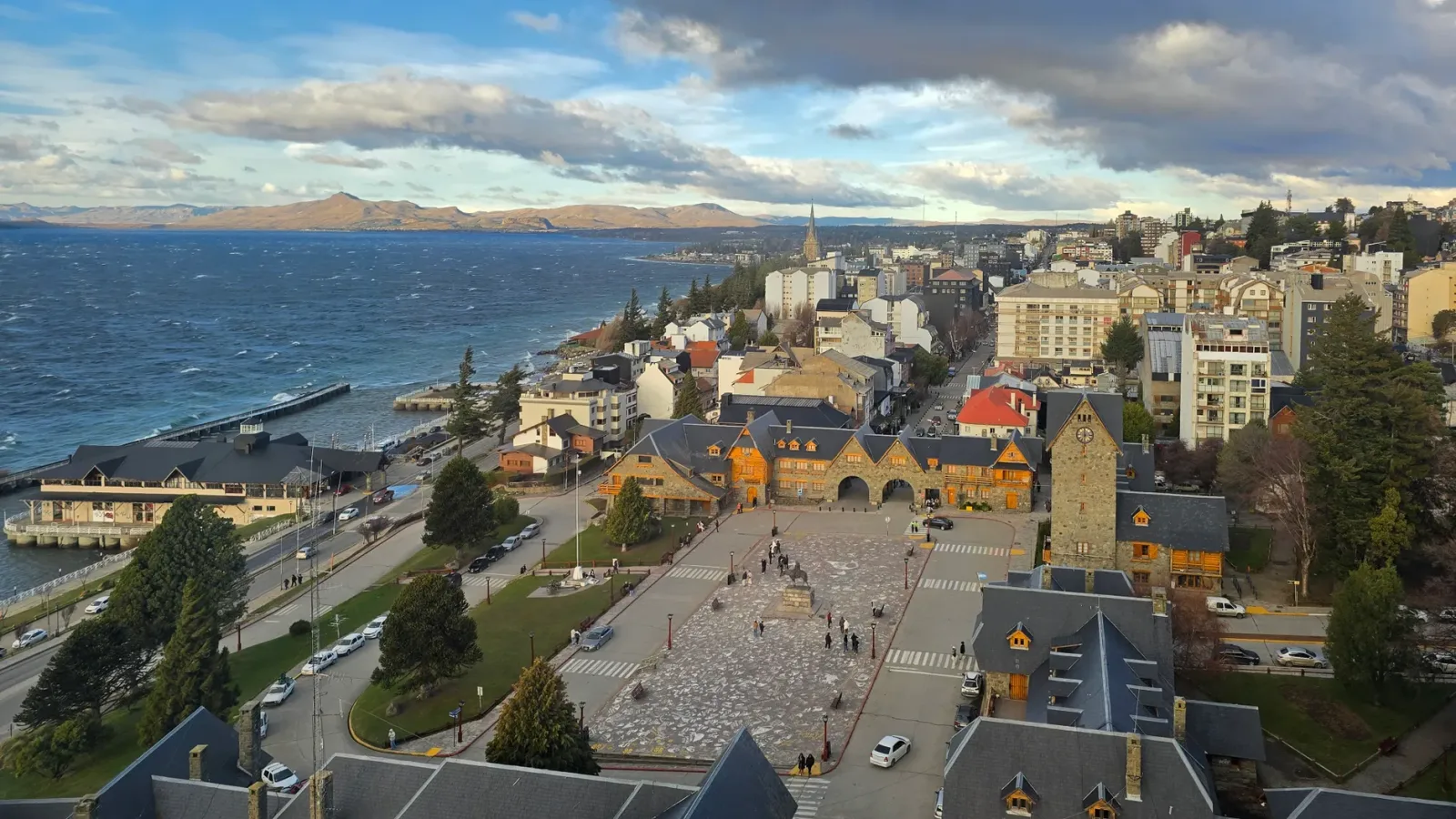
Bariloche is in northern Argentine Patagonia, in the Lake District, and serves as an urban base for exploring an area of mountains, forests, and water. It is a large city by Patagonian standards, with a life of its own in the center, commerce, services, and local activity, but what usually attracts travelers are the natural areas around it.
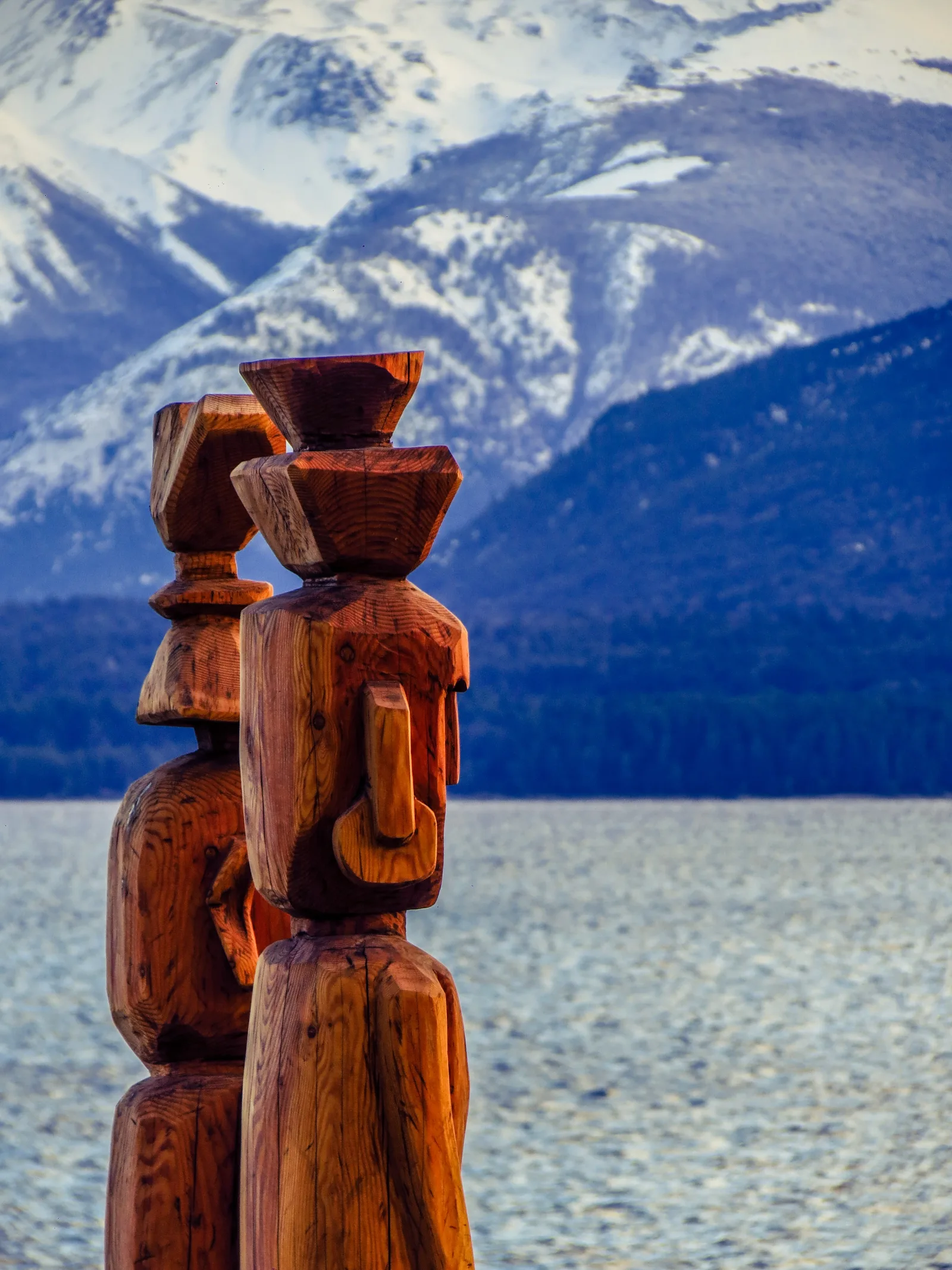
The experience here blends city and landscape. On one side, you have streets, squares, shops, and the more urban side of the trip. On the other, short outings already lead to viewpoints, lakes, outdoor activity centers, and scenic roads. This makes Bariloche work well both for a more comfortable and practical stay and for a trip focused on nature.
The destination’s profile changes quite a bit depending on the season. In winter, the city draws visitors interested in snow and mountain sports. In summer, attention shifts more to trails, water, and outdoor excursions. Spring and autumn tend to be quieter periods, with less pressure on infrastructure, although the weather can change quickly and greatly influence the pace of the trip.
For those putting together an itinerary, the main point is to understand that Bariloche is not just a city nor just a lake-and-mountain setting. It is both at the same time, and the choice of where to spend more time during the trip depends precisely on the balance you want between the urban center and the surrounding nature.
When to visit Bariloche
The busiest period in Bariloche is usually winter, when the city receives demand related to snow and mountain sports. During this part of the year, accommodation and rental cars tend to be more in demand, so booking in advance matters more than at other times. For those who need itinerary flexibility, this makes a real difference.
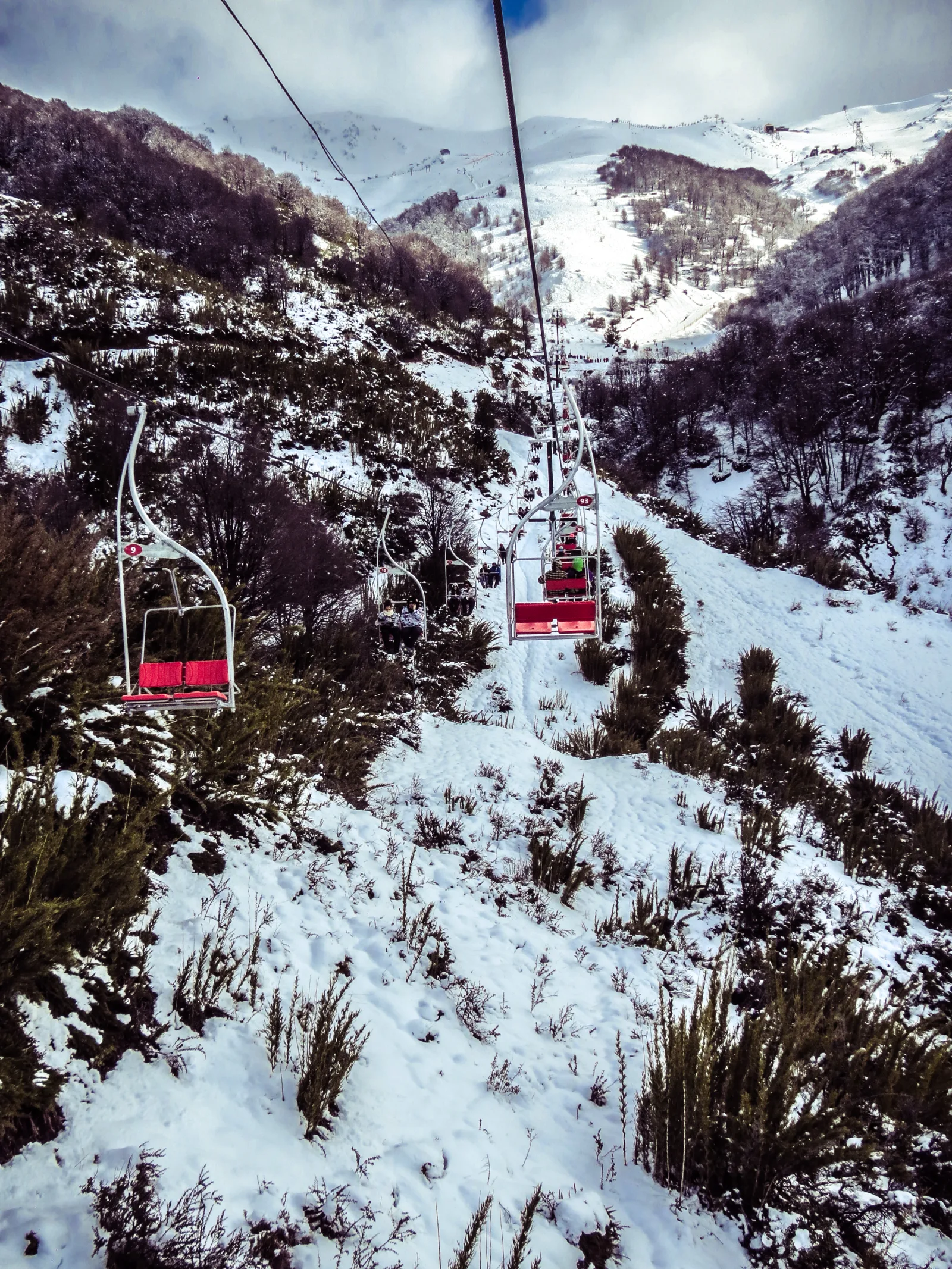
Summer attracts those who want longer days and better weather for outdoor activities, and it also tends to draw quite a crowd. Spring and autumn are a useful middle ground: there is less pressure on the infrastructure, the pace is calmer, and the trip may be easier to organize. On the other hand, the weather changes quickly and it is worth allowing for some unpredictability.
If the priority is activity and a full range of options, winter and summer have the edge. If the idea is to get around with less pressure and plan the trip more comfortably, spring and autumn usually make logistics easier. In any busier season, it is worth booking accommodation and a car early, because availability is usually the first thing to tighten up.
Editorial transparency: Some links on this page are affiliate links. We may earn a commission at no extra cost to you. This does not influence our recommendations.
How to get around in Bariloche and the surrounding area
To move around Bariloche and the surrounding area with freedom, a rental car is what makes life easiest. It makes a difference especially on scenic road routes, because it lets you stop at viewpoints at your own pace, adjust the rhythm of the day, and leave busier areas without depending on fixed schedules. On stretches like the Circuito Chico, driving calls for attention: the speed limit is low in several places, and there are cyclists, pedestrians, and people stopping to take photos frequently. If the idea is to travel at your own pace, it’s worth booking the car in advance, especially during peak season.
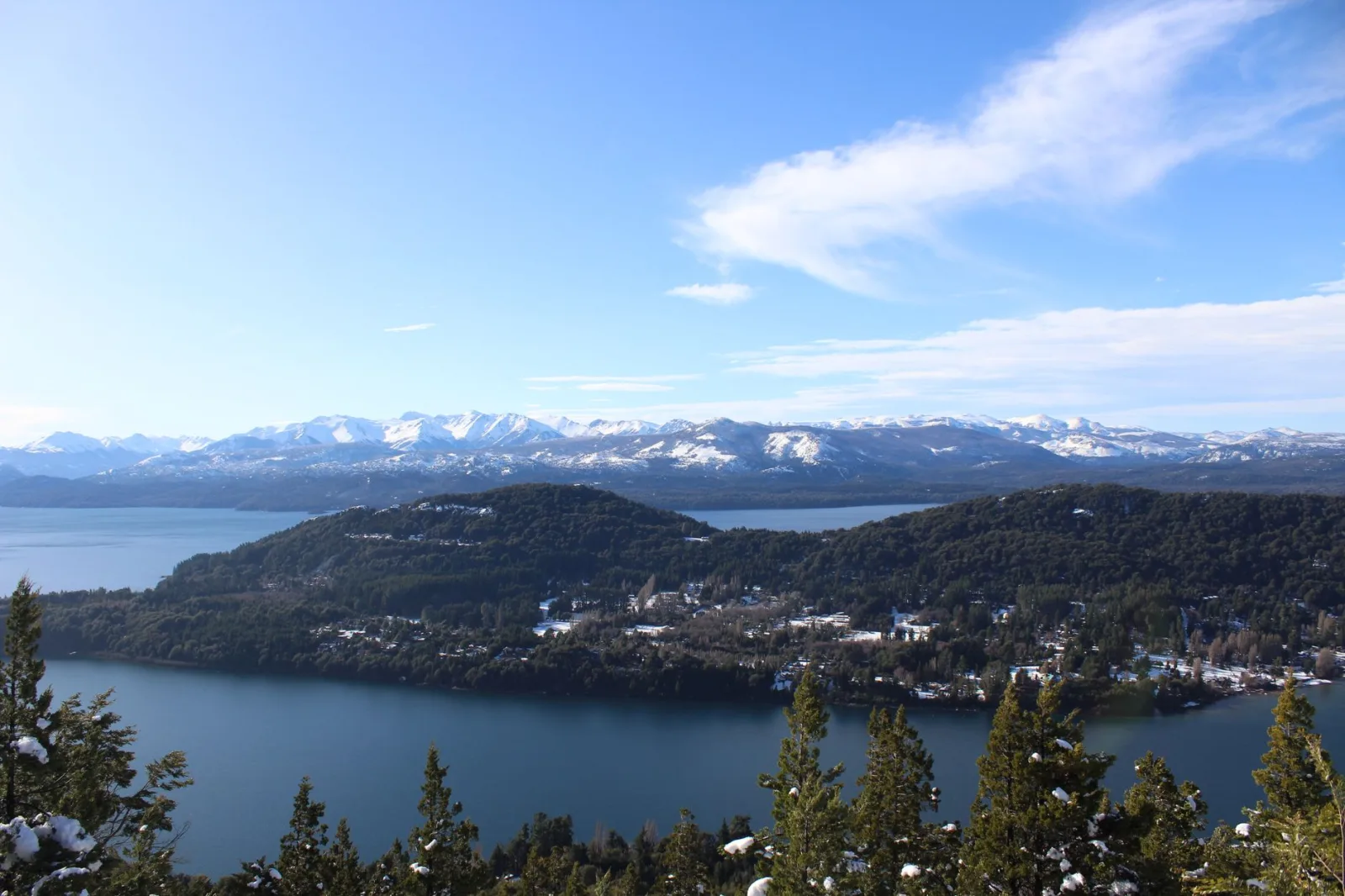
Organized tours work well when you want to leave the logistics in someone else’s hands. They are best for those who prefer to avoid driving, don’t want to deal with navigation, or have little time to arrange multiple transfers. On the best-known circuits, they usually simplify the day, but at the cost of less flexibility to stop wherever you want. During busier periods, it’s also advisable to book early.
For lake excursions, the boat handles the part of the trip that only makes sense by water. It’s the most direct way to include outings on Lago Nahuel Huapi and works well for those who want to reduce the number of overland stretches on the same day. These departures usually depend on availability and current operations, so confirming in advance matters more than leaving it to decide at the last minute.
On routes like Ruta de los 7 Lagos and Circuito Grande, the car is usually the most practical choice because the journey itself is part of the trip. These are long drives, with stops that make sense along the way, and for that reason booking in advance helps not only to secure a vehicle, but also to avoid surprises with category or price. If you plan to combine road travel and a guided activity, it’s worth checking in advance the departure point, the duration of the day, and whether the excursion requires self-driving or group transport.
What to do in Bariloche
Circuito Chico concentrates much of Bariloche’s classic itinerary in a short road loop, with viewpoints, stretches of water, and stops that significantly change the way the landscape is read לאורך the route. It is a good axis for fitting in Cerro Campanario, short walking segments, and observation points without having to turn the day into a heavy sequence of transfers. Those who like to drive at a relaxed pace usually get the most out of it, because the appeal lies in the stops, not in the continuous route.
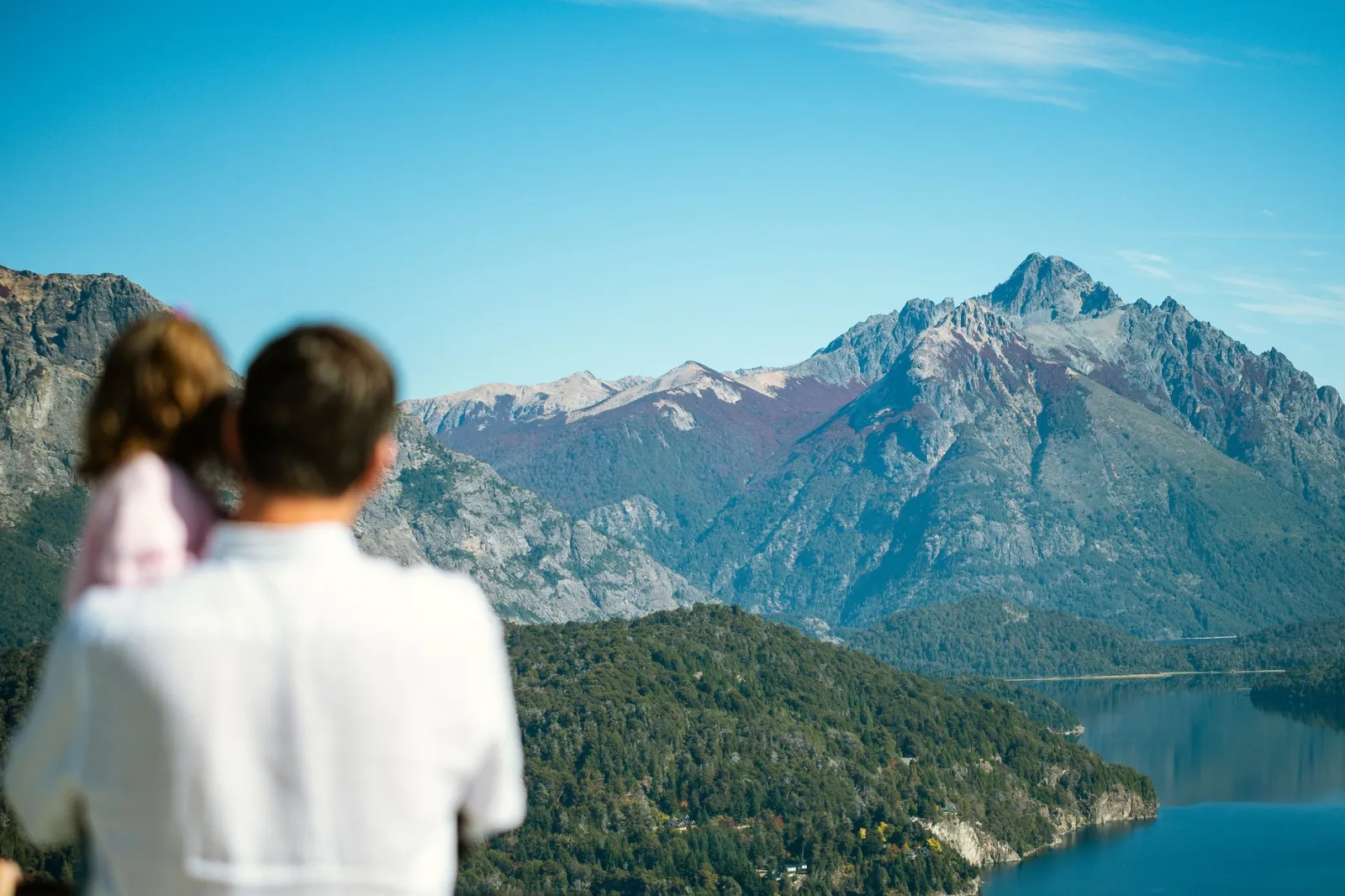
At Cerro Campanario, the 360-degree view is the reason for the visit. You can go up on foot or by chairlift, and the choice usually depends more on time and willingness than on any itinerary requirement. Cerro Otto offers another high-altitude perspective, with a cable car, snowy areas in the cold season, and a broad viewpoint at the top. Between the two, Campanario is usually the more straightforward stop for those who want to fit in a great panoramic view without spending the whole day.
The hikes in Bariloche gain strength around Circuito Chico and on trails that lead to mountain refugios, where the path is part of the experience just as much as the destination. There are short routes, good for a light day, and more demanding hikes that require more planning and, in winter, generally more care with navigation and equipment. On Lake Nahuel Huapi, boat trips add another layer to the trip: they allow you to see the region from the water and pair well with those who want to alternate between road, trail, and sailing in the same itinerary.
Centro Cívico and urban viewpoints work as a break between outings into nature. Centro Cívico concentrates the city’s more urban side and is usually the reference point for understanding Bariloche’s scale before heading out to the surrounding area. Colonia Suiza, on the other hand, has its own character, with a visit that usually makes sense for those who want to see a small village and include a different stop in the circuit. Cerro Catedral strongly enters the agenda of those who want to build the trip around the mountain, whether in winter or during the seasons when the area opens up space for other activities. Trout fishing completes this package for those who want a more specific experience in the region of rivers and lakes.
Where to eat and drink in Bariloche
Patagonian chocolate takes center stage in Bariloche. There are traditional shops and newer ones, with different profiles: some focus on handmade bonbons and bars, while others offer large display cases and indoor cafés where you can sit and taste everything at your leisure. If you want a more local snapshot, it’s also worth looking at places like La Chocolaterie and Benroth, as well as well-known names like Rapa Nui and Mamushka.
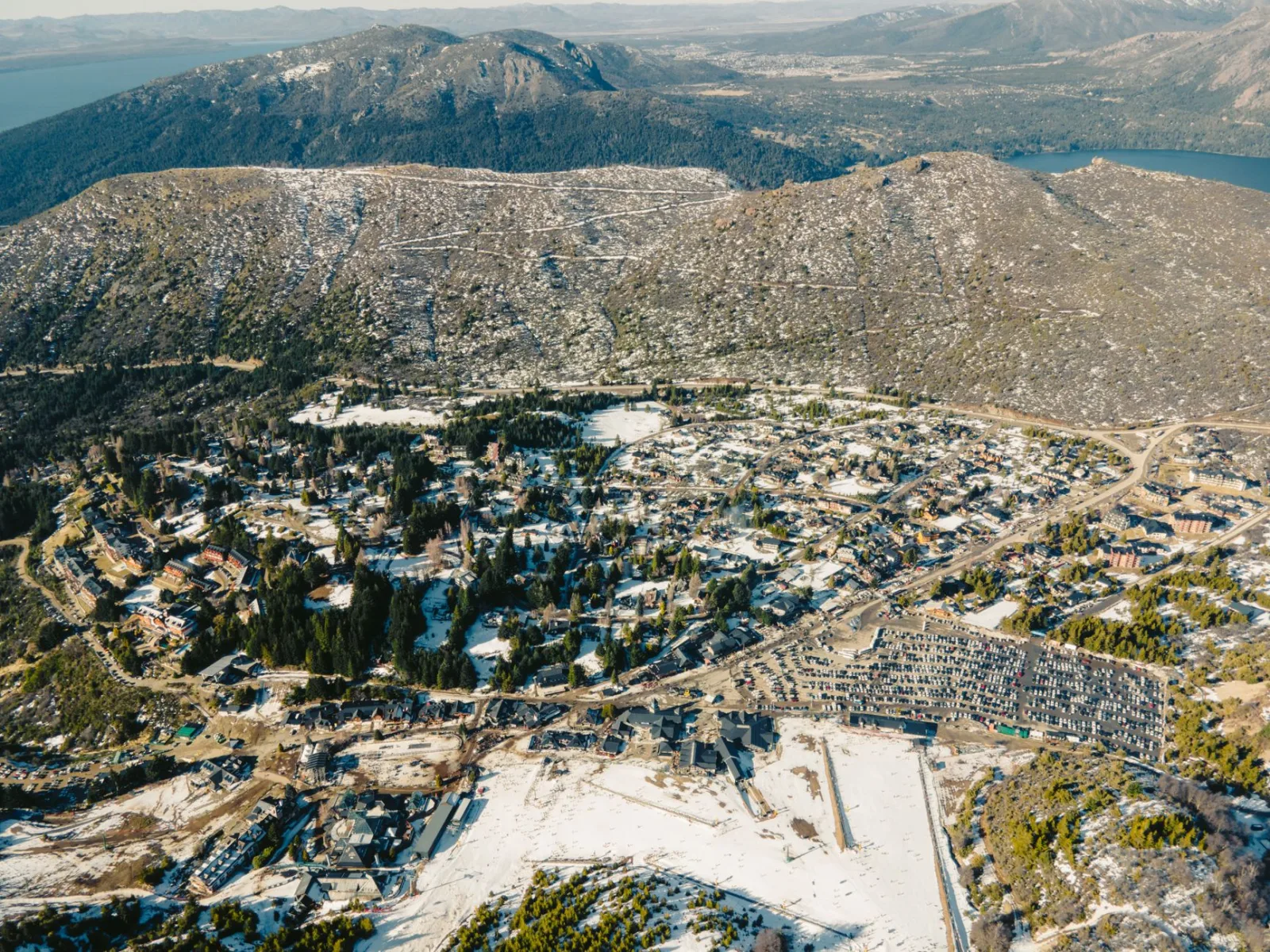
In savory cuisine, the city leans toward mountain dishes that suit the climate and the style of the trip. Goulash appears frequently, as do jabalí a la cazadora, milanesa napolitana, empanadas, and trout. These are not dishes for a single occasion: they work just as well at a leisurely lunch as at dinner after a long day. If your idea is to taste what the region does best, these items are usually a good starting point.
Breweries also play an important role in the local culinary experience. There are places with a lunch atmosphere and others geared toward tastings, with craft beer served on-site and, in some cases, open views of the surrounding landscape. For those who prefer wine, the list usually pairs well with the heavier dishes of Patagonian cuisine, without requiring a complicated pairing.
Tea houses round out the route with pies, hot chocolate, and table service that invites you to slow down. In Bariloche, they make sense both for a mid-afternoon stop and for ending the day without rushing. If you like choosing by the menu, it’s worth paying attention to the chocolate desserts, the simple savory portions, and the hot drinks list; that’s where the city best reveals its blend of mountain tradition and travel café culture.
Where to stay in Bariloche
The downtown area is the most practical base for those who want to stay close to shops, services, and the everyday buzz. It works well for short trips, for those planning to do everything on foot and who do not want to depend on long transfers to have dinner, leave early, or come back late. It is also usually the simplest choice for those traveling alone and who prefer to stay in an area with more foot traffic.
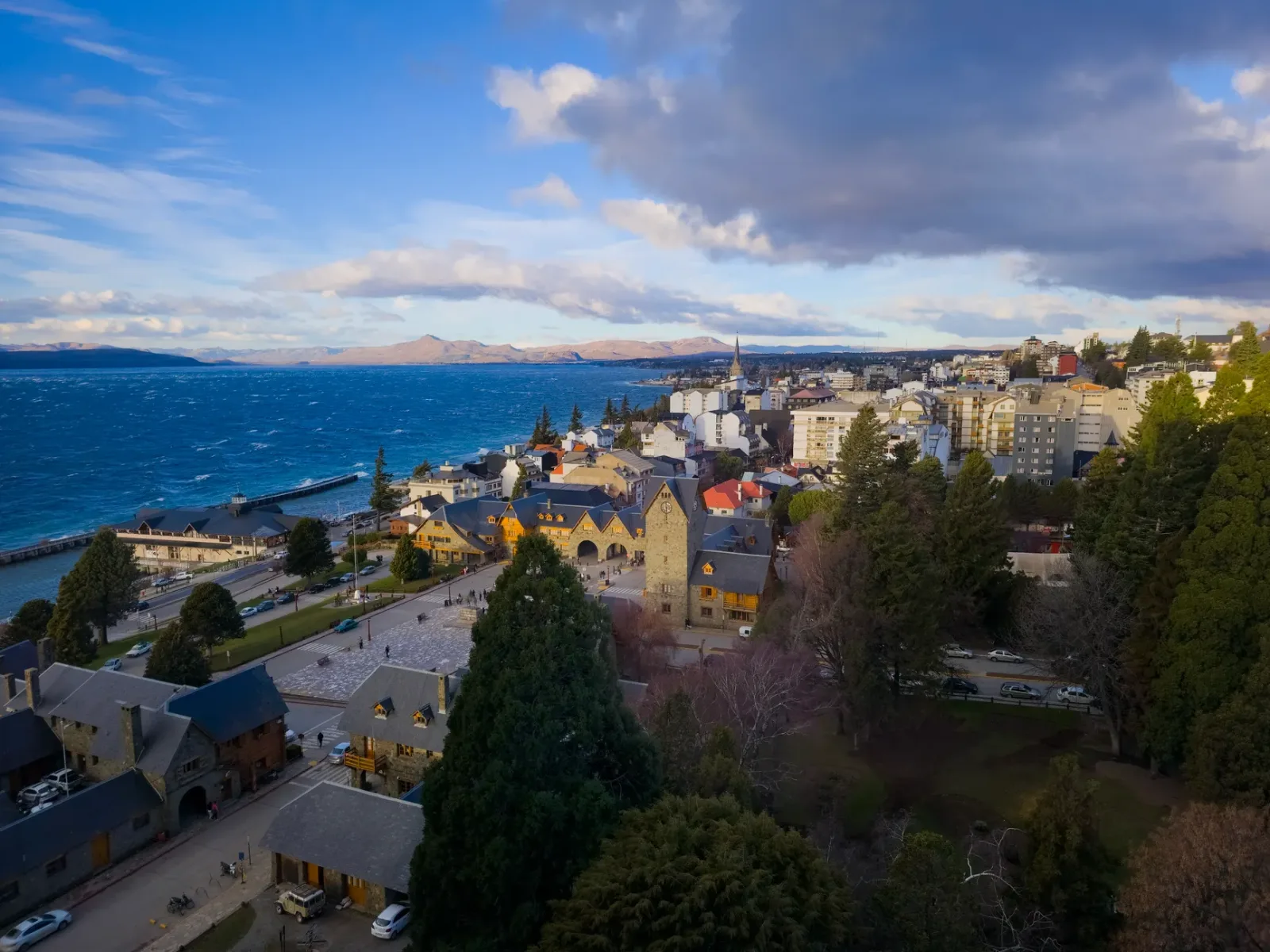
Along the Circuito Chico, the logic changes. There, staying makes more sense for those who want to wake up already closer to the scenery and are willing to depend less on the center. It is a good area for quieter trips, with hotels and inns spread along the route, but the distance to the urban area matters if the idea is to go out frequently at night or have meals outside the hotel itself.
Llao Llao concentrates the stays most associated with nature and the region’s open views. It is a base that often attracts couples and families who want to spend more time around the lake and the woods, at a slower pace and with less need to move around the city every day. In general, the farther you are from the center, the more important it becomes to carefully check what the hotel offers on its own grounds, because convenience depends less on the urban network and more on the accommodation’s facilities.
If the priority is to combine daytime outings and practical life at night, stay in the center. If the trip is more about contemplation and time spent around the scenery, look first at Circuito Chico and Llao Llao. In any of these areas, booking early makes a difference on the most sought-after dates, because the most popular options tend to sell out first.
Day Trips from Bariloche
El Bolsón works as a different day within the trip. The landscape shifts the pace from lake and mountain to a more rural, valley atmosphere, with a focus on markets, local production, and stops that usually call for less rush. It’s a longer day trip than the classic itineraries near the city, so it makes more sense when you want to step away from the most obvious route and accept a transfer that takes up much of the day.
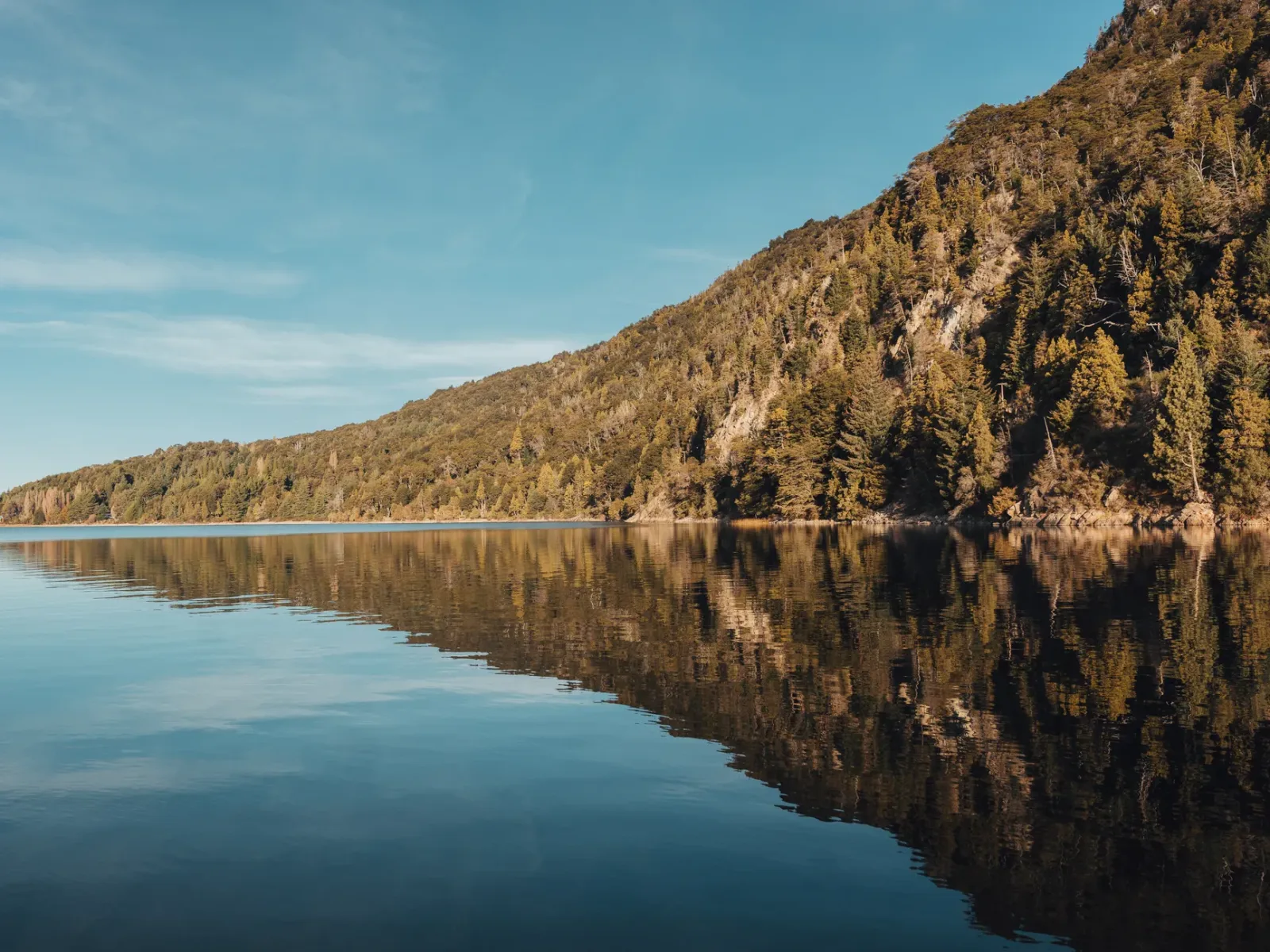
The Ruta de los 7 Lagos fits well for those who want scenic driving without stopping every minute. The value of the trip lies precisely in the journey between lakes and forests, with enough time for occasional breaks and taking in the landscape along the way. It is usually a full-day outing, and it requires more careful planning if you intend to combine it with other trips, because there isn’t much room for spontaneous additions.
The Circuito Grande demands even more time and is usually chosen by those who want to make the road the center of the experience. It is a broad route, with a sense of crossing rather than a simple round trip. If the idea is to do it leisurely, it takes a full day and works best when you are not trying to add many urban attractions in the same period.
Cerro Tronador shifts the focus to mountains and more remote access. The departure usually takes longer than it seems on the map, and the trip becomes more worthwhile when you accept spending almost the entire day out. It is a good choice if you want to include glacial scenery, slopes, and mountain roads without repeating the kind of program already seen in other routes around Bariloche.
What to know before putting together the itinerary
Bariloche usually makes logistics tighter than it seems at first glance. In winter and summer, the city gets more visitors and the competition for accommodation becomes more intense; if the date is set, book early. This matters even more for those who want to stay in a specific area, because the best options tend to sell out first and choosing the base has a big impact on the rest of the trip.
A rental car also deserves advance planning, especially if the itinerary depends on the freedom to drive scenic roads and adjust stops לאורך the day. During peak demand periods, availability drops and the vehicle category starts to matter as much as the price. If you plan to drive, confirm the car’s condition, the coverage included, and the pickup rules in advance.
The season you go in shapes the itinerary. In winter, the priority tends to be mountain and snow activities; in summer, the trip fits long days and outdoor outings better; spring and autumn call for more room for unstable weather and changes of plan. This even affects the order of outings: in busy periods, it is worth concentrating the plans that depend on reservations and leaving room for a more flexible day.
If the trip mixes city, road, and lake, build the itinerary with real breathing room between the busiest days. In Bariloche, the problem is rarely a lack of things to do; what makes things difficult is trying to fit everything in without respecting the season, the level of activity, and the advance planning that certain decisions require.
Frequently asked questions
What is the best time to visit San Carlos de Bariloche?
It depends on the type of trip. Winter concentrates snow and mountain sports, summer favors outdoor activities, and spring and autumn are usually quieter.
Is it worth renting a car in Bariloche?
Yes, especially if you want the freedom to drive around the scenic routes and make stops along the way. During high season, it’s worth booking in advance.
Where should you stay in Bariloche to make traveling easier?
The downtown area is the most practical base for those who want shops, services, and easy transportation. Circuito Chico and Llao Llao make more sense for those who prioritize scenery and a quieter stay.
What should you do in Bariloche on a first trip?
Circuito Chico, Cerro Campanario, Cerro Otto, outings on Lake Nahuel Huapi, and a light hike are good starting points. The Civic Center and Colonia Suiza also help vary the itinerary.
What day trips depart from Bariloche?
Among the most common excursions are El Bolsón, Ruta de los 7 Lagos, Circuito Grande, and Cerro Tronador. These are outings that usually take the whole day.