One-day itinerary in Oxford: what to see, how to get around, and where to eat
One-day itinerary in Oxford with colleges, museums, viewpoints, and where to eat, to organize the visit and make the most of the city center on foot.

What to know before going to Oxford
Oxford works well as a day trip because it packs a lot into a small area. The center is compact, and most points of interest are a short walk from each other, allowing you to fit in a lot without depending on transportation between stops. If you have few hours, you can still leave with a good understanding of the city.
Some colleges and university buildings close or restrict access during exam periods and events, so it's worth checking the hours before heading out. This is especially important at the most sought-after attractions, which often require tickets in advance. In Oxford, improvising too much can mean missing out on exactly what you wanted to see.
The city usually works best between March and June, when the days are longer, the gardens begin to bloom, and the light helps a lot with walking. September and October are also strong, with mild temperatures and the foliage gaining color on the facades and courtyards. July and August have more movement due to school holidays and university breaks; the city remains pleasant, but you tend to find more people in streets, courtyards, and attractions.
If the goal is to make the most of the visit, the best filter is simple: choose what requires booking before planning the rest of the day. Oxford rewards those who arrive with a minimum of planning and leaves room to walk without haste between stops.
How to Get to Oxford and Where to Park
The train is usually the easiest way to get to Oxford. There are services departing from Paddington, typically with a journey of about 1 hour, and also from Marylebone, with a slightly longer route but often cheaper. If you want to do a day trip, buy the tickets in advance and try to arrive around 9 am to make the most of the day.
Coming from the Cotswolds, driving makes more sense. The time varies quite a bit depending on the base: around 45 minutes from the northern end and up to 1h30 coming from the southern part of the region. The roads are scenic but are usually narrow and slow, so it's worth considering this in the itinerary.
Driving to the center of Oxford is usually troublesome. The park and ride at Pear Tree, Thornhill, Redbridge, and Seacourt solve the arrival well: you park outside the more congested core and take a bus to the center in about 10 to 15 minutes. It's the most practical option for those who are driving and don't want to waste time looking for a spot.
If you want to leave the car closer, Worcester Street Car Park is the central alternative frequently mentioned, but it depends on arriving early and finding a available spot. For a busy day, the choice between park and ride and central parking is usually less about comfort and more about predictability.
Editorial transparency: Some links on this page are affiliate links. We may earn a commission at no extra cost to you. This does not influence our recommendations.
How to Organize Your Day in Oxford
Start with the colleges in the morning, when the courtyards are still quieter and you can enter some of them without feeling that the day is already hectic. This is the stretch that tends to require more time and energy, so it makes sense to put it at the beginning, before lunch and the busier flow of the center.
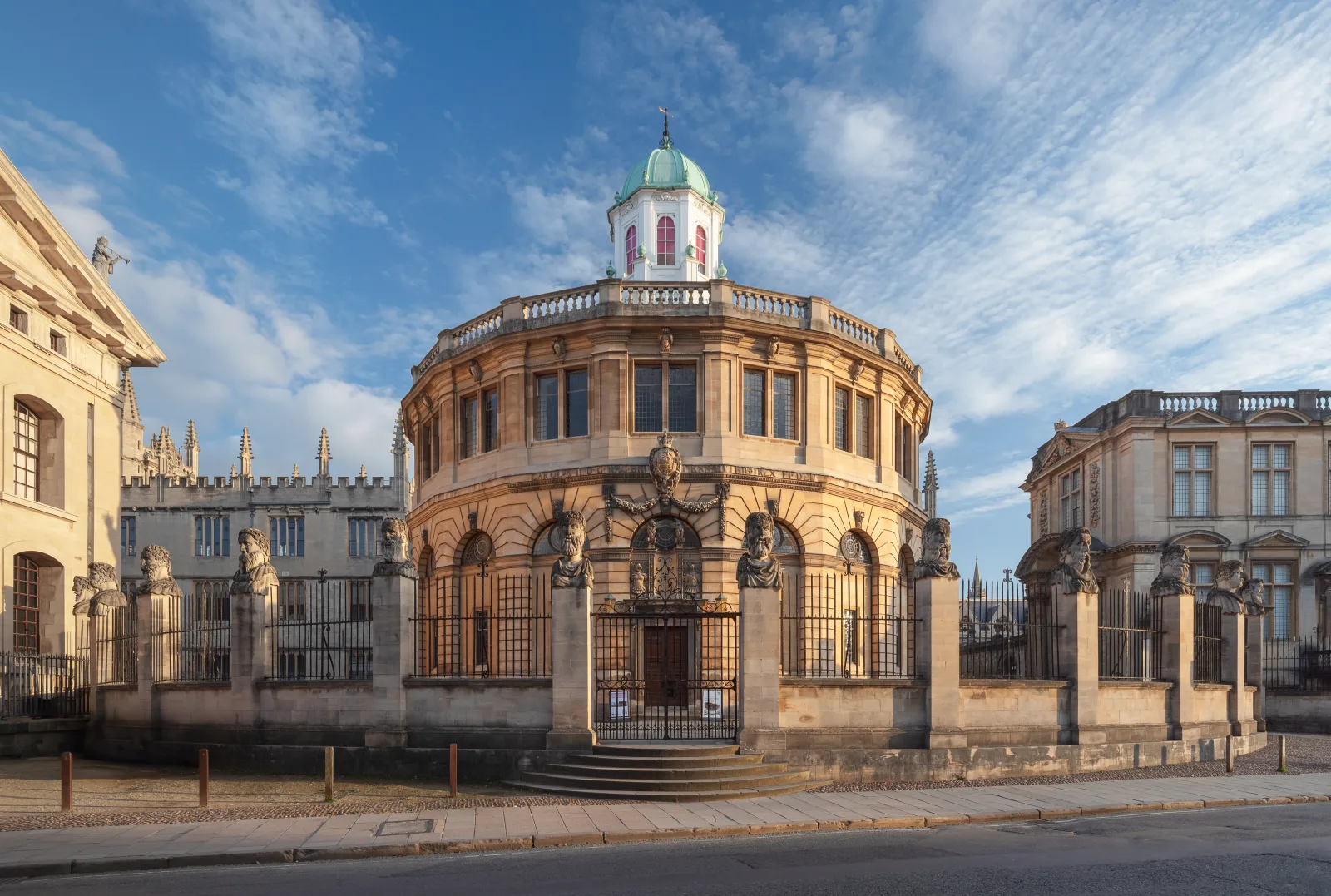
Then, head to the area of the Bodleian Library and the Radcliffe Camera. Leave this central part for mid-morning, when the light usually favors photos and the walk between points becomes more fluid. It's also the part of the itinerary where it's worth slowing down a bit: looking at the surroundings, entering what's open, and avoiding fitting in other long stops right after.
At lunchtime, choose something that doesn't break the rhythm. The Covered Market works well if you want to eat quickly and keep walking; a pub is better if the idea is to sit down a bit before the afternoon. After that, put the museum in the afternoon block, when the city is already busier and an indoor space helps to vary the day. If you still have energy at the end, leave the final stretch for something without haste: a short walk near the river, a last stop at a pub, or an early dinner before ending the itinerary.
The Oxford University Colleges Most Worth Visiting
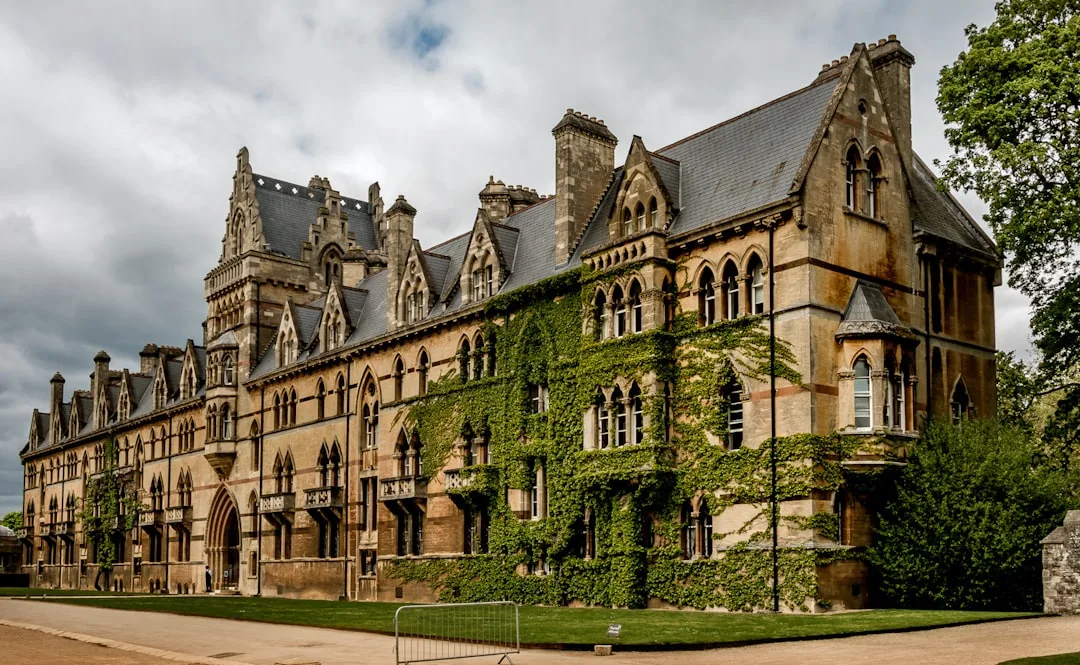
Christ Church is the obvious choice if you want to enter one of Oxford's most sought-after colleges. The architecture is grand and formal, with a weight of historical buildings even for those who have seen a lot in the city. It is also the name that most often attracts those who want to recognize scenes related to Harry Potter. As demand is high, timed entry tickets need to be purchased in advance, and opening hours may change due to special events; it is safest to confirm before going. Generally, it is open from Monday to Saturday, from 10 AM to 5 PM, and on Sundays, from 2 PM to 5 PM, but this should not be treated as fixed.
Magdalen College is worth the entry if you want to combine gardens with a more leisurely walk. The lawns are spacious, there is a deer park, and the surroundings near the river offer a good break for those who prefer less route pressure and more time within the campus. Admission usually starts at £10, with online or on-site purchase, and the stated hours vary according to the season: daily from 10 AM to 5 PM, or until 6:30 PM in July, August, and September. If the idea is to choose just one college to stroll without haste, this is one of the most balanced.
All Souls College is a short and more specific visit. The interest here is less the access to the building itself and more the combination with the ascent of the University Church, which leads to the open view over the city. The college operates under its own academic regime, without undergraduate students, and the stated access is from Monday to Friday and also on Sundays, from 2 PM to 4 PM. As the schedule may change during exam periods and other events, it is worth checking before fitting it into the day.
New College usually pleases those who want cloisters and gardens with less movement than in Christ Church or Magdalen. Despite the name, it is from the 14th century, and that is precisely the interesting part: the complex is ancient, well preserved, and easier to navigate without the feeling of competition for space. There is a paid entrance, with the last entry 30 minutes before closing. The stated hours vary according to the season: daily from 10 AM to 5 PM from March to October, or, outside this period, on Tuesdays, Wednesdays, Thursdays, Fridays, and Sundays from 1:30 PM to 4:30 PM, and on Saturdays from 10 AM to 4:30 PM.
Radcliffe Square, Bodleian Library and the Divinity School
Radcliffe Square is one of the most photogenic stretches of central Oxford due to the relationship between the buildings, not because of an isolated point. The Radcliffe Camera dominates the scene from the outside, with the circular dome creating a very clear reading of the space. The best is to walk slowly around the square and observe how the Bodleian Library and the surrounding buildings close the set; it is this fit that gives meaning to the place, more than any long stop.

The Bodleian Library is part of the visual circuit that concentrates the university in a few meters. Even without entering everything, just the perimeter already helps to understand why this area often enters the first visit itinerary. If you are short on time, it is worth prioritizing the walk around the surroundings and reserving entry to internal spaces only if your interest is in historical architecture and academic environments.
The Divinity School is the part that most compensates for those who want to see the interior. The stone ceiling and the symmetry of the hall make it one of the most photogenic rooms in Oxford, and the space has historical weight as the former classroom of the university. It also became known for appearing in the filming of Harry Potter. Entry is by appointment, so it is worth checking availability before fitting it into the day, especially if you are planning the itinerary with a short margin.
If the idea is to choose between staying only in the square or entering some point, start with the external set and move on to the Divinity School. The square gives the urban reading; the interior delivers the historical part.
Free Museums and the Ascent to University Church
The Ashmolean Museum makes sense for those who want to dedicate part of the day to a wide collection and leave with a clearer understanding of the city beyond the university. It effectively caters to those who prefer a museum with a broader scope, without requiring much itinerary negotiation afterward. The Pitt Rivers Museum, on the other hand, tends to be more interesting for its collection itself, with dense display cases and a way of exhibiting that requires time to look closely; if you enjoy museums that reward curiosity, it fits well after the Ashmolean or as the main choice.
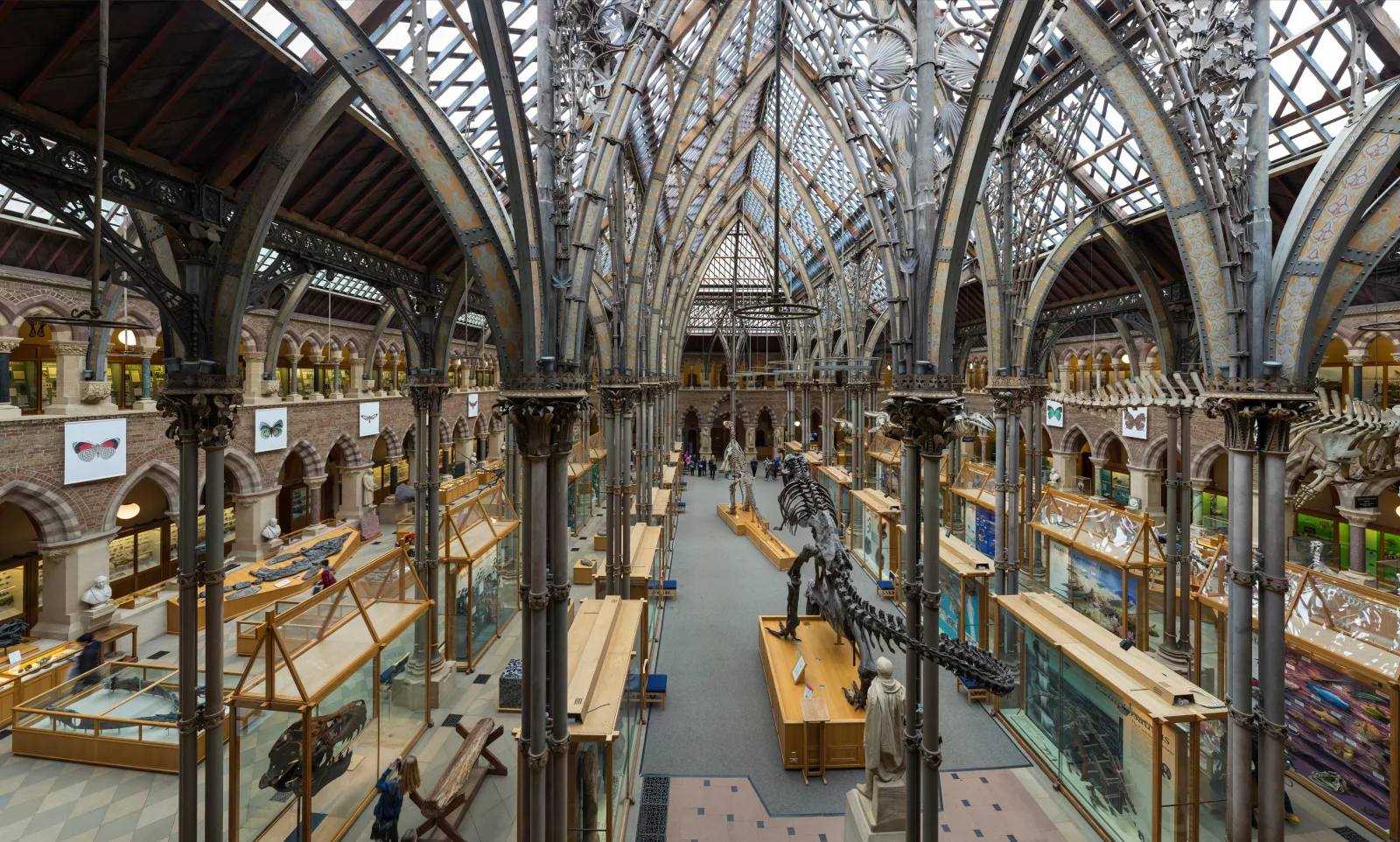
The Oxford University Museum of Natural History works best when the priority is internal architecture and scientific collection at the same address. It's the most direct option for those who want a less scattered visit and easier to fit in between other stops. As all three are free, the decision usually depends less on budget and more on energy: one of them may suffice on the same day you want to save space for other areas of the city.
The University Church of St Mary the Virgin is worth the time for the view, not for the building itself. The ascent is 127 steps up a narrow spiral staircase, and what you take back is a clear view of the rooftops and towers of Oxford. If the day is short, it fits well as a quick stop; if you have already visited some interiors, the climb serves as a contrast without taking up the whole morning.
To decide between museum and viewpoint, think about what's still missing in your day. If you want to spend more time indoors, choose one of the museums. If you've seen enough interiors and want a more open moment, the church offers the best trade-off of effort for a panoramic view in the city center.
What to do outdoors in Oxford
Punting on the River Cherwell is a great option when you want to get out of the museum and college rhythm without leaving the center. There are self-guided tours and also boats with a driver and commentary; the choice depends more on how much you want to worry about the direction than the scenery itself. If the idea is to sit and watch, the boat with the driver makes more sense. If you want to control the route and stop at your own pace, the self-guided option works.
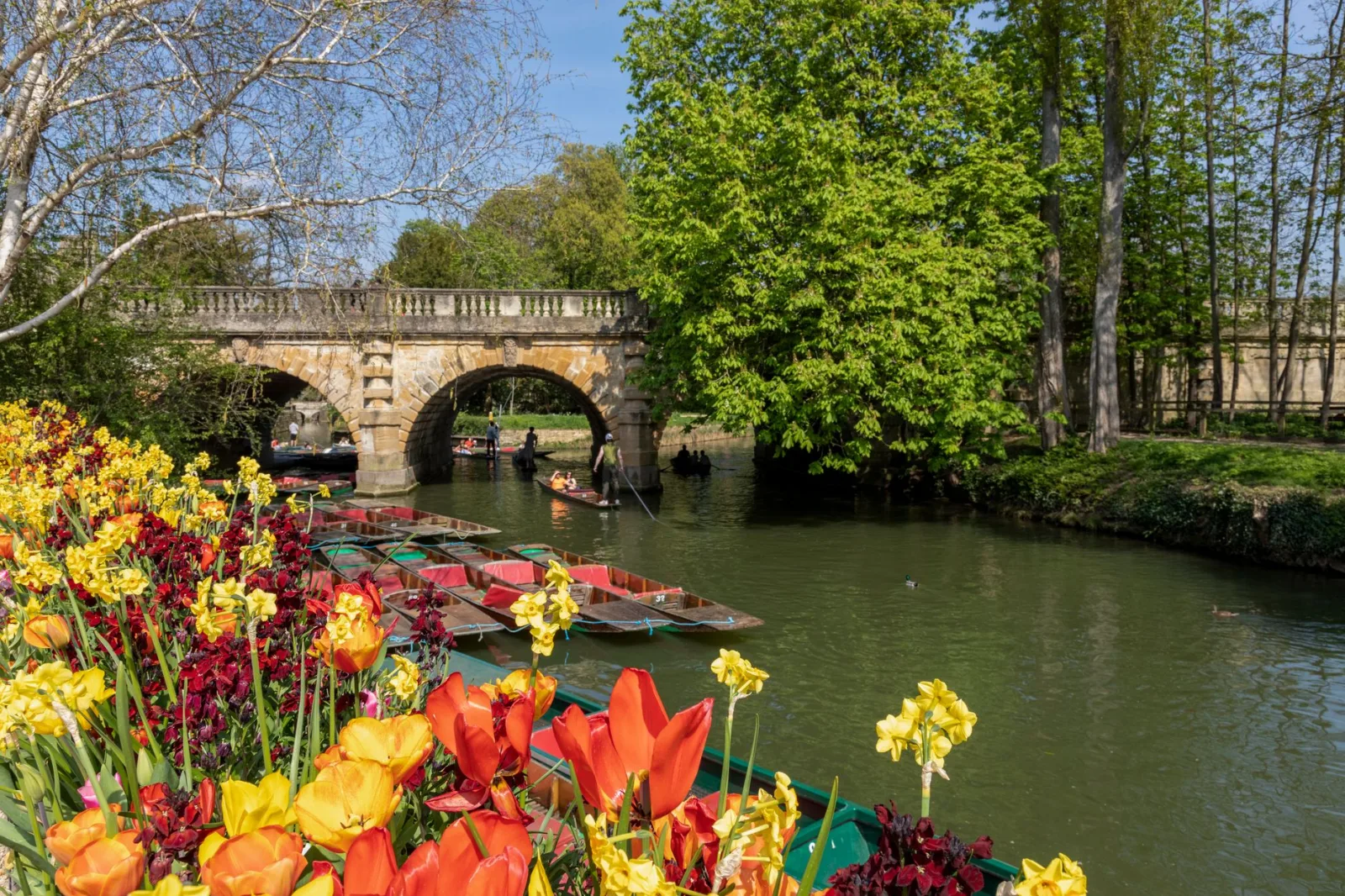
The university gardens are best enjoyed as a leisurely walk between attractions, without the obligation to complete a circuit. The interest here is in walking slowly, crossing open courtyards, and following the green stretches that connect to the river and the colleges. In Oxford, this type of short journey usually yields more than trying to fit long distances into the same day.
The Oxford Botanic Garden serves as a quiet break when the center starts to tire you out. It requires less mental effort than a museum and less logistics than a larger visit, so it fits well in the mid-afternoon or a gap between two busier stops. If you like plants, the value lies in the pace of the place itself; if not, it still fulfills the function of slowing down without straying too far from the itinerary.
The search for the graves of J.R.R. Tolkien and C.S. Lewis is only worth it if it fits without deviating too much from the day. It's a more literary than touristy stop, and it makes more sense for those who already have an interest in the authors or are traveling by car with some flexibility in the itinerary. If time is short, leave this choice out without guilt.
Where to Eat and Take a Break Between Visits
Missing Bean is great for starting the day with coffee and something light before diving into sightseeing. It's the simplest stop when you want to leave early and not waste time with a long meal. If your schedule is tight, it's worth taking care of your first food craving here and keep moving.
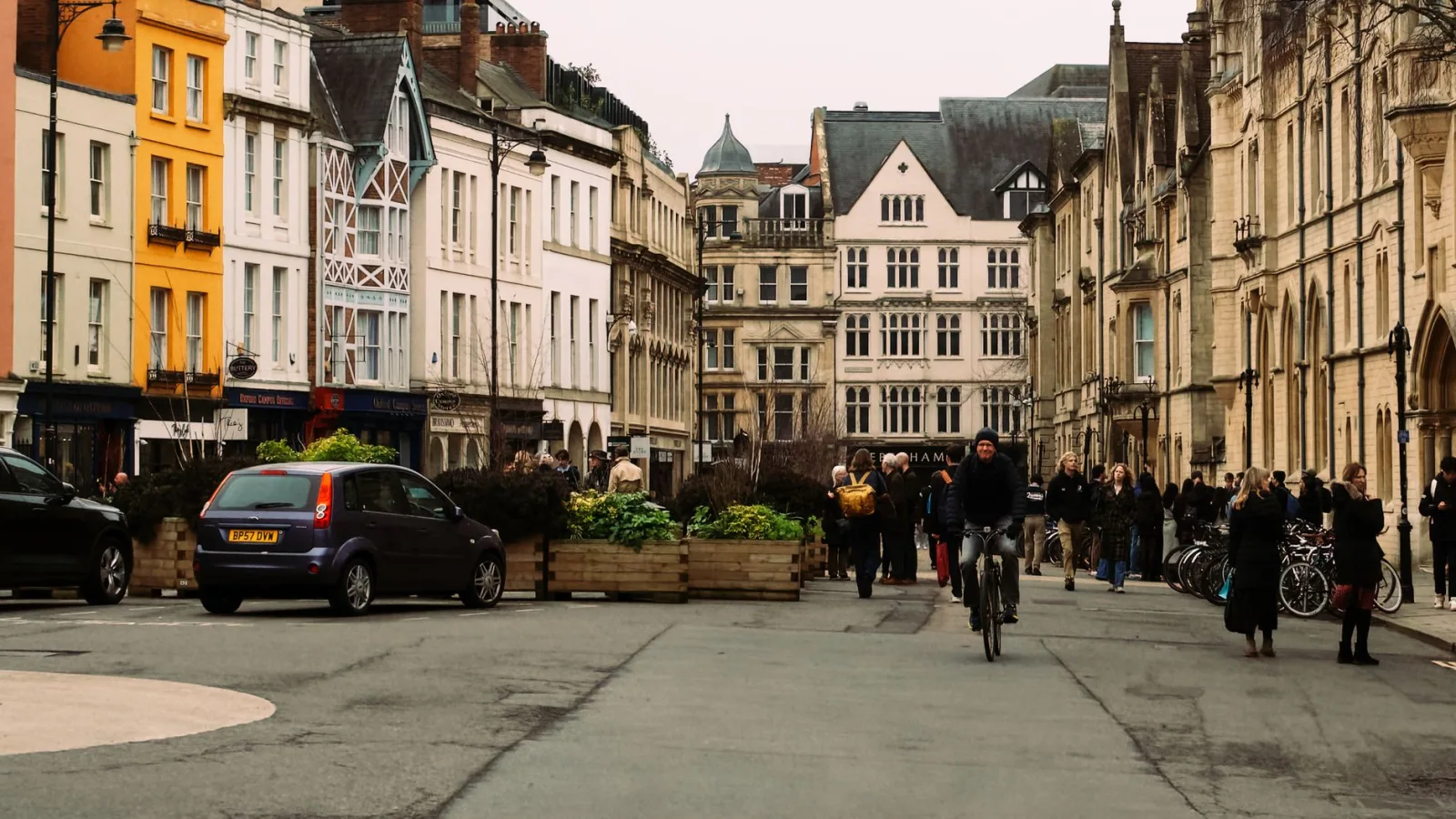
For lunch, the Covered Market is the most practical option. The advantage lies in the concentration of stalls and options under the same roof, which saves time between attractions. If you prefer to decide on the spot, this is the easiest place to choose without disrupting your schedule.
At the end of the day, Turf Tavern is the choice for those who want a historic pub without complicating logistics. King’s Arms fits well if the idea is fish and chips in a more straightforward setting. Both work as a route closure, but each requires a different pace: Turf Tavern to stay a bit longer, King’s Arms to sit, eat, and go.
Blackwell’s Bookshop is worth a short stop if you like books and want to fit something in without deviating from the center. It's not a place to spend a lot of time; it fits better as a brief interruption between two visits than as a main activity.
Frequently asked questions
Can you explore Oxford in one day?
Yes. The center is compact and many of the main attractions are within a short walking distance. With good planning, you can see colleges, museums, and historical areas all in the same day.
What is the best way to get around Oxford?
In the center, walking is the most practical option. If you arrive by car, the park and ride facilities usually are the simplest option to avoid traffic and lack of parking spaces.
Which colleges are worth visiting in Oxford?
Christ Church, Magdalen College, All Souls College, and New College are good choices for a first visit. Each offers a different experience, from gardens and cloisters to courtyards and historic buildings.
Is it worth entering the Bodleian Library and the Divinity School?
Yes, especially if you like historical architecture. The Radcliffe Square is worth the walk, but the Divinity School is more rewarding for those who want to see the interior.
Where to eat during a day in Oxford?
The Covered Market is practical for lunch, as it gathers several options in the same place. For coffee or a quick break, Missing Bean and Blackwell’s Bookshop work well; at the end of the day, Turf Tavern and King’s Arms are good options.