Nantes: what to see, where to stay, how to get there, and how to organize the trip
Nantes: see what to visit, where to stay, and how to get around to put together a practical itinerary, with less travel and better use of your time.
Nantes in a nutshell: for whom the city makes sense
Nantes makes sense as a base for those who want to stay in a larger city in the Loire Valley, with a good selection of hotels and restaurants, without giving up a strategic location in the region. It is close to the mouth of the Loire and about 50 km from the sea, which helps place it on the map for those putting together a broader itinerary through western France.
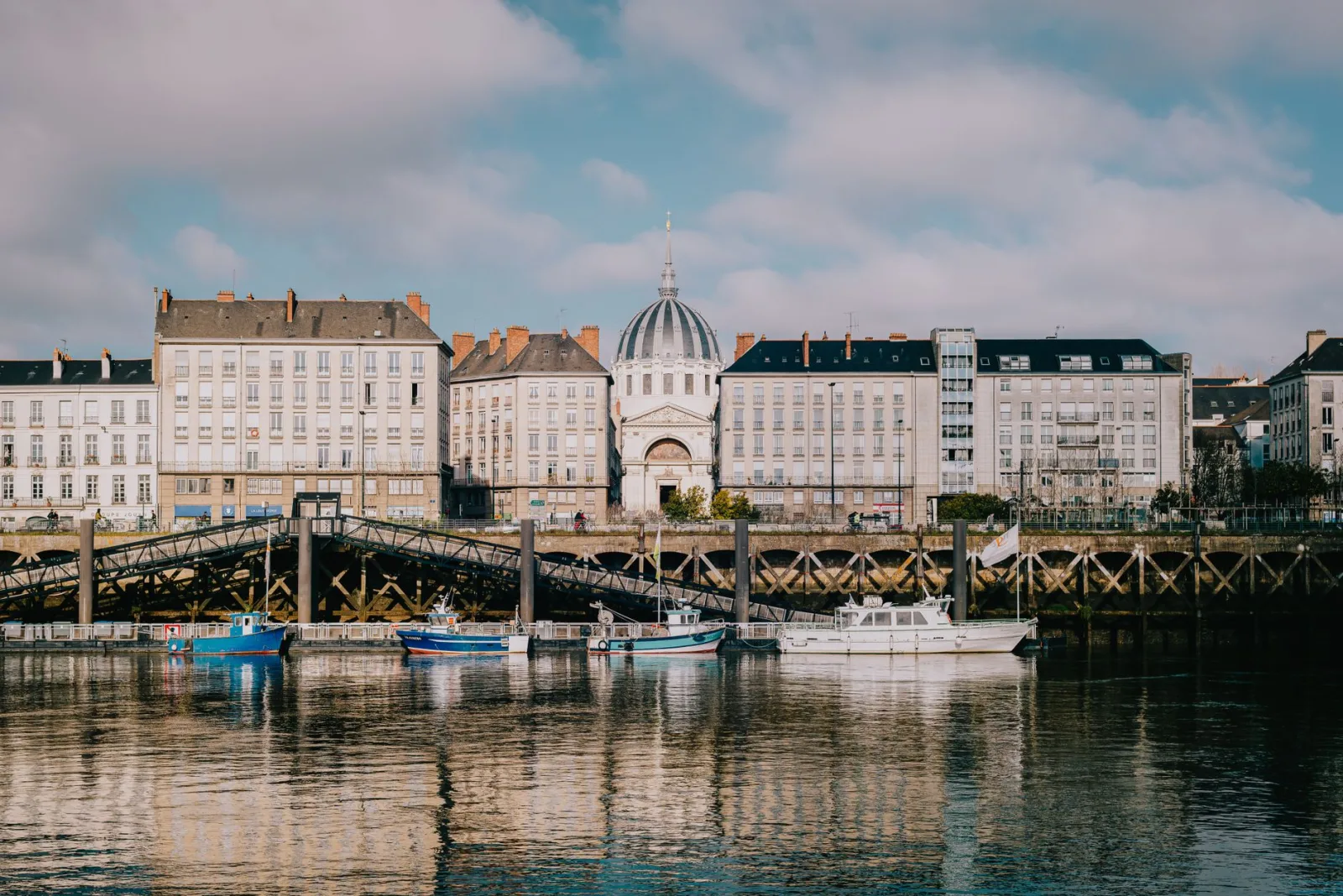
The key point is logistical: Nantes works well as a support hub, but on its own it does not cover a visit to some of the most important castles in the Loire Valley. If the idea is to explore the region more deeply, it is worth splitting the stay between Nantes and other cities in the valley, rather than sleeping in the same place every day.
For those who prefer a trip based in an urban center, Nantes delivers convenience. For those who want to fit castles in succession, the city usually works better as part of a larger itinerary, not as the only stop.
How to get to Nantes and when the city works best for the trip
The most practical connection is usually by TGV train from Paris, with a journey of about 2 hours. For those putting together an itinerary through western France, this makes arrival much simpler: you get into the city already in the center, without relying on a long extra transfer on the very first day.

For weather and the urban experience, Nantes works best between May and September. During this period, the weather tends to favor walking, and the city hosts Le Voyage à Nantes between July and August, when the cultural calendar carries more weight. If the idea is to get around more comfortably and enjoy the city outdoors, this window is usually the most practical.
In winter, Nantes is colder and rainier. The trip is still feasible, but the pace changes: less time in the streets, more attention to proper clothing and to a backup plan for gray days. If you have flexibility, it is worth prioritizing the milder months.
Editorial transparency: Some links on this page are affiliate links. We may earn a commission at no extra cost to you. This does not influence our recommendations.
Where to stay in Nantes to walk less and enjoy the city more
The best area to stay is along the axis between the historic center, the area around the castle, and Place Graslin. It is the part where you can handle more things on foot and reduce your dependence on transportation to go out for dinner, return to the hotel in the middle of the day, or fit in a short stroll without rearranging your schedule.
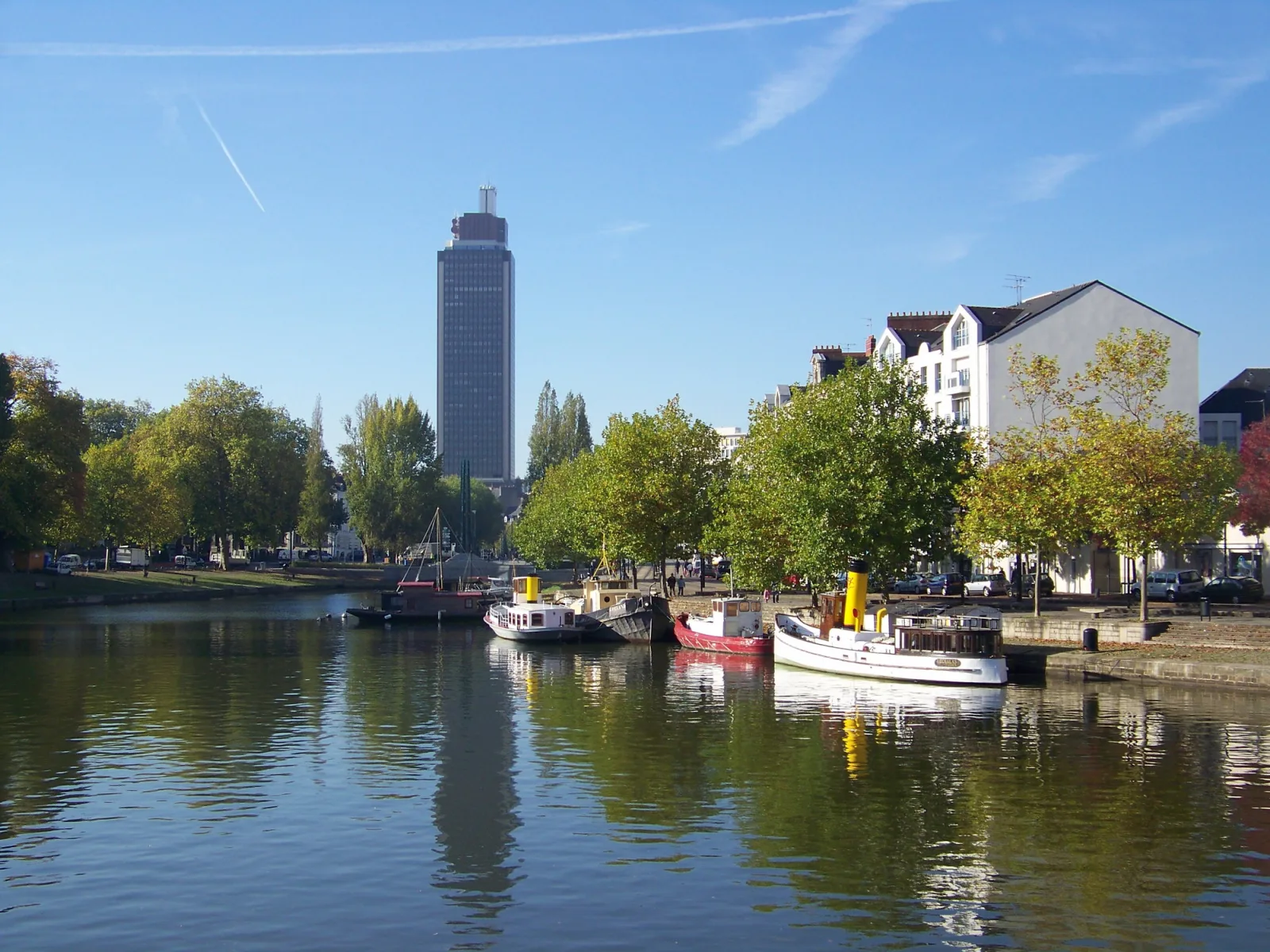
The train station area also makes sense, especially for those who want to arrive, drop off their luggage, and head out quickly to get around. It makes arriving and leaving the city easier and usually works well when the itinerary has only a few days or when Nantes is just one stop on a larger trip through western France.
If the priority is walking less, choose an address that shortens your most repeated trips, not just the cheapest spot for the night. In Nantes, this matters more than seeming central on the map: a well-located hotel can save time on every outing and reduce transportation costs לאורך the trip.
If you are unsure between the two areas, think about everyday use. Those who want more urban life at the hotel’s doorstep tend to do better in the area between the castle and Graslin; those who value simple arrival and straightforward logistics, near the station, usually gain convenience.
What to visit in Nantes: the main places for a first itinerary
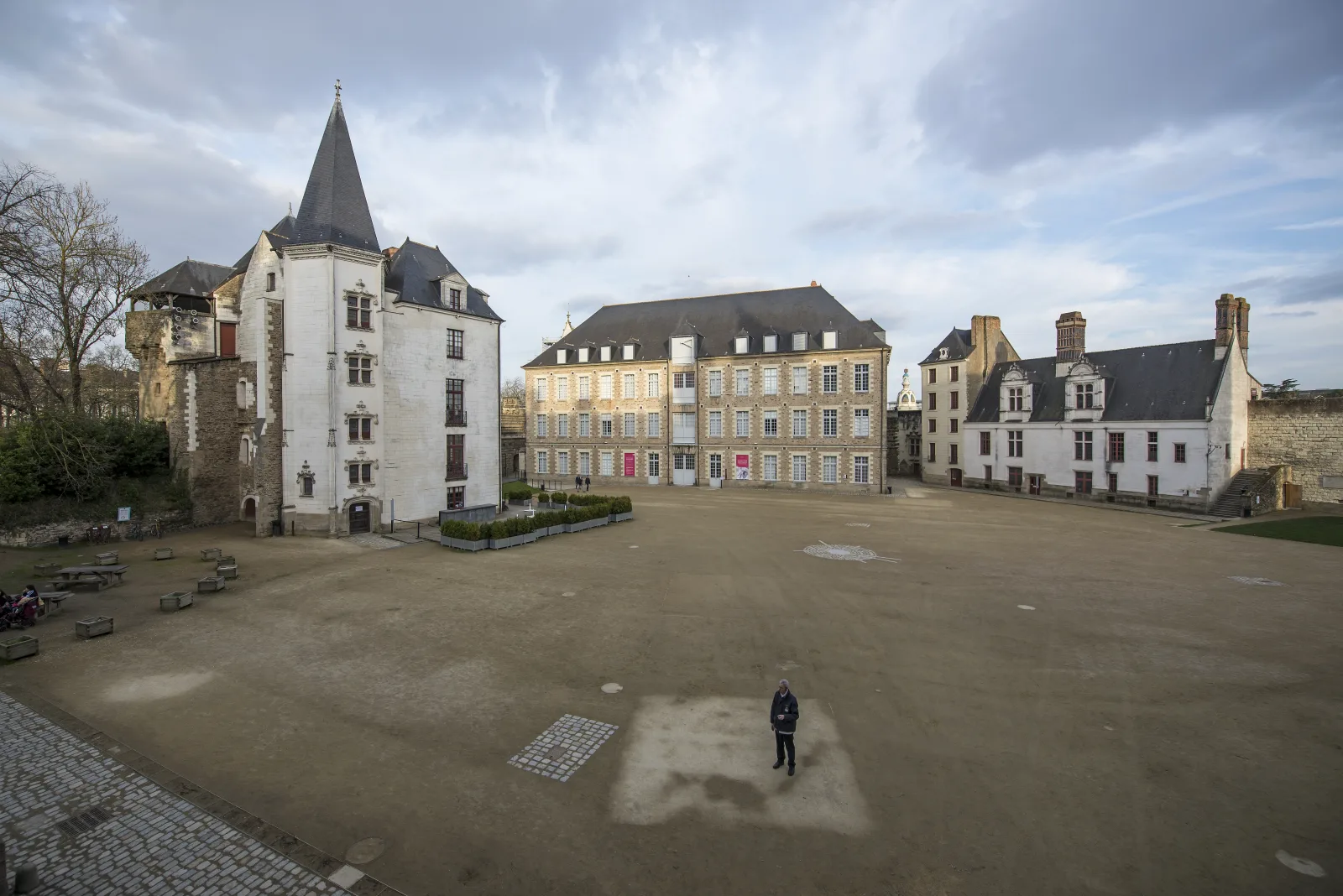
If you have little time, prioritize the axis formed by the Château des Ducs de Bretagne, the Cathedral of Saint-Pierre and Saint-Paul, and the old town around them. The castle weighs more heavily in the itinerary decision because it brings together the city’s history and the museum; the cathedral is included for the importance of the ensemble and the scale of the building, which helps you understand Nantes without requiring long visits. Nearby, the church of Saint Nicolas works as a complement, especially if you like religious architecture and want to concentrate the walk in the same area.
For a second block, Les Machines de l’Île deserves its own space. It is the visit that changes the tone of the trip and helps distinguish Nantes from other cities in the Loire. The former LU factory, now Lieu Unique, fits well on the same day or in another urban segment, because it shows the reuse of an industrial space without depending on a tight schedule. The Passage Pommeraye, meanwhile, serves as a short stop along the route, useful when the itinerary calls for a break between visits and you want to see one of the city’s best-known interiors without spending much time.
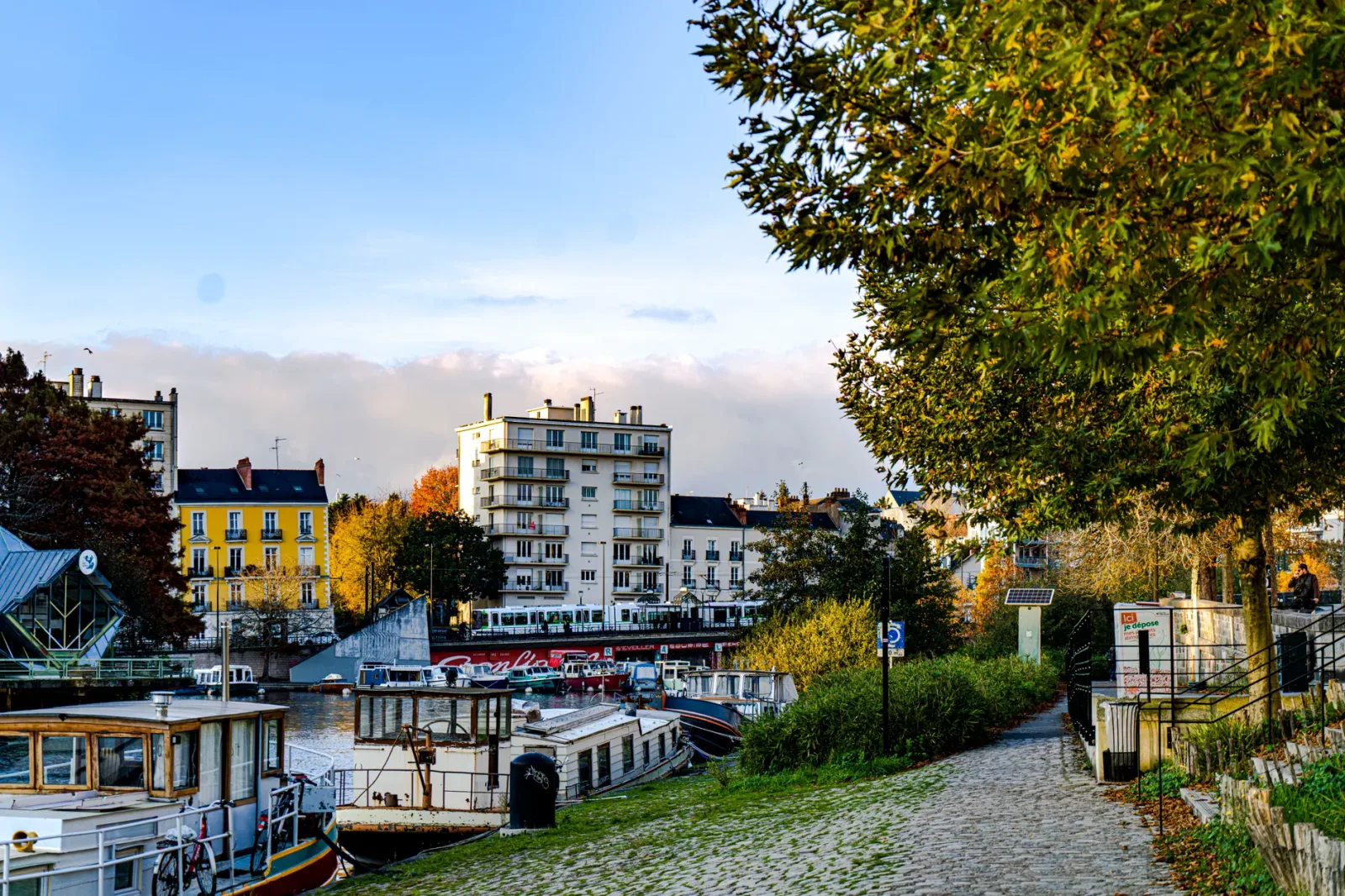
If the idea is to balance the city and green areas, the Jardin des Plantes and Île de Versailles fit in easily. The garden works as a natural break within the center and is a good choice when the itinerary already includes several indoor visits. Île de Versailles requires a bit more time in the day and suits those who want a calmer stretch, away from the sequence of monuments. The Mirror Pool makes sense as a visual passage near the castle, while Tour Bretagne only comes into play if panoramic views are something you really want to fit in.
To close the list of priorities, think in three levels: the essentials for a first itinerary are the castle, the cathedral, and Les Machines; those that round out the experience well are Jardin des Plantes, Passage Pommeraye, Lieu Unique, and the Mirror Pool; those that fit in if there is time left or if your pace is slower are Tour Bretagne, Saint Nicolas, and Île de Versailles.
4-day itinerary in Nantes without rushing
Divide the four days by area. On the first day, stay around the castle, the cathedral, and the historic center, because this is the stretch where you’ll walk the most and understand the city’s foundation without crossing Nantes all the time. The second day fits well on Île de Nantes, with Les Machines de l’Île as the main focus and time to stroll along the banks and the immediate surroundings. The third works best with Jardin des Plantes, the Jules Verne Museum, and the Talensac market in the same route, because these spots go together without requiring long transfers between them.
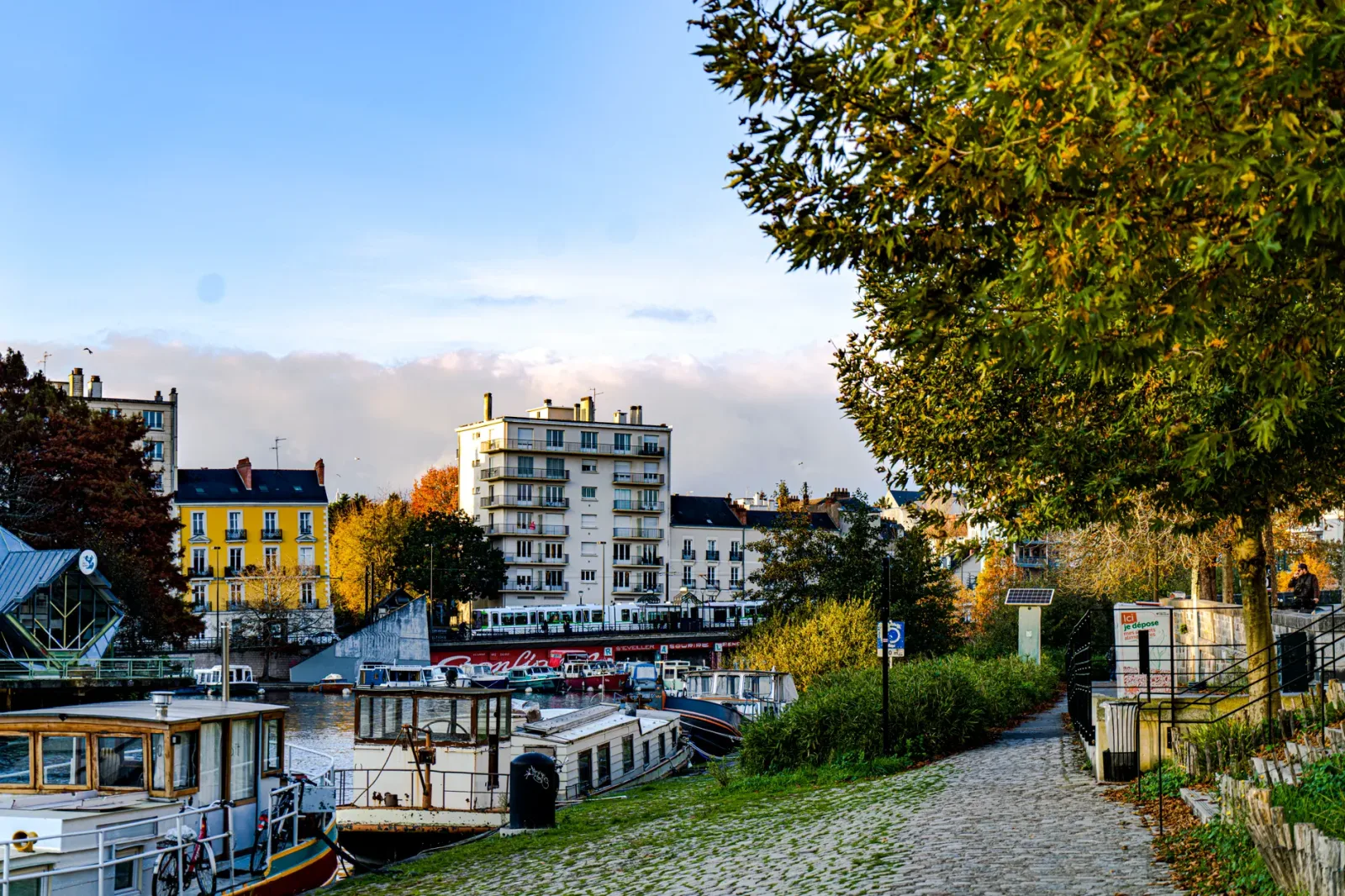
If the trip has a fourth day, it’s worth stepping away from the urban rhythm. Trentemoult is the simplest choice for a half-day or an easy day, especially if you want a change of scenery without complicating the logistics. The Navibus leaves from Gare Maritime and uses the same public transport ticket, which makes things much easier. Another option is to use this day for the Muscadet vineyards, if the priority is wine and rural scenery rather than a riverside neighborhood.
The order helps avoid unnecessary back-and-forth: old town first, the island on the second day, the garden and market area on the third, and leaving the city at the end. If you’re short on time, cut the fourth day; the first three already make up a complete and balanced itinerary, without letting transportation eat into the trip.
How to get around Nantes without complicating your trip
Nantes city center is compact enough to handle a lot on foot, especially in the most central areas and along pedestrian-priority stretches. This reduces the need for transportation for short distances and avoids wasting time with unnecessary connections.
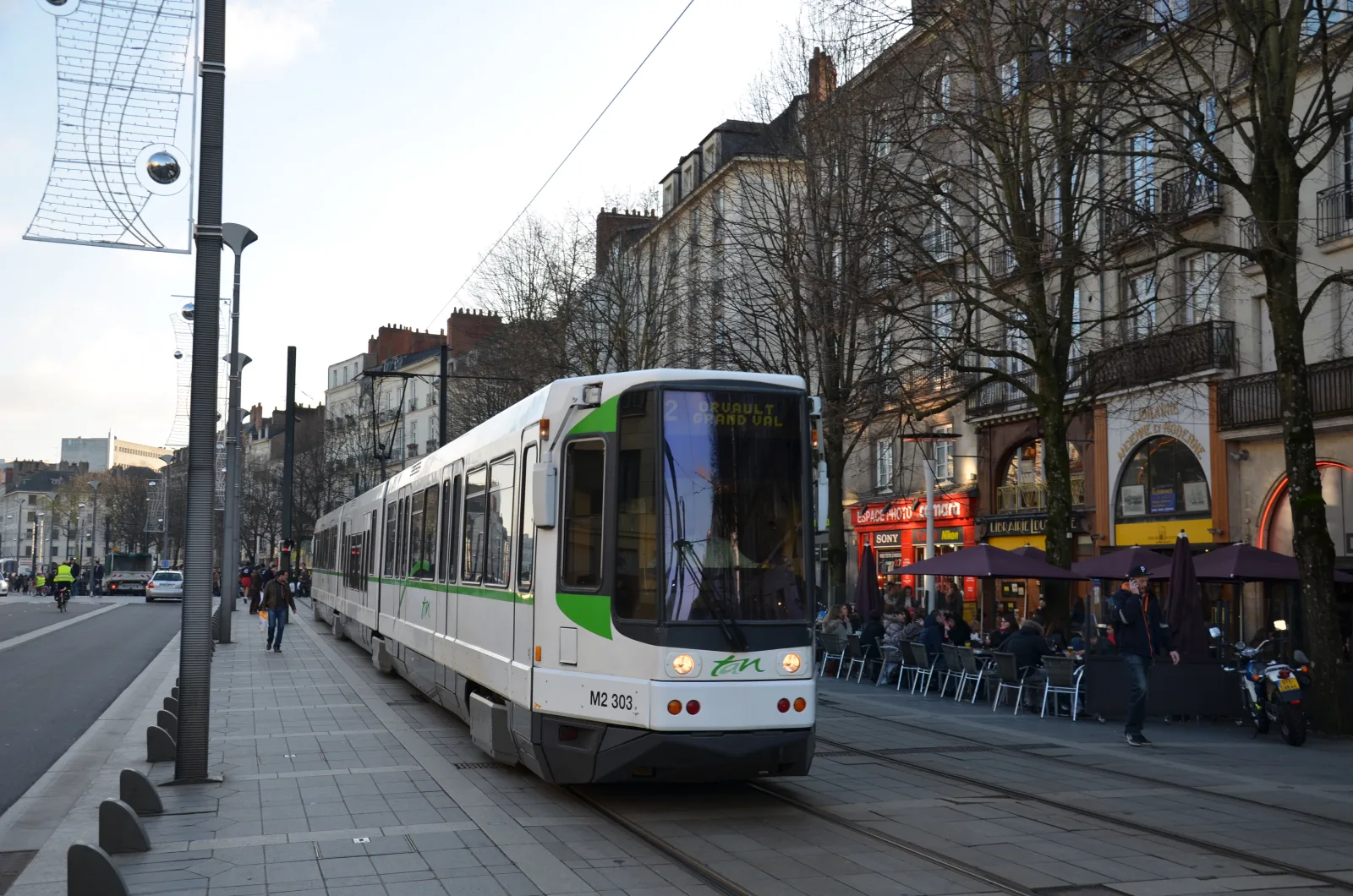
For longer distances, the tram is the most practical option. It helps you cross the city without relying on a car and works well when your itinerary spreads the sights along different axes. Tickets must be validated before continuing your trip; checking them is the kind of detail that often causes problems when visitors leave it until later.
Some pedestrian areas require extra attention, because circulation changes depending on the section and the most direct path is not always the most logical one. If you are on a bicycle, it fits well into the trip, but it is worth watching the shared tracks with the trams, where riding requires more care.
To get to Trentemoult, the Navibus is an easy solution. It is the simplest option for this crossing and fits well into a half-day outing.
How much it costs to visit Nantes and where you can save money
Daily spending in Nantes usually ranges from €80 to €150 per person. With a 3-star hotel and meals at neighborhood bistros, you can aim for around €100 per day, without having to make your itinerary too tight.
If you plan to visit several paid attractions, the Pass Nantes may make sense; it bundles admissions and is usually more useful when you actually include a few ticketed spots. If you’d rather pay on your own, it’s worth comparing what’s included in your itinerary before buying. For transportation, there are single tickets and a day pass, useful for those who will cross the city more than once in the same day.
At Les Machines de l’Île, buying online helps avoid lines and crowds, especially during busier periods. It’s the expense that deserves early attention, because this is a visit where demand affects the comfort of the experience.
Where to eat and what to try in Nantes
Bouffay works well for a no-fuss meal, because it brings together bistros, creperies, and more casual tables. It is the most practical area when you want to have dinner after walking around the center and prefer to choose based on street activity, the menu displayed outside, or the daily special. Graslin and Commerce, on the other hand, are a better fit if the idea is to sit down more calmly and have a more polished meal without leaving the urban core.
At Talensac market, the logic changes: it works both for a late breakfast and for putting together a snack with local products. It is the right place to look for regional cheeses, seafood, and items to eat on the spot or take with you. If you want to try what the city has most everyday to offer, this is the most direct address.
Crêperies appear easily on the food itinerary and are worthwhile for the classic combination of galette and cider. The galette makes for a good light, savory meal, and cider is a natural pairing for this kind of table. For those who prefer wine, Nantes also pairs well with Loire labels and with Muscadet, which usually appears with fish and seafood without requiring much ceremony.
If the choice is between a sit-down dinner, a market snack, or a quick stop at a crêperie, think about the pace of the day. Bouffay works best for something simple and quick; Graslin and Commerce, for a more relaxed meal; Talensac, for trying local products without turning it into a long outing.
Frequently asked questions
How many days should I stay in Nantes?
Three days are enough to see the main sights without too much rushing. With four days, you can include Trentemoult or take a trip outside the center.
Where should I stay in Nantes to walk less?
The best area is between the historic center, the castle, and Place Graslin. Near the station is also practical for easy arrivals and departures.
What are the main attractions in Nantes?
For a first itinerary, prioritize the Château des ducs de Bretagne, the Cathedral of Saint-Pierre and Saint-Paul, and Les Machines de l’Île. Jardin des Plantes and Passage Pommeraye round out the visit nicely.
How do you get around Nantes?
The center is compact, and you can do a lot on foot. For longer distances, the tram is the most practical option, and the Navibus handles the trip to Trentemoult well.
What is the best time to visit Nantes?
From May to September, the weather is usually more favorable for walking and enjoying the city outdoors. Between July and August, Le Voyage à Nantes takes place.