Morcote, Switzerland: how to get there, what to see, and how to enjoy the village on the shores of Lake Lugano
Plan your visit to Morcote, Switzerland: see how to get there, how much time to set aside, and what to include in your tour of the village and the lake.
Where Morcote is and why it stands out
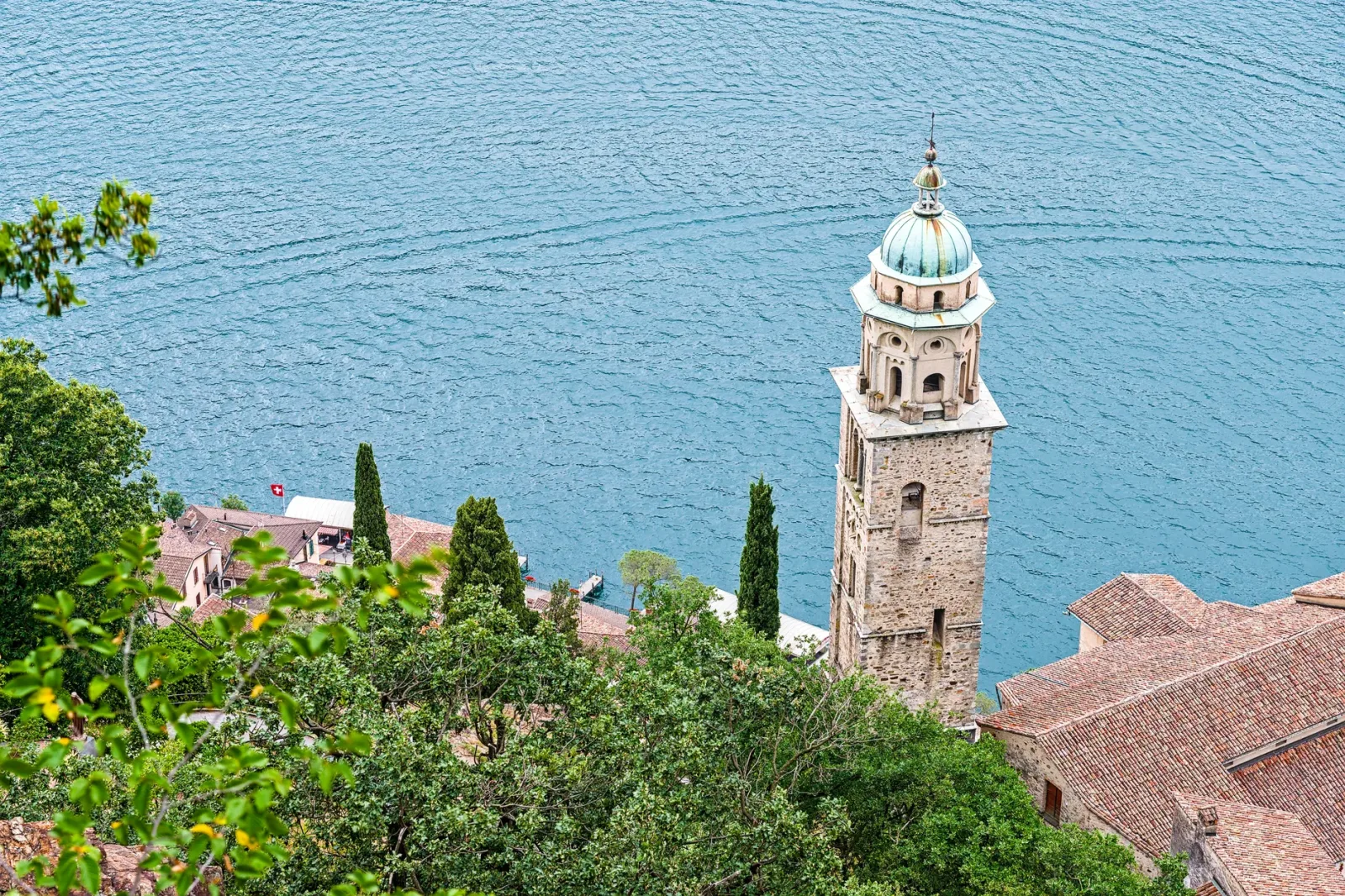
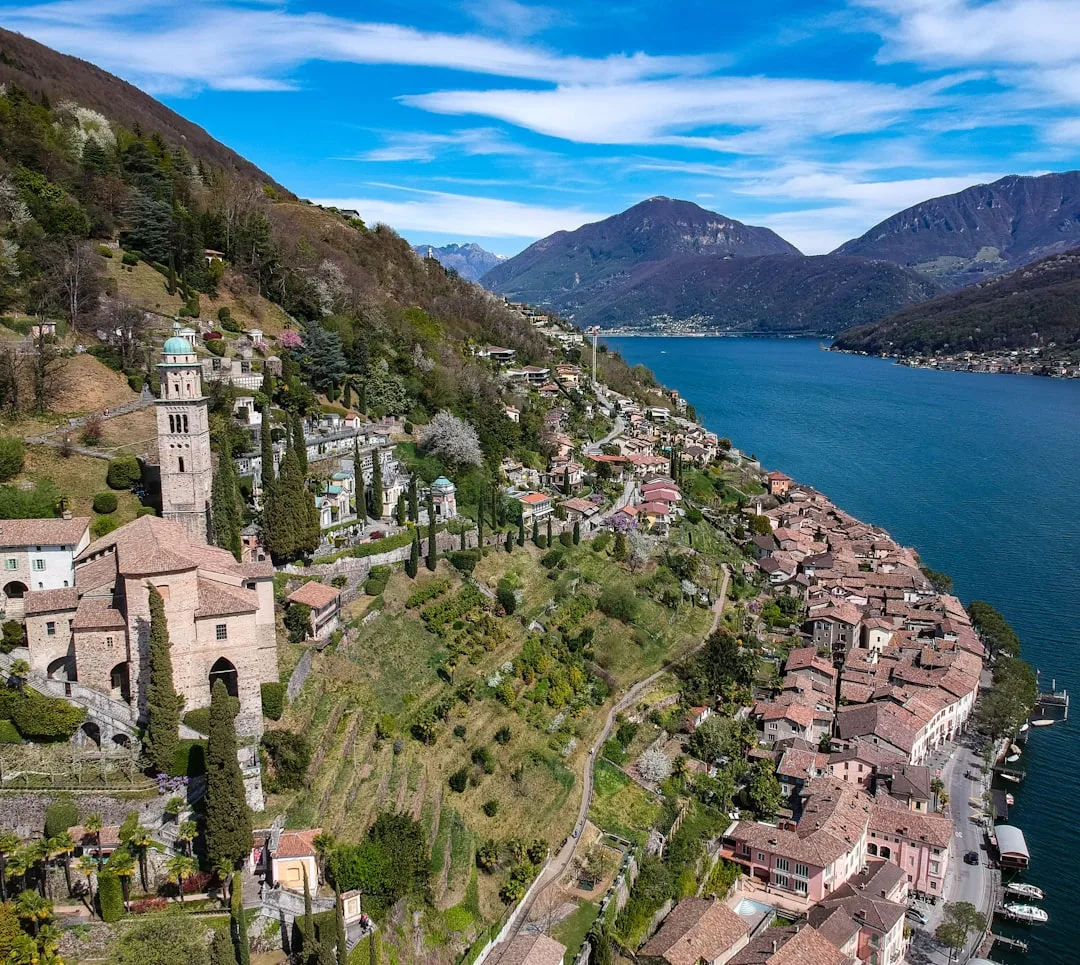
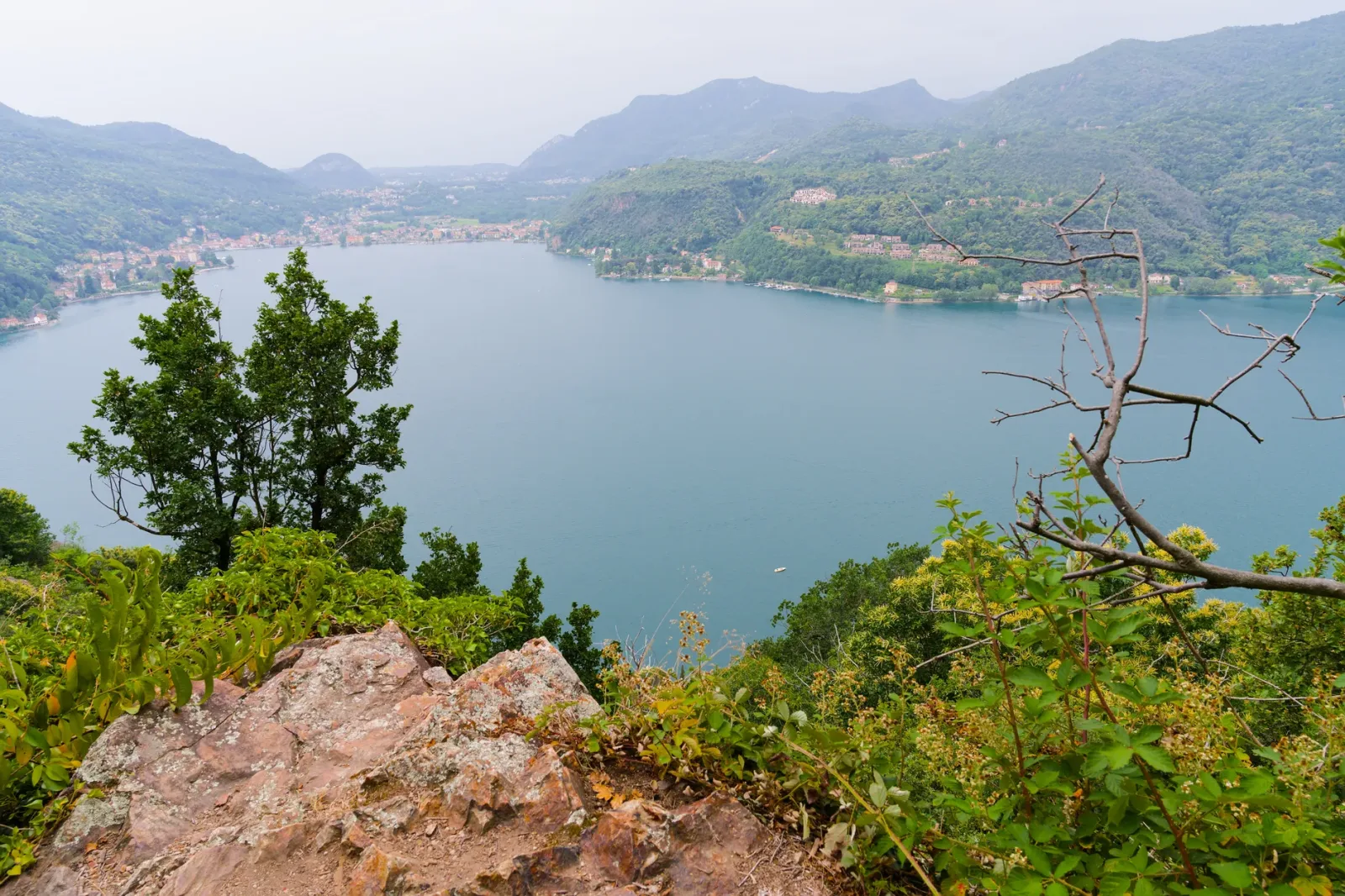
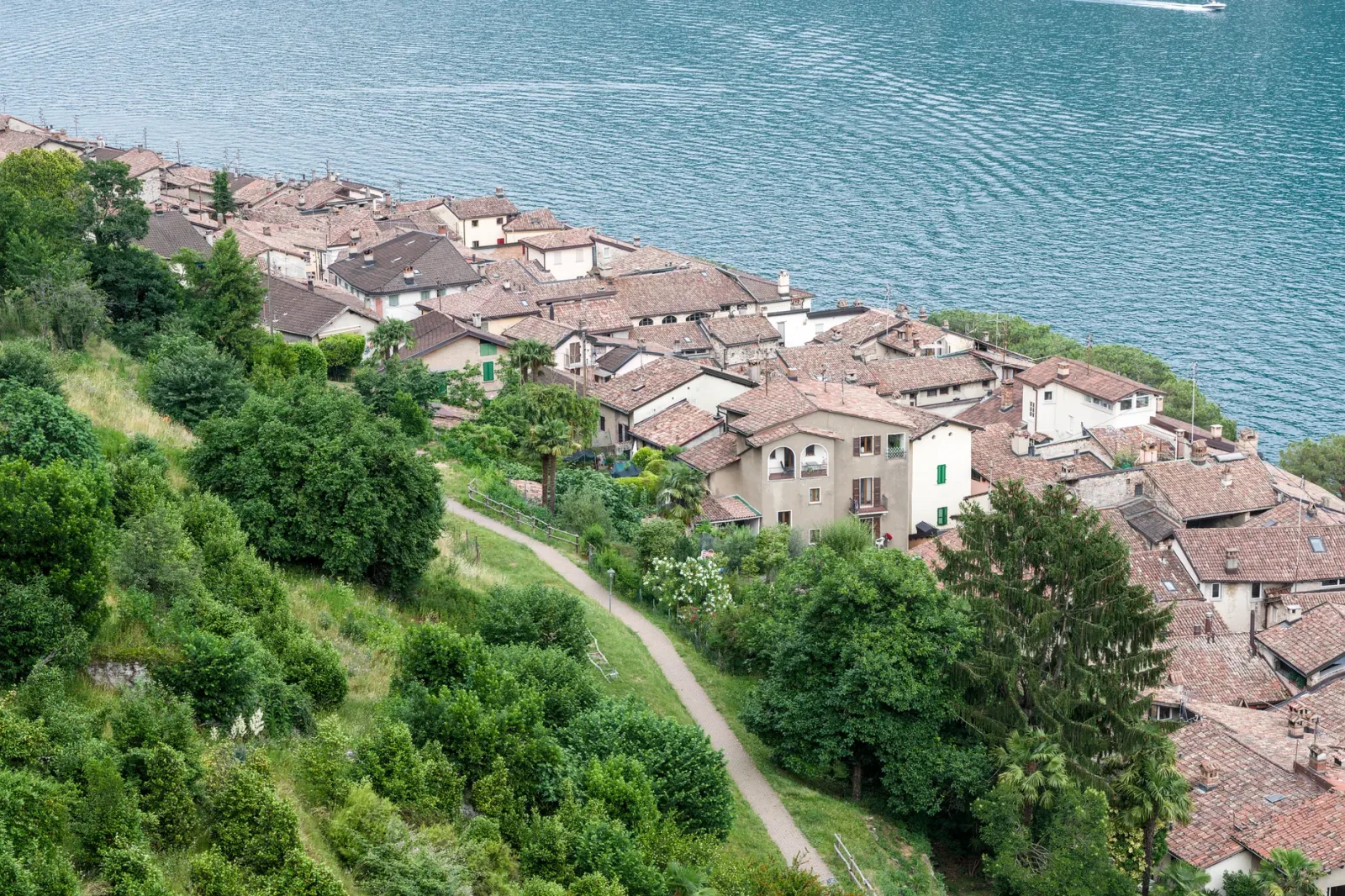
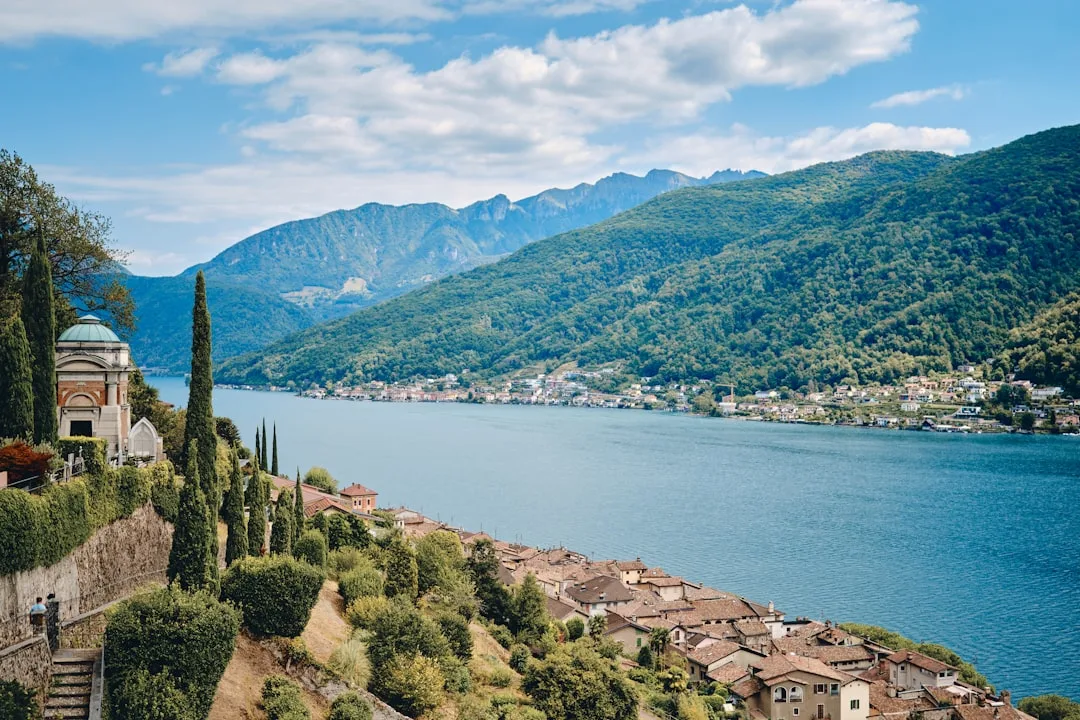
Morcote is in Ticino, on the shores of Lake Lugano, a little more than 12 km from Lugano. Its position between water and hillside explains much of the village’s layout: narrow streets descend to the harbor, while the upper part rises toward the hill.
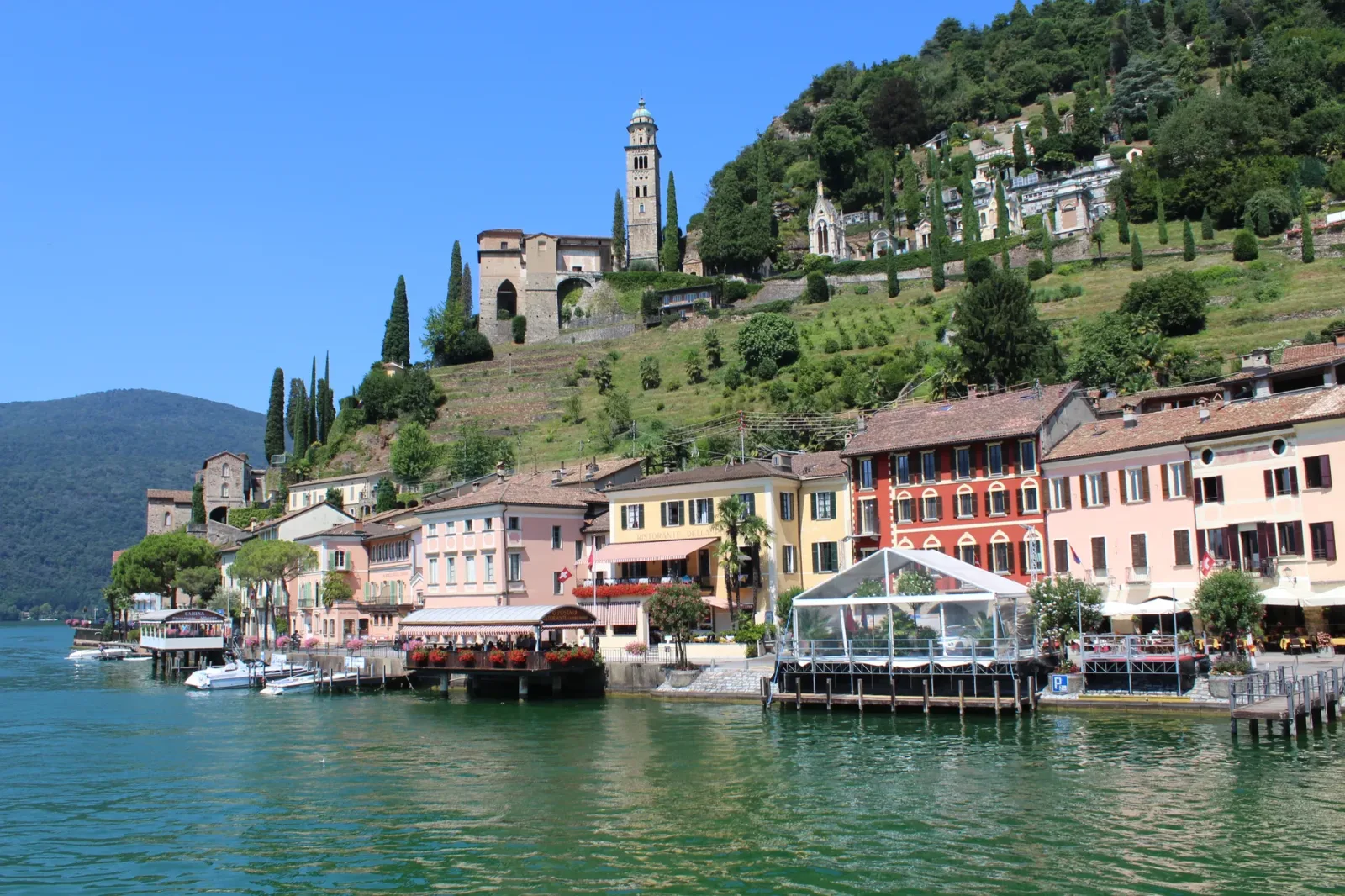
Before becoming a leisure destination, Morcote was a fishing village and an important port on the lake. During the Middle Ages, it served as a transit point for goods for the Milanese dukes, and this commercial past still helps explain why the village grew to an unusual size for such a small place.
The name also carries this history. Morcote comes from a term with a Proto-Latin root linked to the idea of the end of the mountain or rock, a reference to the tip of the peninsula where the village is located. It is a name that fits the local geography: water on one side, hillside on the other.
In 2016, Morcote received the title of Switzerland’s most beautiful village. The recognition drew attention to a place that had long been photographed, but without erasing what makes it unique: its small scale, its direct relationship with the lake, and the historical layer that still appears in the urban layout.
How to get to Morcote from Lugano
The easiest access is by boat. In summer, there are more frequent departures between Lugano and Morcote; outside the high season, the service may be more limited, so it is worth checking the updated timetable before setting off. The trip takes about 1 hour and 15 minutes and works well for those who want to arrive without rushing, watching the village approach across the lake.
By bus, the direct connection from Lugano takes about 33 minutes. It is a good option when the goal is to fit Morcote into a short outing, but the schedules are not as frequent, especially on weekends, so it is advisable to check the day’s timetable in advance. The train-plus-bus combination is also available and is usually the fastest alternative, with about 30 minutes of total travel time.
Those going by car take a little over 20 minutes, depending on traffic. There is parking in the village, with metered spaces and also a garage with about 300 spaces, where card payment is accepted. To avoid wasting time driving around, it makes a difference to arrive early, especially on busier days.
Editorial transparency: Some links on this page are affiliate links. We may earn a commission at no extra cost to you. This does not influence our recommendations.
How much time to set aside to visit Morcote
Set aside at least half a day for Morcote, even though it is a small village. The lower part can be explored at a leisurely pace in a short time, but the climb to the upper area changes the pace of the visit: the stairways, alleys, and the Church of Santa Maria del Sasso call for more stamina and pauses along the way. If the idea is to also include Parco Scherrer, the outing is no longer a quick stop and easily takes up much of the morning or afternoon.
Arriving early makes a difference. At the start of the day, the flow is usually calmer and you can move around the village without getting caught in the stream of visitors that concentrates in the more obvious areas. This is especially helpful if you want to combine the lakeside walk with the climb, because the upper section tends to take more time than it seems on the map.
For a streamlined itinerary, think in two stages: first the lower area, then the upper part. If you like walking without rushing, observing the layout of the streets, and stopping for photos, allow for larger time margins between one point and another. Morcote seems compact, but the terrain makes each move slower than in a flat village.
If you want to fit Parco Scherrer into the same day, leave that visit for after the main walk or before the longer climb, depending on your pace. The park usually calls for its own time, because it does not work as a quick pass-through; it is best enjoyed when it is not competing with the rest of the itinerary.
What to see in the lakeside area
The lower part of Morcote begins at the harbor, where the village’s relationship with Lake Lugano becomes clearer. It is there that one notices the compact layout of the historic center, with buildings lined up along the water’s edge and activity concentrated around the tables of cafés and restaurants. There are sections with covered archways, supported by pillars, that give rhythm to the walk and mark the visual identity of this part of the village.
Those who explore this area will find a short sequence of simple and more elegant buildings, always facing the lake. This is not a stretch to “see everything” at once; it works better as a slow stroll, with brief stops to observe façades, step into a café, or continue to the next covered opening. On busy days, the flow of visitors is concentrated precisely here, so it makes a difference to walk unhurriedly and decide where to stop before sitting down.
The lakeshore is also the most practical point for anyone wanting to get a first impression of Morcote before heading uphill. On one side, the harbor and boats; on the other, the restaurants, cafés, and the sequence of porticoes that weave through the street. It is the part of the village where the urban landscape feels most continuous and where local life is most visible in everyday life.
What to see in the upper part of the village
The upper part calls for a different pace. The narrow lanes rise between old houses, chapels, and small devotional sites that are part of the local pilgrimage route. This section is not meant to be a quick, linear stroll: it requires attention to the ground, time to stop, and a willingness to climb without rushing.
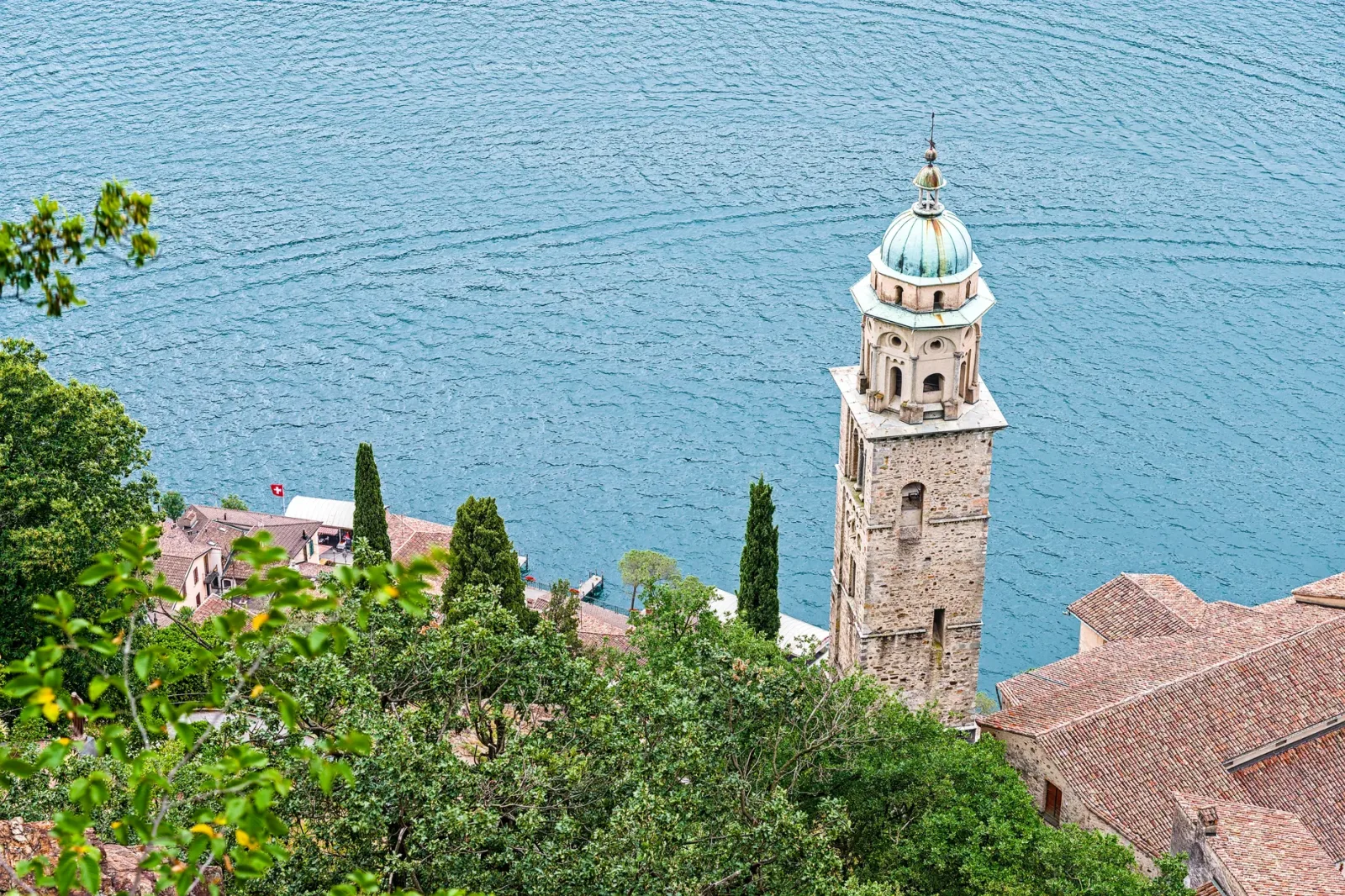
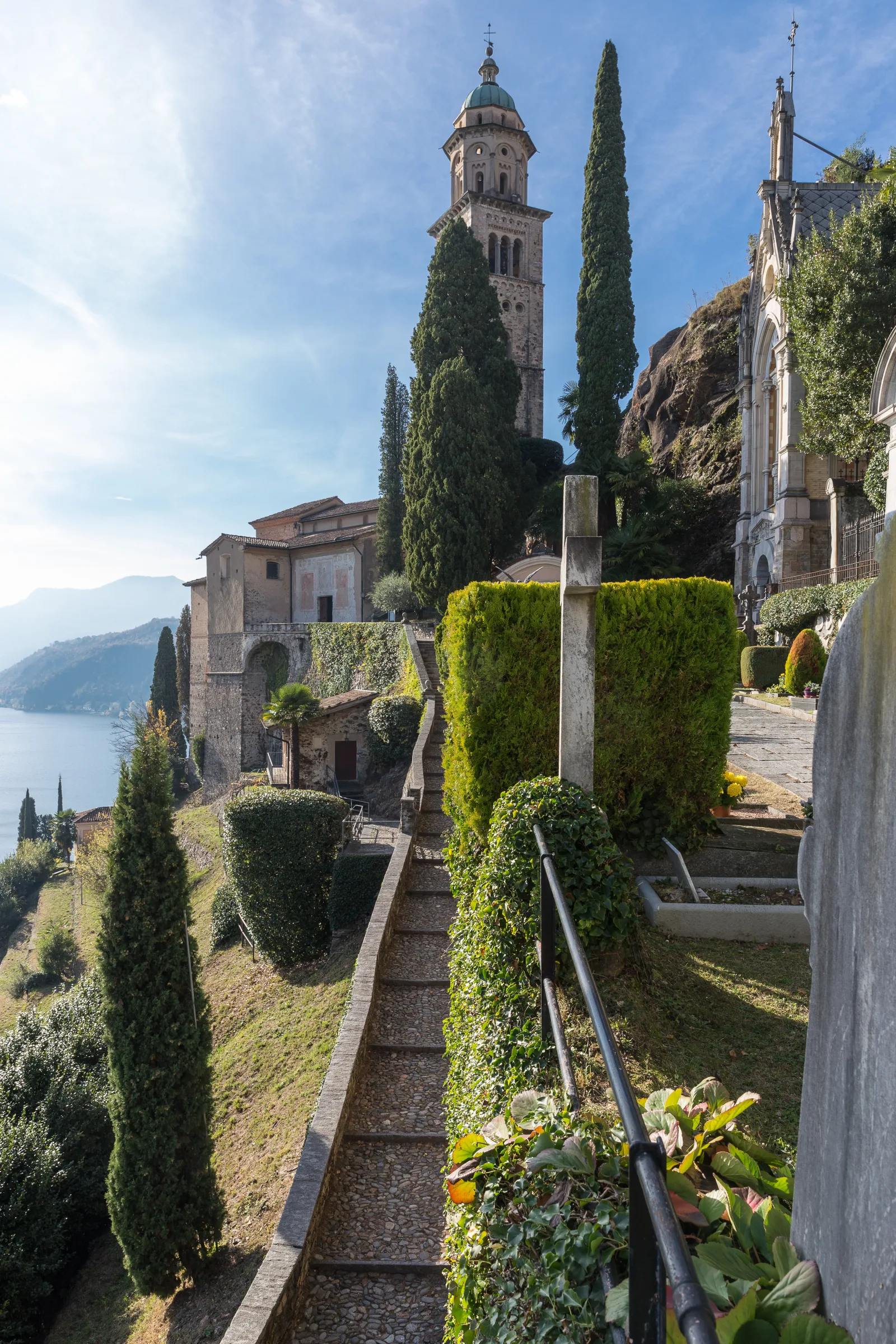
The axis of the walk is the Church of Santa Maria del Sasso, which dominates the hillside and houses the religious complex associated with it. Along the way, the monumental staircase with 404 steps marks the transition from the lower village to the upper sector. It is a short effort on the map, but a real one for the body, especially if you try to make the climb without breaks.
The succession of sanctuaries and chapels is worthwhile as a whole, not for any single point. The place is best understood when you observe how the narrow accesses, courtyards, and façades are arranged around the pilgrimage route. Instead of rushing to the top, take the route slowly enough to look at the architecture and the shape of the hillside.
If you plan to fit this climb into the same day, wear sturdy shoes and avoid leaving it for the end of the visit, when your legs are already starting to tire. The upper part of Morcote was not made to be crossed in automatic mode.
Parco Scherrer and other spaces for strolling
Parco Scherrer occupies a terraced plot and calls for time to be explored unhurriedly. The layout combines Mediterranean and Eastern-inspired areas, with paths that alternate between shade, water, and resting spots. Among the plants frequently mentioned in the park are palms, camellias, wisteria, cedars, cypresses, camphor trees, and eucalyptus.
There are also structures and scenic objects scattered along the route, designed to give the garden a more theatrical rather than purely botanical character. The park’s appeal lies precisely in this layering: vegetation, promenade architecture, and small references to different places and eras, all arranged as a walking sequence.
The space hosts cultural events and weddings, so a visit may find parts of the park in more intensive use on specific dates. If that matters to you, it is worth checking the schedule before going, especially on ceremony days. The walk works best when you set aside part of the day just for it, without trying to fit it in between quick transfers.
Churches, oratories and the monumental cemetery of Morcote
The Church of Santa Maria del Sasso dominates the upper part of Morcote and brings together the village’s best-known religious complex. Around it are chapels, courtyards and small access ways linked to the pilgrimage tradition, as well as the path leading to the monumental cemetery. A visit here makes more sense when you look at the whole ensemble, not just the church in isolation.
The Church of San Rocco and the Oratory of Saint Anthony of Padua are part of the same local devotional axis. They are smaller stops, but they help explain how the area was organized around worship, burial and the movement of the faithful. The interest lies less in separate monuments and more in the continuity between church, oratory and route.
The Monumental Cemetery deserves its own attention. It brings together chapels designed by Gaspare Fossati and Giovanni Caccia, as well as gravestones, busts, symbolic figures and sculptures by authors linked to Ticino. Among the elements most often mentioned are the Winged Justice figure on the Bernaschina tomb, a musical angel by Andreoletti and the bronze sculpture near the tomb of Carlo Bombieri, by Henry Spencer Moore. Also noteworthy are the large columbarium and the tombs of regional personalities, which turn the space into an open-air route of funerary art.
If you like observing details, it is worth taking your time with the reliefs, inscriptions and materials of the chapels. It is a short stretch in area, but dense in historical and artistic layers, and it usually rewards a slower visit.
When to go and what to observe in the village throughout the year
Spring is usually the period when Morcote is best explored on foot. The Mediterranean vegetation gains volume, the slopes become more defined, and the wisteria comes into bloom, with its long clusters in shades of blue or purple appearing under the arcades and on the façades facing the village. If the goal is to see this scene at its best, the window between the end of winter and spring deserves attention.
In summer, the experience changes pace. The light becomes harsher, traffic increases, and shaded areas become more important along the route. It is the season when the greenery remains present, but the visit tends to work better if you alternate walking with short breaks, especially in the parts most exposed to the sun.
Autumn and winter call for different expectations. The landscape still bears the presence of olive trees, cypresses, and other species suited to a milder climate, but the village loses some of the immediate effect of the flowers. On clear days, the slope and lake are more sharply defined; on cloudy days, the stroll takes on a quieter tone, with less contrast and less movement in the streets.
If you like observing plants and not just façades, it is worth adjusting your visit to what is happening in the village garden at that moment. In Morcote, the season changes what stands out: in spring, the flowering draws attention; in summer, the light becomes dominant; in the colder seasons, the interest lies more in the shape of the place and the permanent vegetation.
Frequently asked questions
How much time do I need to visit Morcote?
Allow at least half a day. The village is small, but the upper part, the church, and Parco Scherrer require time to be visited at a relaxed pace.
What is the best way to get to Morcote from Lugano?
The easiest way is by boat, especially in summer. There is also a direct bus, a train-and-bus combination, and access by car.
What is worth seeing first in Morcote?
Start with the lower part, by the shore of Lake Lugano, to understand the layout of the village. Then head up to the Church of Santa Maria del Sasso and the chapels in the upper part.
Is Parco Scherrer worth a visit?
Yes, if you have time to walk without rushing. The park works best as a visit in itself, with terraces, vegetation, and scenic features.
What is the best time to visit Morcote?
Spring is usually the most pleasant time for walking and seeing the flowers bloom. In summer, the visit requires more breaks because of the light and the heat.