Mar del Plata: what to do, where to stay, and how to plan your trip
Mar del Plata: see when to go, where to stay, and how to plan a short itinerary to enjoy beaches, downtown, the port, and museums.
When to go to Mar del Plata
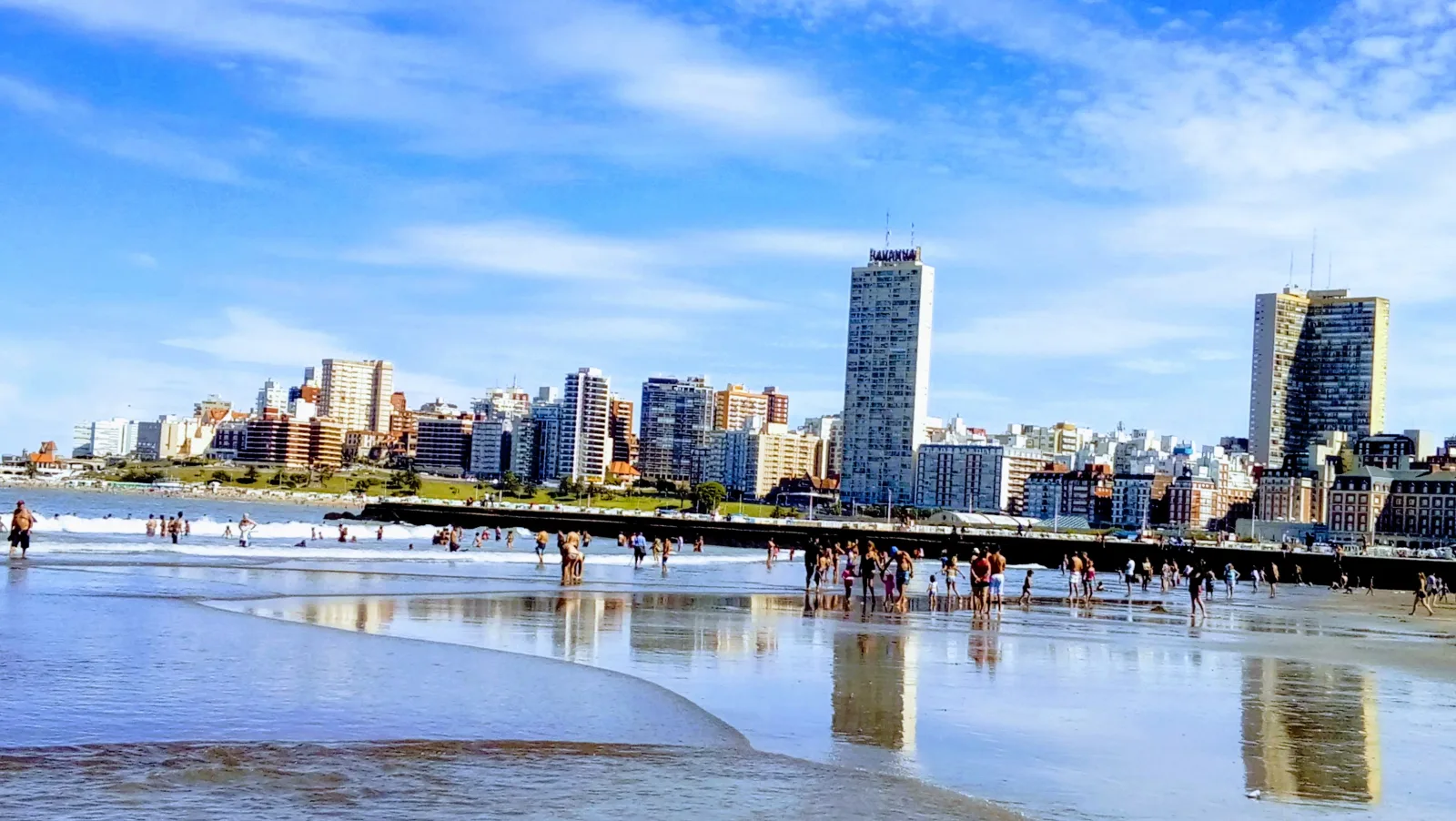
January and February are the busiest beach months in Mar del Plata. This is when the city enters the high summer season, with more activity on the sands, greater demand for accommodation, and prices generally higher than outside this period. Those who want to see the city in a mass-vacation atmosphere need to accept this crowding as part of the experience.
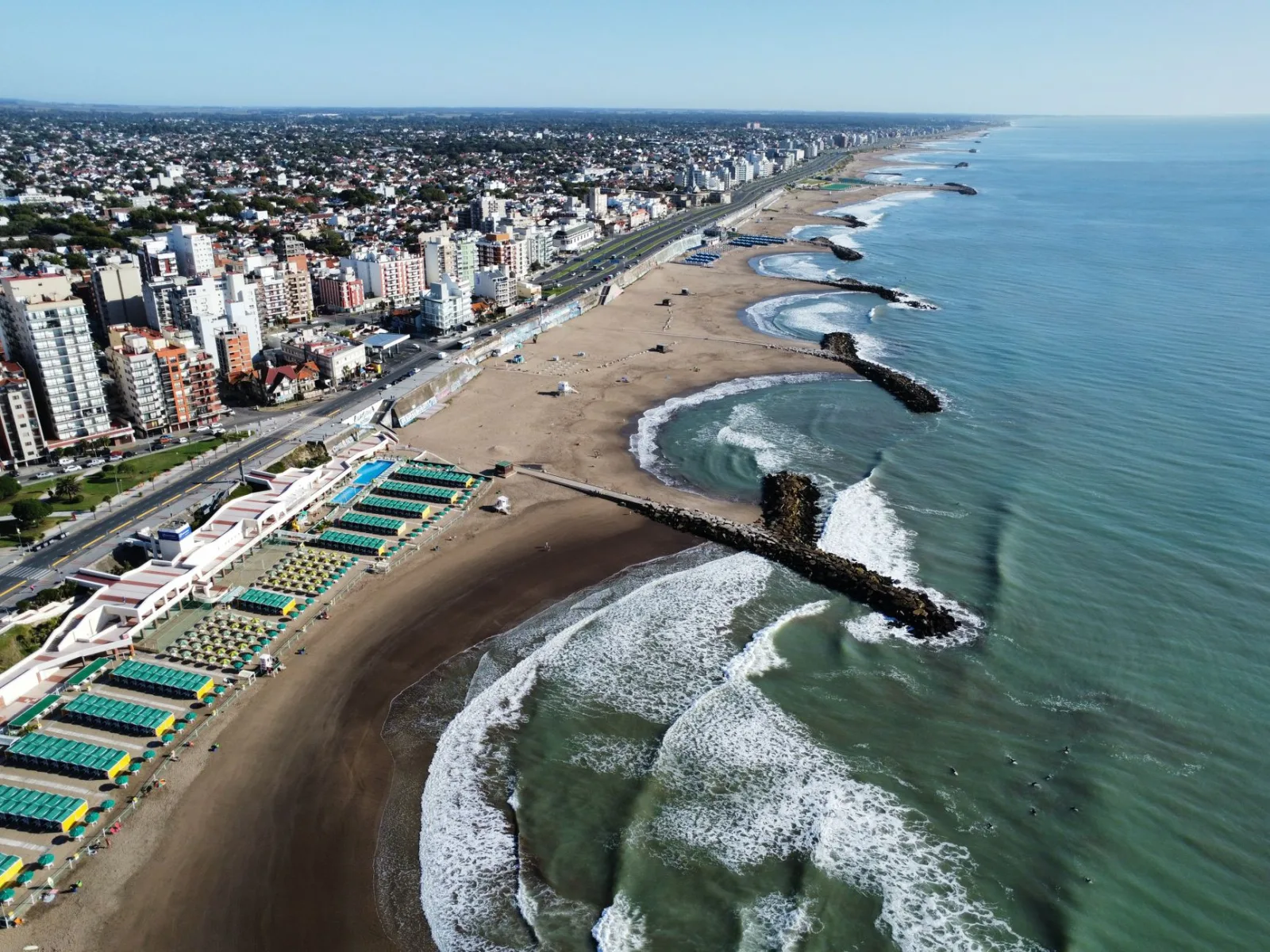
March usually works better for many people. The heat is still around, but temperatures tend to be milder and beach traffic drops compared to the height of summer. The city continues to operate at a seasonal pace, but with less crowding to get around, sit, and enjoy the day. For those who want the sea without the pressure of January and February, it is the most balanced month.
If the priority is beach with maximum energy and a lively atmosphere, go at the height of summer. If the idea is to walk around more comfortably, spend less, and still have time at the beach, March is usually the most sensible choice. Outside summer, the city loses intensity, but gains breathing room; the decision depends on how much activity you want around you.
How to get to Mar del Plata
By car, the most direct route is via Ruta 2. The trip usually takes about 5 to 6 hours and is a relatively straightforward route, although monotonous for much of the way. There are tolls along the route, and it is worth paying attention to speed limits, because the road is known for frequent enforcement.
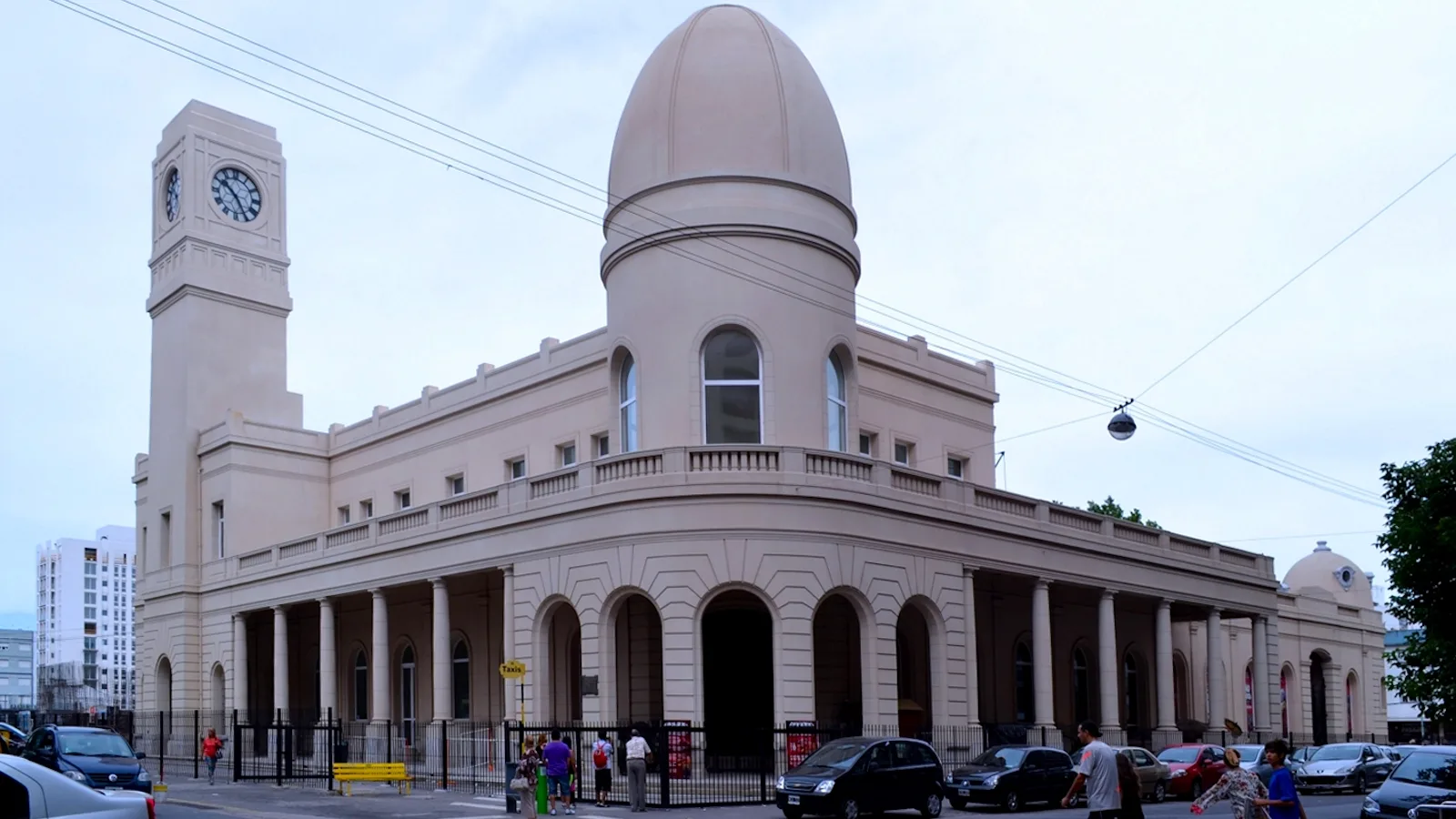
The long-distance bus is the most practical option for many people. The trip takes around 5 hours and, in general, is worthwhile for the combination of comfort and simplicity: you depart and arrive without worrying about driving, tolls, or parking. If you want more room, choosing the seat makes a difference; cama and semicama are the categories that offer the most recline.
The train is the slowest alternative, with about 6 hours of travel. It departs from Estación Constitución in Buenos Aires and can work well for those who want a land option without driving. The flight saves travel time in the air, but loses part of its advantage when you add the trip to the airport, boarding, and arrival at the destination. For this route, it usually makes more sense if the schedule availability fits your trip better than if the goal is simply speed.
Editorial transparency: Some links on this page are affiliate links. We may earn a commission at no extra cost to you. This does not influence our recommendations.
Where to stay in Mar del Plata
If the idea is to stay close to the action and get everything done on foot, the central area is usually the most practical choice. You’ll be closer to the urban stretch of the beach, with easy access to shops and a good part of the city’s daily flow. For those who want to split their time between the beach and city movement without relying too much on transportation, this is the most functional base.
A vacation apartment makes sense when the stay calls for autonomy. It is the option that helps most on trips with children, longer stays, or groups that prefer to organize their own schedules. An apart-hotel falls somewhere in between: it offers more structure than a simple apartment and keeps a routine less rigid than that of a traditional hotel.
Those who want to wake up already in the beach area usually look for hotels near the seafront or in the Varese area. This part of the city works well for those who want to go in and out of the sea without complications and, at the same time, avoid the feeling of being completely inside the busiest area. Varese usually appeals to those who value a calmer base, with a good location for getting around without being in the middle of the most intense flow.
Chapadmalal is the alternative for those who are willing to stay away from the heart of Mar del Plata in exchange for a more peaceful environment. Staying there changes the pace of the trip: less city, more pause. It works better for those who already know they do not want the urban experience as a priority and prefer to organize the trip from a quieter base.
The beaches and seafront that most help plan the visit
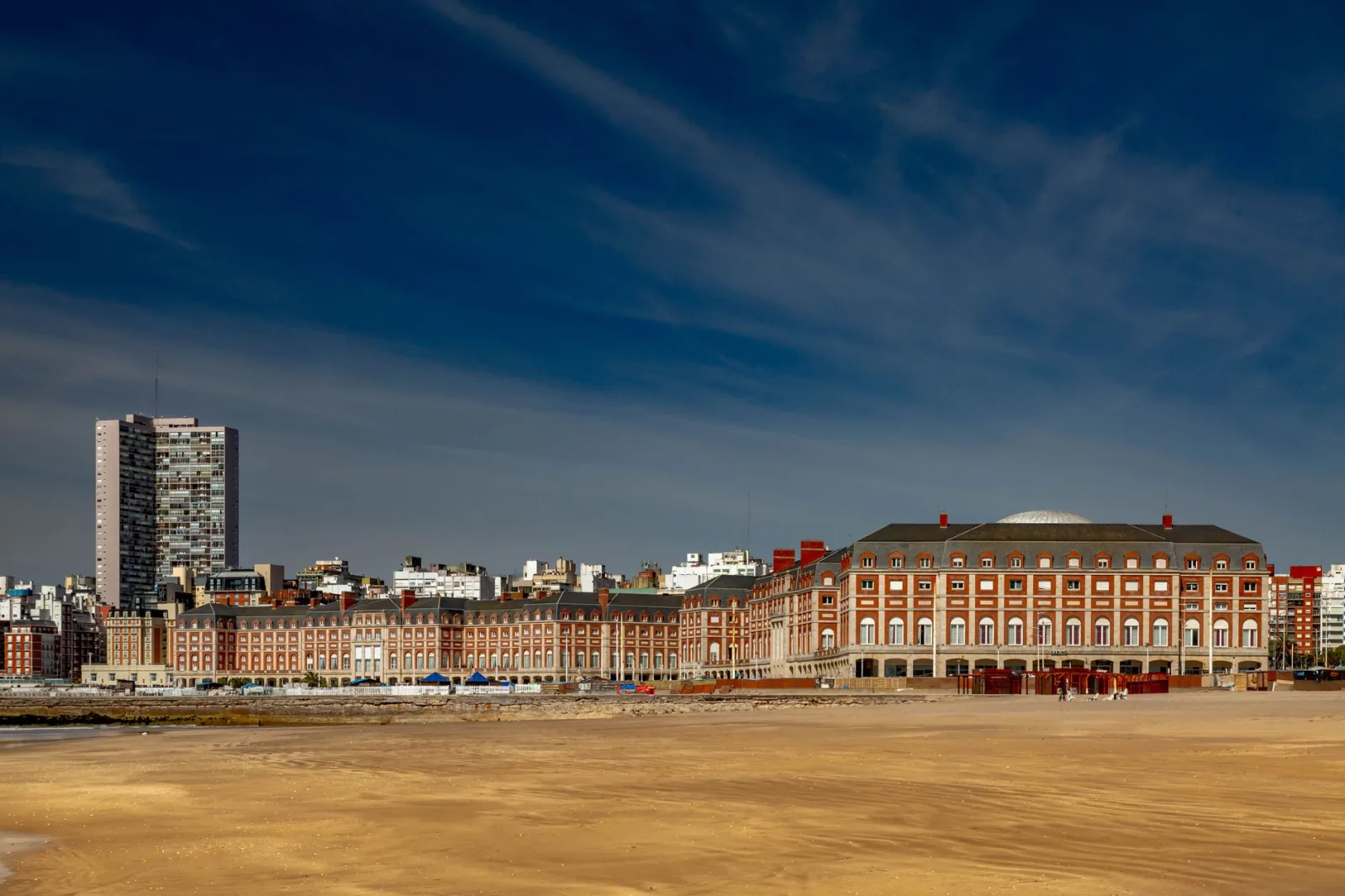
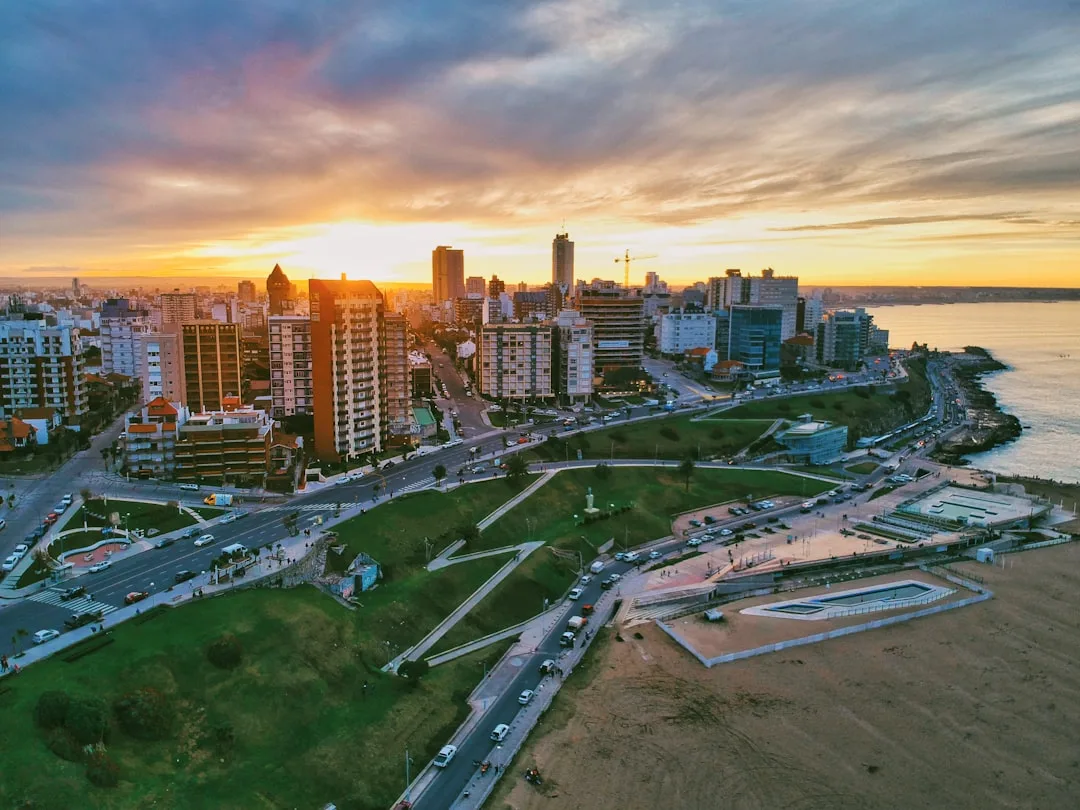
Playa Bristol is the most central stretch and the one that best helps you understand the city’s urban rhythm. It is located in front of the casino and concentrates the most activity, so it works best for those who want to be in the middle of the flow and accept a beach with more people around.
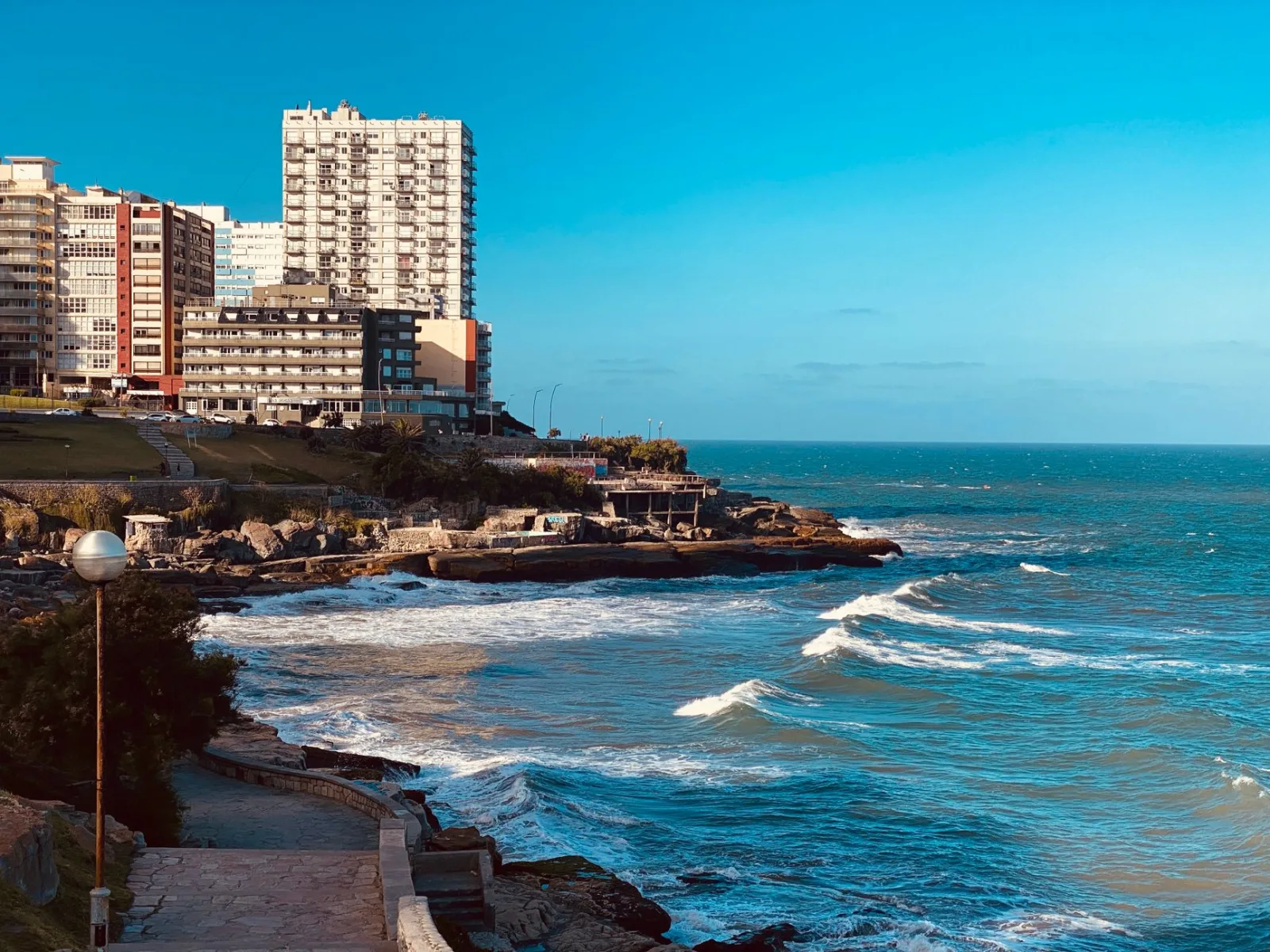
Playa Varese is usually the more predictable choice for families and for those who want a more sheltered sea. The cove formed by breakwaters leaves the water calmer than in more open stretches, and that makes a big difference in the swimming experience and in staying on the sand.
Punta Mogotes follows a different logic. The complex brings together 24 beach clubs, with infrastructure to spend the day without relying only on the sand. It is the area that makes the most sense for those who want beach facilities and do not mind a more organized operation, almost like a beach club. Playa La Perla, on the other hand, is in the northern sector and usually comes onto the map for those who prefer less central areas, without the same pressure as the urban core. Further north and further south, the city alternates between beaches with different profiles: quieter stretches, others more frequented by young groups, and sectors farther from the main flow. If the choice depends on avoiding crowds, Varese and the beaches outside the center tend to weigh more heavily. If the priority is to be close to the action, Bristol and the surrounding central seafront are the better option.
What to do in downtown Mar del Plata
The walk through downtown works best as a simple route: start at Torreón del Monje, follow the stretch along the waterfront, and continue toward Casino Central. This stretch concentrates what helps most to understand the city in motion, with the sea on one side and urban architecture on the other.
Along the way, the two sea lion statues mark the beachfront and make for the most obvious photo stop. The Rambla is right there, and it is what extends the walking tour without requiring any logistics beyond time and the willingness to walk.
If you want to fit in churros, leave that for the route itself, without straying too far from the Torreón-Casino axis. The idea here is to walk at a relaxed pace, stop when it makes sense, and continue until the Catedral Basílica de los Santos Pedro y Cecilia, which is about 7 blocks inland. Ending at the cathedral gives the walk a more complete reading of the central area, from the immediate coastline to the urban core.
Museums and historic houses to include in the itinerary
Villa Victoria is housed in an old summer residence of the Ocampo family, later donated by Victoria Ocampo. What you visit there today is both the house and the surrounding gardens, which help convey the atmosphere of the residence without taking much time. The museum is open from Wednesday to Sunday, in the afternoon, with hours varying by season, generally from 1 p.m. or 2 p.m. until 7 p.m.; it is advisable to confirm before going.
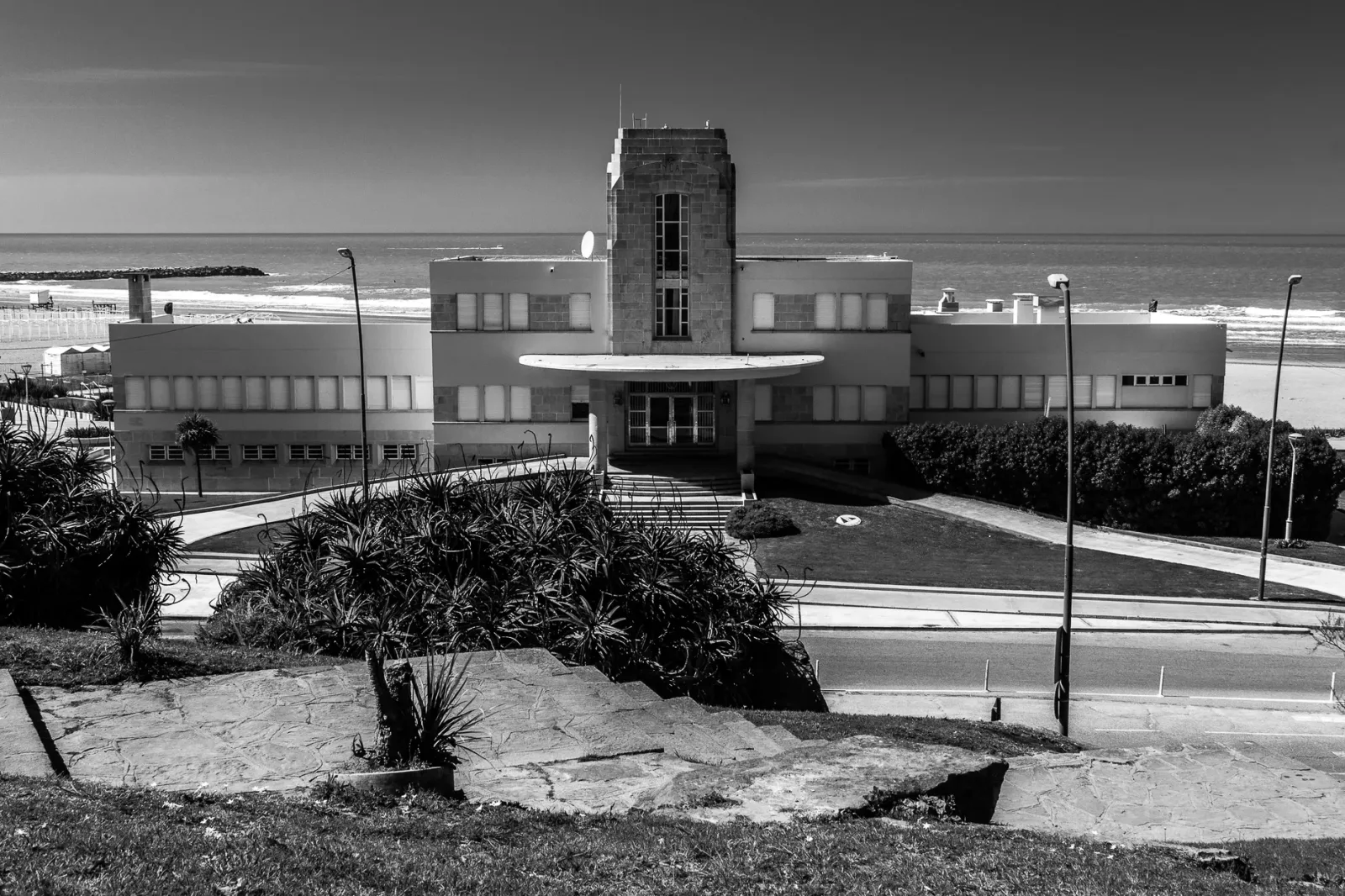
Museo MAR is the city’s contemporary art space. The façade already stands out for the large sea lion covered with alfajor wrappers, a work by Marta Minujin, and the collection changes with each program. It is open from Tuesday to Sunday, from 1 p.m. to 7 p.m., but these hours may vary, so it is worth checking the current schedule. If you want to fit in just one cultural visit during the day, it is one of the most straightforward options.
Casa Sobre el Arroyo, also called Casa Puente, was designed by Amancio Williams for his father, Alberto Williams. At the moment, visits may be affected by repairs and restoration, so do not count on guaranteed access without confirming the current situation first. Along the same architectural lines, Torre Tanque offers another kind of stop: it is a historic monument with panoramic views and a free guided tour. Hours change depending on the day, with service from Monday to Friday from 8 a.m. to 4:45 p.m. and, on weekends, from 2 p.m. to 6 p.m., with guided tours at specific times that also deserve confirmation.
Museo Municipal de Arte Juan Carlos Castagnino fits well into this itinerary for those who want to round out the cultural side with architecture and Argentine painting. The building alone is worth the visit, as it was once a summer residence and retains features of the Argentine pictorial style associated with the city’s vacation homes. Inside, there is a permanent exhibition about the first summer visitors to Mar del Plata and exhibitions of Argentine art.
What to eat in Mar del Plata
Manolo is the most straightforward choice when churro is the idea. There are several locations in the city, but the one on the waterfront, near Parque San Martín, is usually the most convenient to fit into your outing. During busier hours, there may be a line; if you want to avoid waiting, it’s worth going outside peak lunch and late-afternoon times.
For fish and seafood, Club de Pesca is a classic stop. It’s located at the end of a pier over the water and works well for anyone who wants to have lunch or dinner with the sea right below. In the port area, the Centro Comercial del Puerto offers another take on local cuisine, with a focus on fresh fish and buying products of the day. If the idea is to eat and also take something with you, this is the most useful address.
Parrilla Perales and Sarasanegro are among the traditional names that help complete the dining itinerary in the city. One leans toward the parrilla; the other toward a more seafood-oriented kitchen. If you want to decide without wasting time, think of it this way: churro at Manolo, fish at the port or at Club de Pesca, and a more relaxed meal at one of these two restaurants when you want to step outside the most predictable circuit.
How to organize getting around the city and a short itinerary
To enjoy the city without crossing it pointlessly, it’s worth thinking in zones. The center and the urban waterfront work well together, because you can do the stretch between the beach, the Rambla, and the central area on foot. The port, on the other hand, calls for a different trip, since it makes more sense to go there with a dedicated trip and fit the visit in with a meal there. If you have time left and want to get off the more urban circuit, Laguna de los Padres works better as a separate day trip, without trying to combine it with the beach in the same period.

A short itinerary can look like this: on the first day, walk through the center and the waterfront and use that route to take care of the city’s core without rushing. On the second, reserve the morning or afternoon for the port, watching the boats and the activity related to fishing, and leave the rest of the day more open. On the third, choose between the beach and the interior: if the priority is the sea, stay in the stretch you’ve already defined; if you want a change of scenery, Laguna de los Padres works as a break away from the coast.
If you only have one day, combine the center and the urban waterfront in the same outing and accept that not everything will fit. With two days, you can include the port without rushing. With three, the visit becomes more complete because you can fit in the beach, the city, and a detour to the lagoon without turning getting around into a tiring part of the trip.
Frequently asked questions
What is the best time to go to Mar del Plata?
January and February are the busiest months, with peak summer season. March is usually more balanced, with less crowds and weather that is still favorable for the beach.
Where to stay in Mar del Plata to do everything on foot?
The central area is the most practical base for those who want to get around on foot between the beach, shops, and urban sights. It is also a good option for those who want to reduce travel time.
What are the best-known beaches in Mar del Plata?
Playa Bristol is the most central and busiest. Playa Varese usually appeals to families, Punta Mogotes has good facilities, and Playa La Perla is in a less central area.
How to get from Buenos Aires to Mar del Plata?
The most common options are car, bus, train, and flight. The bus is the most practical alternative for many people, while the car takes about 5 to 6 hours via Ruta 2.
What to do in downtown Mar del Plata?
A good walk includes Torreón del Monje, Rambla, Casino Central, and ends at the Catedral Basílica de los Santos Pedro y Cecilia. Along the way, it is worth including a stop for churros.