
Málaga itinerary: what to do, where to stay, and how to organize your visit
First day in Málaga: historic center and most practical areas
Start with the historic center because it gets you oriented in the city in just a few blocks. Around Plaza de la Constitución and Calle Larios, the layout of the walk becomes clear: from there you can reach the Cathedral, head to the Roman Theatre, and then get to the Picasso Museum without relying on transport. For a short visit, this reduces back and forth and keeps the first day concentrated in an area that is easy to explore on foot.
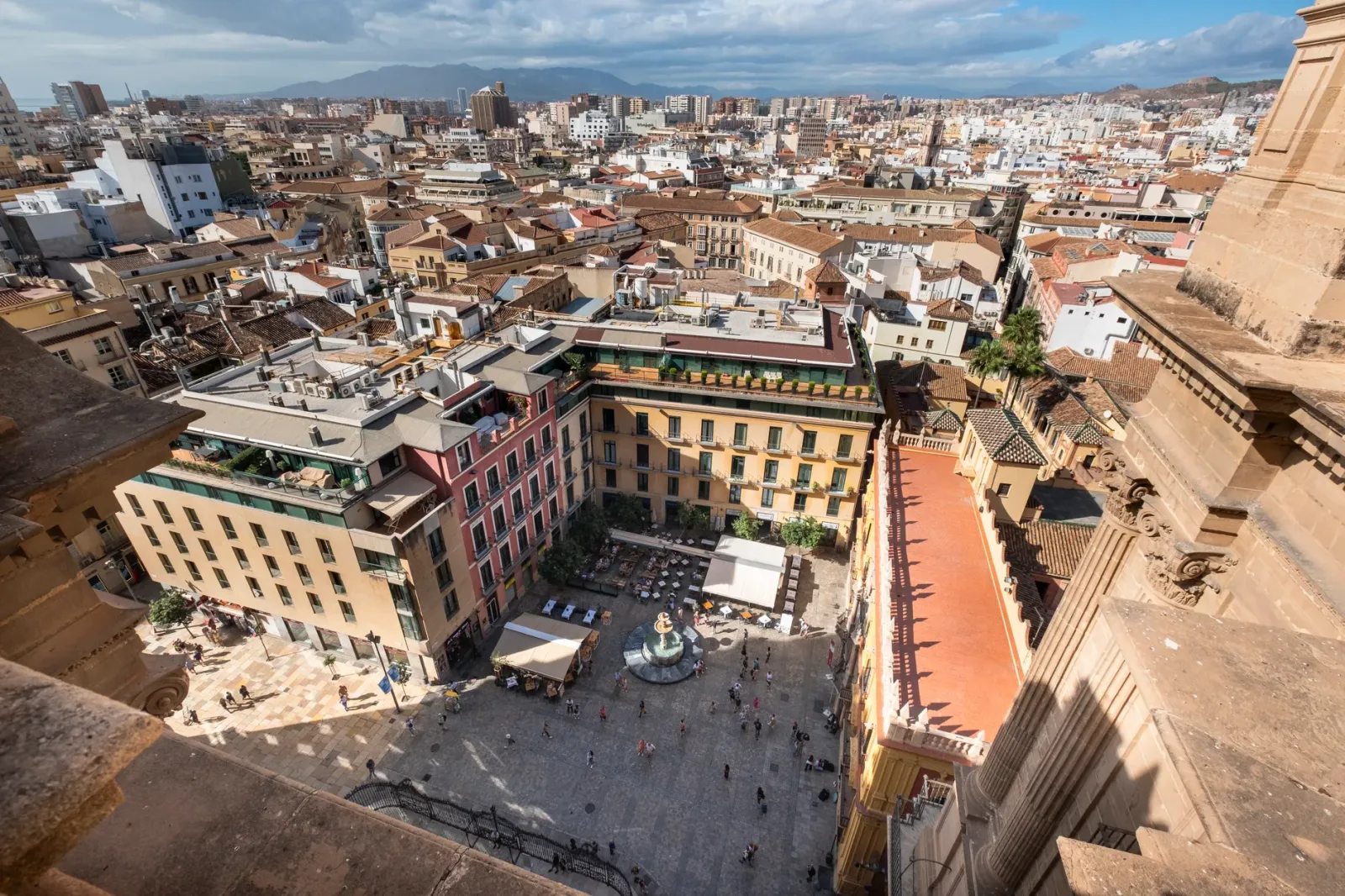
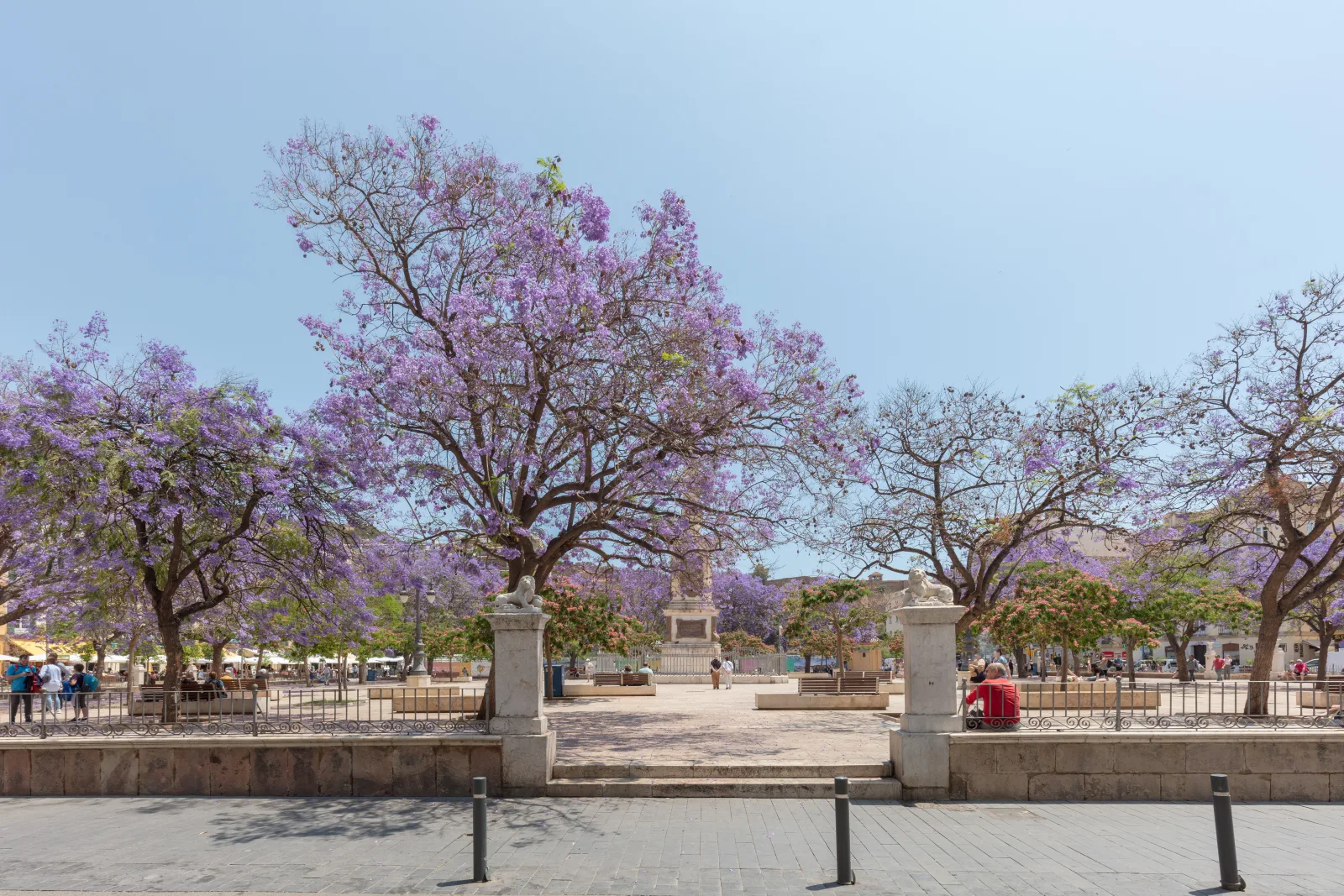
Plaza de la Constitución works well as a reference point because it connects the busiest streets of the old quarter with the pedestrian avenues that lead to the main landmarks. Calle Larios cuts through this area toward the port and helps you understand the city’s overall orientation. If you are short on time, it is worth planning the route from this axis: first the square and the shopping street, then the Cathedral, which sits at the heart of the center, and then the area around the Roman Theatre and Picasso’s museum, which are close to each other.
This concentration of attractions also helps when choosing where to stop for a meal, rest, or return to the hotel in the middle of the day. In the center, most short trips are done on foot, which is useful for families, couples, and solo travelers who prefer to avoid unnecessary transfers. If the itinerary is tight, it makes more sense to stay near this area or in neighborhoods connected to it than to spread the sightseeing across distant points on the very first day.
The practical result is simple: you save sightseeing time and get to know the city through its most readable part. After this first circuit, it becomes easier to decide what deserves another block of walking and what can be left for a second moment.
Itinerary through the historic center: square, cathedral, Roman theater and nearby museums
The pedestrian streets of the old town work best when you walk them at an unhurried pace, using the square and the main avenue as your guiding axis. Plaza de la Constitución sets the scale of the center: from there, Calle Larios runs as the most direct link between the shopping area and the direction of the port, while the smaller streets around it lead to points of interest without requiring major detours. For those who want to fit in just a few hours of sightseeing, this layout avoids backtracking and keeps everything concentrated within a short radius.
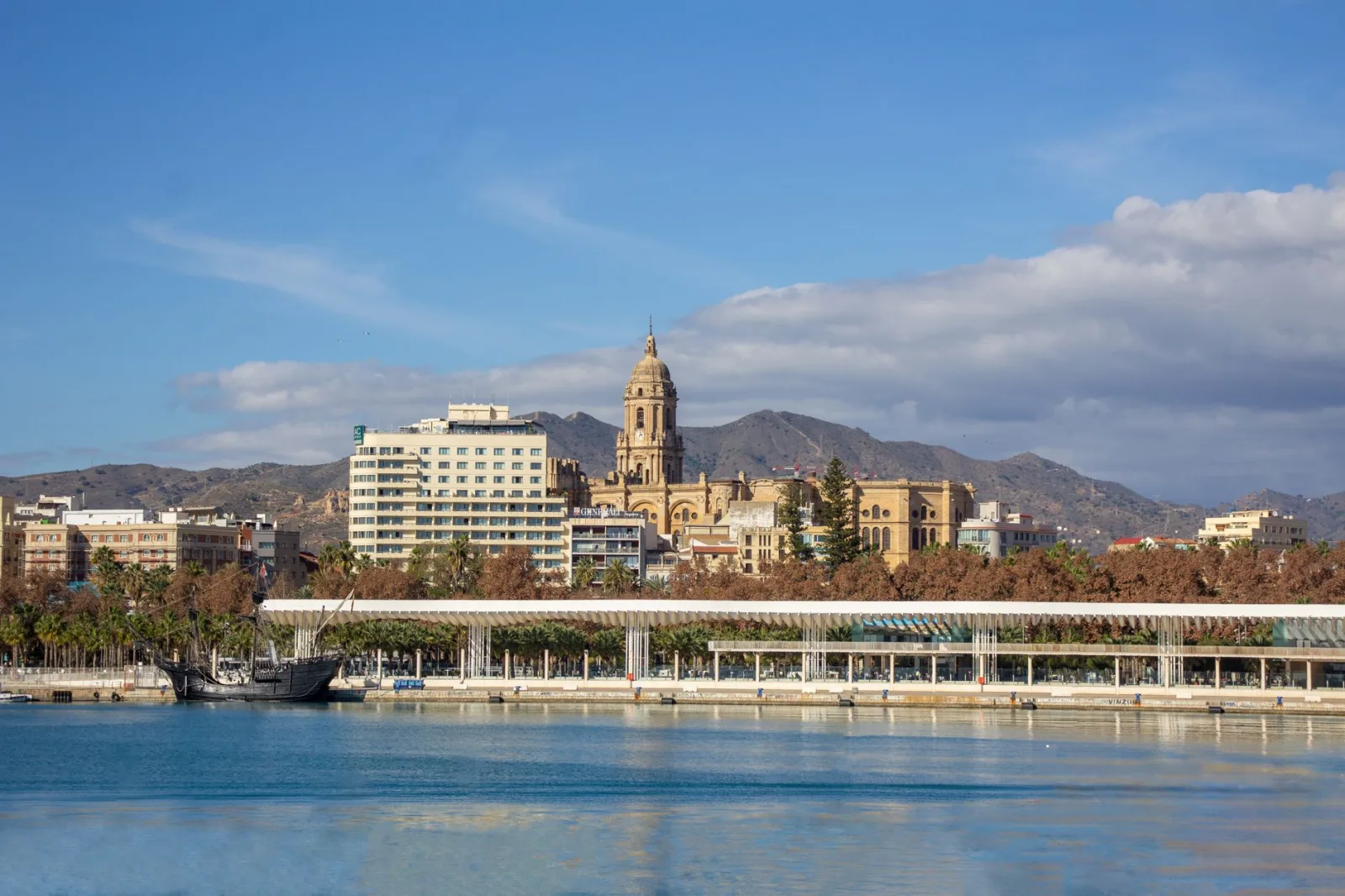
Catedral de Málaga sits at the heart of this network and deserves its own stop. The visit usually makes more sense if you place it between a walk through the surrounding streets and the descent toward the Teatro Romano, which lies on the edge of the old center. This stretch helps you read the city in layers: the religious building in the middle of the historic quarter, the archaeological area just below, and, between the two, a set of streets with cafés, small shops, and easy access to the rest of the route. If you want to go into museums, the Picasso Museum and the Casa Natal Picasso are close enough to be combined in the same walking block, without relying on transport.
The Museo Carmen Thyssen fits well into the route when the idea is to alternate urban heritage with art in historic buildings. The surrounding area also offers an important observation for those choosing where to stay or have a meal with more context: several palaces converted into hotels and museums are scattered throughout the center, and this changes the experience of walking here. You pass by old façades that now house different uses, which makes the route more interesting without requiring a demanding itinerary.
If time is short, it is worth prioritizing the interiors that interest you most and accepting that not everything needs to be visited from the inside. In a compact historic center, the gain lies less in “seeing everything” and more in linking the stops well, because the distance between one attraction and the next is almost always part of the experience.
Muelle Uno, port and Malagueta: what to fit into the same walk
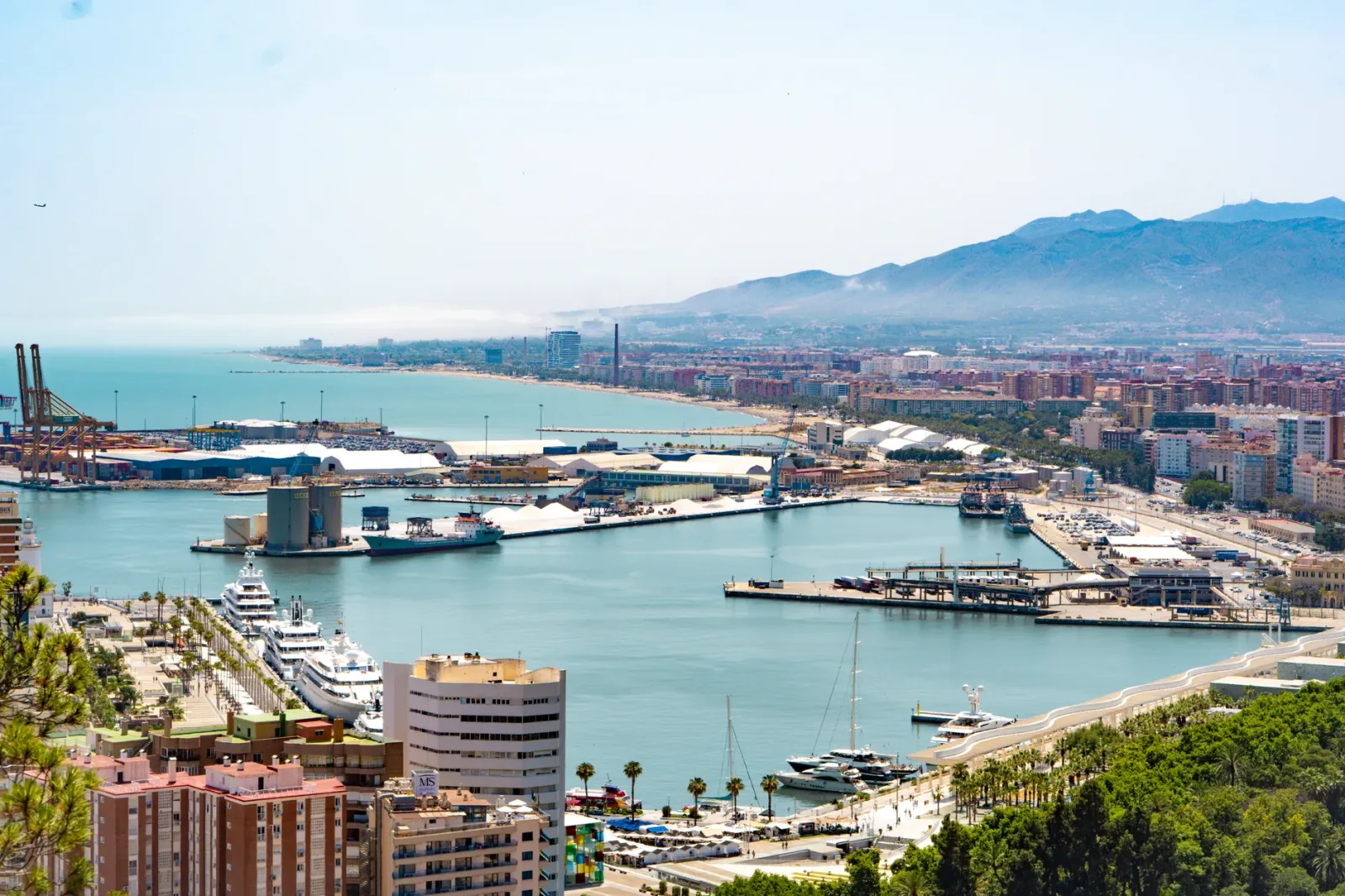
Leaving the center, this stretch covers an important part of the visit without requiring careful planning. The stroll begins at Muelle Uno, a boulevard by the port with shops, bars, and resting areas, where the path is wide and easy to follow. From there, you can see the movement of the boats and have immediate access to the Centre Pompidou, which is in the port area itself and works well as a contemporary art stop before continuing the walk.
From the same area, it is worth going to the Farola de Málaga, the lighthouse that marks the natural end of the port section. The route passes stalls, shops aimed at visitors, and cafés, with an atmosphere designed for unhurried walking. If you want to fit in a break, this is the most practical spot to buy something light or sit for a while before continuing toward the beach.
After the lighthouse, the transition to La Malagueta is direct. The beach has a wide stretch of sand, a promenade for walking and cycling, and basic infrastructure for spending a few hours without hassle. At the chiringuitos along the waterfront, the logic is simple: order fish or seafood, sit near the sand, and stay as long as the itinerary allows. On calm-sea days, this area also works well for a short swim between visits.
If you are putting together a block just for this part of the city, the most logical route is port, lighthouse, and beach, with no major detours. That way, the outing stays concentrated along a single coastal stretch and avoids having travel time eat into what is left for resting, eating, or returning to the hotel.
Alcazaba and Gibralfaro: how to combine the two visits on the hill
First head up to the Alcazaba and leave Gibralfaro Castle for later. The order works because the fortress sits above the palace, so you enjoy the more delicate visit at the start, when your legs are still fresh, and leave the more demanding part for the end. If the heat is intense, take it slow from the start and bring water; the climb calls for pacing, not haste.
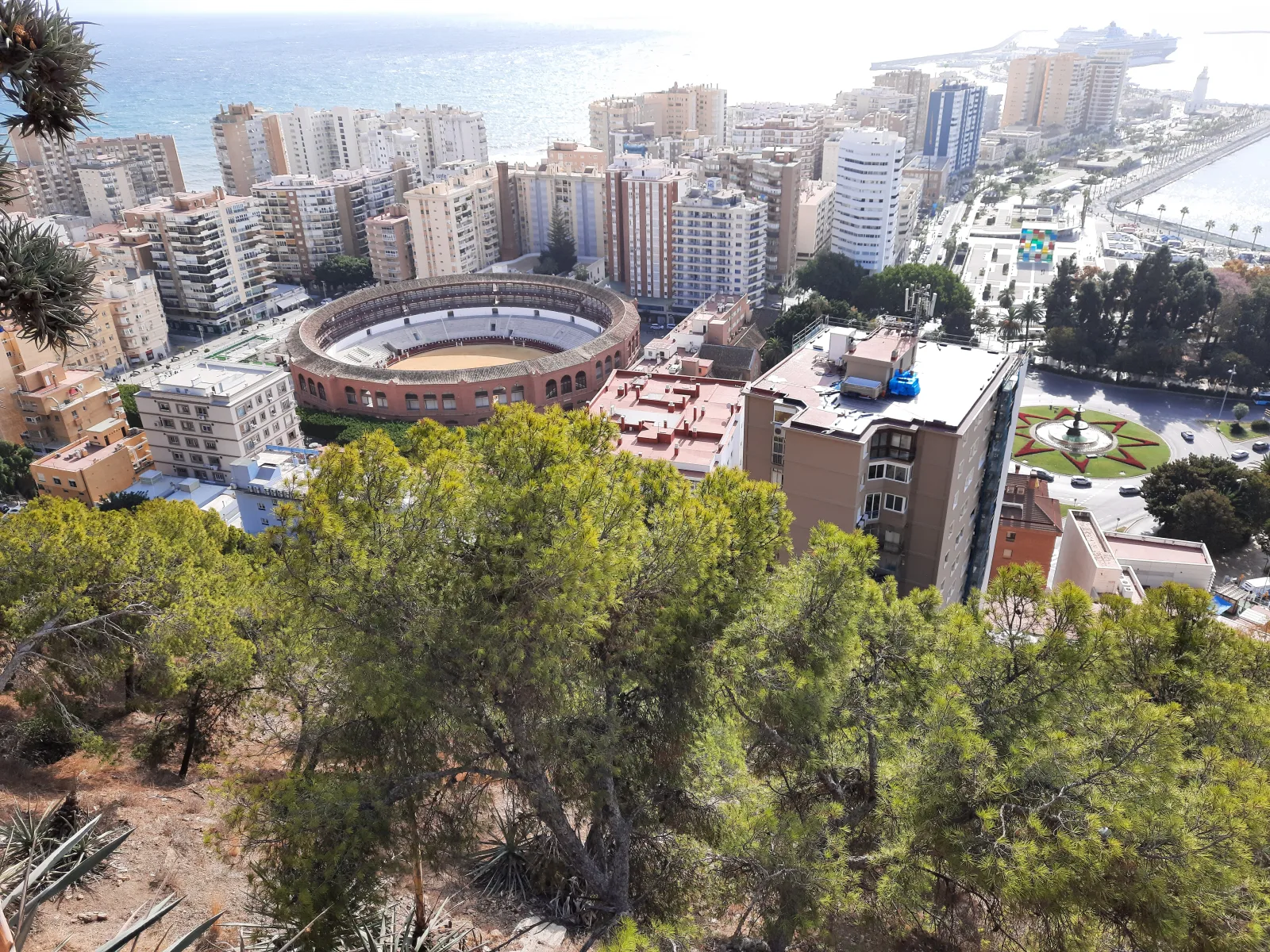
The two places offer different experiences. The Alcazaba concentrates courtyards, defensive passages, and inner gardens, with a shorter, more sheltered route. Gibralfaro, on the other hand, is more open, with thick walls and lookout points that show the city, the port, and the shoreline from above. Those who want to understand the relationship between the two sites gain more by visiting them in sequence, because the physical connection between them makes sense on the ground itself.
There is a combined ticket for both, which helps avoid separate decisions. Even so, it is worth checking availability and the current entry conditions on the official website before going, especially during busier periods. If you are short on time or traveling with small children, the Alcazaba usually requires less effort; Gibralfaro demands more stamina and is usually better suited when the temperature is lower.
For those who enjoy viewpoints, the highlight of the complex lies less in its monumentality and more in the contrast between the historic part and the view of the city from above. On a clear day, the view makes the climb worthwhile. On a very hot day, the visit is still doable, but it is worth shortening breaks and avoiding the hours when the sun is strongest.
Where to eat in Málaga without wasting time deciding
If you want to decide quickly without wasting time, the Mercado de Atarazanas works well for a snack or lunch stop in the city center. The interior gives easy access to fruit, meat, and fish stalls, and the surrounding area concentrates bars and restaurants serving fried fish and other seafood dishes. It is a practical spot when the priority is eating well without straying from your route between visits.
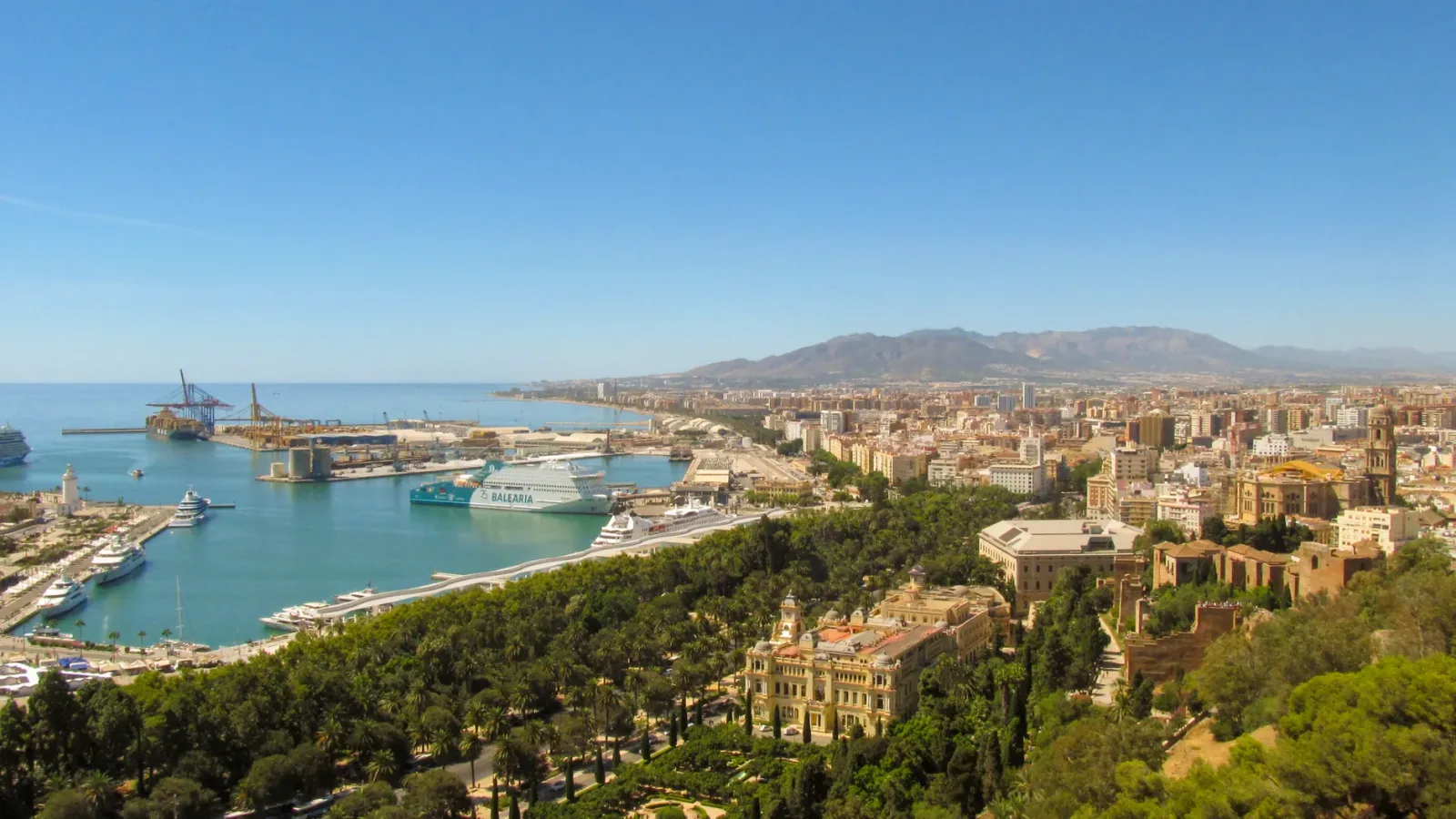
For outdoor meals, the historic center works effortlessly: tables on streets and squares appear frequently, and Málaga’s climate usually allows this kind of stop throughout the year. If the idea is tapas or lighter food, it makes sense to stay within this pedestrian network, where you choose based on street activity and the proximity of your walk, rather than crossing the city in search of a table.
On the waterfront, the choice tends to be more straightforward. In La Malagueta, the chiringuitos are the simplest answer for anyone who wants fish and seafood with their feet close to the sand. In the port, the Muelle Uno area also brings together bars and restaurants, with tables facing the bustle of the quay. Nearby, the Centre Pompidou and the port boulevard help fit in a meal before or after a stroll, without straying much from the route.
If you prefer combining food and market, the central axis is the most convenient. If you prefer to sit without rushing and stay closer to the beach, the stretch of La Malagueta works better. If the priority is lunch between two visits, Atarazanas is usually the most efficient choice because it shortens travel time and makes deciding what to order simpler.
Where to stay in Málaga to walk less
Staying in the historic center is the most practical choice when the idea is to head out on foot and return to the hotel without relying on transport. There you are already in the heart of the pedestrian streets, close to cafés, bars, and the main sights, which helps quite a bit on a short trip. The downside is the noise: the most central areas tend to be busier at night, so it is worth checking whether the room faces the street or an inner courtyard.
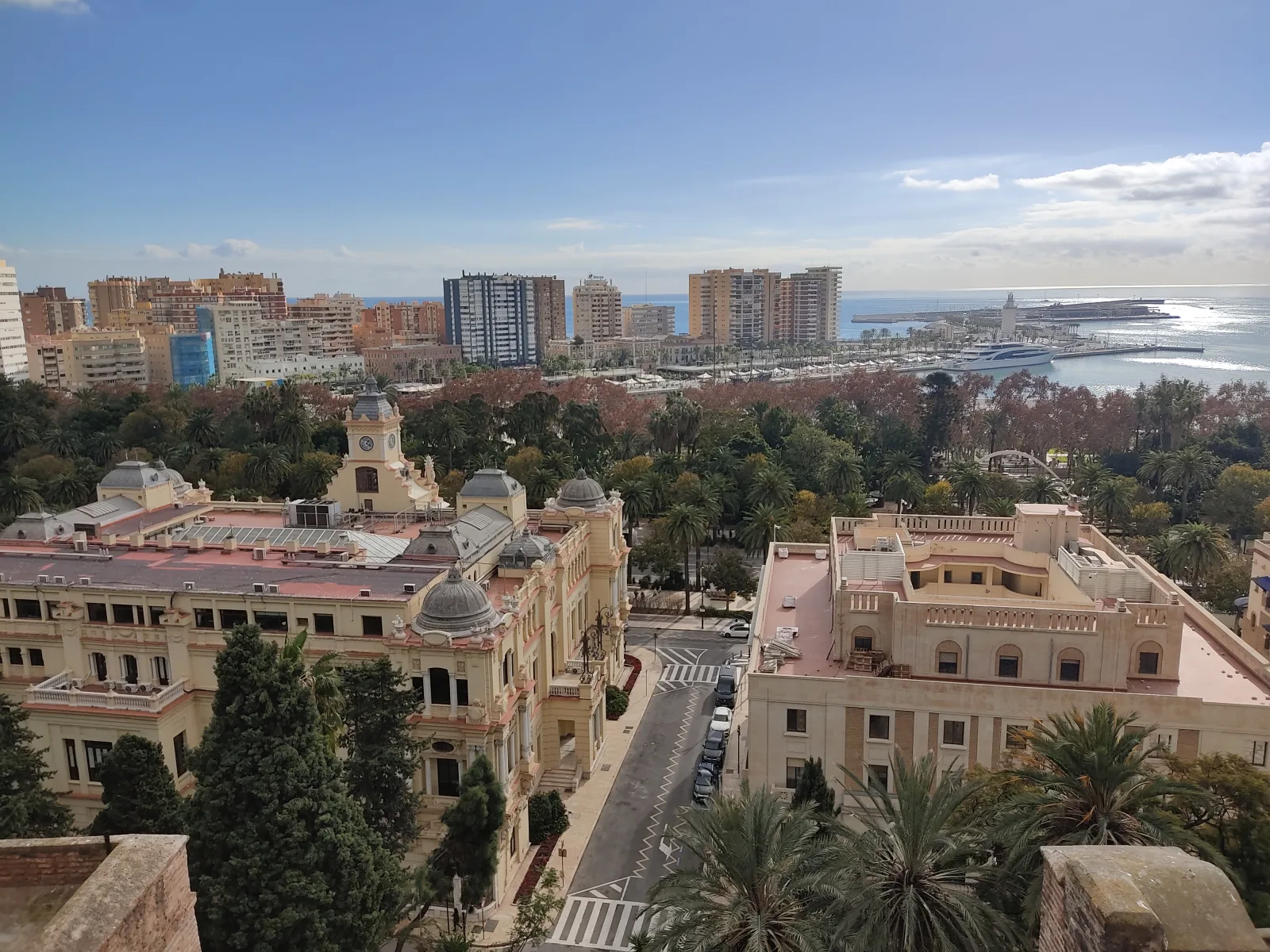
Soho works well for those who want to stay close to the center, but with a little less tourist pressure. The area has a good position for crossing the city on foot and is also convenient for those planning to use the train or bus station, because access is simple and the neighborhood avoids part of the heavier traffic of the old town. For those traveling as a couple, alone, or with light luggage, it is usually a reasonable middle ground between practicality and peace and quiet.
Marmoles, Alameda, and Perchel Sur are useful bases when the main criterion is logistics. These are areas that shorten the connection with the station and keep the historic center within a manageable walk, without requiring you to stay in the most congested part. They work best for those arriving and leaving by train or bus and wanting to reduce transfers, especially on short stays.
If your focus is walking less, think about your base from two questions: how much street activity you want to hear and how much you value heading straight out for a stroll. The historic center answers the first with more access and less walking. Soho and the neighborhoods closest to the station answer the second better, with a little more breathing room at the end of the day.
How to get to Málaga and move between the airport, station, and city center
If you arrive via Málaga-Costa del Sol Airport, the simplest route into the city is usually the C1 train to Maria Zambrano. The station is well located for those who want to get into the rhythm of the itinerary without making a long transfer right upon arrival. On the other hand, there is also the Express Line 3, useful when your final destination is closer to the center or when you prefer to continue by bus. In both cases, it’s worth confirming the frequency and boarding point on the day, as these can change depending on operations and schedule.
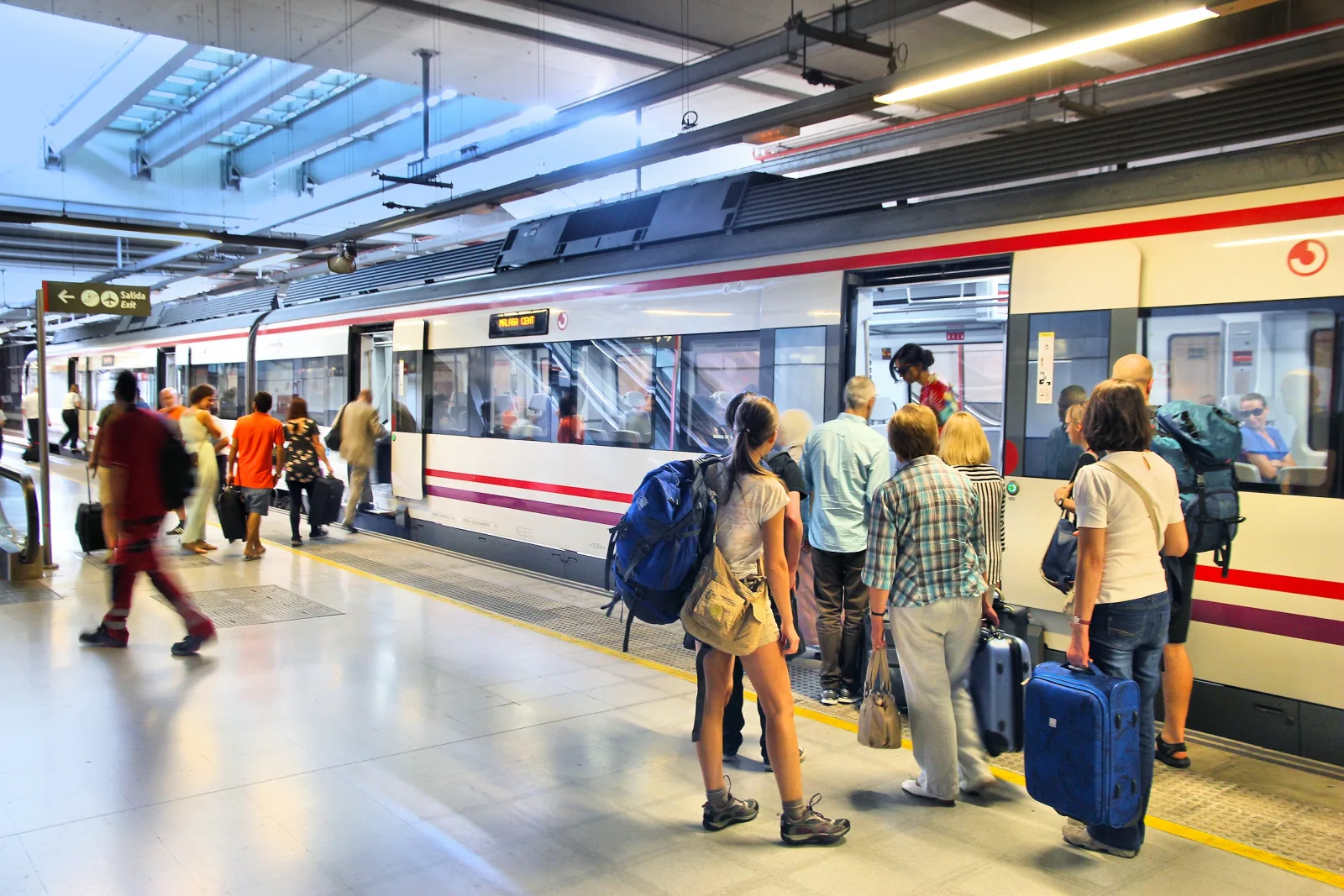
For those coming by train from other Spanish cities, Maria Zambrano is the most practical gateway. The station is outside the historic core, but still at a manageable distance from the old center, so arrival does not require a complicated second transfer. If the idea is to go straight to the hotel, this location favors those staying in neighborhoods near the station or in areas that connect well with the old town.
From Maria Zambrano, the historic center is within walking distance, depending on your luggage and the heat of the day. If you have heavy bags, it’s worth taking a taxi or the bus to save time and arrive rested. If you’re traveling light, the route helps you understand the transition between the railway area and the city’s most visited part, without the need for long connections.
To organize your arrival, think of three scenarios: plane at the airport, train at Maria Zambrano, or city bus from there. What really changes is how much you want to walk with luggage before check-in. If that’s clear, choosing the transfer becomes almost automatic.
When to visit Málaga and what adjustments to make to the itinerary
The best time to explore Málaga at a relaxed pace is usually spring and autumn. In these months, the city is less crowded and the weather generally helps keep the itinerary on foot, with breaks for coffee, tapas, or outdoor meals without the feeling of constantly running from the heat. If you like walking between visits and sitting at outdoor tables, this is the most comfortable combination.
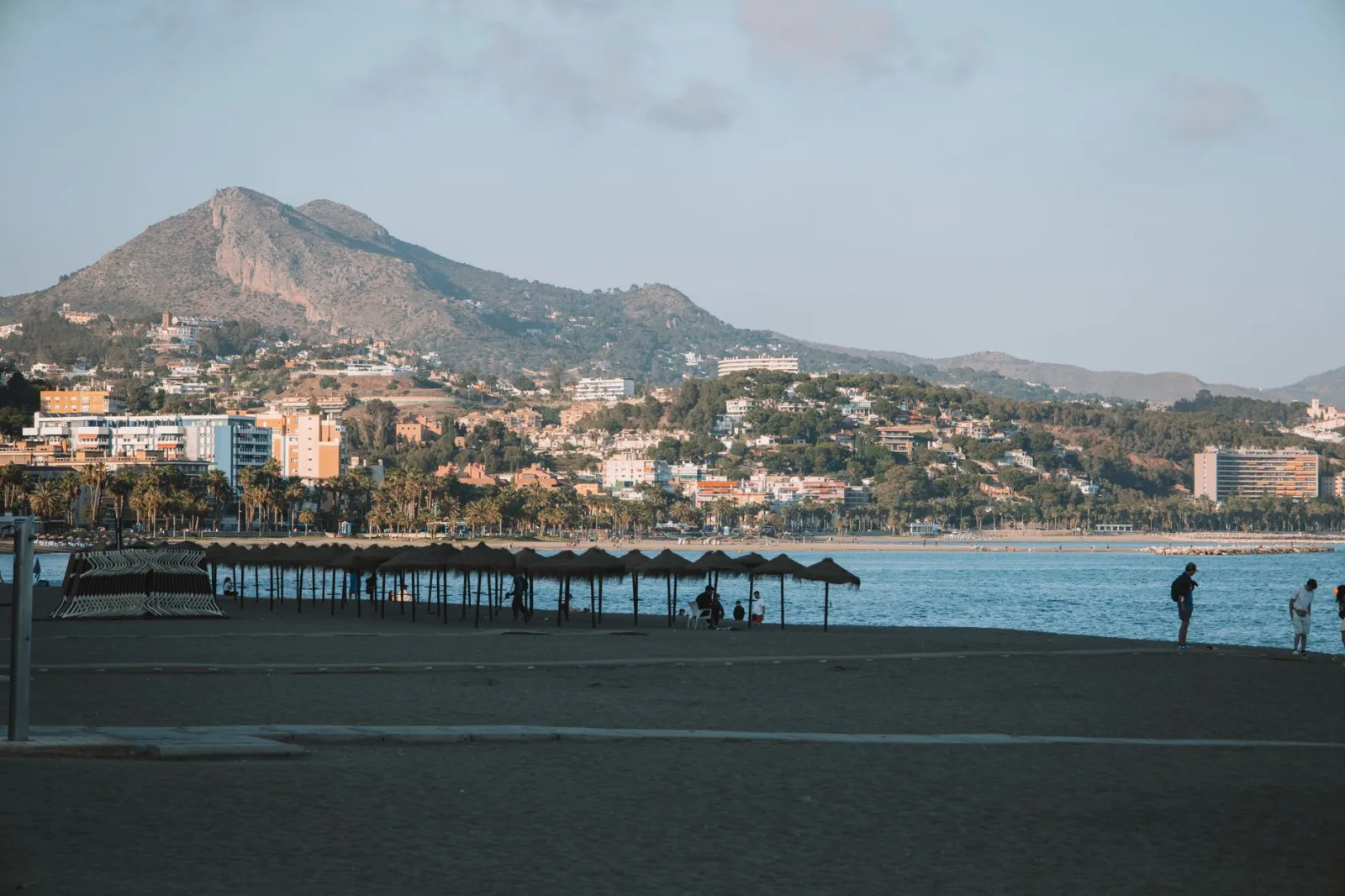
In summer, the pace changes. There are more people in the central areas, more movement in the beach zones, and more competition for space during the hottest hours. The itinerary still works, but it calls for shorter stretches between stops, more frequent breaks, and less ambition to fit too many points into the same block. Instead of trying to “make the most” of the entire city, it is worth concentrating sightseeing in nearby areas and saving the more open stretches for early morning or late afternoon.
December deserves its own planning. The city enters a festive mood, with Christmas lights on Calle Larios, projections on the Cathedral, and a larger flow of people in the center at night. This changes the order of the day: it makes sense to leave the old town for the period when the lights are already on and use the brighter hours for museums, the port, or the beach, if the weather is pleasant. The crowds grow, but so does the city’s appeal, because the center takes on a routine different from that of the warmer months.
If your trip falls in December, confirm the schedule for the lights and projections in advance, because the times and duration may change. For the rest of the year, the most useful decision is simple: the hotter and busier it is, the shorter and more segmented the itinerary should be; the milder the weather, the more room you have to let the city be explored without hurry.