Madrid: complete guide to planning your trip, choosing where to stay, and putting together your itinerary
Madrid: see when to go, where to stay, and how to plan your itinerary to make the most of the city center, the museums, and day trips with less travel.
Why Madrid works well for an urban trip
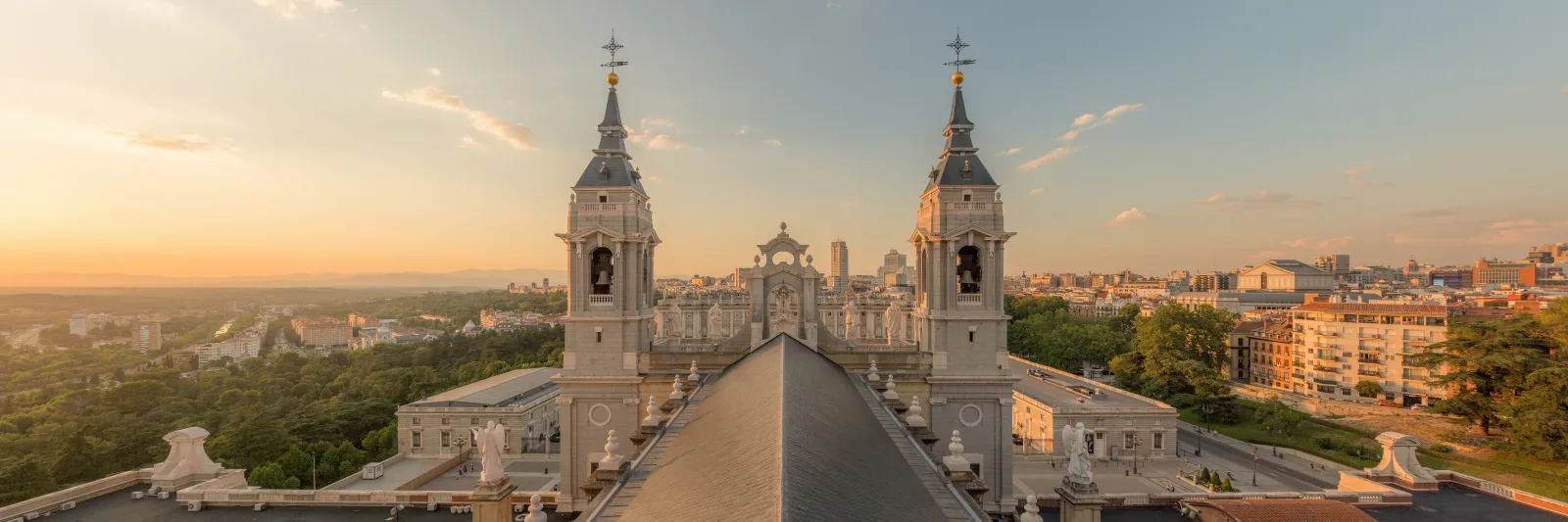
Madrid works well for an urban trip because it concentrates, within an easy-to-cover area, what usually matters most in a capital: important museums, shopping streets, neighborhoods with different identities, large parks, and a bar and restaurant scene that can fill the entire day without requiring long trips.
The city also helps those who want to set the pace of the trip without wasting time on logistics. An important part of the center is concentrated enough to be explored on foot, and that makes a difference for those who prefer to fit in breaks to eat, go into shops, return to the hotel, and continue the outing without relying on transportation every time plans change.
Another practical point is the variety of settings. There are areas with a more historic profile, others more tied to shopping and nightlife, as well as quieter zones to rest between one outing and another. This makes it possible to choose accommodation and an itinerary based on the way you travel, not just on the list of attractions. For those traveling with children, it also helps to have parks and open spaces as an option for a breather in the middle of the day.
Madrid also works well as a base for those who want to combine the city with short getaways without complicating the schedule. It is possible to plan a stay centered on the capital and, if it makes sense, use the surrounding area at another point in the trip.
When to go to Madrid and what to expect from each season
The best window to get to know Madrid is usually spring and autumn. The weather tends to be more pleasant for walking long stretches, sitting in open areas, and fitting several visits into the same day without the harshness of summer heat or the sharper cold of winter. The city also tends to be more balanced during this period: there is movement, but without the pressure of peak season.
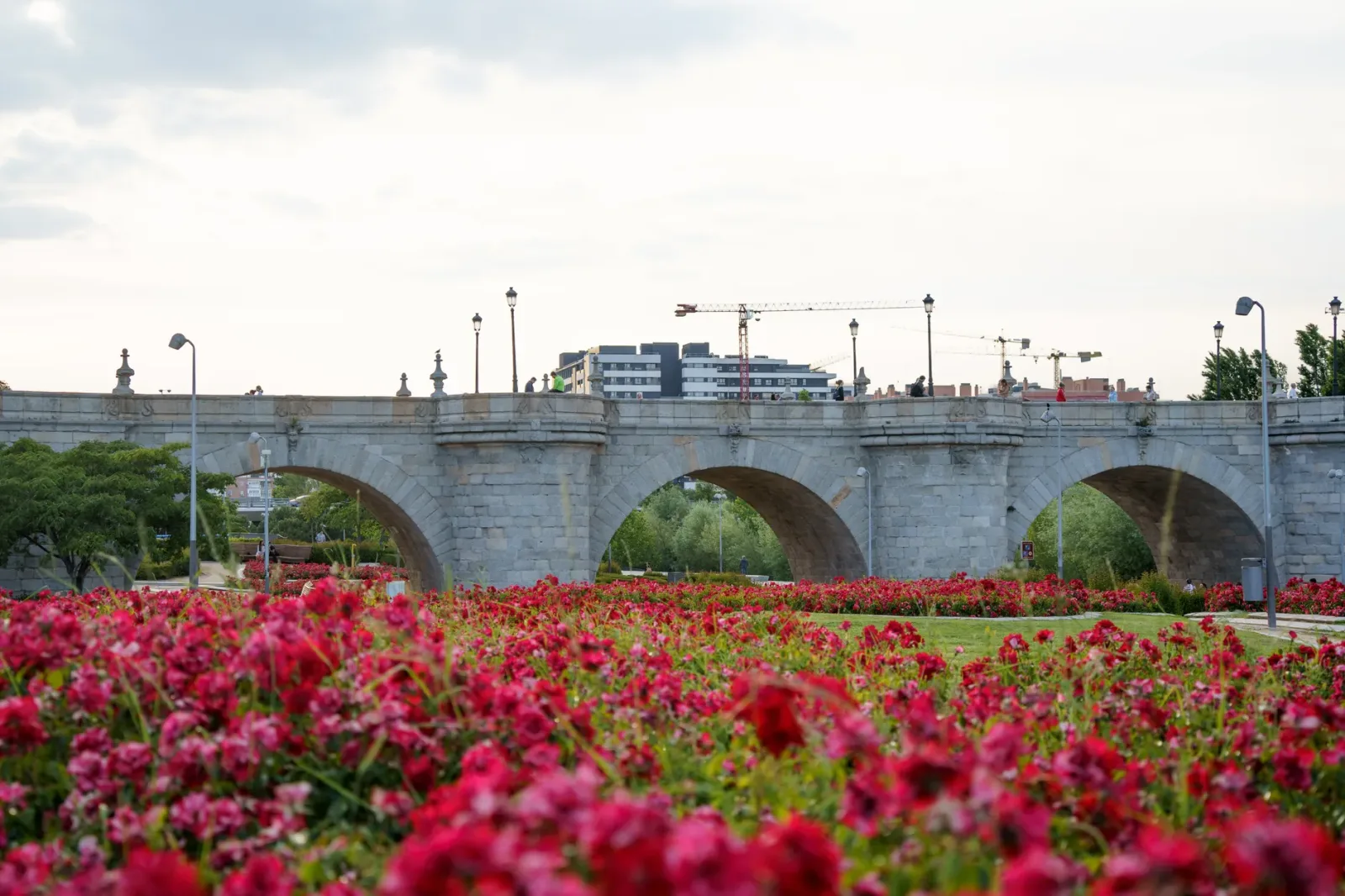
In summer, Madrid moves into full-season mode and the thermometer rises quite a bit. This weighs more in the middle of the day, when walking in the sun becomes tiring and taking a lunch or coffee break gains importance in the planning. If the trip falls at this time of year, it is worth organizing outings for early morning and late afternoon, leaving the central hours for museums, meals, or short transfers. It is the period when the city receives more people and when the outdoor experience requires more adaptation.
Winter is usually the quietest time to travel. The city is less crowded and this can make bookings and getting around easier, as well as giving you more room to move without so much rush. In return, the temperature calls for appropriate clothing for cold days and the routine tends to be more indoors, with more emphasis on cafés, museums, and breaks in enclosed spaces. Rain exists throughout the year, but it is not usually the dominant factor of the trip; what changes the experience most is the combination of heat, crowds, and how much time you want to spend walking.
If the priority is to do a lot on foot and enjoy the city with less strain, spring and autumn usually work better. If the idea is to experience Madrid with fewer people and accept a colder climate, winter fits well. If the trip can only happen in summer, the itinerary needs more room for breaks and less ambition for long outdoor activities.
Editorial transparency: Some links on this page are affiliate links. We may earn a commission at no extra cost to you. This does not influence our recommendations.
Where to stay in Madrid
Staying near Puerta del Sol, Plaza Mayor or Gran Vía greatly reduces the need for transportation in everyday life. These areas concentrate much of the city’s sightseeing logic and work well for those who want to leave the hotel and do almost everything on foot, including meals, shopping and short trips.
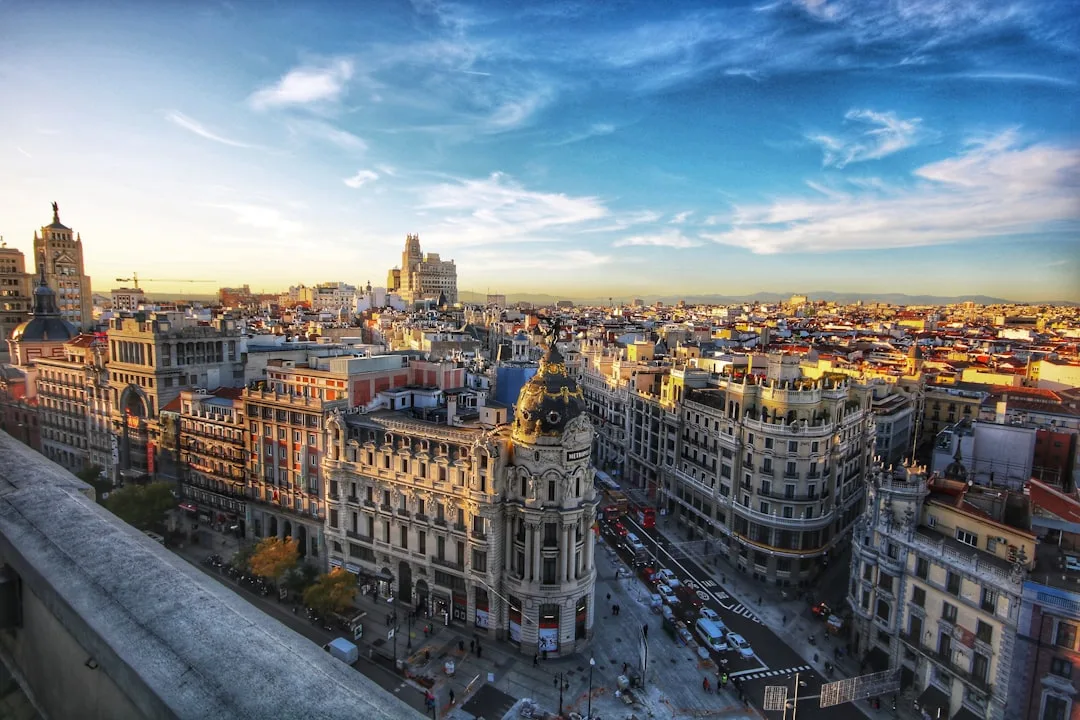
The accommodation offer in Madrid is broad and varies a lot in style. There are hostels, luxury hotels and hostales, which are very common inns in the city. The most important point is the location: if the idea is to prioritize walking and easy access to the center, it is worth looking first at the most central core before considering more distant neighborhoods.
Staying in the center usually pays off for short stays and for those who want to spend more time outside the hotel. Areas outside this axis may make sense if you are looking for something quieter, if the rate is better or if access to the metro makes your routine easier. In that case, always check the real distance to the central area you want to use as a base, because in Madrid the difference between a convenient address and an inconvenient one shows up on the map, not in the neighborhood name.
If the trip includes weekends or dates of higher demand, booking in advance helps you find a better location and more category options. In Madrid, this matters more than choosing based on the charm of the neighborhood name.
How to get to Madrid and leave the airport without hassle
Arriving by plane, Madrid airport is 12 km from the center, and access is direct by public transport. Metro line 8 connects the airport to the city; the ride takes a little over 30 minutes to the center and there is a 3-euro supplement on the fare. Those who prefer train can use Cercanías lines C-1 and C-10, with about half an hour of travel to the center.
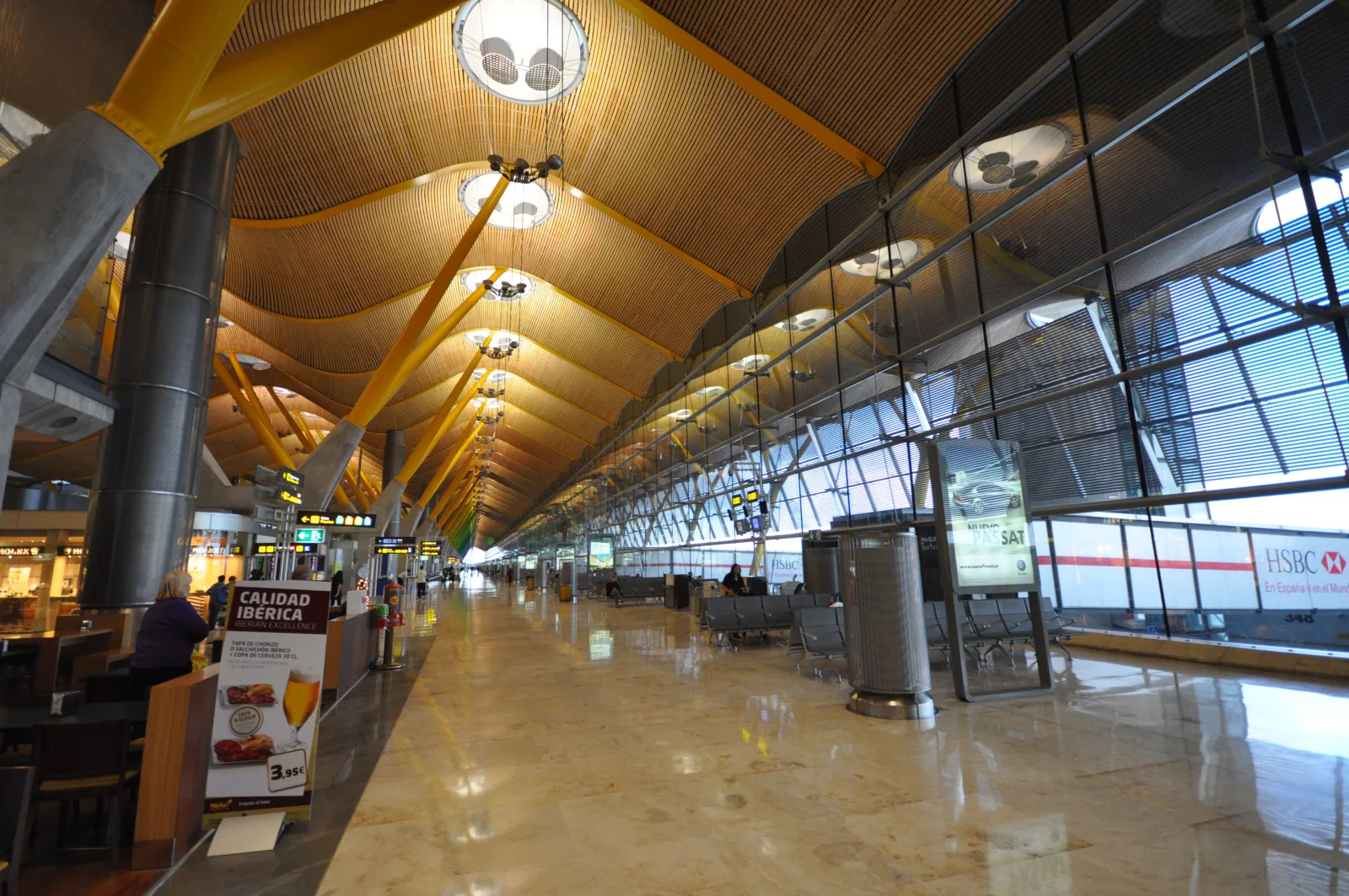
You can also leave the airport by bus. The Exprés Aeropuerto 203 line runs 24 hours a day, takes half an hour and costs 5 euros. In addition, the regular lines 200 and 101 run, and at night the N27 makes the trip to Cibeles. By taxi, there is a fixed fare of 33 euros between the airport and the center. By car, the most common access is via the M-40, in a route that takes a little over 20 minutes.
Those arriving by train have two main gateways: Atocha and Chamartín. Puerta de Atocha - Almudena Grandes station is in a central area, connects to the metro via line 1 and to all Cercanías lines, in addition to having several bus and taxi lines. It is the most convenient station for those who want to leave on foot or continue traveling right away. Chamartín is to the north, with connections to the metro via lines 1 and 10, Cercanías and buses, and concentrates connections to several national destinations.
For long-distance buses, Madrid has two main stations: Méndez Álvaro, also called the South Bus Station, and Avenida de América. Méndez Álvaro connects with the metro, Cercanías, city buses and taxi. Avenida de América also has connections with the metro, buses and taxi. If you arrive by car or motorcycle, it is worth checking the low-emission zone restrictions in the center beforehand, because they also affect vehicles with foreign license plates.
How to get around Madrid
The metro is the most practical way to get around Madrid. The network covers the entire city and operates every day, from 6:00 am to 1:30 am. There are single tickets, 10-trip tickets, and a special airport ticket. For short trips in the center, it is usually fast and predictable; for journeys with more transfers, it is worth checking the line combination on the map beforehand.
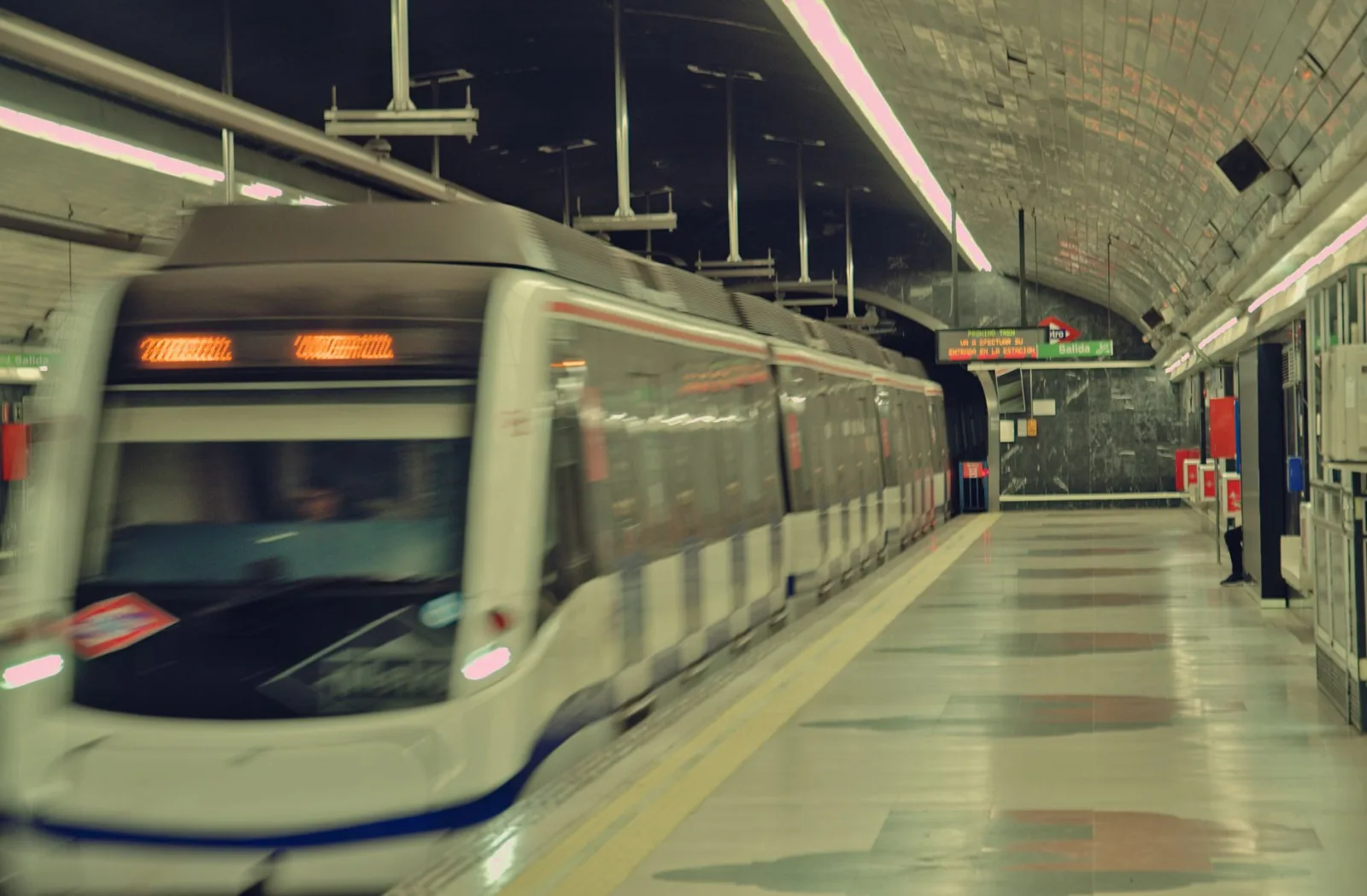
Cercanías is helpful when the route includes farther areas or nearby cities in the Community of Madrid. The trains run from 5:30 am to 11:30 pm, with single, round-trip, and 10-trip tickets. It is a good option for those who will also use the city’s main stations and want to reduce the time spent on connections.
Urban buses normally operate between 6:00 am and 11:30 pm. At night, the búhos come into service, running between 11:20 pm-11:45 pm and 5:30 am-6:00 am, with an extension until 7:00 am on Saturdays and the eve of holidays; many routes depart from Cibeles Square. For short distances, walking still solves a lot in the center, because many of the points of interest are concentrated there. Taxis work well when you need door-to-door service; the cars are white with a red stripe and a green light on top indicates availability. Bicycles are also an alternative, سواء through private rental or the municipal Bicimad service. If you plan to use the public network a lot, the tourist pass may be worth it: it is valid for one person, offers unlimited rides on the metro, buses, and train, and is available in 1-, 2-, 3-, 4-, 5-, and 7-day versions, in zones A and T.
Where to stay in the itinerary: historic center, museums, neighborhoods and green areas
To set up base in Madrid, the historic center solves much of the logistics. Puerta del Sol and Plaza Mayor work as very practical reference points: from there, you can enter and leave the most walkable core of the city without relying so much on transportation. If the idea is to reduce travel time, this is the area that deserves attention first.
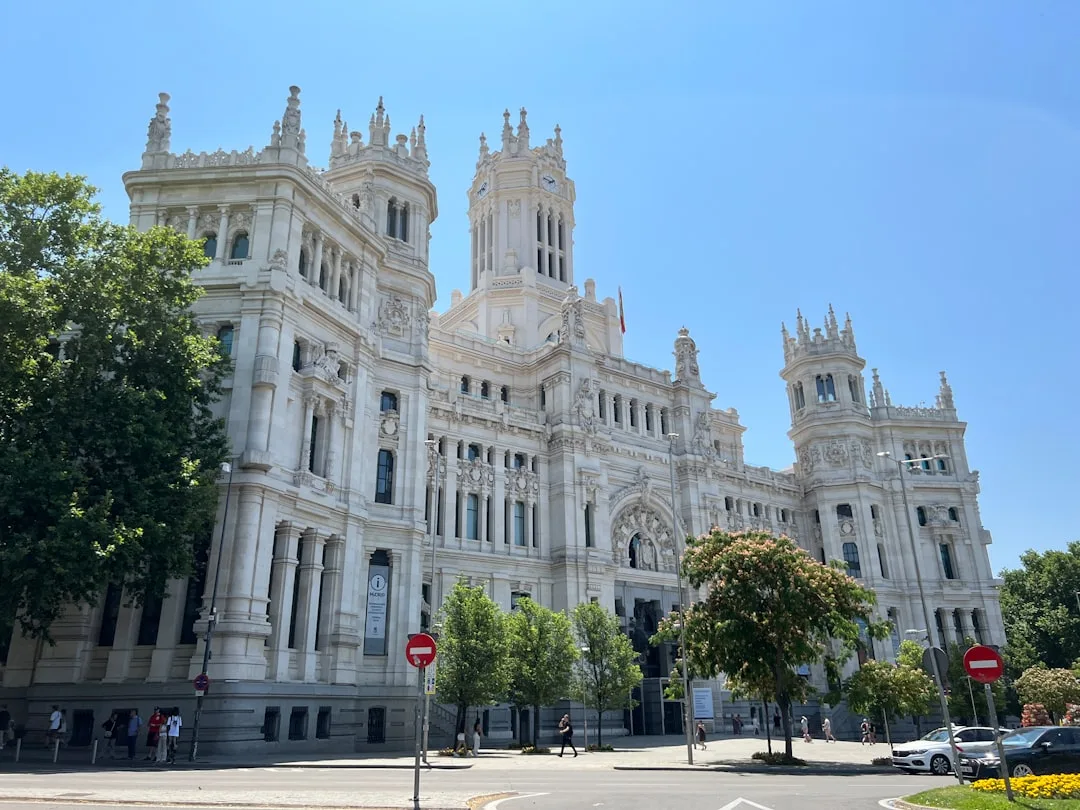
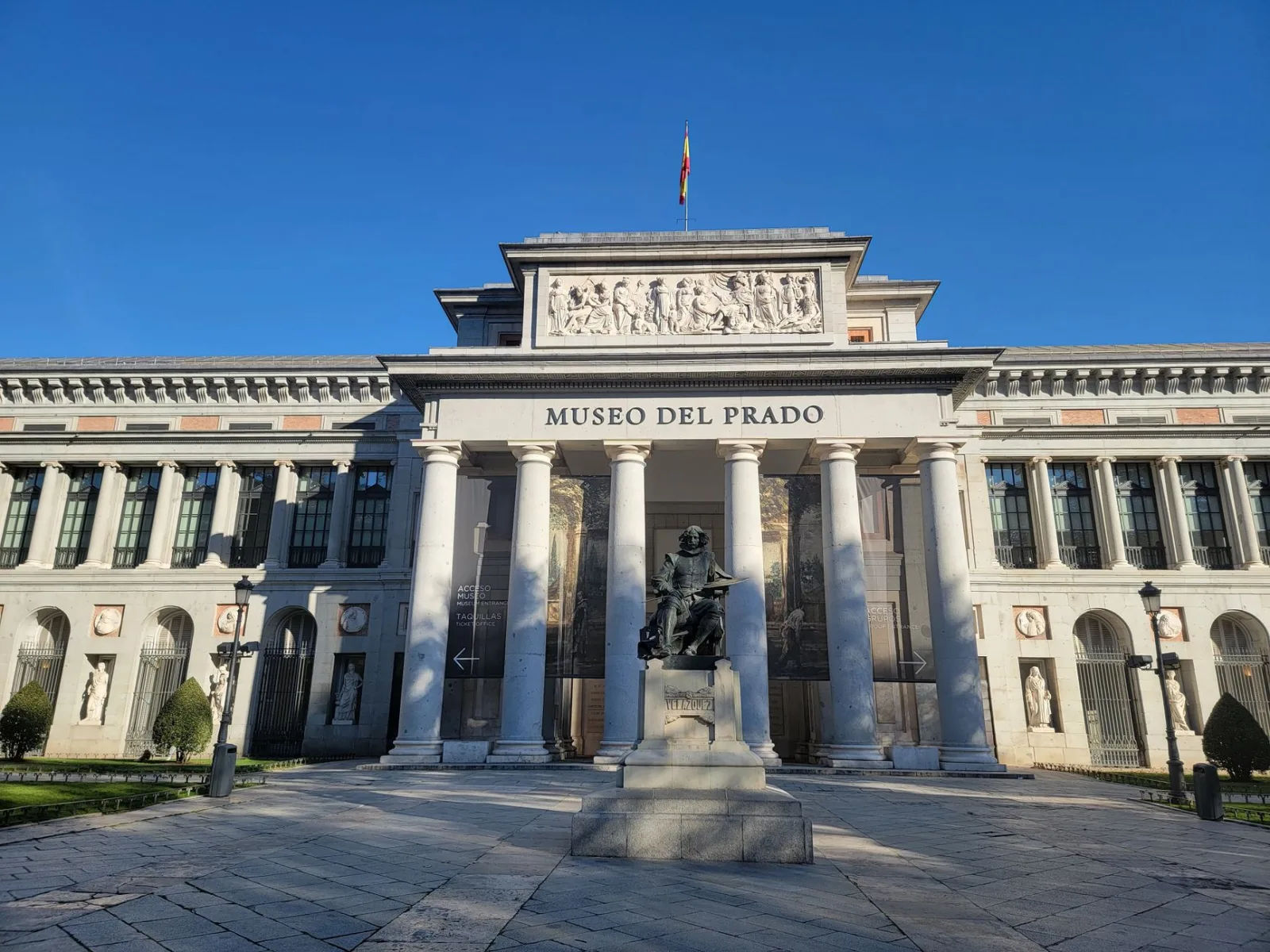
The Art Triangle calls for a stay or, at the very least, an itinerary design that keeps the Museo del Prado, the Reina Sofía and the Thyssen-Bornemisza on the same sightseeing axis. Staying around there helps fit in visits without unnecessary back-and-forth. Those who prefer to walk more and change bases less usually do well in the areas bordering this circuit.
La Latina and Las Letras work better for those who want a neighborhood with its own rhythm, but still close to the center. La Latina fits well in the late afternoon and during tapas nights; Las Letras is a good choice if you want to move through more compact streets and have the city within walking distance. These are areas that help you read Madrid by atmosphere, not just by map.
If the priority is to ease the urban pace, Parque do Retiro is the most obvious reference for staying with easy access to green areas, and El Capricho makes sense for those who are willing to stay farther from the central core. In both cases, it is worth considering the relationship between distance to the center, transport links and how much walking you want to do on a day-to-day basis.
What to do in Madrid: main attractions to build your itinerary
If you have little time, focus the itinerary on the Prado–Reina Sofía–Thyssen-Bornemisza axis. These three museums make for a very solid day of art in Madrid: the Prado leads with classical painting, the Reina Sofía takes you into modern and contemporary art, and the Thyssen-Bornemisza helps fill in the gaps between the two. The Sorolla Museum calls for a slower pace; it works best when you want to step away from the main circuit and include a smaller visit that is easier to do without rushing.
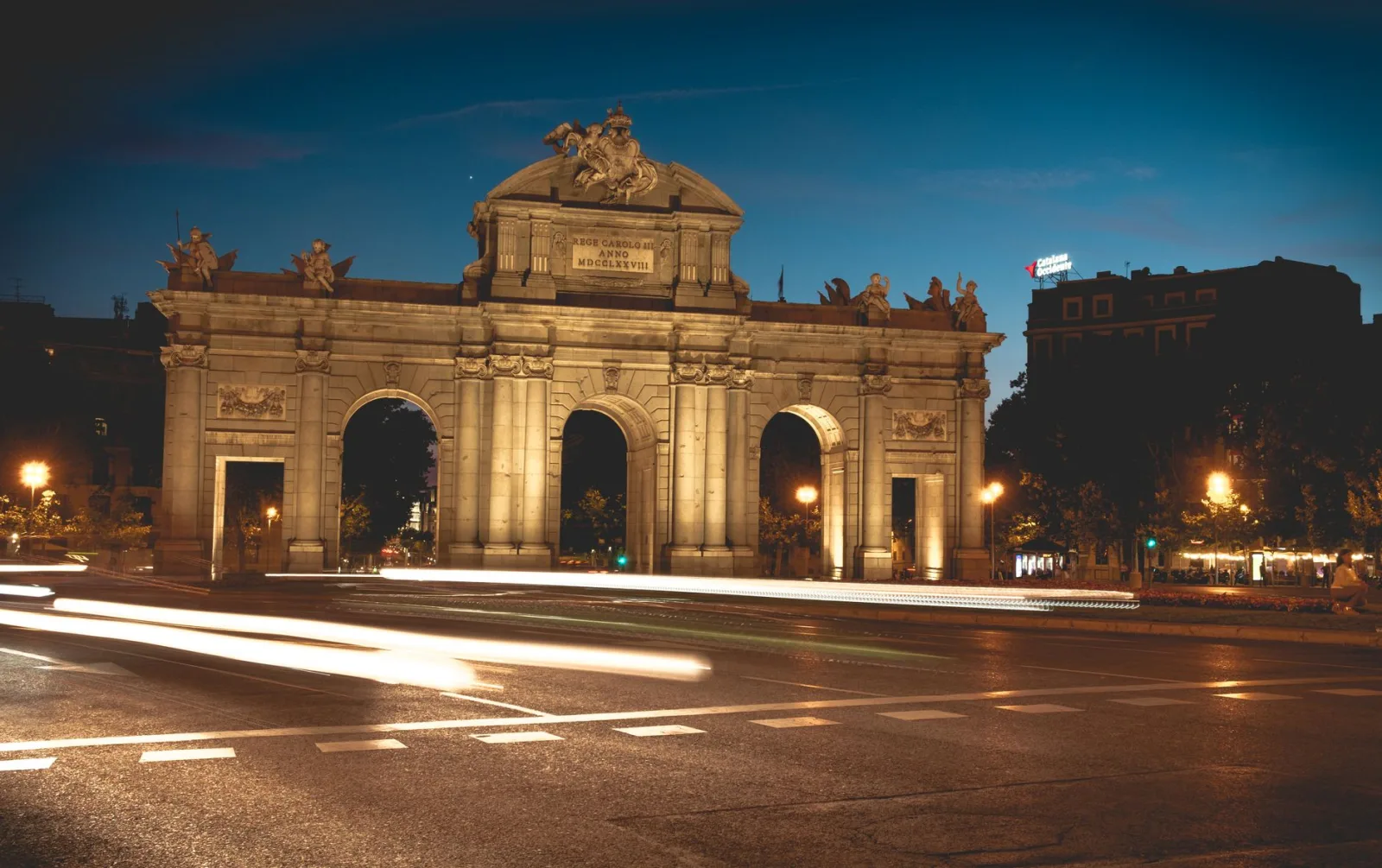
To understand the city on foot, mark the Royal Palace, Plaza Mayor, Puerta del Sol, and Gran Vía on the map. This set helps you plan an initial walk through the center, with short stretches between points that often fit into the same day. Puerta del Sol and Plaza Mayor are useful landmarks for getting your bearings, while Gran Vía concentrates the livelier side of the center. Plaza de Cibeles and Puerta de Alcalá fit well into the same route if you want to extend the walk without leaving the central area.
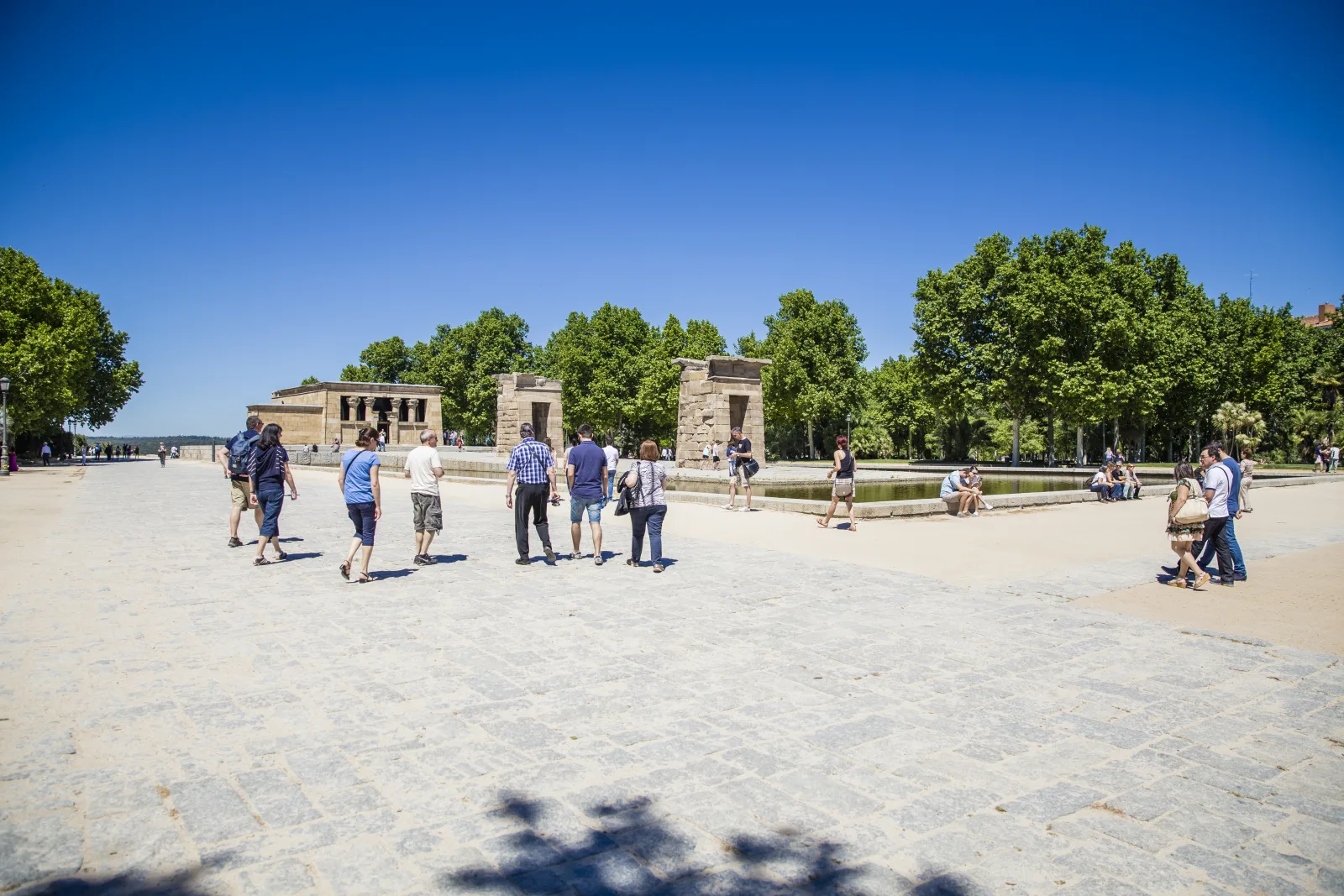
If the idea is to set aside time for open-air areas, El Retiro Park deserves its own place in the itinerary. It works well as a break between museum visits or as a late-afternoon stroll. Templo de Debod is also worth it for the combination of park and view, especially when you want to end the day away from the busiest routes. For those who enjoy cultural outings that stray from the classic circuit, Matadero and Conde Duque help diversify the trip with exhibitions and activities that change over time; for that reason, it is worth checking the schedule before including them in your day.
Where to eat, shop, and go out at night
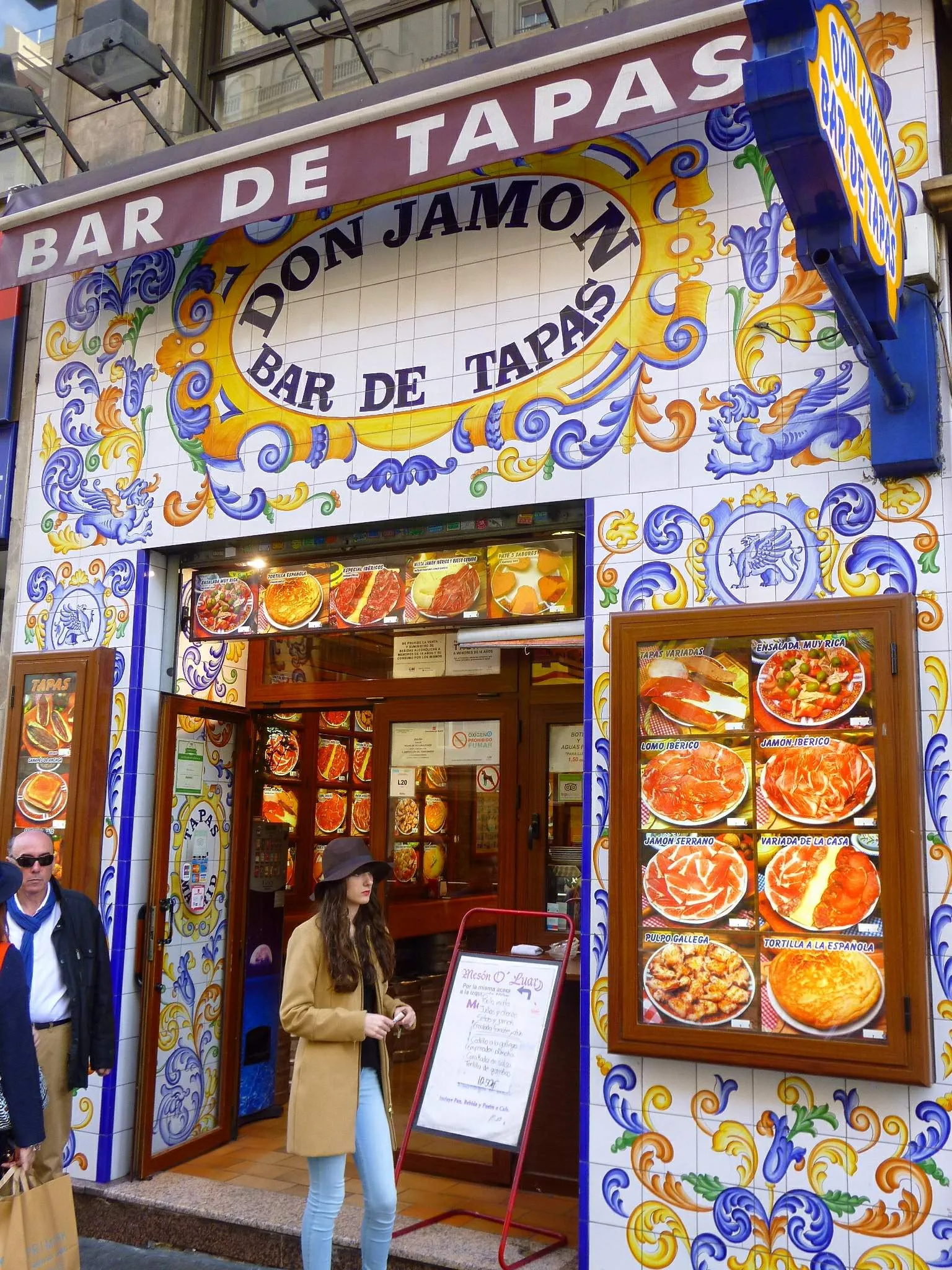
Traditional taverns are still the most straightforward way to eat well in Madrid without complicating the plan. That is where tapas come in, served in sequence throughout the afternoon and evening, in settings that are usually simple and lively. If you want to eat more casually, this is the easiest way to fit in a stop between one outing and another.
For something more focused, the Mercado de San Miguel works as both a food destination and a stop in the city center. Rather than thinking of it as a full meal, it is worth using it to try small portions and keep walking. On weekends, brunches have also gained ground, especially in glass-covered indoor terraces, courtyards, and open areas; it is the kind of plan that works best when you want to slow down without leaving the central area.
When it comes to shopping, the Milla de Oro concentrates luxury stores, while Fuencarral leans toward a more alternative profile, with vintage offerings. Motores has entered the map as a design market, good for those who prefer less conventional objects and pieces. If the idea is to shop selectively, these areas help separate luxury, independent fashion, and design without wasting time crossing the city for no reason.
At night, Madrid usually stretches the day late, with bars, live performances, and parties that go on until dawn. Before that, the viewpoints at the Templo de Debod and the terrace of the Círculo de Bellas Artes are safe choices for sunset. If you want to go out without committing to a fixed plan, just choose between a late dinner, a drink on a terrace, or following the flow of the bars.
Day trips from Madrid
Toledo is the easiest getaway to justify if you want to see a historic city with little planning effort. The old town concentrates churches, synagogues, narrow streets, and viewpoints over the river, so the visit works well in half a day or in a full day, depending on the pace. Segovia calls for more time to walk leisurely around the aqueduct and the historic center, while Ávila usually appeals to those who want to see the city wall and the medieval reading of the city without major detours in the itinerary. For the three, the best criterion is simple: if you want to fit in a complete city without sleeping outside Madrid, Toledo is usually the most straightforward choice.
Aranjuez makes more sense when the trip includes palaces and gardens, because the historic center was designed with that logic of strolling in mind. Chinchón is smaller and revolves around the medieval square, which makes it a short and hassle-free outing, good for those who prefer a compact city. Alcalá de Henares works well for those who want an outing tied to university and literary history, with travel time that still easily fits into a day trip. If the idea is to leave the city without entering another urban area, these three destinations require less logistical energy than Segovia or Toledo.
San Lorenzo de El Escorial is worth the trip when the interest is in monument and mountain scenery on the same day. The Sierra de Guadarrama National Park changes the plan: here the focus moves away from urban heritage and toward mountains, forests, and trails, so it makes more sense for those who truly want nature and are willing to dedicate the day to an outdoor setting. If you only have time for one nearby outing, choose between a historic city and natural scenery before comparing names; this avoids losing a day on a trip that doesn’t match what you want to see.
Frequently asked questions
What is the best time to travel to Madrid?
Spring and autumn are usually the best times, because the weather tends to be more pleasant for walking. In winter the city is quieter, and in summer you have to deal with stronger heat.
Where should I stay in Madrid to do everything on foot?
The areas near Puerta del Sol, Plaza Mayor and Gran Vía greatly reduce the need for transportation. They work well for those who want to explore the city center with short walks.
How do I get from Madrid airport to the city center?
It is possible to go by metro, train, bus, taxi or car. Metro line 8, the Exprés Aeropuerto 203 and the fixed-fare taxi are direct options to the city center.
Is the metro enough to get around Madrid?
Yes, the metro is the most practical way to get around the city and covers the main neighborhoods well. For short trips in the center, it is often also worth walking.
Which day trips are worth it from Madrid?
Toledo is the easiest getaway to fit into one day. Segovia, Ávila, Aranjuez, Chinchón, Alcalá de Henares and San Lorenzo de El Escorial are also good options, depending on the kind of trip you are looking for.