London: practical guide to planning your trip, choosing areas, and enjoying the city
London: see when to go, where to stay, how to get around, and which attractions and passes can make your itinerary easier in the city.
When to go to London and what to expect from the weather
London changes quite a lot from one month to the next, and the weather has a direct impact on the pace of the trip. Between late autumn and early spring, the days can be comfortable, but rain enters the plan without warning. On a trip in November, there were a few heavy downpours; in March, on the other hand, there were days with no rain at all. The practical difference is significant: with dry weather, you can string together walks, viewpoints, and outdoor breaks more easily; with rain, the itinerary tends to be more fragmented, with more time spent on covered transfers and less room for improvisation.
If you want a more predictable experience, it’s worth aiming for periods when the risk of rain doesn’t interfere as much with longer outings. Even so, London remains a city where the sky can change quickly, so what makes the difference is building your day with some flexibility. A very rigid itinerary suffers more from the weather than a plan that allows you to alternate between streets, museums, markets, and indoor breaks.
In the cold and rain, the city becomes more demanding. Walking loses its appeal, moving between neighborhoods feels longer, and time spent outdoors decreases. On dry days, the feeling is different: the city delivers more, the routes are less tiring, and it’s easier to enjoy the atmosphere of the streets, which is precisely one of the most pleasant parts of the trip.
To decide when to go, think less in terms of a “perfect season” and more about how you want to use your days. If the idea is to walk a lot and leave room for changes in plans, the months with more stable weather usually work better. If the trip falls during a more unstable period, London still delivers plenty—it just requires more adjustment and less reliance on clear skies.
Where to stay in London without complicating getting around
Shoreditch works well for those who want a base with restaurants, cafés, and nightlife without being tied to the most obvious circuit. The neighborhood has a younger, less touristy vibe than Soho, and that usually appeals to those who prefer to move around streets that feel less like a “transit zone” and more like a neighborhood with its own life. For those traveling as a couple or with family, it also helps that there are good dining options nearby without having to rely on long trips at the end of the day.
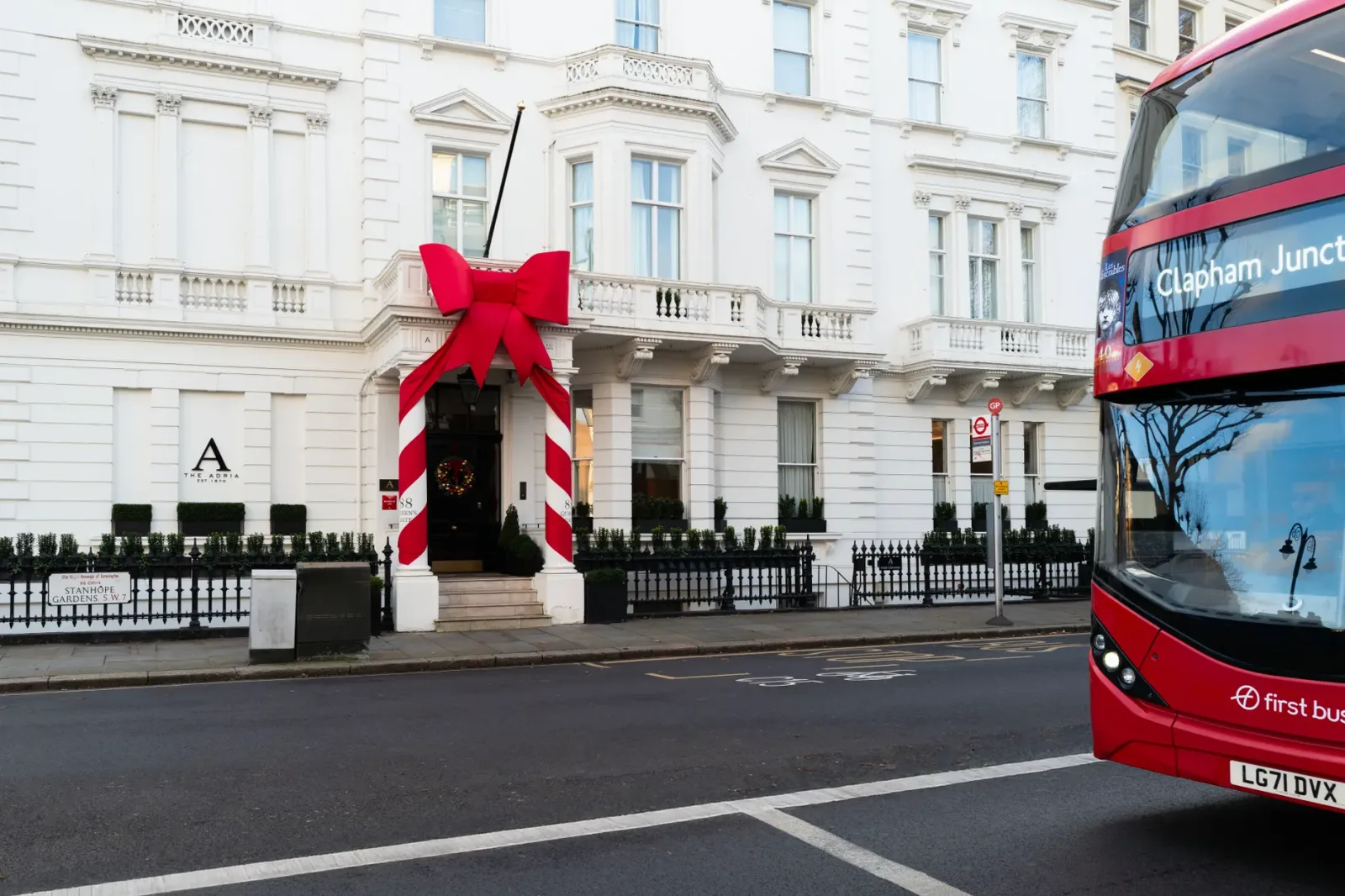
Soho remains practical if the priority is to stay in the city’s best-known core and have easy access to plenty of things on foot. The trade-off is that the area is busier and more heavily associated with tourism. Shoreditch, on the other hand, tends to be better when the idea is to sleep in a place with independent cafés, restaurants, and nightlife, without giving up a good starting point for exploring London.
Staying far from the center affects the routine. London is large and, if your accommodation is in a peripheral area, you can waste too much time getting around before you even start sightseeing. This makes a difference especially on short trips or with children, when every transfer shortens the day.
If the question is between saving on the nightly rate and gaining convenience, it’s worth paying close attention to the location in relation to the center and the Tube lines. In London, sleeping in a well-positioned area usually matters more than insisting on a cheap address that complicates everything else.
Editorial transparency: Some links on this page are affiliate links. We may earn a commission at no extra cost to you. This does not influence our recommendations.
How to get around between London's main attractions
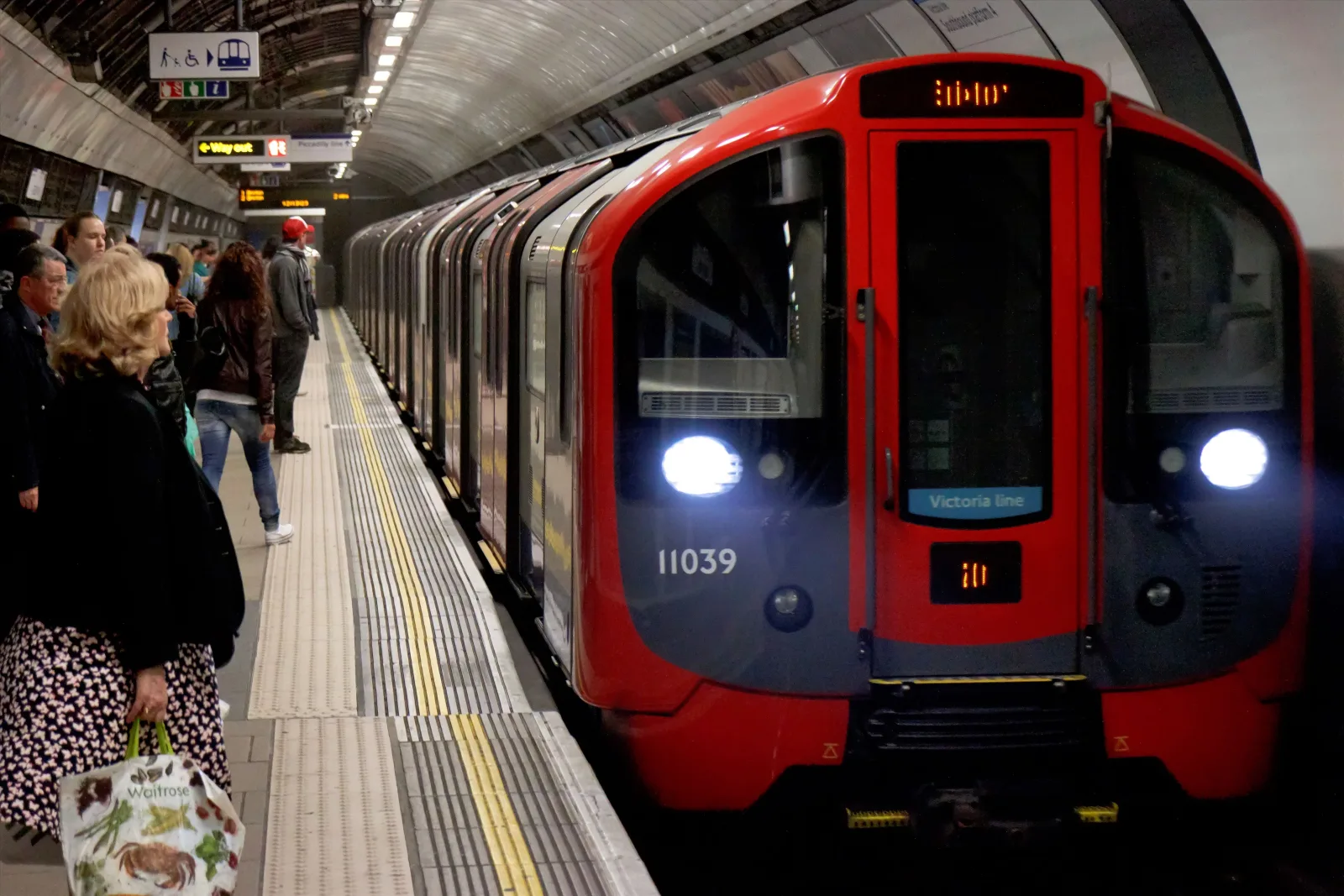
London is large enough to make walking great for short stretches and tiring for more ambitious journeys. Between nearby neighborhoods, walking works well and also helps you take in the city along the way. When the route gets longer, the metro is usually the most practical choice to keep the day moving without wasting time on long distances.
To see several places in less time, a bike tour works better than trying to fit everything in on foot. The city has good infrastructure for cycling in many areas, and that allows you to cover more ground without relying on long walks. On weekdays and when it is less busy, the experience tends to be easier to manage; even so, it is worth choosing the pace based on your comfort and the intensity of the itinerary.
If the idea is to explore the city flexibly, combine walking for short stretches with the metro for longer hops. This prevents you from spending too much energy on a single journey and keeps the day more balanced. In London, underestimating the size of the city is usually the most common mistake: maps may look close, but your legs will feel the difference.
The best-known spots to include in the itinerary
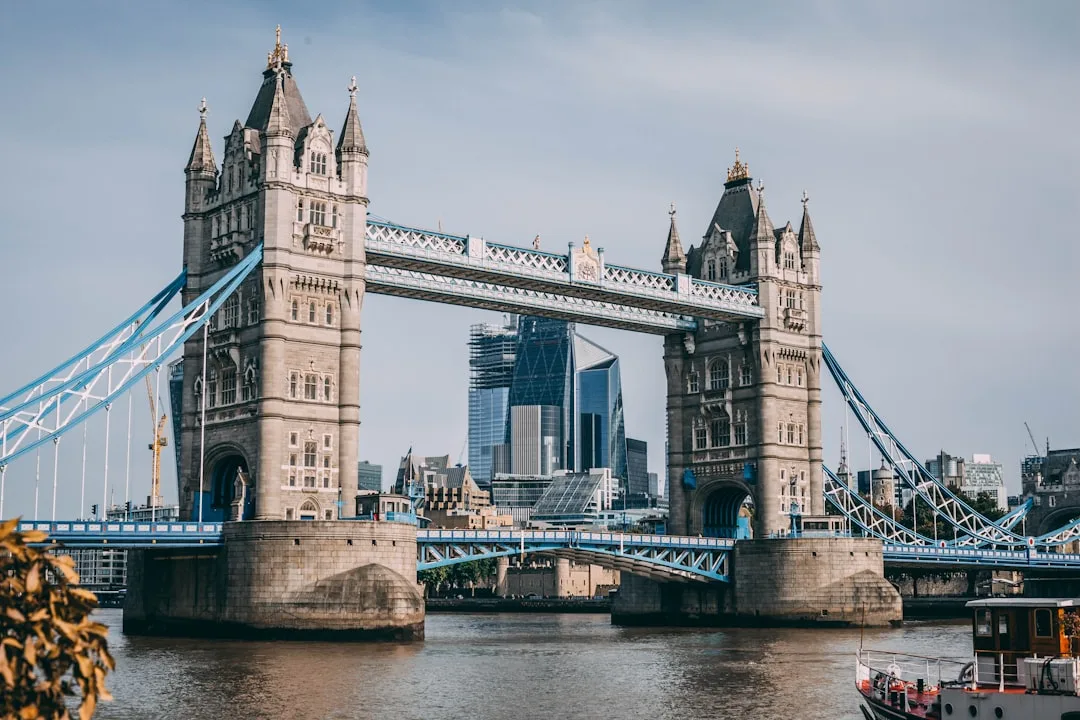
You can put together a classic London itinerary with just a few well-chosen spots without turning the day into a marathon. The British Museum works well as a visit of a few hours, or even just one floor, if time is short. Covent Garden and Chinatown come in as easy walking areas, good for wandering unhurriedly among shops, busy streets, and short stops. Meanwhile, Buckingham Palace, Westminster Abbey, Tower of London, Tower Bridge and the London Eye usually fit into the same visual circuit for anyone who wants to see the city’s most recognizable landmarks on a short trip.

If the idea is to fit more of the city into less time, the hop on hop off bus helps connect these spots without relying on so many transfers. The boat ride between Westminster and Greenwich is also worthwhile for the slice of the city it offers, especially if you want to vary the way you see London without spending the whole day on transportation. The Harry Potter tour is a good choice for anyone who wants a themed itinerary, and it usually works better as a separate activity, so it doesn’t compete with the circuit of the more traditional landmarks.
For views and event schedules, Alexandra Palace is more of a complementary stop than a must-see in the center. It works if you want to expand the itinerary to an area with a different perspective on the city and check what’s happening in the current program. On short trips, the most useful decision is simple: fit in first the spots that require a time slot and ticket, then use the more flexible tours to fill whatever is left in the day.
Museums and cultural experiences that work well on a short trip
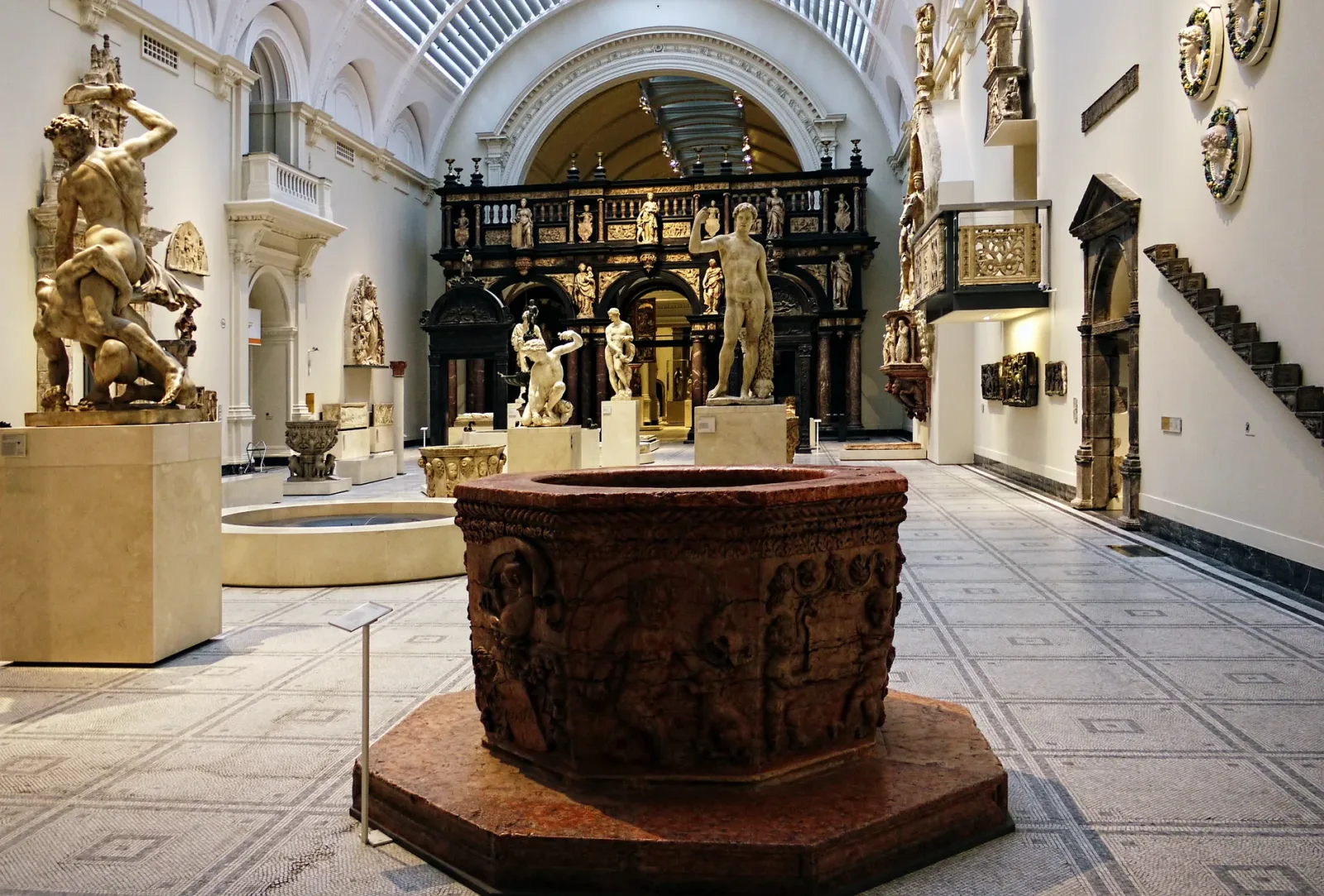
The British Museum works well even on a short trip because it lets you choose just part of the collection without feeling like you’re “missing the museum.” Admission is free, which helps a lot when the itinerary is already full. If you want to make the most of it, use the audio guide on your phone and bring headphones; this greatly improves the visit, especially in the areas with pieces from different periods and regions. There are also free guided tours in parts of the museum throughout the day, and they can be a good way to go in, see a specific section, and leave without needing to try to cover the entire building.
For those who want to fit in culture at night, Wicked and Moulin Rouge are very practical choices because they transform the schedule without requiring a whole day. It’s worth buying tickets in advance and choosing seats carefully, because the experience changes quite a bit depending on the row and section. In Moulin Rouge, center seats work well; Wicked, on the other hand, calls for extra attention if the language is a barrier, because part of the impact comes from the dialogue, not just the songs. In both cases, buying online usually makes organizing easier.
With children, the decision depends more on the content than on the title’s fame. Moulin Rouge tends to be less suitable for this audience, while Wicked depends heavily on being able to follow spoken English easily. If the trip is with family, it’s worth checking the age rating and the show length at the time of purchase, because that affects the choice more than any generic recommendation.
Markets and neighborhoods to eat, stroll, and observe the city
Borough Market works well when the idea is to eat while you move among food stalls and local produce. Camden Market has a more spread-out feel, with stalls and permanent shops side by side, plus plenty of street food and souvenirs. Spitalfields Market, in East London, combines permanent shops with rotating stalls and is usually more comfortable to walk around when you arrive early; there you’ll find food, coffee, gifts, and small purchases without the rush of busier hours.
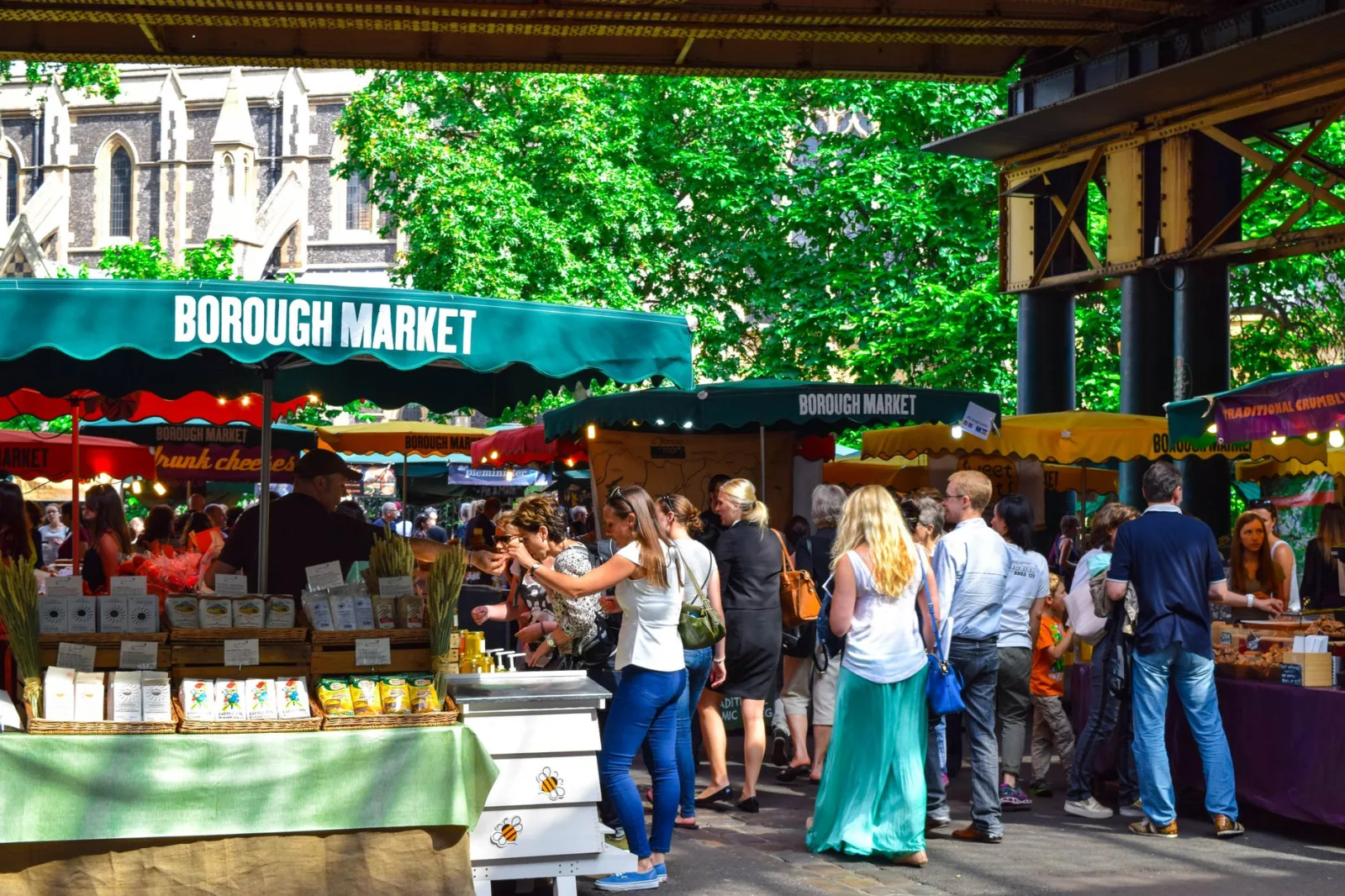
Soho works well as a base for a food tour, but also as an area to choose restaurants without turning the outing into a rigid plan. It is a central and busy part of town, so the experience here depends more on the street and the time than on any single address. Brixton and Brick Lane come in more as neighborhood context than as quick stops: Brixton is linked to food and drink in a more local atmosphere, while Brick Lane concentrates movement around the markets and the mix of shops, stalls, and people passing by.
If you want to prioritize food, look at the type of market before deciding. Borough tends to work better for those who want to eat there. Camden is better if the intention is to walk among stalls and grab something casual. Spitalfields is a good option when you want to combine a break, small shopping, and a walk without so much pressure, and at quieter times that makes a difference. In several of these places, the presence of vegan options helps you put together a stop without much advance research.
Where to eat and drink in London
London has a food scene that works well for those who want to eat without wasting time on obvious choices. In the center, The Anchor & Hope is a straightforward pick for Sunday roast, that Sunday lunch many people look for in the city. Story Deli goes in a different direction: the pizza is worth the detour, but the place requires planning, because it is small, may not always be open, and sometimes it makes sense to check ahead. The place also has a more intimate atmosphere than a conventional pizzeria.

For a more relaxed break, Gegend works as a tea house with a sense of lingering, not passing through. The space is small, service includes tea refills, and the setting calls for a seat without rushing; it is the kind of stop that is good for reading, talking, or taking a break between visits. The price of tea is higher than that of a regular coffee, so it makes sense to see it as an atmospheric experience, not just a drink.
If the idea is to drink well, Seed Library is a good option even for those who prefer not to drink alcohol, because the mocktails are treated with the same care as the cocktails. Artesian falls into the cocktail category, with a more refined profile. In Chinatown, Joy King Lau takes care of the Chinese food part without fuss. And in Brixton, The Pop Box combines food and drinks on-site, which makes things easier when you want to stay at one address without juggling dinner and bar.
For eating on the go and observing the city, a food tour in Soho helps you move beyond the obvious without wasting time choosing stop by stop. In neighborhoods and markets like Brixton and Brick Lane, the logic changes: you find food to nibble on, permanent shops, and stalls, and the experience depends a lot on the time of day. At quieter times, getting around is easier and there is more room to explore at a relaxed pace.
Tickets and passes that may be worth it
The Go City Pass makes sense when you want to bundle several paid visits into a single ticket. It can include entry to places such as Tower of London, Westminster Abbey, Tower Bridge, and more than 100 other attractions, with the possibility of saving up to £90 on the main visits. For those planning to fit several attractions into the same itinerary, the benefit lies less in the “discount” itself and more in the convenience of not having to stop the trip for each individual purchase.
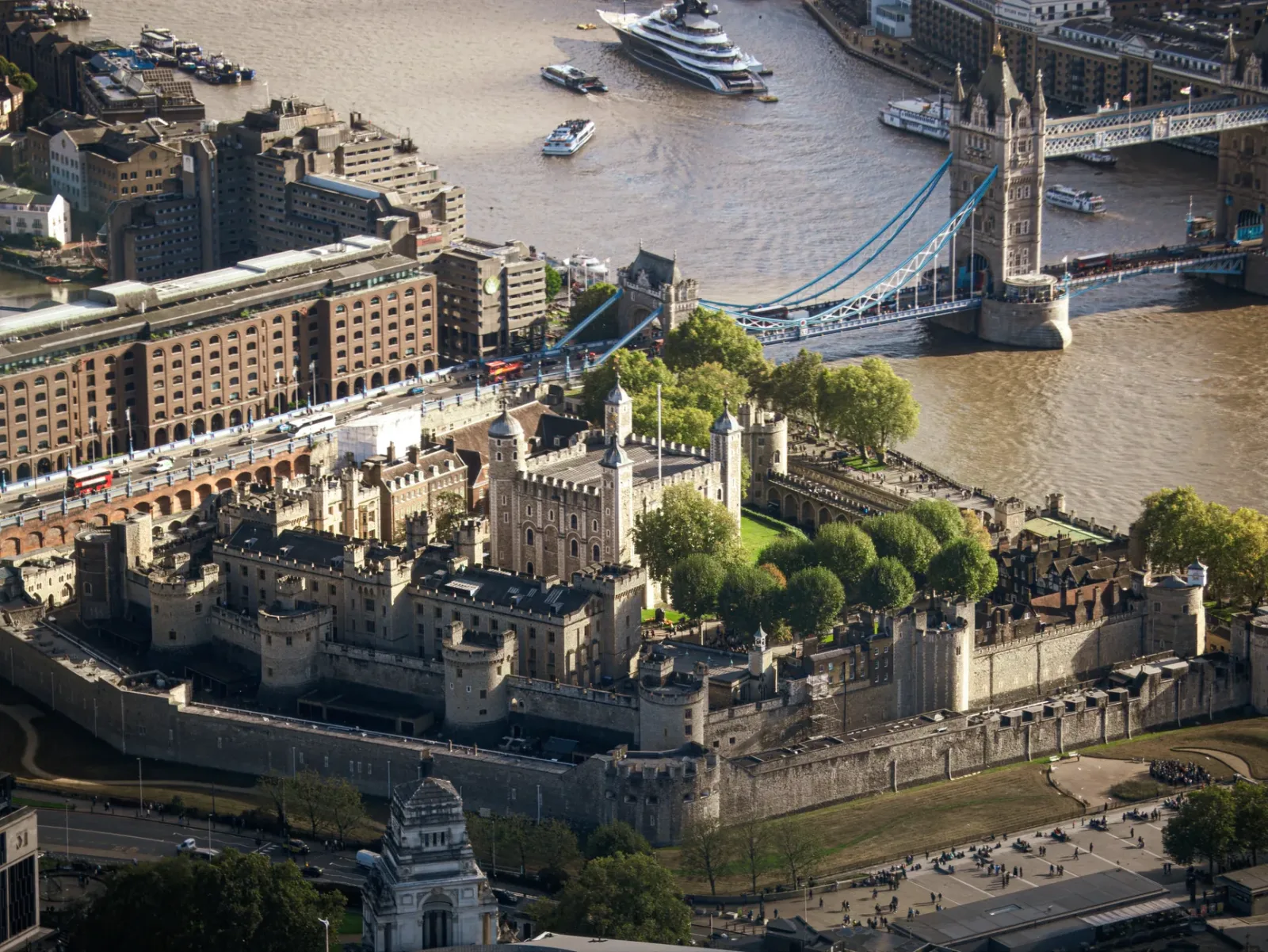
If the idea is to visit highly sought-after attractions, it is also worth checking online advance purchase for the London Eye, Buckingham Palace, the boat tour, the hop on hop off bus, and the Harry Potter tour. This does not just change the logistics: it helps organize the days more clearly and avoids leaving decisions until the last minute. In London, where itineraries often depend on the weather and the time available, having these tickets sorted out in advance usually makes planning the route much simpler.
Frequently asked questions
What is the best time to visit London?
The best time depends on how you want to use the days. During drier periods, it becomes easier to do long walks and combine neighborhoods, viewpoints, and outdoor activities.
Where should I stay in London to make getting around easier?
Shoreditch works well for those who want restaurants, cafés, and nightlife, while Soho is practical for staying close to the center and doing more things on foot. Staying in a well-located area is often worth more than saving on the nightly rate.
How do you get around between the main points in London?
The best combination is usually walking for short distances and the metro for longer trips. To see several spots in less time, a bike tour can also work well.
Which attractions are worth it on a short trip to London?
British Museum, Covent Garden, Chinatown, Buckingham Palace, Westminster Abbey, Tower of London, Tower Bridge, and London Eye fit well into a short itinerary. Boat rides and hop on hop off bus tours help connect these spots.
Is it worth buying passes and tickets in advance?
Yes, especially for in-demand attractions and to better organize the itinerary. The Go City Pass may be worth it if you want to bundle several paid visits into a single ticket.