Lille: what to do, where to eat, where to stay, and how to make the most of the city
Lille guide with what to do, where to stay, where to eat, and how to get around on foot, to put together a 1- to 3-day itinerary without complications.
Is Lille worth visiting? See what to expect from the city
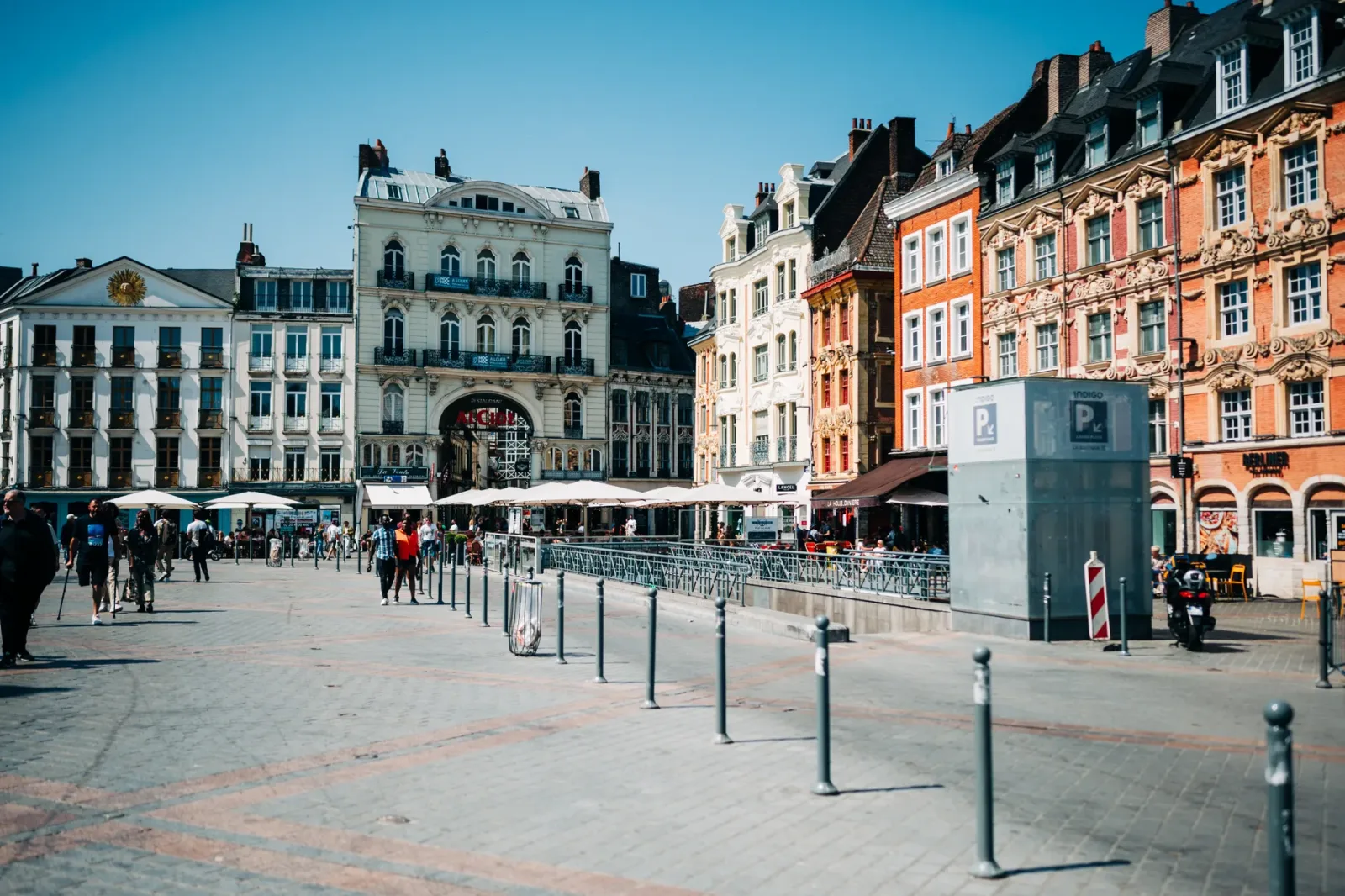
Lille makes sense for those who like a city that can be explored on foot. The center is compact, the areas that matter most to visitors are close to one another, and getting around works well without rushing. What gives the place its personality is the visible blend of France and Flanders: façades, squares, cobblestone streets, and an atmosphere that feels Northern European without ceasing to be French.
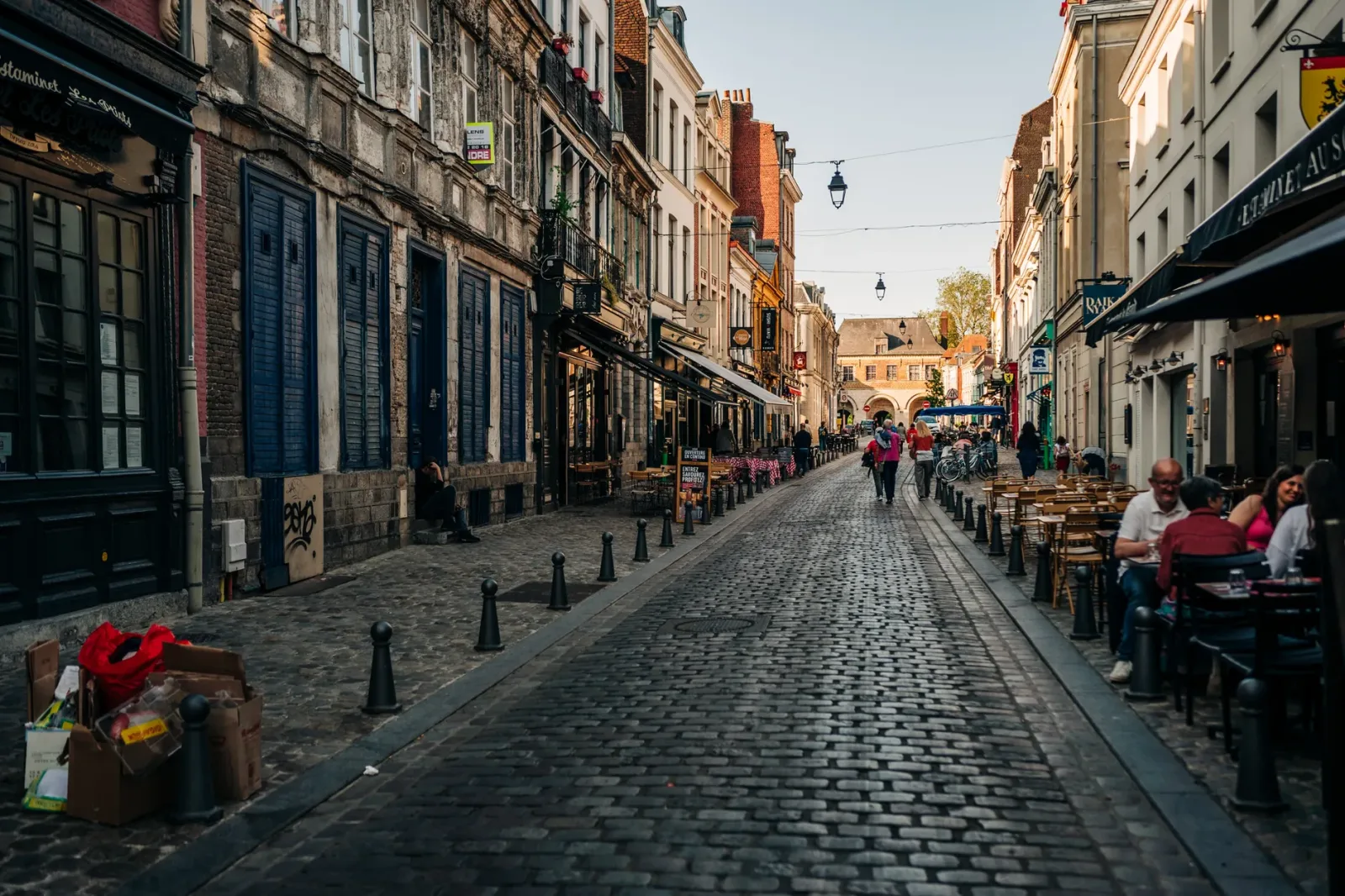
The city offers culture without the pressure of the major capitals. There are museums, striking architecture, cafés, and neighborhoods with local life, but without that feeling of an itinerary clogged by lines and crowds all the time. For couples, it works very well because of its human scale and weekend pace. For families, it helps that everything is relatively easy to fit in on foot. For solo travelers, the center is usually a comfortable base, with lively areas that are easy to navigate.
The ideal amount of time is usually 2 to 3 days. That is enough to see the essentials at a relaxed pace, visit at least one museum, explore the central neighborhoods, and leave room to stop without turning the trip into a checklist. If the idea is only to see the historic core and a few main sights, one day may be enough, especially on a stopover itinerary or a well-planned day trip.
Those who get the most out of Lille are travelers who prefer a compact city to a sprawling capital, and who value an urban setting with its own identity rather than an endless list of attractions. If you want cultural depth, good walkability, and a less saturated pace, Lille usually hits the mark.
How to get to Lille and when the city makes the most sense in your itinerary
The most practical way to get to Lille is usually by train. The city fits very well for those already traveling between Paris, Brussels, and northern France, because it works as a natural stop along the way, without requiring a complicated detour. If you want a smaller urban base for a few days, Lille fits better into the itinerary than as a simple day trip; if your journey already includes these capitals, it can be the segment that gives the route a different scale.
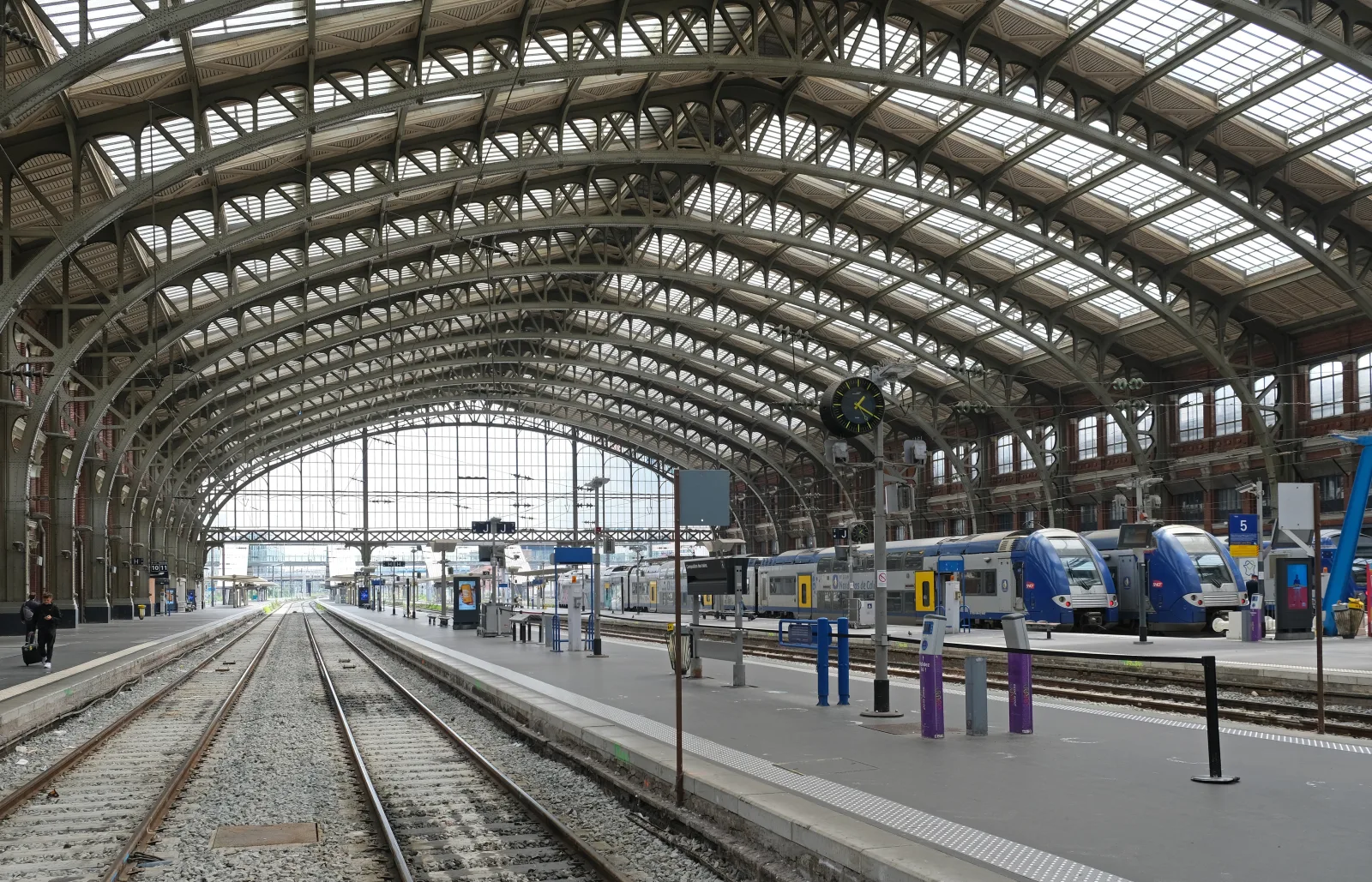
Buses also work, especially for those who prioritize cost and do not mind travel time as much. In this case, the arrival point is usually convenient for continuing on foot or making a short connection within the city. Between train and bus, the decision is less about “which is better” and more about what matters most in your itinerary: speed and comfort, or savings.
Flying is an option, but it is usually not the most direct way to plan the trip. Lille Airport is about 15 minutes from the center, but many routes require a connection elsewhere. Because of this, even those arriving in the region by plane often finish the journey overland, especially via Paris or Brussels, which usually work better as gateways.
Lille also makes sense when the idea is to combine France and Belgium in the same trip. Its proximity to the border makes it easy to include Ghent without turning the journey into the center of the itinerary. With Paris, the logic is different: Lille works well as a short extension before or after the capital, especially if you want to vary the pace without adding heavy logistics.
Editorial transparency: Some links on this page are affiliate links. We may earn a commission at no extra cost to you. This does not influence our recommendations.
Where to stay in Lille for walking around the city
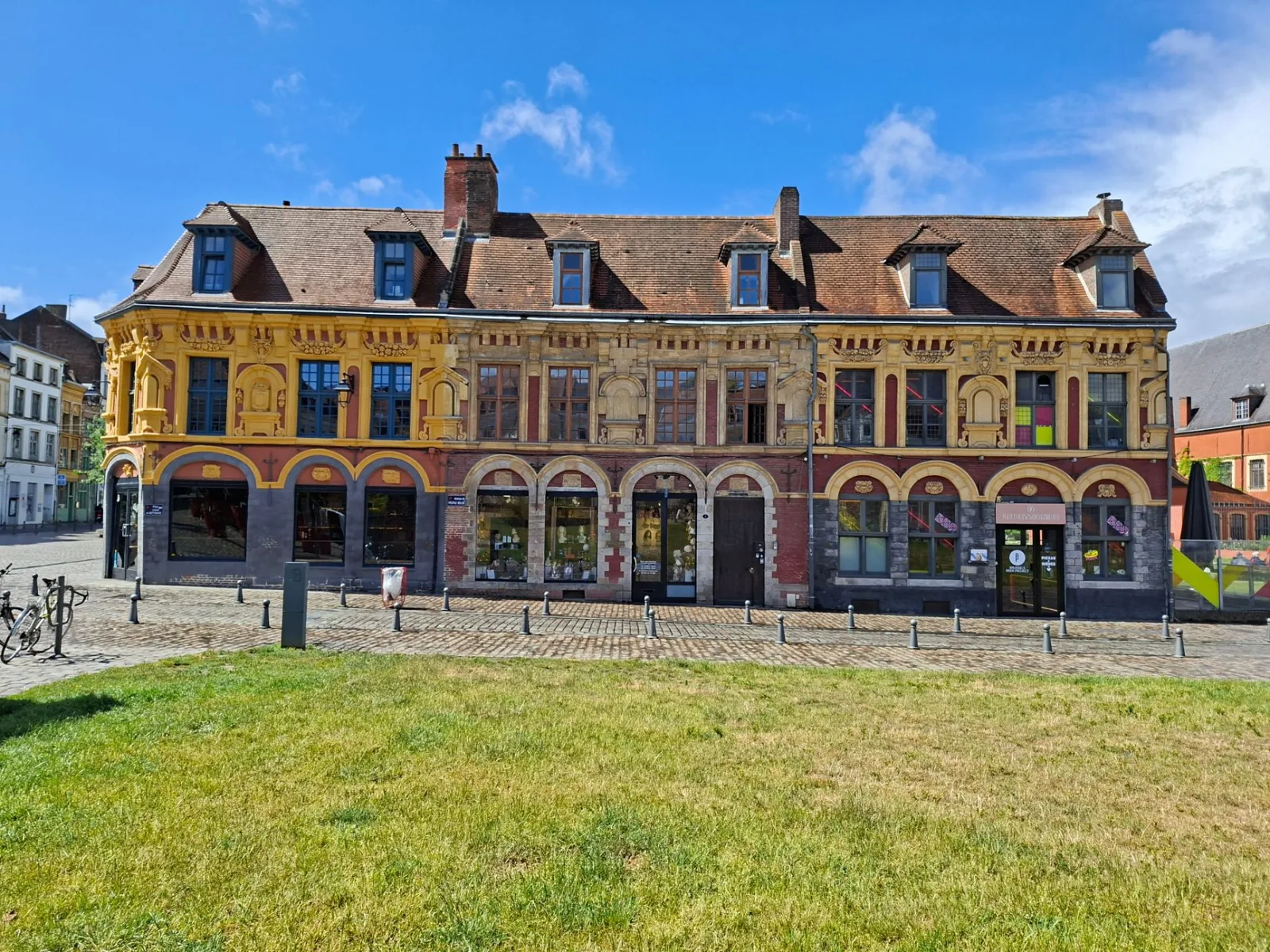
If the idea is to explore the city on foot, focus your search between the center and Vieux-Lille. These are the areas that make the day simpler: you leave the hotel, walk to cafés, shops, squares, and much of what matters without turning every trip into a decision. Between the two, Vieux-Lille tends to appeal more to those who want prettier streets and a neighborhood feel; the center works better for those who prefer immediate convenience and a more functional position within the urban layout.
Among the addresses with a more well-rounded profile, Edgar Suites Lille Faidherbe usually stands out for its location on Rue Faidherbe, a very good base for exploring on foot, with a style that avoids the standardized hotel feel. Edgar Suites Lille Shake follows the same independent approach, but with a clear focus on spacious apartment-style suites, useful for families, stays of a few days, or for those who want more space. Au 30 Lille Centre Grand Palais, meanwhile, works as a well-located central option, with a more carefully thought-out design and the feel of an address with personality, without leaving the city’s practical zone.
If you want something straightforward and with little fuss, Ibis Lille Centre Grand Palais comes in as a functional choice, especially for those who prioritize a simple base and a convenient location. Aparthotel Adagio Lille Centre Grand Place makes more sense for those who prefer the apart-hotel model, with more autonomy in day-to-day life and a central address. Mama Shelter suits another type of stay: less discreet, more geared toward atmosphere and style, better for those who like a hotel with a stronger identity rather than neutral accommodations.
When it comes time to decide, it is worth looking less at the hotel category and more at the pace of the trip. For a short weekend, staying in the center reduces friction. For a stay in which the surroundings matter as much as the room, Vieux-Lille usually delivers more. If you are comparing similar options, check the exact position on the map before booking, because a few minutes on foot can significantly change the experience in a city that works so well in this format.
How to get around Lille without complications
Most getting around in Lille is easily done on foot. Between the center, Vieux-Lille, and the areas most commonly visited on a short trip, you rarely feel the need for public transport. If the weather is dry, walking is usually the simplest way to understand the city without wasting time on short connections.
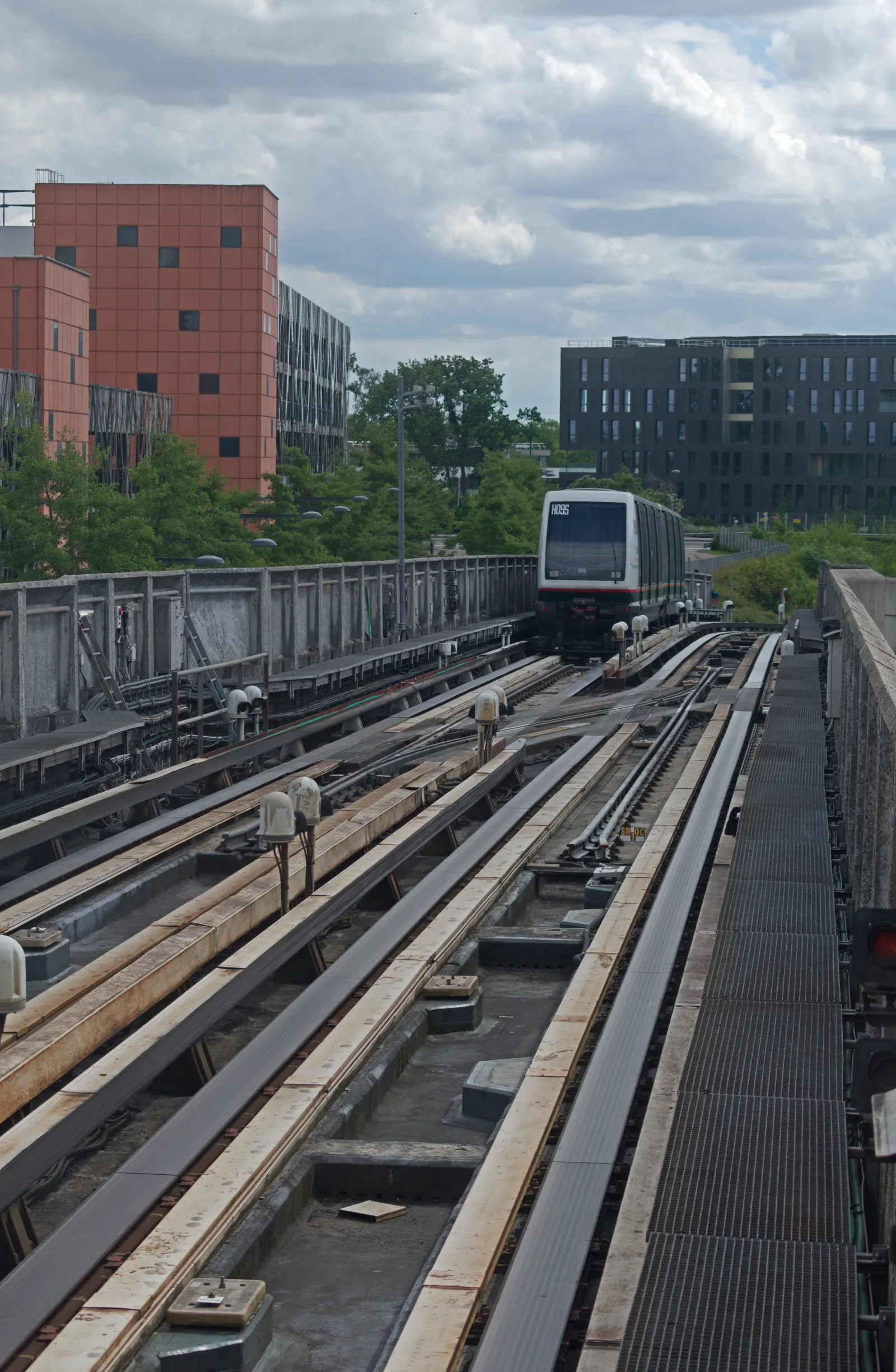
The metro is especially useful in two cases: rain and trips outside the more touristy core. It also helps if you want to go to Roubaix without complications. For this kind of trip, public transport is usually more worthwhile than insisting on long walks. If you are using the Lille City Pass, it is worth checking whether the version you chose includes unlimited transport, because that changes the practical cost of the day quite a bit.
Public bikes appear as an alternative, but with some caveats. The V’Lille system works by rental, but it is more useful for those who are already comfortable cycling in the city and want to make occasional trips. For a short itinerary, it does not always beat walking, and in the rain it loses much of its appeal. If you plan to use it, check the current pick-up and drop-off conditions beforehand, because this kind of operational detail makes a difference.
To decide on the day, think less about “which transport to use in Lille” and more about “does this route really need transport.” Most of the time, it does not. Save the metro and other means for bad weather, accumulated fatigue, or for leaving the central area.
The best tours and sights to discover in Lille
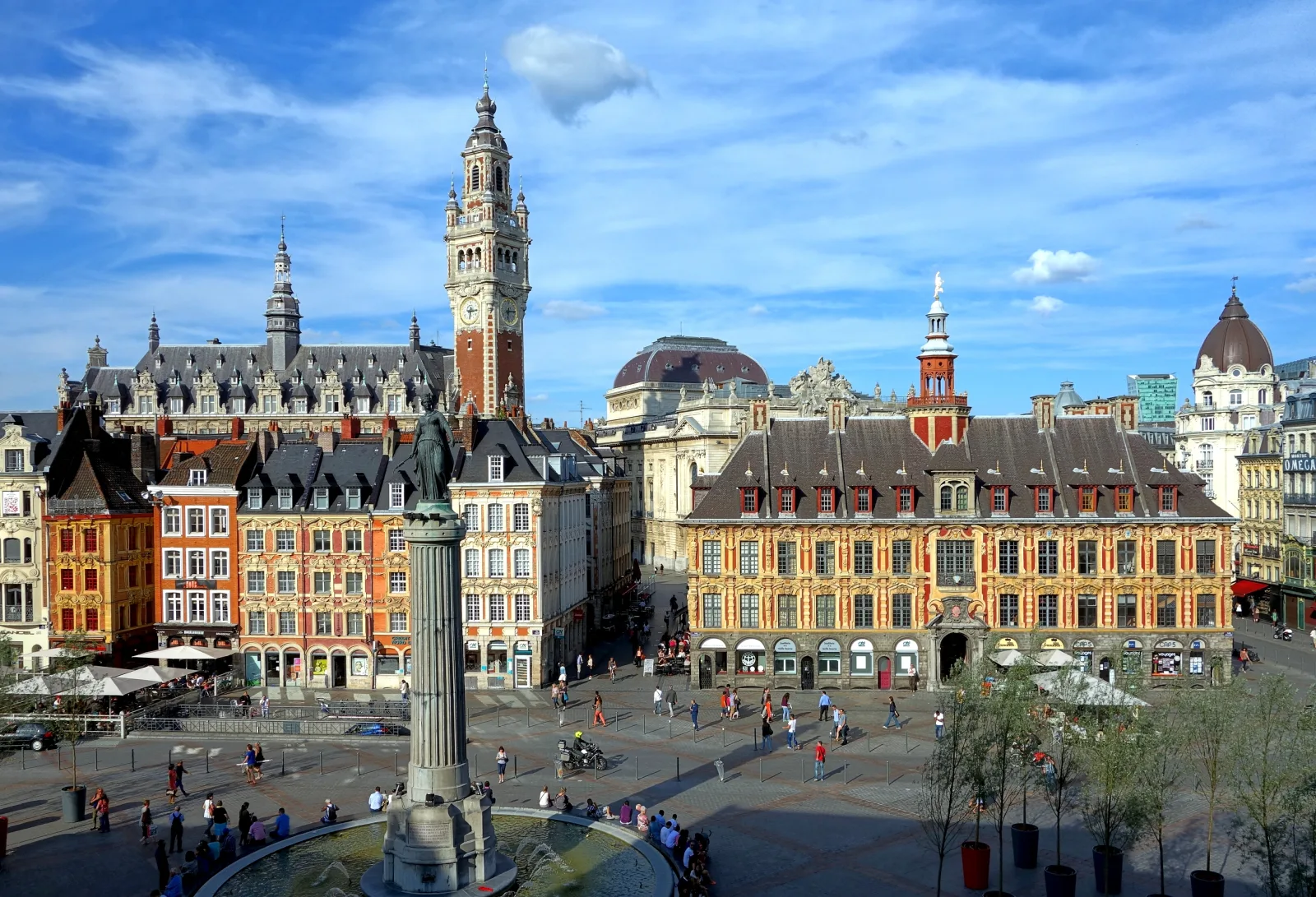
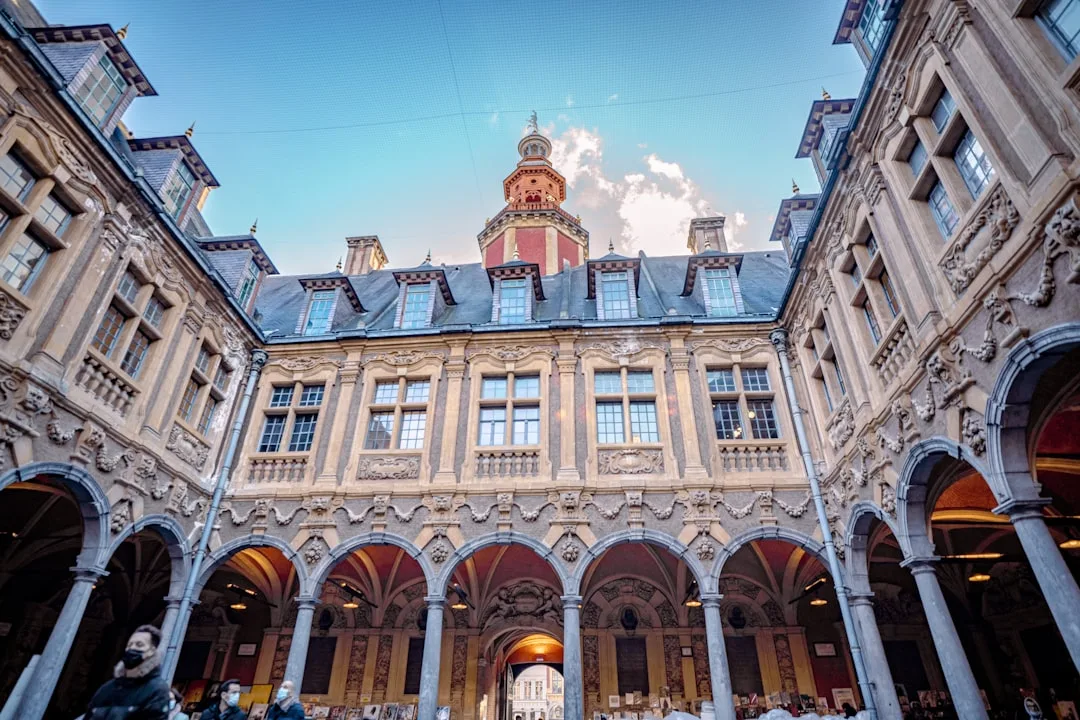
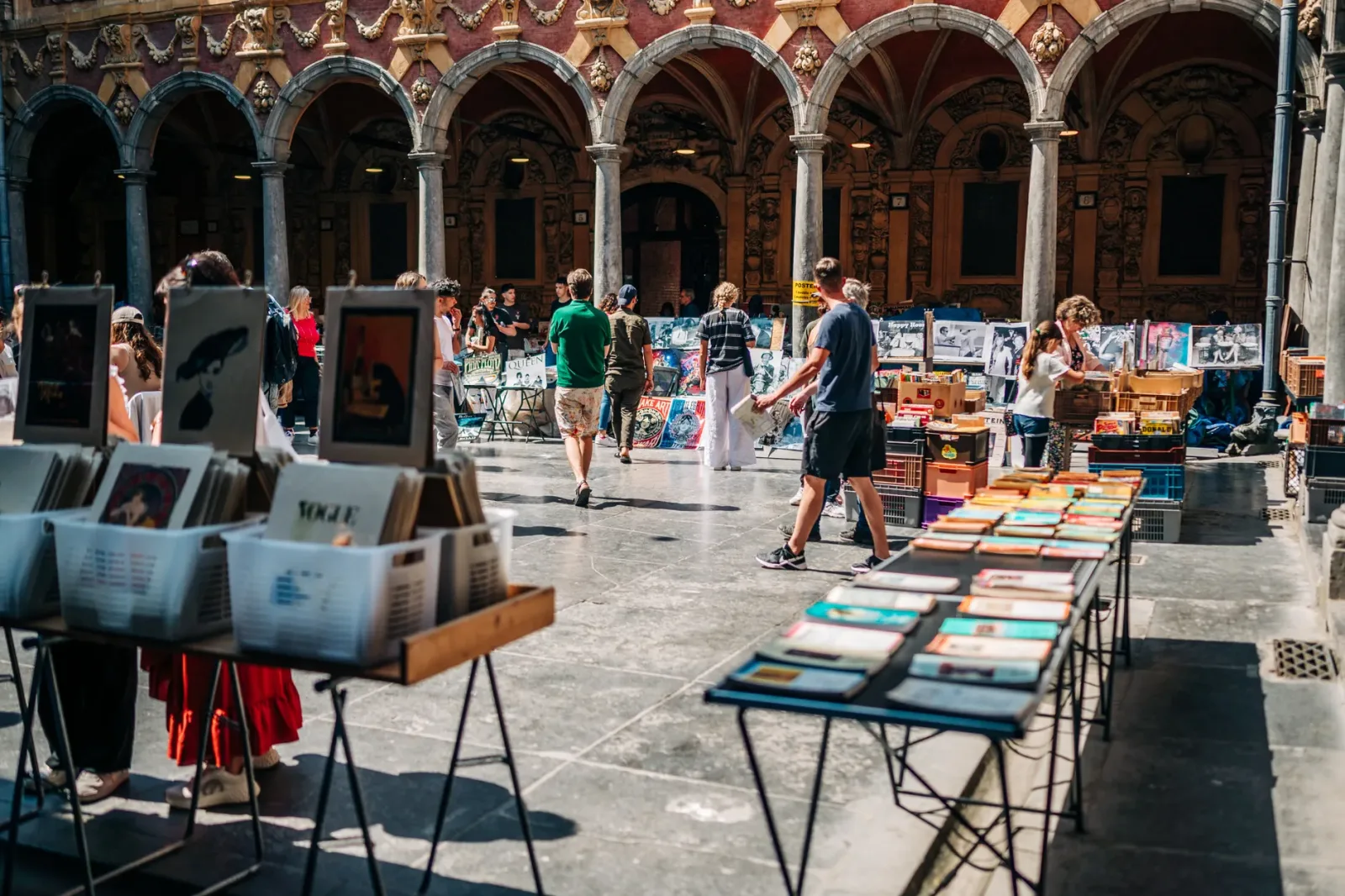
Start with Vieux-Lille, which is where the city makes the most sense at street level. The cobblestone streets, the façades that sit somewhere between Flemish and French, and squares like Place aux Ognons and Place Louise de Bettignies set the tone for the walk. Also stop by the Grand Place, which serves as the natural reference point of the historic center, and go into La Vieille Bourse. In the afternoons, except on Mondays, the inner courtyard hosts a market for used books, magazines, and prints; on a short trip, this is one of the places most worth fitting in with some care around timing. On a weekday afternoon, the atmosphere is usually better than during busier times.
Nearby, Notre-Dame-de-la-Treille is worth visiting for its mix of styles. The front divides opinion, but the interior and the gardens behind the cathedral justify the stop. Then continue to the Porte de Paris, a 17th-century arch built to celebrate Louis XIV’s conquest of the city. Next to it is the Beffroi de l’Hotel de Ville, one of the best spots for a panoramic view. Tickets usually require some advance planning, as time slots can fill up; before you go, confirm the current purchasing method and visiting hours.
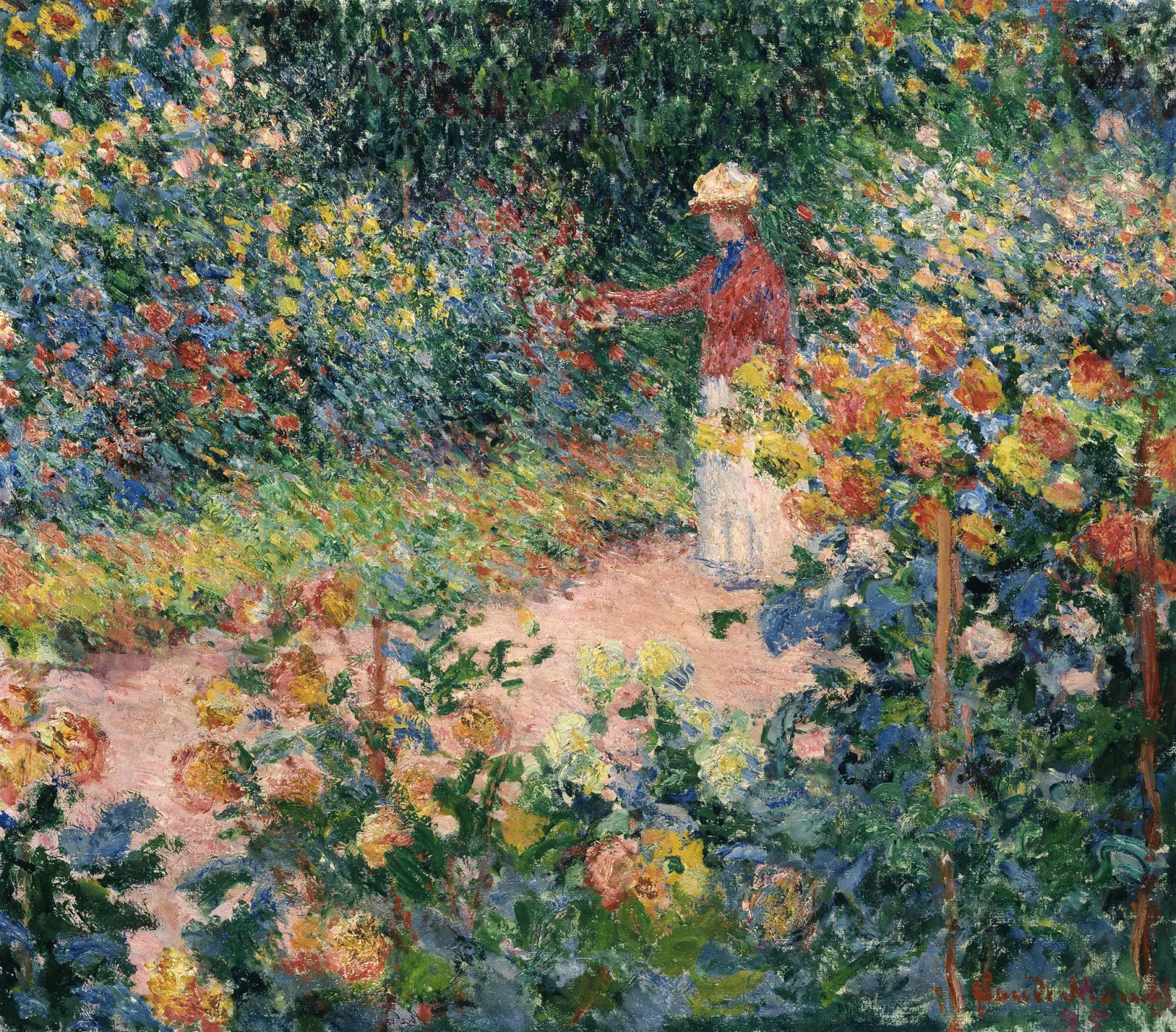
If the weather calls for a museum, the city’s main name is the Palais des Beaux Arts. The collection includes works by names such as Rubens and Monet, and the visit works especially well on a rainy day. If you want to get a little outside the center without giving up half a day, Museum la Piscine, in Roubaix, is a good extension of the itinerary: it is set in a former art déco swimming pool turned museum and has a personality of its own, without feeling like a “leftover time” attraction.
To see another side of Lille, pick up the street art map and put together your own route. The works appear most strongly outside the historic core, especially in Wazemmes and in the Gare Saint Sauveur area. Wazemmes is also worth visiting for the neighborhood itself and for the market, which takes place on Tuesdays, Thursdays, and Sundays. If your trip falls on the first weekend of September, the Braderie de Lille takes over, a huge flea market that fills the city and completely changes the local rhythm. During this period, your plans need to be built around the event, not the other way around.
Where to eat in Lille: cafés, sweets, lunch, dinner, and wines
If the idea is to get local sweets right, start with Meert and Aux Merveilleux de Fred. The first is the stop for trying the waffles the house became known for; the pistachio filling is usually a good choice, and the tea and sweets boxes work well if you want to take something with you. The second, meanwhile, is the place for merveilleux, light sweets made with meringue and cream, also available in a small version. For coffee, go by the kind of break you want: Tamper! Espresso Bar, Caféine, Gorilla, Wally’s Coffee, and Coffee Makers all work well when you want a short stop between walks or a more straightforward start to the morning. If you are more demanding about espresso, Tamper! is usually the safest name on the list.
For lunch, Le Barbier qui Fume works well when you want a more substantial meal. The house specializes in traditionally smoked dishes, so it makes more sense for those who want something with more character than a quick lunch. Crêperies Beaurepaire is the easiest choice to fit into the day: savory or sweet crêpes, no fuss, and with a terrace that helps when the weather cooperates.
For dinner, it is worth separating by the kind of evening you want. Basilic Café works well for a relaxed meal, especially if you like outdoor seating; the burrata, the Thai soup with shrimp, and the meringue dessert with vanilla foam and red berries usually appear among the most remembered orders, and cocktails have been seen in the €7 range, something always worth confirming in advance. La Consigne leans toward a more intimate atmosphere, with a terrace and attentive service. Bloempot, Aux Éphérites, L’Impertinente, and Aux Jours Heureux fit better when you want to go beyond the obvious and set aside a more leisurely dinner; in these cases, it makes sense to check the menu and whether a reservation is needed on the day, because hours and opening times can change.
If the plan is to end the night with wine, Mother is a good start to the evening and usually gets crowded. Estaminet Au Vieux de la Vieille is the kind of place to sit without rushing after dinner, especially if you want to stay at the table longer. BiboVino, Le Dandy, Little Havana, and Dame C round out the circuit well for a glass or the start of the night. In Lille, this matters: many places have their own rhythm of service and closing times, so it is worth confirming current hours before heading out, especially on Sundays and Mondays.
Where to shop in Lille: independent, vintage, and concept stores
If you like curated shops, Lille is better for shopping for home goods, design, and gifts than following the logic of a generic mall. Cigoire is the most reliable stop for that: it mixes home objects, clothing, and gift-like items that you’d be unlikely to buy on impulse elsewhere. Since the shop may change address, confirm its current location before heading out. Memento Mori follows the home design route as well, but with more playful and affordable pieces. Les Cousins de Léon works well for those who enjoy visual treasure hunting: bags, jewelry, objects, and small finds that deserve time and a careful look. If the idea is something more straightforward for interiors, Habitat and Maisons du Monde come in as easier options to navigate, especially for those looking for household items, décor, and furniture without depending on luck.
For fashion, the most useful approach is to sort by profile. Au Bonheur de Sophie suits those who want clothing with more of an independent boutique personality, the kind of place where you find one standout piece and stop looking. Mes Demoiselles and Ba&sh make more sense for those who already know they want women’s fashion with a brand signature, without turning the purchase into a treasure hunt. Love Stories Archive is especially interesting if you’re looking for lingerie and past collections from the brand at a discount; the advantage here is less about wide variety and more about the chance to find something specific at a better price. Since archive stock changes quickly, it’s best to go without counting on one exact item.
If your time is short, choose a priority before heading out: for gifts and home, go with Cigoire and Memento Mori; for fashion, focus on Au Bonheur de Sophie, Mes Demoiselles, and Ba&sh; for opportunity shopping, leave room for Love Stories Archive and Les Cousins de Léon. That keeps you from walking around too much without a clear plan and helps you use Lille as a smart shopping city, not an endless shop window.
How much it costs and what practical tips help plan Lille
Lille is usually easier on the budget than other more sought-after French cities, especially when it comes to meals, wine bars, and more characterful accommodation. If you plan to visit museums and use public transport, the Lille City Pass is worth a quick calculation before buying: there are 24, 48, and 72-hour versions, with access to 28 museums and attractions and unlimited transport. For a one-day stay, it does not always pay for itself; from two nights onward, it starts to make more sense, especially if you want to combine a museum, viewpoint, and urban travel within the same period.
Rain does not disrupt the trip that much, but it does change the order of the itinerary. Have a plan B ready to fit in museums, covered passages, cafés, and a longer lunch, because Lille works well in that format. What requires more attention is booking: the Beffroi de l’Hotel de Ville tends to fill up at certain times, so it is worth buying in advance and confirming the current procedure before heading out. The same care helps with activities that have limited availability and with popular restaurants on weekends. For markets and visits with specific time slots, always check the latest schedule, because those details are among the ones that change the most.
On a day-to-day basis, it helps a lot to arrive with an eSIM already activated, especially for maps, tickets, and last-minute adjustments. Travel insurance also belongs in sensible planning, even on a short trip, since delays, cancellations, or simple medical care can be expensive. As for safety, Lille is usually considered a safe and comfortable city for solo travelers, especially in Vieux-Lille and around the Grand Place, which tend to be busier and better-lit areas. Even so, follow the normal city standard: be extra attentive at night on quieter stretches and keep an eye on your wallet and phone in crowded areas.
Timing matters more than it seems. Some places work better within a specific window, and there are markets, museums, and restaurants that simply do not fit well if you leave the decision until you are standing on the sidewalk. If you are putting together a short itinerary, check in advance the opening days, lunch and dinner hours, and the operation of markets and attractions with timed entry. This avoids the classic mistake in Lille: assuming that, because it is a compact city, everything will be available at any time.
Frequently asked questions
Is Lille worth visiting?
Yes, especially for those who like compact, walkable cities with a good cultural density. Lille works well for unhurried trips without the heavy logistics of major capitals.
How many days should you stay in Lille?
The most recommended is to stay 2 to 3 days to see the essentials at a relaxed pace. In one day, you can see the historic center and some of the main sights, but in a more condensed way.
What is the best area to stay in Lille?
The center and Vieux-Lille are the most practical areas for exploring the city on foot. Vieux-Lille tends to be more appealing because of its atmosphere and streets, while the center offers more convenience.
Can you explore Lille on foot?
Yes. Most tourist travel can be done on foot between the center, Vieux-Lille, and the main sights of a short trip.
What is the most practical way to get to Lille?
The train is usually the most practical option, especially for those already traveling between Paris, Brussels, and northern France. Buses can work well for saving money, while flying is not always the most direct way.