
Lausanne: 2-day itinerary with what to do, how to get there, where to stay, and when to go
How to get to Lausanne and get around from the central station
Taking the train is the most practical way to start your trip in Lausanne. The central station is well located for those who want to walk out and get into the rhythm of the city without relying on a taxi right after arrival. From there, the historic center is accessible on foot, which simplifies your first contact with Lausanne and avoids unnecessary transfers.
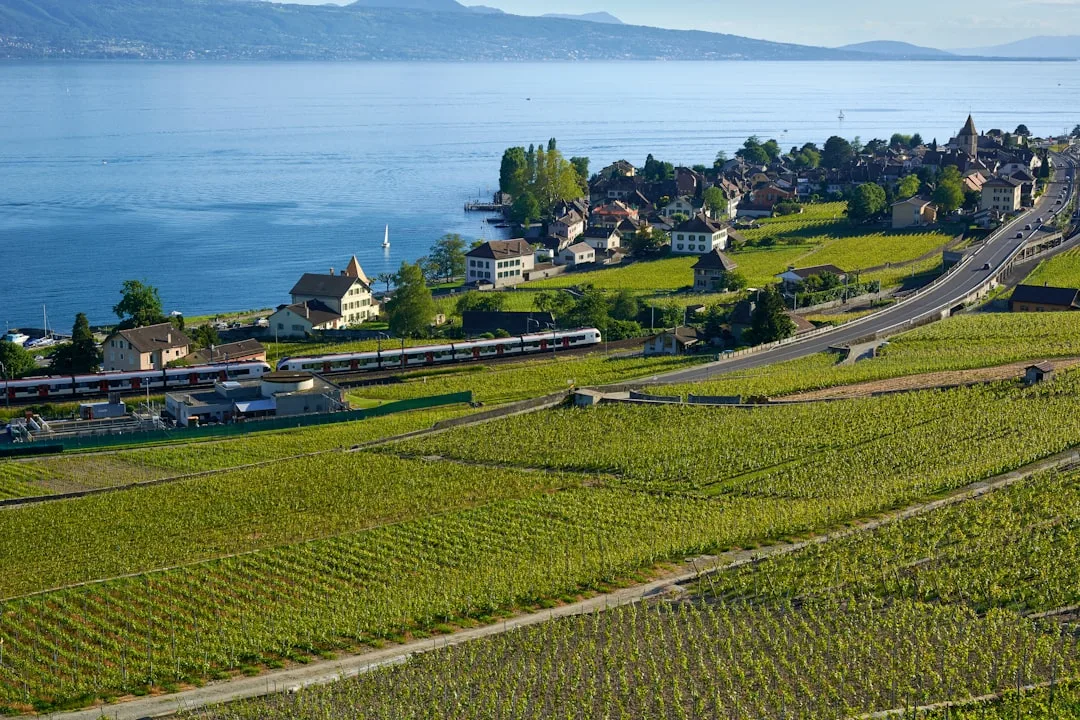
From Geneva, the trip takes about 1 hour and costs from 20 CHF. From Geneva Airport, this is a direct and comfortable connection for those who prefer to land and continue by train. From Zurich, the journey takes about 2h30, with fares starting at 56 CHF. In both cases, it is worth buying in advance to look for lower fares.
Tickets are sold through the Swiss rail system, and this is the simplest way to arrange the leg to Lausanne. If the itinerary includes several trips around the country, the rail pass may be worth it, but that depends on the number of planned journeys.
For getting around on arrival, the logic is straightforward: disembark at the central station, walk if your accommodation is in the center, or use public transport only for longer stretches. Lausanne works well this way on the first day, because the city lets you start without complications as soon as you leave the station.
Where to stay in Lausanne: areas and hotels with the best value for money
Staying in the historic center usually makes things easier for those who want to do almost everything on foot and reduce their reliance on transportation right after check-in. It is the most convenient area for a first short visit, but it also tends to be where the nightly rate puts more pressure on the budget.
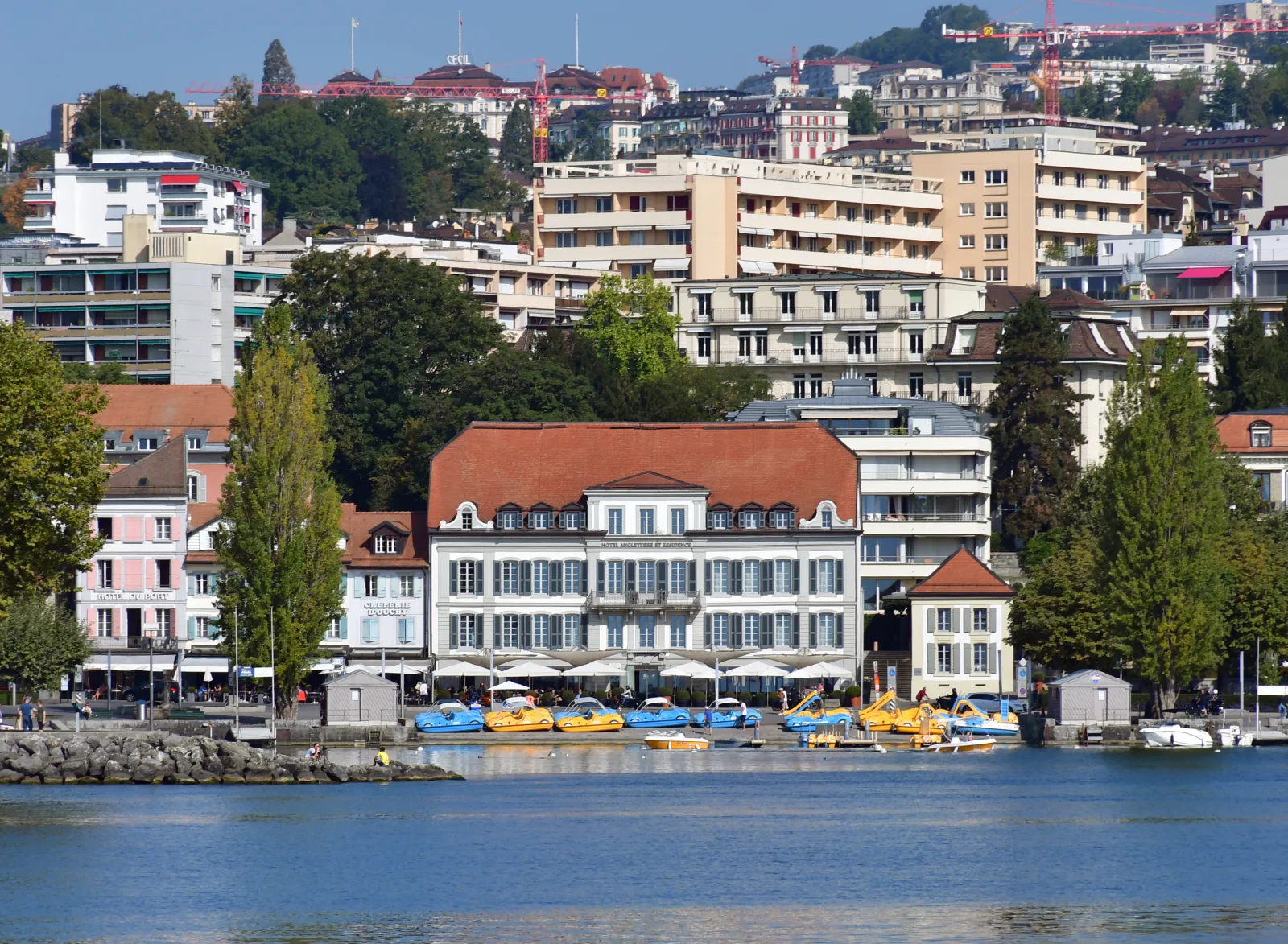
If the idea is to balance cost and access, it is worth looking at neighborhoods a little outside the most touristy core. Lausanne already has chain accommodations and urban hotels that help lower the bill without taking you too far from the base of your trip, especially if you do not mind staying outside the city’s priciest area.
Among the best value-for-money options mentioned for the city are B&B Hotel Lausanne Crissier, Ibis Lausanne Centre, Ibis Budget Bussigny Lausanne, Tulip Inn Lausanne-Beaulieu, Ibis Styles Lausanne Centre, SwissTech Hotel, Swiss Chocolate by Fassbind and Moxy Lausanne City. The ratings vary between them, so it pays to compare location and hotel style before booking, rather than looking only at the price.
For those looking for a higher standard, Lausanne also has luxury hotels such as Royal Savoy Hotel & Spa, Beau-Rivage Palace, Grand Hotel du Lac – Relais & Châteaux, Château d’Ouchy and Lausanne Palace. In this range, the price can change a lot depending on the date and occupancy, so checking at the time of booking is essential.
The first day in Lausanne: historic center, cathedral, and walkable streets
Start the morning in the historic center, preferably leaving from the central station and continuing on foot. The old streets make up the easiest stretch to walk in Lausanne, with short stops that are well connected to one another. The first of these is usually Lausanne Cathedral, in Gothic style, where it is worth climbing the tower to get the clearest view of the city and the lake.
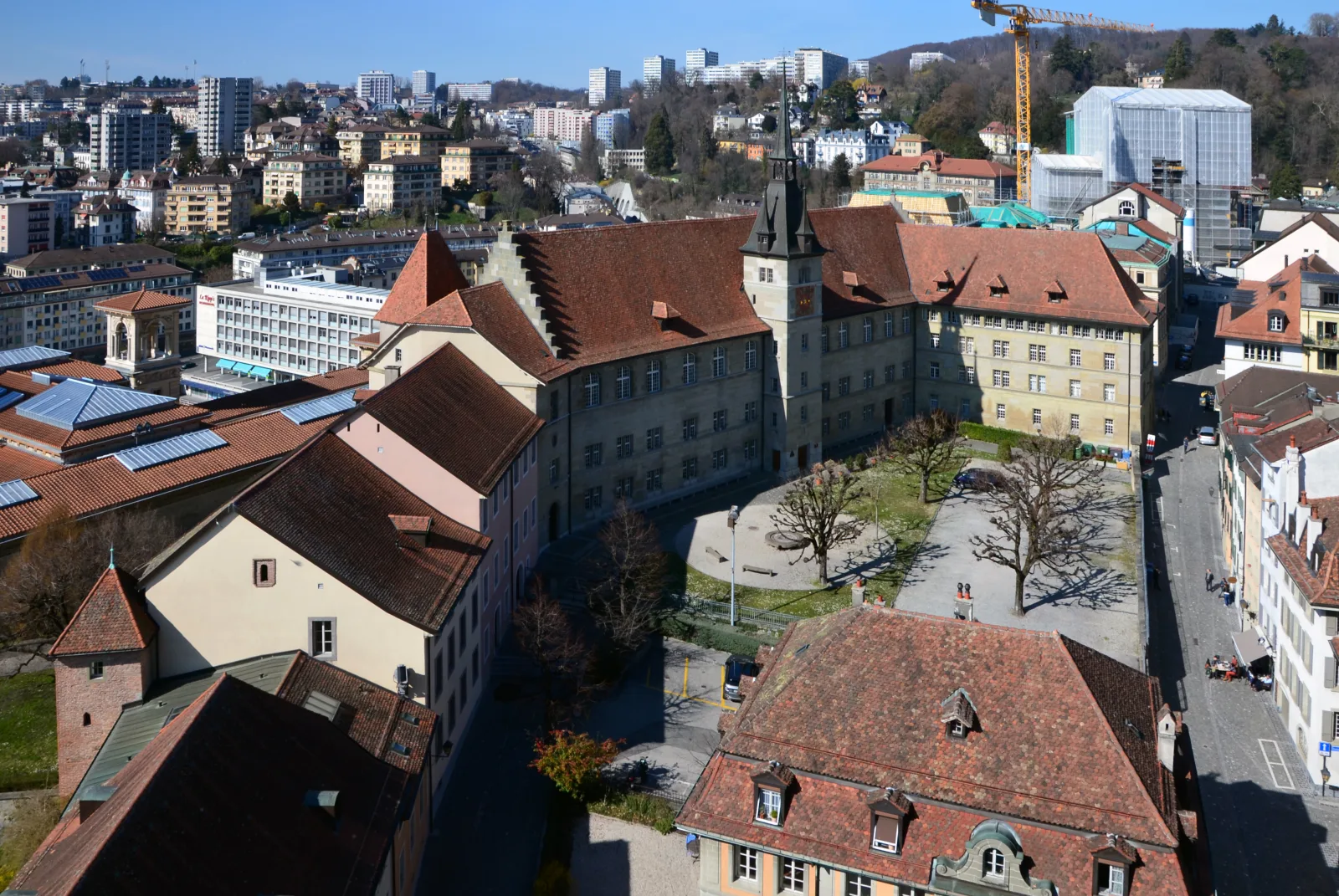
Then, head to the Hôtel de Ville, the town hall, whose Renaissance façade helps set the pace of the walk without requiring long detours. Between one point and the next, the appeal lies less in “seeing everything” and more in slowly walking the cobblestone streets and observing how the center is organized around these historic buildings.
If the trip falls on the last Saturday of the month, the Brocante de la Cité fits nicely into the itinerary. It is the kind of market that makes sense when you are already moving around the area, especially if you like antiques and secondhand objects. Outside that date, it is not essential; the center continues to work well without it.
Rue de Bourg rounds off this first circuit with shops, boutiques, and cafés on a narrow street that is easy to fit into the way back. For a day on foot, the best approach is to keep this historic core as your base and avoid stretching the walk too much right at the start.
The city’s Olympic axis: Olympic Museum and Olympic Park
The Olympic Museum is near the center and the lakeshore, in an area that fits well into a walking itinerary. The visit makes sense for anyone who wants to understand how Lausanne connects to the Games: the space has 3,000 m² of exhibitions, 1,500 objects, and 150 screens. In addition to the permanent exhibit, there are temporary exhibitions and cultural programming. Admission costs 20 CHF for adults; children up to 15 years old do not pay, but it is worth confirming the current price before going.
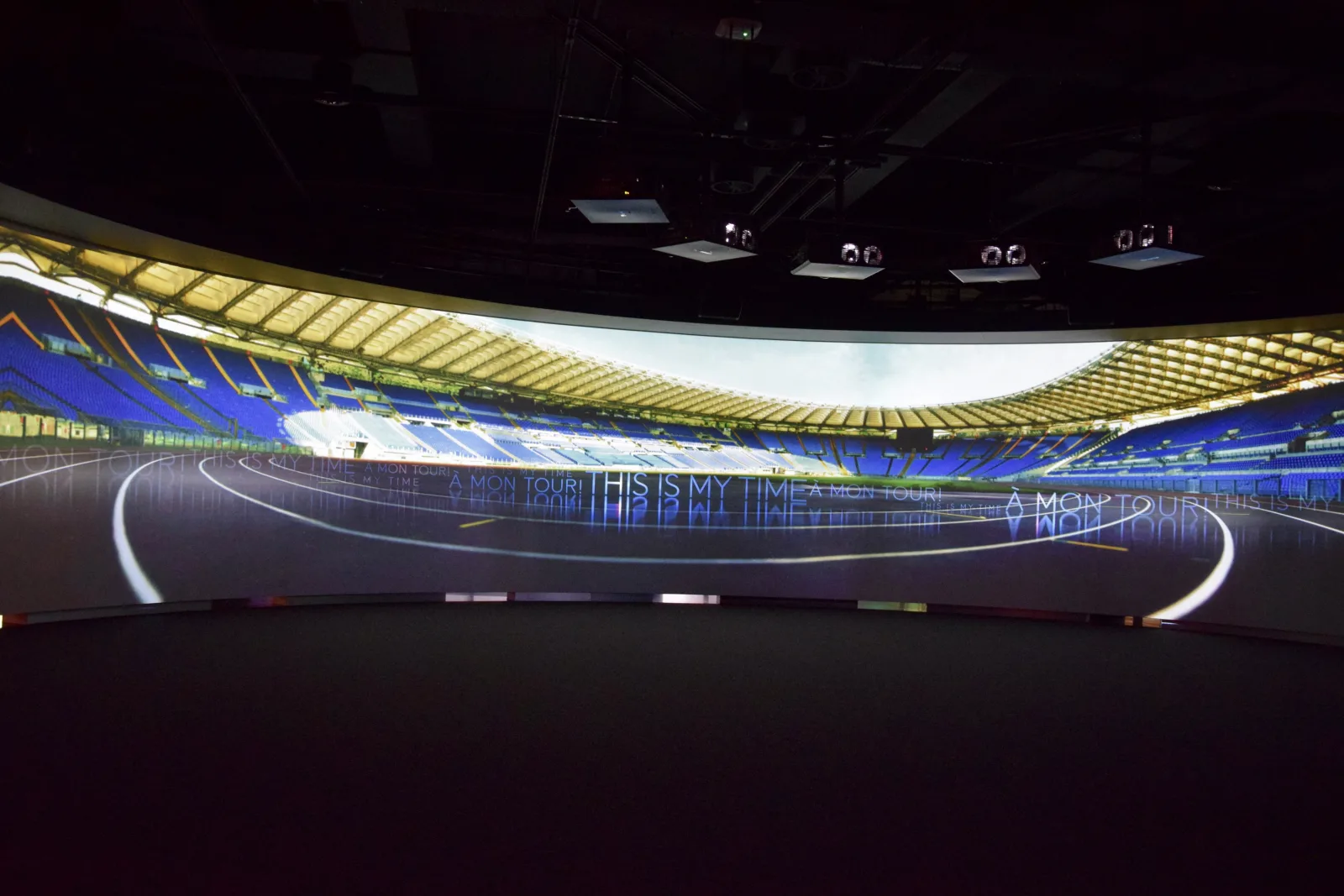
Right in front, Olympic Park covers 8,000 m² and has free प्रवेश. The path passes through gardens, marble stairways, and 43 sculptures by artists such as Niki de Saint-Phalle, Botero, Tapies, and Calder. There is also the Olympic torch and a small track to test records, which makes the stop more interactive without taking much time.
If the itinerary is tight, the pair works well in sequence: first the museum, then the park. That way you make the most of the area without spreading the visit out, since the two spots are close together and call for a short but straightforward stop.
Walk along the shores of Lake Geneva and boat options
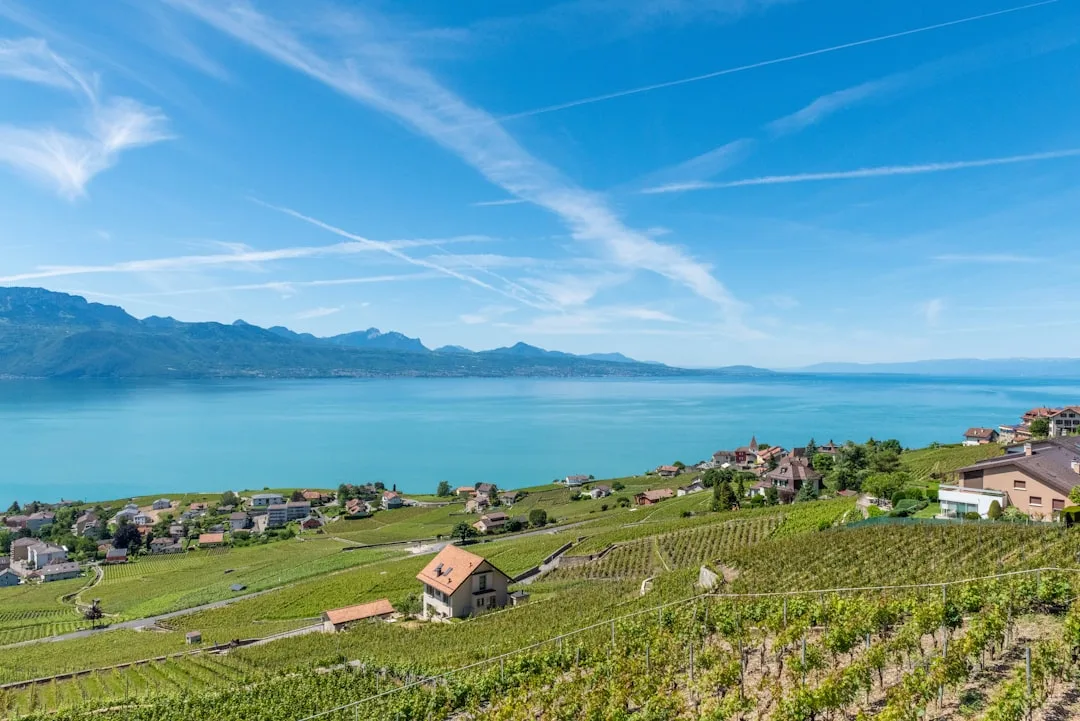
Lake Léman fits nicely into the itinerary when you want to move away from the more urban core and see Lausanne from the water. On these outings, the view changes quite a bit depending on the section chosen: the lakeshore appears, along with the Lavaux vineyards, the outline of the surrounding mountains, and, on some routes, towns such as Vevey, Montreux, Le Bouveret, and Saint Gingolph. There are also boat connections that cross the lake daily, with departures from Lausanne to Évian and Thonon.
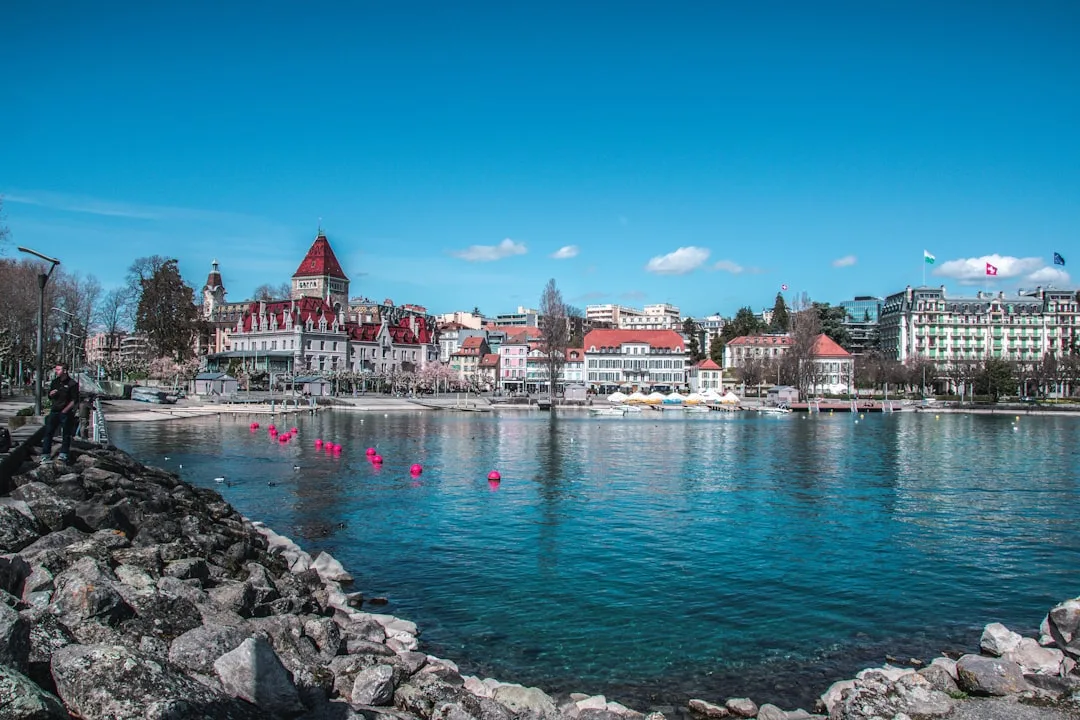
The range of excursions is broader in spring and summer, when activity on the lake is usually greater. At this time of year, it makes sense to check the schedules in advance and confirm which routes are operating on the day of your trip. On certain days and at certain times of the year, routes to Montreux or Geneva also appear, but this is not constant and needs to be checked before heading to the pier.
For those who prefer a more functional transfer, the public transport lines across the lake also cover the stretch to the other shore. The quoted fare starts at 36 CHF round trip to Évian or Thonon, but the price and service may vary depending on the date and the type of ticket. If the idea is to fit the lake into the itinerary without spending too much time, these short crossings are usually the most direct way to do it.
Between a scenic cruise and a practical crossing, the choice depends on what you want to see. The former prioritizes the landscape and the stops along the coast; the latter is better suited to connecting Lausanne with other towns around Léman with less hassle.
Museums to include in the itinerary when there is time or rain
The Palais de Rumine is the best choice when you want to concentrate your visit in a single building. It is located in the center of Lausanne and brings together the geology, zoology, archaeology, fine arts, and cantonal numismatic museums. Admission costs 8 CHF for adults, with free entry for those under 25 and also on the first Saturday of each month. As these benefits may change, it is worth confirming the current conditions before going.
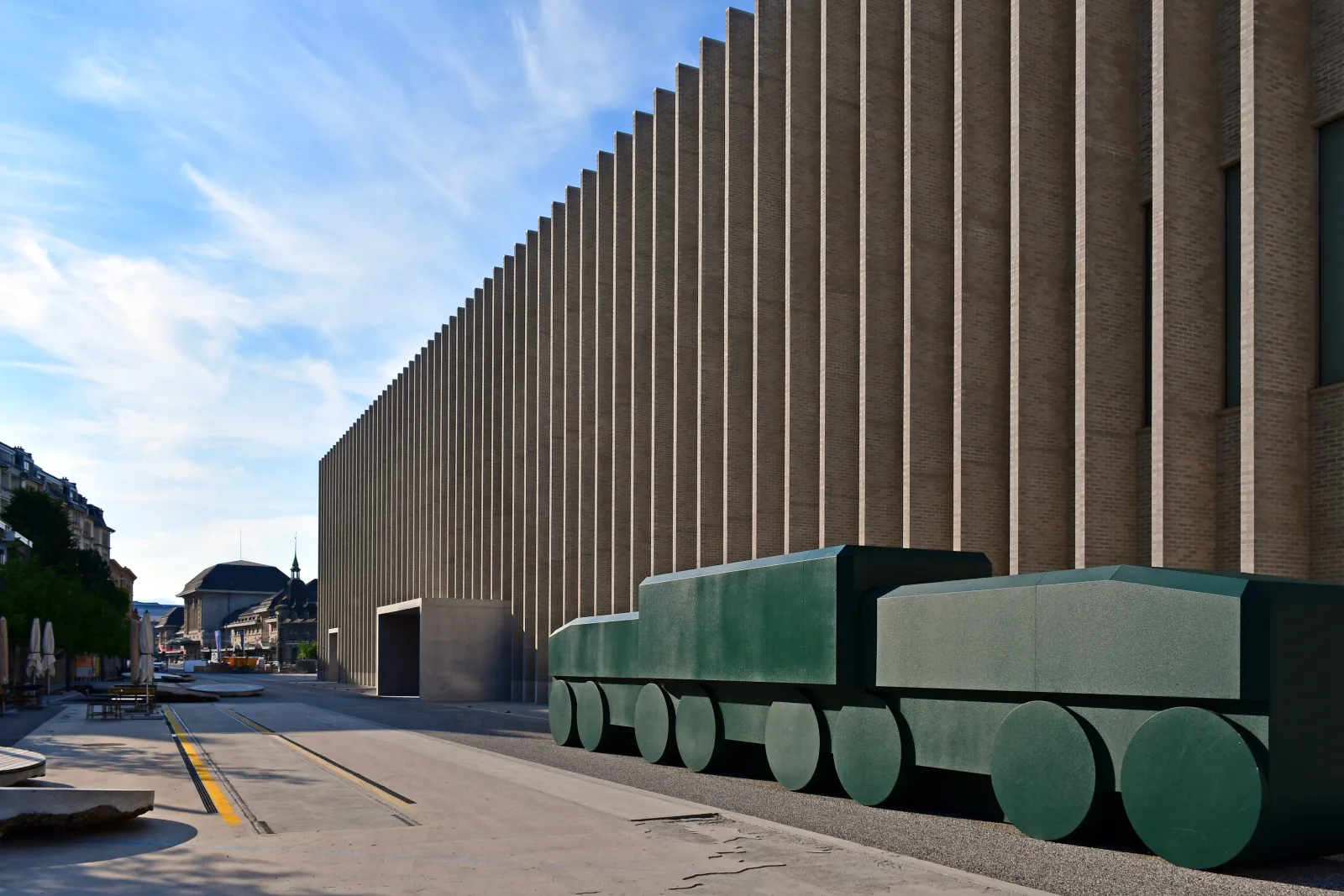
The Historical Museum is next to Lausanne Cathedral, so it fits well into the same walking stretch through the center. Its collection covers the history and heritage of the city, with objects and pieces linked to Lausanne’s urban evolution. Admission costs around 12 CHF and the visit usually operates from Tuesday to Sunday, from 11 a.m. to 6 p.m.; still, it is wise to check whether there have been any changes on the chosen day.
The Musée de l’Élysée is the right stop if photography is the idea. It is in Lausanne and was the first museum in Europe dedicated exclusively to the subject. The collection combines permanent and temporary exhibitions, and admission costs 15 CHF, with free entry for those under 26. For those putting together an itinerary with little time, it usually works better when interest in photography is greater than the desire to see yet another general-interest museum.
If the rain gets heavier or the day is short, choose according to the type of collection and its position along the route. Palais de Rumine and the Historical Museum work well in sequence because of their central location; the Musée de l’Élysée is more worthwhile for its specific theme than for its practicality in fitting into the itinerary.
How to organize two days in Lausanne without rushing
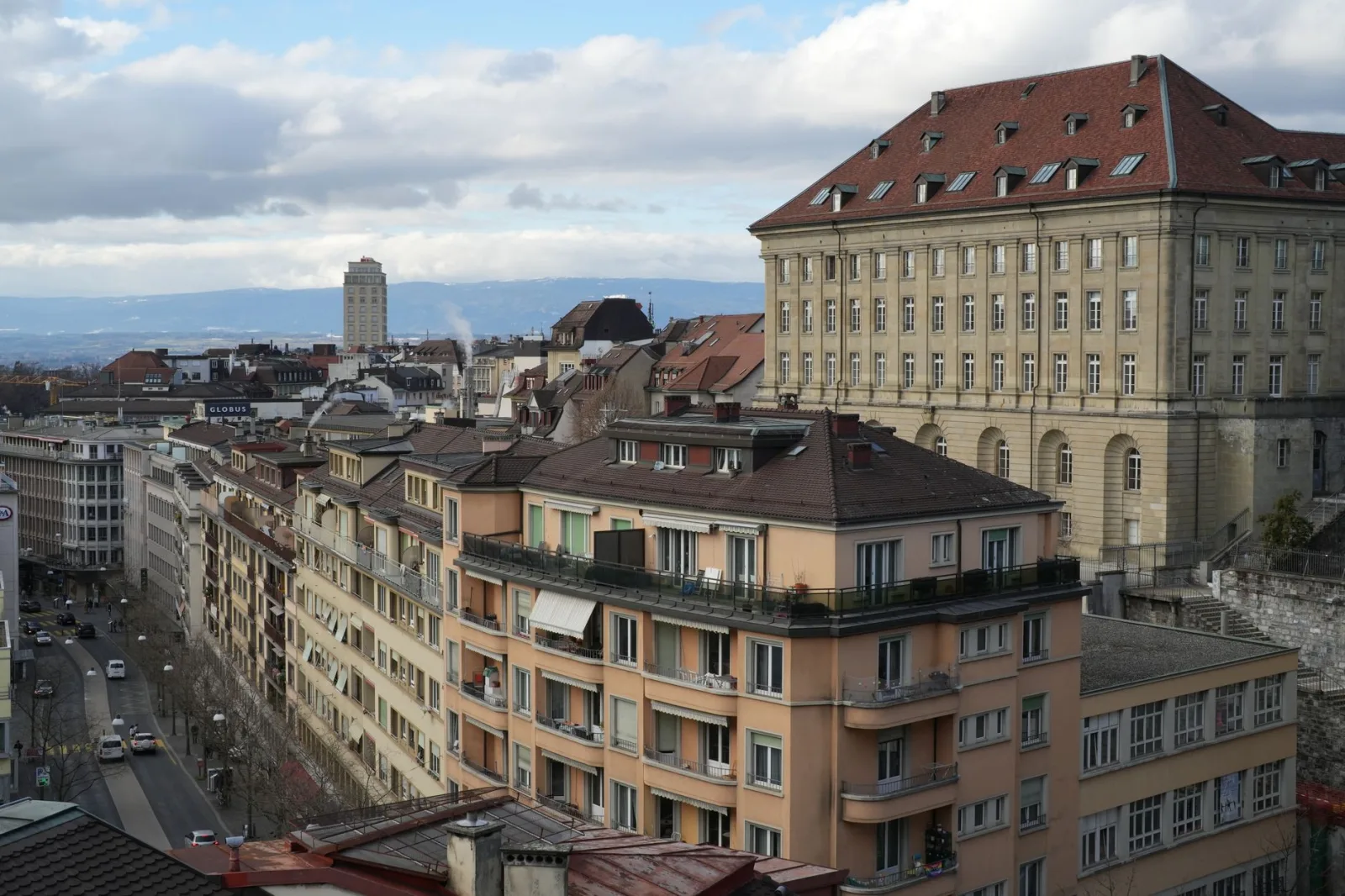
Reserve the first day for the core area that works best on foot: central station, historic center, cathedral, Hôtel de Ville and Rue de Bourg. This block fills the morning and the early afternoon well without needing transportation, because the distances between the sights are short and the pace of the visit calls for a relaxed walk with brief stops.
On the second day, head to the Olympic area early and go from there to the lakeshore. That way you avoid crossing the city twice in the same direction. If you want to include the Olympic Museum, the Olympic Park and then a stretch along Lake Geneva, this sequence saves time and keeps the busiest part of the itinerary concentrated in a single area.
If you’re interested in a boat trip, fit it into the same day as the Olympic area or leave it for the following morning, before wrapping up the trip. Routes and departures vary depending on the season, so it’s worth confirming what will be operating on the chosen day, especially if the idea is to continue to Montreux, Vevey or cross the lake to Évian and Thonon. When Montreux is part of the plan, treat it as a full-day round trip, not a short add-on.
Anyone with only two days who wants to balance city and water does better with this order: historic center on day 1; lake, boat and, if it fits, Montreux on day 2. This reduces back-and-forth travel and keeps the itinerary cleaner, without trying to cram everything into the same period.
When to go to Lausanne and how the weather changes the itinerary
Lausanne works best from April to October, when the temperature usually favors walks, outdoor stretches, and combining the city with the lake. In spring, the days start to become more pleasant, with averages rising from about 6°C to 15°C in March to 15°C to 20°C in May. It is a good time to get around at a leisurely pace, although the variation throughout the day still calls for an extra layer of clothing.
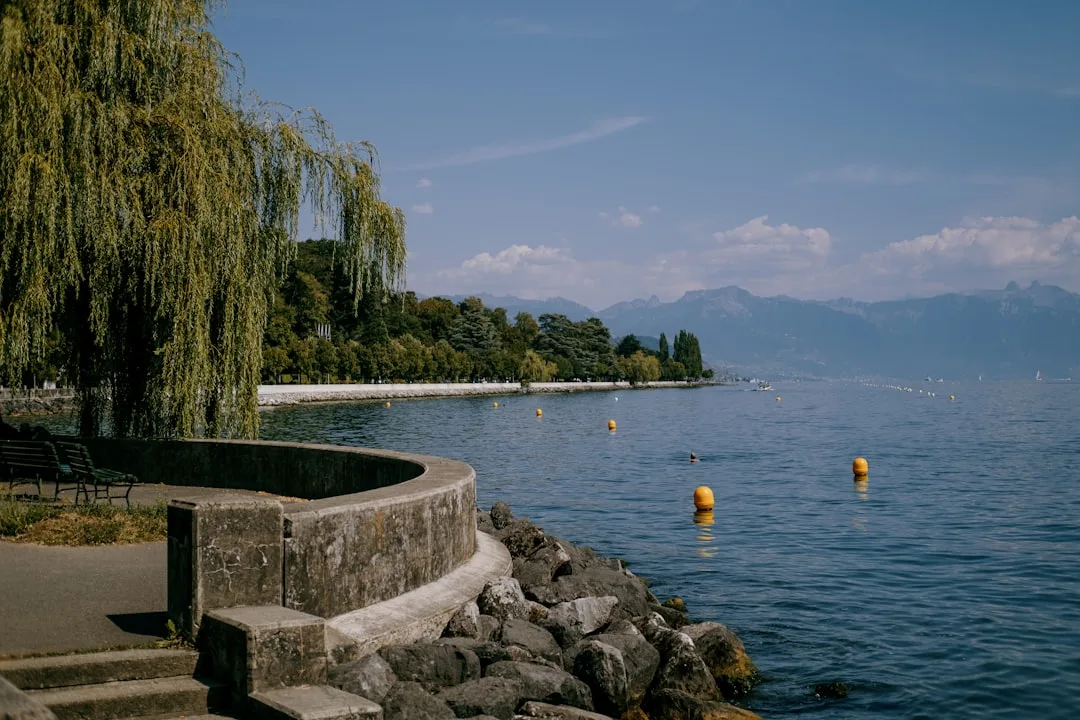
In summer, Lausanne gets warmer and temperatures can exceed 30°C on some days. Between June and August, the daily average usually ranges between 18°C and 25°C. This is the most comfortable period for outdoor activities and for making the most of the lake, but it is also when it is worth checking schedules in advance, because demand for boats tends to be higher.
Autumn brings falling temperatures and a quieter city for walking. In September, averages are still around 15°C to 20°C, but by November they drop to between 5°C and 10°C. The landscape changes in tone and the days get shorter, so longer outdoor outings require more planning.
In winter, the daily average ranges between 0°C and 6°C, and the wind chill can drop even further because of the wind coming from the lake. For the itinerary, this shifts the balance toward museums and indoor visits. If your trip falls during this time, plan for less time between stops and leave the city’s outdoor side for the hours with better light.