Krems an der Donau: practical itinerary for visiting the city and the Wachau region
Krems an der Donau: see how to get there, what to visit, and how to organize 1, 2, or 3 days to explore the city and the Wachau.
How to get to Krems an der Donau
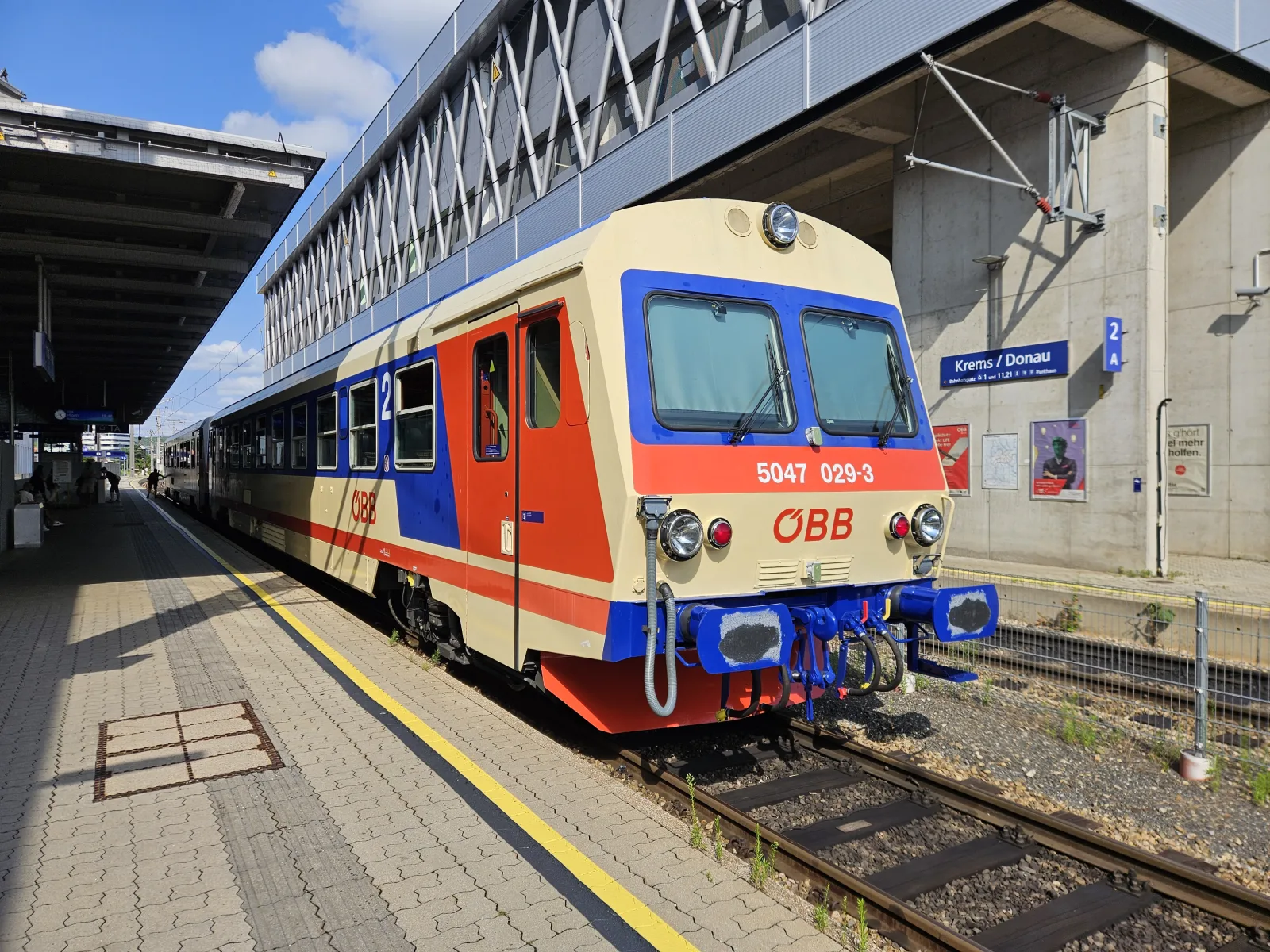
From Vienna, the most direct connection is by the regional express train departing from Franz-Josefs-Bahnhof and also serving stops such as Spittelau and Heiligenstadt. The journey takes about one hour, and trains run at intervals of approximately one hour. From St. Pölten, there are regional trains bound for Krems with a frequency of about 30 to 50 minutes for much of the day. If you want to check the service on the day of travel, it is worth consulting the up-to-date ÖBB timetable.
By car, access varies depending on where you are coming from. From the west, the route mentioned goes via the A1 to Melk and continues along the B3 through the Wachau. From the south and east, the S33 from St. Pölten or the A22/S5 combination from Vienna come into play. From the north, the indicated route follows the B37 via Zwettl or through the Kamptal/Horn valley. During leisure traffic and local events, this road stretch can be slower than it looks on the map, so it is advisable to allow some extra time.
By river, Krems and Stein are part of a useful seasonal connection between mid-April and October. The boats cover the route between Krems/Stein, Dürnstein, Spitz, Emmersdorf and Melk, with several sailings a day during part of the season. The river crossing works well for combining arrival with the Wachau corridor, but it depends on the season and the day’s schedule.
If the idea is to arrive without relying on a car within the region, the train is usually the simplest option. If you are traveling with more luggage or want to get around the Wachau by road, the car gives you more freedom. And if your trip coincides with the navigation season, the boat serves as a complementary alternative, especially for those who want to connect towns in the valley without retracing the route along the riverbank.
Getting around Krems and Stein
Krems and Stein form a compact area that is easy to get around on foot. Between the center of Krems and the historic core of Stein, walking is usually the simplest solution for short trips, especially when your itinerary is concentrated on the main streets.
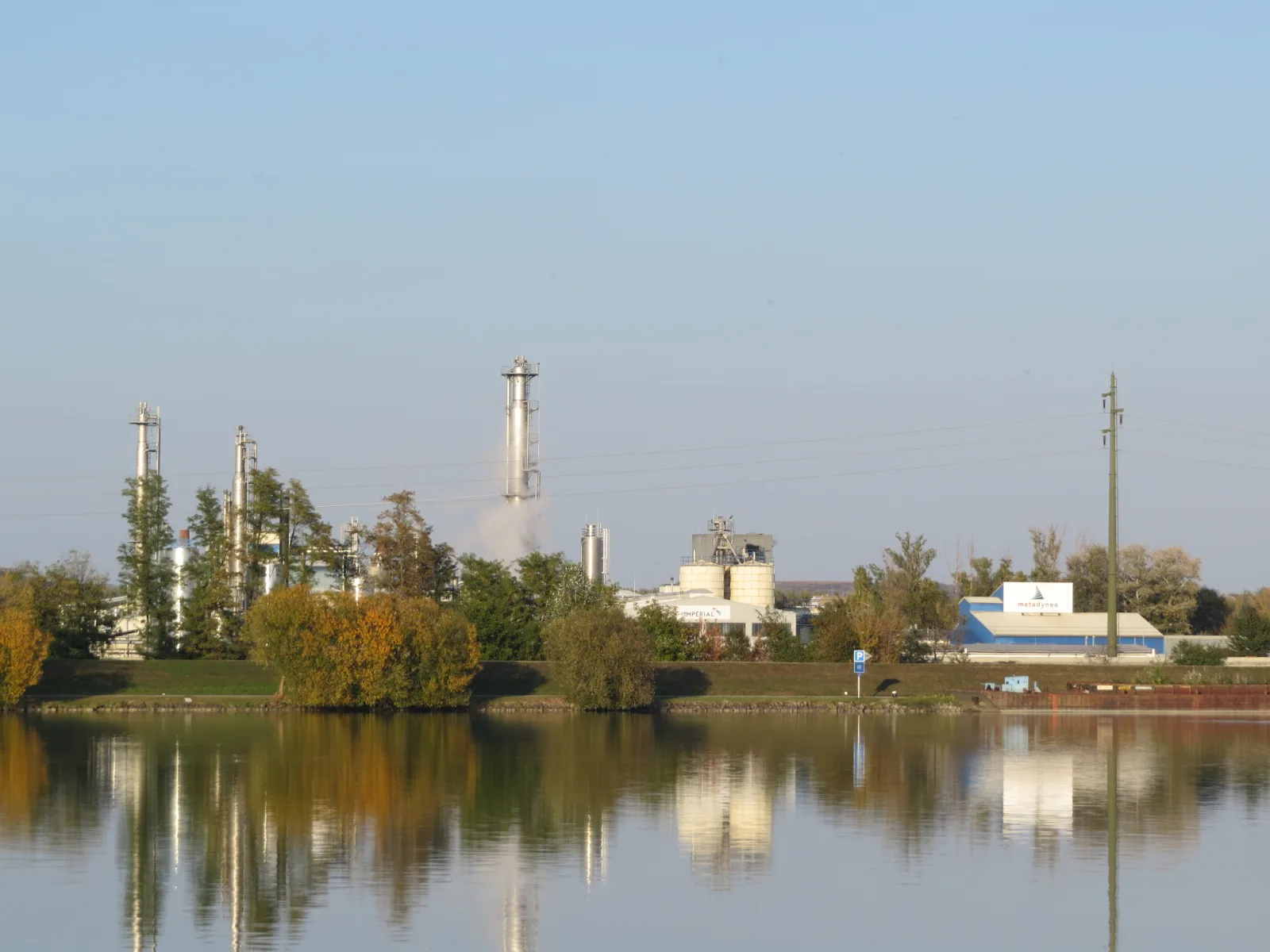
The city bus covers limited routes and makes sense when you want to save your legs or connect points farther from the central axis. Schedules and service vary throughout the day, so it is worth checking the current timetable before relying on it for an appointment. For those who prefer to cycle, there is bike rental in the city as well as a bike-sharing option in the Wachau region. The Danube Cycle Path works well as a practical local transport route, not just for longer stretches.
Taxi is a useful alternative for times when public transport is less convenient, for returning with luggage, or for getting around without depending on parking. In Krems, the key is flexibility: you can combine walking, cycling, and buses without much friction, adjusting your mode of transport to each part of the day.
Editorial transparency: Some links on this page are affiliate links. We may earn a commission at no extra cost to you. This does not influence our recommendations.
What to See in the Historic Center of Krems
The historic center of Krems calls for an unhurried walk. Steiner Tor marks the most recognizable entrance to the old area and is the last of the city’s four medieval gates. From there, the streets reveal the ensemble that defines the place: the old center of Krems, with its medieval layout and Baroque buildings, and the historic core of Stein, which also deserves its own attention.
Among the civic buildings, Gozzoburg is one of the most important names. It is a 13th-century building linked to the city’s medieval history and today is used for exhibitions. Piaristenkirche also fits easily into this itinerary: it is the oldest church in Krems, dating back to the 13th century, with a late Gothic structure and an interior remodeled in the Baroque period.
In the Dominican Church, now integrated into museumkrems, it is worth going in for the architecture and the building’s historical context. The complex helps show how Krems preserves different layers of its urban development, from the religious to the civic. The Krems Jewish Cemetery, on Wiener Straße, is a place of memory that rounds off this route with another reading of the city: not through monumentality, but through the historical weight it carries.
Museums and cultural centers on the Kunstmeile Krems
Kunstmeile Krems brings together the best of the city for those who want to stay indoors when the weather turns. The circuit combines contemporary art, regional collections, and temporary exhibitions in an area that makes it possible to visit several places without losing much time on travel.
Kunsthalle Krems works with rotating exhibitions and is usually the most straightforward stop for those who want to see current production. Caricature Museum takes a different approach: it is a museum dedicated to caricatures and comics, with a collection that calls for some familiarity with the graphic humor of the space. Lower Austria State Gallery broadens the scope, with a dialogue between classical and modern art and a frequent focus on the context of the Wachau.
museumkrems, located in the former Dominican Church, is the most useful piece for those who want to understand the city through its own collection. It combines local history with temporary exhibitions of contemporary art, which helps fit the visit into both a short itinerary and a rainy day. If you are choosing just one museum to provide context for the rest of the trip, this is the most balanced one.
Kunstmeile also brings together other cultural spaces, such as Forum Frohner, Ernst Krenek Forum, Kunstraum Stein and Klangraum Krems Minoritenkirche. The interest here depends on what is currently on view, so it is worth checking the current program before planning the itinerary.
Outdoor walks, viewpoints and trails near the city
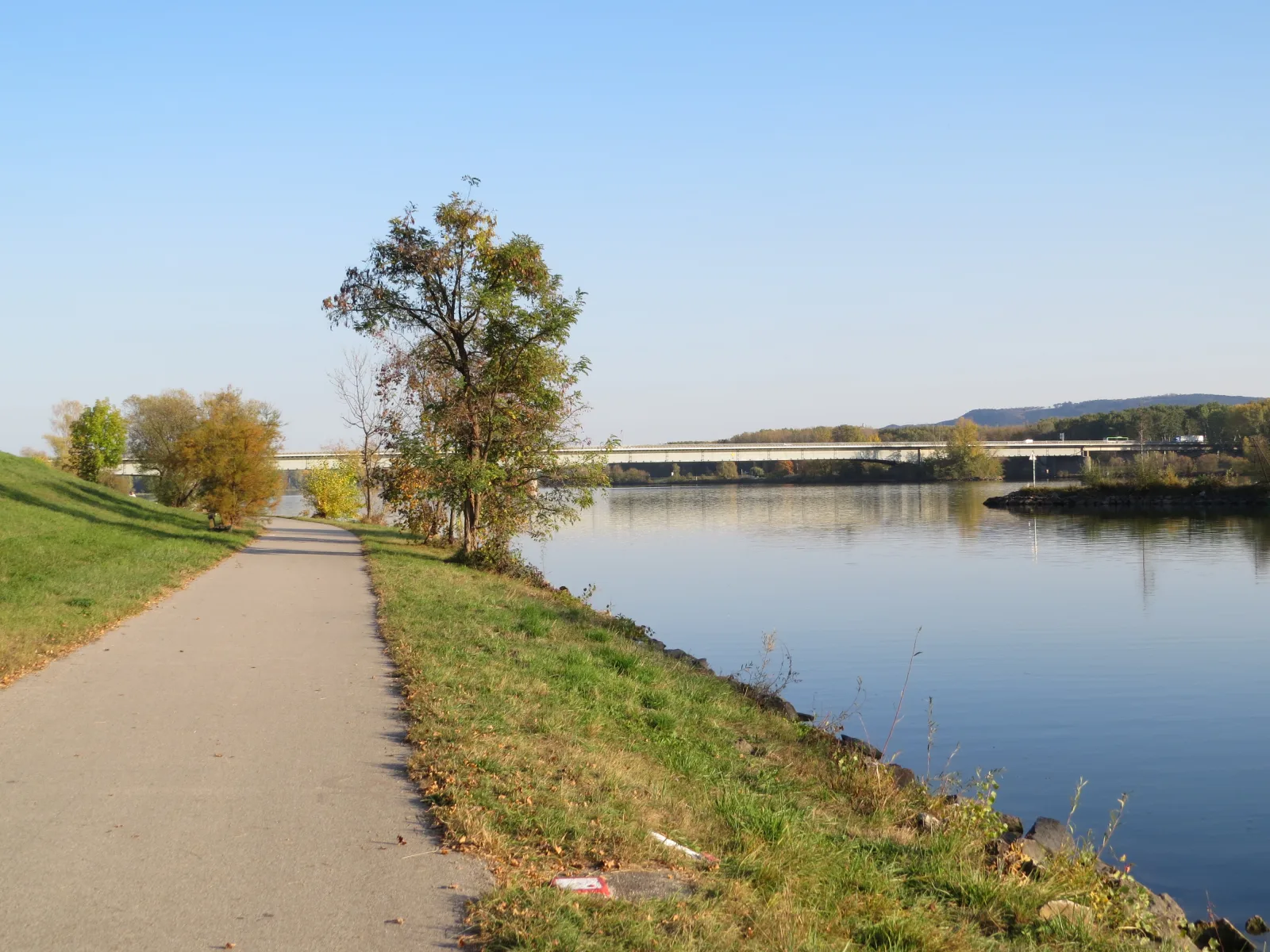
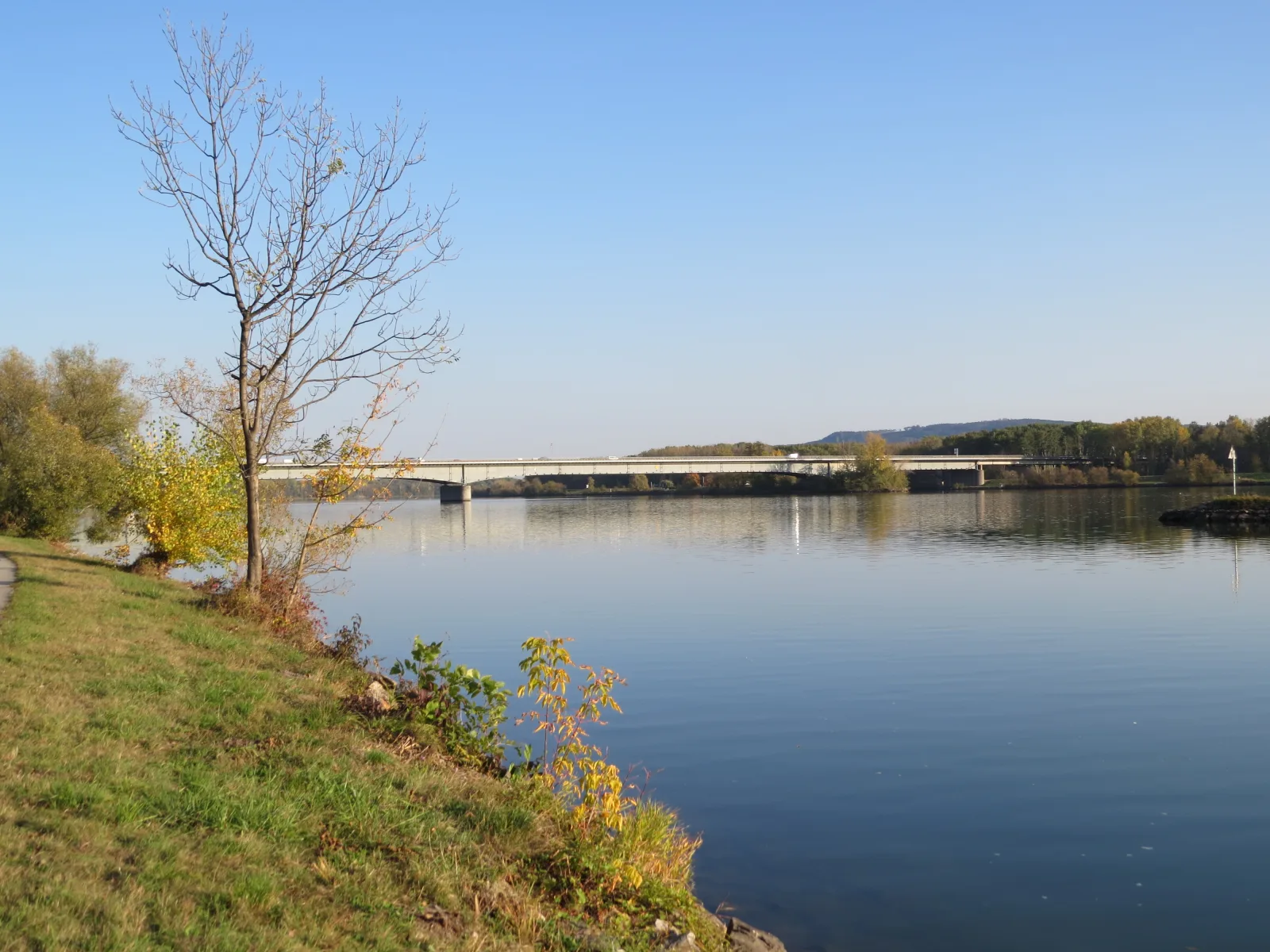
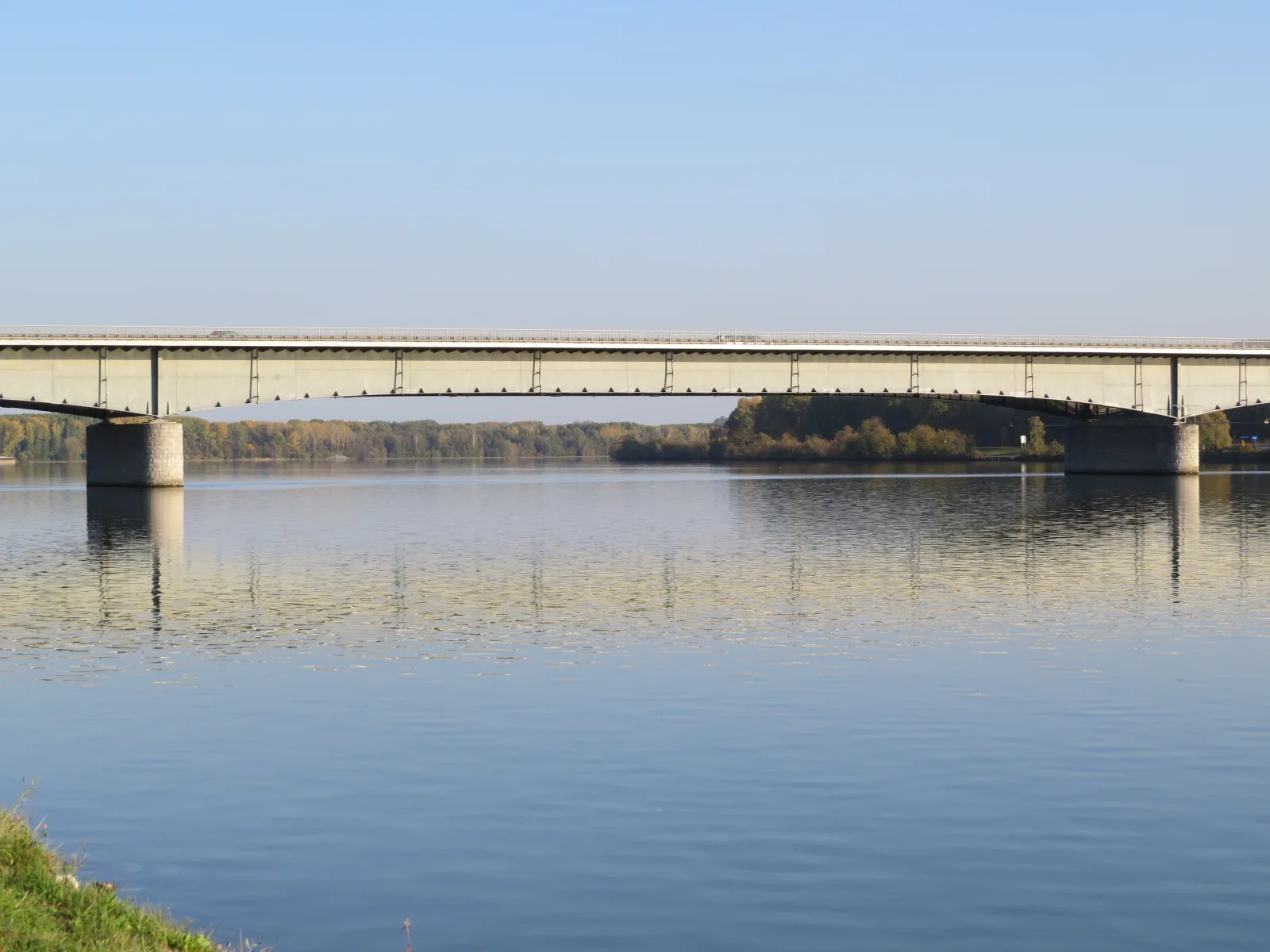
The outdoor stretches in Krems work best when you choose one axis and follow it unhurriedly. The Danube Cycle Path cuts through the area in a practical way for those who want to cycle along the river and use the bicycle as a means of getting between stretches of open scenery, riverbank and small climbs. The Wachau World Heritage Trail, on the other hand, comes into play when the idea is to hike on marked trails in the region, passing through slopes, vineyards and viewpoints that change quite a bit depending on the section chosen.
For viewpoints, the Danube Lookout on Braunsdorfer Hill is the most direct spot to see Krems, the Danube and the direction of the Tullnerfeld. The Wetterkreuz Church, on Schiffberg, is also worth the climb for those who want to combine walking and wide views, even if the tree cover limits part of the panorama. Kreuzbergwarte tends to make more sense in autumn, when the vineyards change color and the walk takes on a different rhythm.
If you want to extend the walk without relying on a car, the ruins of Rehberg and Senftenberg fit well into the itinerary. Rehberg is connected to a short trail and can be reached on foot, with the outdoor area open throughout the day and the interior subject to prior arrangement. Senftenberg is also accessible by walking and offers a clear view over the surrounding vineyards. These are useful outings for those who want to leave the center without turning the day into a long excursion.
Where to eat and drink in Krems
Heuriger naturally belong on any food and drink itinerary in Krems. They are wine-focused houses from the region, with a casual service style and an emphasis on local labels, especially useful for those who want to taste what is produced in Krems and the Wachau without turning the meal into a long outing. In general, they work best for a late snack, a light dinner, or a stop after a day of sightseeing.
Among the options mentioned in the city, Schwarze Kuchl and Piano stand out as places to eat with a more traditional or casual profile, depending on what is on offer that day. Filmbar im Kesselhaus, on the other hand, combines a bar and a cinema setting, and is usually a good choice when you want something simple in the late afternoon or evening, without ending up in a formal restaurant.
For wine, Winzer Krems is the most straightforward name to note. It operates as a tasting and purchase spot, which helps those who want to sample local varieties with less guesswork. If the idea is to choose between wine by the glass, by the bottle, or a tasting, it makes sense to check the current list and the available format before going, because this changes depending on the vintage and the day’s operation.
If the goal is to eat well without complicating logistics, it is worth prioritizing places with local Austrian cuisine in the center and leaving the wine bars for later, when the evening calls for something shorter. In Krems, the drinking experience tends to revolve around regional white wines and houses that know how to adapt their offering to the city’s pace.
Where to stay in Krems an der Donau
Those looking for a good night’s sleep in Krems will find very different profiles within the same area. For an outdoor stay, Donaupark Camping and Camping Ettenauer make sense when the priority is to be more independent, with camping facilities. Among the simple and budget-friendly options, Bicycle Youth Hostel suits those traveling light and who don’t need formality.
If you are looking for a guesthouse or guest home, Gästehaus Kleine Mühle is a smaller and more straightforward alternative. For those who prefer a traditional hotel, the choice becomes clearer: Gasthof Klinglhuber and Hotel Klinglhuber serve similar profiles, with the difference being the format; the former leans more toward a family-run lodging concept, and the latter toward an urban hotel. Parkhotel Krems sits somewhere between practicality and comfort.
At the higher end, Steigenberger Hotel and Spa is the chain option with the most complete facilities. If you want to compare without wasting time, the choice in Krems usually depends less on the location and more on the type of trip: camping for those who want to reduce costs and keep their independence, a hostel for short stays, and hotels for those who want predictability. Since rates change quite a lot throughout the year, it’s worth checking the current nightly rate before booking.
How long to stay and how to plan the itinerary
To see Krems without rushing, allow 1 full day if the priority is the historic center and a stretch of the Kunstmeile. That is enough to stroll at a relaxed pace through the most concentrated areas and leave the rest of the time free for a meal, a break, or a wander without a fixed plan. If you only have a quick stop in the city, this is the most efficient slice.
With 2 days, the itinerary becomes more balanced. On the first day, let the historic center and the Kunstmeile take up the main share of the time. On the second, use the morning for a walk among vineyards or a bike ride and save the afternoon to continue through the Wachau, if you want to extend the trip without changing bases. For couples, this format usually works well because it alternates streets, culture, and scenery without packing the day too full. For solo travelers, it is also the best pace when the idea is to combine independence with short transfers.
Families tend to do better with a simple plan: the historic center during one part of the day, an outdoor activity in the other, and few scheduled commitments. If there is interest in museums, the Kunstmeile works better as a separate block, because it avoids back-and-forth trips. Those who enjoy cycling can organize the day around the Danube Cycle Path and use the vineyard walk as a complement, instead of trying to do everything in the same half-day.
If you have 3 days, Krems works as a base to distribute the Wachau better without turning the stay into a rushed day trip. One day is for the urban core, another for art and culture, and the third for a hike, biking, or an extension through the region. This format helps when the trip includes mixed interests within the same group, because each person can fit in one priority without sacrificing the rest.
Frequently asked questions
How do I get to Krems an der Donau by train?
The most direct connection is by regional express train from Vienna, with a journey of about an hour. There are also regional trains from St. Pölten throughout the day.
How many days are enough to visit Krems?
A full day is enough for the historic center and part of the Kunstmeile. With 2 or 3 days, you can include trails, cycling, and more relaxed tours through the Wachau.
Is it easy to get around Krems and Stein on foot?
Yes. Krems and Stein form a compact area, and walking is usually the most practical way to make short trips in the center.
What are the main places to see in the historic center of Krems?
Highlights include the Steiner Tor, the Gozzoburg, the Piaristenkirche, the Dominican Church, and the Jewish cemetery of Krems.
Where can I eat and drink wine in Krems?
Heuriger are a natural choice for tasting local wines. Winzer Krems is also a direct option for tasting and purchasing.