Itinerary in Verdun: what to see, do, and organize your visit
Plan Verdun with a practical itinerary: how long to stay, how to get around, what to see in the center, and which memorials are worth visiting.
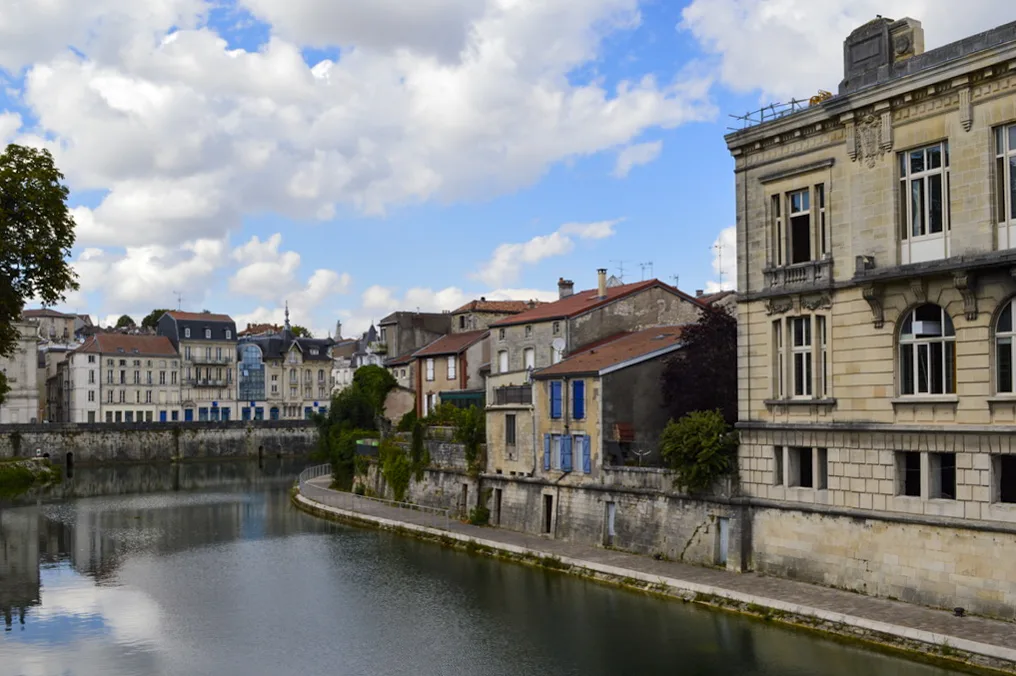
How to fit Verdun into the itinerary and how much time to set aside
Verdun works well as a stop between Metz and Reims because it sits halfway and fits effortlessly into a route through eastern France. It also makes sense for those already traveling around Lorraine or crossing the region toward Luxembourg, Germany, and Belgium. The city is small enough to fit into a short detour without requiring heavy logistics.
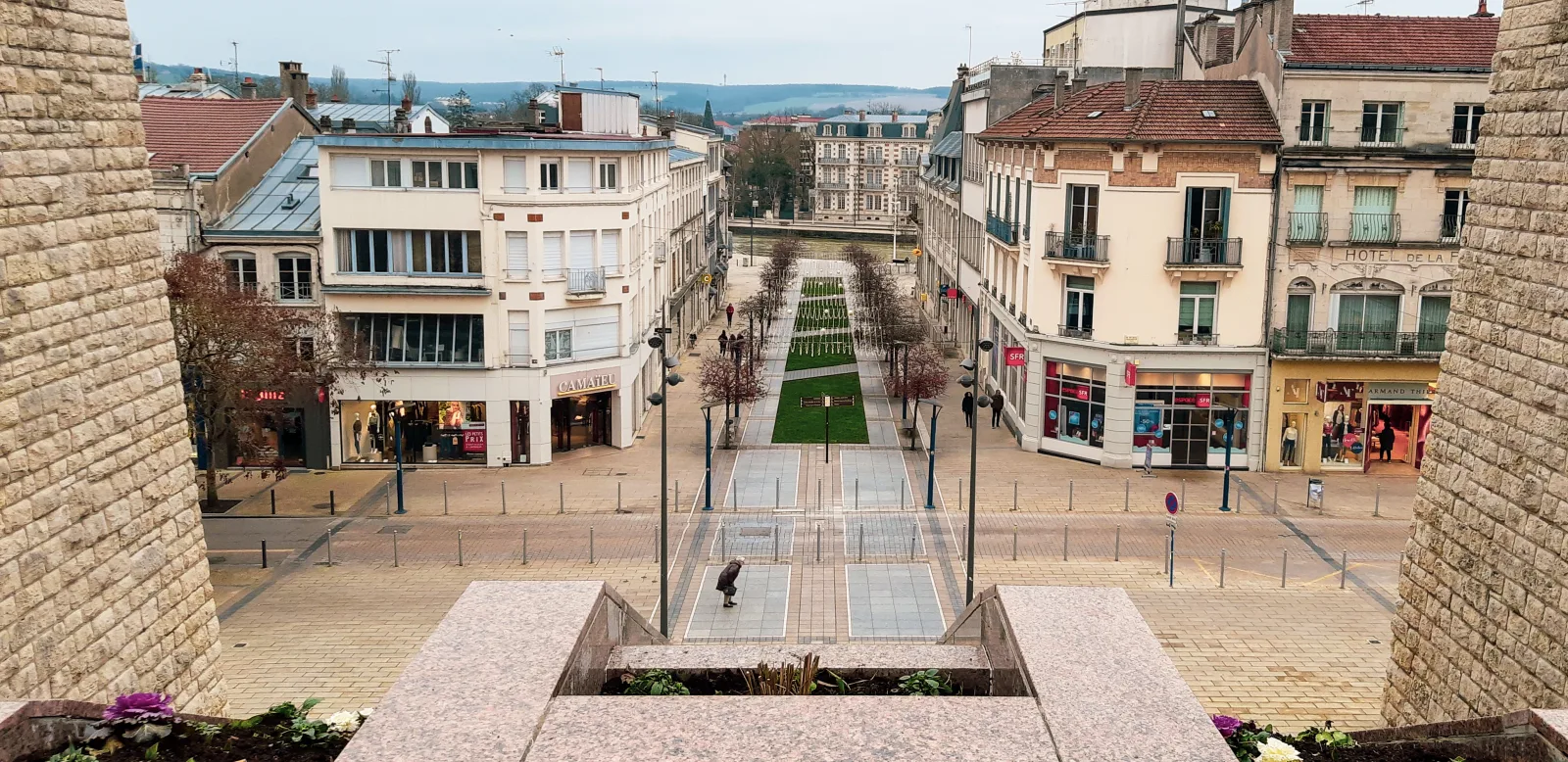
For a quick visit, set aside at least half a day if the idea is to experience the city and walk through the center. If you want to include the main places tied to the memory of the war in the surrounding area, it is worth reserving a full day, because some stops require traveling beyond the urban core. The essentials of Verdun are not spread out: much of it is concentrated in an area that can be explored on foot, which helps those who have little time and want to avoid too much back-and-forth travel between one point and another.
This format is ideal for couples, families, and solo travelers who prefer a stopover city to a large base. Those who like compact urban itineraries can combine a historical walk, meal breaks, and strolling without losing hours in transit. Those with little interest in museums and memorials, on the other hand, can limit the visit to the center and continue on the same day.
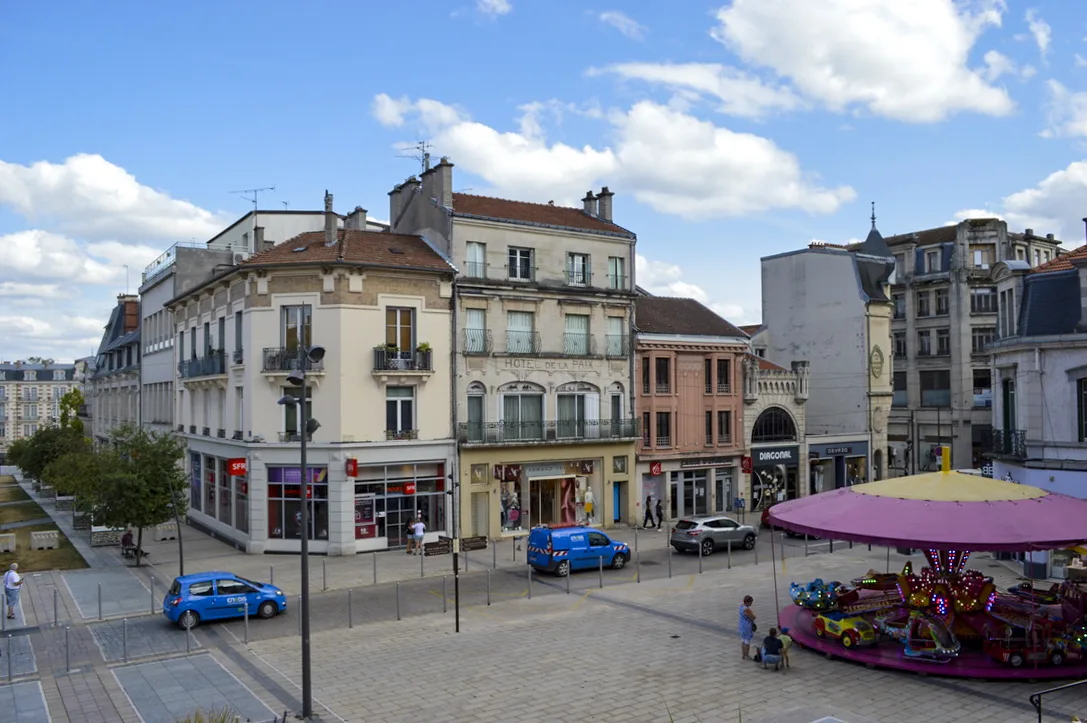
Since the center is walkable, the length of the visit depends more on your pace than on the distance between attractions. If you like to walk unhurriedly, stop to observe facades, and step into a few places along the way, the time savings are real: Verdun pays off more through concentration than through size.
How to get to Verdun and get around the city
Gare de Verdun is the simplest gateway for those arriving by train. The station is operational and was designed by Gustave Eiffel, which already gives a sense of the historical weight of the place without turning the arrival into a separate attraction.
Within the city, the historic center is easy to explore on foot. Cobblestone streets call for comfortable shoes, especially if you plan to move around unhurriedly between the station, Porte Châtel, and the cathedral. For short distances, walking is usually more practical than thinking about local transport.
A car is helpful when the itinerary includes places outside the center. This is the case with the Mémorial de Verdun, Fort Vaux, and the Dragées Braquier factory, which are outside the urban core and require your own transportation. If you want to fit these places into the same day, it is worth organizing the visit in advance and already having the route planned.
For those who prefer to stay in the center only, there is no need to complicate things. The city is small, and much of the appeal lies precisely in walking between the main points.
Editorial transparency: Some links on this page are affiliate links. We may earn a commission at no extra cost to you. This does not influence our recommendations.
Essential historical itinerary: memory of the First World War in Verdun
The Battle of Verdun is the focal point of the visit. Without this context, the circuit becomes a sequence of monuments; with it, each stop begins to make sense within a landscape marked by trenches, fortifications, cemeteries, and memorials scattered throughout the surroundings.
The Mémorial de Verdun usually serves as the main visit. It is there that the reading of the war gains scale and structure before you continue on to the other sites linked to the conflict. After it, the Monument de la Victoire, the Ossuaire de Douaumont, Fort Vaux, Fort Douaumont, and the Monument de la Tranchée des Baïonnettes come into view as parts of the same whole, each with its own role in the memory of the place. Some points require more time for observation; others serve as brief stops, but the effect comes precisely from the sequence.
The Ossuaire de Douaumont concentrates the funerary dimension of this memory, while the forts of Vaux and Douaumont help explain the military logic of the region and why certain areas became strategic targets. The Monument de la Tranchée des Baïonnettes, in turn, refers to one of the best-known images associated with Verdun, and the Monument de la Victoire reinforces the civic and commemorative weight that the city still carries today.
Anyone planning this route needs to accept that it is not light. The landscape around Verdun calls for travel between sites and time to stop, look, and absorb what each place represents. The value of the visit lies less in “seeing everything” and more in connecting the names to the terrain, because that is what turns the region into one of the places most marked by the memory of the First World War in France.
The old center of Verdun: Châtel Gate, cathedral and station
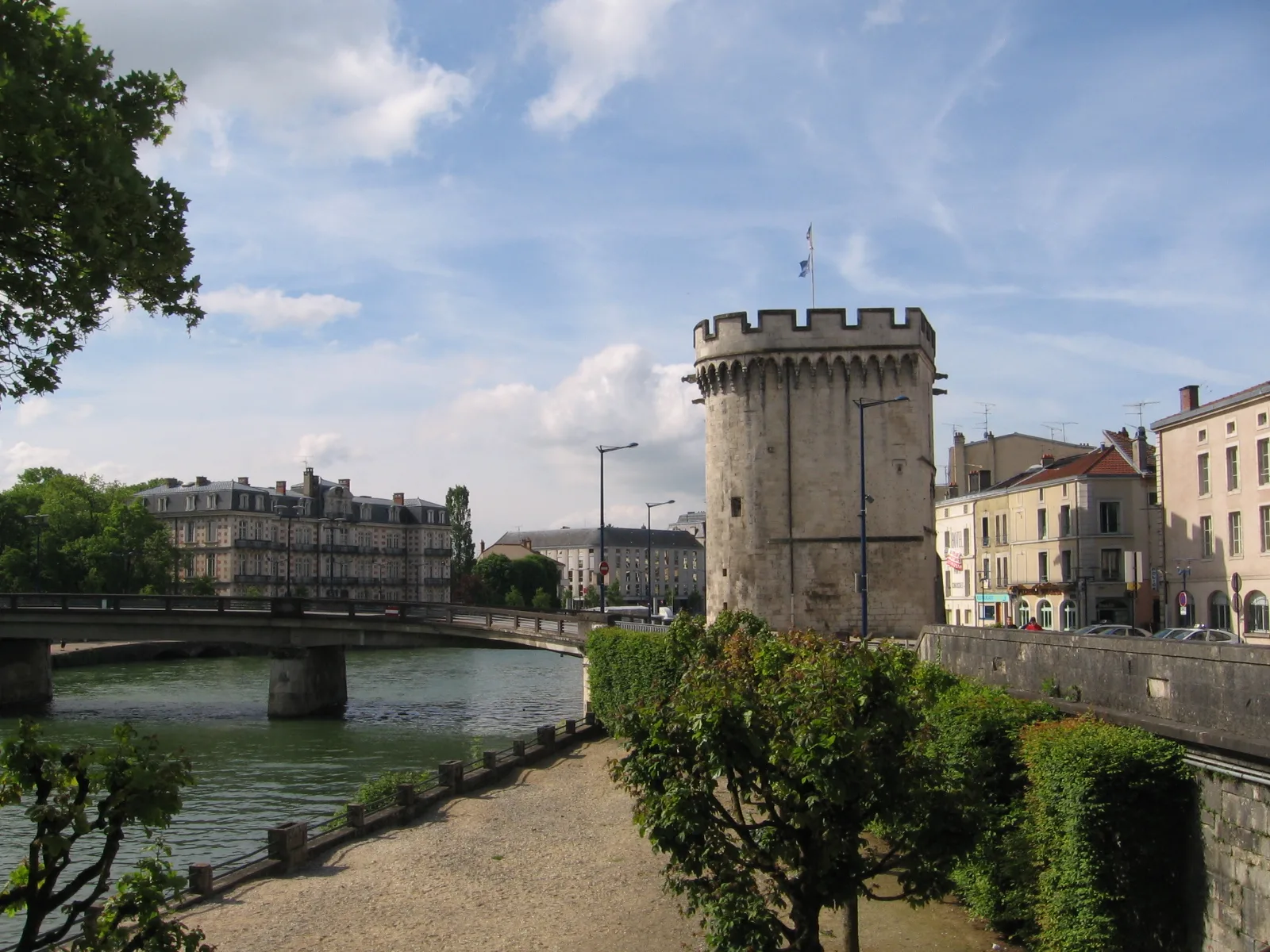
Châtel Gate is the clearest remnant of Verdun’s old medieval walls. It stands on the edge of the historic center and still serves as a marker of the passage between the current city and the old layout. It is a quick place to visit, but it helps read the scale of the city before continuing on foot through the surrounding streets.
Verdun Cathedral deserves attention for the whole, not for any isolated detail. The building has a long history, with layers ranging from Rhenish Romanesque to Baroque, as well as phases of reconstruction over the centuries. Even without going into deep architectural analysis, it is worth noticing the mix of periods, which appears on the façade and inside and says a lot about the city’s religious continuity.
The railway station is also part of this urban core and has its own significance, having been designed by Gustave Eiffel. It is not a station to visit as an isolated monument; it fits well into the route because it links arrival to Verdun’s historical reading. For those walking between the center, the cathedral and Châtel Gate, it helps complete the image of a small city, but one with clearly defined urban layers.
Where to taste the sweet most associated with Verdun and local cuisine
The tradition most associated with Verdun is that of dragées, small almonds coated with a hard sugar shell. In Verdun, they became part of the local identity because of the Braquier factory, which keeps this sweet on the radar of those passing through the city. The visit is usually interesting even for those not in “foodie mode”: it is one of the most direct ways to understand how a product became an urban symbol.
The Dragées Braquier factory also comes up as a practical stop for those who want to see production and buy something typical without any hassle. When the schedule allows, it is worth checking on site whether there is a demonstration on the day of the visit, because this type of experience can vary. To take home, it is best to think of the dragées as a souvenir with context, not as a generic souvenir.
Lorraine cuisine fits well into the same itinerary. Among the sweets tied to the region are baba au rhum, a cake soaked in rum and topped with cream, and the madeleine de Commercy, the small cake that spread far beyond the neighboring town. In Verdun, the restaurants L’étal, at 7 Av. Garibaldi, and Chez Mamie, at 52 Av. de la 42ÈME Division, appear as options for a simple, locally rooted meal; the first follows a line of grilled dishes and local ingredients, and the second combines French cuisine with a more welcoming atmosphere.
Where to stay in Verdun and what kind of base to look for
Staying in the center makes more sense in Verdun than looking for a base spread out across the city. The urban core is compact, and staying there simplifies the routine: you can walk out to eat, return to the hotel between one visit and another, and get around without relying on a car for everything. On a short stay, this saving in transit time matters more than any theoretical advantage of staying farther out.
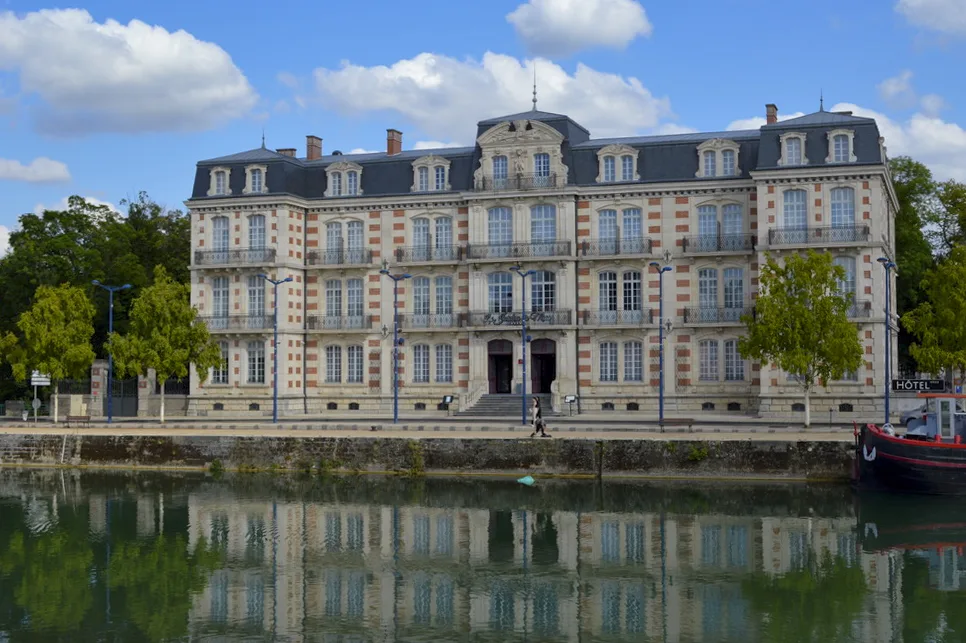
Among the options mentioned for an overnight stay, the Hôtel De Montaulbain stands out as a reference point for its central location. This kind of address works well for those who want to handle the city with short walks and keep the itinerary compact. If practicality is the priority, it is worth looking for accommodation on the most central streets, near the areas that concentrate the daily movement, rather than betting on areas that force you to depend on transport.
For those traveling as a couple, alone, or with family, what matters less is the hotel category and more how much it facilitates getting around. In Verdun, a good base is one that lets you head out without long planning, come back to rest in the middle of the day, and continue on foot at night if you want to eat out. If the stay is for one night, the central location usually pays off more than a larger room in a more distant area.
Best time, weather, and what to pack
Eastern France tends to have rain throughout the year, so Verdun calls for a practical suitcase even outside the height of winter. A rain cape or jacket makes a difference because you end up walking around most of the center on foot and may run into unstable weather from one point to the next. For those who will go into churches, walk along old streets, or spend hours away from the hotel, it is the kind of item that saves discomfort.
Comfortable footwear is a priority. The cobblestone streets make any outing more tiring than it looks on the map, and sneakers or shoes with good grip help more than dressed-up clothes. If the visit is during colder months, bring layers that are easy to put on and take off; if it is during a milder season, a light jacket is enough to handle the temperature swings that are common in the region.
The city works well at different travel paces. Couples tend to enjoy it more when they combine short walks with stops for meals; families gain practicality with clothes that can handle weather changes without drama; solo travelers usually notice the downtown dynamic more when they do not depend on improvisation to protect themselves from the rain. What is worth bringing is what lets you walk without thinking about the weather at every corner.
It also helps to keep simple items in your bag that can get you through an entire day: a compact umbrella, water, a portable charger, and a thin extra layer if the forecast looks unstable. In Verdun, that matters more than choosing the “right” outfit for photos; what defines the experience is being prepared to walk without wasting time on bad weather or discomfort.
Safety, costs, and free attractions in Verdun
Verdun is usually calm for walking during the day, especially in the center. As in any tourist city, it is worth keeping your cellphone, wallet, and documents in a safe place and avoiding leaving objects visible on tables, benches, or inside the car. Pickpockets may appear in busier areas, so basic awareness makes a difference without turning the outing into an operation.
To spend less, the city offers a few low-cost or free stops. The demonstration at the Dragées Braquier factory can be part of this group, but it is a good idea to confirm on site whether there will be a visit that day. The Cathedral of Verdun and a walk through the historic center help make up an economical itinerary without relying on paid admission.
If the budget is tight, the main expense tends to be the visits that charge admission, such as the Mémorial de Verdun and the Douaumont Ossuary. Prices may change, so it is worth checking before going to decide what fits into the same day and what can be left for another time. In Verdun, this works best when you separate what you want to see by priority, instead of trying to cover everything.
For paid attractions, the most sensible thing is to confirm the current price and see whether there is a combination of visits or a discount in any format available on the travel date. That way you can adjust the itinerary to your budget without wasting time improvising at the door.
Frequently asked questions
How much time should I set aside to visit Verdun?
Half a day is enough to get a feel for the center and walk along the main streets. If you want to include the sites connected to the memory of the war in the surrounding area, set aside a full day.
Can Verdun be explored on foot?
Yes. The historic center is small and can be easily explored on foot. For places outside the urban core, such as the Mémorial de Verdun and Fort Vaux, a car helps.
What are the main historical sights in Verdun?
Highlights include the Mémorial de Verdun, the Douaumont Ossuary, Fort Vaux, Fort Douaumont, the Monument de la Victoire, and the Monument de la Tranchée des Baïonnettes.
What is worth seeing in Verdun's old center?
The Châtel Gate, Verdun Cathedral, and the train station are the main sights in the center. Together, they help to understand the city's historical layers.
Is Verdun an expensive city to visit?
There are free or low-cost options, such as walking through the historic center and visiting the cathedral. The biggest expenses are usually the paid attractions, such as the Mémorial de Verdun and the Douaumont Ossuary.