Itinerary in Dornbirn: what to do, how to get around, and where to eat
See what to do in Dornbirn, how to get around, and where to eat to put together a practical itinerary between the center, the gorges, and the Karren.
How to get to Dornbirn and get around the city
Getting to Dornbirn by train is usually the most direct way to reach the city center. The main station is the natural reference point for anyone using the walking itinerary, and there are other stations in the urban area for local connections. If you are coming by car, the A14 link is the one that organizes road access.
There is also the option of using the Friedrichshafen airport shuttle to Messepark, which is useful when air travel is part of the trip. Once you have settled in, getting around Dornbirn is simple in the central area: the main station, Marktplatz, and the immediate surroundings are close enough to walk without relying on transport. For attractions farther away, especially those outside the urban core, the bus may be necessary.
If your base is near the station or the center, you reduce the time lost on short transfers and avoid depending on connections for the basics of the day. Those who plan to combine city and nature usually benefit from staying in a spot with easy access to the road exits or to the bus stops most used for peripheral access.
Where to stay in Dornbirn for this itinerary
For this itinerary, staying near Marktplatz is usually the most practical choice. You get a central starting point to walk effortlessly to the historic center, and you’re also close to the main station, which helps if you want to arrive and leave without hassle. If the priority is to reduce daily transfers, this is the most efficient area.
Another sensible base is the area around the main station. It makes sense for those who want to use the train as their gateway and keep the itinerary light, especially on short trips. The area also makes life easier for anyone planning to alternate between the city and excursions outside the urban core, without depending on changing bases.
If the trip is more focused on museums and outings to natural areas, it is worth taking a close look at the Messepark side and the access points that work well for the more distant sights. It is not the most interesting area for wandering without a plan, but it can simplify your routine if the goal is to combine cultural visits with gorges, viewpoints, and routes that require more travel.
Accommodation in Dornbirn usually makes more sense when you first decide the pace of the itinerary. Those who want to do a lot on foot tend to save time in the center; those who prefer quick arrivals and departures from the city usually benefit from a base closer to the station or the road access points.
Editorial transparency: Some links on this page are affiliate links. We may earn a commission at no extra cost to you. This does not influence our recommendations.
1-day itinerary in the center: Marktplatz, churches and museums
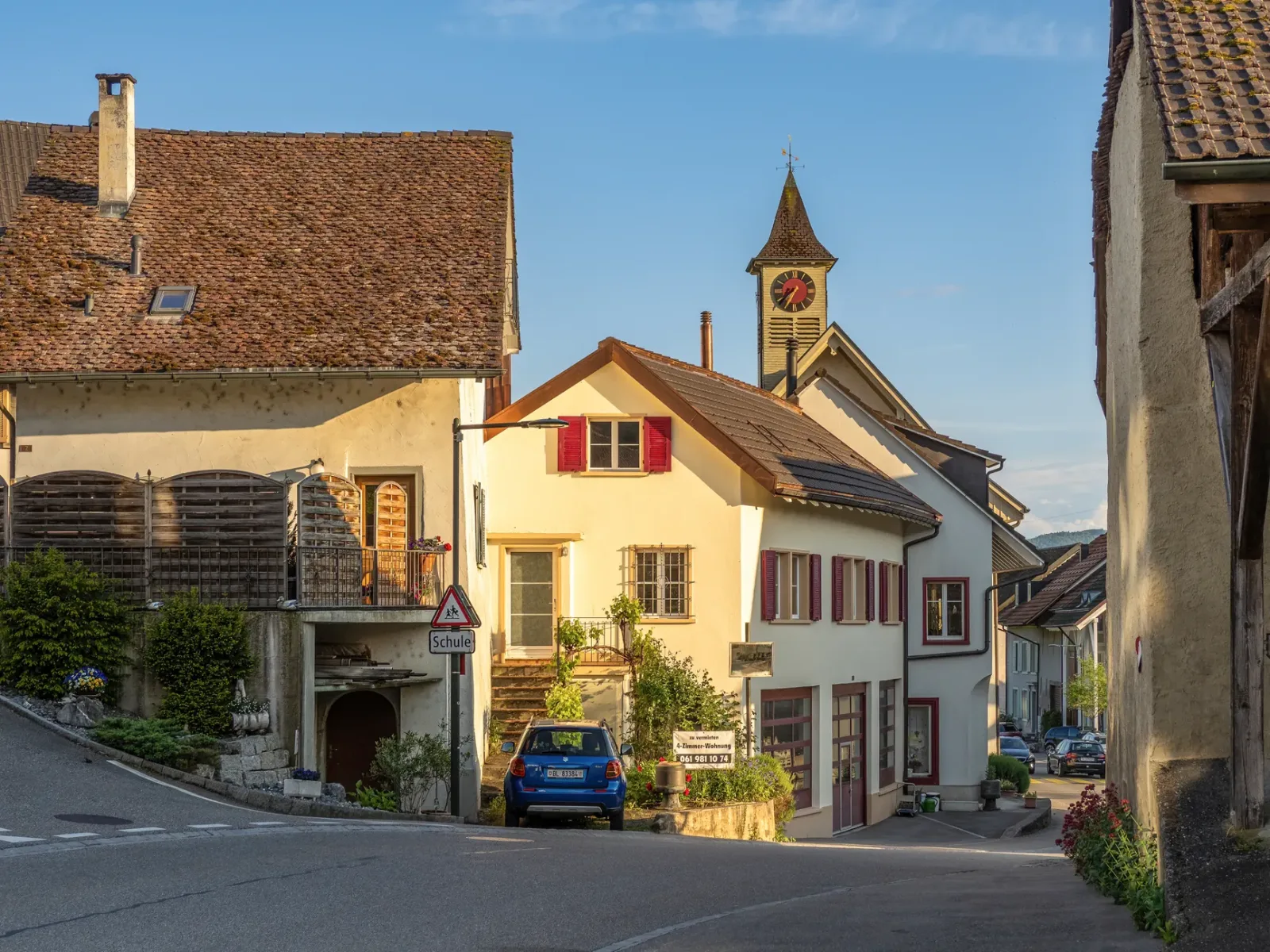
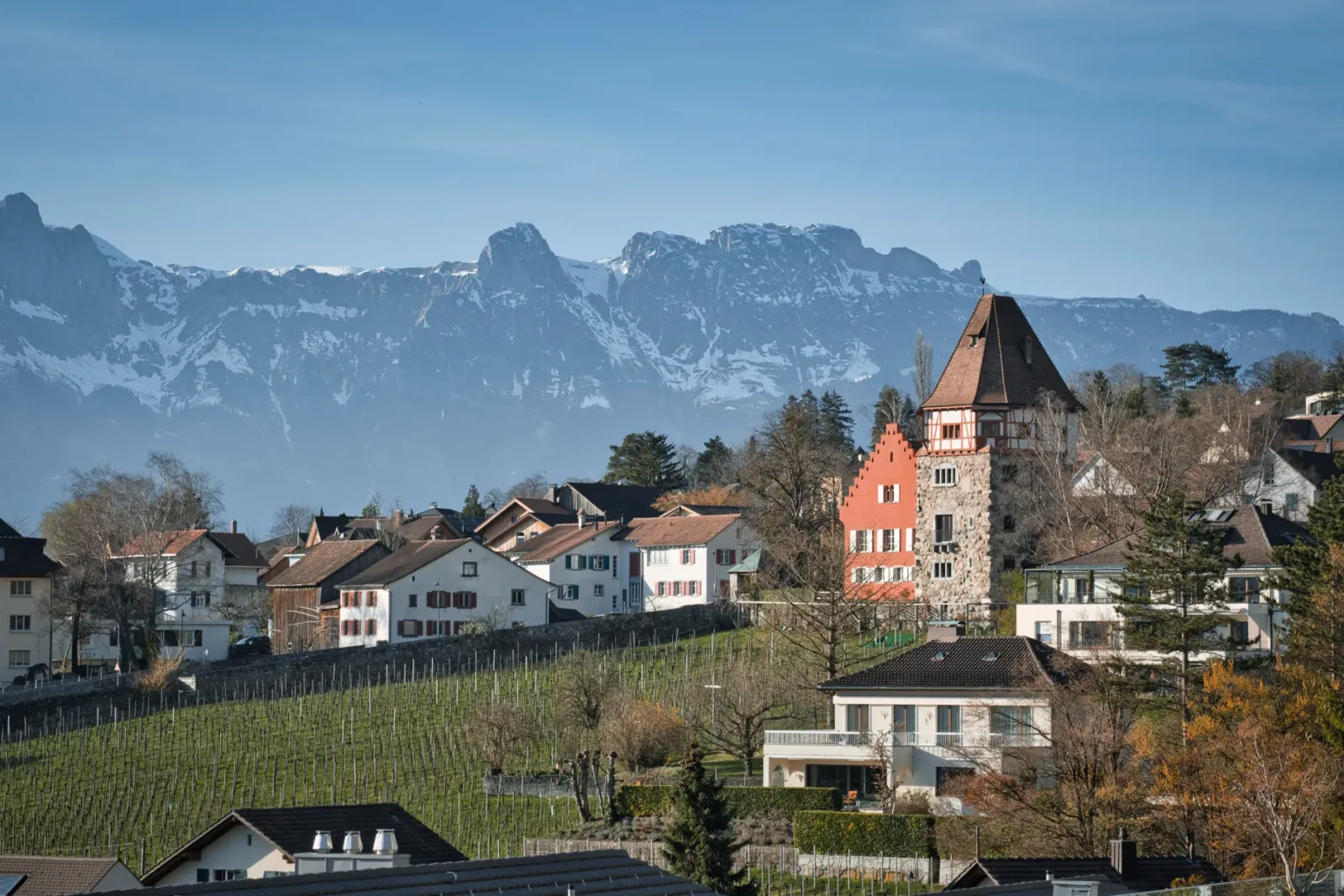
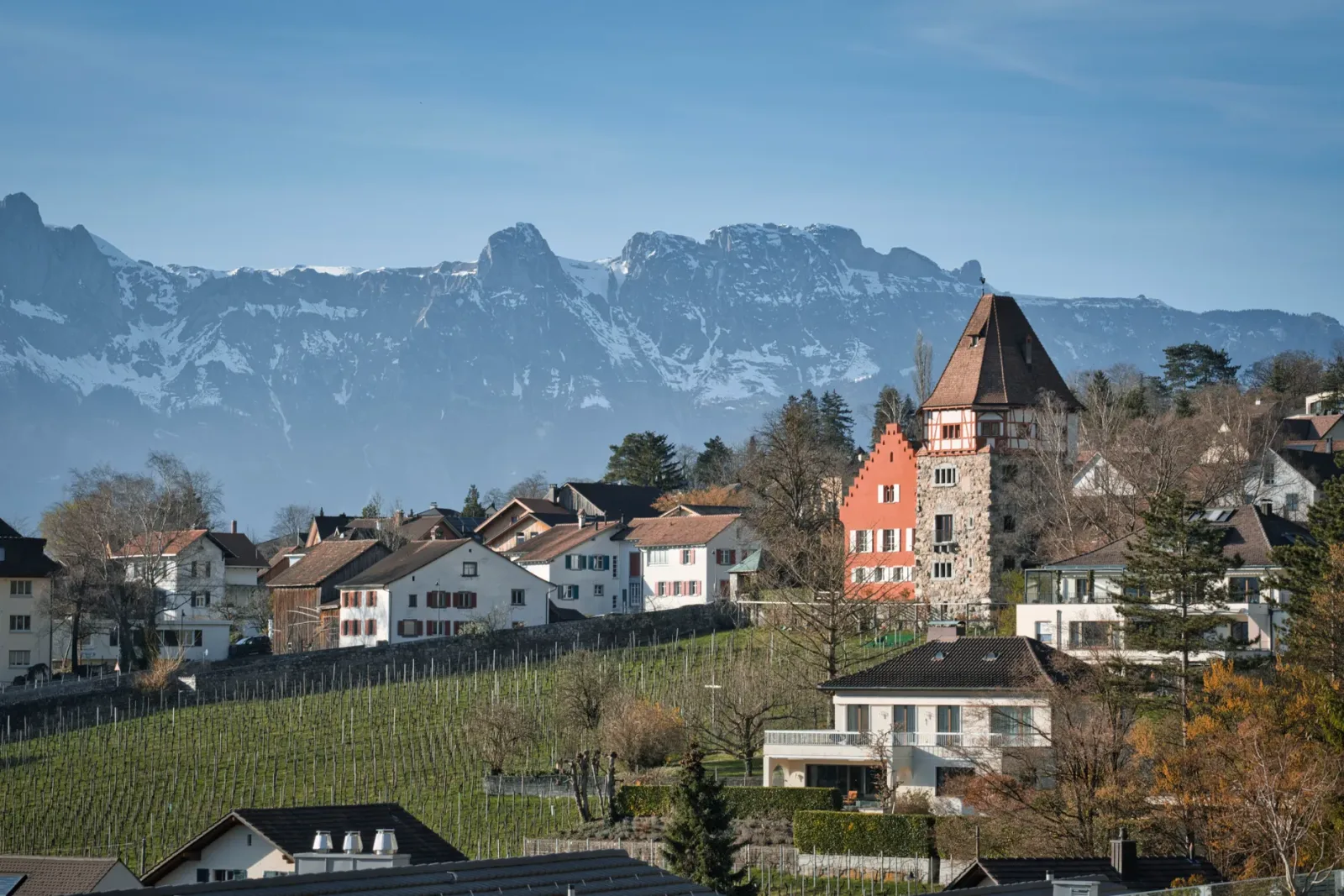
The best way to put together an urban day in Dornbirn is to start at Marktplatz, because it organizes the historic heart of the city and puts the cultural stops in a logical sequence. There you’ll find the Rotes Haus, a wooden building from the early 17th century that stands out for its red color and its straightforward reading of the city’s old architecture. Nearby is St. Martin’s Church, which fits well into the itinerary as a counterpoint to the square’s ensemble.
In the same area, the Dornbirn City Museum helps provide context for what you’ve just seen on the street: urban development, local life, and the city’s transformation over time. If you like understanding a destination before moving on to other stops, it’s a short visit that fits well between the square and the more contemporary museums.
Then, head to inatura, which works better for those who want an interactive, less conventional visit. The museum is focused on natural history and applied science, with exhibits designed to be touched, explored, and tested. Next, it’s worth including Kunstraum Dornbirn when the interest is contemporary art and exhibitions with a more current language, and the FLATZ Museum, which broadens the cultural reading of the center with a more specific and distinctive profile. These three spots work well together because they cover different aspects of the city without requiring a rushed pace.
If you have little time, prioritize Marktplatz, Rotes Haus, St. Martin and inatura. If the goal is a more cultural day, also include the City Museum, Kunstraum Dornbirn, and the FLATZ Museum.
Half day or full day in the gorges and at Karren
If you have half a day, focus on Rappenlochschlucht and Alplochschlucht. The two gorges work well in sequence, because the experience is similar: trails between rock and water, with sections that require attention to the steps and the ground. Rappenloch is usually the first choice to start the outing; if it is closed during your trip, it is worth checking the current situation before you go. Alploch serves as a natural complement, with well-maintained paths and a less demanding walk.
The Kirchle Rock Cathedral fits better after the gorges. The appeal here is geological and sensory rather than a long hike: the limestone formation and the internal acoustics change the pace of the visit. From there, the Staufensee works as a scenic break and helps round off the circuit without rushing. If the idea is to turn the stretch into a full day, this sequence makes more sense than going back and forth between separate stops.
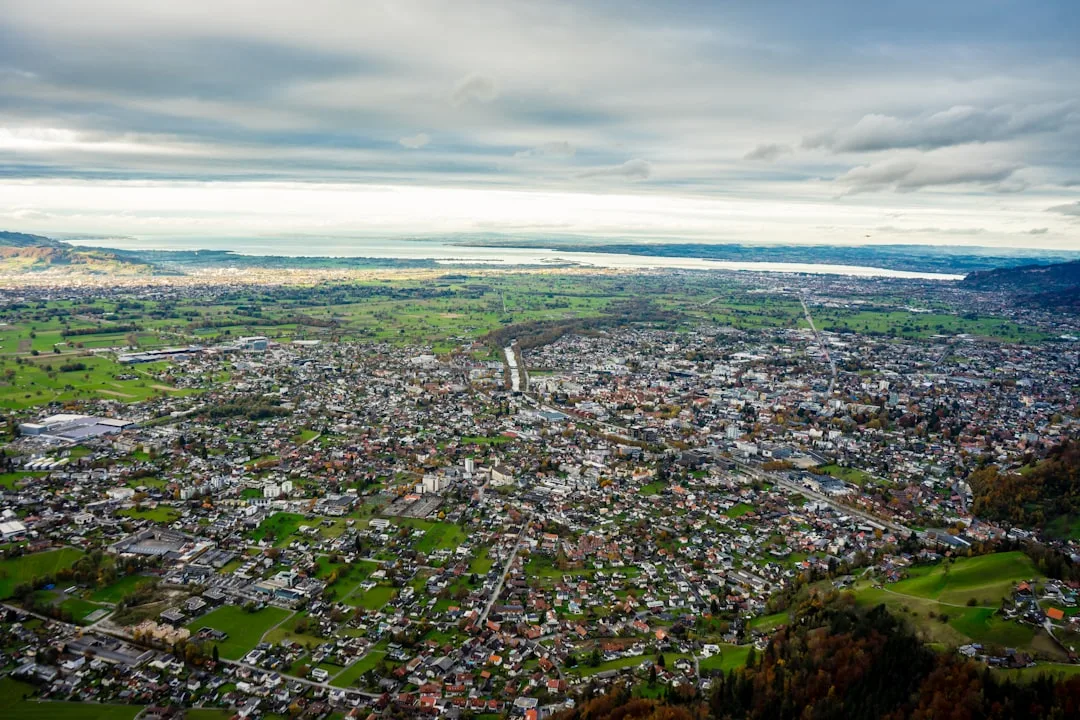
The Karren changes the tone of the outing. Going up by cable car is the most direct way to reach the viewpoint; hiking is for those who want to add physical effort to the trip. Up there, the reward is the sweeping view over the valley, and that weighs more in deciding on the visit than anything else. If you want to combine everything in the same day, leave Karren for the end: after the gorges, it works as a panoramic finale, not as a first step.
To choose the pace, think of it this way: the gorges and Kirchle call for walking with attention to the terrain; Staufensee is the easiest stretch; Karren by trail requires more stamina, while the cable car reduces the effort and keeps the view as the focus.
What is worth it for families in Dornbirn
For families, the easiest starting point is inatura. The museum works well with children because it invites them to touch, test, and explore, rather than asking for a quiet, long visit. If the idea is to keep the group engaged without relying on much prior context, it delivers that more naturally than many traditional cultural attractions.
In the outdoor part, Rappenloch Gorge is usually the simplest choice when the family wants to walk without turning the outing into a demanding hike. The trail is known for being accessible and interesting for children who can already handle stairs and uneven ground. The experience makes more sense when the goal is to see water, rock, and passage through a gorge without requiring a long walking pace.
The Staufensee area works well as a complement to a family day because it helps balance the walking section with a quieter scenic spot. If there are small children, it is worth prioritizing the sections where movement is easier and avoiding stretching the route too much. In Dornbirn, the best combination for families is usually this: an interactive indoor visit and a nature outing that does not require technical preparation.
If the child already enjoys walking, you can expand the outing with the Rappenloch area and adjust the time around Staufensee depending on how tired the group is.
Where to eat in Dornbirn without wasting time
To eat in Dornbirn without wasting time, think less about “the best table” and more about your place in the itinerary. The center concentrates the most practical stops for coffee, a quick lunch, or dinner without a big detour, with names that often come up among those looking for something easy to fit into the day, such as Cafesito and Casa Vermelha. For a quick decision, choose the place according to the time of day: café for a short break, restaurant to sit down calmly, and Vorarlberg inns when the idea is to eat something more regional.
Cafés work well between one visit and another. Cafesito fits this short-stop logic, useful when you want to handle a late breakfast, cake, or a drink without turning it into an outing. Casa Vermelha, on the other hand, makes more sense when the itinerary calls for a restaurant table and you want to avoid unnecessary back and forth. If you are undecided between similar options, first check the menu available that day and confirm whether service is continuous or if there is a break between lunch and dinner.
Vorarlberg inns help when the priority is to eat local dishes without ceremony. They are usually the most efficient choice for those who want a straightforward meal, with a more traditional atmosphere than an urban café and less formality than a destination restaurant. In Dornbirn, this usually handles the food part of the itinerary well: you have lunch or dinner near the center, without spending energy looking for a specific experience that may not even fit the schedule.
If the trip includes children, a slow pace, or little time between visits, it is worth booking the meal at an address that accepts quick entry and does not depend on extra travel. If the evening is the time to slow down, a downtown restaurant is more comfortable than looking for something outside the busiest area.
When to go and what changes between the seasons
Spring through autumn is the most comfortable window for visiting Dornbirn if the plan includes walking and entering the gorges. During this period, the terrain is usually more manageable and the landscape is easier to take in for those who want to combine nature and an urban itinerary in the same day. Among the natural highlights, Rappenloch Gorge deserves special attention: it usually closes in winter, between November and April, so it is worth checking the current situation before setting out.
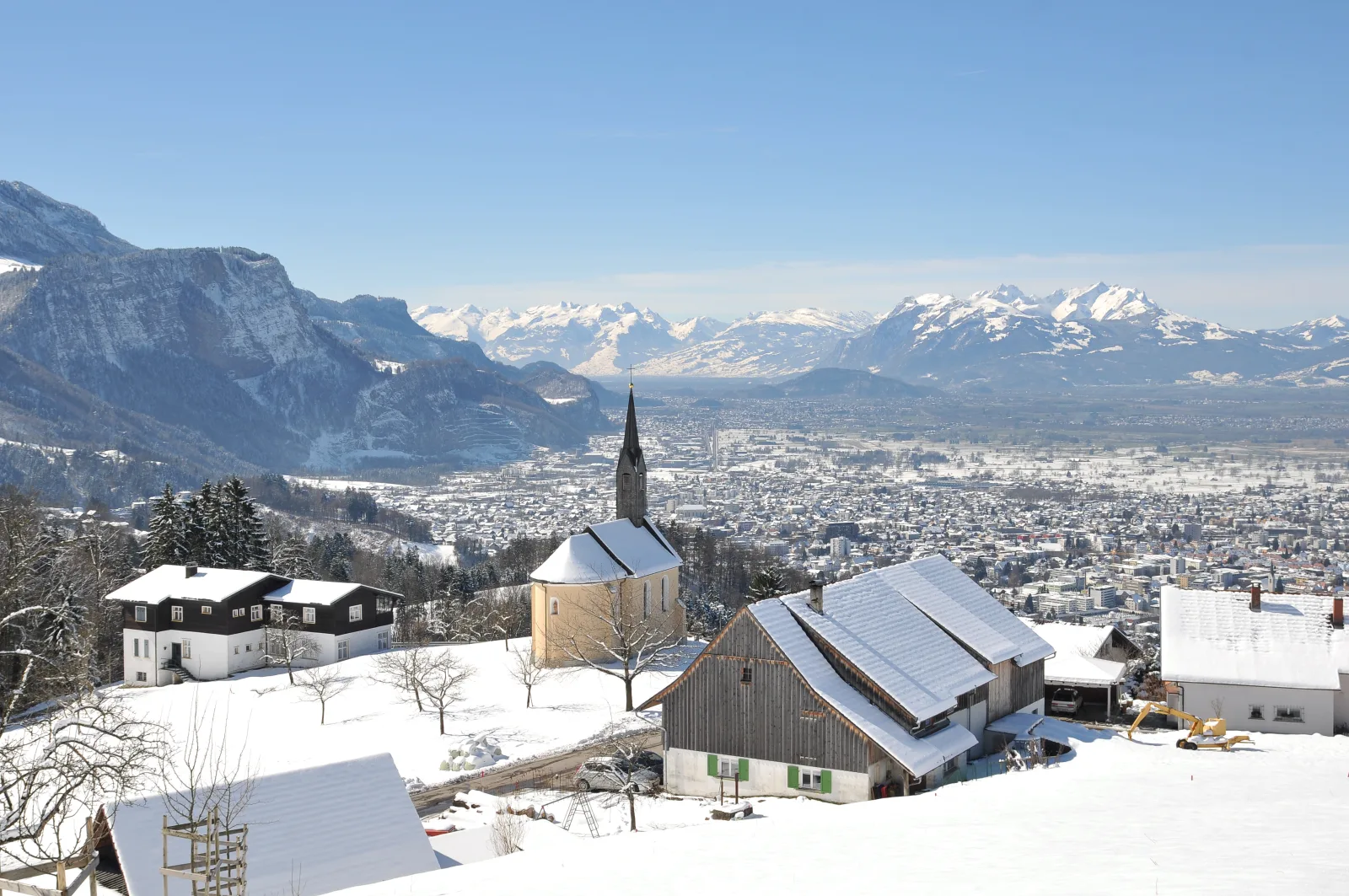
Late autumn also works well for a lighter itinerary, with less pressure to fit in long walks. That is when city strolls, a ride up the Karren, and unhurried meal breaks make the most sense. The lower light and colder weather reduce the appeal of long trails, but they favor short outings and a more relaxed pace.
If the trip is in winter, the logic changes. Instead of building the itinerary around the gorges, think of urban attractions and the cable car, leaving the walks for when access is confirmed. Between spring and early autumn, the center and the natural routes can fit into the same day without requiring much schedule adjustment.
Basic costs and useful information before planning your itinerary
The prices that really change the day’s budget are museum admission fees and the city bus pass. The Rolls-Royce Museum lists admission at around € 12 for adults and € 8.50 for children; inatura is around € 14 for adults and € 10.50 for children; Kunstraum Dornbirn charges about € 5. If you are putting together a short itinerary, these amounts already help determine whether it is worth combining two or three visits on the same day. As always with paid attractions, confirm the current price before you go.
For local transportation, the Stadtbus fare mentioned for Dornbirn is around € 2.10. It is useful for anyone who wants to fit in a one-off trip without depending on a car, but it also deserves verification because bus fares change frequently. When visiting natural areas, the most practical detail is parking: the gorge access points have places to leave the car, and in Gütle this is part of the most common logistics for those heading to Rappenlochschlucht and Alplochschlucht.
For schedules, the safest approach is to treat everything as variable. What matters before planning the itinerary is knowing whether the place is open on the day of your visit and whether it fits well with the walk. Rappenloch Gorge usually closes in winter, between November and April, so that is something worth confirming in advance. For museums and the cable car, the ideal is to check the hours for the day and any seasonal breaks.
If your priority is avoiding surprises, organize your decision around three simple filters: admission price, need for paid transportation, and access conditions on the chosen date. In Dornbirn, that matters more than trying to see everything in one day.
Frequently asked questions
What is the best base to stay in Dornbirn?
The Marktplatz area is usually the most practical, because it lets you explore the center on foot and is close to the main station. The station area also works well for those who want to use the train and keep logistics simple.
Is it possible to explore Dornbirn’s center on foot?
Yes. The main station, Marktplatz, and the immediate surroundings are close enough for a walking itinerary. For attractions farther away, such as natural areas and places outside the center, it may be necessary to use buses.
What is most worth it in one day in Dornbirn?
For an urban day, the most direct combination is Marktplatz, Rotes Haus, St. Martin Church, and inatura. If there is more time, you can include the City Museum, Kunstraum Dornbirn, and the FLATZ Museum.
Which natural attractions are most recommended in Dornbirn?
Rappenlochschlucht and Alplochschlucht work well together for a half-day. Karren is a good choice to end the outing with a viewpoint, and Staufensee is a lighter stop in the circuit.
When is the best time to visit Dornbirn’s gorges?
Spring through autumn is the most comfortable time to walk through the gorges. Rappenloch Gorge usually closes in winter, between November and April, so it is worth confirming the status before visiting.