How to get to Salvador: routes by plane, bus and car, and how to leave the airport
How to get to Salvador by plane, bus, or car and leave the airport with fewer transfers, choosing the best route for your destination.
Where Salvador is and why that matters on arrival
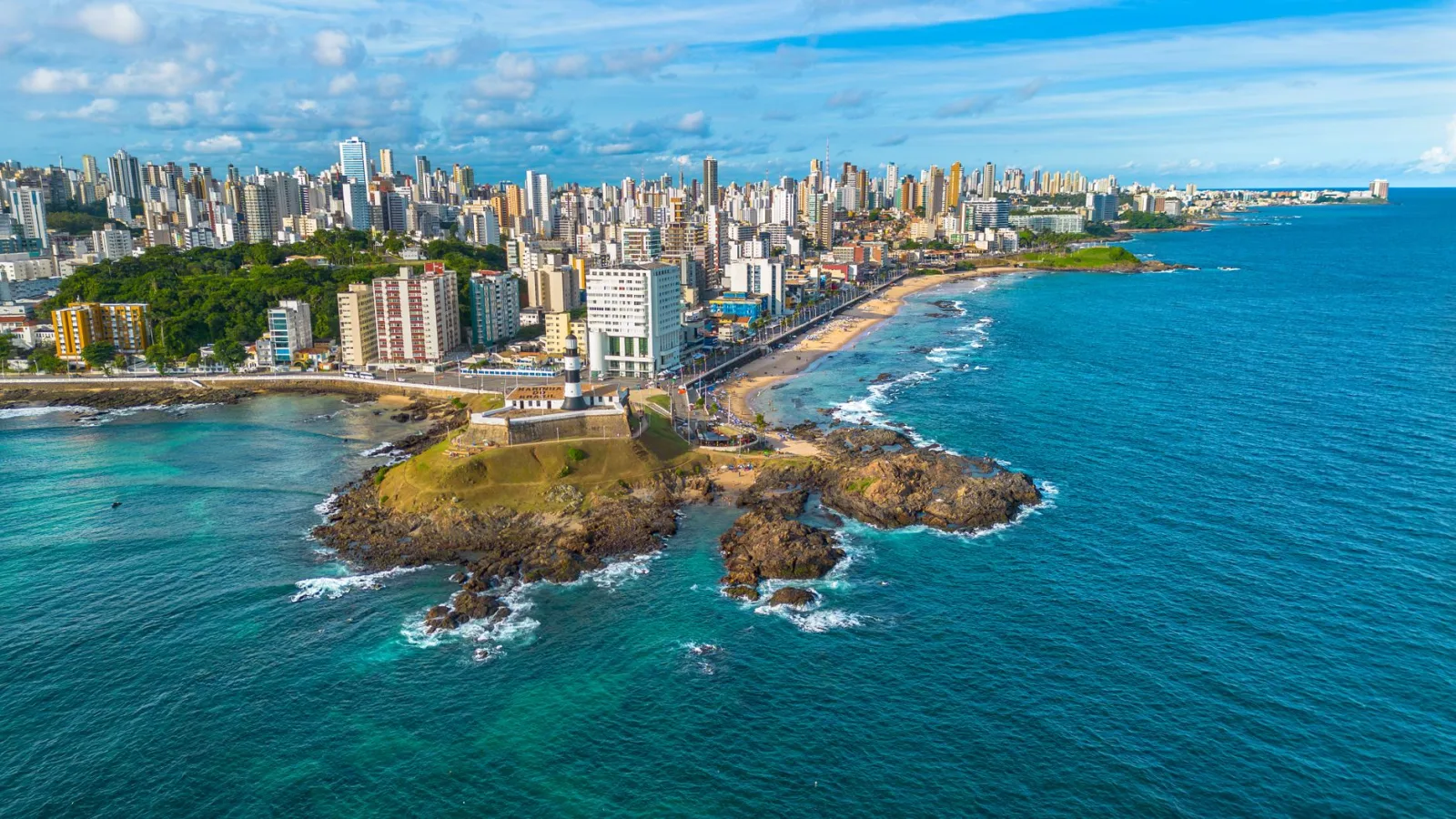
Salvador is on the coast of Bahia, in the Northeast of Brazil, occupying a peninsula facing Todos os Santos Bay. This location explains much of the arrival logistics: the city spreads over a large area, with travel times that change a lot depending on the entry point and the destination neighborhood.
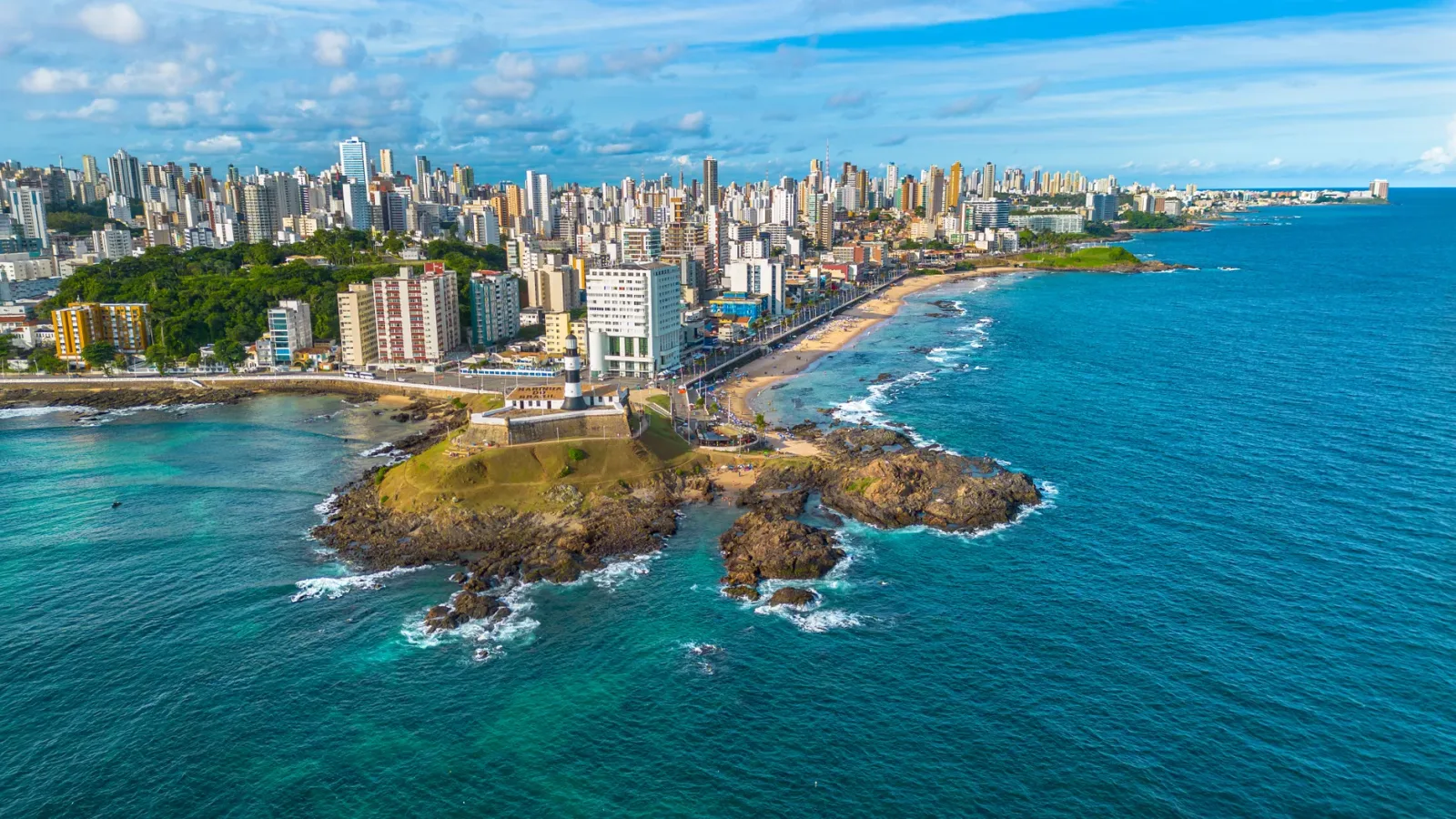
To help guide your choice of transportation, it’s worth keeping in mind some distances that matter in practice. Pelourinho is about 25 km from Salvador International Airport and 8 km from the Bus Terminal. Praia do Farol da Barra is about 30 km from the airport and 13 km from the bus station. Between the airport and the bus terminal, the distance is around 23 km. Those arriving with accommodation in one of these areas avoid part of the transfer time.
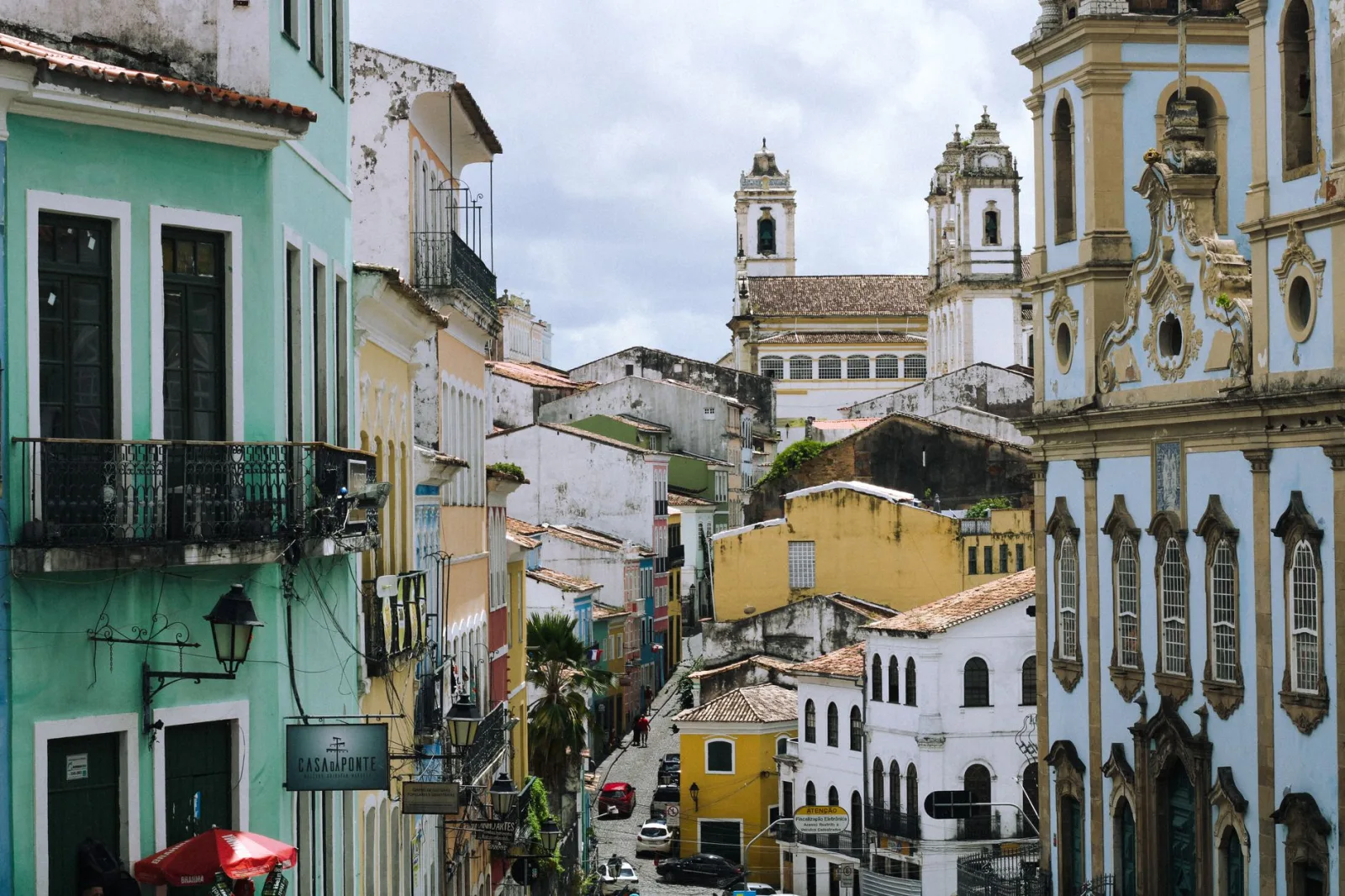
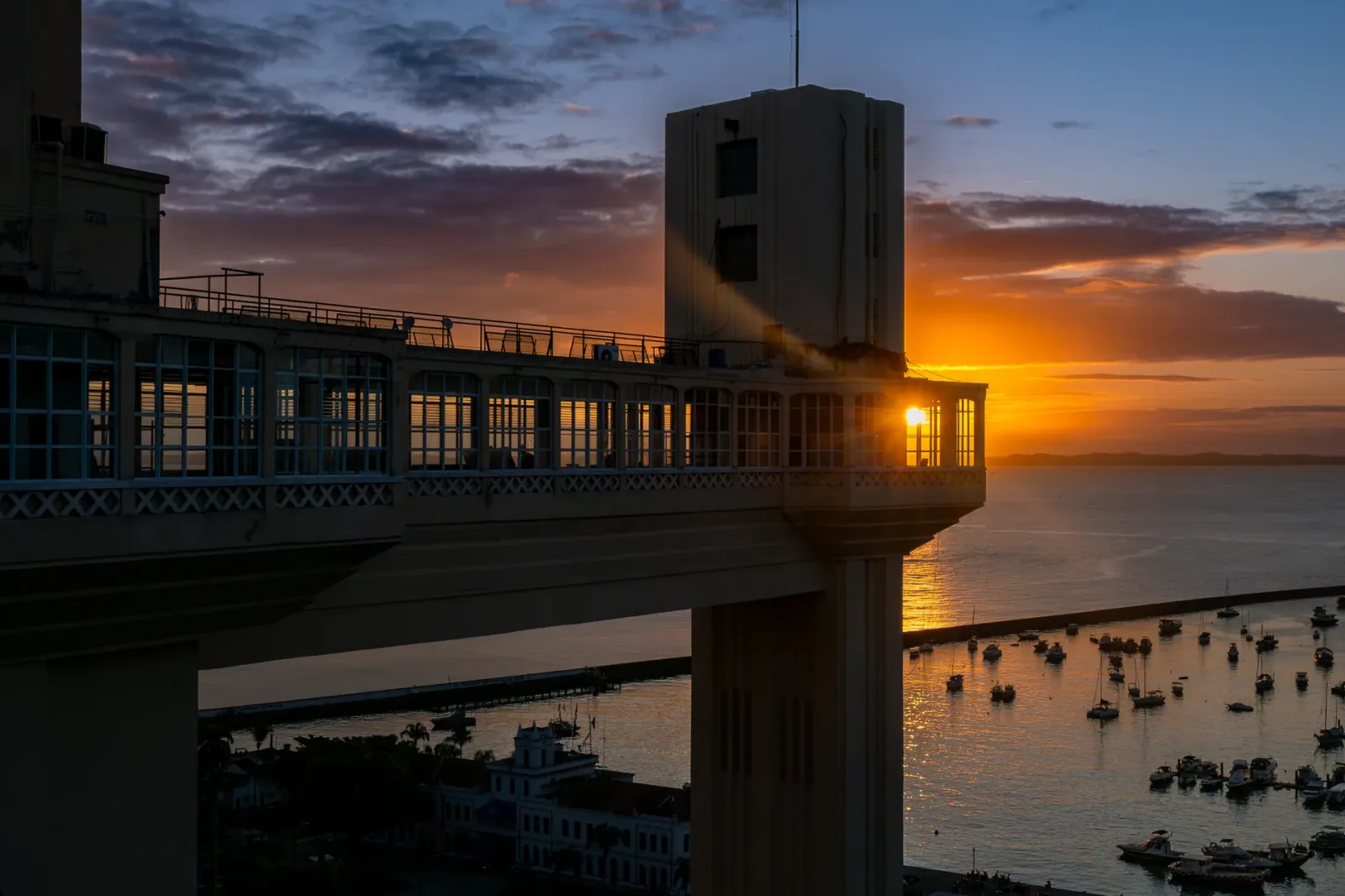
The city also helps explain this through its geographic layout. Salvador has Cidade Alta and Cidade Baixa, separated by a long escarpment that shapes the urban design. Pelourinho is in Cidade Alta; Cidade Baixa concentrates more transit activity and urban connections. Knowing which side you’ll stay on makes a difference when deciding whether it’s worth arriving via the airport, the bus terminal, or heading straight there by car or app.
If your final destination is near the historic center, Barra, or areas farther from the coast, the distance to the arrival point may matter more than the type of transportation itself. In Salvador, choosing the right entry terminal reduces transfers and avoids crossing the city with luggage during busier traffic times.
How to get to Salvador by plane
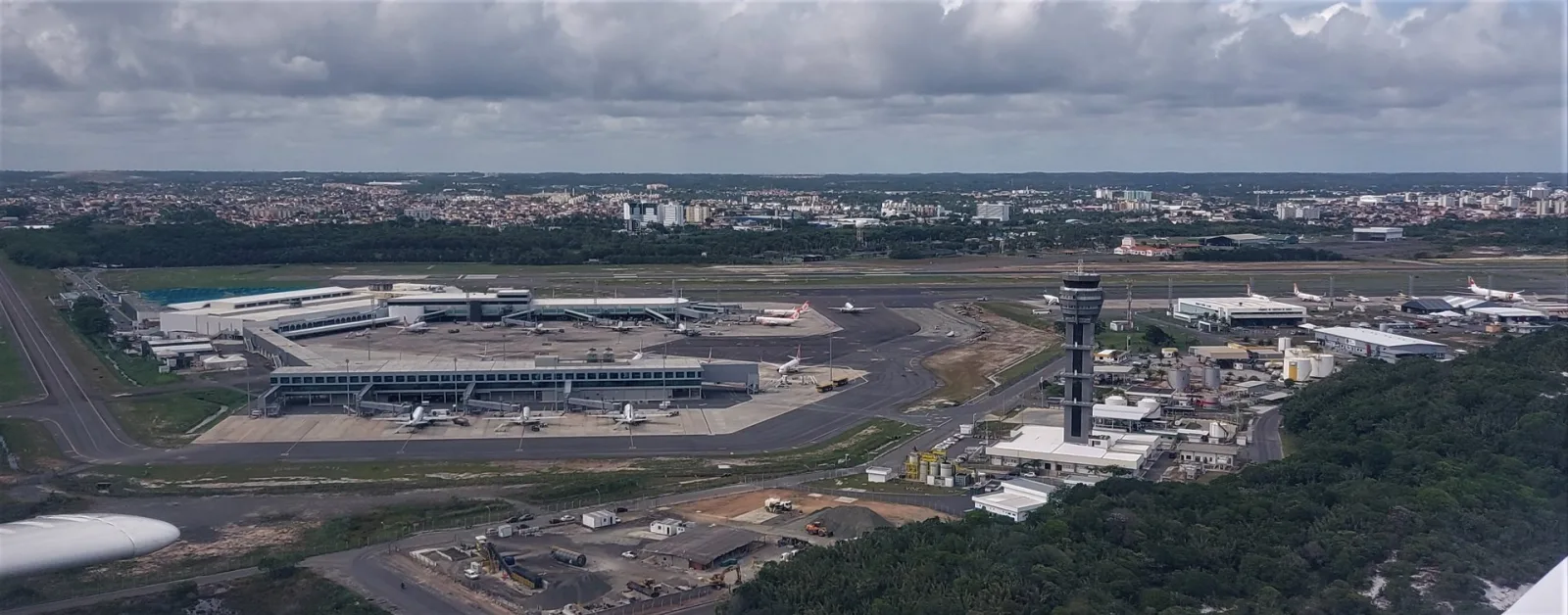
Salvador has Salvador International Airport (SSA) as its main air gateway. It is the largest airport in Bahia and among the busiest in Brazil, with flights from dozens of Brazilian cities as well as other countries. Because of the city’s geographic position, it often works well as a connection point for those crossing the country en route to the Northeast.
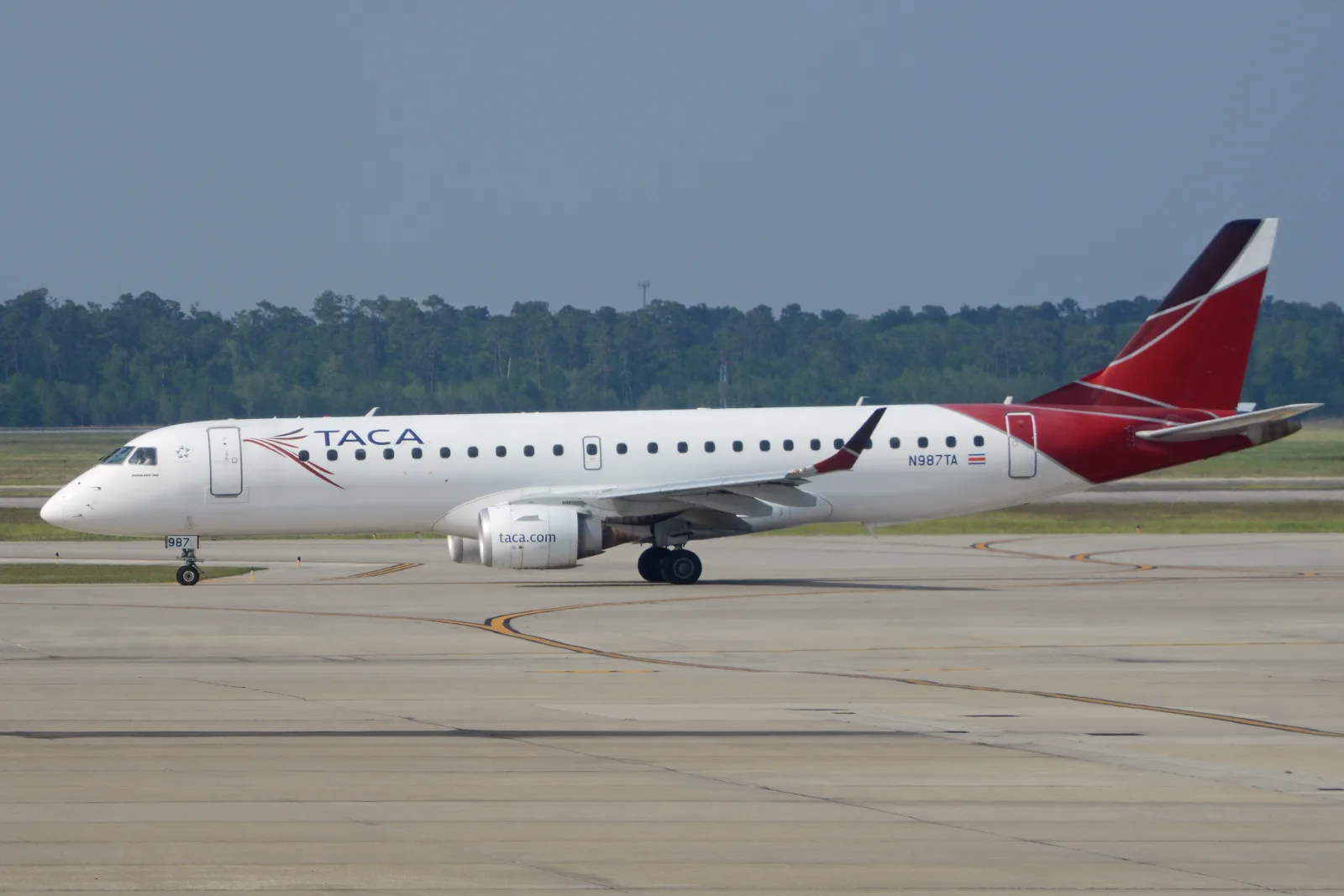
In practice, flying is usually the simplest way to get to Salvador when the trip is from far away. The airport receives regular operations from airlines such as LATAM, Gol, Azul, Passaredo, TAP, Aerolíneas Argentinas, Air Europa, Cabo Verde Airlines, Copa Airlines, and Condor. This includes links with capitals and major hubs in Brazil, as well as direct international routes from cities such as Lisbon, Madrid, Buenos Aires, Córdoba, Panama, and Frankfurt.
Those planning their arrival should consider that the airport is located on the border between Salvador and Lauro de Freitas. This helps explain why it works well as an entry point to the city and the metropolitan region, without requiring a long transfer right after landing. If convenience is the priority, especially on a trip with lots of luggage or with children, flying tends to make arrival simpler.
To decide whether flying makes sense in your case, the criterion is straightforward: compare your departure point with the flight options arriving at SSA and see whether there is a convenient connection. In Salvador, this is usually the most reliable option for those who want to avoid long road segments before starting their stay.
Editorial transparency: Some links on this page are affiliate links. We may earn a commission at no extra cost to you. This does not influence our recommendations.
How to Leave Salvador Airport
Those arriving at Salvador International Airport land on the border between Salvador and Lauro de Freitas, already outside the city’s most touristy core. This weighs on the choice of transportation: for getting to central areas, the metro tends to be the most predictable option; for those who want door-to-door service, a taxi, Uber, or a rented car solve it with fewer transfers.
The metro works with an extra step: you need to take the free shuttle in front of the terminal to reach Aeroporto Station. From there, the line connects to Rodoviária Station and Lapa Station, which helps a lot for anyone traveling to areas served by buses or needing to cross the city without relying on a car. The metro does not by itself cover the most touristy areas, so it is usually more worthwhile when you are willing to combine it with another mode of transport at the end of the trip.
At the airport exit, city buses are also available and can take you to different areas of the city, including the Historic Center, as well as provide a connection to the North Coast. It is the option that requires more attention to the final destination and the chosen route. If simplicity is the priority, Uber is usually a good way out, especially for groups; the meeting point is on the ground floor, in the arrivals area, marked on the pillars near the runway. Taxis remain a direct alternative, and a rented car makes sense for those who already plan to get around independently, remembering that the rental agencies are on the ground floor and vehicle pickup requires an internal van ride to the lots.
How to get to Salvador by bus
Salvador Bus Terminal is 8 km from Pelourinho, 13 km from Praia do Farol da Barra, and 23 km from Salvador International Airport. This location helps you decide the first leg of your trip: those arriving by bus get off closer to the city center than to the airport, but still far enough to need urban transport or a ride-hailing app to reach their accommodation.
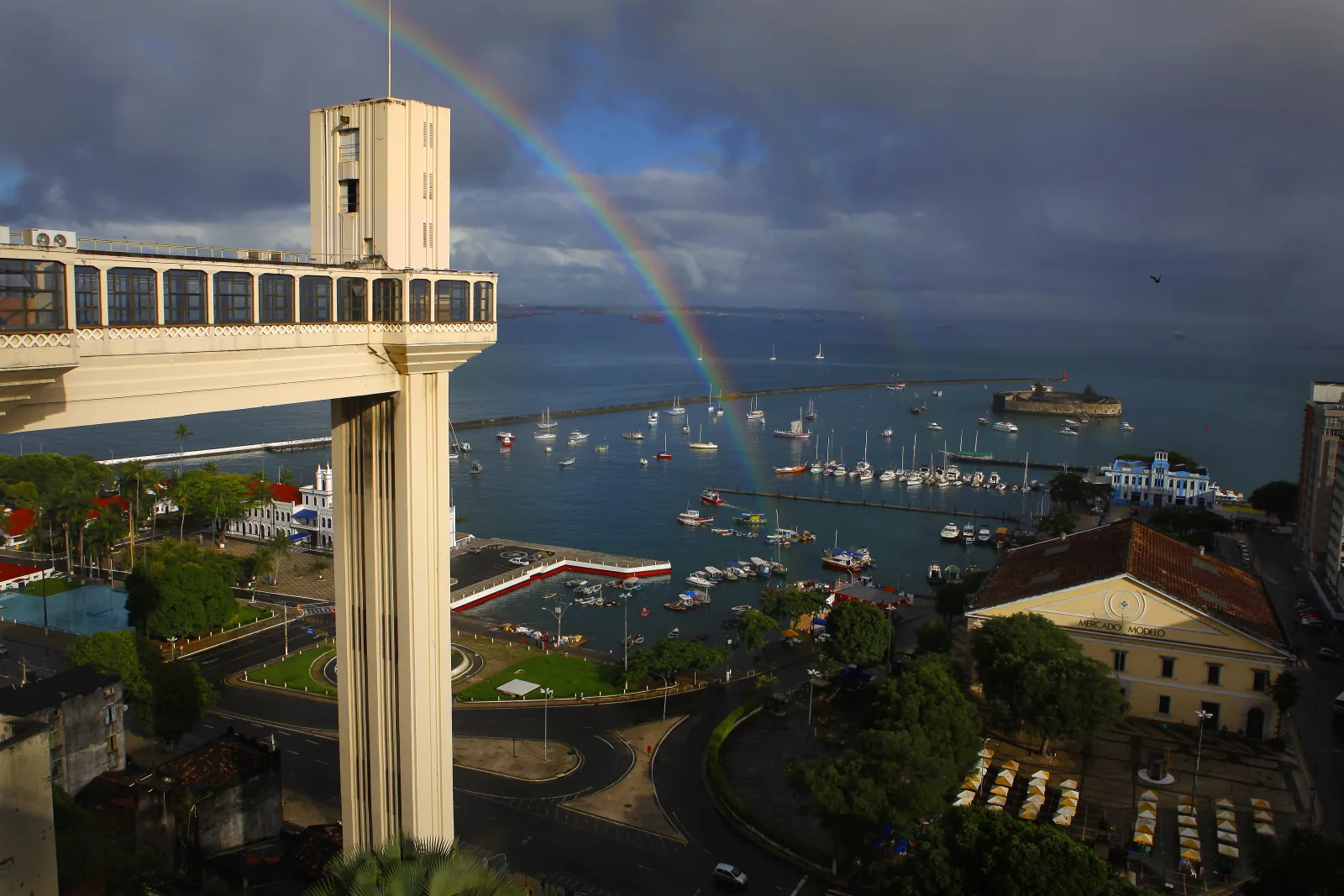
When leaving the bus terminal, you can take a city bus, metro, Uber, or taxi. The Rodoviária metro station is connected to the terminal, which makes it easy to get to other areas of the city and also to Estação da Lapa. If your final destination is Centro Histórico, Barra, or neighborhoods close to the more tourist-oriented corridor, Uber and taxi are usually the most direct options, especially with luggage.
For those heading to Litoral Norte, there are vans that provide transfers to Praia do Forte. Before making your choice, it’s worth checking at the terminal which option is leaving around the time you arrive, because the availability of city buses and the flow of cars vary quite a lot throughout the day.
If you’re arriving by bus and plan to get around soon after you arrive, the decision usually depends on two things: final destination and amount of luggage. The metro helps with the most practical connections; Uber and taxi simplify things when the route involves more transfers; vans make sense for those heading straight to the coast.
How to get to Salvador by car
Salvador is on the east coast of Bahia, and arriving by car is usually a choice for those already traveling around the Northeast or planning to combine the capital with other cities in the region. The road distances help put the trip into perspective: it is about 330 km from Aracaju, 1,170 km from Vitória, 1,450 km from Brasília, 1,600 km from Rio de Janeiro, and 1,950 km from São Paulo.
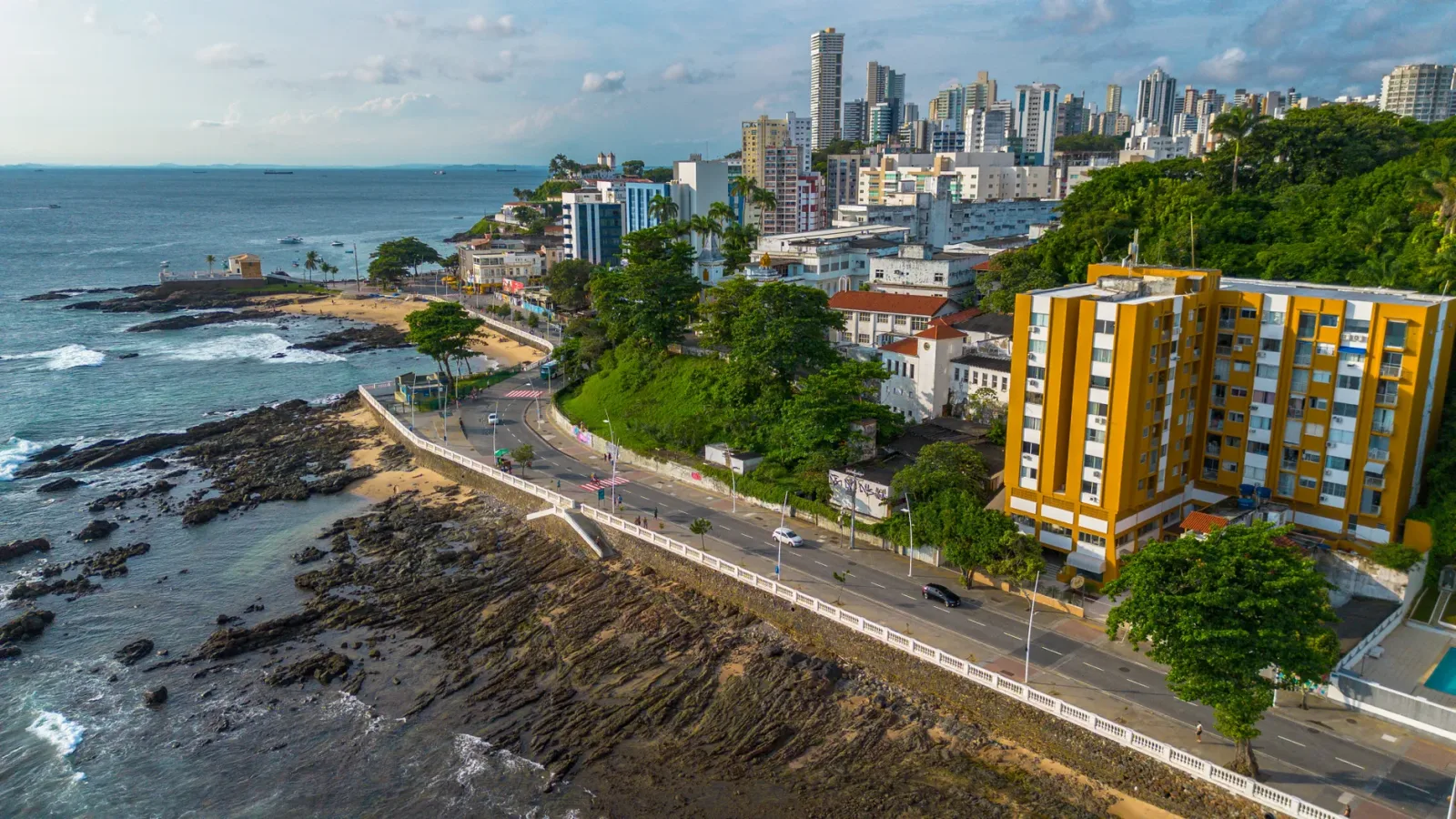
The highways in Bahia call for extra attention. There are sections with potholes and the road conditions do not always help, so it is worth driving more carefully than usual, especially at night or in rainy weather. In Salvador, traffic also weighs on the choice of traveling by car: it can work well for flexibility, but it requires patience for getting around the city.
Parking in the city is an important part of planning. It is not easy to park with convenience in many areas, so accommodation with private parking makes a real difference for those who will keep the car nearby. If that is your plan, it is worth filtering your booking with this criterion before finalizing your stay.
Those who plan to use the car as a base need to think less about the route itself and more about daily logistics: where to leave the vehicle, how to move around the busiest areas, and whether the trip is worthwhile without relying on street parking. For many people, the best decision is to combine road travel with accommodation that already takes care of parking.
How to get around Salvador after arrival
Within the city, the metro is more useful for practical trips than for sightseeing. It connects the airport to Estação Rodoviária and Estação da Lapa, which makes it easier to transfer between terminals and access central transit points. To reach areas such as Pelourinho or Barra, it is usually necessary to combine the metro with another form of transportation, because the network on its own does not cover the areas most sought after by visitors.
Urban buses complement the metro and reach areas it does not serve. Lapa functions as an important hub in this network, and from there connections depart in several directions across the city. Those staying in Pelourinho usually head down to Cidade Baixa or go to nearby bus stops, while those going to Barra will find more options from the central area and from routes with heavier traffic. At night, it is best to rely on busier routes and check service for the day, because bus service stops late at night and starts again in the early morning.
Taxi and Uber are direct solutions when the priority is to get there without transfers, especially with luggage, a child, or after a long trip. Uber is competitively priced in the city and is usually a good option for trips between the airport, bus station, Lapa, Pelourinho and Barra when you want to reduce waiting and connections. Taxi may be the simplest choice during times when buses are less available or when the final destination is outside the main service corridors.
A car offers more autonomy, but it requires patience with traffic and attention to parking. In Salvador, it is worth planning where the vehicle will be parked before even booking accommodation, because private parking makes a difference. For getting around between the airport, bus station and the most visited neighborhoods, a car is more helpful outside peak hours; in the urban core, it tends to make things more complicated rather than easier.
Where to stay to make arrival and getting around easier
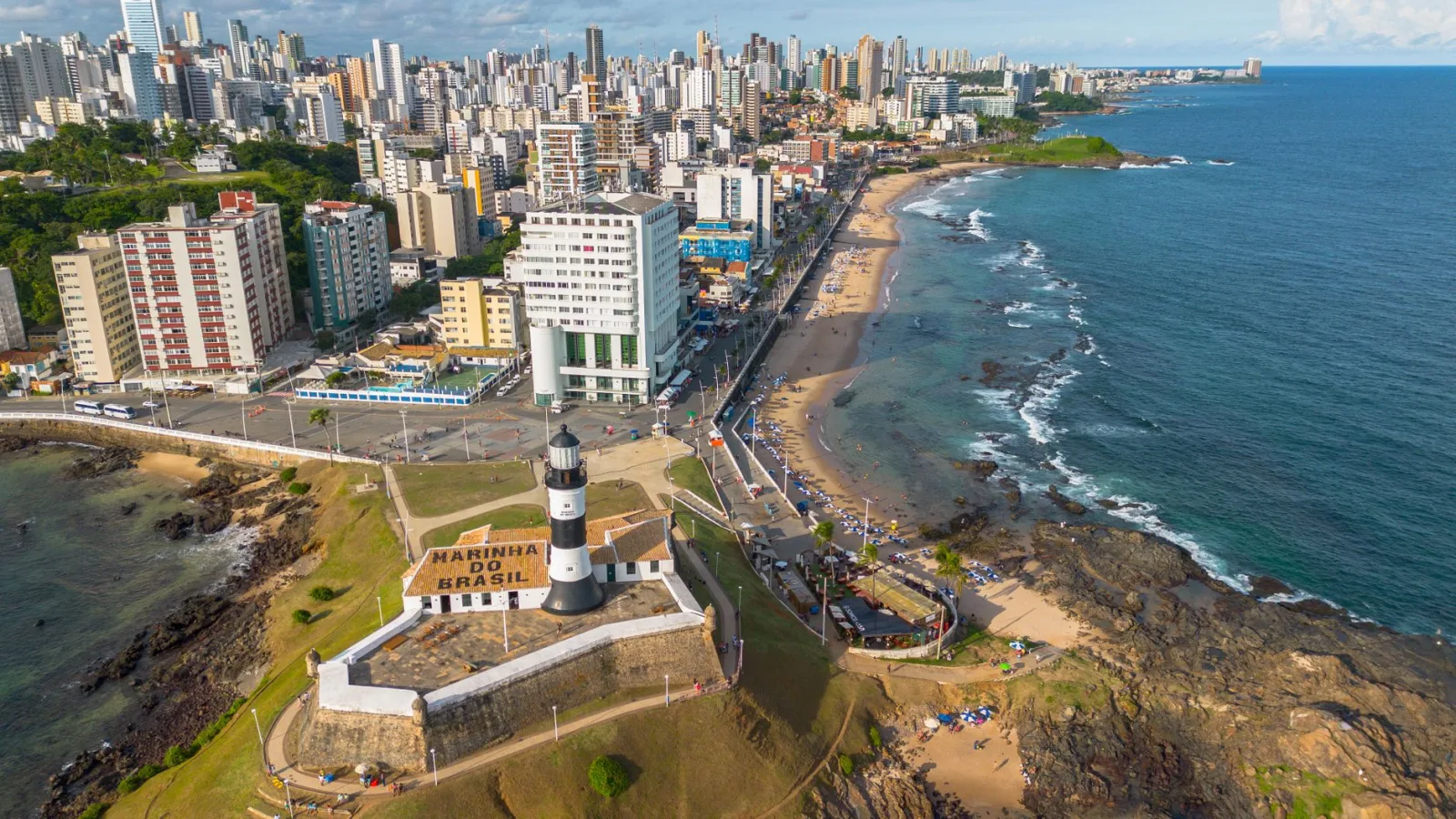
Staying near Pelourinho reduces travel time for those who want a practical arrival and to walk around the historic area. The Farol da Barra area, on the other hand, has a high concentration of hotels and usually works well for those who prefer to stay closer to the beachfront and in an area that is easier to get around day to day. If the priority is to shorten the trip after landing, it is also worth looking at accommodations near airport access and the road connections that lead from there to the rest of the city.
For those traveling by car, the decisive factor is different: parking. In Salvador, parking on the street tends to be difficult, so choosing accommodation with private parking makes a difference. This matters more than the nominal distance to the center, because a hotel without parking can turn a short arrival into a sequence of loops and wasted time.
If the trip combines air travel and short trips around the city, the choice of base changes the daily itinerary. Near Pelourinho, you gain easy access to the historic area; in Barra, you are better positioned to move around one of the areas most sought after by visitors staying in the city; and if the idea is to reduce hassle on the first night or the last, it makes sense to prioritize hotels with more direct access to the main roads.
What is worth considering when planning a trip to Salvador
Planning your arrival in Salvador means looking less at the city in the abstract and more at the location of its access points. The airport is on the border with Lauro de Freitas, while the bus terminal is in the city’s newer area; between these terminals and the neighborhoods that concentrate accommodation, such as Pelourinho and Barra, there are transfers that weigh on the choice of arrival method. If the idea is to reduce connections, the air leg usually works better when you already factor in the departure from the airport with metro or car.
Traffic also comes into play. In Salvador, traffic tends to be heavier on departures from the airport and on connections between more distant areas, so allowing extra time makes a difference, especially if you arrive at peak hours or with more than one person. Those coming by car need to think beyond the route: the roads in Bahia call for extra caution and, within the city, parking is not simple. If the accommodation does not have a private parking space, the car can become more of a hassle than a help.
The choice between airport, bus terminal and car depends on what you want to avoid upon arrival. The plane reduces the long stretch and leaves the last part of the trip to a short connection; the bus terminal may make sense if you are already arriving by land and will head to a specific neighborhood without rushing; the car only makes more sense when you are willing to drive carefully and already have guaranteed parking. For those combining a flight with the metro, the deciding factor is knowing whether the final route after the station serves the neighborhood where you will stay.
It is also worth matching the accommodation’s location with the arrival terminal. Staying near Pelourinho, Barra or the airport access changes the logistics of the first day quite a bit, because it reduces dependence on several back-to-back transfers. When traveling with children or heavy luggage, this difference is often more relevant than the distance on the map.
Frequently asked questions
What is the most practical way to get to Salvador?
For most trips, flying is the most practical way to get to Salvador. Salvador International Airport is located on the border with Lauro de Freitas and makes it easy to connect with the city.
How do you get from Salvador Airport to the city center?
The most predictable option is usually the subway, with a free shuttle to the Aeroporto Station. There are also taxis, Uber, city buses, and rental cars.
Where is Salvador’s bus terminal in relation to Pelourinho?
The Salvador Bus Terminal is about 8 km from Pelourinho. That makes the route relatively short, but it may still require a bus, subway, taxi, or ride-hailing app to reach your accommodation.
Is it worth arriving in Salvador by car?
It is more worthwhile for those already traveling around the Northeast or who want to use the car on other legs of the trip. In Salvador, traffic and difficulty finding parking can complicate things without a private parking space.
Which area is best to stay in to make arrival easier?
Pelourinho and Barra usually make getting around easier, depending on your itinerary. If you are driving, choosing accommodation with a private parking space makes an important difference.