What to do in Salvador: complete guide to planning your trip
What to do in Salvador with an itinerary by neighborhoods, beaches, museums, and tours to better plan your days and avoid unnecessary travel.
Where to stay in Salvador
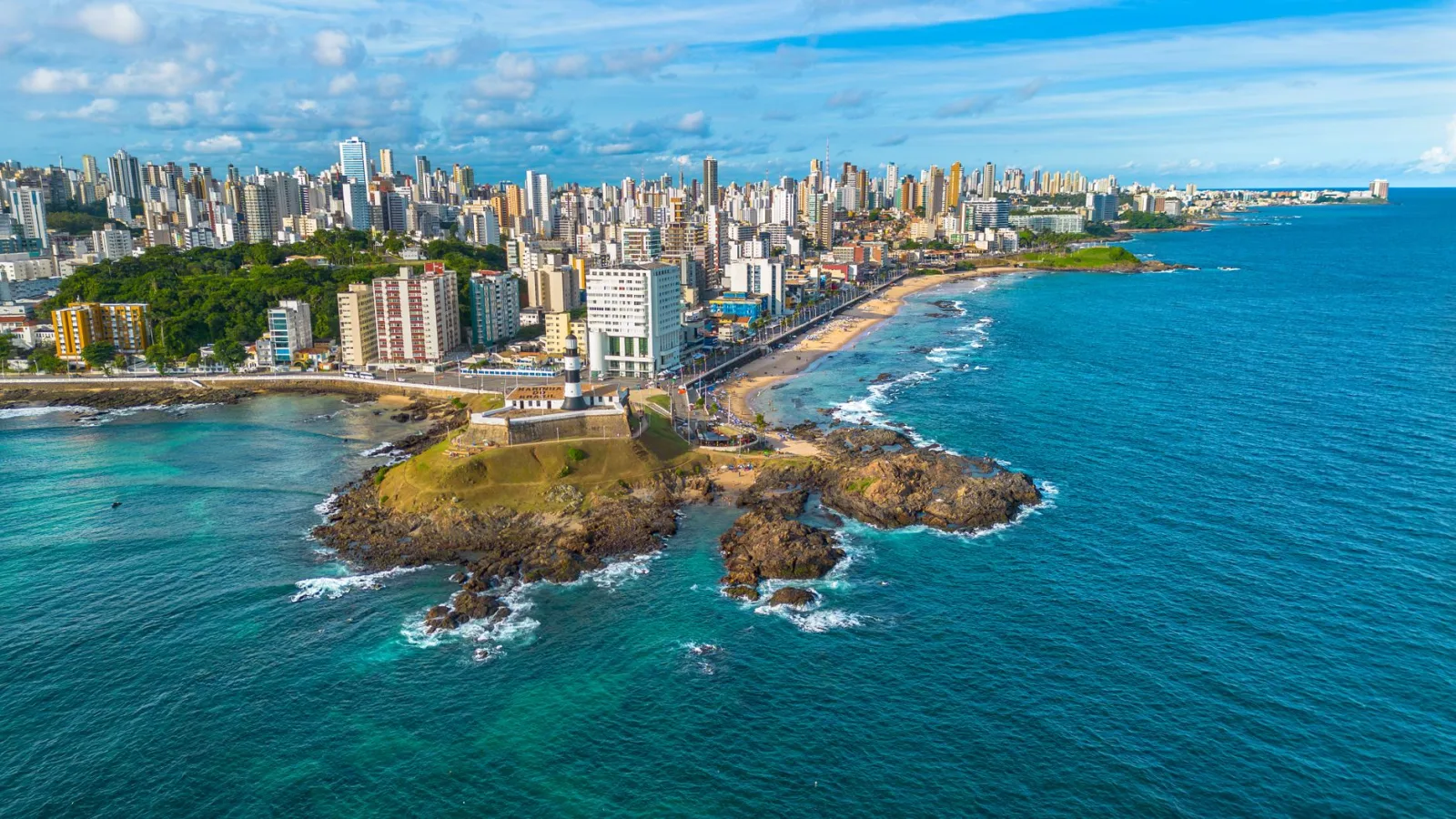
The most practical area to stay is between Pelourinho and Rio Vermelho. That is where the easiest choices are for anyone who wants to get around between historic areas, the waterfront, and nightlife without relying on long commutes. Within this axis, Barra, Ondina, Corredor da Vitória, Campo Grande, Avenida Contorno, and Avenida Oceânica are among the neighborhoods most used by those looking for a strategic base.
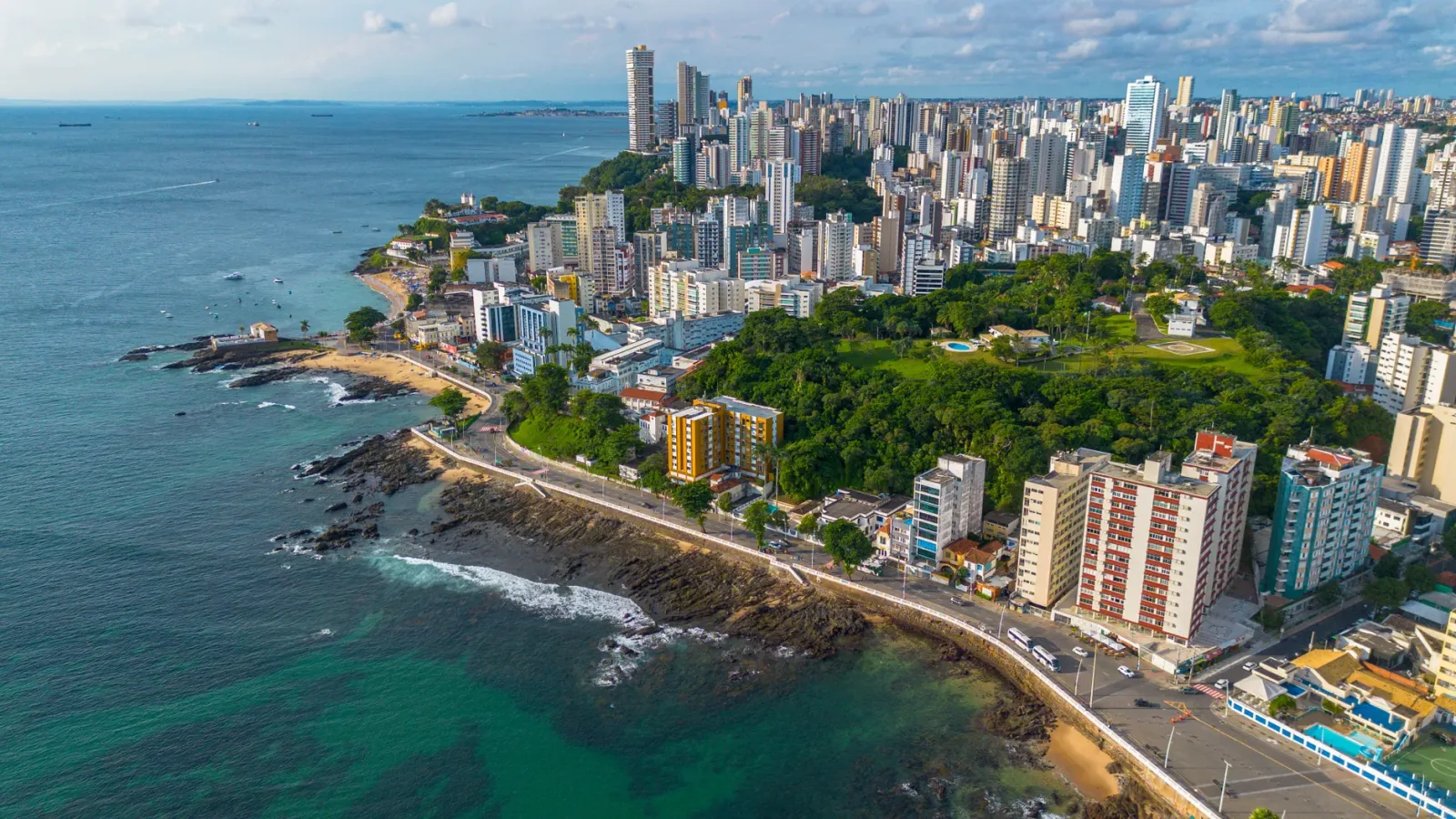
If the priority is to walk around during part of the day and have the sea nearby, Barra usually works well. Ondina and Avenida Oceânica often make sense for those who want to stay closer to the waterfront. Corredor da Vitória and Campo Grande tend to suit those who prefer a more central position for moving around the city. Avenida Contorno appears as a practical option for accessing different points in the area that concentrates much of the hotel network.
Pelourinho and Rio Vermelho suit very different travel profiles. The former puts you close to the Historic Center; the latter keeps you near bars, restaurants, and a more nighttime atmosphere. Between the two, the decision usually depends on the pace of the trip: those who want to wake up and head out to explore usually make better use of the Pelourinho area; those who prefer to come back late and have activity nearby usually do better in Rio Vermelho.
Outside this more touristy stretch, there are still accommodations in other parts of the city that may be worth it, especially when the focus is price or a more local type of stay. In those cases, the best choice depends less on the neighborhood name and more on access to what you want to do in Salvador. If the trip is short, it is worth prioritizing location. If it is longer, you can broaden the options and look more carefully at other areas outside the main itinerary.
How to Split the Days in Salvador
A weekend in Salvador covers the essentials, but it does not do justice to the whole city. In two or three days, you can alternate between the Historic Center, an urban beach, and at least one late afternoon at a viewpoint or seaside promenade. It is just enough time to get a first impression of Salvador without rushing too much between transfers.
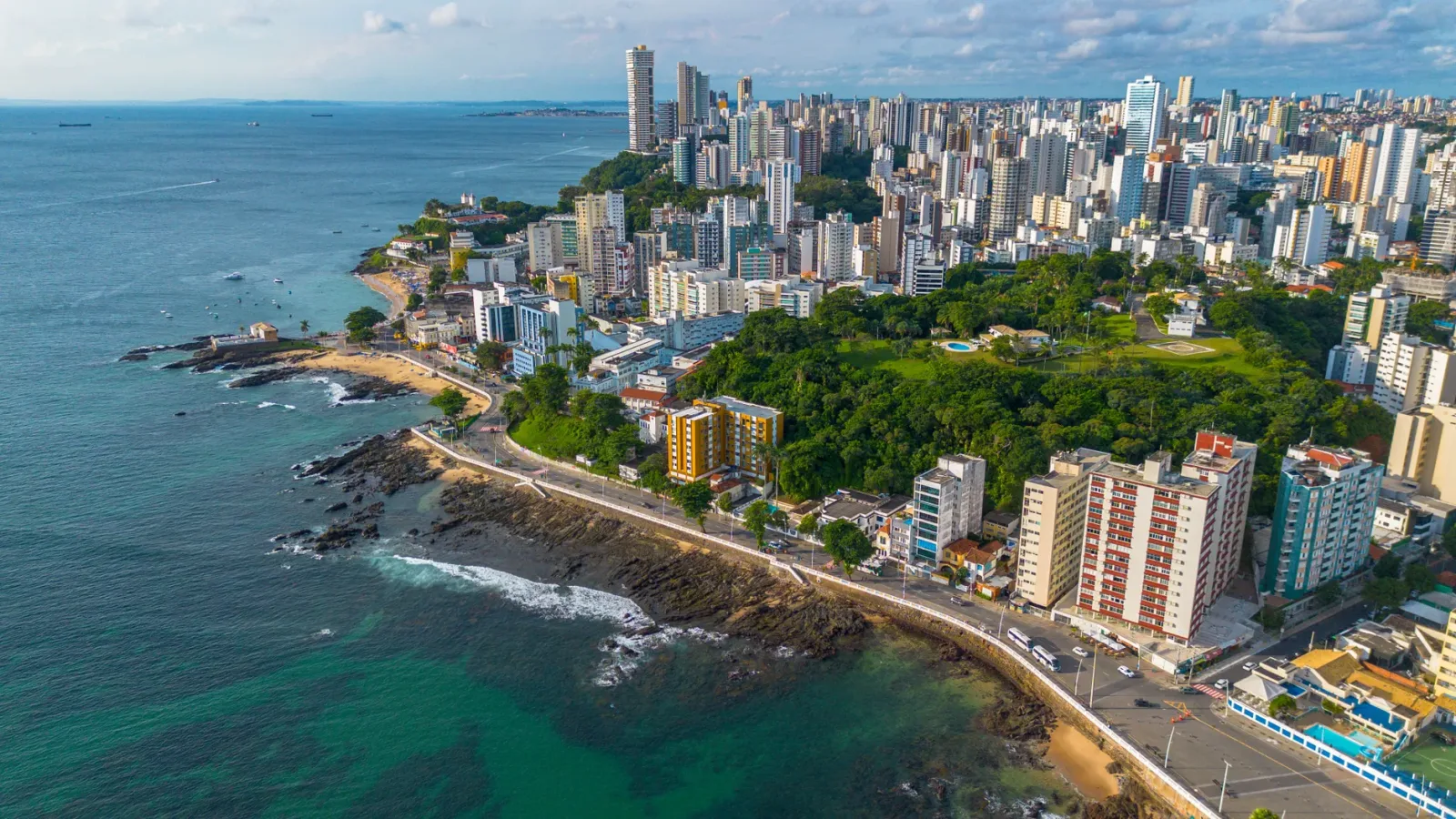
If the trip is limited to that, it is worth choosing a main axis and accepting what gets left out. Those who prioritize history and walking tend to concentrate the itinerary in the central areas; those who want more sea time can trim cultural visits and reserve more hours for the beach and sunset. Trying to fit everything into a few days usually turns the itinerary into a sequence of transfers, not visits.
With a week, the city changes pace. You can spread the days out in blocks: one or two for the historic core, one for museums and churches, one or two for beaches, and another for outings outside the central area. That stretch also makes it possible to include trips to Baía de Todos os Santos or to beaches along the nearby coast without sacrificing what makes Salvador work within the city.
If the stay is shorter, choose between depth and range. In a short time, the best thing is to see fewer places and move more slowly. With more days, Salvador rewards a looser schedule: you start deciding calmly between central areas, beach, culture, and nearby outings, instead of trying to fit everything into the same itinerary.
Editorial transparency: Some links on this page are affiliate links. We may earn a commission at no extra cost to you. This does not influence our recommendations.
Pelourinho and Historic Center
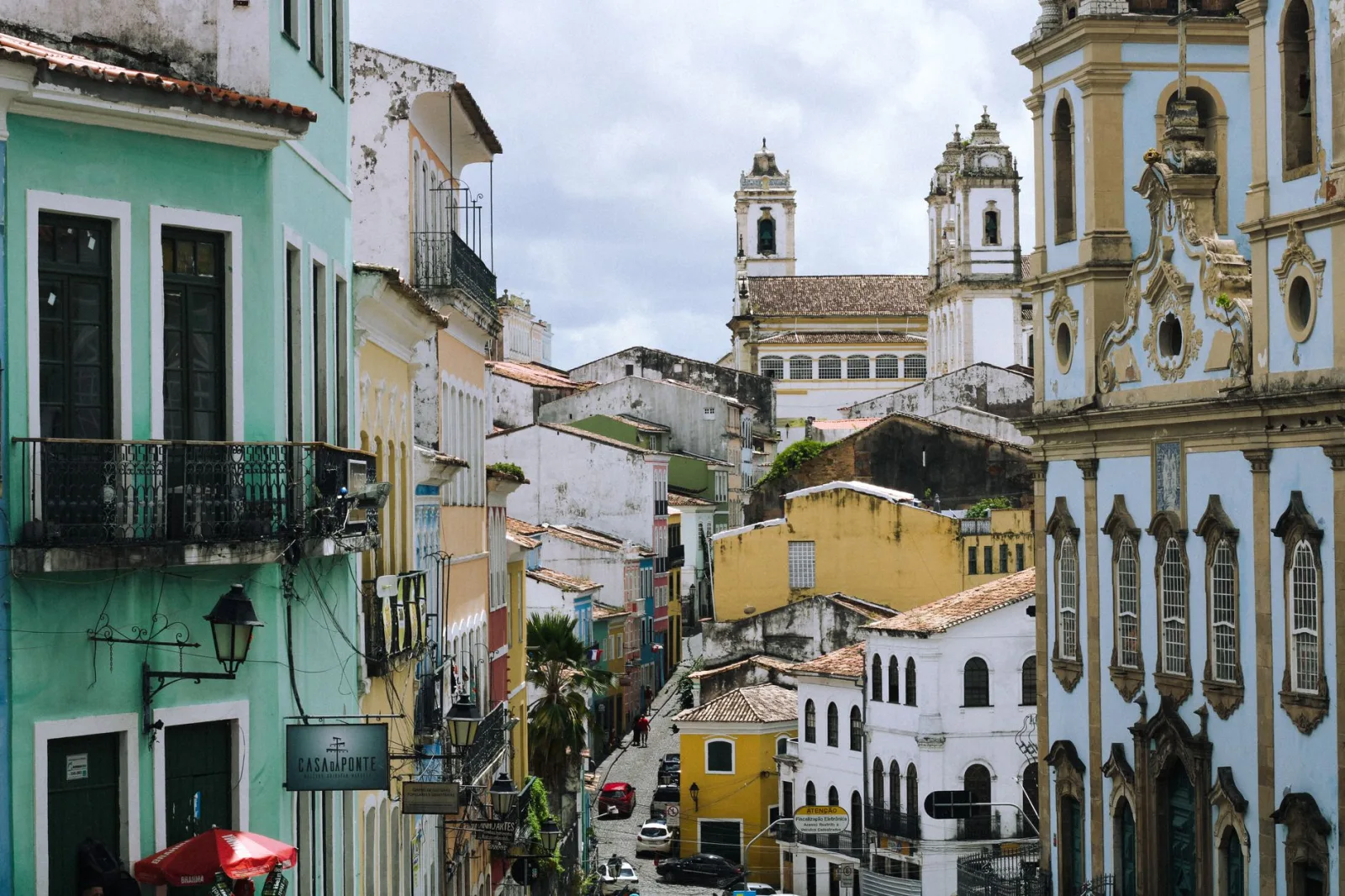
Pelourinho requires time. Walking around there without hurrying makes a difference, because the interest lies less in “seeing the sights” and more in moving through squares, stepping into churches, peeking into museums, and noticing how the circuit fits together. Largo do Pelourinho, Praça da Sé, and Terreiro de Jesus help organize this walking route, with short pauses between each stretch.
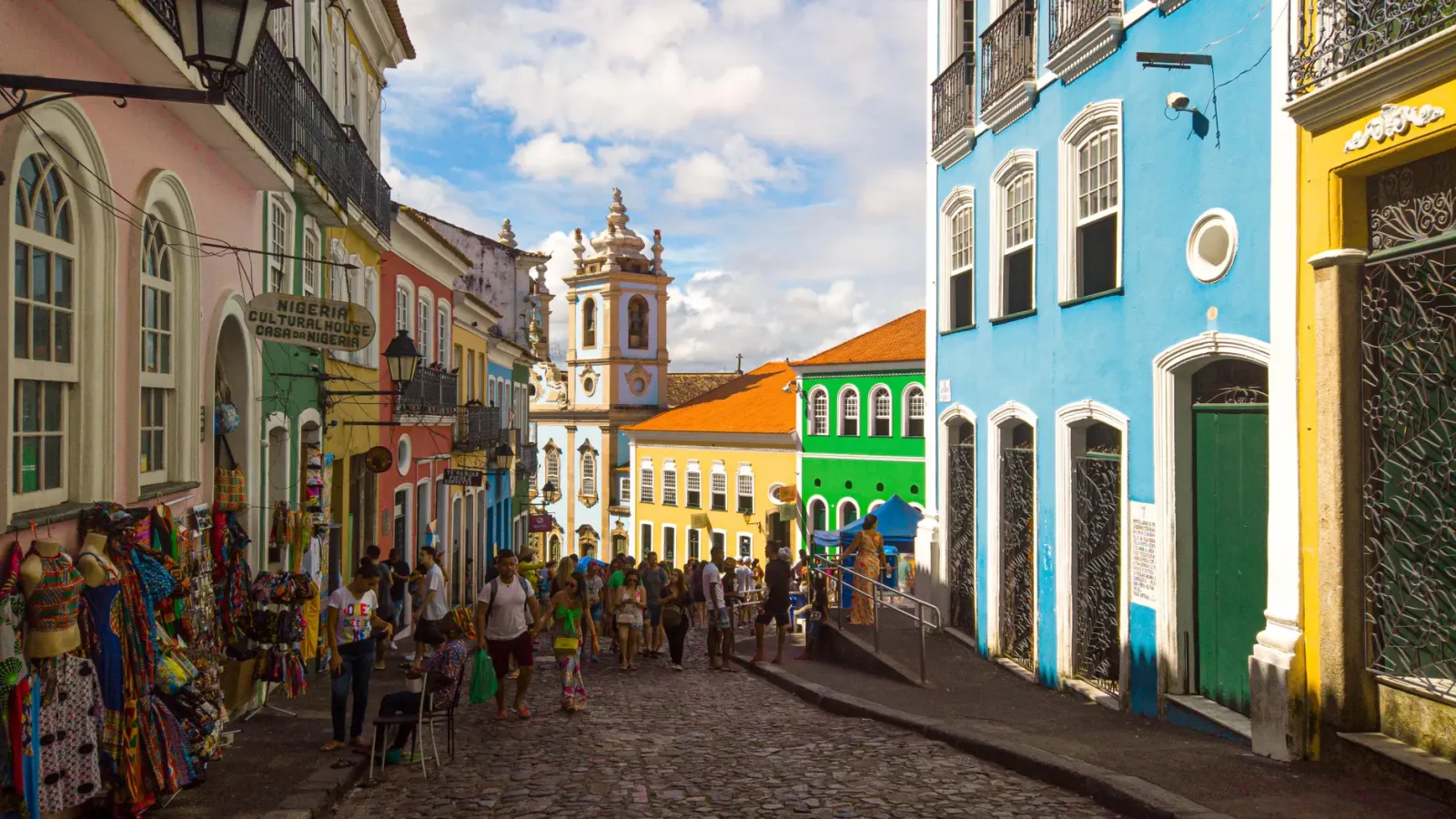
The Church and Convent of São Francisco usually draws a large part of the visit, because of its scale and interior decoration. The Church of Nossa Senhora do Rosário dos Pretos deserves attention for the role it plays in the Historic Center and for the movement it draws around it. Between one and the other, the walk works best when you accept making only small detours, looking calmly, and setting aside time to enter the places that catch your eye most.
Casa de Jorge Amado fits well into the same itinerary, and Casa do Rio Vermelho complements the reading of the city for those who want to connect the Historic Center with Salvador’s cultural life beyond the old core. Cruz Caída, in Praça da Sé, is one of those spots that works more as a route reference than as a long visit; it is worth stopping, observing, and moving on.
If the idea is to put together an itinerary for the Historic Center without scattering yourself, choose only a few stops and walk between them at ease. That is what makes Pelourinho worthwhile: less rushing, more time in the square, in the church, and on the street.
Lacerda Elevator, Mercado Modelo and the connection between Cidade Alta and Cidade Baixa
The Lacerda Elevator works as a quick passage between Cidade Alta and Cidade Baixa, with direct access to Comércio. For those putting together a walking itinerary, it solves a stretch that would be much more cumbersome by other routes and helps fit in a visit to Mercado Modelo without wasting time.
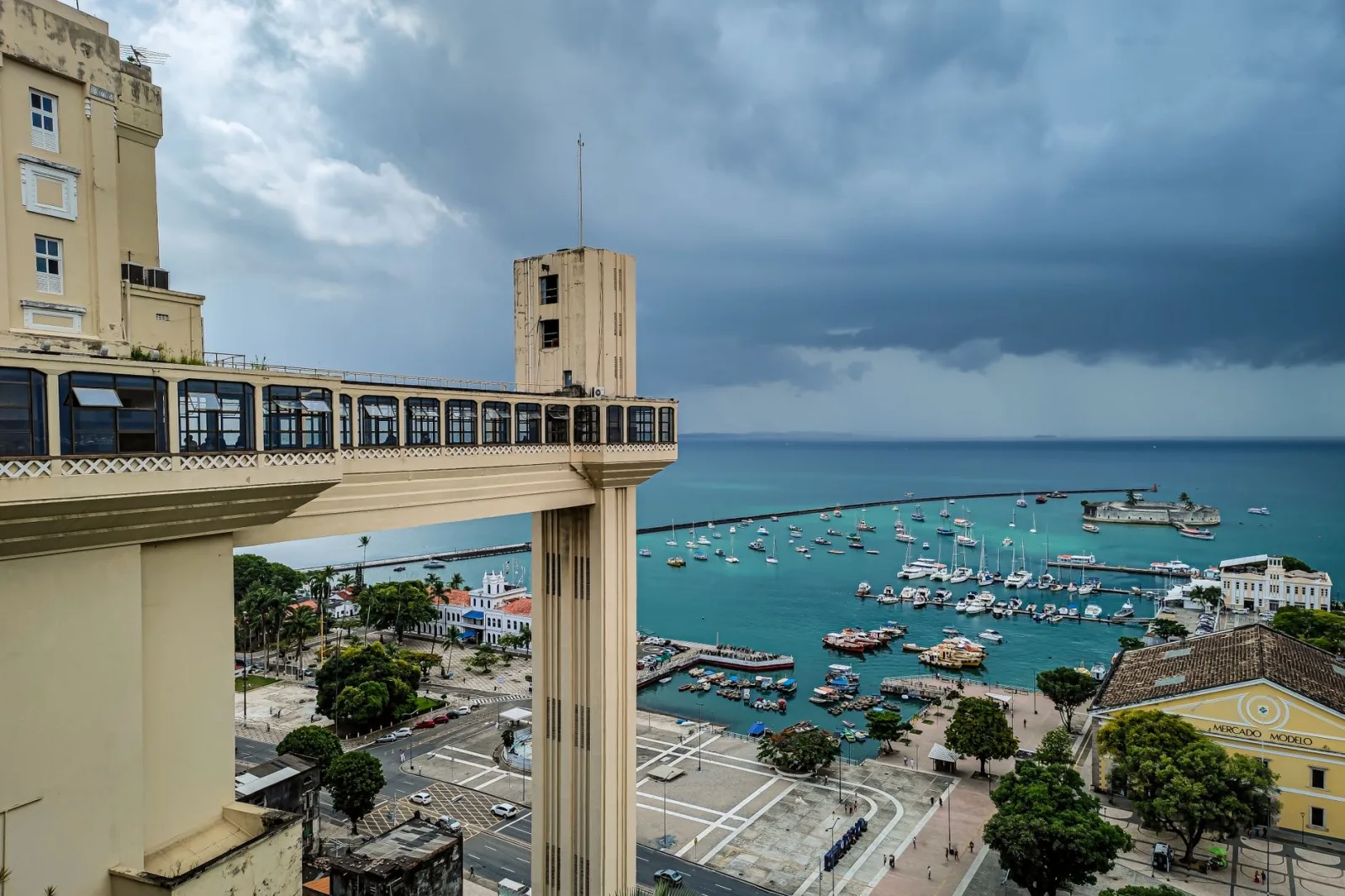
In practice, taking the elevator down usually makes more sense when you leave the Historic Center and want to continue to the lower part of the city. The flow is simple: you cross the axis between the two urban levels and arrive in the surroundings of Comércio, where the movement is more utilitarian and the pace changes quite a bit compared to the upper part.
Mercado Modelo fits into this same logic of a short, straightforward stop. It concentrates stalls selling regional products and works best when you are already in the area, rather than treating it as an isolated visit. If the idea is to buy something typical, it is worth taking a calm look at what is on display and comparing before making any purchase, because the experience there depends more on what is available at the moment than on a fixed list.
Around it, Comércio has the feel of a transit and work area, not a place for a long stroll. It is a useful stretch for combining getting around, shopping, and a brief break before heading to another point in the city. If you are organizing the day, fit this crossing in together with the Historic Center and avoid turning the visit into an unnecessary back-and-forth.
Beaches in Salvador to include in the itinerary
Porto da Barra and Farol da Barra make the easiest combination for anyone who wants an urban beach in Salvador. Both have good swimming areas and, at low tide, natural pools appear that change the experience quite a bit, especially for those who want to stay in the water longer and spend less time in wave zones. If the idea is to fit just one beach area into the itinerary, this is the simplest stretch to organize.
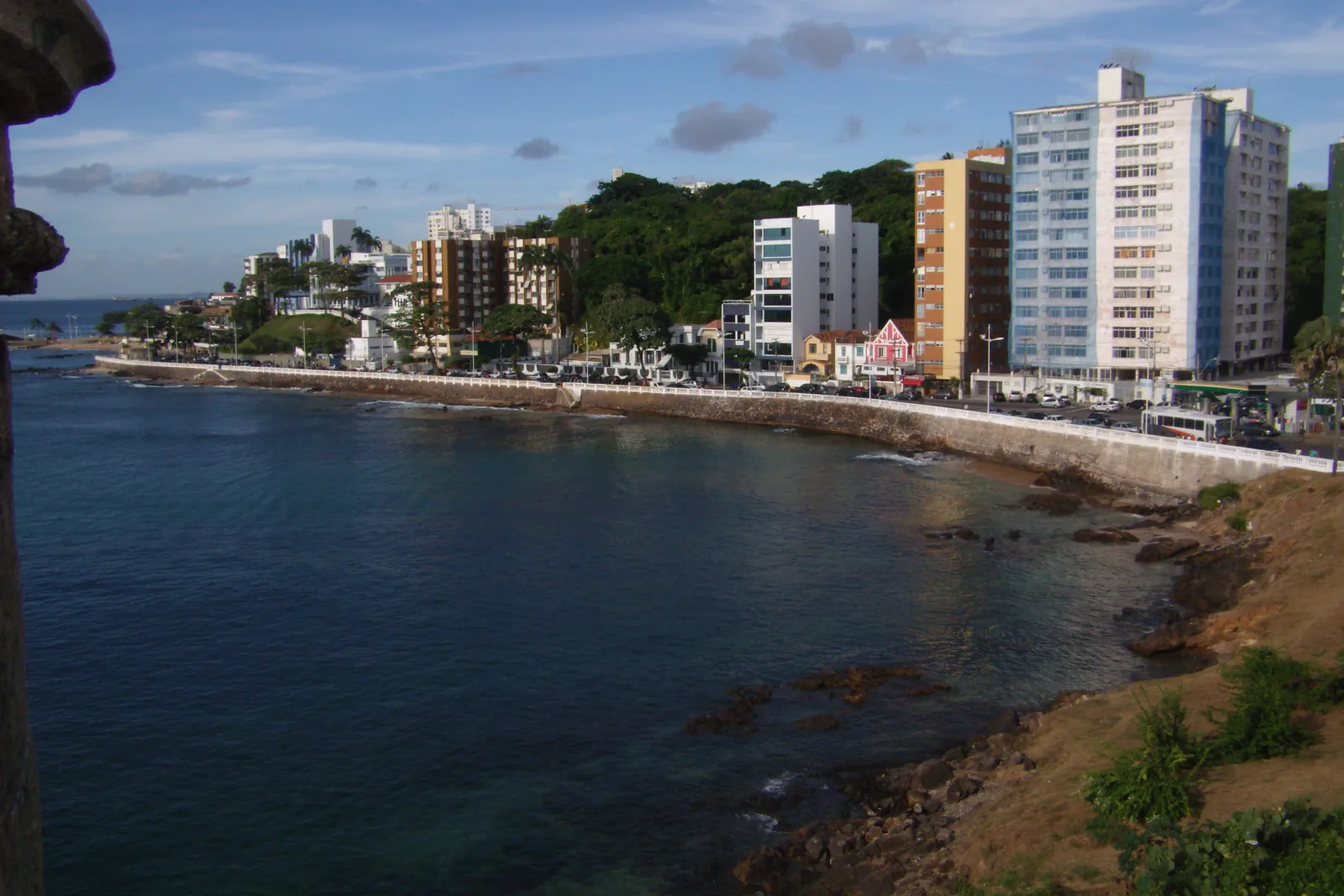
Ondina, Buracão, and Paciência suit a different pace. Ondina usually works well for those who want to stay close to the waterfront without necessarily looking for the busiest spot. Buracão and Paciência come into play when the priority is a calmer swim and less exposure to the flow of people that concentrates on the more famous beaches.
Farther north, Stella Maris and Flamengo require a longer trip, but they offer a wider beach area and a different coastal layout. They are good choices for setting aside a whole day for the sea, without the quick-stop logic that usually marks the central beaches. The decision here depends on what you want to do afterward: the longer and more spaced-out the beach, the more sense it makes to reserve these areas for almost an entire day.
Low tide deserves attention at Porto da Barra and Farol da Barra. If you can check the tide chart before leaving, you can choose the best time and enjoy these stretches more fully. In Salvador, that makes a real difference in the beach you will find.
Sunset in Salvador: the best spots
Ponta do Humaitá, the top of Elevador Lacerda, Farol da Barra, Morro do Cristo, Praia do Porto da Barra, Praia da Ribeira, Solar do Unhão and Santo Antônio Além do Carmo offer very different views of the late afternoon in Salvador. The choice depends less on “which is the most beautiful” and more on the kind of late afternoon you want: open views of the bay, sunset by the sea, or a setting with people moving around nearby.
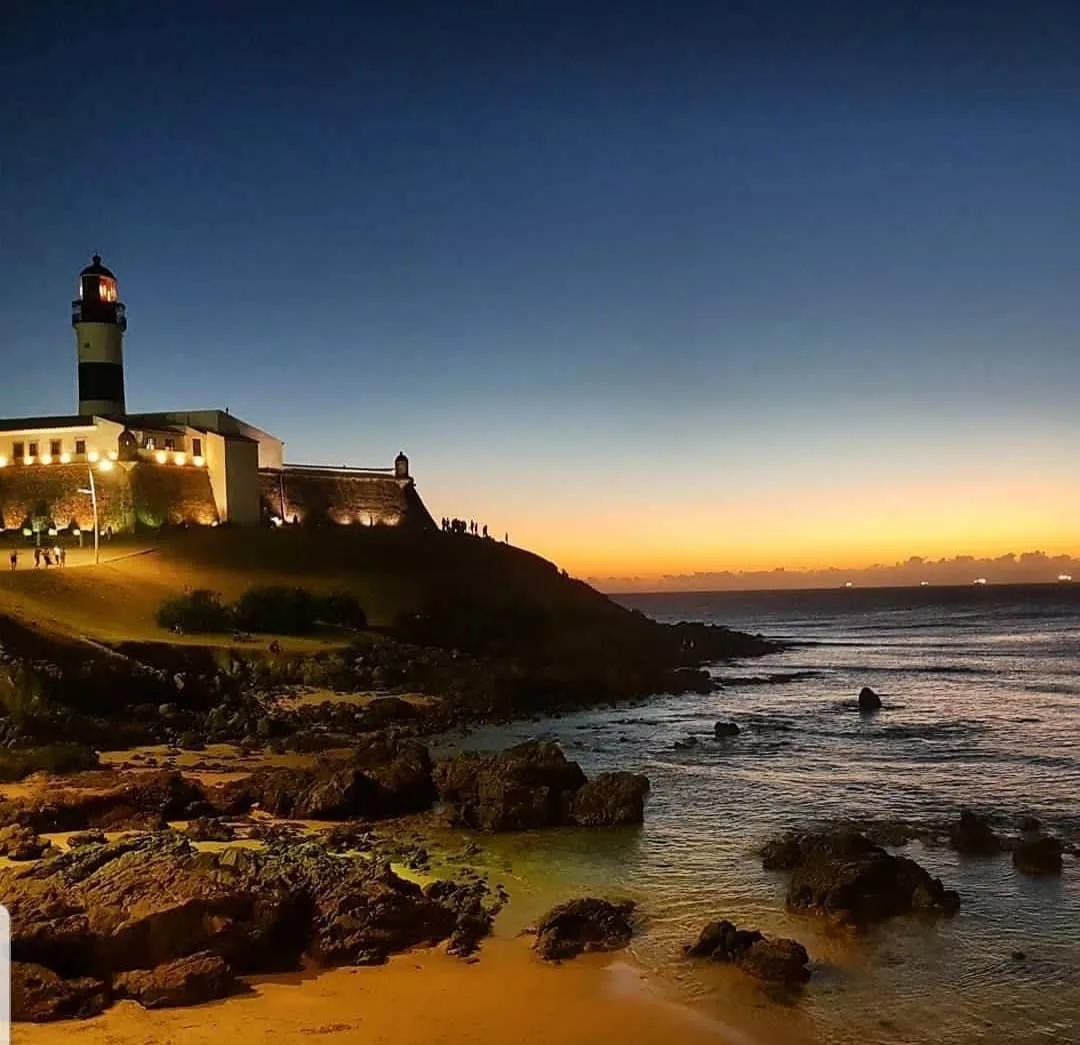
At Ponta do Humaitá, the horizon feels wide open and the light falls over the Baía de Todos os Santos. The top of Elevador Lacerda works well when you want a quick, central view, with the city on two levels around you. At Farol da Barra, the scene usually appeals to those who prefer to end the day near the waterfront, and Morro do Cristo adds a higher angle over Praia do Farol da Barra. If the idea is to stay closer to the sand, Praia do Porto da Barra delivers a sunset over the sea that calls for an unhurried arrival.
Praia da Ribeira combines the late afternoon with snacks and cold beer, so it makes sense for those who want to sit down and stretch out the stop. At Solar do Unhão, dusk comes with the bay ahead of you and works well for those who enjoy a quieter setting. Meanwhile, in Santo Antônio Além do Carmo, the night begins to take shape in bars and restaurants, and the sunset becomes part of the route before heading out into the street.
If you can only choose one or two spots, think about the rest of the day. Those who want to walk and take photos usually get more out of Farol da Barra and Porto da Barra. Those who prefer to sit and stay, find a better pace in Ribeira, Solar do Unhão and Santo Antônio Além do Carmo.
Day trips from Salvador
For a day out of the city, the choice usually starts with logistics. Ilha dos Frades and Ilha de Itaparica work well for those who want the sea in Baía de Todos os Santos without turning the outing into a long trip. Praia do Forte, Guarajuba, Itacimirim, Imbassaí, Praia de Santo Antônio and Costa do Sauípe, on the other hand, require more travel time, but allow you to build an entire day along the coast, with stops that can vary according to the group’s pace.
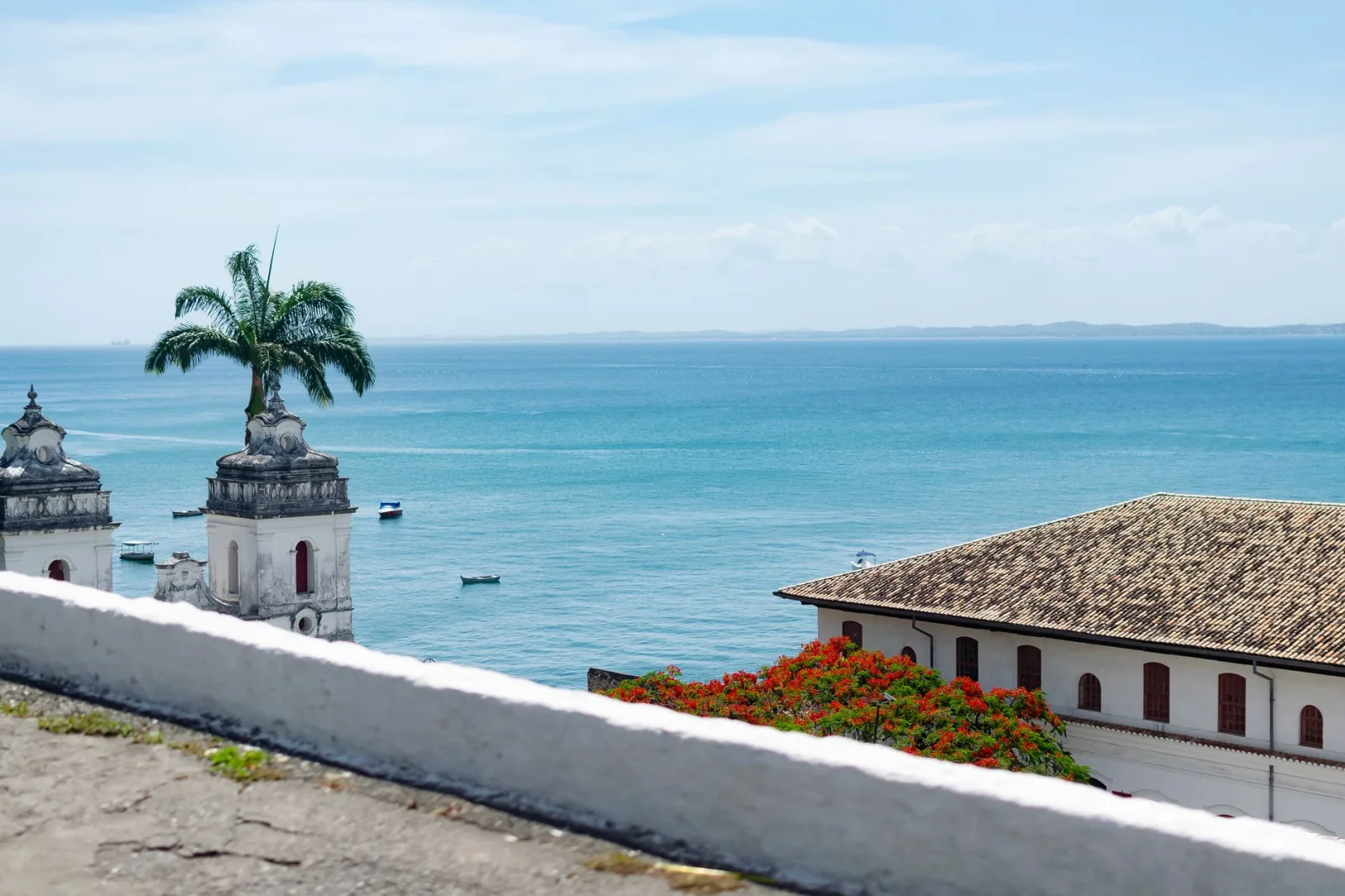
If the idea is to leave early and return the same day, Praia do Forte is usually the most complete option among the beaches of the Costa dos Coqueiros, because it concentrates more things to combine in the itinerary. Guarajuba and Itacimirim are a good fit when you want beach time and less activity. Imbassaí usually makes sense for those who prefer a longer stay, and Praia de Santo Antônio and Costa do Sauípe extend the range of the outing without requiring you to head back soon. What decides between them is simple: how many hours you want to dedicate just to the sea and how much you want to walk or stop along the way.
Morro de São Paulo calls for a different approach. You can stretch the trip there from Salvador, but a round trip tends to be too rushed. If you have already included the city and want to take the trip further, do it with enough time to stay overnight there. Otherwise, it is better to keep Morro as a separate extension and preserve the day for a route closer to the capital.
To choose without making a mistake, think in three groups: island in the bay, nearby coastline, and longer extension. Ilha dos Frades and Itaparica fit the first; Praia do Forte, Guarajuba, Itacimirim, Imbassaí, Praia de Santo Antônio and Costa do Sauípe the second; Morro de São Paulo the third. This division helps avoid mixing outings that call for very different paces.
Museums, churches, and places linked to Salvador’s culture
The Museu de Arte Moderna da Bahia operates in the Solar do Unhão, on the edge of the Baía de Todos os Santos, and it is worth it for the whole ensemble: the building, its relationship with the water, and the programming that tends to change. If you have little time, choose this one and leave the rest of the circuit for another part of the itinerary.
The Cidade da Música da Bahia and the Casa do Carnaval da Bahia help you understand two central layers of the city: musical production and the celebration that projects it to the world. These are visits that make more sense for those who want context, not just photos. The Casa do Carnaval also works well when you want to understand how the celebration is organized and remembered beyond the street.
In the area of history and art museums, the sequence can include the Museu da Misericórdia, the Museu de Arte da Bahia, the Palacete das Artes, and the Museu Carlos Costa Pinto. The Museu Náutico da Bahia and the Museu do Mar Aleixo Belov are a good fit for those who want to connect Salvador with its relationship to the sea, navigation, and life in the bay. The Casa do Benin and the Muncab are important stops for reading the city through the African roots that shape its culture.
Among the churches, the Basílica do Bonfim calls for its own visit, without hurry, just like the Catedral Basílica. In the Centro Histórico, the Igreja do Rosário dos Pretos, the Igreja e Convento de São Francisco, and the Igreja do Santíssimo Sacramento da Rua do Passo help form an itinerary that mixes sacred art, urban history, and the living use of the temples. If you want to organize the day, combine churches close to one another and alternate them with museums in the same area, rather than crossing the city several times.
Where to eat and how to enjoy the night in Salvador
To eat well in Salvador, it’s worth combining places with different profiles. Casa de Tereza and Dona Mariquita work well when the idea is to sit down for a more complete meal of Bahian cuisine. Mistura Contorno, Poró and Amado come into play when you want a more elaborate table and are not tied to the traditional restaurant format. For a snack or a quick stop, Boteco do França stands out as a well-known option in the city.
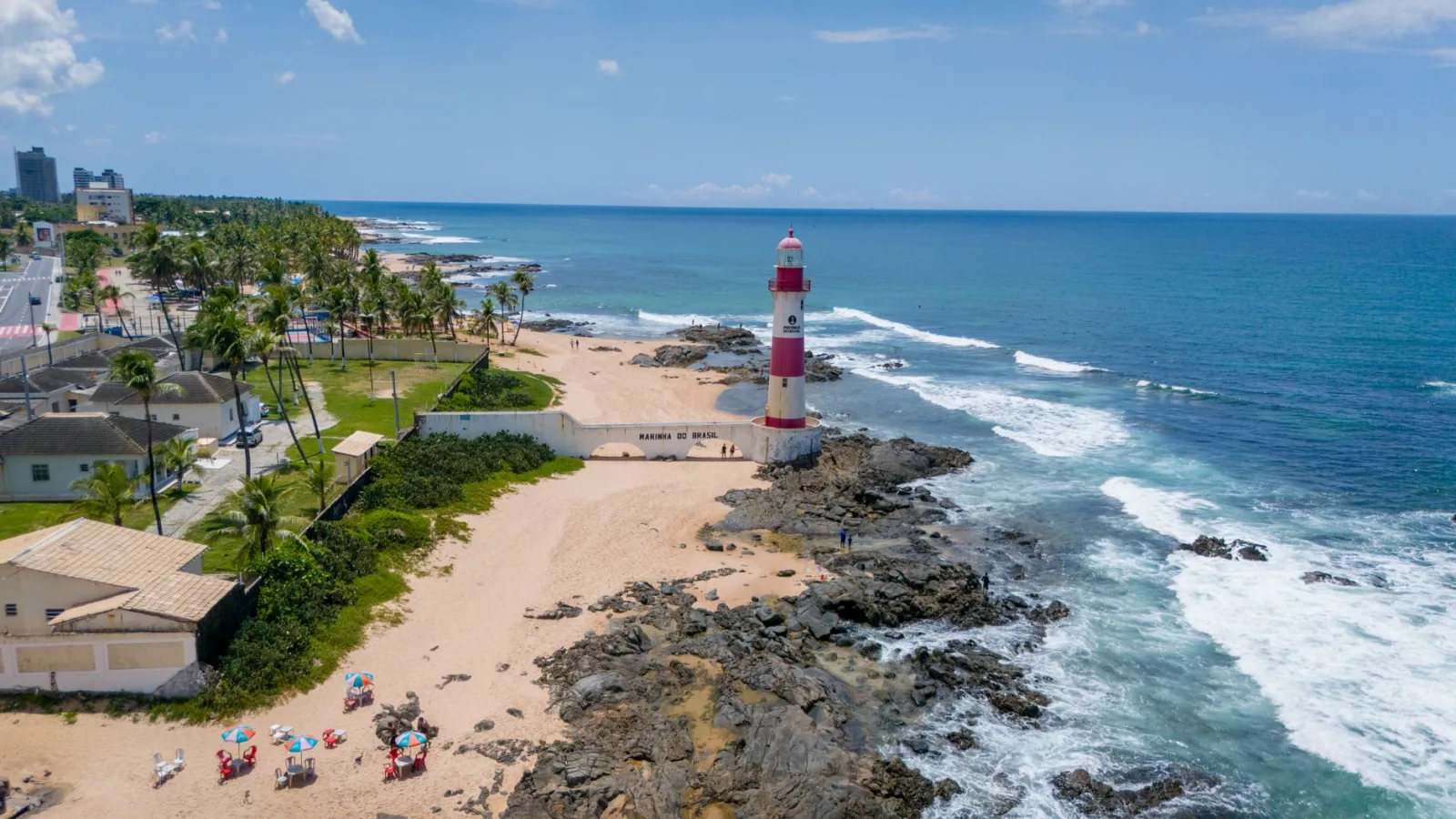
If the trip calls for something very local, the acarajés from Cira, Regina and Dinha fit into the itinerary with no fuss. They help solve a light meal at more flexible times, and the choice usually depends more on where you happen to be than on any major difference between them. In Salvador, it makes sense to look for acarajé on the way to the beach, the seafront or the neighborhood where you end the day.
For shopping, Mercado Modelo is the most practical address for handicrafts and regional products. If the idea is to see a less touristy side of popular commerce, Feira de São Joaquim deserves attention. In both cases, it’s worth comparing before buying and looking at what is actually on display at the moment, because the offering changes and that matters more than any fixed list.
At night, Rio Vermelho concentrates the widest variety of bars and restaurants, with an easier exit for those who want to have dinner and keep the night going without changing neighborhoods. Santo Antônio Além do Carmo has a more alternative vibe and usually works better for those who want to start early and stretch out the conversation in bars and restaurants. If you prefer going out without relying on a rigid plan, choosing one of these two neighborhoods and staying there already takes care of much of the night.
Frequently asked questions
How many days are enough to get to know Salvador?
In two or three days, you can see the essentials, such as the Historic Center, an urban beach, and a sunset by the waterfront. With a week, the itinerary becomes more balanced and allows you to include museums, beaches, and outings outside the central area.
Where is the best place to stay in Salvador?
The most practical stretch is between Pelourinho and Rio Vermelho, with options such as Barra, Ondina, Corredor da Vitória, Campo Grande, and Avenida Oceânica. The choice depends on the focus of the trip: Historic Center, beach, waterfront, or nightlife.
Which beaches are most worth visiting in Salvador?
Porto da Barra and Farol da Barra are the easiest options for an urban beach. Ondina, Buracão, and Paciência work well for a calmer swim, while Stella Maris and Flamengo require more time in the itinerary.
Where to watch the sunset in Salvador?
The most used spots include Ponta do Humaitá, Farol da Barra, Porto da Barra, Morro do Cristo, Ribeira, Solar do Unhão, Santo Antônio Além do Carmo, and the top of Elevador Lacerda. The best choice depends on whether you want an open view, the sea, or a place to sit and stay.
Is it worth doing day trips from Salvador?
Yes, but it is better to choose outings according to the time available. Ilha dos Frades, Itaparica, and Praia do Forte fit better into day trips; Morro de São Paulo requires more time and works better with an overnight stay.