Grenoble: what to do, when to go, how to get there, and where to stay
Learn what to do in Grenoble, when to go and how to get there, as well as choosing the best area to stay and putting together your itinerary.
Where Grenoble is and why it belongs in a route through the French Alps
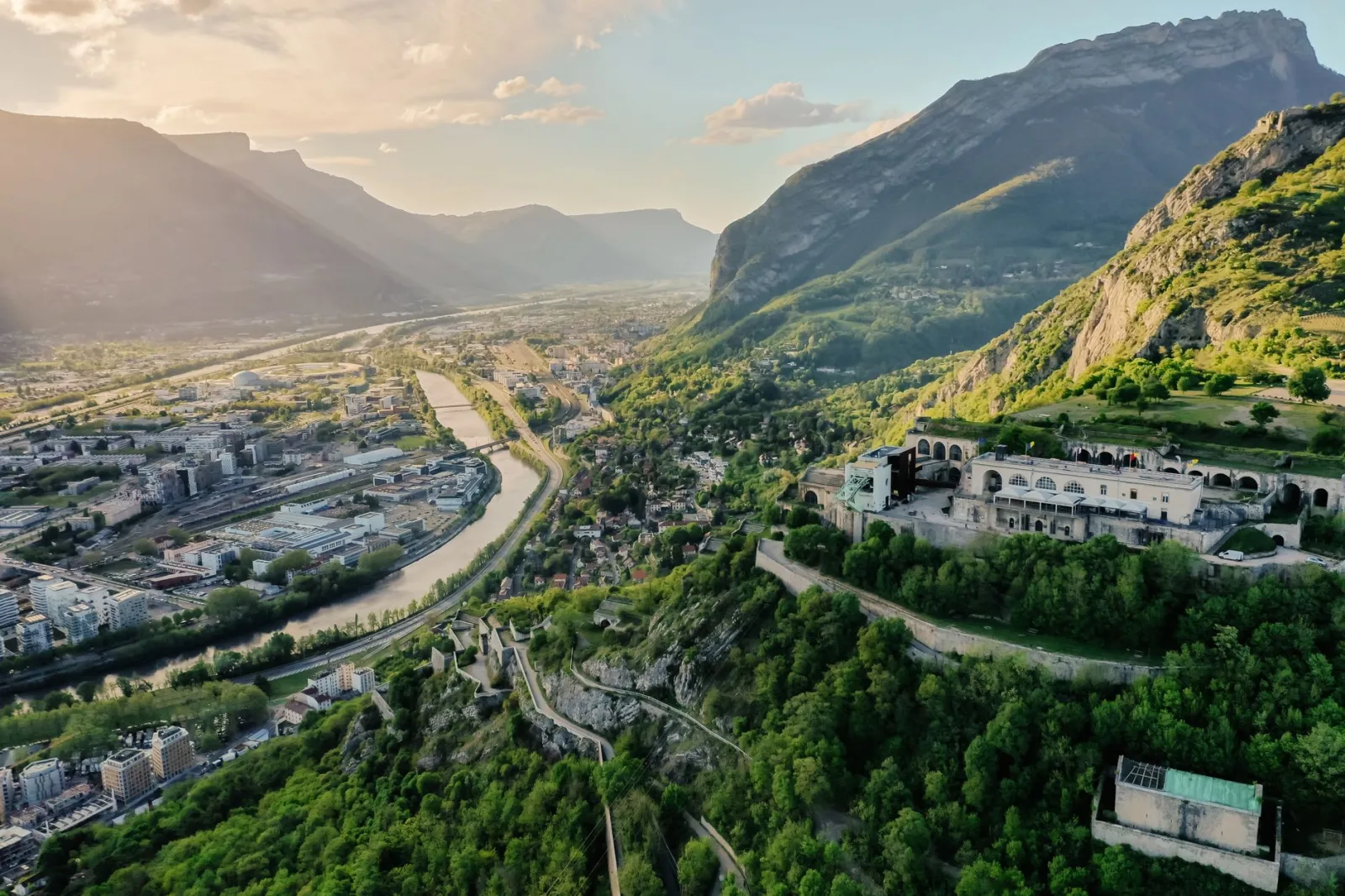
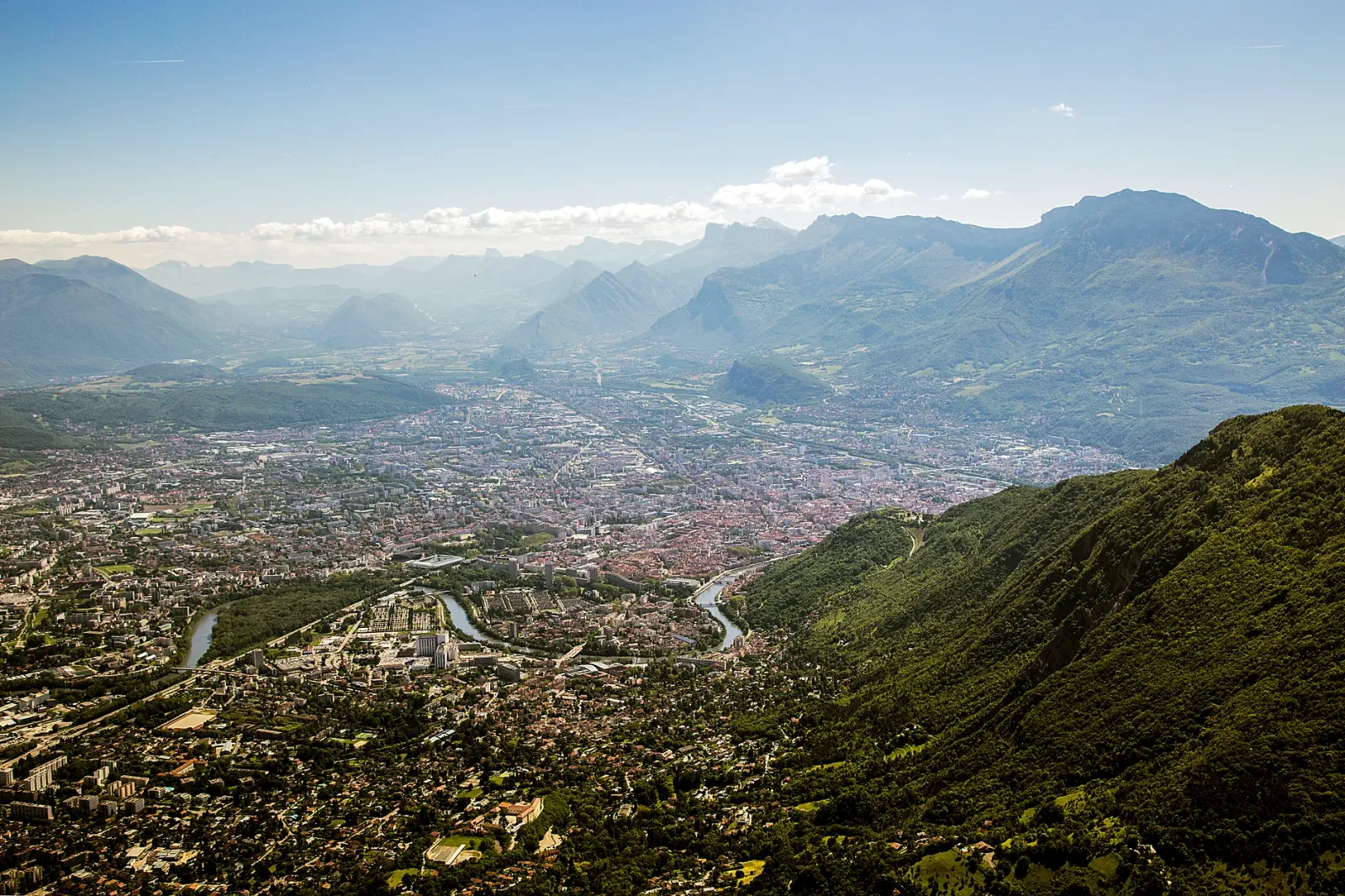
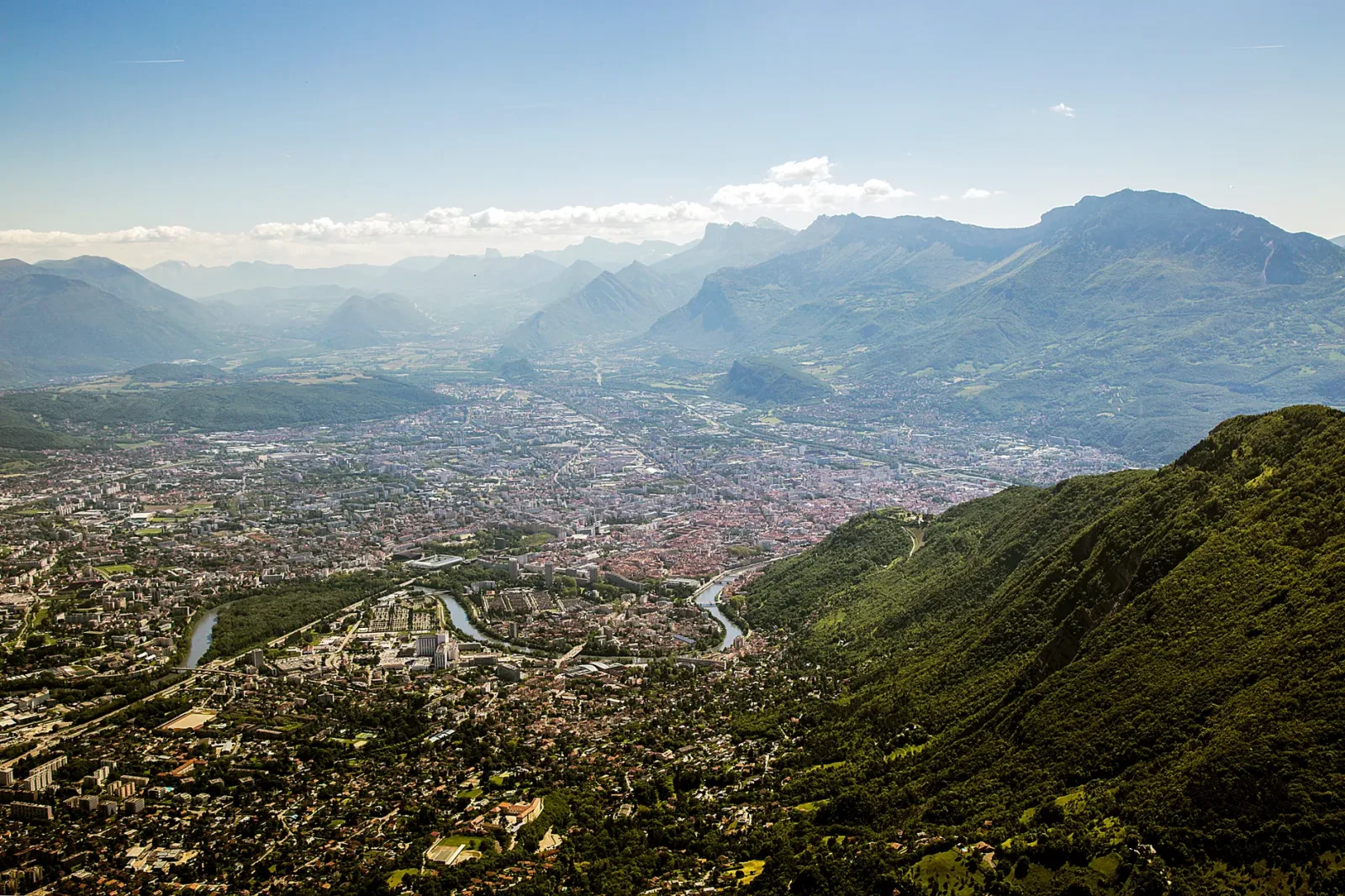
Grenoble is in southeastern France, between the Vercors, Chartreuse, and Belledonne ranges, on the banks of the Drac and Isère rivers. This location explains much of what the city offers: quick access to the mountains, an organized urban base, and a daily life marked by a direct relationship with the surrounding landscape.
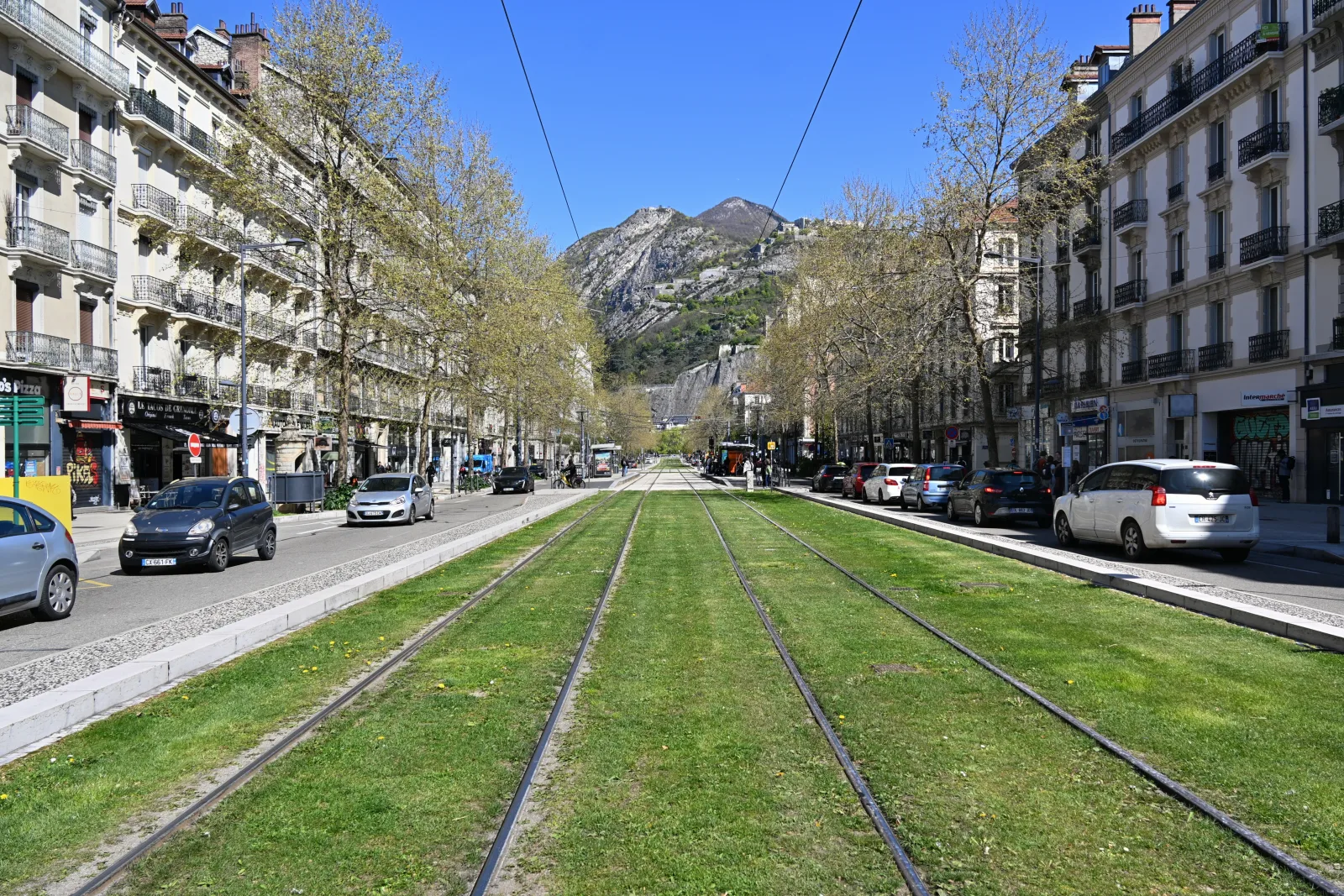
The city has more than 2,000 years of history and is regarded as the capital of the French Alps. Also important in the choice of those who travel there is its university and scientific vocation, reinforced by four universities and research centers. This profile helps explain why Grenoble combines student life, intellectual output, and an agenda tied to innovation.
Another important landmark is its connection with the 1968 Winter Olympics, which left the city associated with snow sports and mountain itineraries. Grenoble usually works best for those who want to combine city life, culture, and outdoor activities without having to choose only one of these sides. In winter, the logic is snow and nearby resorts; at other times, trails, parks, and urban walks come into play.
Location also matters: Grenoble is close to the borders with Italy and Switzerland, which makes it easy to include in broader itineraries through the Alps. It is a base that makes sense for couples, families, and solo travelers who like to alternate between urban center, Alpine scenery, and cultural visits in the same itinerary.
When to travel to Grenoble according to the type of trip
Between June and August, Grenoble usually works best for those who want milder weather to get around the city and combine breaks in parks, walks, and urban travel without the harshness of the cold. During this period, temperatures range between 14ºC and 29ºC, so it is worth thinking about light clothing for the day and an extra layer for the night.
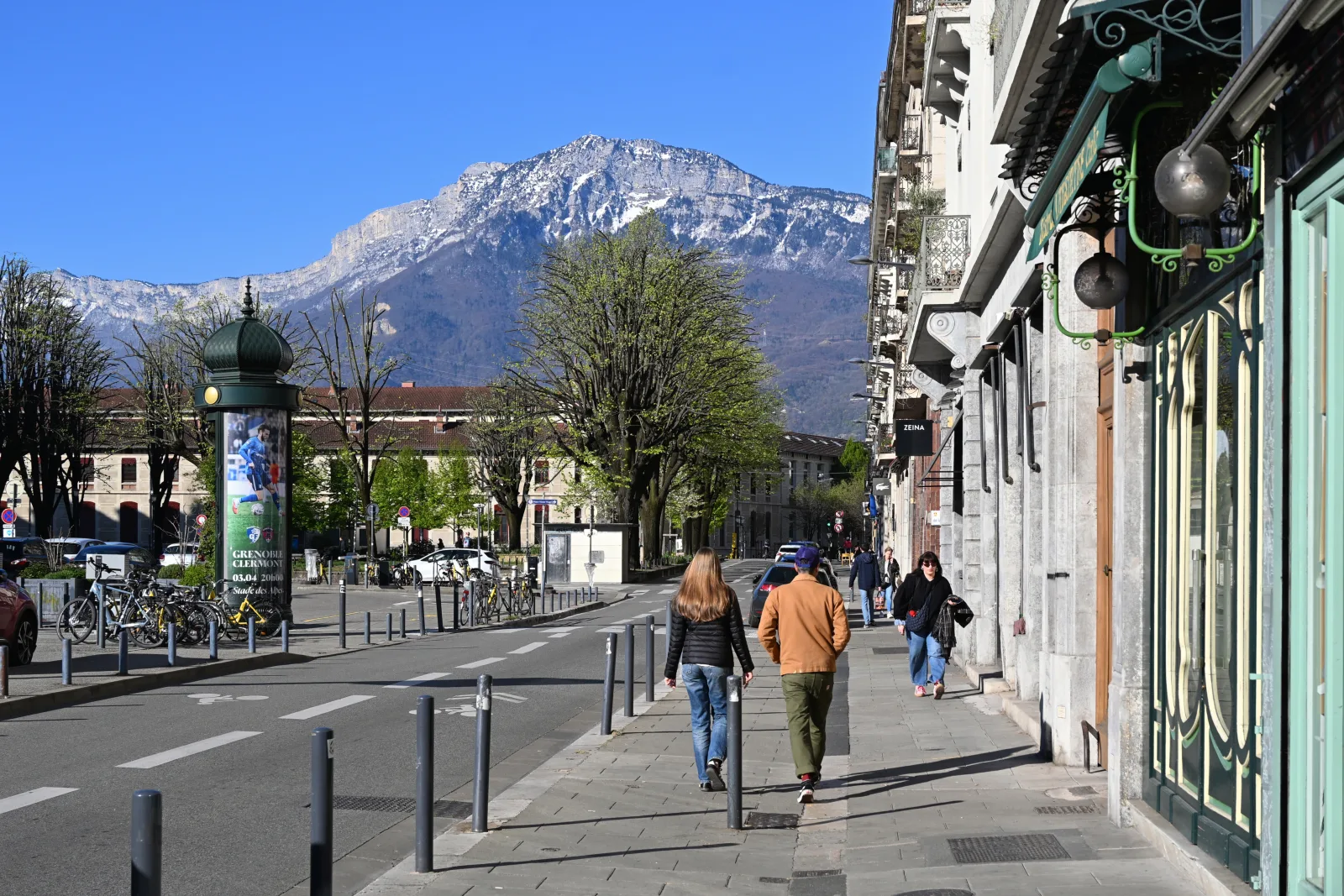
From November to March, the city enters winter mode, with temperatures between -2ºC and 20ºC. It is the most interesting period for those who want snow and easy access to the mountains. February is the most popular month for skiing, precisely because it usually concentrates more people looking for abundant snow.
Grenoble has about 200 days of sunshine per year, and that changes how the trip feels: even outside the peak of summer, there is still a good chance of clear weather. In winter, the landscape and daily routine lean toward snow; in summer, the city becomes more favorable for trails, parks, and moving between urban areas without relying so much on cold-weather gear.
If the idea is to prioritize outdoor activities without a focus on snow, summer tends to work better. If the goal is the snow-covered mountains and ski season, the period between November and March makes more sense, with February at the center of demand.
Editorial transparency: Some links on this page are affiliate links. We may earn a commission at no extra cost to you. This does not influence our recommendations.
How to get to Grenoble by plane, train, and car
To get to Grenoble by plane, the most practical route usually goes through three airports: Grenoble Alpes Isère, Lyon-Saint Exupéry, and Geneva. The first is the one most closely connected to the city; the other two are a good choice for those combining Grenoble with other stops in southeastern France or Switzerland. If your flight does not land in Grenoble, it is worth checking which of these three fits best into your overland itinerary after landing.
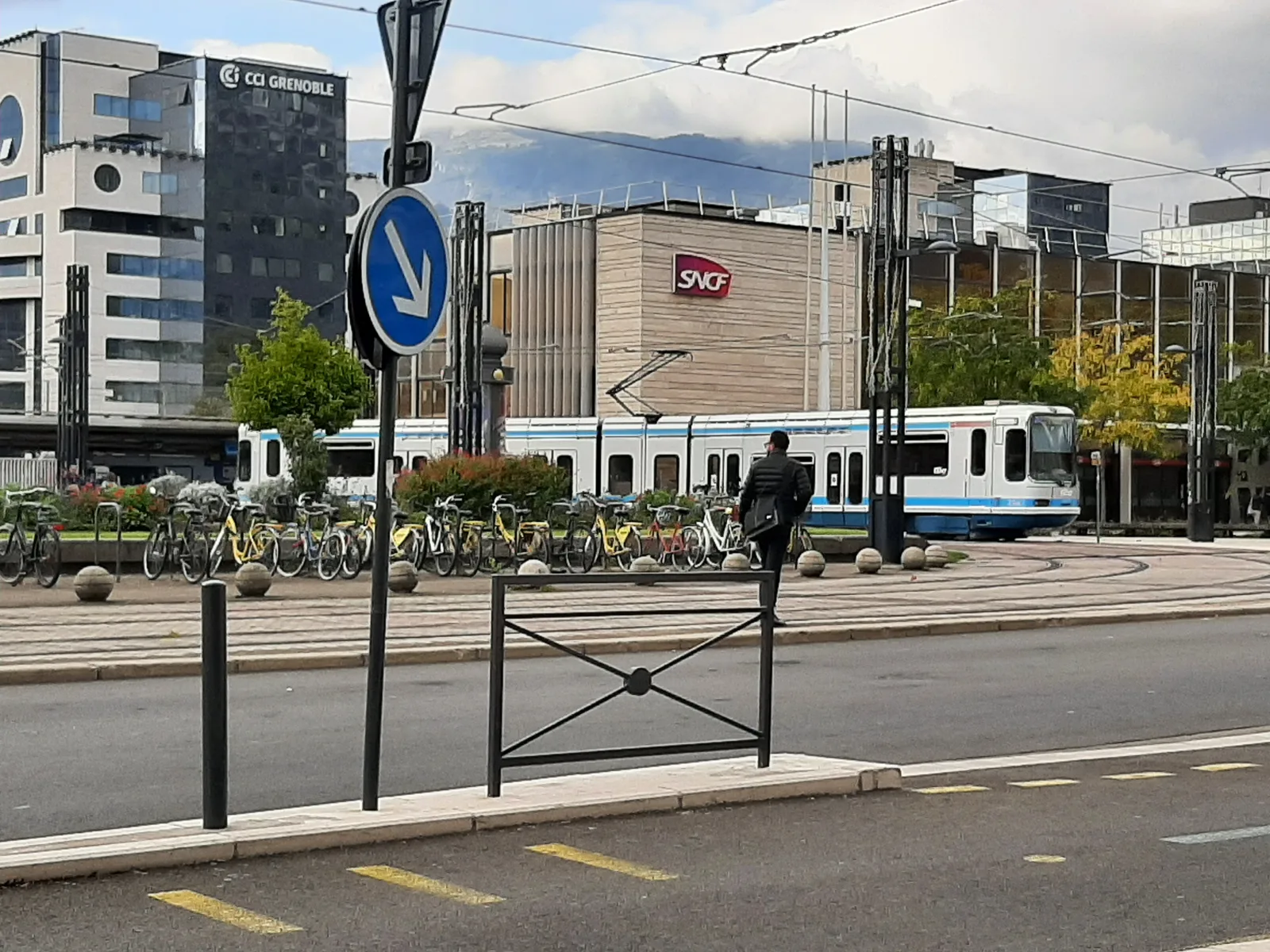
By train, Grenoble works well from Paris, Lyon, and Geneva. It is a simple option because the station is in the city center, which already cuts out an important step on arrival. The journey from Paris usually takes between 3 and 4 hours, depending on the train chosen. From Lyon, it takes about 1 hour. From Geneva, the trip is also short and usually direct enough to work even for a day trip, if that is your plan.
Those traveling by car will find access via the routes connecting Grenoble to Lyon, Paris, Valence, Marseille, Aix-en-Provence, and Geneva. It is an easy destination to include in road trips through the Alps and southeastern France, especially when the idea is to combine city and mountain in the same itinerary. Before setting off, check road and parking conditions, as these vary quite a bit depending on the season.
If your priority is to arrive with the fewest transport changes possible, the train is usually the best way to reach the city. If you are putting together a broader itinerary through the region, the nearby airports and road connections make Grenoble very well linked to the surrounding area.
Where to stay in Grenoble according to your travel style
The historic center makes sense for those who want to leave their accommodation and immediately find themselves among shopping streets, cafés, shops, and pedestrian traffic. The area concentrates the city’s most practical pace, with easy access to Place Grenette, Place Victor Hugo, Rue de Bonne, and the surroundings of Halles Sainte-Claire. For a first stay, it is the most straightforward base: you can handle much of the day without relying on long trips.
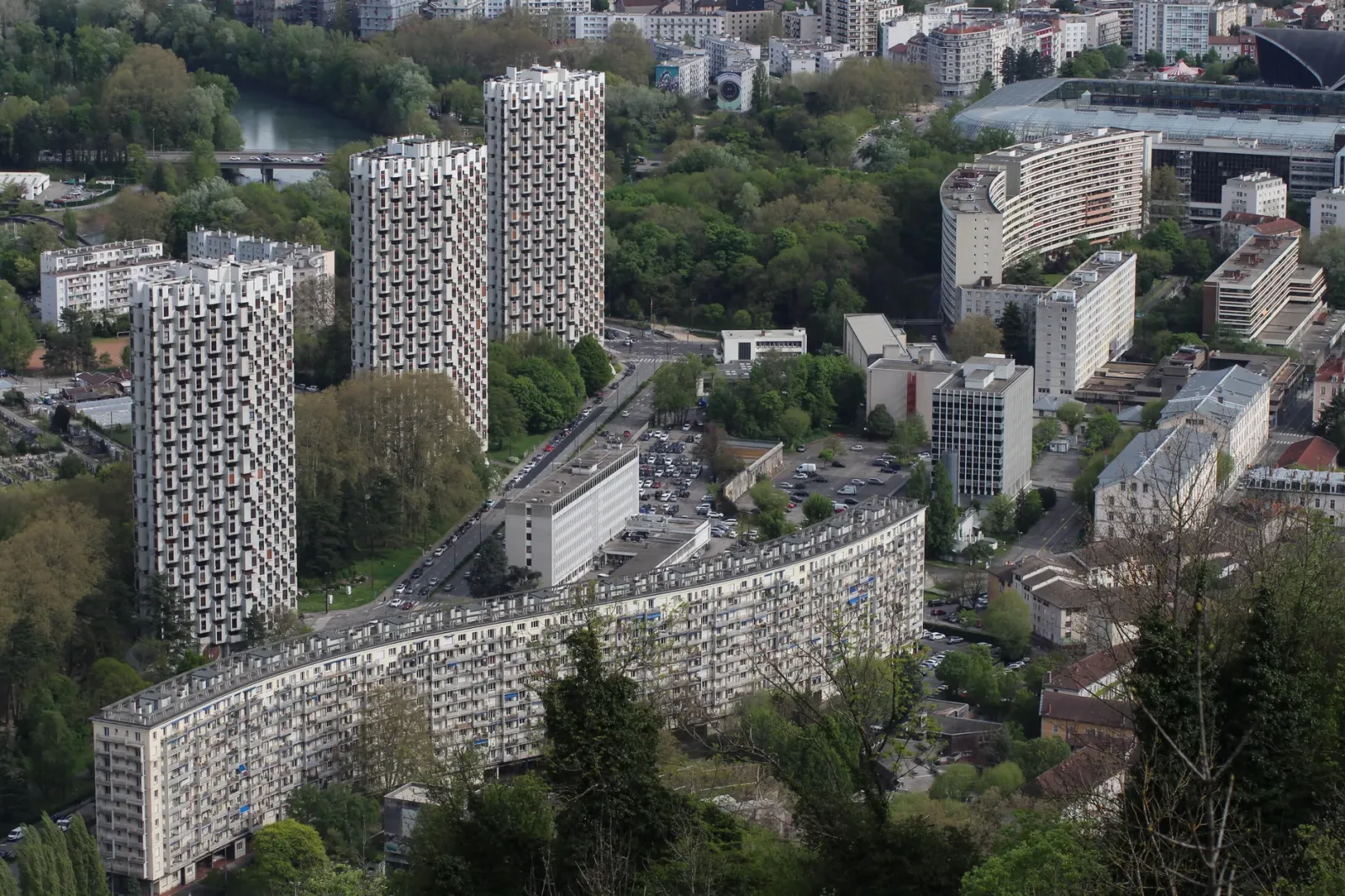
Saint-Laurent works better for those who prefer a quieter atmosphere but still want to stay close to the heart of the city. It is an area well connected to the main spots and usually appeals to those who like to wake up with less movement on the street and walk to the center when needed. If the idea is to use Grenoble as a base for urban sightseeing without staying in the busiest shopping corridor, this neighborhood is a good choice.
Bonne, in turn, is the most practical choice for those who value green areas and a stay with easy access to local-use spaces. The eco-district is well connected to the center and also close to shopping streets, so it helps those who want to balance short trips, markets, walking, and breaks away from the busiest flow. In general, it is a comfortable base for families and for those who do not want to depend only on the central area.
If the priority is going out at night and doing everything on foot, the historic center has the edge. If you want less noise and still be close to the center, Saint-Laurent works well. If you prefer a newer surrounding area, with open spaces nearby and good connections to the rest of the city, Bonne usually fits better.
What to do in the historic center and the central squares
A walk through central Grenoble works best when you accept losing a few minutes in the narrow streets of the old town. That is where, along the same route, you’ll find the Notre-Dame Cathedral, Place aux Herbes, Place Victor Hugo, Rue de Bonne, Église Saint Louis, Halles Sainte-Claire, Galeries Lafayette and Place Grenette. The appeal is not in rushing after separate sights, but in combining everything into a short stroll, with stops to look at shop windows, go into a store and watch the movement around the squares.
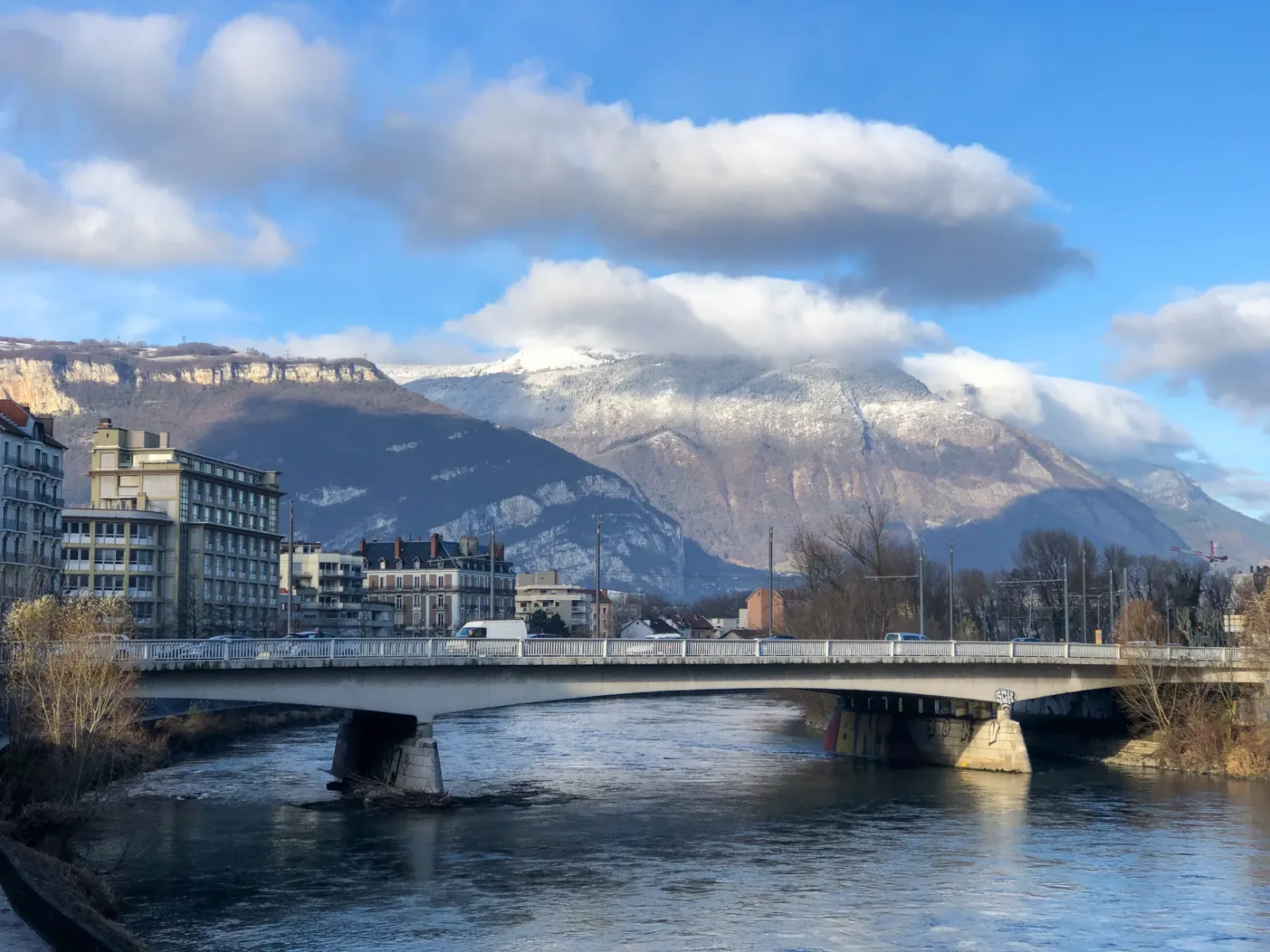
The Notre-Dame Cathedral clearly marks the axis of the historic center, and the squares help organize the visit at an unhurried pace. Place aux Herbes and Place Grenette work as passage and meeting areas, while Place Victor Hugo usually concentrates the more commercial rhythm of the central core. Rue de Bonne is a good choice for those who want to walk among shops and cafés, and Halles Sainte-Claire set the tone for everyday shopping, with a focus on food and market products.
If the trip falls in December, the Marché de Noël becomes a seasonal reference and changes the atmosphere of the squares, especially in the central area. Outside that, the interest remains the same: walk, go in and out of short streets, look at the city without a rigid itinerary, and use the center as a place of passage between one light purchase and another. It is a part of Grenoble that calls for a short amount of time, but attention to the details of the route.
Museums and historical memory to include in the itinerary
The Musée de Grenoble is the right stop for anyone who wants to fit art into the itinerary without wasting time on a scattered collection. Its strong point is modern and contemporary art, with works by Warhol, Picasso, Kandinsky, and Matisse, as well as pieces linked to ancient civilizations. It is a museum that fits well into a trip in which you want to see substance, not just pass through the building.
The Musée de la Résistance et de la Déportation de l’Isère takes the trip into a different register. Grenoble played a central role in the French Resistance during World War II, and the museum organizes this memory through objects, photographs, and documents from the period. For those who enjoy 20th-century history, it adds context to the city without requiring a long itinerary.
Grenoble also makes sense for those who value museums in the broad sense of the term: the city has a university and scientific tradition, which helps explain why the cultural offering is more robust than many people expect from an Alpine base. If the idea is to choose only one of the two, think about the kind of visit you want that day: art for a freer, more visual route, resistance for a more direct historical reading.
Parks, gardens and open areas to rest between outings
The Jardin de Ville works well for a short break between one commitment and another. It is a place for a light walk, a bench to sit on, and a simple stretch of ground to slow down without leaving the central area. When the idea is to stop for a few minutes, read, watch the activity, or take a quick break in the middle of the day, it does the job without requiring planning.
The Jardin Hoche works better for those who want to combine greenery with a practical everyday-use area. It is close to La Caserne de Bonne, so it serves as a break before or after shopping, with space to walk a little and rest away from the city’s busiest flow. It is not a park for a long outing; it is more useful as a breathing point in the middle of the route.
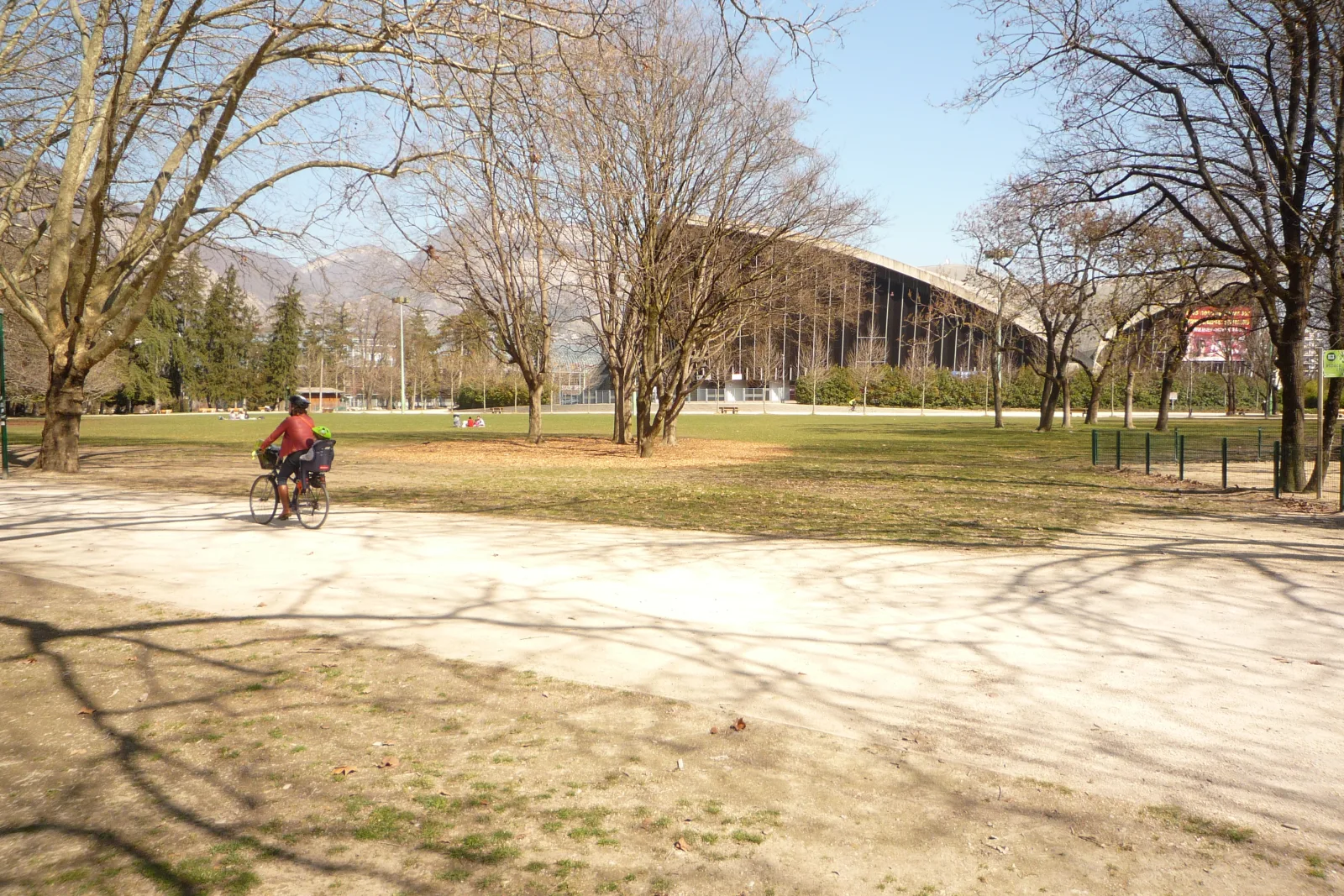
The Parque Paul Mistral is Grenoble’s main urban park and has a much broader use. The area works for walking, resting, picnicking, and sports, as well as giving children more space than the smaller gardens in the center. If the idea is to spend more time outdoors without leaving the city, it is the most complete place among the central green spaces.
The Champs-Élysées Park, mentioned by its English name, fits the same logic of an open area for local use. It is the kind of place that makes sense for an unhurried walk, a short stop, and letting children burn off energy, without turning the stop into a formal visit. To choose between it and the others, the difference lies in the time available: gardens for short breaks, Paul Mistral for a longer stay.
Cable car, Bastille and city views from above
Les Bulles is the oldest urban cable car in Europe and has linked the center of Grenoble to the top of the Bastille since 1934. The route crosses the Isère River and climbs to about 500 meters in height, with the city gradually unfolding below the cabins. The boarding point is at 3 Quai Stéphane Jay, a useful address for anyone who wants to organize the visit without detours.
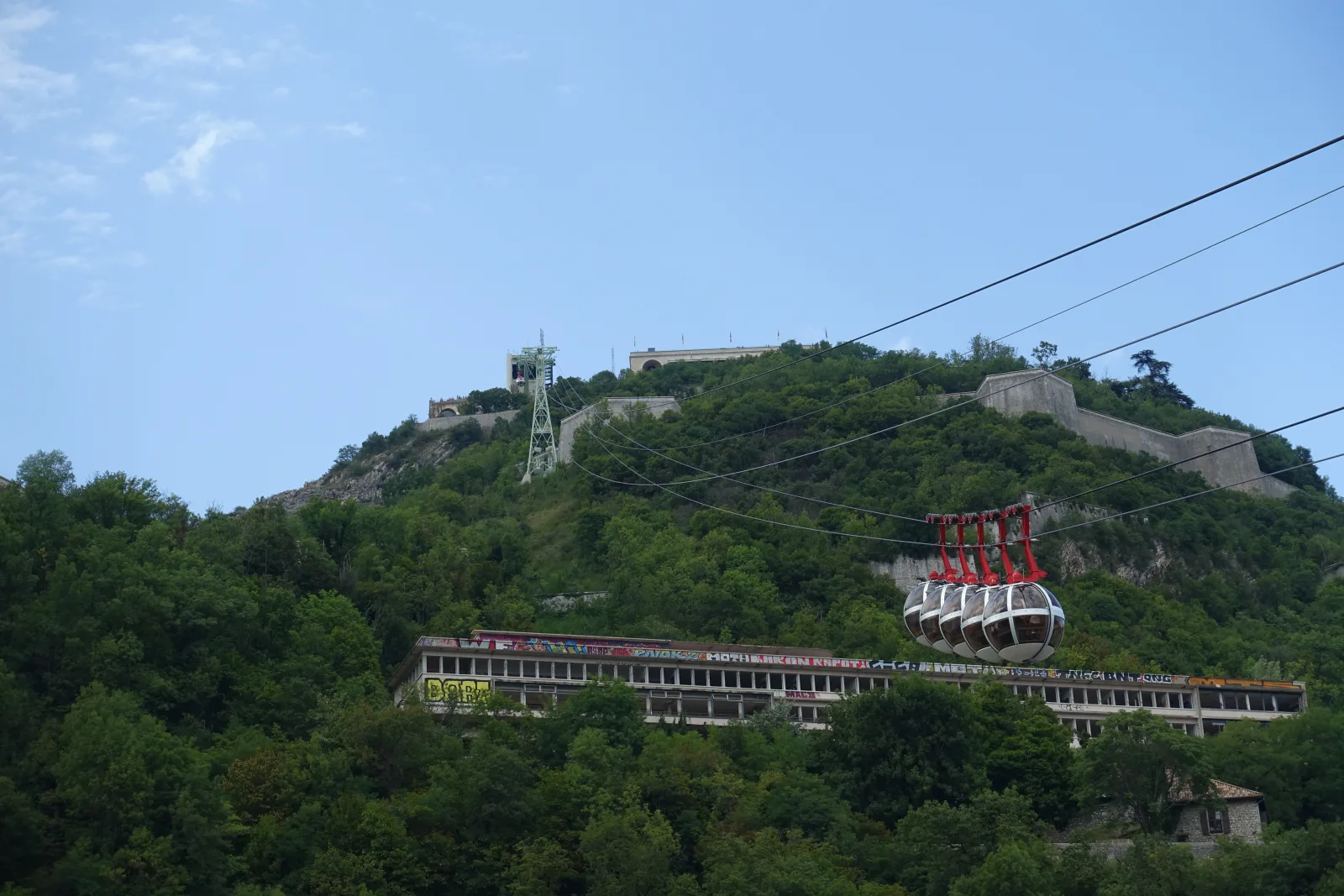
Those who prefer to walk up can also take the trail. This alternative makes sense if you want to reach the top more leisurely and without depending on the cable car for the ascent or descent. At the top, the main attraction is the view over Grenoble and the meeting point between city and mountain, but the site also includes a military museum and restaurants.
The Bastille is an old 18th-century military complex, built on the hillside above the city. Going up by cable car is usually the most direct way; walking back down the trail works well for those who want to extend the visit without repeating the same route. If you go on a clear day, the landscape is much easier to take in, and that matters more than anything else at this stop.
Where to eat in Grenoble and what kind of cuisine to expect
Grenoble has a more varied dining scene than many people expect for an Alpine city. In the center and in the areas that are easiest to get around on foot, you’ll find burgers, sushi, bouillon, and Thai cuisine with a fusion touch. If you want to decide quickly, the logic is simple: for a straightforward meal, burgers; for something light and precise, sushi; for a French-style dish without too much formality, bouillon; for those who want something less obvious, the Thai/fusion combination.
There are also very distinctive dishes in the local repertoire, such as cheese ravioli, onion soup with Comté cheese, and versions of comfort food that blend comfort and mountain tradition. In December, the Christmas market adds another layer to the food itinerary, with raclette and charcuterie sandwiches, along with other fair foods that are more about the combination than about sophistication.
There is also the French-style taco, which does not follow the classic Mexican logic and usually comes in a heavier version, almost like a full meal snack. For those who prefer something more everyday, Grenoble also works well for eating without ceremony: market food, baked dishes, broth, stuffed pasta, and Asian cuisine all appear in the same circuit, without requiring a long itinerary just for the food.
Frequently asked questions
What is the best time to visit Grenoble?
June to August is best for walking around the city and doing outdoor activities. From November to March, Grenoble makes more sense for those who want snow and access to the mountains.
How can you get to Grenoble most conveniently?
Train is usually the most convenient option, because the station is in the city center. You can also arrive via nearby airports, such as Grenoble Alpes Isère, Lyon-Saint Exupéry and Geneva.
Where should you stay in Grenoble to do everything on foot?
The historic center is the best base for those who want to get around on foot among squares, shops, cafés and historic sites. It is the most practical area for a first stay.
What is worth doing in Grenoble city center?
It is worth walking through the old town and combining spots such as Notre-Dame Cathedral, Place aux Herbes, Place Victor Hugo, Halles Sainte-Claire and Rue de Bonne in the same stroll.
Does the Les Bulles cable car take you to the Bastille?
Yes. Les Bulles connects central Grenoble to the Bastille and is a direct way to go up and see the city from above.