Cusco: what to do, how to organize your itinerary and what to know before you go
Cusco: plan your itinerary, choose tours in the city and surroundings, and understand how to deal with transportation and altitude.
How to Plan Your Itinerary in Cusco Without Wasting Time on Transfers
Cusco works better as a base than as a quick stopover destination. If you try to fit everything in at the same pace, you waste time going back and forth and arrive tired at the outings in the surroundings. The itinerary yields more when you separate the historic center of Cusco from, at least, one or two days dedicated to outings outside the city.
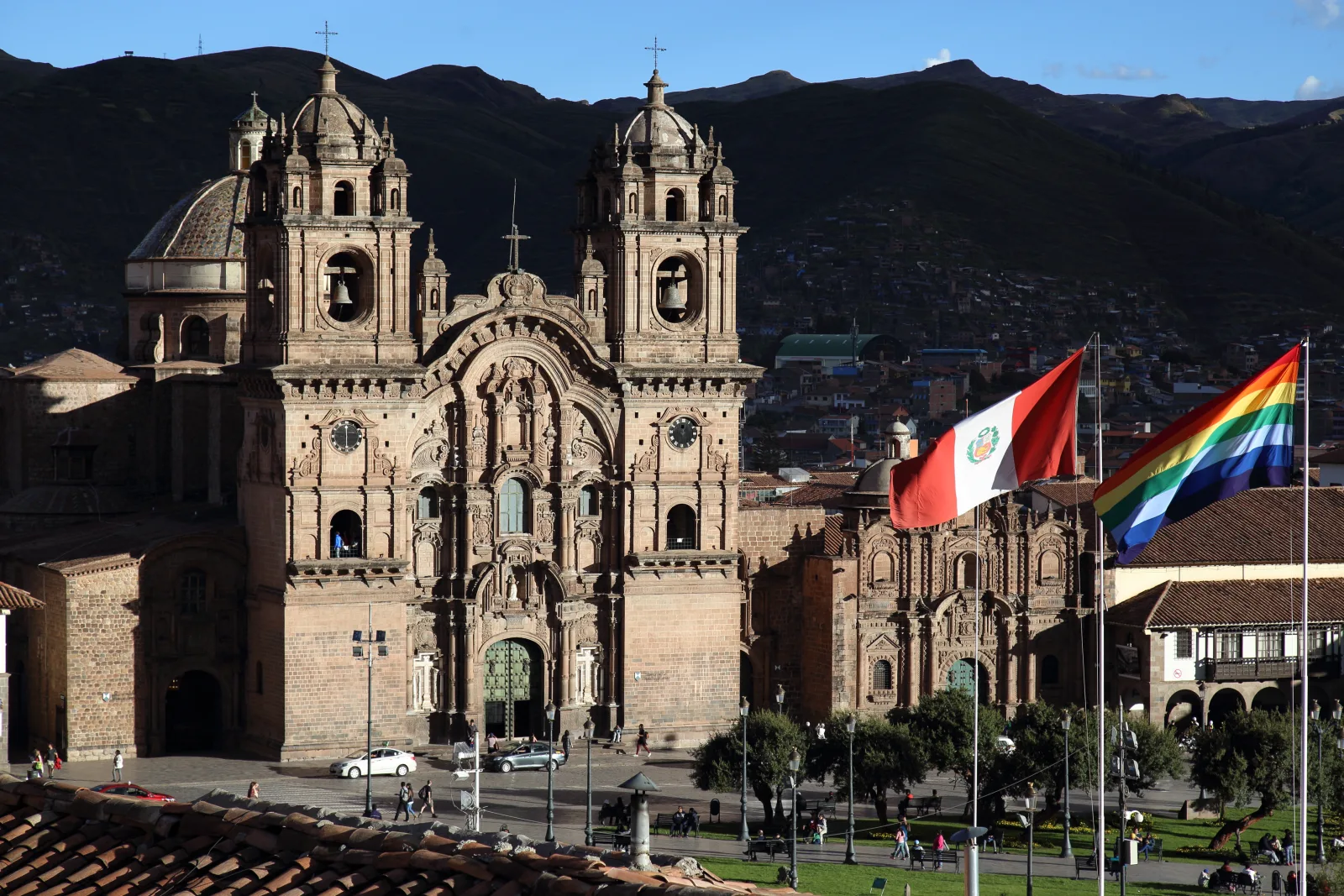
A practical division is to reserve the first day to walk around the center and understand the city calmly, without commitment to long transfers. Then, fit in the day trips that require more time outside Cusco and, if possible, leave room for a free day between them. This helps to absorb the altitude and avoids that heavy sequence of leaving very early, arriving late and having little energy for the rest of the trip.
The Boleto Turístico fits right into this planning stage. It makes sense when you are going to visit several paid attractions in the region, as it gives access to most of the most sought-after sites and can simplify the organization of the itinerary. Before buying, it's worth checking which places you really intend to include, since the ticket has limited validity and only pays off if your plan covers several entries.
For those who want to enjoy Cusco without rushing, the best is to think of the trip in blocks: historic center, outings in the surroundings and a space to adjust what requires more time or more breath.
What to See in the Historic Center of Cusco
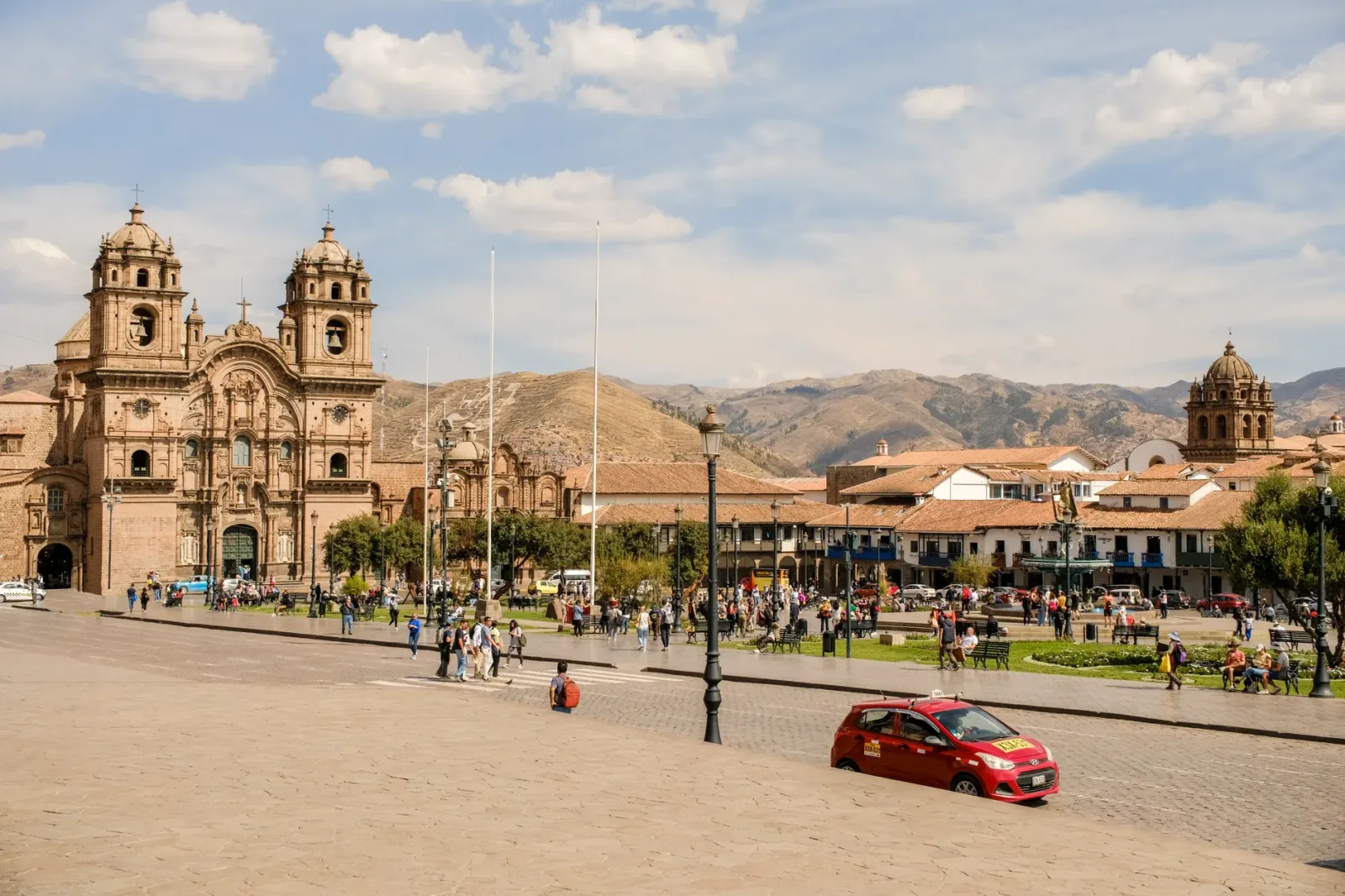
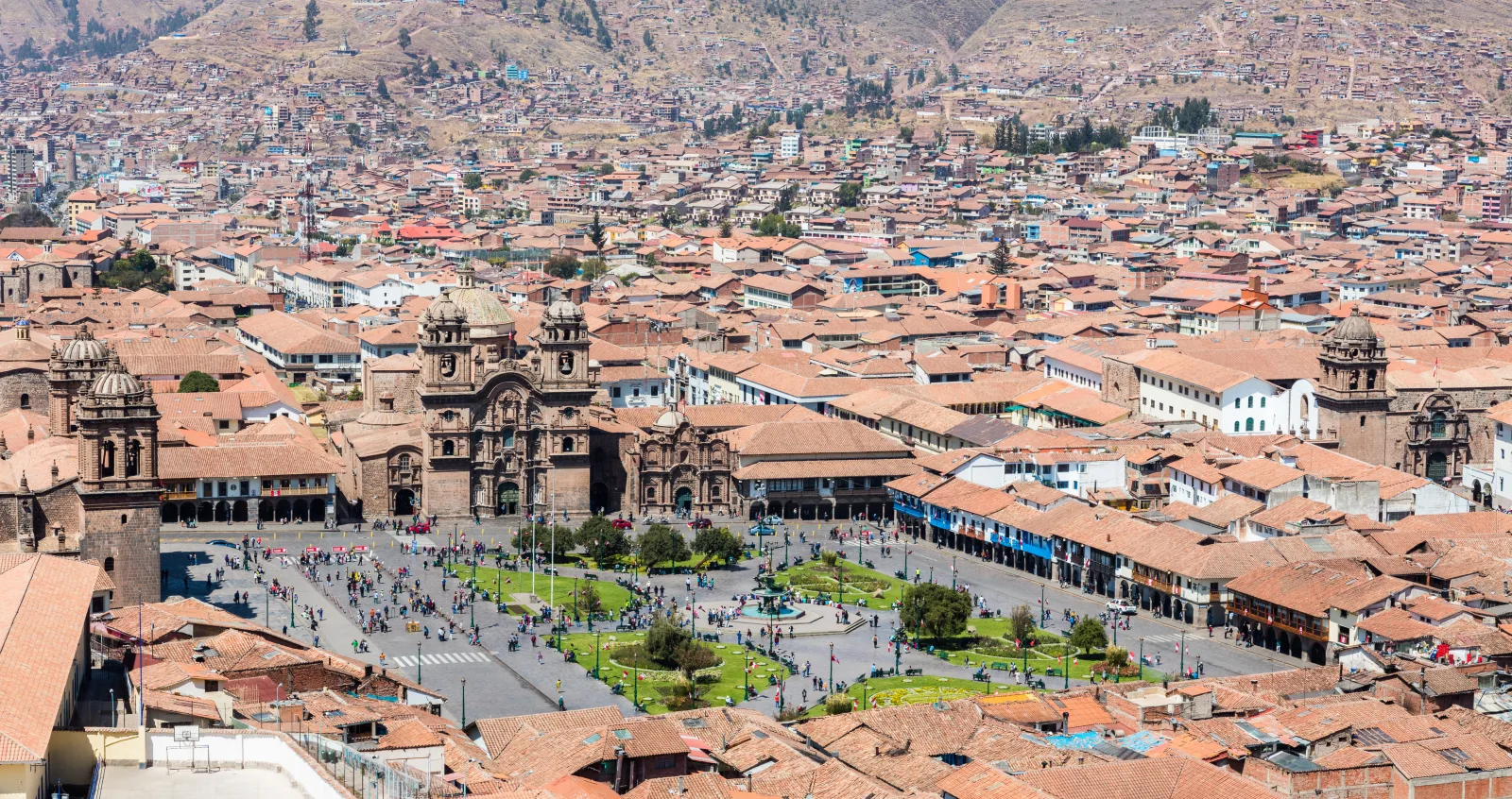
The best way to see the historic center is on foot, with time to enter some points and observe the relationship between the Inca city and the Spanish occupation. Plaza de Armas serves as the axis of the walk, and Cusco Cathedral stands out for its scale and dominant presence in the surroundings. Nearby, Qoricancha helps to understand this overlap of historical layers well: the ancient Temple of the Sun became part of a colonial construction, but still preserves the reading of Inca engineering in the stones and the fitting of the walls.
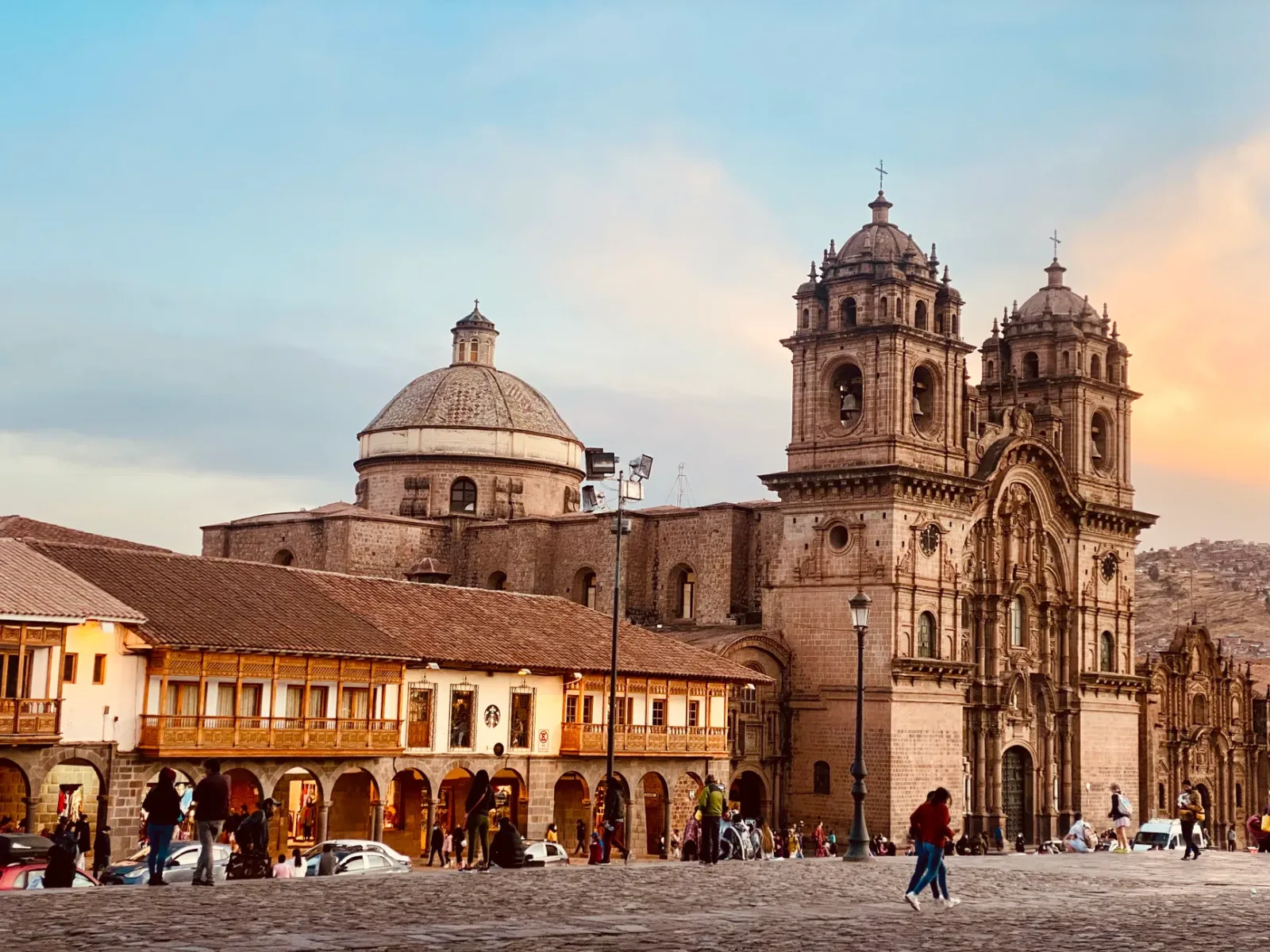
In the network of streets around, the Stone of the 12 Angles deserves a quick stop, more for what it reveals about the precision of stone work than for the size of the attraction itself. The San Blas neighborhood is worth the walk through the alleys and local movement, without hurry. If you like museums, the Museo Inka and the Museo Machu Picchu help to complete the historical context of the city, each from a different angle, with pieces and information that make more sense after having already seen the center.
Mercado San Pedro fits well into the itinerary of those who want to observe the city in operation, without a tourist filter. It is a place to walk around calmly, see the daily commerce and, if you want, eat something simple without complication. The free guided walk through the center is usually a good first reading of the region, because it organizes the information that you will see scattered through the streets and monuments. If you have little time, choose between walking on your own and entering some points or doing the guided tour and then returning to the places you want to see with more attention.
Editorial transparency: Some links on this page are affiliate links. We may earn a commission at no extra cost to you. This does not influence our recommendations.
Day Trips from Cusco in the Sacred Valley
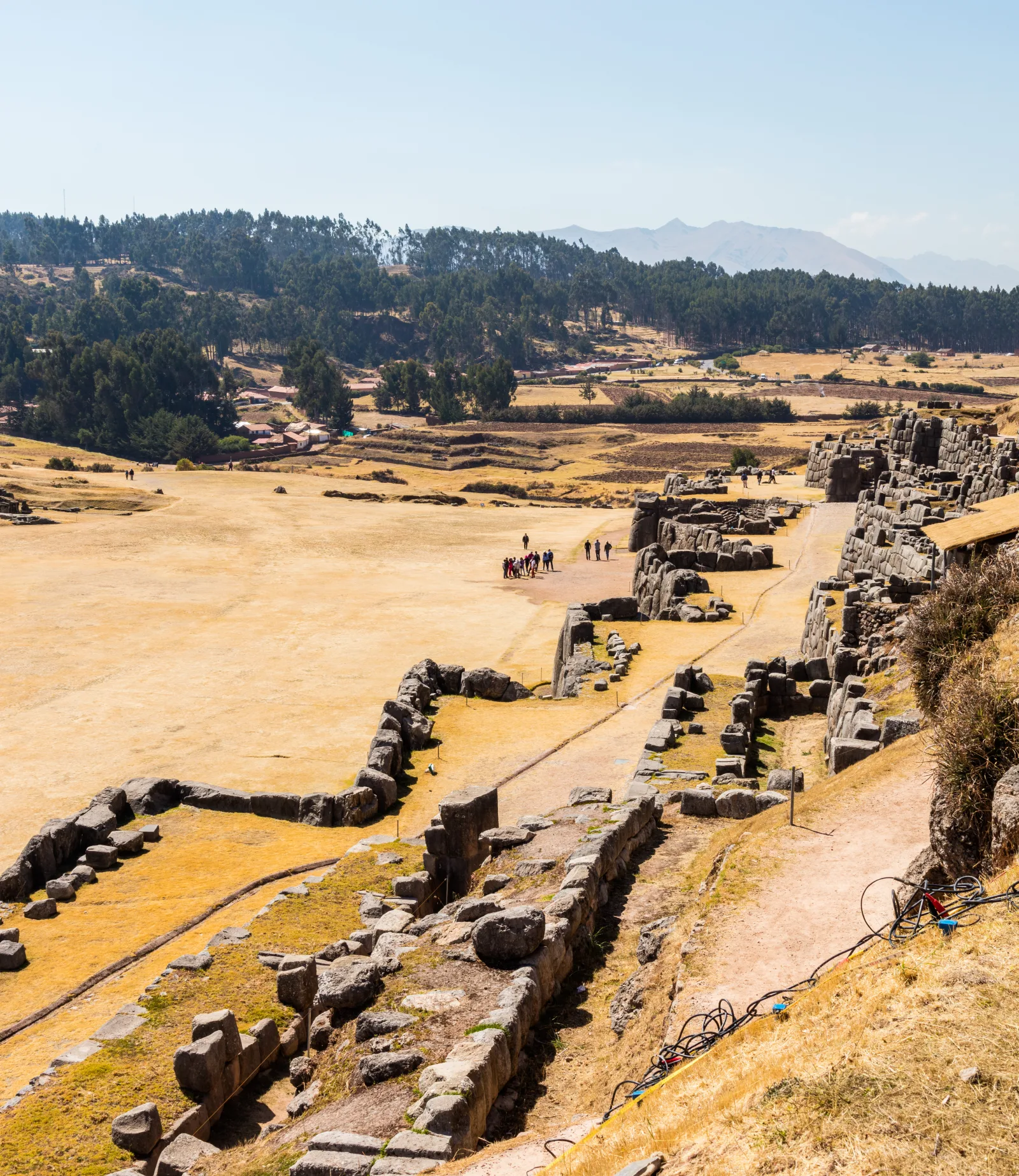
Sacsayhuaman and Q’enqo fit well into the same itinerary, along with Puka Pukara and Tambomachay, because they are in the closest exits from the city and help understand how Cusco spreads beyond the urban core. Sacsayhuaman stands out for the size of its stone structures and its defensive role. Q’enqo is smaller, but important to understand ceremonial uses and direct work on the rock. Puka Pukara and Tambomachay complete this set with functions more related to control and water, so they make sense for those who want to concentrate half a day or a short day in this area.
Pisac, Chinchero, Moray, and Ollantaytambo require a different pace. Pisac combines agricultural terraces and inhabited area, so it usually enters when the idea is to see a more complete site. Chinchero is interesting for the link between the current settlement and Inca remains, as well as the presence of terraces and ancient walls. Moray stands out for the circular depressions used as a kind of agricultural laboratory. Ollantaytambo is the point that weighs the most in the itinerary due to its scale and the number of structures, so it usually enters on days dedicated to the Sacred Valley, when you are willing to spend more time away from Cusco.
Tipon and Pikillaqta work better for those who want to get off the more obvious circuit. Tipon is remembered for its water system and agricultural platforms. Pikillaqta breaks away from the classic Inca repertoire and shows pre-Inca occupation, with a wider urban grid and different from the pattern of the most well-known sites. Waqrapukara already requires another disposition: it is a hiking trip, in a high area, recommended for those who want landscape and archaeology on the same day and do not mind physical effort.
How to Fit Machu Picchu into Your Cusco Trip
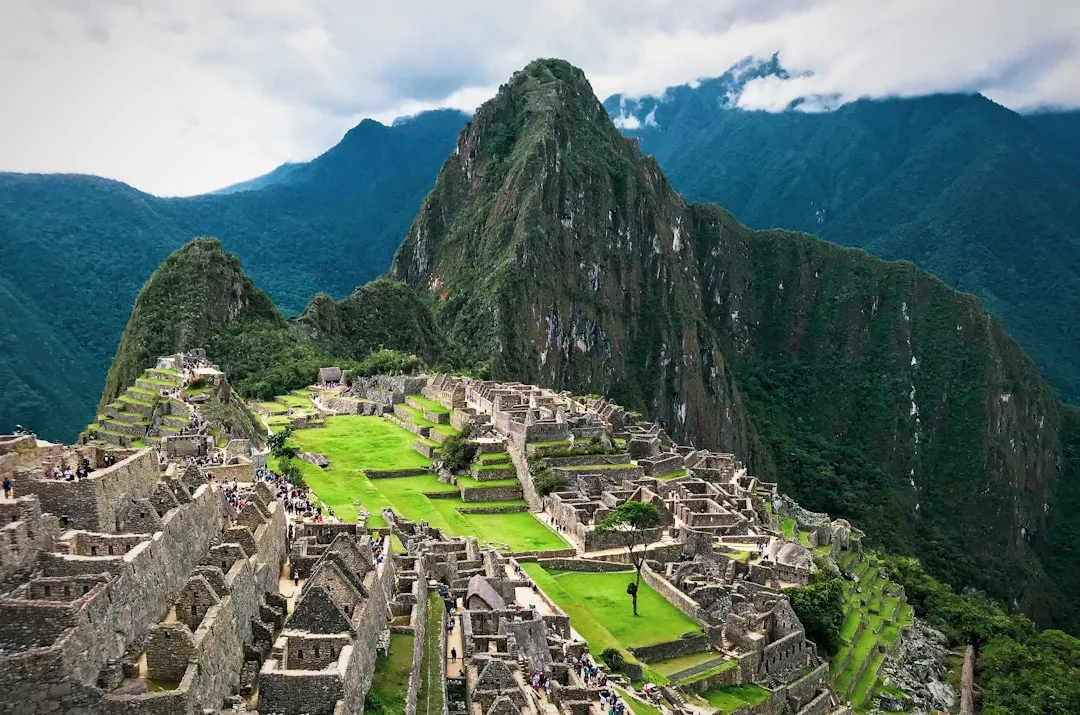
Machu Picchu fits best into your itinerary as a separate part of your stay in Cusco. By train, the journey takes about 4 hours, so the transfer already takes up most of the day. You can do a day trip, but the pace is tight; with an overnight stay in Machupicchu Pueblo, you gain leeway to arrive with less haste and better manage the schedules.
The ticket needs to be purchased in advance, because the number of daily visitors is limited. This matters more than most people imagine: deciding at the last minute usually reduces the options for date and circuit, or even cancels the trip. Before finalizing the rest of your itinerary, check the availability of the ticket for the day you want to use.
In practice, fit Machu Picchu into your schedule after deciding how many days you will spend in Cusco and whether you will sleep in Machupicchu Pueblo or return on the same day. If your stay in Cusco is short, the ideal is to reserve this visit with maximum priority; if there is more flexibility, you can adjust the train section without sacrificing the rest of the trip.
Salineras de Maras, Laguna Humantay and Rainbow Mountain
Salineras de Maras require a short detour from the more archaeological circuit and fit well when you want to see a landscape linked to the daily work of the region. The salt pools are produced artisanally by local residents and form a set of dozens of small extraction areas, with a strong contrast between the white of the salt and the surrounding mountains. It is a quick outing, easy to fit in on the same day as other trips.
Laguna Humantay requires another level of effort. The hike goes up the mountains to a lagoon of crystal-clear water formed by the melting of the higher areas. The final stretch is tough because the incline is steep and the altitude increases the feeling of fatigue. If you usually get bothered by thin air, it's worth setting aside this outing for a day when you are more adapted to the city.
Rainbow Mountain, or Montaña de 7 Colores, also falls into the category of outing that depends on stamina. The path leads to a mountain with natural tones such as red, terracotta, and green, but the trail reaches over 5,000 meters in altitude. The ascent usually is the hardest part of the day, more because of the altitude than the distance itself. Those who want to do this outing need to accept a slower pace and check in advance if they are ready for the effort.
Among these three, the main difference is in the type of wear and tear. Maras is visual and relatively simple to fit in. Humantay and Rainbow Mountain require physical preparation and attention to altitude, so they work better after a few days in Cusco, when the body has had time to adjust a bit.
Where to Stay in Cusco
Staying close to the center usually makes the trip easier, as it reduces the dependence on long transfers and makes the itinerary more predictable. In Cusco, the choice of accommodation weighs less on the luxury of the room and more on the combination of location and the time you want to spend going out and coming back every day.
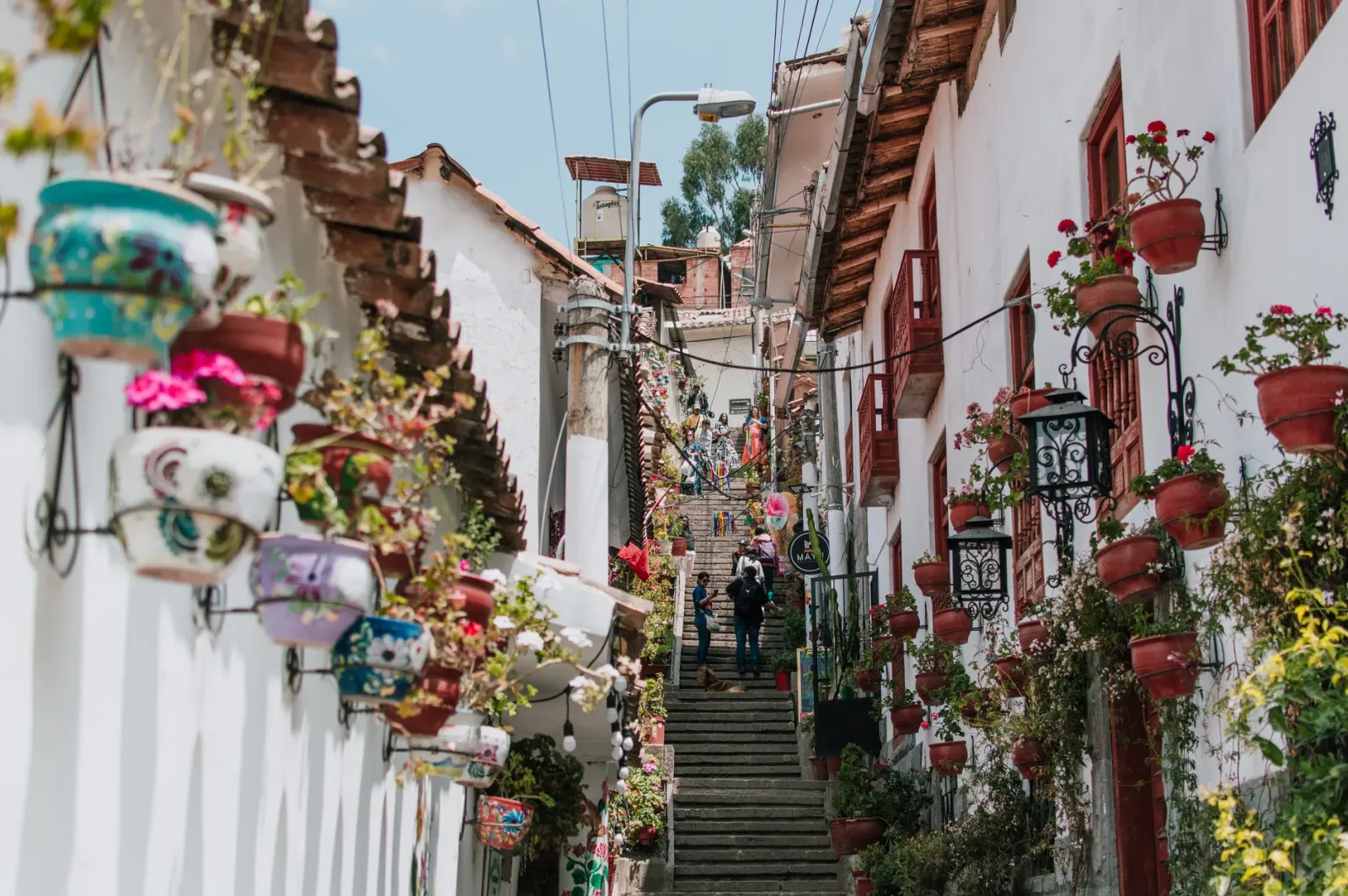
If the idea is to walk a lot and return to the hotel to rest between outings, it's worth prioritizing areas with practical access to the historic center. For those who prefer to save money without giving up a reasonable standard, it makes sense to compare what each hotel offers for the price charged, not just looking for the lowest fare. In Cusco, the difference in comfort is very noticeable in the adaptation to the terrain and the ease of arriving and leaving without losing energy.
Guest reviews help filter out what seems good in the ad and doesn't work in practice. Pay attention to comments about cleanliness, noise, heating, and service, as these are the points that most affect the stay in the city. Well-located accommodation, with good ratings and a price consistent with what it offers, usually is a safer choice than betting only on beautiful pictures.
If the itinerary is short, the location becomes even more important. If there are more days, the weight of cost-benefit increases, because you already have a margin to choose more calmly and not depend on a central position at any price.
Where to Eat and Drink in Cusco
Green Point, Republica del Pisco, El Encuentro, Organika Bakery & Coffee, and Qura are among the most mentioned names by those looking to eat out in Cusco without straying from the most used circuit by visitors. The type of offer varies: Green Point features vegan cuisine; Republica del Pisco, for cocktails; El Encuentro, as a vegetarian address; Organika Bakery & Coffee, for coffee and snacks; and Qura, with vegetarian options.
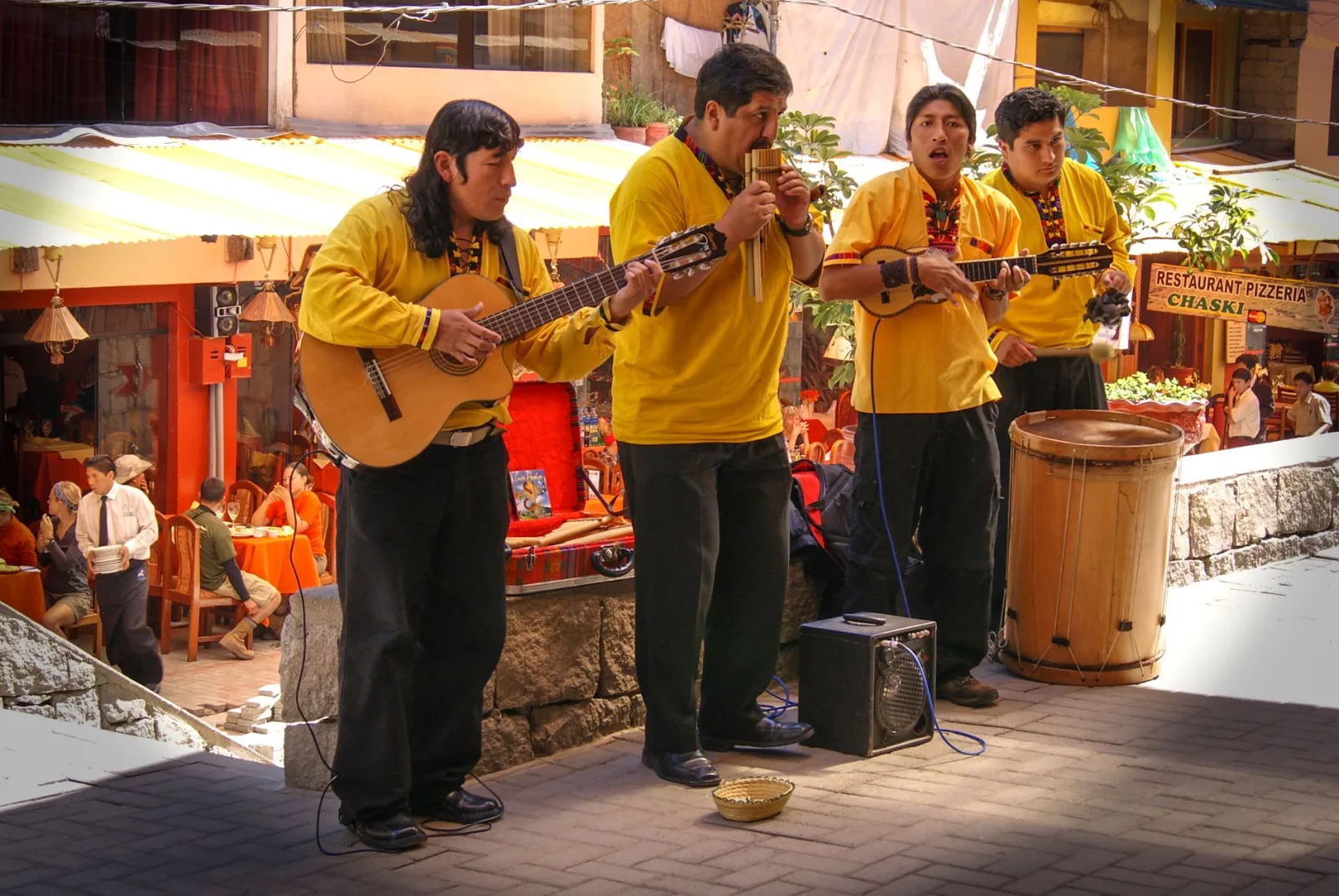
For local food, Mercado San Pedro and the market of San Blas are the most useful addresses. The first serves well for those who want to circulate among stalls and have a simple meal in the midst of the city's daily hustle and bustle. The second appears as a practical stop for local food, including lighter alternatives at some stalls.
If you want to decide without losing time, choose by the type of meal that makes sense at that moment: coffee and snack at Organika Bakery & Coffee, cocktail at Republica del Pisco, vegetarian dish at Green Point, El Encuentro, or Qura, and local food at the markets. In Cusco, this usually resolves the choice better than trying to fit the outing into a fixed formula.
How to Get Around and What to Consider Due to the Altitude
Cusco requires slower movements than it seems on the map. The center has stretches that you can do well on foot, but the terrain demands effort: there are many ups and downs, and this weighs more when you are still adapting to the altitude. Walking works better when the route is short and you accept stopping frequently.
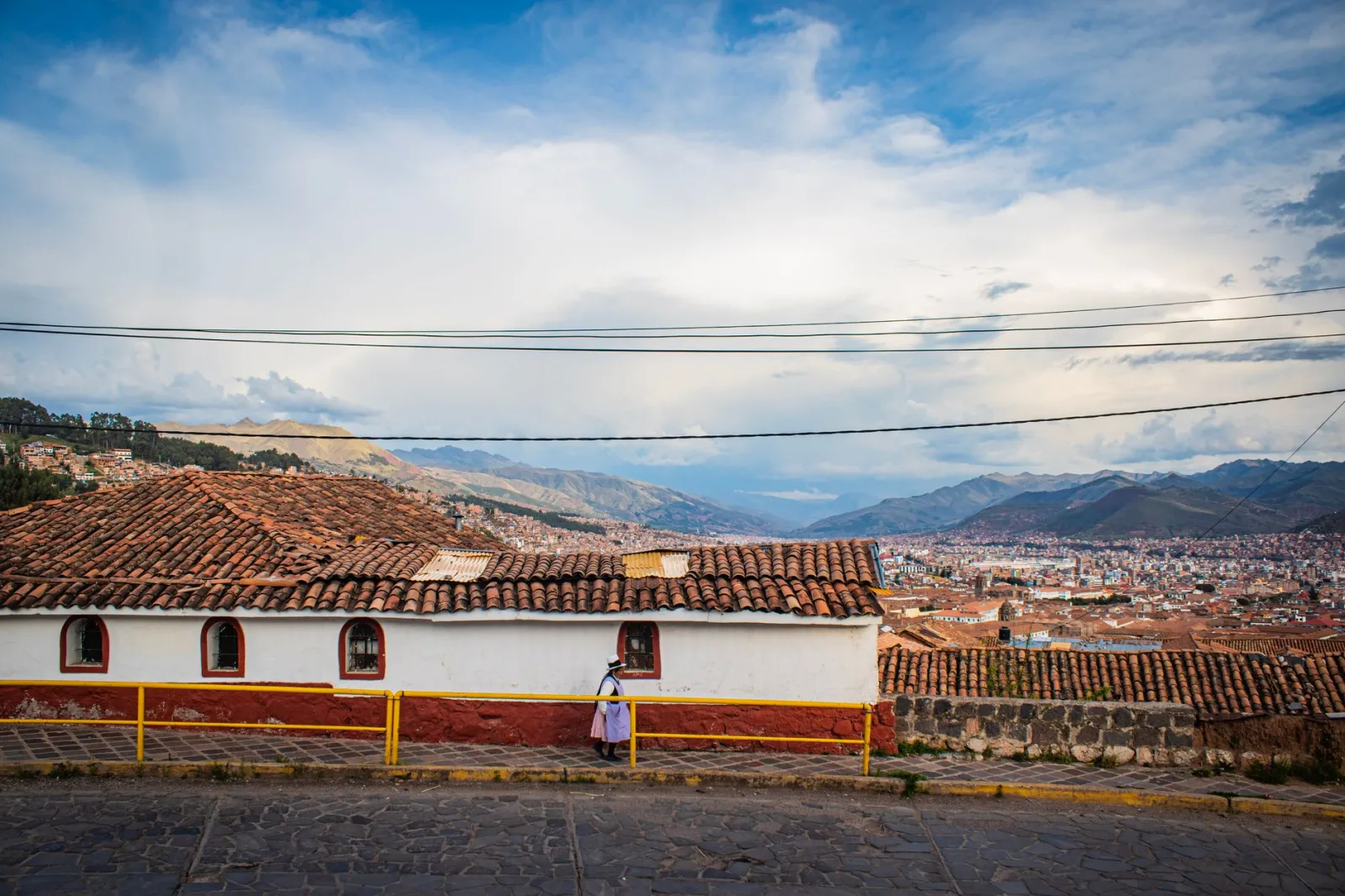
For more tiring stretches, Uber is usually the most practical alternative. It helps to save energy and prevents you from arriving exhausted at the next commitment, especially if you are leaving from higher areas or returning to the hotel at the end of the day. Local taxis also exist, but it's worth agreeing on the fare before getting in if you are not using an app.
The altitude affects people in different ways. Go with water nearby and reduce the pace in the first few days, especially if the walk is going uphill without much interval. If you feel your body heavy, treat this as a sign to slow down, not to insist. In Cusco, pushing the pace usually costs more than in other cities.
It also helps to plan movements with a margin. Rushed departures and constant changes of direction are the kind of thing that wears you out early. Those who alternate walking with short car rides tend to enjoy the city better, because they arrive with more breath to what really matters.
Frequently asked questions
How many days to stay in Cusco?
The ideal is to divide the trip between the historic center, outings in the surroundings and some free time. This way, the itinerary is less tiring and you better enjoy the adaptation to the altitude.
What to see in the historic center of Cusco?
Plaza de Armas, Cusco Cathedral, Qoricancha, the Stone of the 12 Angles, San Blas and Mercado San Pedro are good starting points. If you have little time, it's worth combining a free walk with a guided tour.
Which outings are worth it in the surroundings of Cusco?
Sacsayhuaman, Q'enqo, Puka Pukara and Tambomachay work well on the same day. For a longer itinerary, Pisac, Chinchero, Moray and Ollantaytambo require more time out of the city.
How to fit Machu Picchu into the trip to Cusco?
Machu Picchu usually works better as a separate part of the itinerary, because the train takes about 4 hours. You can do a day trip, but staying overnight in Machupicchu Pueblo makes the day less tight.
Does the altitude of Cusco interfere much with the outings?
It can interfere, especially in the first days and in the higher outings like Laguna Humantay and Montanha de 7 Cores. The best is to reduce the pace, walk with breaks and leave the heavier routes for later.