Chamonix: how to get there, when to go, where to stay and what to do
Chamonix: see when to go, how to get there, where to stay, and what to do to plan a practical trip to the French Alps.
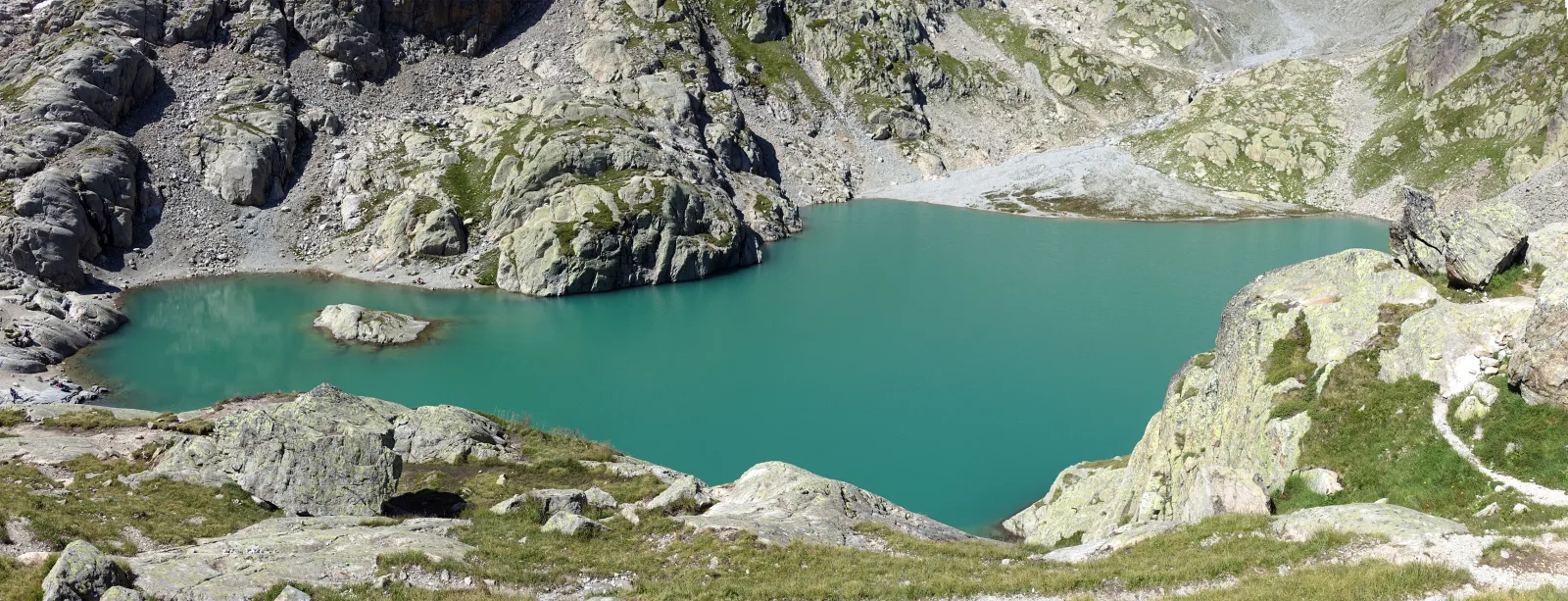
Where is Chamonix and what you need to know before going
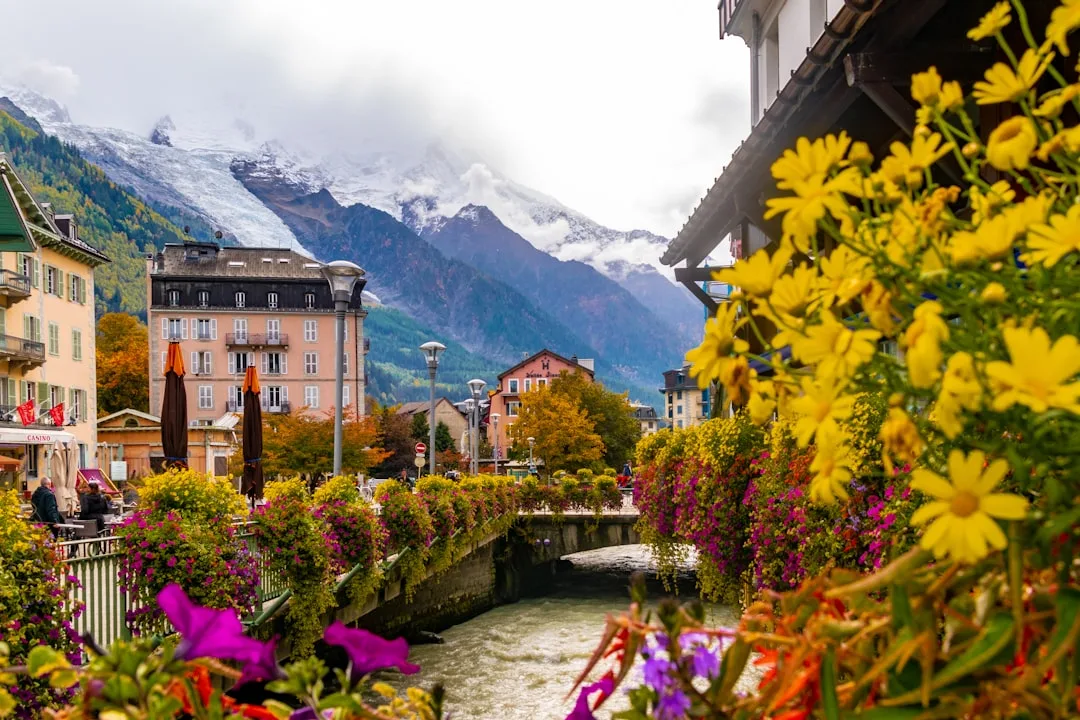
Chamonix is located in southeastern France, in the Auvergne-Rhône-Alpes region, very close to the border with Switzerland and Italy. It is a small city, with around 9,000 inhabitants, and serves as a base for those exploring the French Alps, especially in winter.
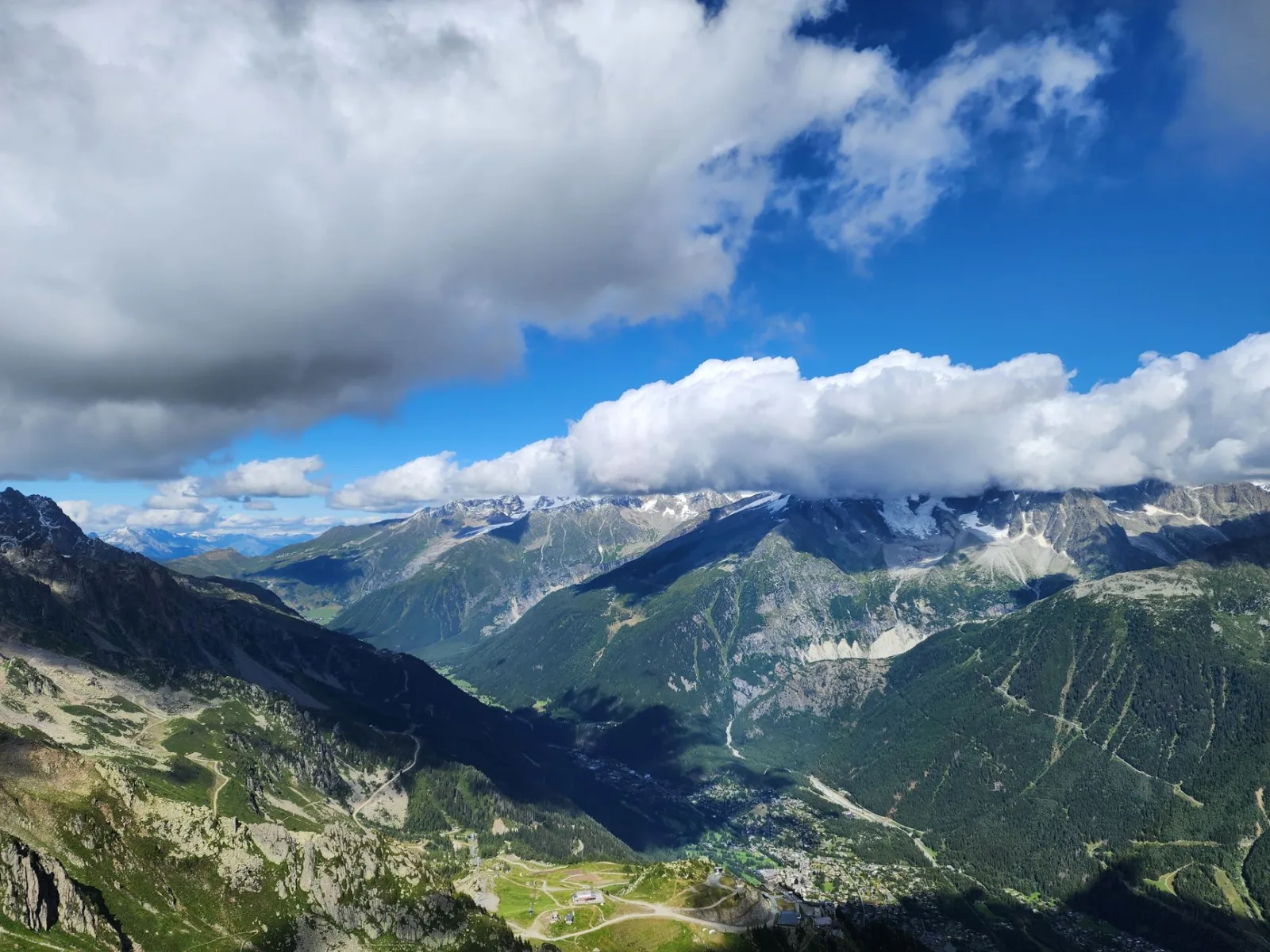
Approximate distances help to understand its location on the map: Geneva is 82 km away, Lausanne 115 km, Turin 172 km, Milan 240 km, Lyon 224 km, and Paris 615 km. In practice, Chamonix is more connected to the Alpine axis than to the major inland French cities.
The currency is the euro. The official language is French, but the proximity to Switzerland and Italy means that Italian, German, and English are used fairly often in visitor services. The time zone is usually 4 hours ahead of Brasília Time, reaching 5 hours when European daylight saving time is in effect.
For first-time visitors, the key is to understand the destination’s profile: a compact city with tourist infrastructure geared toward the mountains, and highly sought after by those looking for snow, skiing, and alpine excursions in winter.
Best time to visit Chamonix
Winter is the most popular season in Chamonix because that is when the town fully enters the rhythm of the snow. It is the season when the base is busiest, the slopes take center stage, and the weather matches the type of trip that attracts most visitors there. December is usually one of the busiest months because of the year-end holidays, and February also sees a higher flow due to school vacations in France.
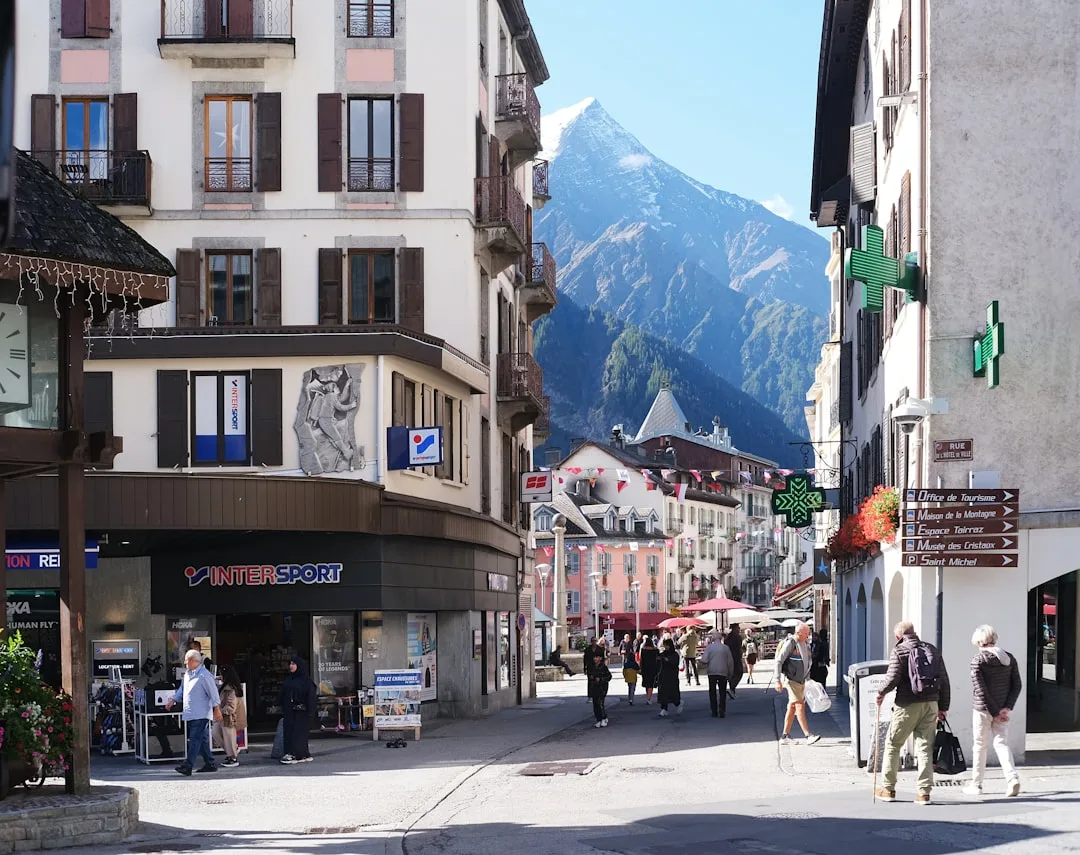
If you want to find the town a little less crowded without leaving the cold season, January is usually the best window. It is still winter, with everything that means in terms of snow and temperature, but the crowds tend to be lower than in December and February. For those who prioritize a calmer atmosphere, that difference makes sense.
In terms of weather, Chamonix has an annual average of 7.3 °C. February is usually the coldest month, with an average low of -1 °C and an average high of 5 °C. August is the warmest month, with an average high close to 21 °C and an average low of 15 °C. In practice, this helps show the contrast between the two seasons: winter concentrates the classic alpine experience, while the warmer months change the feel of the trip quite a bit.
Editorial transparency: Some links on this page are affiliate links. We may earn a commission at no extra cost to you. This does not influence our recommendations.
How many days to stay in Chamonix
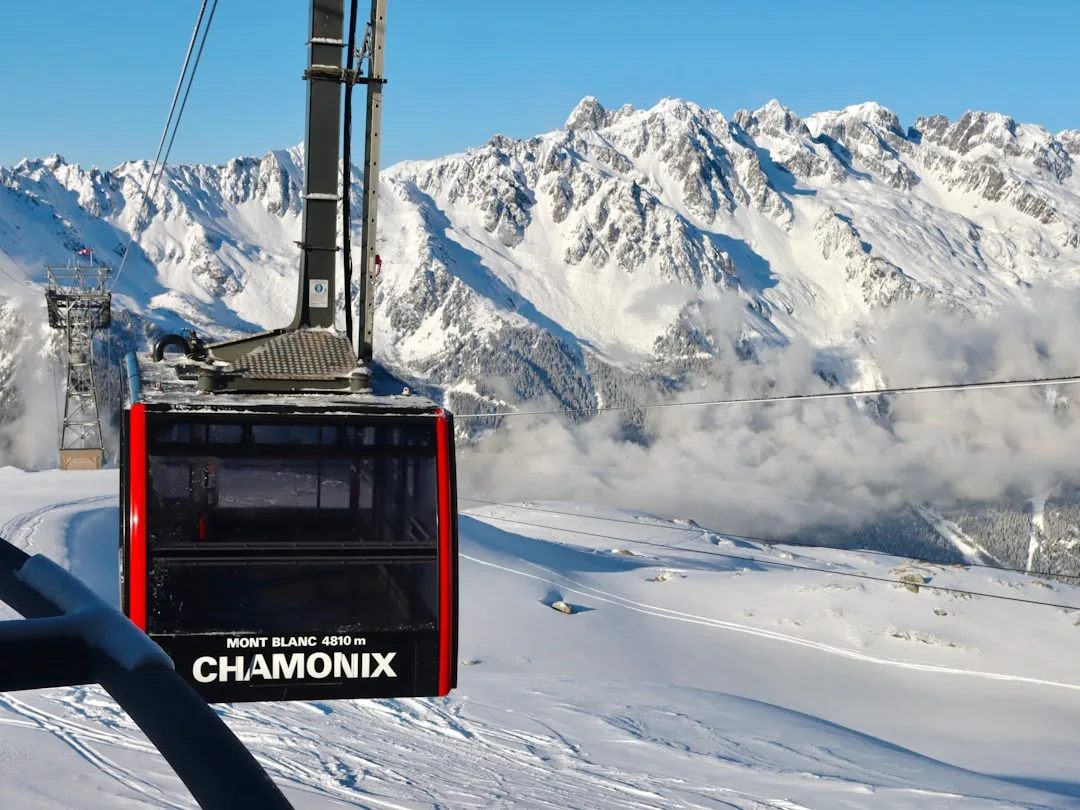
One day is enough if the idea is to get to know the basics without too much rush: go up the Aiguille du Midi, stop by the Mer de Glace, and still set aside some time to walk through the center. It’s the right amount of time for those doing a day trip or fitting Chamonix into a broader Alps itinerary.
If you want to take the trip at a slower pace, 2 to 3 days works better. This time allows you to spread out the visits throughout the day, return to the center at your leisure, and leave room for bad weather, which can greatly affect the mountain experience. It also makes it possible to spend a night in the destination, which helps you enjoy the city after the tour groups have already left.
For those planning to ski, 5 days or more makes more sense. The longer stay is worthwhile because you gain extra days to catch better conditions on the mountain and are not dependent on a single day of clear weather. If the priority is just snow and slopes, spending less time than that usually makes the trip feel too short.
How to get to Chamonix by car, train, or plane
By car, access is usually the most straightforward for those already traveling around the Alps or nearby cities. Chamonix is connected by road to Geneva, Lausanne, Lyon, Paris, Milan, and Turin, and this is the most flexible way to get there if you want to control stops and schedules. The scenery helps, but the main point is another: well-signposted roads and the freedom to enter and leave the city without relying on connections.
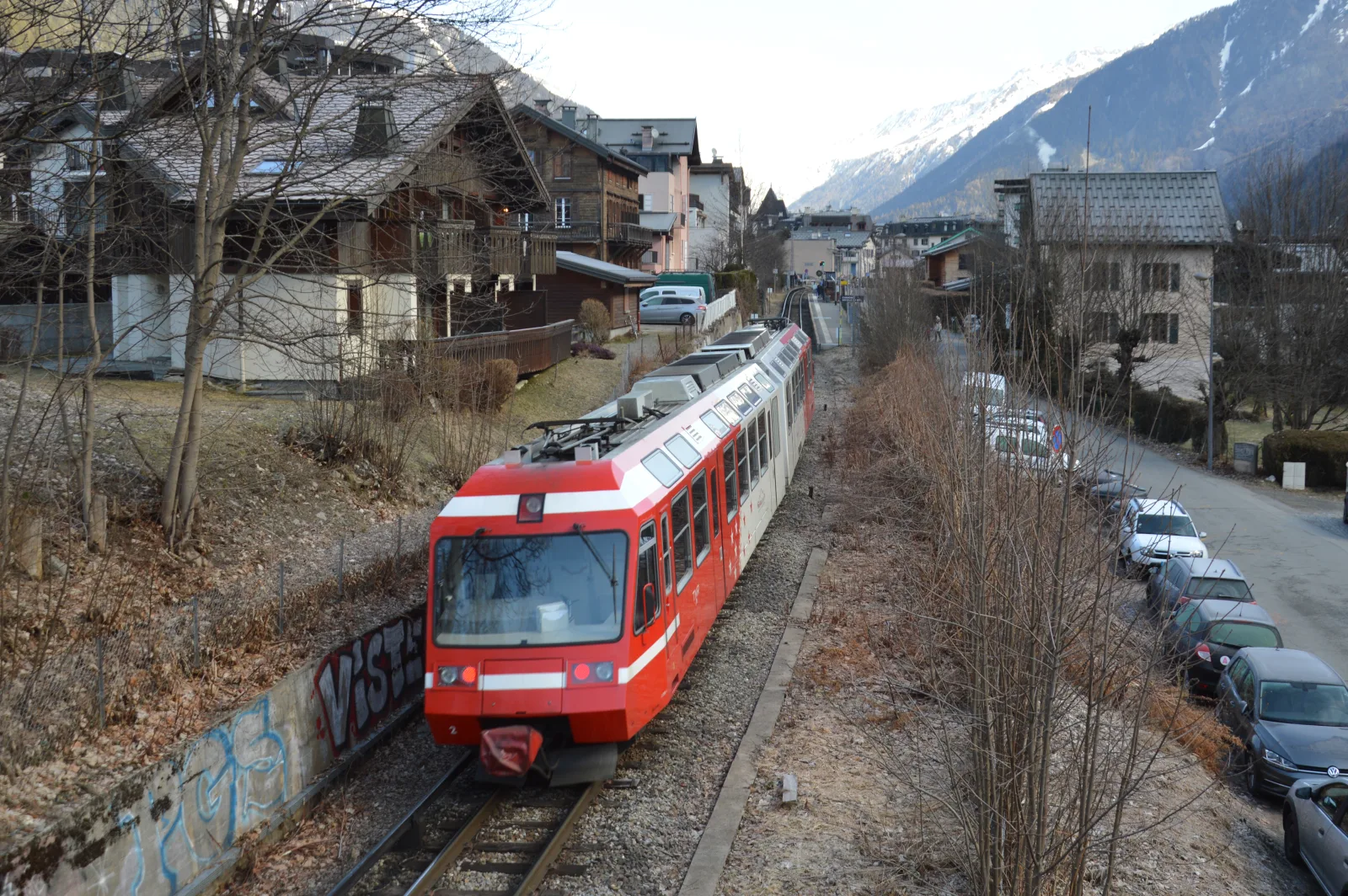
By train, the trip works well for those who prefer to avoid driving on mountain roads. From Paris, the fastest route takes about 5 hours and 35 minutes; from Milan, about 5 hours; and from Geneva, about 2 hours and 24 minutes, with one train change. If you are planning the trip by public transport, it is worth checking the exact combination on the day of travel, because the number of connections may change depending on the time and station.
There is no airport in Chamonix. The nearest one is in Geneva, about 68.1 km away, and that is where most air arrivals make sense. For those already in Europe, there are also low-cost flights to Geneva from some countries, but availability depends on each origin’s network. For those coming from outside the continent, however, it will usually be necessary to connect through another European city before continuing to Geneva and then completing the journey to Chamonix.
Where to stay in Chamonix
Staying in the center of Chamonix is usually the most practical choice for those who want to do almost everything on foot. It is the area with the most shops, cafés, and restaurants, and it also makes life easier when you want to go out for dinner without depending on transportation. For a short stay, this location matters more than any other advantage.
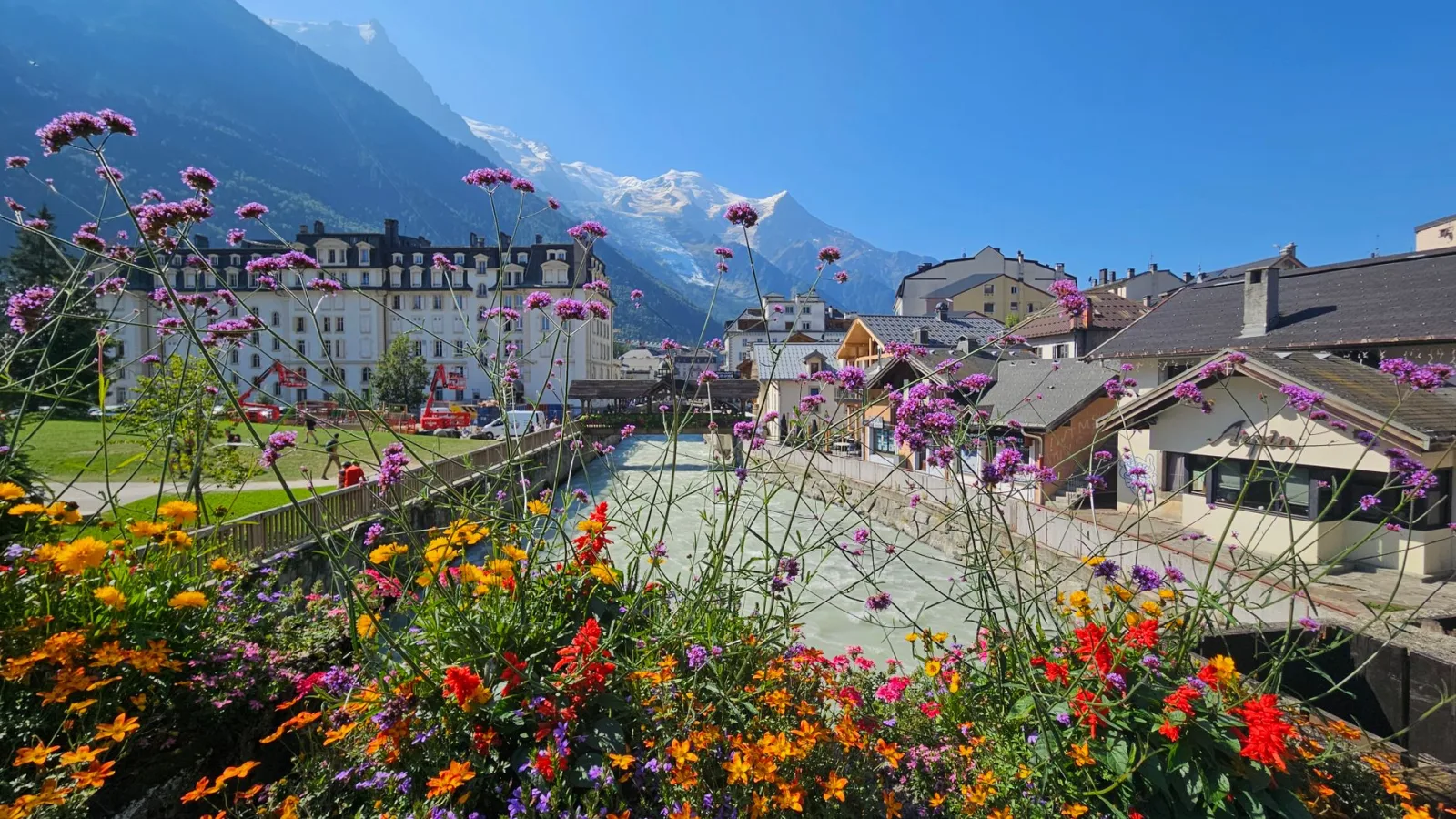
Those who prefer to stay closer to the slopes can look at the areas a little farther from the urban core, but that already changes the rhythm of the trip. You gain more direct access to the mountain and lose some of the convenience of having everything concentrated around your accommodation. The choice depends on the focus of the trip: city life or skiing routine.
Among the well-located options, Hôtel Mont-Blanc Chamonix is about 100 meters from the center and combines rooms with mountain views, an outdoor hot tub, and a spa with a heated pool. Auberge du Bois Prin is a little farther away, 500 meters from the center, with comfortable rooms, a sauna, a hot tub, and support for getting to the slopes and renting equipment. Hotel Le Morgane is 450 meters from the center, has rooms with views of Mont-Blanc from balconies or terraces, and offers a heated pool, sauna, and Turkish bath after a day in the mountains.
If the priority is to walk around Chamonix without depending on transportation, the center remains the easiest spot. If the trip revolves around skiing and you are willing to stay a bit farther away, it is worth taking a closer look at hotels that simplify access to the mountain.
How to get around Chamonix
The easiest way to get around Chamonix is to use Le Mulet, the local bus that runs every 15 minutes and covers the heart of the town. For short trips, it works well without needing a car or a taxi, especially if you are staying in the center or returning from a stop in the valley.
Another option is the Free Guest Card, which gives access to the regular bus lines. It makes a difference when you want to go beyond the most central area and rely less on paid transportation. Before counting on it, confirm where to pick up the card and which lines are included in your stay, because this can vary depending on the type of accommodation and the season.
Taxis exist, but they are usually the option for occasional trips. Around the center, a ride can cost around 40 euros, so it is worth thinking of them more as a convenience than as your main mode of transport. If your plan is to make only a few trips, walking and combining it with the local bus already covers much of the town.
What to Do in Chamonix Besides Skiing
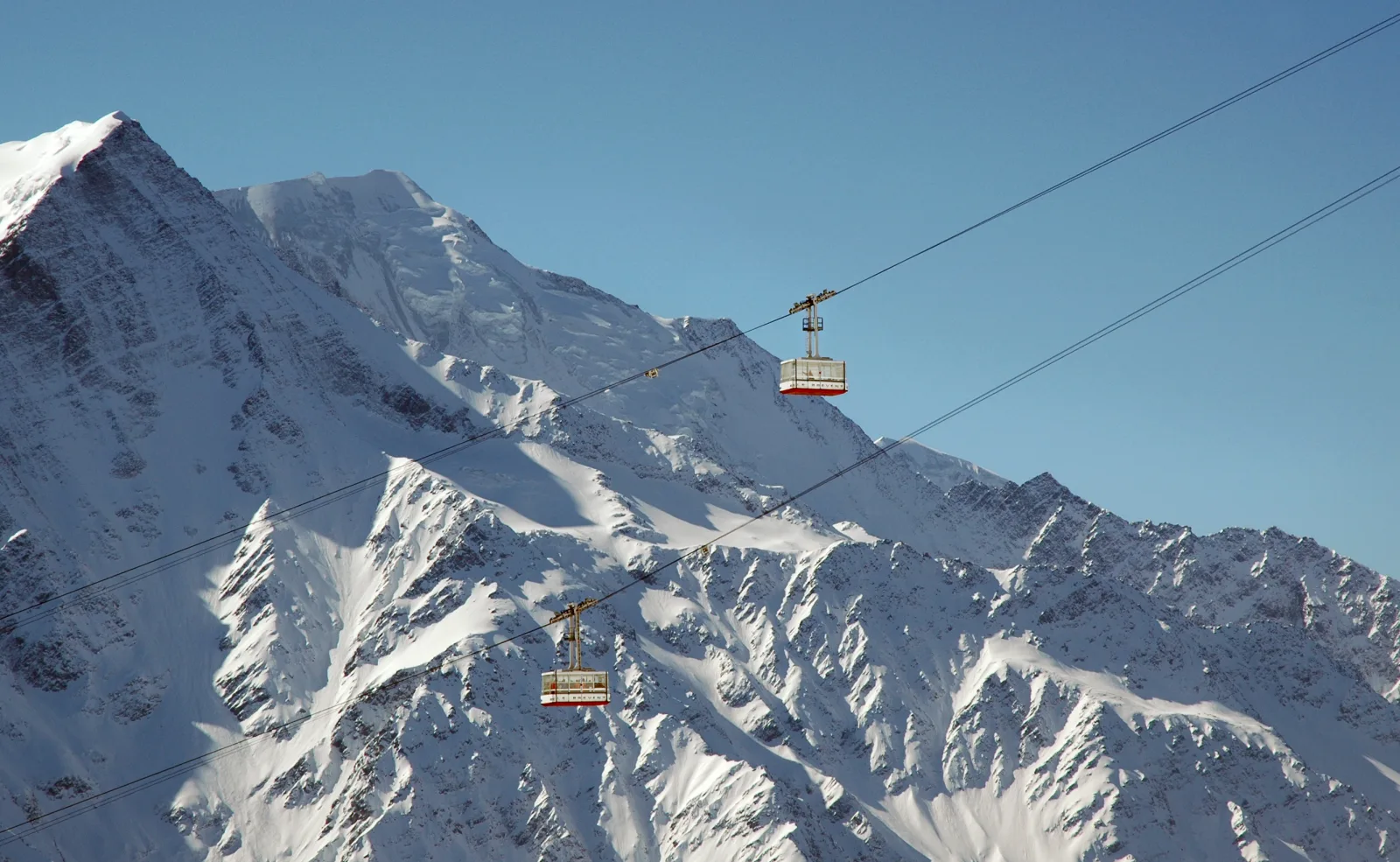
Taking the cable car up to Aiguille du Midi is the most striking experience in Chamonix outside of on-piste snow. Up there, visitors find a facility designed for the altitude, with heated tunnels and stairways, as well as viewpoints and a glass capsule for those who want to look into the void beneath their feet. The ascent makes your body feel the altitude quickly, so the visit works best for those who go slowly, take breaks, and accept that breathlessness changes quite a bit up high. If you are sensitive to breathing issues or afraid of heights, it is worth thinking carefully before including this stop.
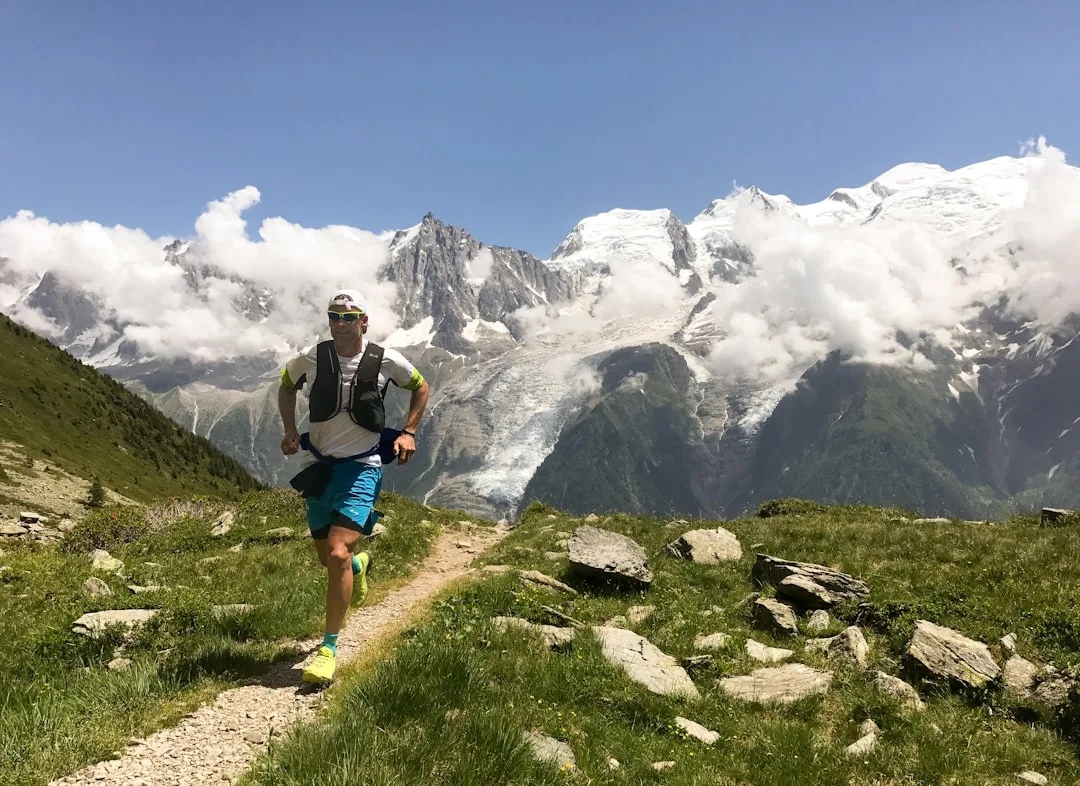
Mer de Glace calls for a different pace. The arrival begins on the Montenvers train, which climbs toward the glacier and takes about 20 minutes to reach the Glaciorium. From there, the route continues with a short cable car ride and a long staircase down to the ice cave, also called the Crystal Gallery. The visit tends to be more rewarding when you organize your time between the view, the Glaciorium, and the descent to the cave, because the whole experience requires a lot of walking and the final stretch can be tiring. If the idea is to do just one outing for the day, this is one of the best for understanding the scale of the mountain in Chamonix.
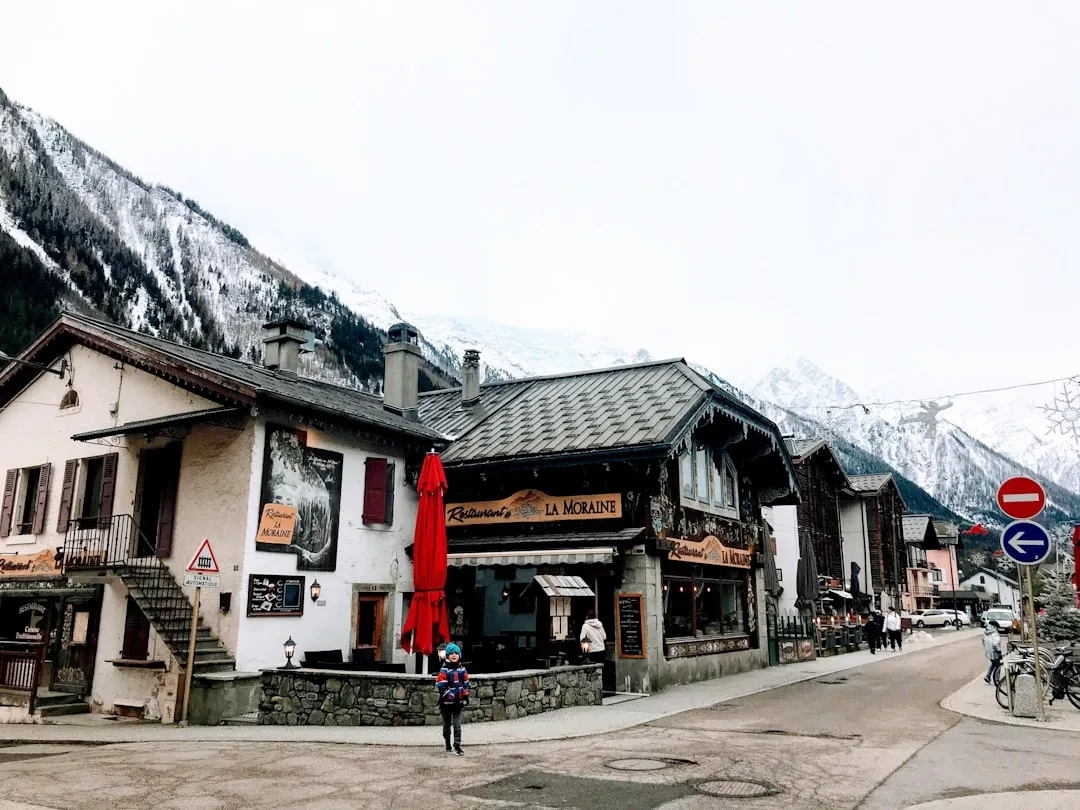
The town center deserves a leisurely stroll, even if you are not staying there. It is where you will find shops, cafés, restaurants, and streets that are easy to walk around, with the mountains always in the background. In December, the Christmas decorations often stand out on their own. If you have time left, the most commonly mentioned ski areas by level are La Savoy and La Vormaine for beginners, Les Houches for intermediates, and Brévént, Aiguille du Midi, and Les Grands Montets for those with more experience.
How much does it cost to visit Chamonix
Chamonix tends to be more affordable than Geneva and, in many cases, also lighter on the wallet than Paris or Milan. This shows up in the day-to-day of the trip: food, drinks, local transport, and even some lodging choices are usually less expensive than in nearby Swiss cities.
Even so, it is not a cheap destination in the classic sense. The town lives on mountains, winter, and international tourism, and this profile usually pushes prices up, especially in peak season. Compared with other prestigious Alpine centers, Chamonix falls into an intermediate range: more affordable than the Swiss part of the region, but far from economical.
What changes the bill most is the timing of the trip and the kind of experience you want to have. Winter, the holiday season, and school vacations increase pressure on prices and availability. Outside these periods, the town is usually less expensive for those who do not need to be there during the busiest weeks.
If the idea is to understand the destination through its budget, think of it this way: Chamonix works best for those who are willing to pay for a well-structured Alpine base, but do not want the cost level of a Swiss city. For those comparing it with major nearby capitals, the overall impact can be lower, as long as accommodation is chosen carefully.
Is Chamonix a good option for couples, families, and solo travelers?
For couples, Chamonix works well if the idea is to split time between the town, the mountains, and moments of rest. The center makes dinners easy without needing to travel, and the destination’s atmosphere suits trips where the pace matters just as much as the sightseeing. Those looking for a comfortable hotel after a cold day tend to enjoy the stay more than those who simply want to fit the town in among many other points on the itinerary.
Families can enjoy Chamonix, but they need to choose carefully what they do each day. High-altitude activities and exposure to the cold call for extra attention with young children, especially when the weather is harsher or breathing is no longer as comfortable. If the group includes elderly people or those sensitive to altitude, it is worth slowing down and avoiding plans that are too long high in the mountains.
For solo travelers, the destination is usually practical. The town is compact, easy to navigate, and the walkable routine in the center helps those who want to get around without depending on company. It is also a place where you can do one main outing and still have time to calmly observe local life, without needing to fill the entire day.
The point to watch is the same for all profiles: Chamonix demands respect for the weather and the altitude. If you have respiratory problems, fear of heights, or often feel unwell at high elevations, choose lower, less exposed activities. On very cold days, the difference between a good experience and a bad outing usually comes down to how willing you are to adapt the plan.
Frequently asked questions
What is the best time to visit Chamonix?
Winter is the most popular season, especially December and February. If you want fewer crowds, January is usually the best window.
How many days are enough in Chamonix?
One day is enough to see the main sights without much rush. For a more relaxed trip, 2 to 3 days work better; for skiing, 5 days or more makes more sense.
What is the most practical way to get to Chamonix?
By car, access is most direct for those already in the Alps. By train, arrival also works well; there is no airport in the city, and the nearest one is in Geneva.
Where is it best to stay in Chamonix?
Chamonix center is the most practical area for doing everything on foot and going out for dinner without depending on transportation. Those who want a greater focus on skiing can consider areas closer to the slopes.
What is there to do in Chamonix besides skiing?
The main activities are going up to Aiguille du Midi, visiting Mer de Glace, and walking through the city center. There are also ski resorts for different levels and mountain-related excursions.