Burgos: what to do, when to go, where to eat and where to stay
See what to do in Burgos, where to eat, and where to stay, with a practical 2-day itinerary and tips for making the most of the historic center.
Why Burgos makes the travel itinerary
Burgos makes the itinerary because it combines historical weight with easy walkability. As the capital of Castile and León, the city concentrates in its center a set of squares, churches, and medieval thoroughfares that still make sense for those who want to walk without relying on long transfers. This favors short stays of two days, without a sense of rushing.
Its connection to the Camino de Santiago also shapes the experience. Burgos has welcomed pilgrims for centuries and maintains a direct relationship with this route, which shows in the rhythm of the city and in the way the historic center functions in daily life. For the visitor, this means a city that tends to be more practical than scattered: it is possible to combine heritage, meal breaks, and free time without leaving the central area too much.
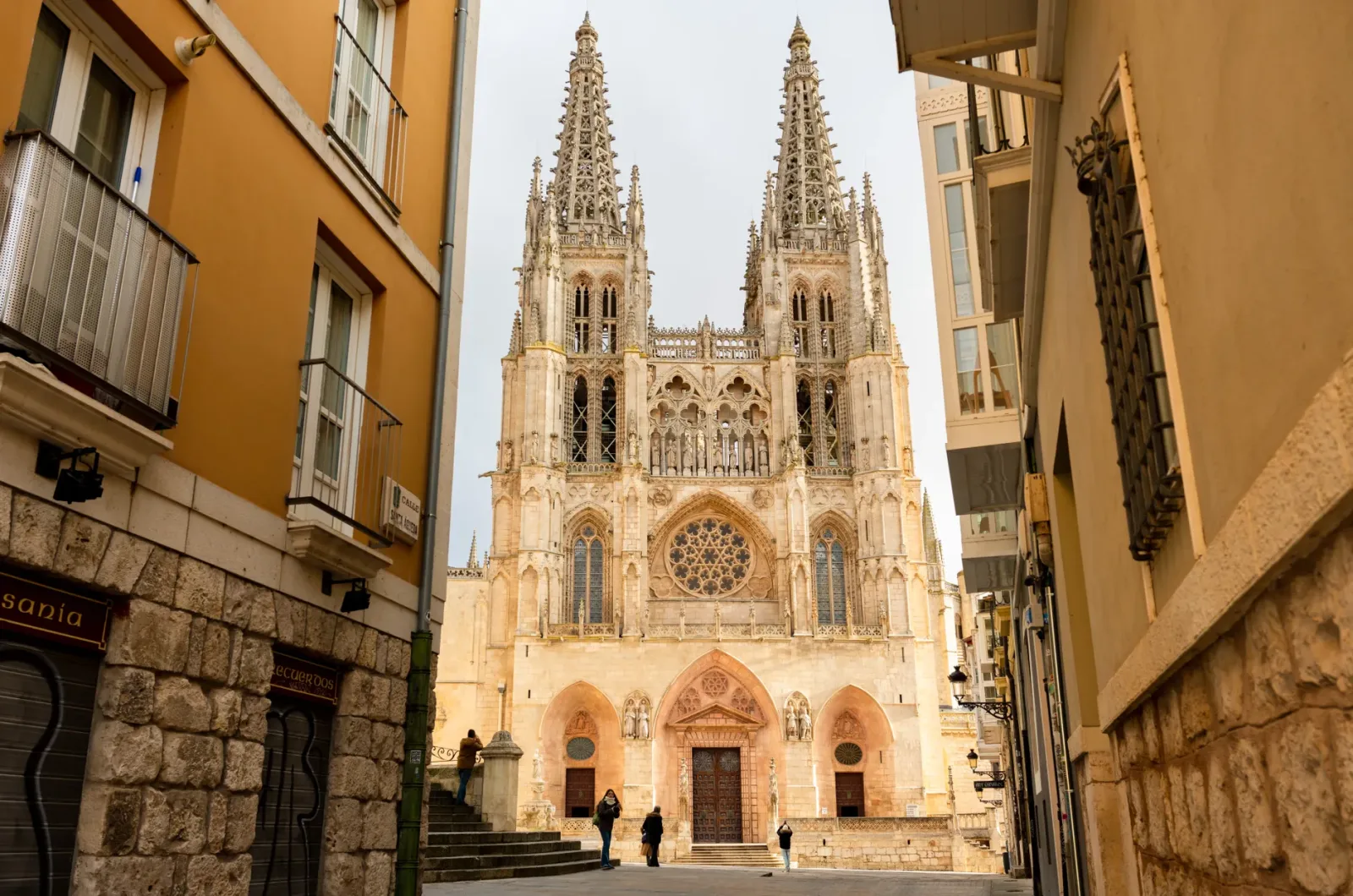
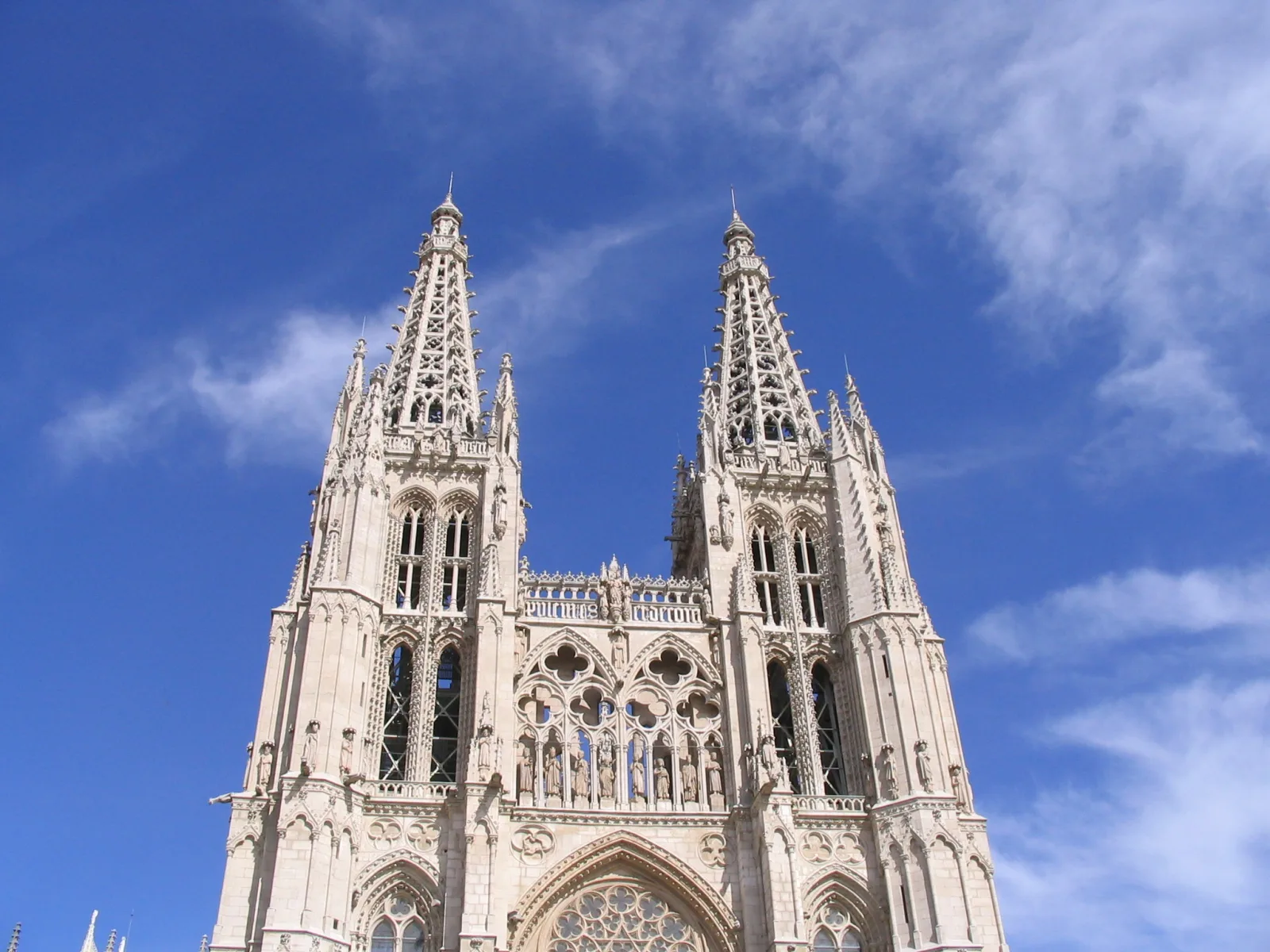
The urban layout helps. The medieval legacy is concentrated in a few areas, with the Gothic cathedral as a visual reference and the historic squares organizing the walking route. The presence of El Cid, treated here as part of local memory, reinforces this interest in Castilian history without requiring an extensive museum itinerary.
It is a destination that works best for those who want to walk, admire architecture, and set aside a few hours for cafés, tapas, and a leisurely stroll at the end of the day. Those who arrive expecting to see a lot in a short time tend to enjoy Burgos more than those looking for a city of attractions spread out far apart.
How to organize a 2-day visit to Burgos
Start in the historic center and spend most of the first day on foot, without trying to fit in too many things. The logic works best if you group nearby sights into a continuous walk, with short breaks for coffee or tapas between one visit and another. That way, the city is enjoyable without turning into a marathon.
On the second day, leave the morning for the Museum of Human Evolution and the Burgos Museum, which require more attention and work well in sequence. Then head to the slightly farther areas, such as the Cartuja de Miraflores and the Monastery of Las Huelgas, reserving the late afternoon to return to the center and end the day with free time in the square or the bar streets. If you prefer a less rushed pace, choose only one of these two monuments and use the rest of the time to walk along the river.
The riverfront works well as an in-between stop between visits, not as a separate block. A walk along the Paseo del Espolón, the San Pablo Bridge, and the Castle area helps break up the sequence of museums and churches without requiring transportation all the time. If you are with children, elderly people, or simply want to avoid too much travel, do the longer routes only once a day and concentrate the rest on the short walks in the center.
At night, Burgos works best when you do not make the program too rigid. After the main visits, there is still room to sit down, order tapas, and watch the activity without rushing. Those who stay two nights in the city usually enjoy this pace more than those who try to fit everything into just a few hours.
Editorial transparency: Some links on this page are affiliate links. We may earn a commission at no extra cost to you. This does not influence our recommendations.
What to see in the historic center and on the riverbank
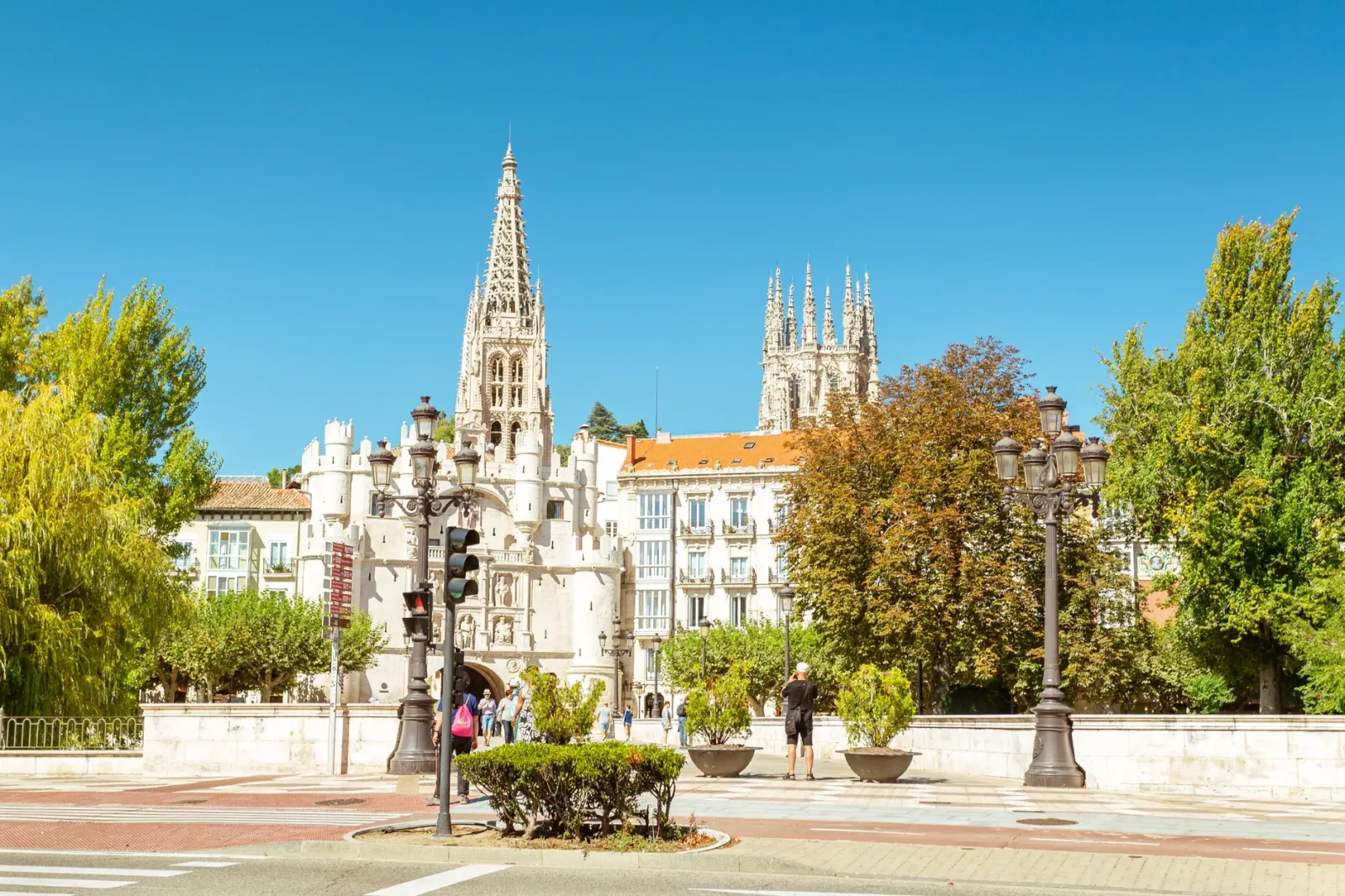
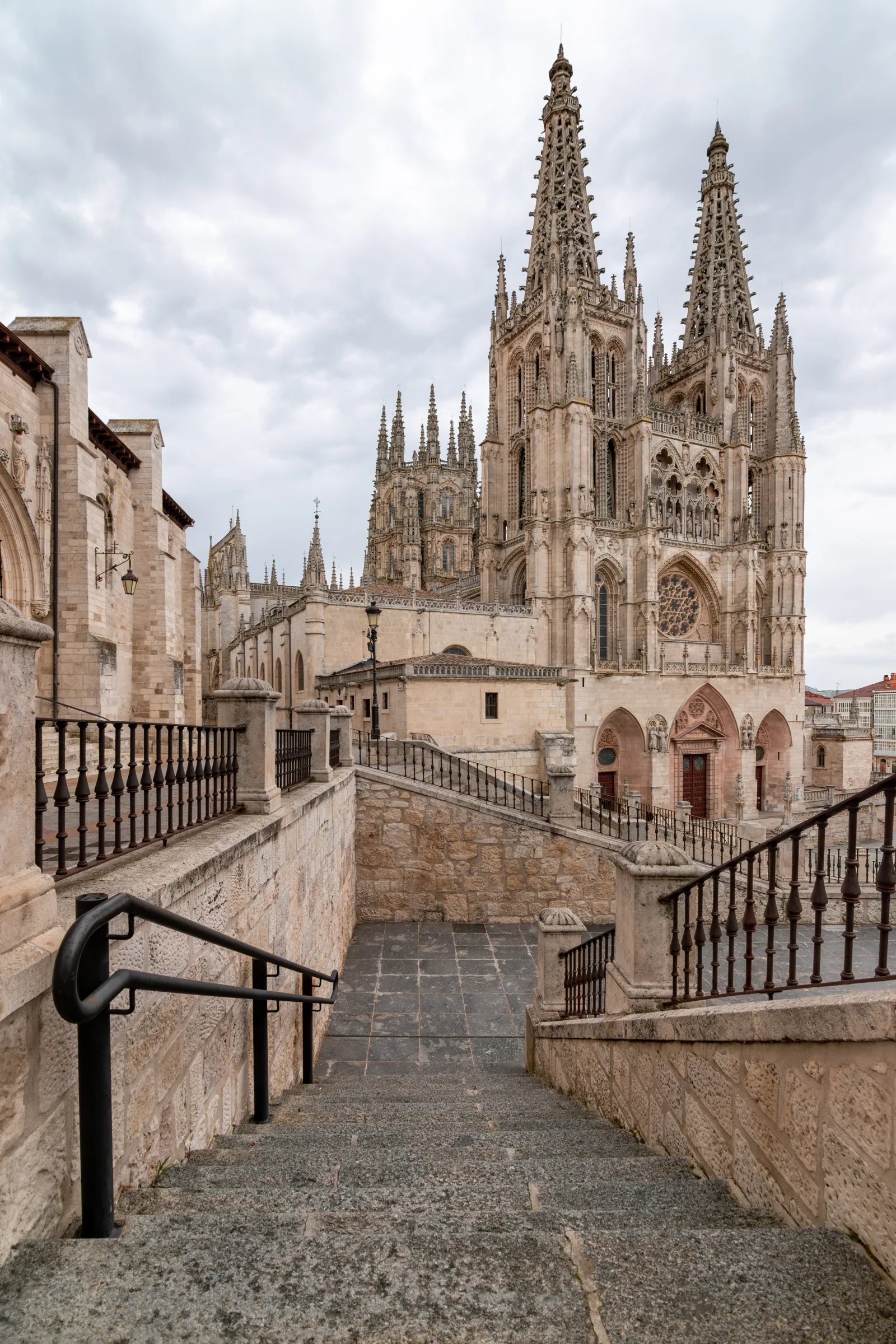
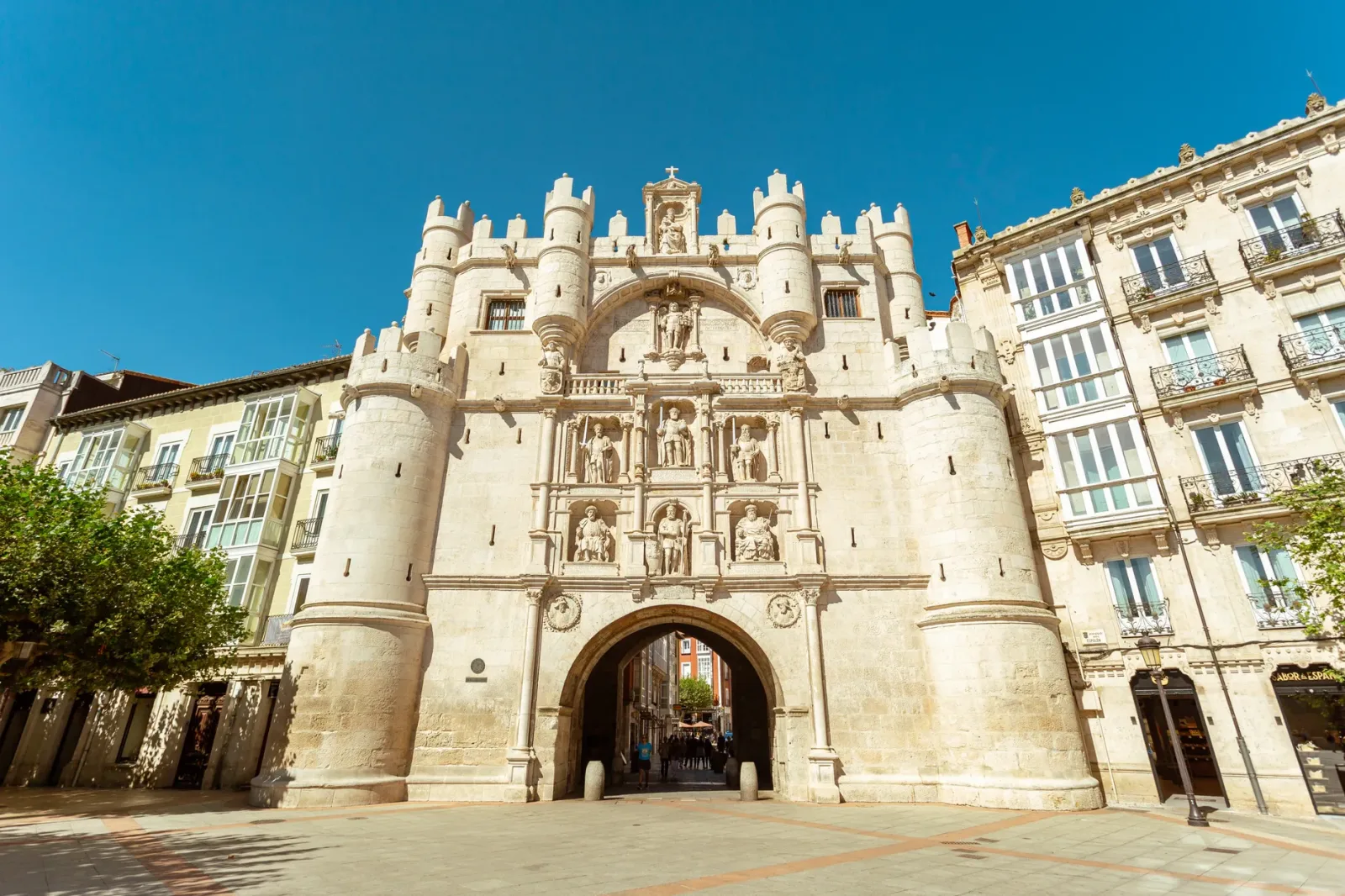
The walking visit through the center begins at Burgos Cathedral and Santa Maria Square, which serve as the orientation axis. From there, the route almost naturally continues to San Nicolás de Bari Church, just a few steps away, before going on to the Arco de Santa María, which marks the passage between the monumental area and the open frontage toward the river. This sequence makes sense because it reduces backtracking and concentrates the densest stops in the same stretch.
After the arch, the path descends to the Paseo del Espolón, where the walk changes pace. Instead of enclosed facades and squares, you now have the Arlanzón riverbank as your reference, with space to walk at a leisurely pace and observe the city from another angle. The Casa del Cordón sits in this transition between the historic center and the wider streets, making it a useful short stop before continuing to Mío Cid Square and San Pablo Bridge, which lead back across the river and bring you closer to the frontal view of the cathedral.
On the other side, the visit gains perspective. The bridge connects the center to the stretch of the city that rises toward the Castle Viewpoint, a good spot to understand the layout of the historic core and locate the main monuments you have just seen on foot. If time is short, it is worth making the climb only at the end of the route, when the city is already easier to read.
The most practical layout is this: start with the cathedral, cross the historic core toward the arch, walk along the river, and finish with the bridge and the viewpoint. That way, you do not treat each point as an isolated visit and avoid repeating routes in the same part of the city.
Museums and monuments to understand the city’s history
The Museum of Human Evolution is the most direct visit for anyone who wants to understand why Burgos appears so often in conversations about European prehistory. The collection starts with Atapuerca and helps connect the archaeological finds to the city itself, with pieces and explanations about human evolution, as well as a section dedicated to Charles Darwin. It is a stop that works well when you want context, not just display cases.
The Museum of Burgos, housed in a 16th-century mansion, broadens this panorama with a focus on local and regional history. It includes prehistory, archaeology, and materials found in Burgos and Castile and León, as well as human fossils from Atapuerca, Gothic tombs, and remains from Clunia, the ancient Roman city. If you need to choose between the two museums, this is the one that helps put together the city’s timeline and its surroundings.
In the Cartuja de Miraflores, the interest shifts and turns to funerary art and royalty. The highlight is the carved tombs of John II of Castile and Isabella of Portugal, as well as the gilded altarpiece with gold from the first shipments from America. The visit also shows Gothic and Renaissance elements that help read the artistic taste of the Castilian court.
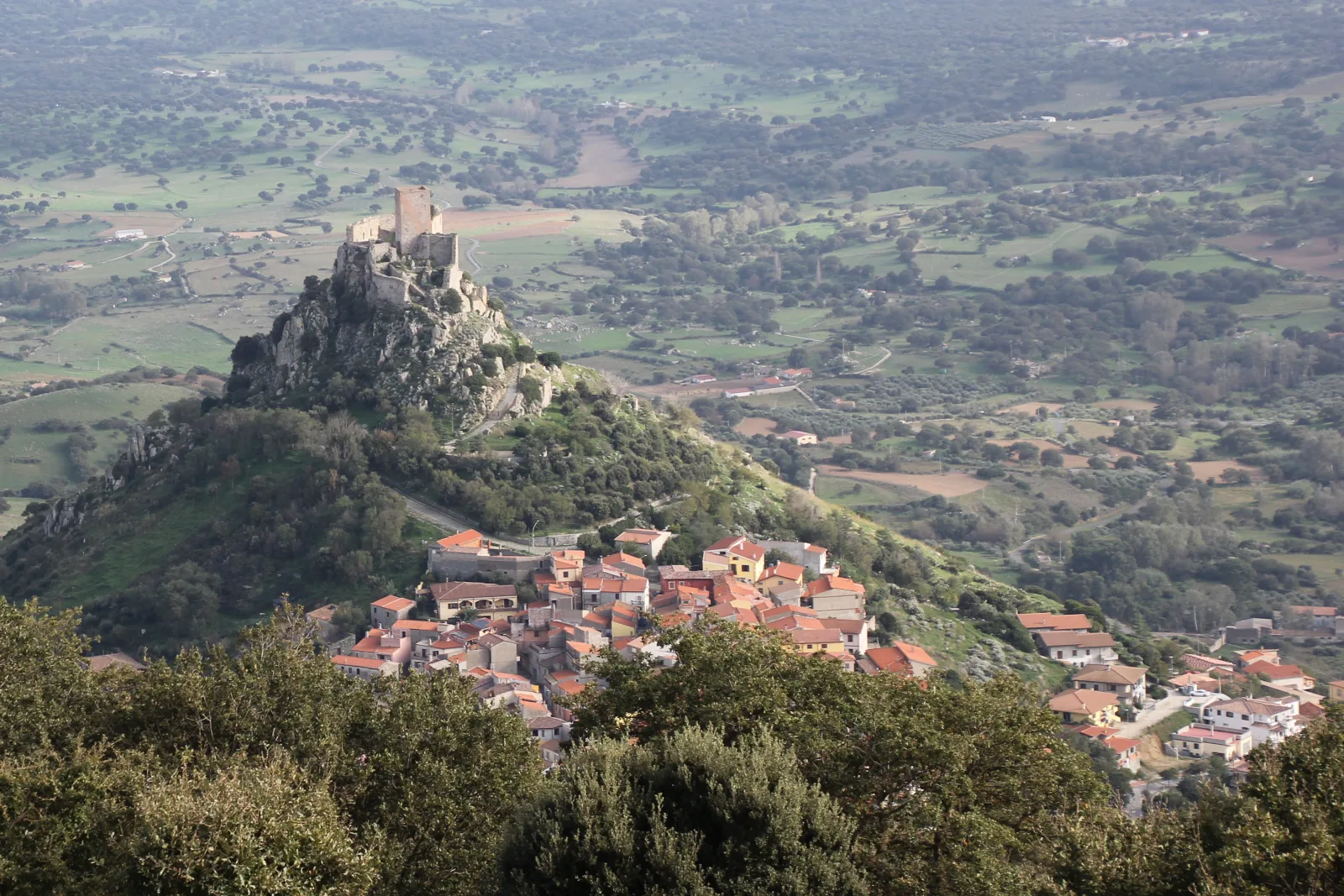
The Monastery of Las Huelgas brings another layer of history: monarchy, religious life, and royal burials. The guided tour passes through the Romanesque cloister, the Renaissance gilded altarpiece, and the Museum of Rich Fabrics, with jeweled tunics and royal garments. Meanwhile, the Castle of Burgos adds the city’s military and political side, with origins in the 9th century, later reconstructions, and a small indoor museum about local history.
Where to eat in Burgos and what to try
Burgos calls for winter cuisine, oven-baked dishes, and tables that do not try to impress by appearance. Morcela usually appears as a tapa or starter; cordero lechal and chuletillas de cordero make more sense in long meals; and sheep’s cheese fits well before dessert. If you want to sample a more local selection, include cangrejos de río, lentilhas and alubias rojas as well. To finish, postre del abuelo brings together Burgos cheese, honey, and walnuts and is usually the easiest dessert to recognize on the menu.
Among the restaurants mentioned, Cobo Tradición is the most creative option in its reading of classic Spanish cuisine, with stews and preserves in a more elaborate version. A Fábrica goes another way: it uses seasonal ingredients and works well when you want a more straightforward menu, with meat and fish, including half portions. A Favorita is a more straightforward tapas spot, focused on grilled meat over charcoal and house wine. Casa Ojeda sits in the more traditional register, with a reputation tied to roast lamb.
If the idea is to choose by profile, Cobo Tradición calls for a more considered meal; La Fábrica serves well those who want variety without excess; La Favorita fits into a tapas round; and Casa Ojeda makes sense for a classic lunch or dinner. In Burgos, it is worth reserving the main dish for a seated meal and leaving the tapas for the rest of the day, because many of the city’s flavors come through best in simple, unhurried portions.
Where to stay in Burgos
The Hotel AC de Marriott Burgos is located in front of the Arlanzón River and is just steps from the Arco de Santa Maria. It is a four-star hotel, with balconies and river views in some of the rooms. It also offers a fitness room and a lounge where meals and drinks are available throughout the day. It makes sense for those who want to stay near the center, with easy movement between the riverbank and the historic area.
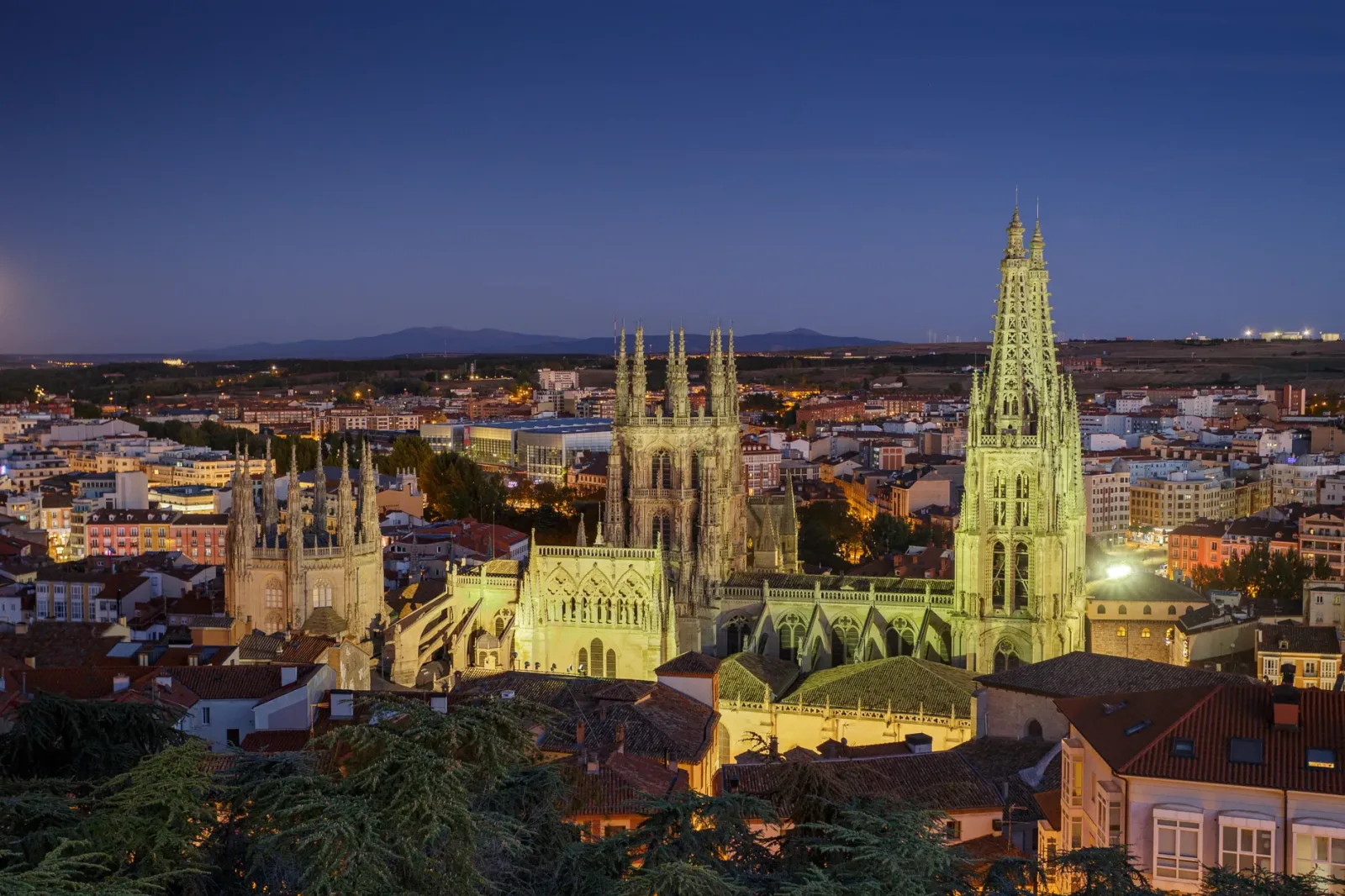
The NH Collection Palacio de Burgos occupies a 16th-century Gothic palace and takes a more high-end comfort-oriented approach. The rooms have wooden floors and large beds; the hotel also features a restaurant, bar, and gym. It is the strongest option for those who value a historic building without giving up full facilities in the hotel itself.
The Crison Mesón del Cid is the most economical of the three and is located in front of the cathedral. The rooms have classic decor, wooden furniture, terracotta floors, and wrought-iron beds; some have views of the cathedral. There is an on-site restaurant, where breakfast is served. For those who want a very central location and do not need many extras, it works well.
Best time to visit Burgos and how the weather changes
June to October is the most comfortable window to visit Burgos. During this period, the weather tends to be more stable and dry, with warm summer days and little rain. Between June and August, highs are around 30°C during the day, while nights are around 20°C.
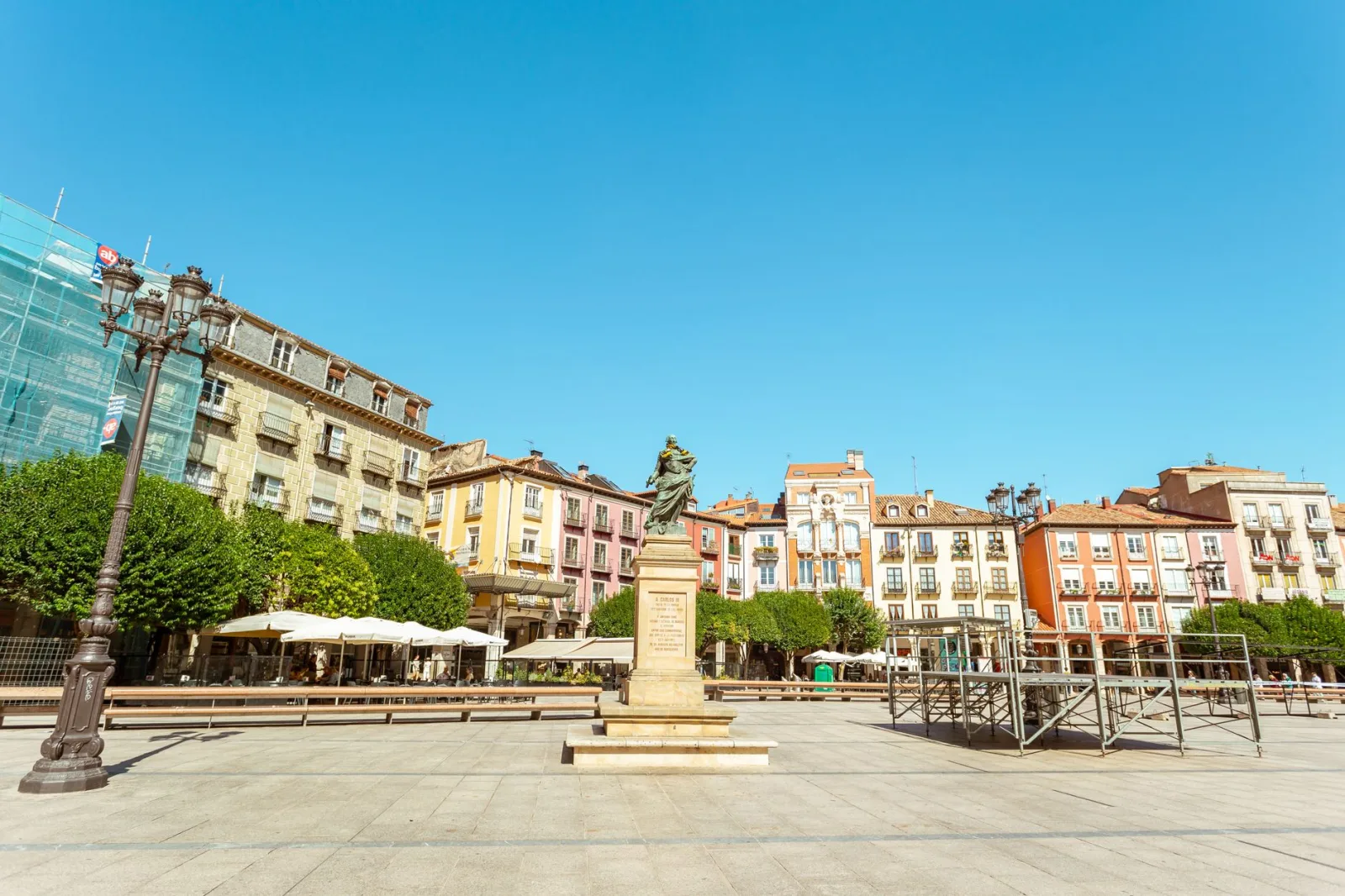
From September onward, the heat eases off and the city becomes more pleasant for walking long distances in the city center and along the riverbank. It is still a good time to be outdoors, but it is worth bringing an extra layer for the end of the day, because temperatures drop earlier and the cold can be felt easily.
In winter, the scenery changes a lot. Temperatures plunge and can reach -10°C at night. This affects the experience of those who want to explore the city on foot for hours, especially in the early morning and after sunset. If your trip falls during this season, thermal clothing and a heavy coat stop being a detail.
To choose the date, think about the kind of trip you want to take. If your priority is walking more comfortably and spending more time outdoors, the June to October period offers the best margin. If the trip has to happen outside this window, the cold becomes a central part of the daily planning.
Seasonal events and experiences in Burgos
Semana Santa brings Burgos to life with religious processions spread over several days, each with its own tone. The program begins on Good Friday, with a penitential rosary lit by torches. Then come Passion Saturday, with the announcement and proclamation of the week, and Palm Sunday, with the donkey procession. On Holy Monday, the Stations of the Cross take place at dusk, departing from the Church of San Esteban toward the castle. If this kind of schedule is part of your trip, it’s worth checking the current program before finalizing your dates.
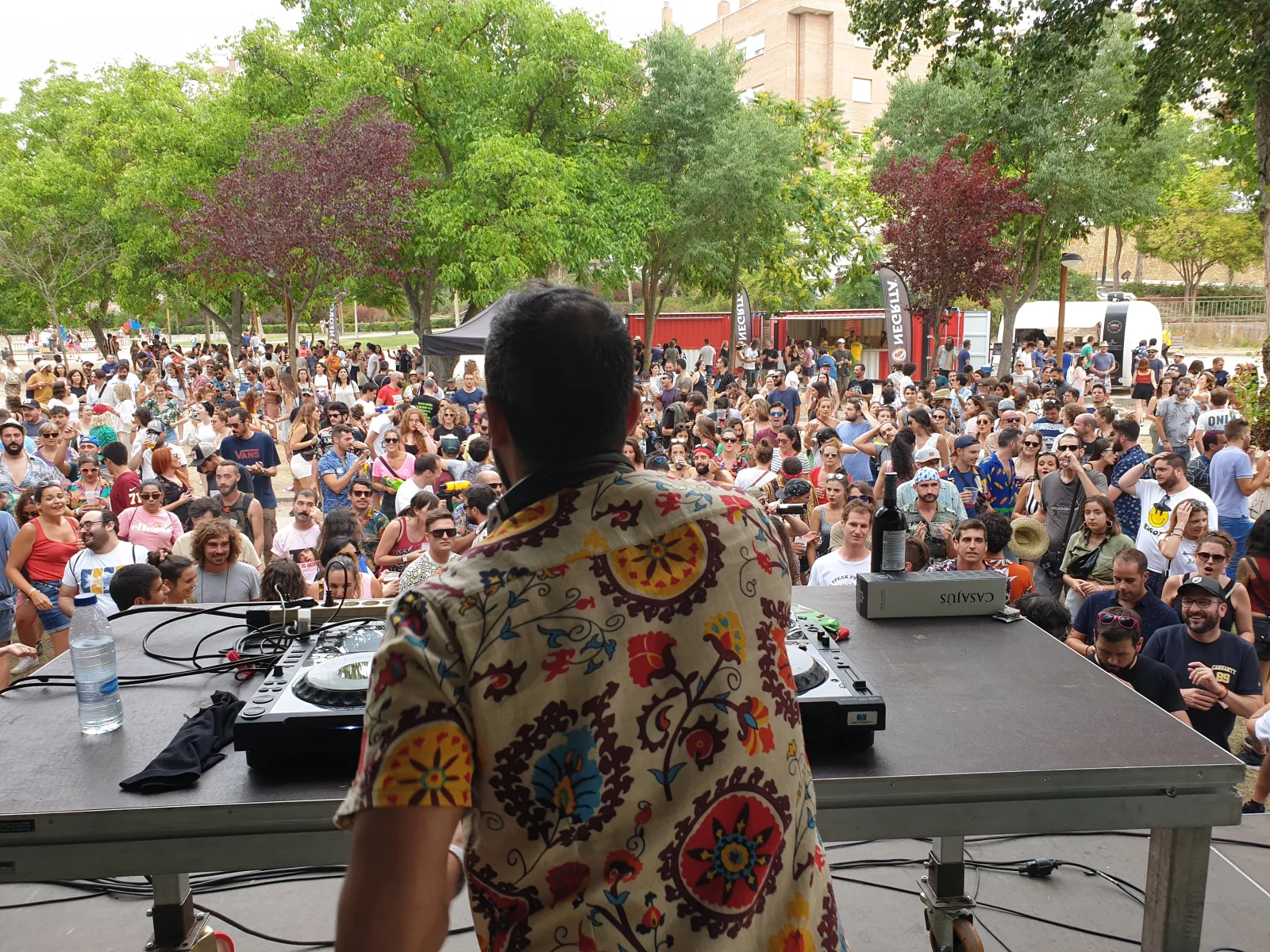
In July, the International Folkloric Festival takes over city squares during the third week of the month. The agenda includes folk groups and artists from Spanish-speaking countries, as well as workshops, parades, live music, and street food. Between the end of September and the beginning of October, Burgos Cidiano changes the city’s pace with parades, markets, historical reenactments, and workshops linked to the Middle Ages, in tribute to El Cid. Both events work well for anyone who wants to see the city in motion, but with very different profiles: one more tied to religious celebration, the other to street life and historical staging.
Outside the center, the Camino de Santiago remains a natural extension of the trip for those who want to walk a marked stretch identified by the scallop shell. The city’s inner section passes through an industrial area, so not every part of the route is visually appealing, but the stretch heading toward León crosses wheat fields. The Monastery of Santo Domingo de Silos is a good choice for a full-day outing or a long half-day: it is about an hour from Burgos, offers guided visits, and sometimes allows visitors to hear the monks sing Gregorian chants. Bodegas Portia, on the Ribera del Duero route, combine architecture designed by Norman Foster with a visit to modern winemaking and a tasting at the end, served with tapas.
Burgos with children: what usually works best
Castelo de Burgos usually works well with children because the visit combines open space, a short climb, and the feeling of exploring a real fortress. The small museum helps if the group is curious about history, but what usually holds attention more is the route through the site and the view from the top. If the child gets tired, the visit does not require spending much time in enclosed rooms.
At Paseo del Espolón, the strong point is the pace. It is a flat walk, easy to fit in between one attraction and another, with space to stroll without rushing and take breaks when needed. For families, that matters more than any major attraction: fewer stairs, less hurry, and less chance of turning the outing into an effort.
The Museu da Evolução Humana is usually the most useful choice for children who are old enough to look at fossils and understand a simple story about human origins. The collection linked to Atapuerca gives the visit a concrete theme, and that helps maintain interest longer than a very abstract museum. If the child prefers seeing and touching to listening to long explanations, it is worth keeping the visit moderate and focusing on the essentials.
Paleolítico Vivo makes sense for families who want an outdoor activity with contact with animals. The proposal combines walking and safari, which usually holds children’s attention better than a purely contemplative route. If you are choosing among the four, it is the one that depends most on the group’s taste: it works best when the idea is to leave the city center and spend part of the day in a natural setting.
Frequently asked questions
How many days are enough to visit Burgos?
Two days are usually enough to see the historic center, walk along the riverbank, and visit the main museums and monuments at a relaxed pace.
What should not be missing from an itinerary in Burgos?
Burgos Cathedral, Santa Maria Square, the Arco de Santa María, Paseo del Espolón, and San Pablo Bridge are among the most practical sights for a first itinerary.
Which museums are most worth visiting in Burgos?
The Museum of Human Evolution and the Burgos Museum are the most useful visits for understanding the city’s history and its connection to Atapuerca.
Where should I eat in Burgos to try the local cuisine?
It is worth looking for dishes such as morcela, cordero lechal, chuletillas de cordero, and postre del abuelo. Among the restaurants mentioned in the article, there are options that are more traditional, tapas-focused, and more elaborate cuisine.
What is the best time to visit Burgos?
June to October is the most comfortable period for walking around the city, with more stable weather and less rain. In winter, the cold can be intense.