Berlin: complete guide on what to do, where to stay, and how to plan your trip
Berlin: discover where to stay, how many days to book, and how to organize an itinerary, museums, the Wall, and sightseeing with less travel time.
How to choose the right base for sleeping in Berlin
Staying near a train or subway station makes travel in Berlin much simpler. The city is large, getting between points of interest can take longer than it seems on the map, and the difference between a well-located hotel and one that is only “cheap” usually shows up at the end of the day, when you are already tired and want to get back without any hassle. If the idea is to get around easily, prioritize accommodations with direct or very simple access to the most visited areas.
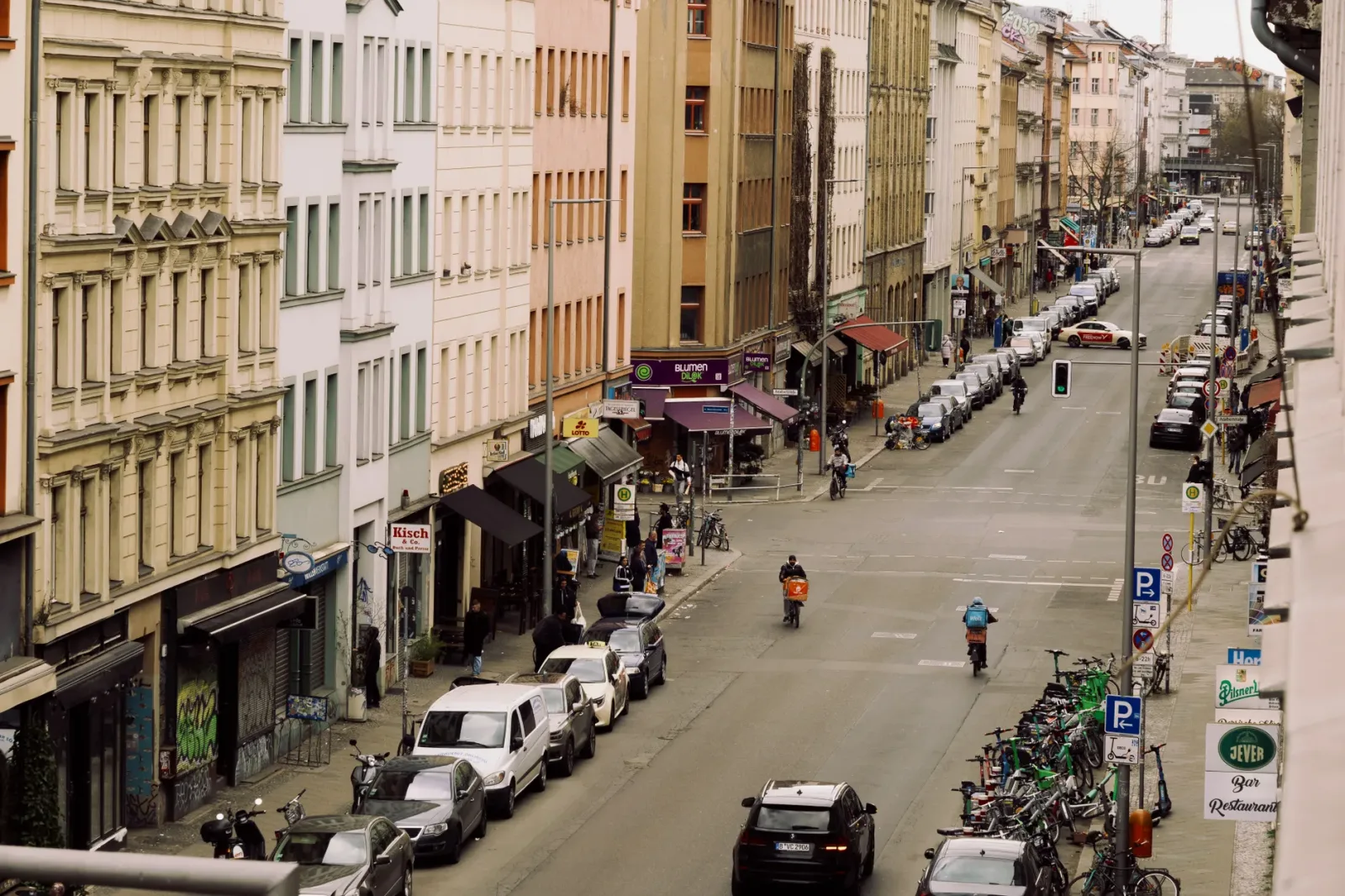
Among the most practical neighborhoods, Mitte usually works well for those who want to stay close to the center and shorten travel times. Kreuzberg is a better fit for those who like a more alternative area with good street life. Prenzlauerberg tends to appeal to those looking for a quieter place to sleep. Friedrichshain and Tiergarten also work as useful bases, each with its own way of connecting to the rest of the city. The deciding point is not just the neighborhood, but the actual distance to efficient public transportation.
For families, it is worth taking a close look at the hotel’s immediate surroundings: a very busy street, a station that is too far away, or a complicated line transfer weigh more heavily than they seem in everyday life. In Berlin, booking in advance helps increase the chances of finding a well-located place to stay at a more favorable price, especially in areas that offer easy access to the main tourist regions. After choosing the neighborhood, check on the map whether the nearest station really works for the itinerary you want to do.
How Many Days to Stay and How to Set the Pace of the Trip
Set aside at least four full days in Berlin. Less than that usually forces cuts in the itinerary and makes the city feel like a checklist. With four days, you can divide the trip between the historical core, the museums, the neighborhoods to explore on foot, and some outdoor time without forcing everything into the same block.
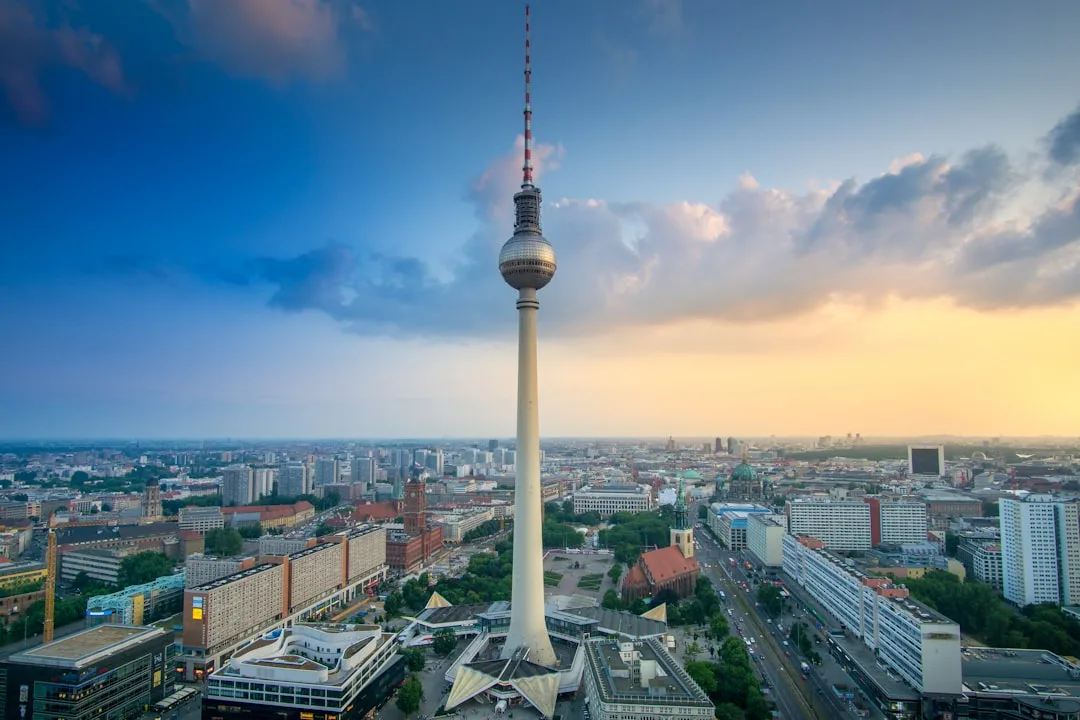
An efficient way to split it is to think in layers. Use one day for the central landmarks of recent history and the imperial period, another for museums and galleries, a third to wander through neighborhoods like Mitte and Kreuzberg at a relaxed pace, and leave a fourth for parks, the river, and viewpoints. If your stay goes beyond that, the city starts to leave room for longer breaks, markets, shopping, and nightlife without sacrificing the main sights.
If you’re traveling with children, it’s even more important to avoid overly packed days. Berlin calls for short trips, breaks, and changes of pace. Trying to fit everything in sequence is more tiring than helpful, because so many important places are spread out and the charm lies precisely in alternating between a museum, a walk through the city, and open views. For families, an itinerary with half-day blocks and free time at the end of the afternoon works better.
The ideal approach is to plan the trip without tying up every hour before you arrive. First, set aside what is absolutely top priority; then, fit in the rest according to where you’re staying and the weather. In Berlin, the real gain comes less from rushing after lots of sights and more from giving the city time to make sense.
Editorial transparency: Some links on this page are affiliate links. We may earn a commission at no extra cost to you. This does not influence our recommendations.
The main historical landmarks to include in the itinerary
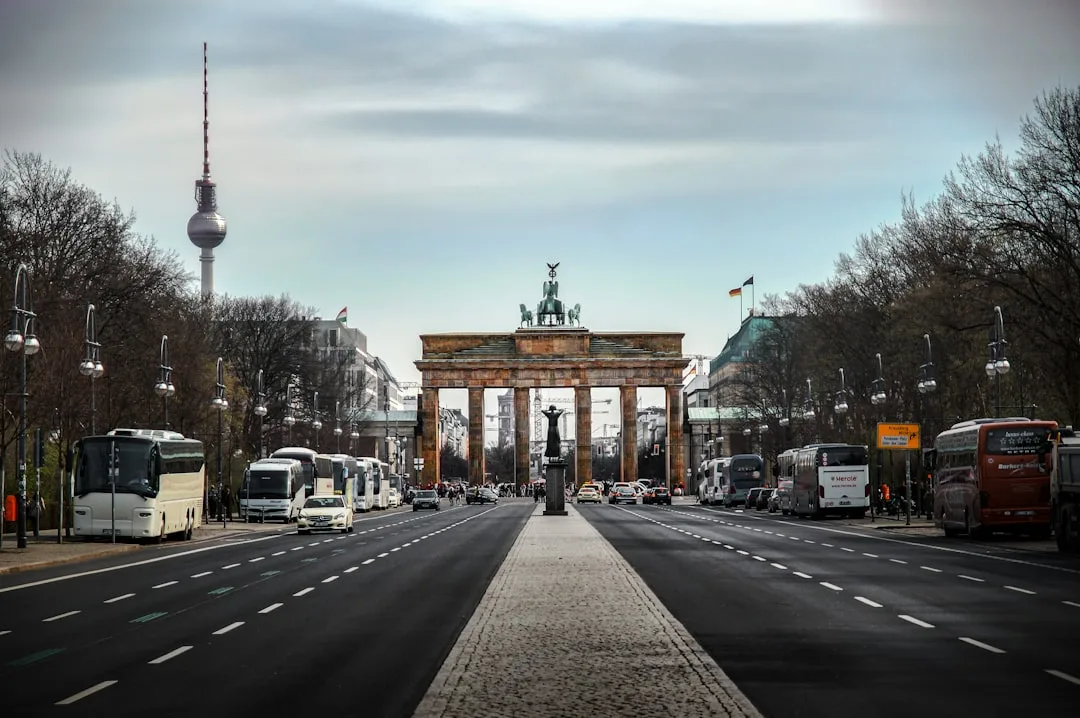
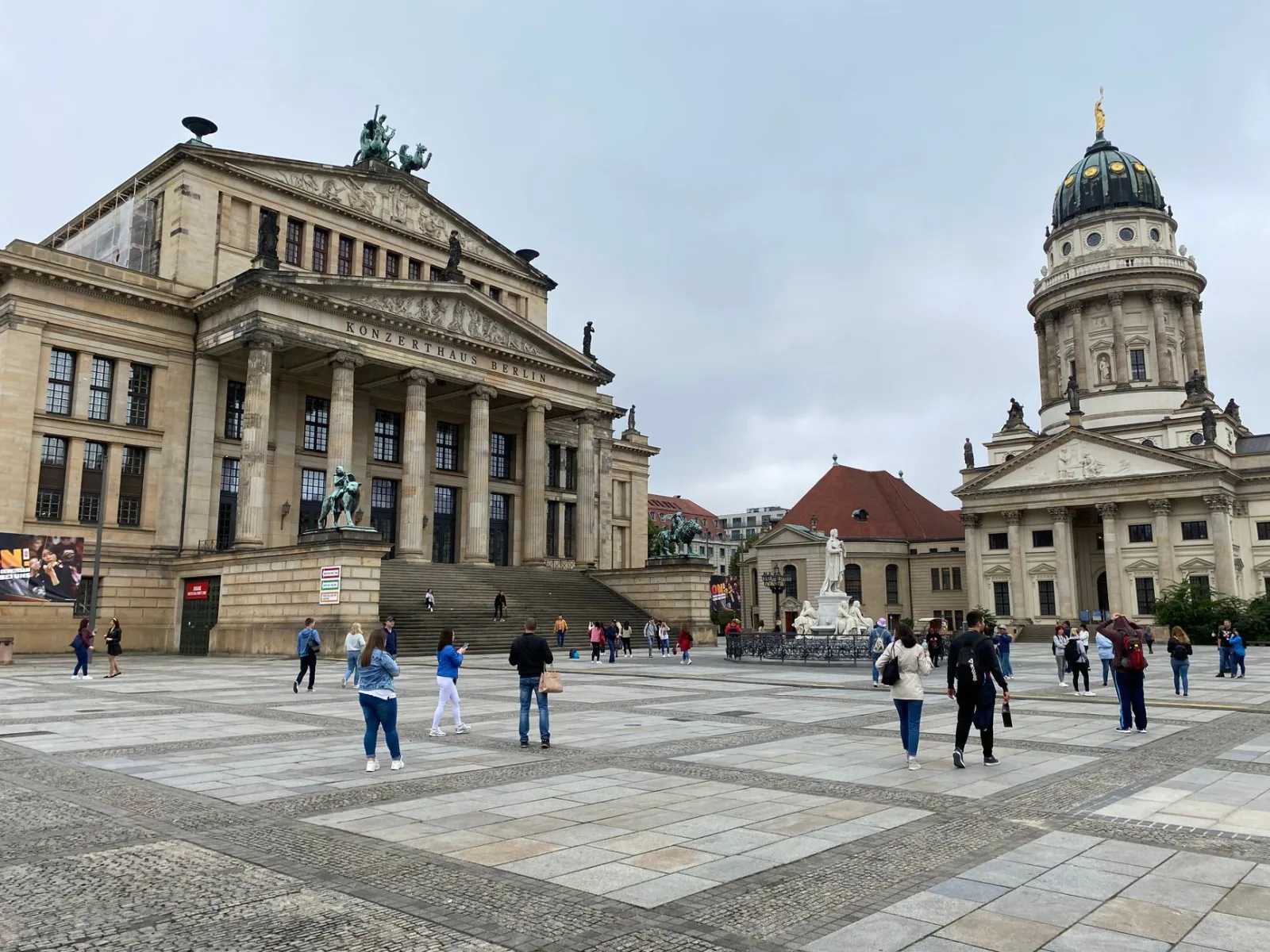
Brandenburg Gate, the Holocaust Memorial, Checkpoint Charlie, the Reichstag and the Unter den Linden avenue form the historical core of a first-visit itinerary because they are located in an area that helps you read the city in layers, from Prussia to the 20th century. Unter den Linden serves as a walking axis between monuments and buildings that help place the former imperial capital and the current political center.
Brandenburg Gate is worth the stop because it is one of the most recognizable symbols of Berlin and because it carries the weight of having stood isolated during the city’s division. Just a few steps away, the Holocaust Memorial deserves unhurried time: the open space, formed by concrete blocks, calls for a quiet walk and attention to the historical context it represents.
The Reichstag belongs on the itinerary for two practical reasons: the architecture of the glass dome and the view over the central area. If you want to go up, advance booking is part of the visit. Checkpoint Charlie, meanwhile, helps place one of the best-known points of the former border between the two sides of the city; even with its tourist appeal, it serves as a concrete reference for understanding the logic of divided Berlin.
If time is short, it is worth organizing this set into the same part of the day, preferably on foot. The sequence reduces travel time and makes it clearer how these places connect with one another.
How to understand the city divided by the Berlin Wall
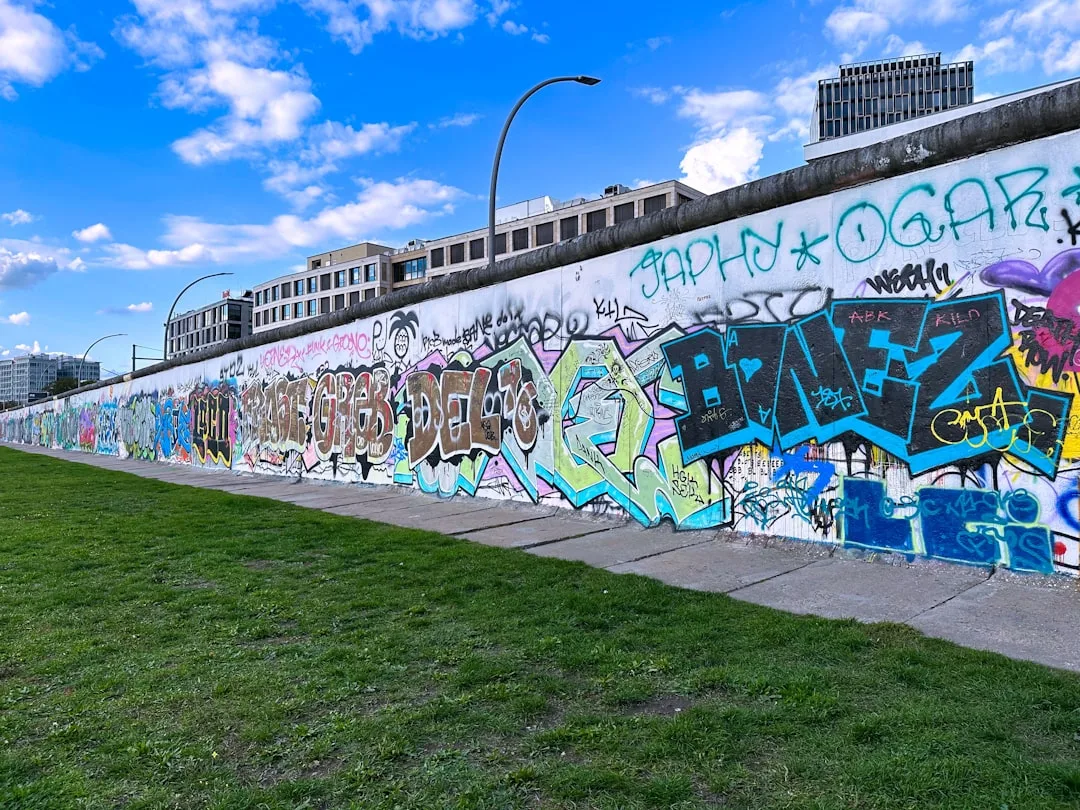
If you want to understand Berlin through the logic of division, start with the places where traces of the Wall still remain. There are preserved sections scattered across the city, but the reading becomes clearer when you connect different points along the same route. East Side Gallery shows a long stretch of the wall covered with paintings and graffiti; the Berlin Wall Memorial helps you see the original structure and the impact of the division; Nordbahnhof preserves the memory of the stations affected by the border; and Trännenpalast provides context for the movement of those who crossed between the two sides.
The DDR Museum fits well into this circuit because it looks at everyday life on the eastern side without turning the visit into an abstract lesson. It is a useful complement for those who want to understand how the city worked beyond the major political events. If you are putting together an itinerary with little time, it is worth prioritizing one of these museums and a preserved stretch of the wall rather than trying to fit everything into the same day without room to absorb what you are seeing.
For those who prefer context before walking on their own, the specific guided tour about the Wall solves many of the questions in just a few hours. This kind of tour usually connects the dots between the most important sites of the city’s division and helps you read what today seems scattered across the map. In Berlin, the topic is spread across several addresses; the gain lies in knowing which ones provide real historical context and which ones function more as a stop along the way.
Museums and galleries to visit in Berlin
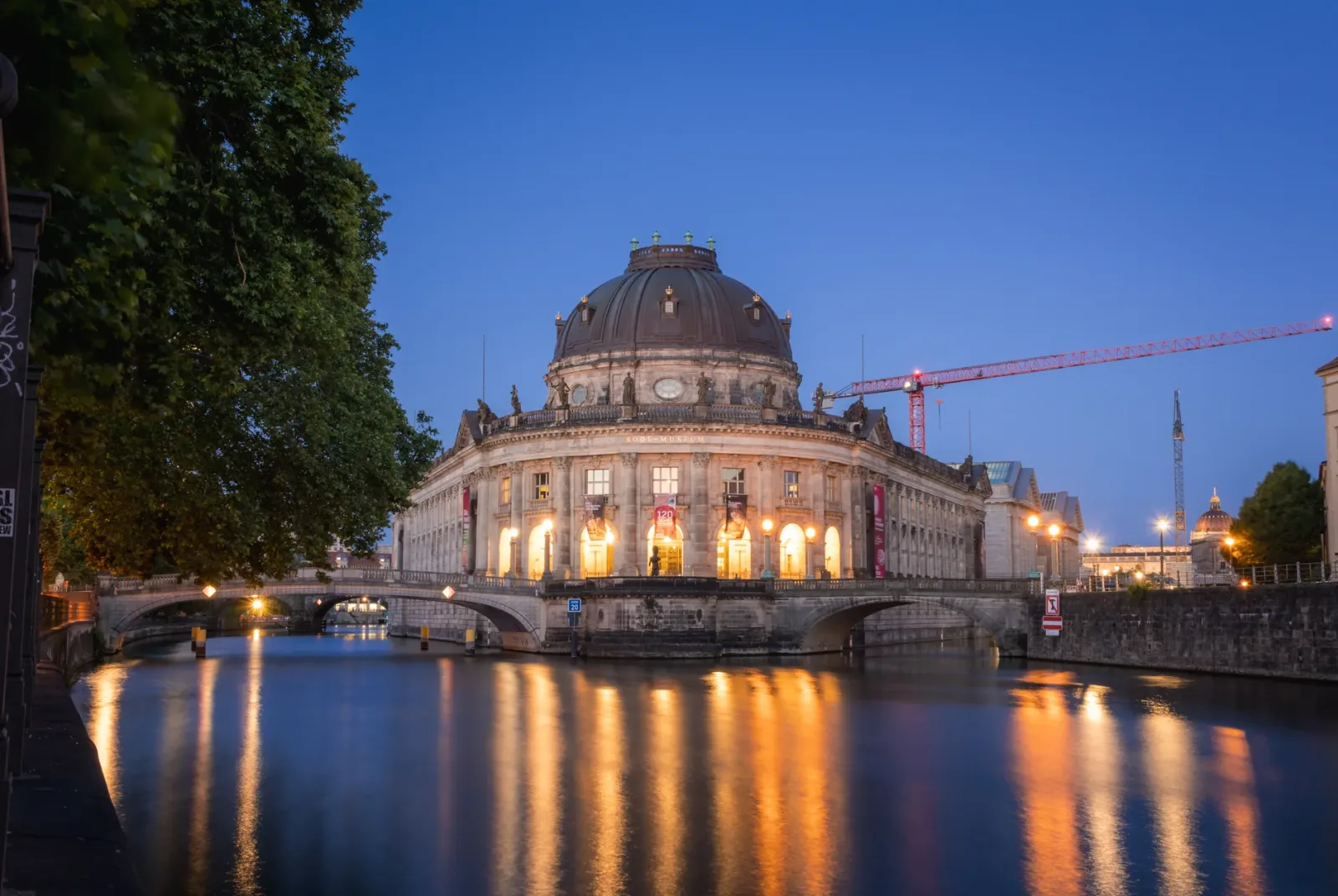
Museum Island concentrates the strongest core of Berlin’s cultural program. Anyone wanting to visit everything in a single day needs to know that there are five different institutions: the Pergamon Museum, the Altes Museum Berlin, the Neues Museum, the Alte Nationalgalerie, and the Bode-Museum. The logic of the visit changes depending on your interests. The Pergamon Museum attracts those who want to see monumental reconstructions at full scale, such as the Pergamon Altar. The Altes Museum brings together pieces from Classical Antiquity in gold, silver, and bronze. The Neues Museum is the home of the Egyptian collection. The Alte Nationalgalerie concentrates 19th-century painting and sculpture. If the idea is to enter all of them, the one-day combined ticket usually makes sense.
Outside the island, the Neue Nationalgalerie is the most direct choice for modern art, with works by Edvard Munch, Pablo Picasso, Francis Bacon, Gerhard Richter, and Andy Warhol. The Gemäldegalerie follows a different focus: European painting between the 13th and 18th centuries. It is a museum for those who want to see the evolution of painting with less dispersion and more visual context. The Berlinische Galerie, in turn, explores the transition to contemporary art and is usually a good option if you prefer smaller, more focused collections.
When deciding what to include in your itinerary, think less about “seeing museums” and more about focus. If you want archaeology, antiquity, and large halls, Museum Island delivers the essentials. If you want modernity, the Neue Nationalgalerie does the job. If your priority is European painting, the Gemäldegalerie is the most coherent choice. If you are looking for a panorama of more recent Berlin art, the Berlinische Galerie fits better. On busy days, it is worth combining just one of these blocks with another light outing, so the itinerary does not turn into a marathon of galleries.
Outdoor walks and city views
Walking through Mitte and Kreuzberg is a good way to experience the city without turning the day into an attraction marathon. In Mitte, street life tends to be more central and practical, with cafés, shops, and constant activity. Kreuzberg leans toward a more alternative pace, with a mix of residents, students, and artists, as well as a more multicultural atmosphere. For those traveling with family, it’s worth choosing short stretches and taking breaks; the appeal here is walking without a fixed plan and observing what appears along the way.
Mauerpark works best on Sunday, especially when the weather helps. The lawn fills with people, there are barbecues, an area to sit and stay outdoors, plus the antiques and crafts market. The karaoke arena has also become part of the park’s routine. If you’re going with children, it can be a light stop to rest between outings; if you prefer less activity, arrive early.
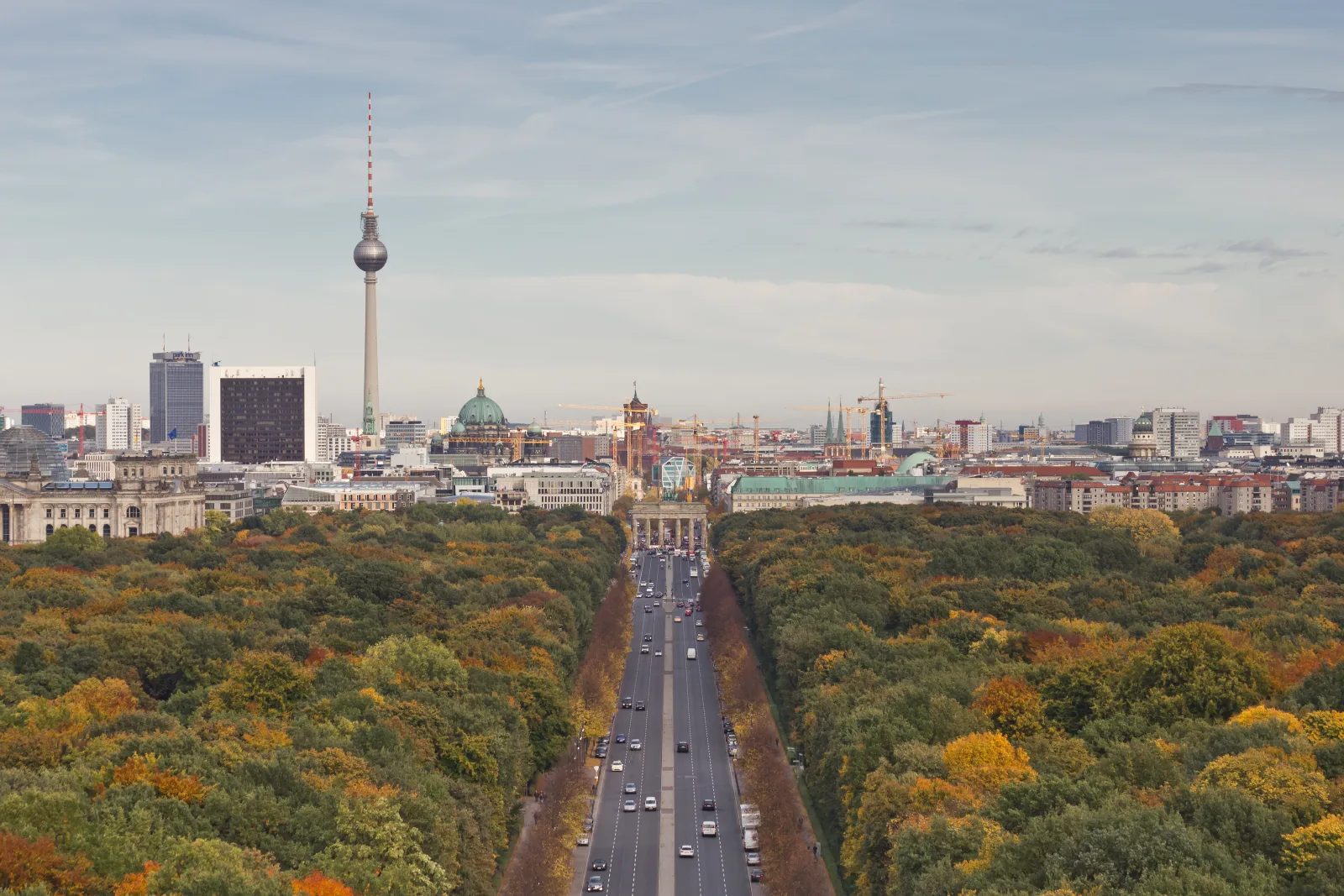
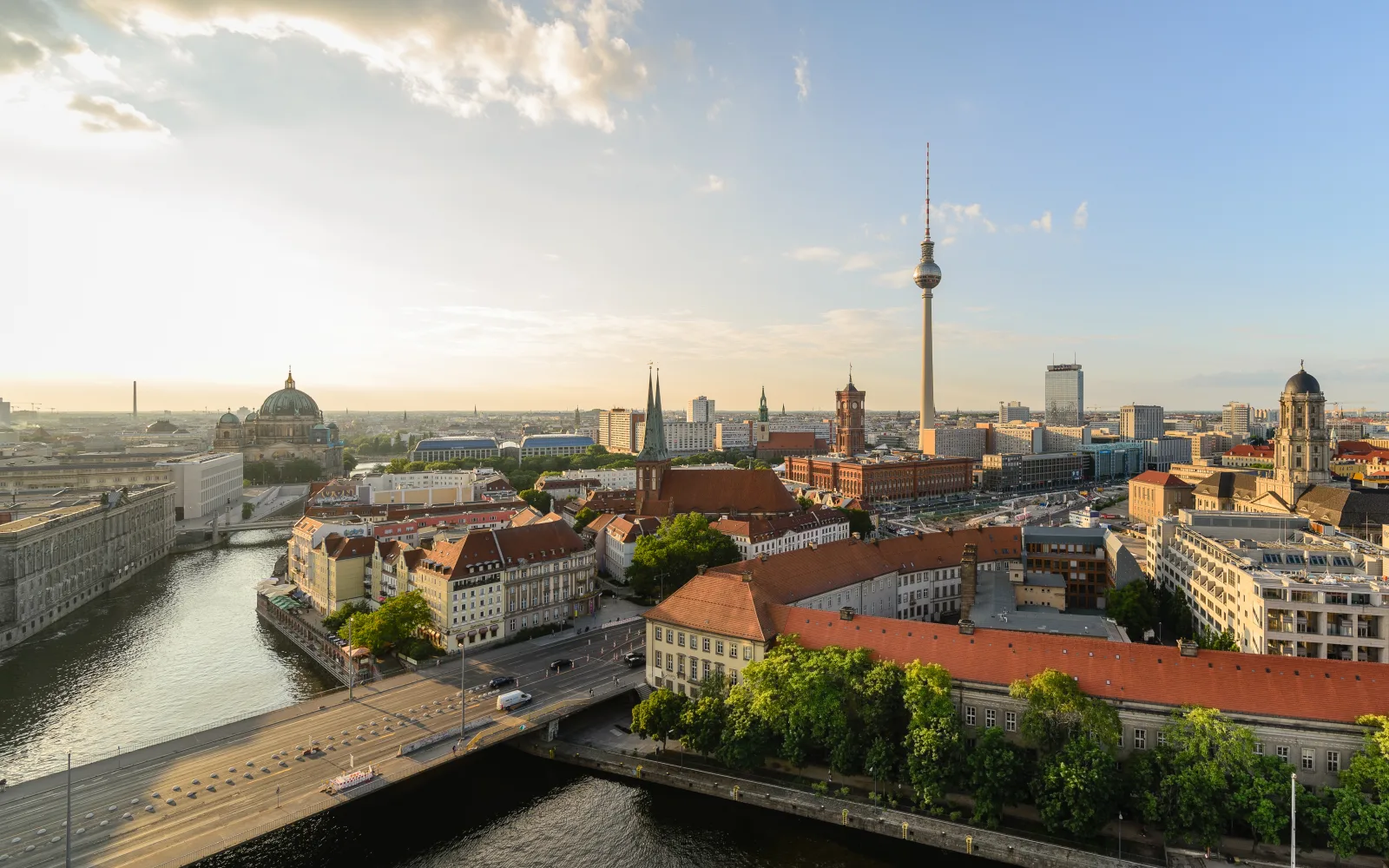
To see Berlin from another angle, the cruise on the Spree River helps you understand the city from the waterfront, without effort. It runs during the warmer months and can be done during the day or at night; some departures include dinner, which is worth checking when booking. Those who want a wide view have other strong options: the TV Tower in Alexanderplatz has an observation deck and rotating restaurant; the terrace at the Humboldt Forum looks out over Museum Island; the Reichstag lets you go up to the glass dome with an audio guide and 360-degree views; and the Victory Column offers a perspective over Tiergarten. Since these accesses may require advance booking, confirm before you go.
If the idea is to choose just one or two viewpoints, think about the kind of experience you want. The TV Tower offers the most direct view of the center, the Reichstag combines panorama with a visit to the building, the Humboldt Forum works well as a break in the middle of your itinerary, and the Victory Column makes sense when you’re already moving around the park.
Where to eat and what to try in Berlin
Berlin does not require a single neighborhood choice to eat well. The city works in layers: restaurants serving German cuisine coexist with Middle Eastern and Asian spots, and that helps when deciding where to go without wasting time. If you want something quick between one outing and another, the street does the job. If you prefer to sit down and take your time, it is worth looking for the central areas, where the selection is more varied and the flow of people supports broader opening hours.

Currywurst is the street food most associated with the city. It is simple, straightforward, and easy to find, usually served with fries. For a first visit to Berlin, it works well as a practical meal between attractions. It also makes sense to pay attention to Turkish-inspired snacks and Middle Eastern and Asian restaurants, which show up strongly in several neighborhoods and are usually a good option for those who want to eat without ending up with generic tourist-center choices.
If the idea is to choose better, think about the context of the itinerary. In sightseeing areas and busier parts of the city, food tends to be more convenient to fit into the day. Outside that core, neighborhoods with a more residential or alternative feel often offer more interesting tables for those who want to stop with time. In Berlin, eating well depends less on looking for a “famous” address and more on paying attention to the neighborhood, the type of cuisine, and the time you will arrive.
Day trips from Berlin
Potsdam is the easiest day trip to fit into a long stay in Berlin. The city preserves palaces and gardens tied to the former residence of the Prussian Royal Family, so it works well for those who want to leave the capital without completely changing the theme. If your itinerary is already heavy on museums and 20th-century history, Potsdam serves as a lighter counterpoint, with a focus on the Prussian period.
Sachsenhausen, on the other hand, calls for a different kind of visit. The concentration camp exposes the horror endured by political prisoners, Jews, and other groups persecuted by the Nazi regime. It is not an enjoyable outing, but it makes sense for those who want to understand the scale of institutionalized violence in Germany. It is the kind of visit that requires time, attention, and emotional readiness.
The two can be combined in the same day, and that is usually a practical solution for longer trips. It works best if you leave early and accept a more concentrated pace, because both experiences require context and not just a quick stop at the sites. If your priority is to absorb the historical aspect with less rush, separating the outings into different days usually pays off more.
Frequently asked questions
How many days are ideal to visit Berlin?
The ideal is to set aside at least four full days. This time allows you to see the historical landmarks, visit museums, walk through neighborhoods like Mitte and Kreuzberg, and still include outdoor areas.
What is the best area to stay in Berlin?
Staying close to a train or subway station makes the trip much easier. Mitte is practical for those who want to stay in the center, while Kreuzberg, Prenzlauerberg, Friedrichshain, and Tiergarten can also work well depending on your travel style.
Which historical places should not be missed in Berlin?
Brandenburg Gate, the Holocaust Memorial, Checkpoint Charlie, the Reichstag, and Unter den Linden form a good historical core for a first visit. They help you understand different layers of the city's history.
Where can you better understand the history of the Berlin Wall?
The Berlin Wall Memorial, Nordbahnhof station, Trännenpalast, the East Side Gallery, and the DDR Museum help you read the divided city. If time is short, it is worth choosing one route per day.
Which museums are most worth visiting in Berlin?
Museum Island concentrates the main cultural hub, with highlights including the Pergamon Museum, the Neues Museum, and the Alte Nationalgalerie. Outside of it, the Neue Nationalgalerie, the Gemäldegalerie, and the Berlinische Galerie are good options depending on the type of collection you prefer.