Batumi Itinerary: What to Do, Where to Stay, and How to Plan Your Visit
Batumi itinerary with tips on when to go, where to stay, how to get around, and what to do in 1 to 3 days to better organize your visit.
When to go to Batumi and how much time to reserve
Batumi works best between the end of spring and the beginning of autumn, when the city makes more sense for those who want to combine sea, urban strolls, and a pace of stay without relying too much on the weather. Outside of this period, the visit can still be worth it, but the experience becomes more limited if the idea is to enjoy the waterfront and spend time outdoors.
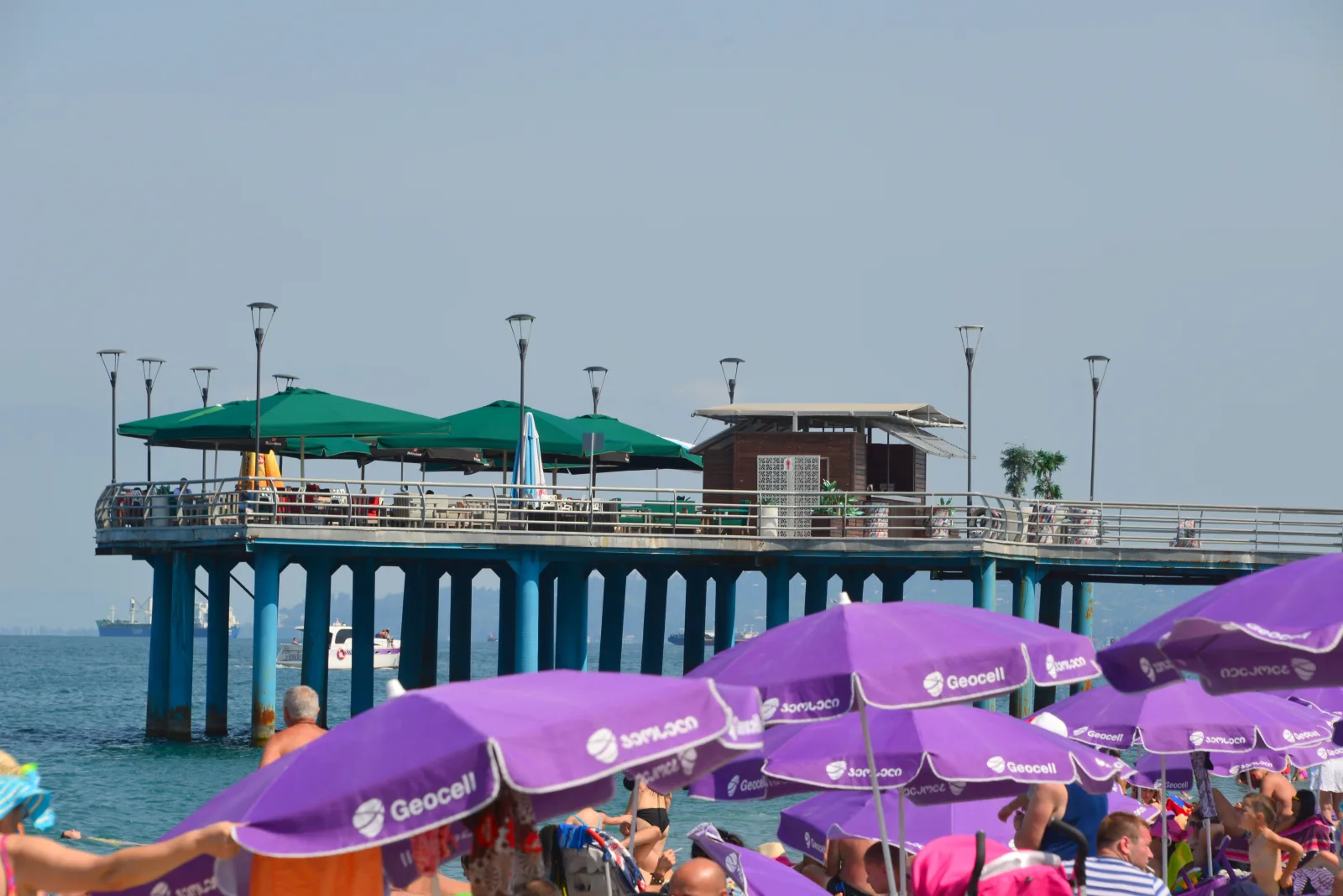
For a short itinerary, 2 days cover the essentials. It's enough time to feel the place without turning the stop into transit. If Batumi is part of a larger trip around Georgia, an overnight stay helps a lot. If the city is one of the focuses of the trip, 3 days allow for a leisurely pace and breaks between one program and another.
Batumi makes more sense in itineraries that alternate between city and coastline, or as a counterpoint to Tbilisi and the countryside. Those looking for a base of a few days, with light walking and the sea nearby, tend to fit it in well. Those who like to explore more in-depth need less rush and a bit more time, especially if the trip falls outside the beach high season.
How to Get to Batumi and Get Around the City
Getting to Batumi is often easier within Georgia itself than the city appears at first glance. Those coming from Tbilisi or Kutaisi usually find the road option as the most practical, with marshrutkas and buses connecting the main centers of the country. There is also a train for part of the internal connection, but it makes more sense for those who want to travel with less haste and are willing to adjust the itinerary to the available schedule.

Within the city, the logic is similar to that of other Georgian urban areas: many things are resolved with a short walk, and the rest with punctual transportation. Taxis and apps usually are the most comfortable option when the heat is on, when the luggage is heavy, or when you want to cross distances that are not worth walking. For those traveling with family or as a couple, this helps maintain a stable pace; for those who are alone, it reduces the friction of small and repeated displacements.
If the idea is to move around comfortably, it's worth thinking less about "seeing everything" and more about grouping programs by area on the same day. In Batumi, what hinders is not the lack of transportation options, but dispersing the displacements too much. Walking on flat stretches is the most direct way to feel the city, but on hot, rainy days, or with young children, the occasional use of a car by app usually makes a real difference in the experience.
To decide how to move around, consider two things: how much you tolerate walking and how much you want to depend on fixed schedules. If you prefer flexibility, the mix of walking with taxi solves almost everything. If you like a more economical trip and don't mind waiting, intermunicipal and urban collective transportation covers the basics without complication.
Editorial transparency: Some links on this page are affiliate links. We may earn a commission at no extra cost to you. This does not influence our recommendations.
What to do in Batumi in a 1 to 3 day itinerary
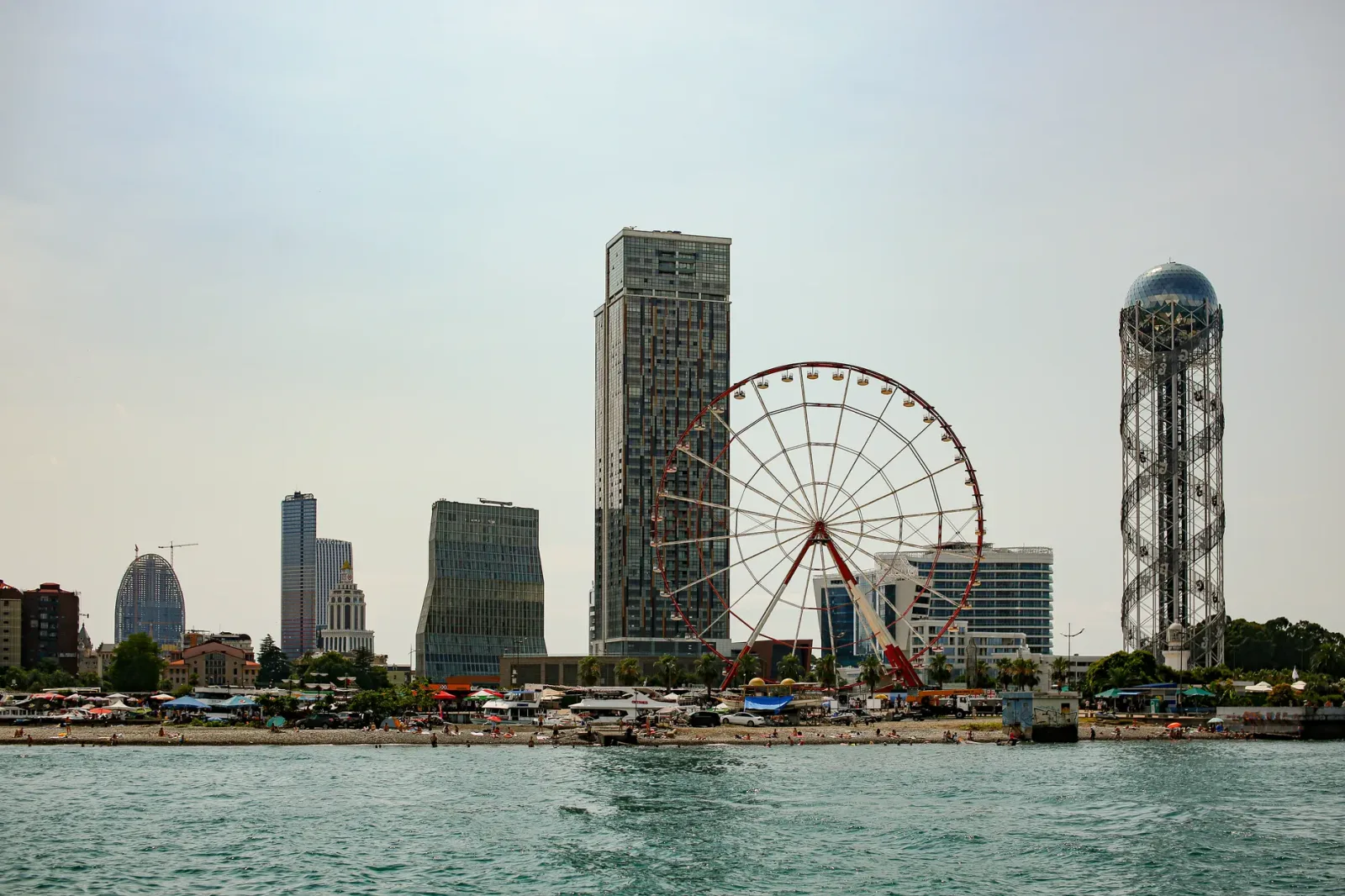
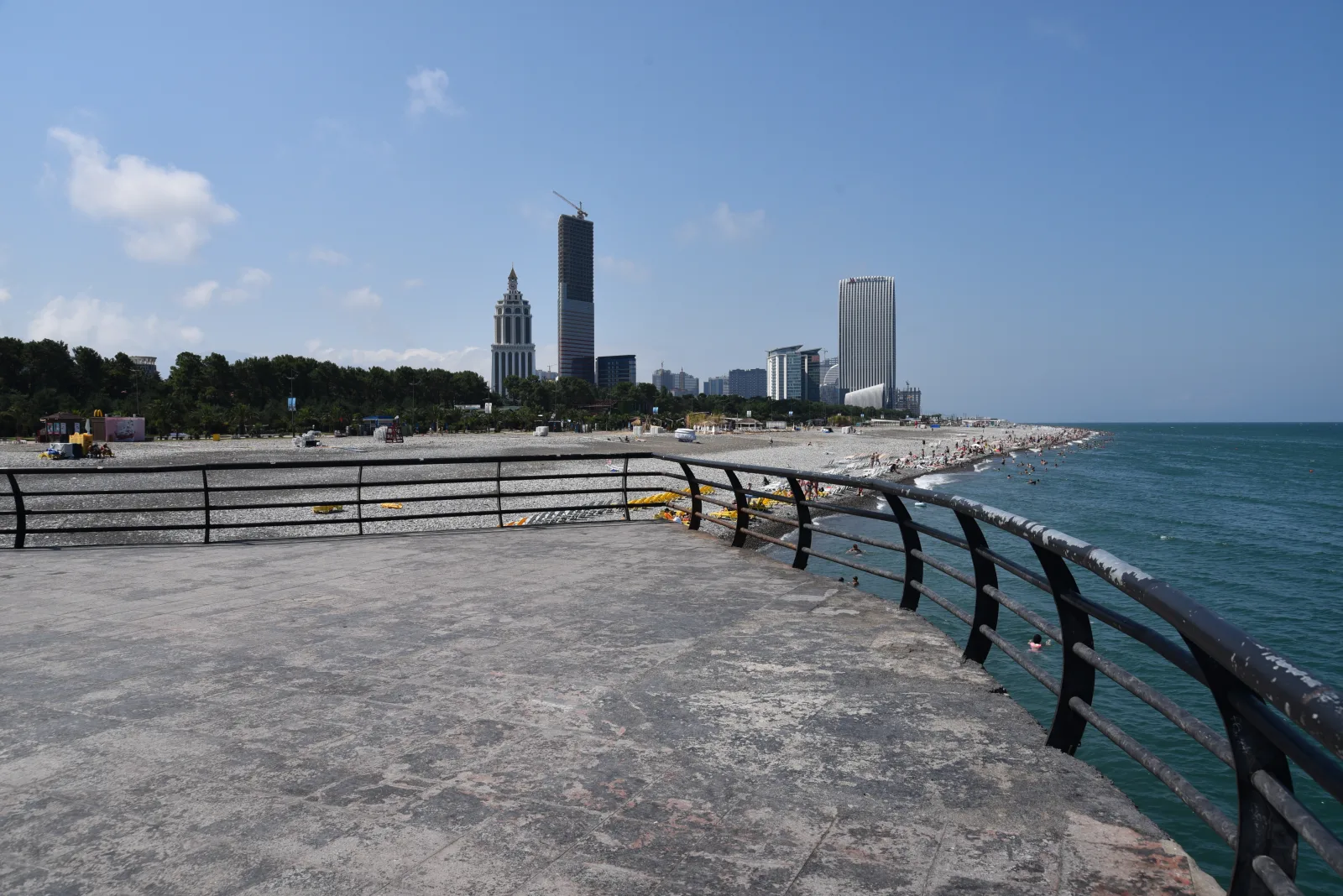
Start with the waterfront: it's the stretch that best organizes a short itinerary in Batumi. The seaside walk and the beach strip help you get a feel for the city right on the first day, without requiring special preparation. If the weather is good, it's worth saving this moment for the longest period of daylight, when the walk is more rewarding.
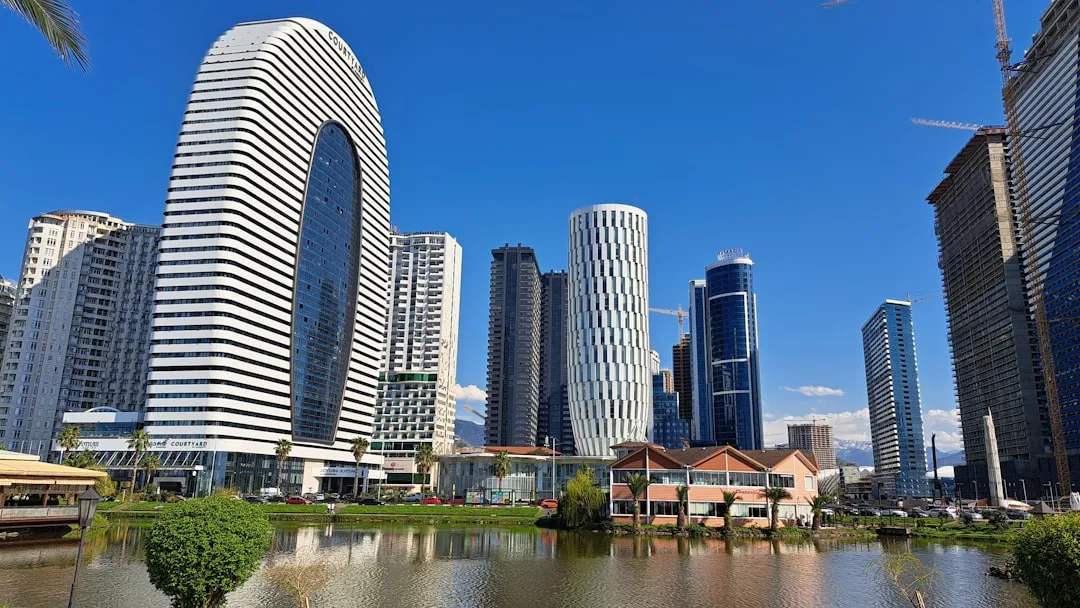
Then, head to the central area and use the urban surroundings to feel the local rhythm. Batumi works better when you mix walking with short stops, observing the square, the nearby avenues, and the movement of the people who live there. It's also the kind of city where looking at the whole matters more than "checking off points" one by one.
If you have 2 days, divide the program into simple blocks: one period for the waterfront and another for the center. With 3 days, fit in a repetition of what worked best for you, because Batumi gains more from time spent than from rushing. In a compact and easy-to-read city, the experience improves when there's space to walk without a full agenda.
For a 1-day itinerary, prioritize the beach and seaside walk. With 2 days, add the center and leave room to return to an area that made sense on the first contact. With 3 days, you can repeat the coast at another time and walk more calmly through the urban core, without turning the visit into a to-do list.
Where to Stay in Batumi
For most travelers, the most practical base is in the central strip and near the waterfront. It's the area that simplifies the routine of those who want to go out on foot, return to rest in the middle of the day, and keep everything hassle-free. For couples, it works well if the idea is to stay close to the action without depending on long commutes. For families, the convenience is the gain. For those traveling alone, it's the easiest area to read and use.
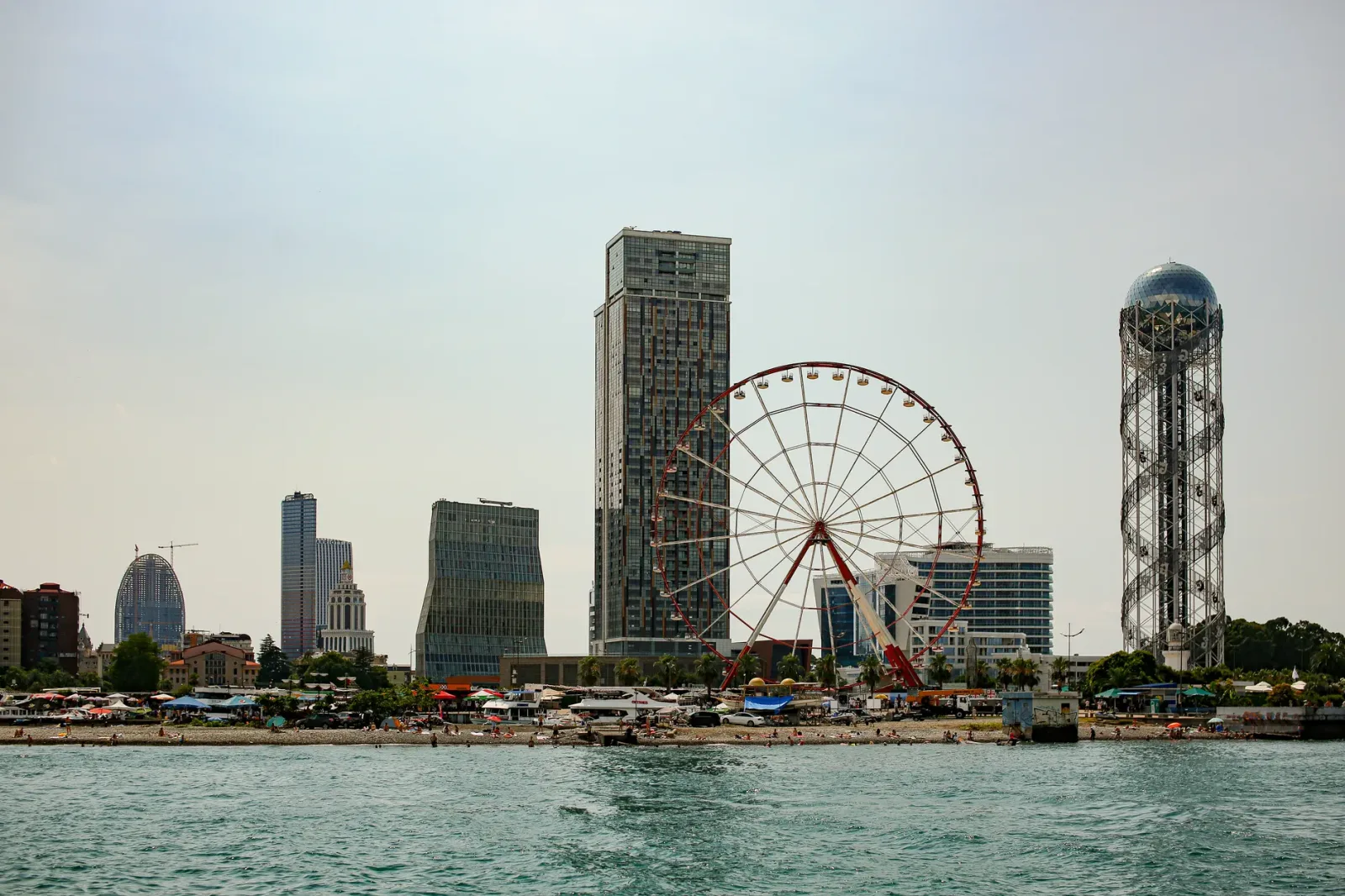
If the focus is on a calmer stay, it makes sense to choose streets a bit less exposed to the main flow, but still with easy access to what the city concentrates. This usually pleases those who want to sleep with less noise and don't need to be at the busiest point in the city. Those who want a more direct base, without wasting time on internal commuting, tend to do better staying in the urban core.
Avoid choosing accommodation solely based on the lowest price, because in Batumi the practical difference appears in the pace of the trip. An address that's too cheap can mean more friction in daily life, especially on short stays. For a trip of 1 to 3 days, what weighs more is the ease of going out and coming back; for those who stay longer, the tolerance for walking a bit more increases, as long as the area remains comfortable.
If you travel with family, prioritize space and ease of access. As a couple, it's also worth looking at the immediate surroundings, because that affects the feeling of rest. For those who are alone, the decision is usually more objective: the less improvisation to go out and come back, the better.
Where to Eat and What to Try in Batumi
Georgian cuisine in Batumi follows the same logic as the rest of the country: pasta dishes, cheeses, stews, and plenty of food made for sharing. The dish that usually takes center stage on the table is the adjaruli khachapuri, the open boat-shaped version with cheese and egg in the center. It's also worth seeking out khinkali, the stuffed dumplings, and ordering the most home-style dishes on the menu when the idea is to eat without fuss.

For those who prefer to decide quickly, it's worth considering the type of meal you want at that moment. Adjaruli khachapuri works well as a main dish, especially for a light lunch or a hearty snack. Meanwhile, khinkali usually fit better when hunger is greater, because the experience is more of a sit-down meal than a snack. In many places, the service is straightforward and the focus is more on the dish than the ambiance, which helps those who want to eat well without spending too much time on choices.
The city is also a good place to try Georgian food accompanied by local wine, when that makes sense in the itinerary. If you are with children, it's worth checking portion sizes before ordering, as some dishes are heavier than they appear. Alone, it's easy to adjust the meal to the size of your hunger. As a couple, sharing a khachapuri and another dish is usually enough.
Batumi with children, as a couple, or traveling alone
For families, Batumi works best when the itinerary is light and allows for rest periods. With young children, what matters less is the number of attractions and more the ease of moving around without crossing the entire city several times a day. If the trip includes a stroller, frequent breaks, or nap times, it's best to keep the activities concentrated and avoid days that are too busy.
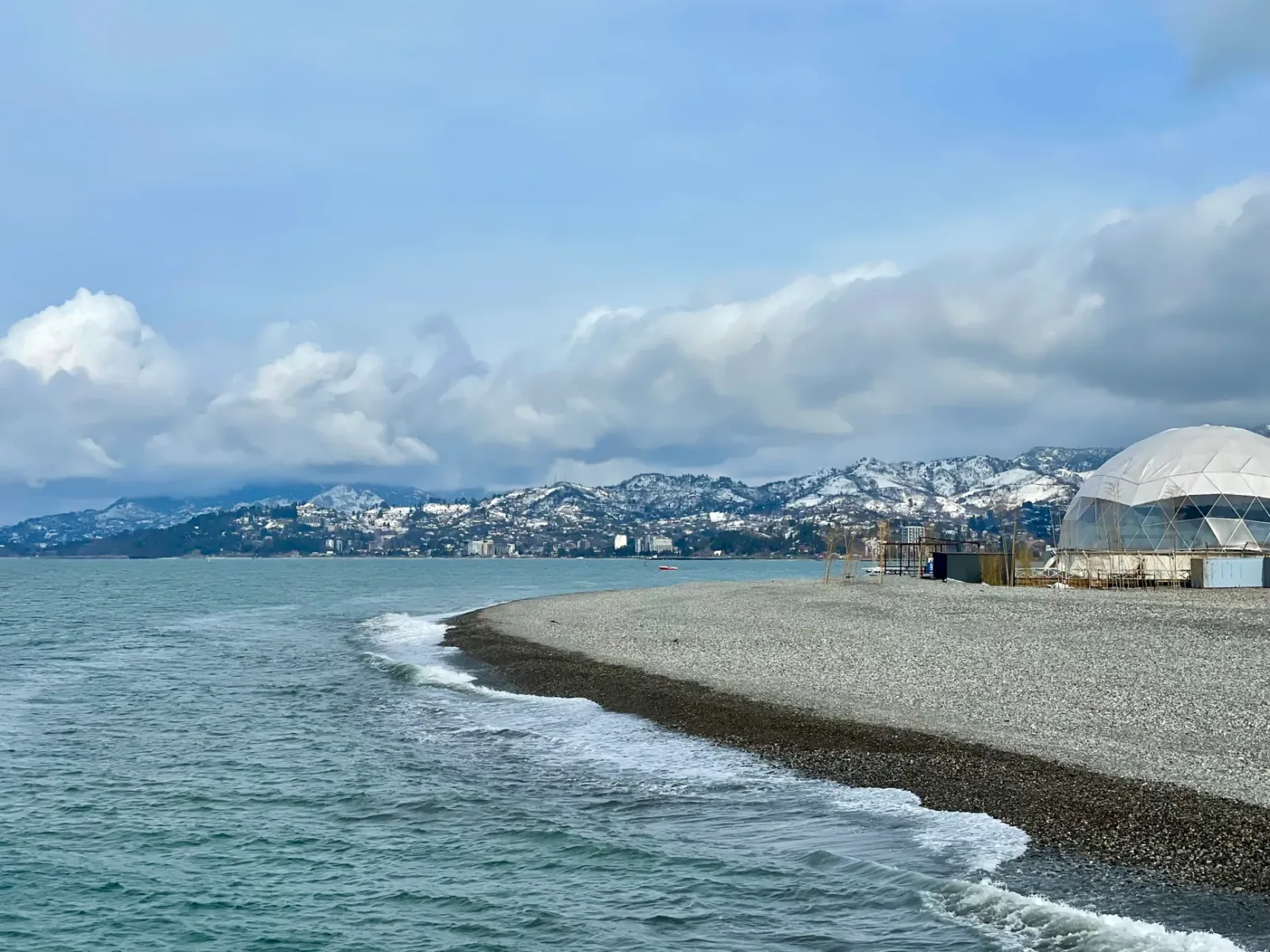
As a couple, the city fits well into a short stay with a slow pace. It calls for walks, leisurely meals, and time to stop along the way, so it usually pleases those who want a less rigid trip. If the idea is a more romantic itinerary, what matters is choosing the base well and not trying to turn Batumi into a bucket-list destination; the city works better when there is space between one activity and another.
Those who travel alone tend to find Batumi easy to navigate, as long as they accept a more urban and direct pace. The city is easy to understand, and this helps in deciding what to do each day: you go out, walk, stop, return. For those who like autonomy, this predictability reduces friction. For those who prefer more variety in the same day, the experience depends on combining the city's areas well and not spreading out too much.
The main difference between these profiles lies in how much each tolerates spontaneity. Families need more logistical comfort, couples usually value pauses and atmosphere, and solo travelers benefit from simple mobility. If the trip requires little fatigue and clear decisions, Batumi fits. If the itinerary demands a lot in one day, it requires more organization than it seems.
How much does it cost to visit Batumi
Batumi falls into the group of cities where the budget usually remains lighter than in many European destinations. The basis for planning daily expenses is simple: food in the country is cheap, and this usually becomes clear in the city as well. In traditional restaurants, a full meal with wine can range from US$ 5 to 10, so it's possible to have reasonably economical days without resorting to major cuts in the itinerary.
In local transportation, the practical difference lies between using the basics and using comfort. Public transportation within Georgia is cheap, but in Batumi many people end up combining walking with taxi or app-based car to reduce friction, especially when the heat intensifies or when the distance doesn't justify walking. For the budget, this means that expenses can vary considerably depending on your tolerance for short trips. If you walk more, you pay less; if you prefer to resolve everything with a car, the cost increases, but it still usually remains controllable compared to more expensive cities.
In accommodation, Batumi has a similar logic: the more central and practical the base, the more you tend to pay, but without exceeding a generally low range for international standards. On a short trip, it's worth looking at the total price of the stay and what it includes, because a daily rate that is too cheap can end up being more expensive in real use if it forces you to spend more on transportation. For couples and families, comfort and location usually weigh more than the lowest fare; for those traveling alone, the equation is more flexible and it's possible to prioritize economy with less impact on daily life.
If the idea is to set a tight budget, think in three blocks: simple meals, occasional trips, and accommodation in a well-chosen area. Batumi allows adjusting expenses with some ease, and this helps to keep the trip under control without turning it into an exercise in improvisation.
Practical Itinerary for 2 Days in Batumi
Save the first day for the easiest axis to read in the city: start with the waterfront, walk along the seaside promenade and use the beach as the opening point of the itinerary. This block works well during the period with the most daylight, when walking yields more and you don't need to rush. Then, head to the central area and leave the rest of the day to wander without a checklist, observing squares, avenues, and local movement.

On the second day, return to an area that worked better for you the day before, instead of trying to "cover" the entire city. In Batumi, the itinerary is more comfortable when you alternate walking with short breaks and keep the activities close to each other. If the beach was the highlight, repeat the coast at another time; if the center made more sense, dedicate more time to it and reduce dispersion.
For a 2-day stay, the most efficient division is simple: a strong block for the sea and another for the urban core. This avoids repeated trips and helps the city make sense without rushing. If time allows for 3 days, use the third as a margin to repeat what was worth it, because Batumi responds better to staying than to rushing.
Frequently asked questions
How many days are enough to visit Batumi?
To see the essentials, 2 days are usually enough. If Batumi is one of the focuses of the trip, 3 days allow for a more relaxed pace.
What is the best time to go to Batumi?
Batumi is at its best between late spring and early autumn. During this period, the city becomes more pleasant to combine sea, walks, and outdoor time.
Where is the best place to stay in Batumi?
The central area and near the waterfront are usually the most practical bases. They facilitate walks, short trips, and the routine of a short trip.
What to eat in Batumi?
It's worth trying the adjaruli khachapuri, the boat-shaped bread with cheese and egg, and the khinkali, the stuffed dumplings. The city is also good for simple and straightforward Georgian meals.
Is Batumi easy to explore without a car?
Yes, many things can be done on foot, especially in the central area and along the waterfront. For longer stretches or on hot days, taxis and apps help reduce the effort.