Bad Gastein: complete guide to planning a trip to the Austrian alpine town
Bad Gastein: see how to get there, get around, choose the best time to go, and enjoy skiing, thermal baths, and accommodation without wasting time.
Where is Bad Gastein and how to get there
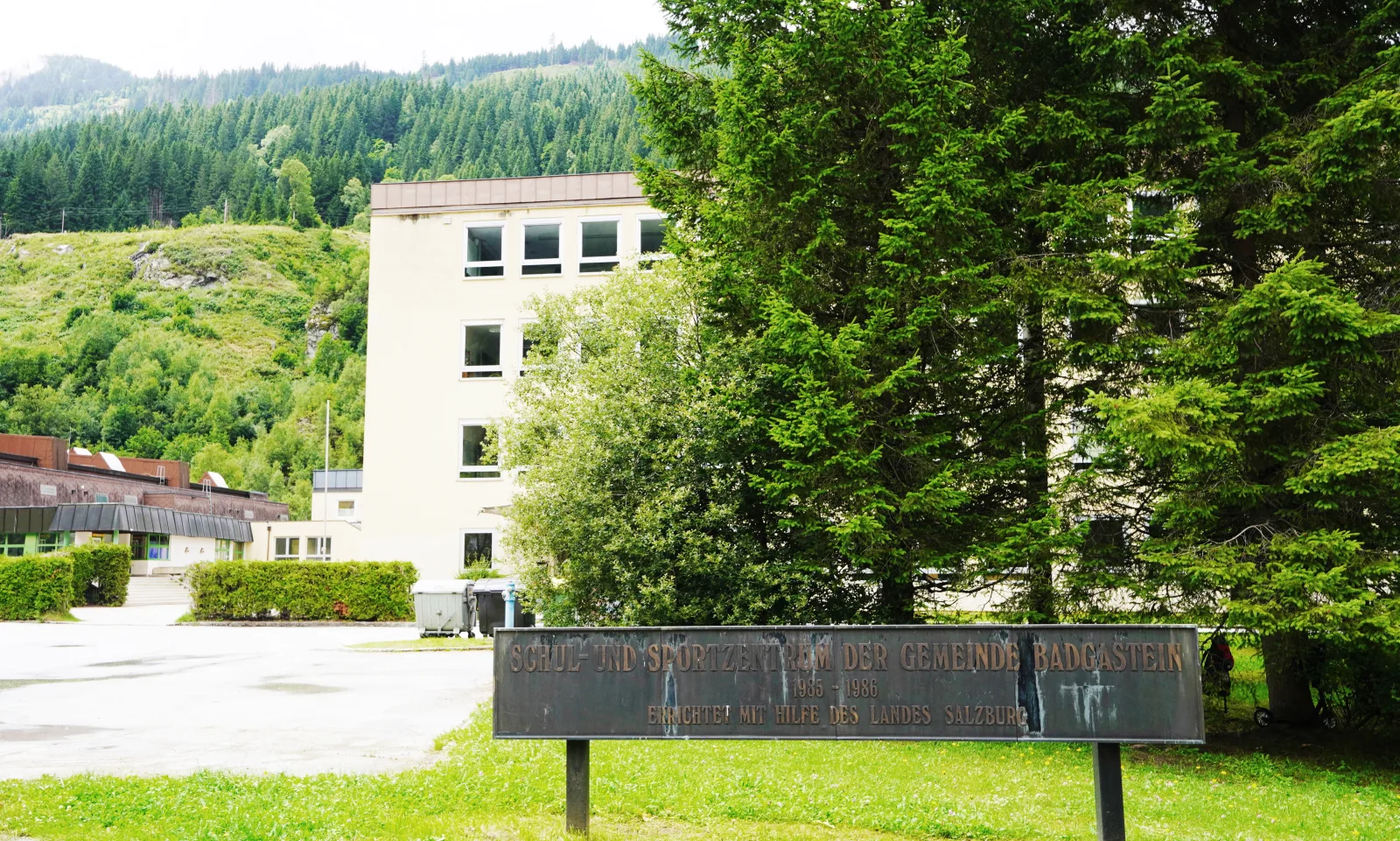
Bad Gastein is in the Gastein Valley, in the Austrian mountains, with relatively direct access from Zell am See, Salzburg and Hallstatt. The town rises along the hillside and is reached after a road that winds between mountains, small settlements and higher stretches of the valley. Those arriving by car quickly realize that the journey is already part of the experience: the landscape changes all the time and the entrance to the town happens uphill, with the center spread across the mountainside.
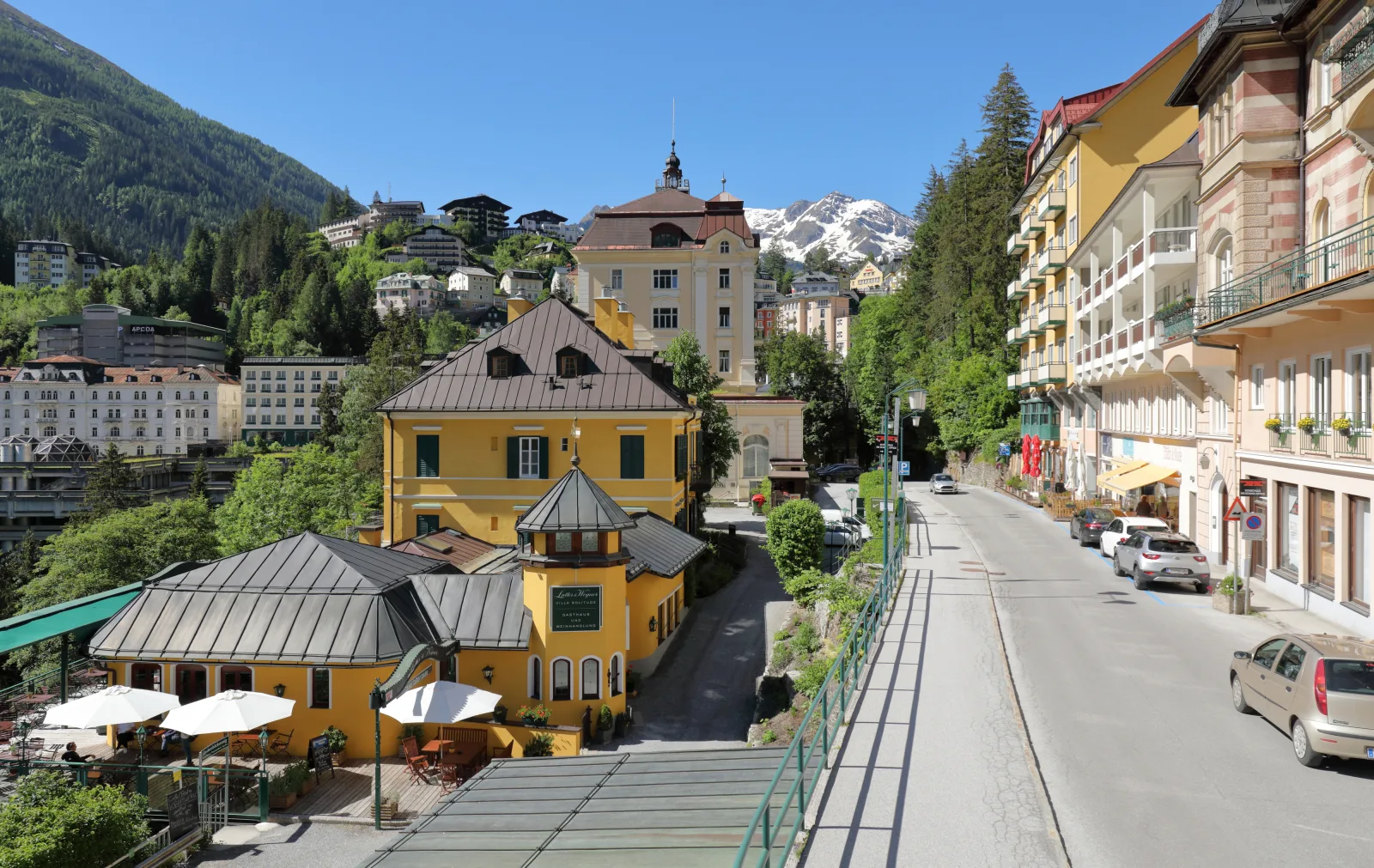
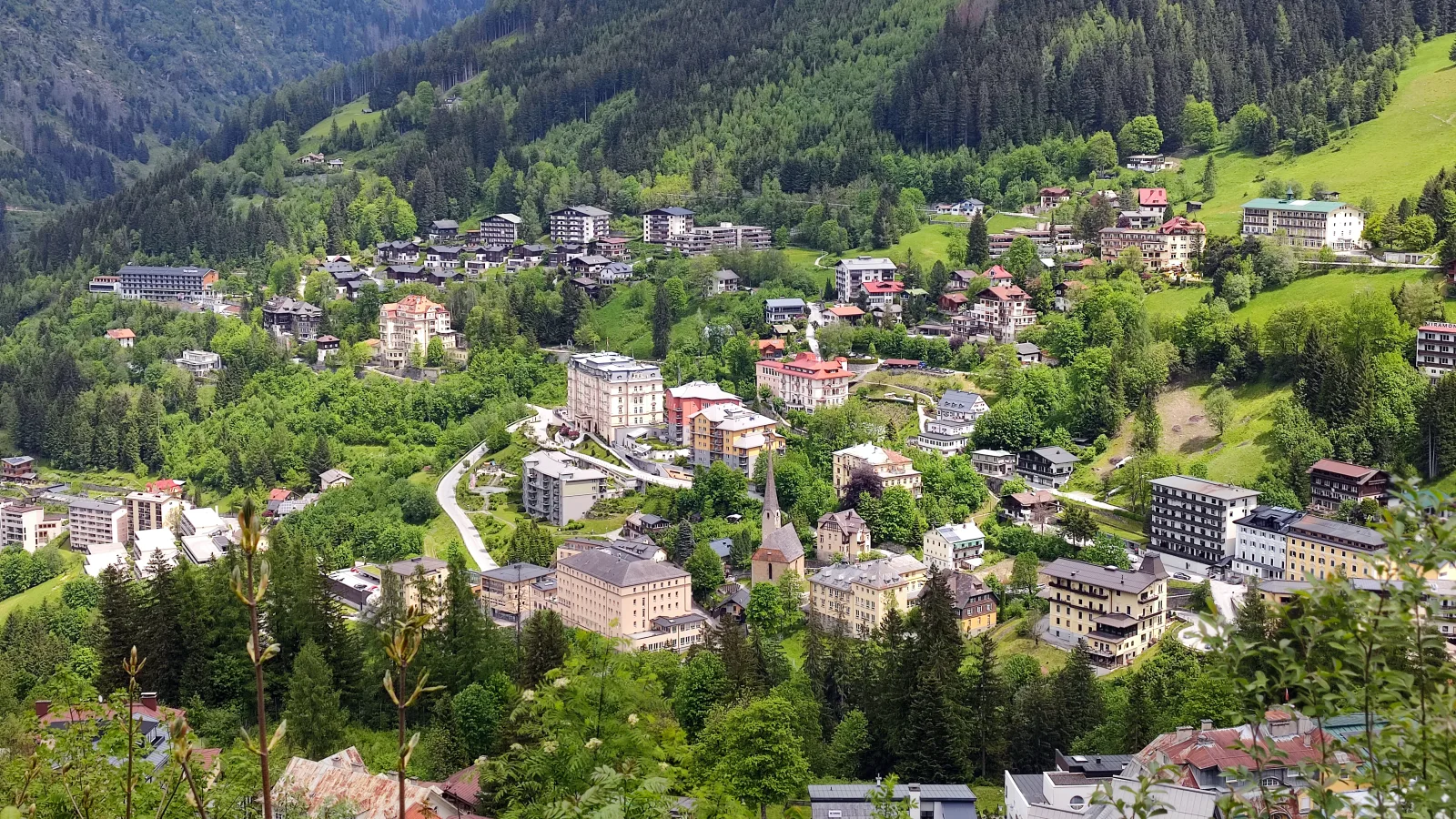
Arrival is neither in a flat nor compact town. Bad Gastein is organized in levels, with buildings on the slope and the feeling that everything has been fitted into the terrain. This helps explain why many people choose to come by car, but also why, after parking, the ideal is to embrace the rhythm of a town best explored on foot.
For those driving, the most practical option is usually to park near the waterfall and continue on foot. The walk there is short, but the topography matters: narrow streets, curves and uphill stretches make any movement slower than the map suggests. In winter, snow and ice can make getting around even more difficult, so it is worth considering this before arriving with plans to go back and forth by car all the time.
Getting around in Bad Gastein
Bad Gastein’s streets are narrow and follow the slope, so the town works best for those willing to walk. In several sections, the incline is the main obstacle: what looks like a short detour on the map turns into a real effort on the terrain. For those staying in the center, this is part of the routine; for travelers with limited mobility, a stroller, or heavy luggage, it is worth planning each trip more carefully.
Parking is limited and it does not always make sense to rely on the car to get around. The garage near the waterfall is usually the most practical place to leave the vehicle and continue on foot, especially because many things can be handled by walking from there. At hotels, parking spaces may be scarce, so it is better not to count on ample parking at the accommodation itself.
In winter, snow and ice change the experience significantly. The climbs become more tiring, and sloped or wet sidewalks require shorter steps and proper footwear. Even short distances may take more time and care than at other times of the year.
If the idea is to explore Bad Gastein without stress, think of the town as a place to combine car and walking: arrive, park strategically, and then get around slowly, paying attention to the hills.
Editorial transparency: Some links on this page are affiliate links. We may earn a commission at no extra cost to you. This does not influence our recommendations.
What is the best time to visit
Late December, especially around New Year’s, is usually the most expensive period to stay overnight in Bad Gastein. The town gets busier during this time and availability drops quickly, so accommodation tends to go up in price. If your trip falls on these dates, booking in advance really makes a difference.
For those who want more consistent snow, later winter usually works better. In December, there may still be less coverage than many people expect; later in the season, the landscape turns whiter and the chance of finding snow-covered slopes and trails improves. This weighs heavily in the decision for those going for the mountains and winter sports.
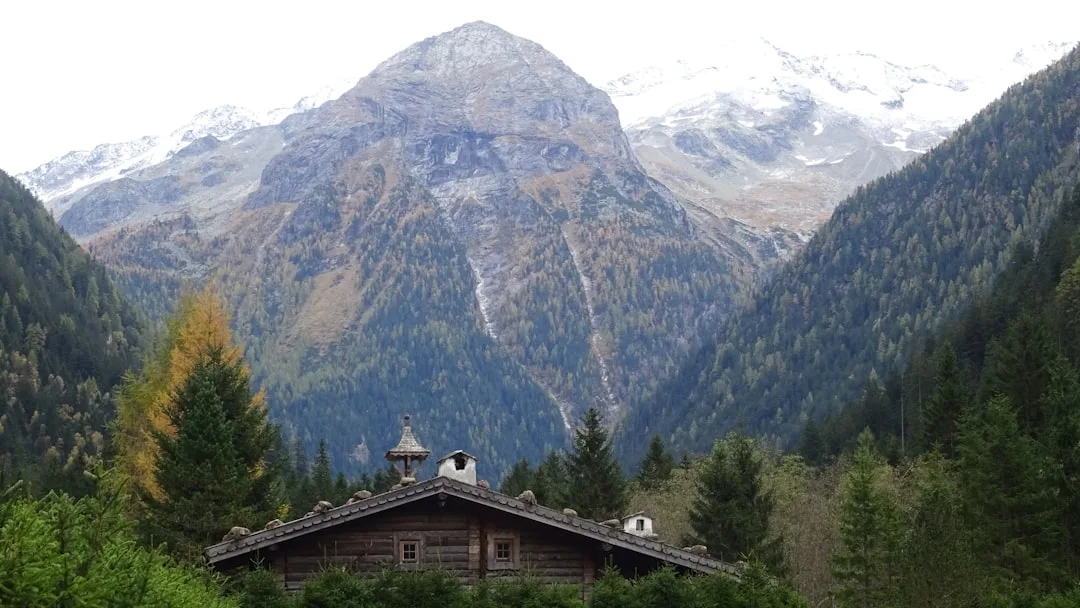
In summer, the scene changes clearly: the hills turn green and the town takes on a different visual feel, more geared toward walks and viewpoints. It’s the time when the terrain appears without the snow cover, and that changes the experience for those who want to get around at a relaxed pace and see the valley open up.
If the priority is saving on accommodation, avoiding New Year’s helps. If the priority is snow, it’s worth aiming for the end of winter. If the priority is walking and seeing the landscape in green, summer is the most natural fit.
What to do in Bad Gastein without repeating the transport itinerary
The Pfarrkirche Bad Gastein is at the city’s visual center and is visible from several points on the slope. It’s a quick stop, especially for those who want to understand Bad Gastein’s vertical layout without committing to a long walk. Those who like historic churches can go inside during permitted hours and observe the interior, with Baroque and Neo-Gothic elements; otherwise, the façade already makes the visit worthwhile.
The waterfall in the middle of the city is one of the features that most defines Bad Gastein. It runs down between the buildings and continues beneath the main road, so you end up crossing paths with it more than once during the visit. Nearby are the Felsentherme spa and, in some hotels, their own thermal areas, which is useful to fit in after a day in the mountains. The Felsentherme offers indoor and outdoor pools, sauna, relaxation rooms and radon water; the listed tickets include a 3-hour option for €31 and a day pass for €36, but it’s best to confirm prices and availability before going.
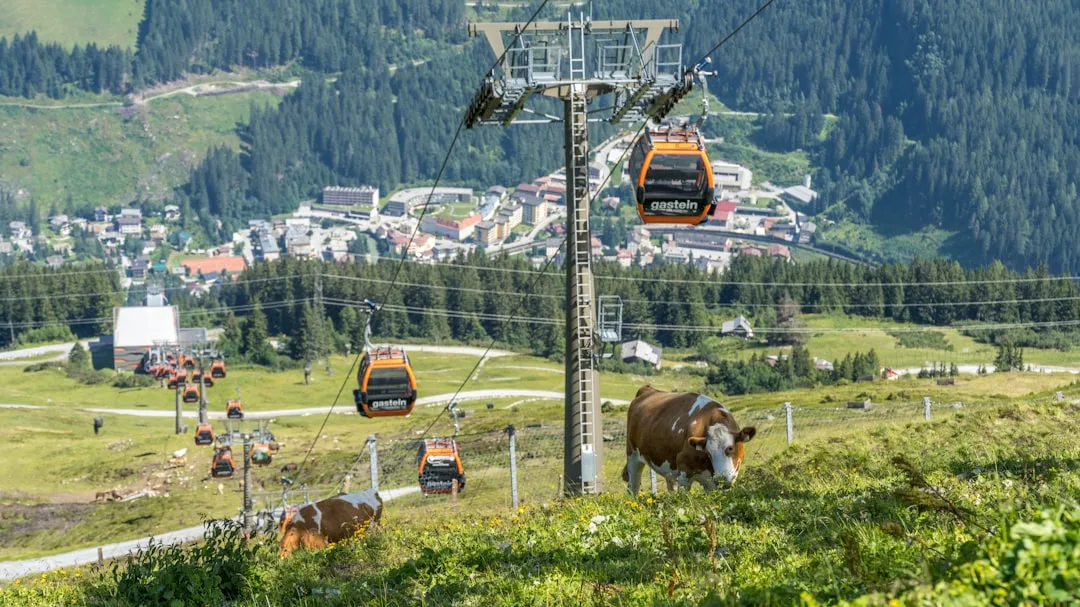
At Stubnerkogel, the focus shifts to views and snow. That’s where the suspension bridge, the viewpoints and the Flying Fox, which crosses the city over the waterfall, are located. The bridge is also accessible for those who are not skiing, and the viewpoints at the top are more worthwhile for reading the massif than for any long itinerary. If the interest is short adrenaline, the Flying Fox delivers exactly that; if it’s scenery, the viewpoints work better.
At the end of the day, the strip of bars near the upper part of the city concentrates the après-ski without requiring an elaborate plan. It’s the kind of stop that works best after the mountain or before dinner at a berghütte accessible by cable car, such as MONDI Bellevue Alm Gastein.
Skiing, snowboarding, and options for beginners
Bad Gastein works well for those who want to ski without relying on a large urban center nearby. The area is part of the Schlossalm–Angertal–Stubnerkogel complex, with cable car access from the upper part of town. This puts the snow terrain on a practical scale: you go up, enter the ski area, and choose the level that makes sense for your experience.
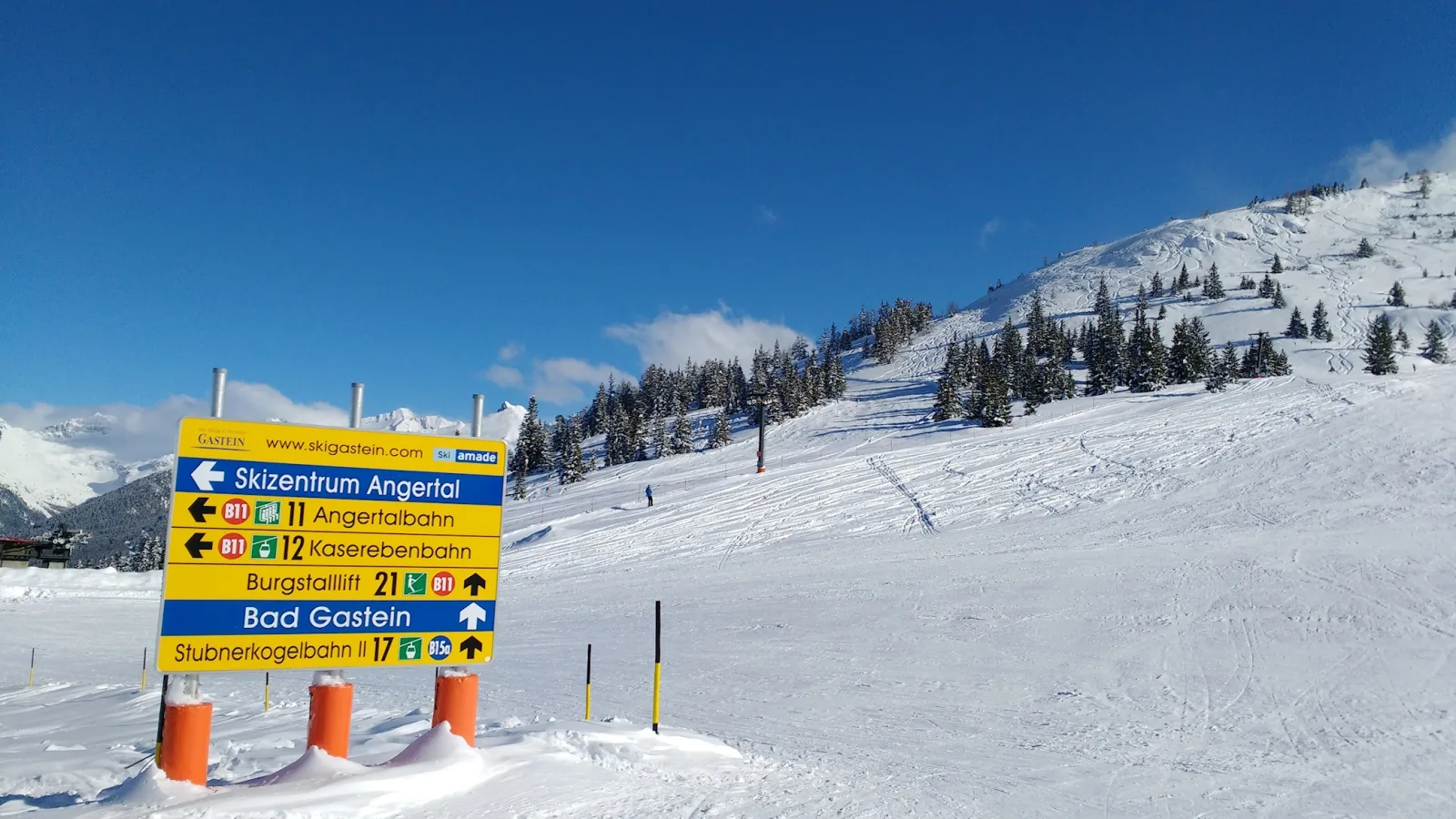
Angertal is the most beginner-friendly spot. The slopes are wide and gently pitched, which makes first descents and basic lessons easier. Stubnerkogel also has ski school facilities, but the practice terrain there is more limited for those who are truly just starting out. If you are in the learning phase, it makes more sense to plan the day around Angertal rather than trying to fit everything into Stubnerkogel.
For those who already ski confidently, Bad Gastein offers long runs and enough terrain for intermediate and advanced skiers, especially on Schlossalm and in the higher parts of Stubnerkogel. The layout allows for a sequence of pistes without being stuck with very short runs, and that matters a lot for those who want to spend the whole day on the mountain. If the priority is more reliable snow and higher terrain, Sportgastein is the natural alternative at the end of the valley.
The town is best suited to skiers who want to combine an easy base for learning with quick access to more serious terrain. Those looking only for beginner slopes will find the answer in Angertal; those who want to improve during their trip will find progression in Schlossalm and Stubnerkogel; those who need higher altitude to prioritize snow will tend to look toward Sportgastein.
Spa and thermal baths: what to expect from the thermal waters
Felsentherme is the most straightforward name for those who want to fit wellness into Bad Gastein without hassle. The space brings together indoor and outdoor pools, a sauna, and relaxation rooms, with the mountain landscape becoming part of the experience. The listed tickets are €31 for 3 hours and €36 for the day pass, but it is worth checking the current prices before going, because this kind of rate changes over time.
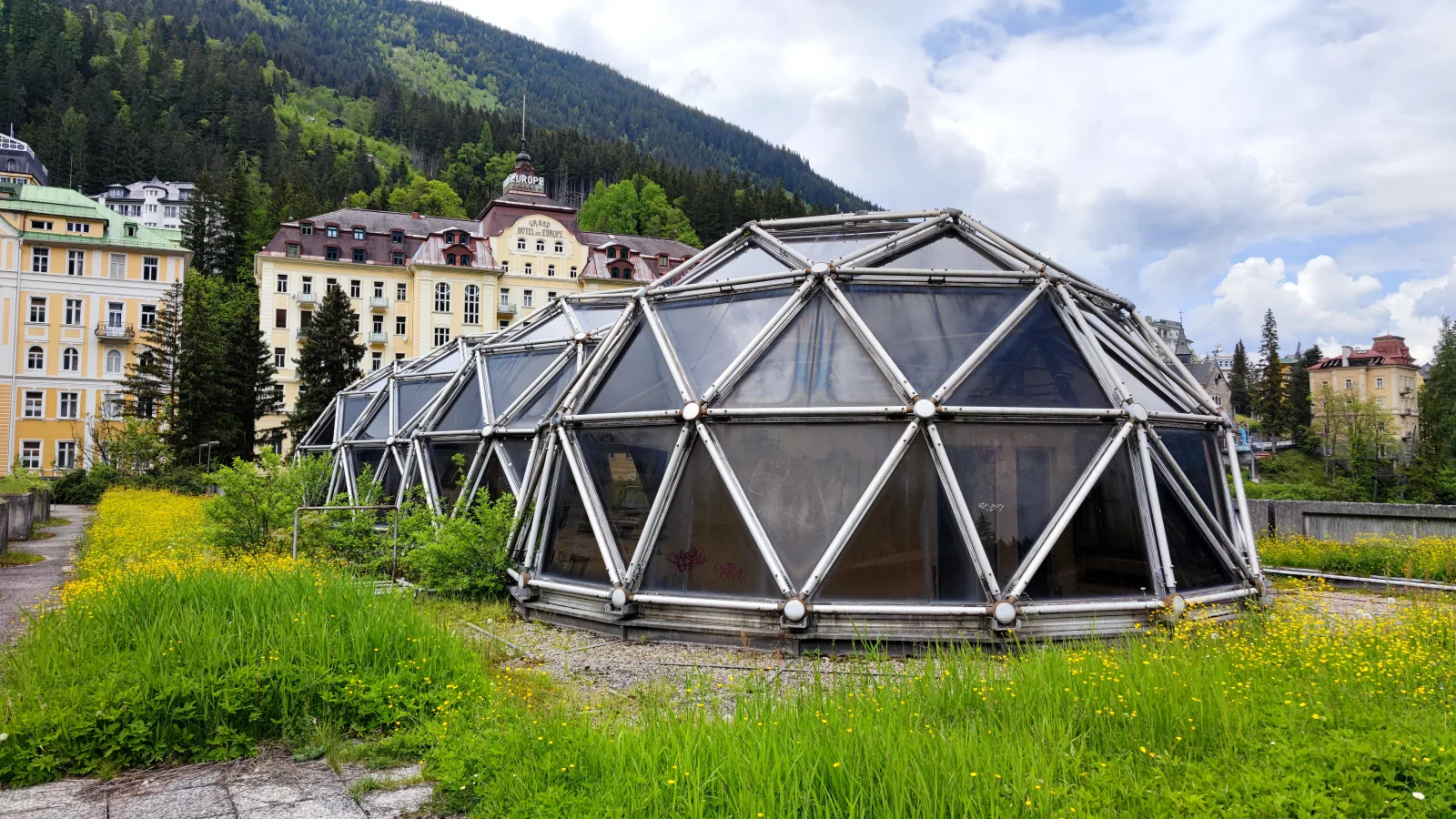
The thermal waters of the city have a radon presence, an element that helps explain the spa tradition in Bad Gastein. This does not turn the visit into medical treatment by itself, but it gives context to the importance wellness has here: it is not an accessory to the city, it is part of its identity. Those who simply want to warm up after the mountain will find the most complete public-access option at Felsentherme.
Some hotels work with this same water in their own spa areas, which changes the accommodation choice quite a bit for those who will prioritize rest. There are properties with a sauna, heated pool, and relaxation areas integrated into the hotel, so the main criterion becomes the level of privacy you want and how much you intend to rely on an external spa during your stay.
If the idea is to spend the day between baths and breaks, pay less attention to the decor and more to the structure: indoor pool, outdoor area, sauna, and space to relax afterward. In Bad Gastein, this usually matters more than any wellness talk.
Where to stay in Bad Gastein
If you want to stay in the most central spot with the best view of the slope, the Straubinger Grand Hotel is the strongest option. It is next to the waterfall area and offers rooms with good views, as well as a spa with a heated pool and relaxation areas. It is the clearest choice for those who want accommodation and wellness in the same place.
The Das Schider Boutique Hotel works well for those who prioritize cozier rooms and views, without relying on a large property. The Cesta Grand Aktivhotel and Spa, on the other hand, makes sense if the pool and sauna weigh more in the decision than the hotel’s design. The Das Regina Boutique Hotel is on the list for those who prefer a place with a more thoughtful design and a convenient location, without the more robust spa offering of the others.
The difference between them lies less in the name and more in how you want to use the hotel: sleep well, enjoy the view, spend time in the spa, or have a more practical base for getting around the city. In Bad Gastein, that usually matters more than looking for the “most complete” hotel.
Where to eat and drink after the mountain
The bars near the top of the town work best in the late afternoon and after a day on the mountain. That’s where après-ski happens without ceremony: you leave the slopes, stop in for a quick drink, and follow the city’s flow without needing to plan anything. The advantage is how close everything is, making it easy for those who just want to extend their time in the snow before heading down.
For dinner with a mountain atmosphere, it makes sense to look for a berghütte accessible by cable car, such as MONDI Bellevue Alm Gastein. This kind of stop works best for those who want to eat without heading back to the center right away, especially if the idea is to end the day still above the town. The main point here is to confirm the current opening hours and whether cable car access is operating on the date of your visit.
It’s also worth setting aside some time for coffee and cake at stroll stops in the center itself, especially if you’re moving between viewpoints, the church, and the waterfall. In Bad Gastein, this kind of break works well as a route stop rather than as a gastronomic plan in itself. If you’re short on time, choose a place with a view and move on; the town doesn’t require long meals to make sense.
Frequently asked questions
How do you get to Bad Gastein?
Bad Gastein is in the Gastein Valley and is accessible by road from cities such as Salzburg, Zell am See, and Hallstatt. Those traveling by car usually park near the waterfall and continue on foot.
Is it worth staying in Bad Gastein without a car?
Yes, as long as you are willing to walk and deal with hills. The town works best on foot, because narrow streets, slopes, and limited parking make a car impractical for getting around.
What is the best time to visit Bad Gastein?
It depends on your goal. For snow, the end of winter is usually best; to save on accommodation, it is worth avoiding the New Year period; for hiking and seeing the green landscape, summer is a good choice.
Is Bad Gastein good for those who want to learn to ski?
Yes. Angertal is the most beginner-friendly area, with wide and gentle slopes. Stubnerkogel also has facilities, but it is less suitable for those who are starting from scratch.
What is there to do in Bad Gastein besides skiing?
You can visit the town’s waterfall, the Pfarrkirche, the Felsentherme spa, and the viewpoints on Stubnerkogel. There are also après-ski options and restaurants in berghütten.