Athens in 3 to 5 days: a practical itinerary to plan your trip
Plan Athens in 3 to 5 days with an itinerary by area, choosing the best time, neighborhoods, and transportation options to make the most of your trip.

How to understand Athens before putting together your itinerary
Athens is the capital of Greece and, in practice, works as a large, spread-out city, with the historic center living alongside residential areas, commercial zones, and the port. To put together an itinerary that makes sense, first think about how you want to divide your time between the old core of the city, where most of the sites and museums are located, and the neighborhoods where urban daily life is more visible.
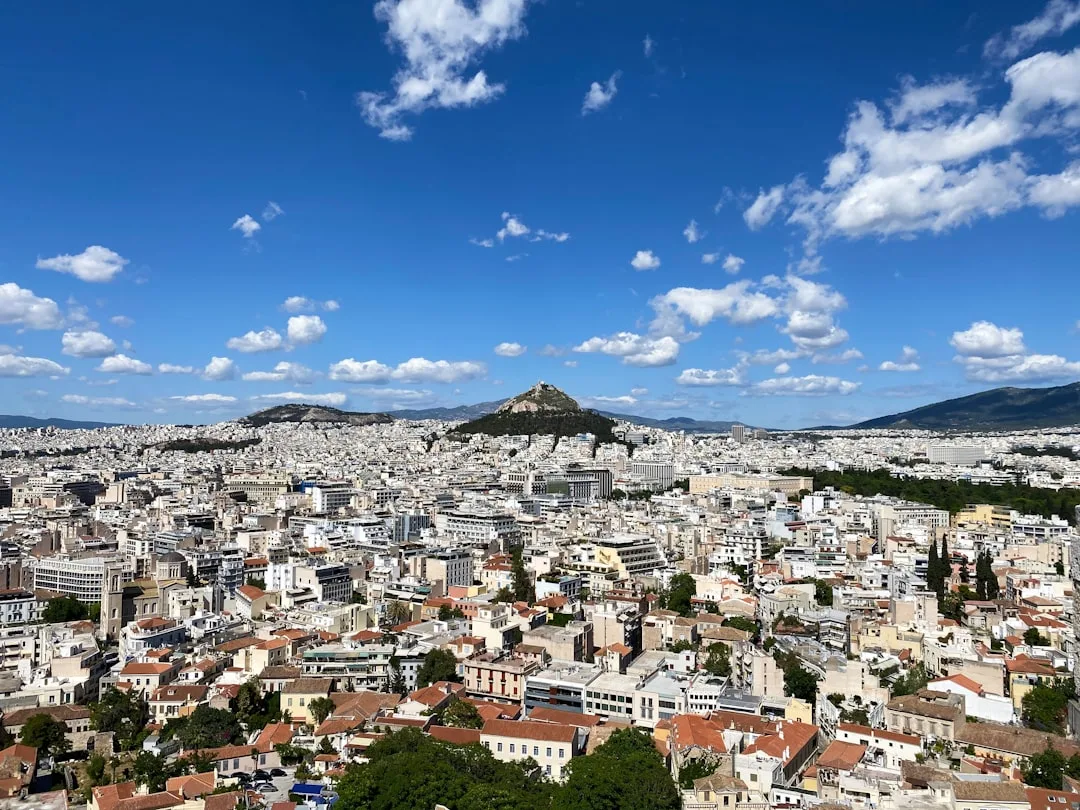
For a first trip, the area that concentrates the most interest is in Central Athens. That is where visitors tend to spend most of the itinerary’s main days, because the short distances help fit in monuments, museums, and walks without wasting time crossing the city. Syntagma, Plaka, Monastiraki and Thissio are usually grouped together in the same planning block because they are close to one another and make it easier to get around on foot in a more logical way. Omonia lies on the same central axis, but with a different atmosphere, more urban and less geared toward the classic sightseeing experience. Kolonaki, near Lycabettus Hill, usually comes into the itinerary when there is interest in shops, cafés, and a more upscale base. Exarcheia, north of Omonia, has a bohemian character and works more as an area of interest in its own right than as a natural extension of the historical circuit.
Outside the center, the destination is divided into areas with very different functions. Piraeus is the main port and also a part of the city with its own pace, useful for those arriving or departing by sea. South Athens concentrates the beaches accessible by public transport, so it enters the itinerary when the trip includes a day on the coast. North Athens and West Athens are more residential; they may make sense for those seeking museums, restaurants, or shopping outside the most obvious circuit, but they are rarely the priority on a short visit.
In practice, the shape of the itinerary depends less on “seeing everything” and more on reducing back-and-forth trips. If the stay is short, it is worth grouping the days by area: one block for the historic center and its immediate surroundings, another for central neighborhoods you want to explore more calmly, and only then thinking about Piraeus or the southern waterfront. This avoids spending energy crossing areas that do not fit together on the same day.
When to go to Athens and what to expect from the weather
The most comfortable window for getting to know Athens is usually spring and late autumn. During these periods, the city is generally easier to explore on foot, the heat is not as intense in open areas, and the days are still long enough to combine viewpoints, archaeological sites, and café breaks without the feeling of racing against the thermometer. For anyone planning a short itinerary, this makes a difference: less wear and tear, more chance to fit transfers and visits into the same day.
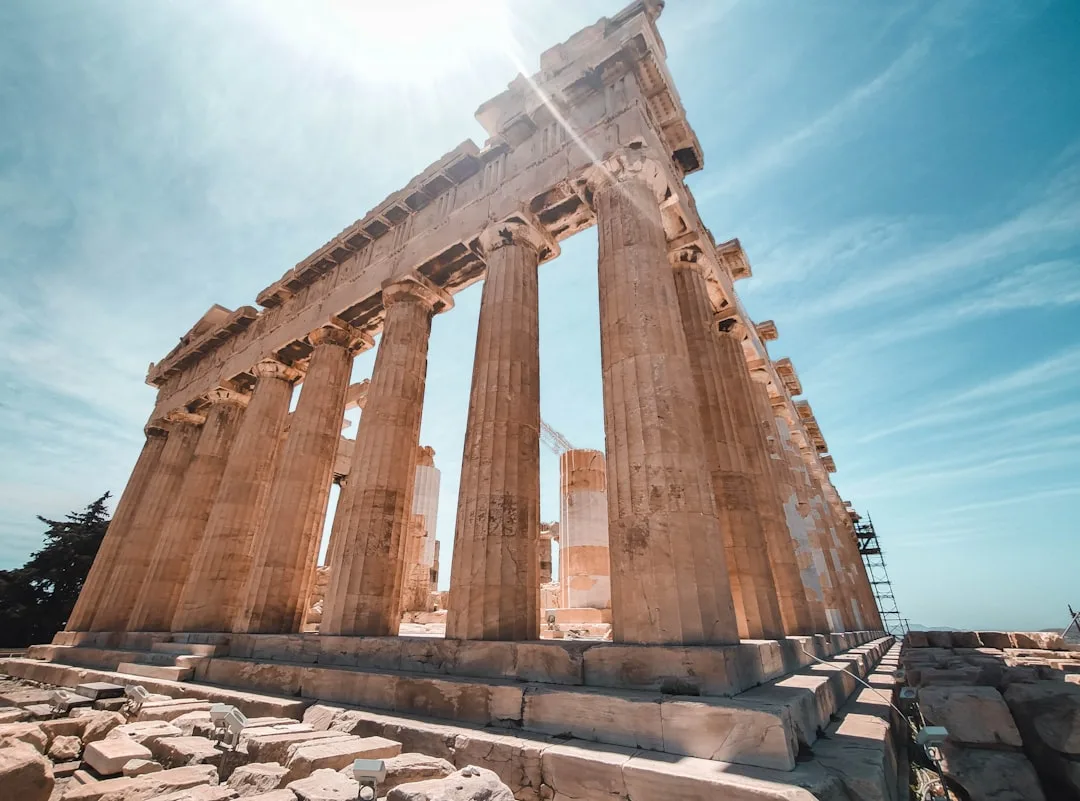
In summer, the city changes pace. The heat can become intense and, during heat waves, leaving early or retreating during the middle of the day stops being a detail and becomes part of the planning. The more exposed areas, such as the surroundings of the Acropolis and the routes between historical landmarks, are more tiring. If your trip falls in this season, it is worth thinking about long mornings of sightseeing, longer breaks in the middle of the day, and late afternoons for walking again. The upside is that the days are long; the less comfortable side is that the city center can feel heavy at the peak of the heat.
Winter is the city’s low season. It rains more, visitor traffic drops, and on some days there may be occasional snow. For those who prefer to see Athens with less tourist pressure, this is a practical time, as long as you accept unstable weather and an itinerary less dependent on clear skies. It is also the season when the city tends to be more convenient for those who want to get around without so much competition for space in museums, cafés, and central areas.
Athens has basin-like geography, surrounded by mountains, and this affects the air. On days with heavier traffic, pollution haze may appear; on favorable days, with wind and less strain on the city, the sky takes on that dry clarity that makes the horizon open up. If you can choose just a few days within a longer trip, aiming for periods with stable weather usually pays off more than tying the itinerary to a specific date.
Editorial transparency: Some links on this page are affiliate links. We may earn a commission at no extra cost to you. This does not influence our recommendations.
How many days to stay and how to split the time
With 2 days, Athens calls for a tough choice: one full day for the historic center and another to extend the itinerary with museums or with a trip to another area of the city. It is the minimum span for those who want to feel the logic of the place without turning the trip into a rushed sequence of transfers. If the priority is to walk slowly through the old core and set aside time for a longer visit to museums, this format works better than trying to spread the itinerary out.
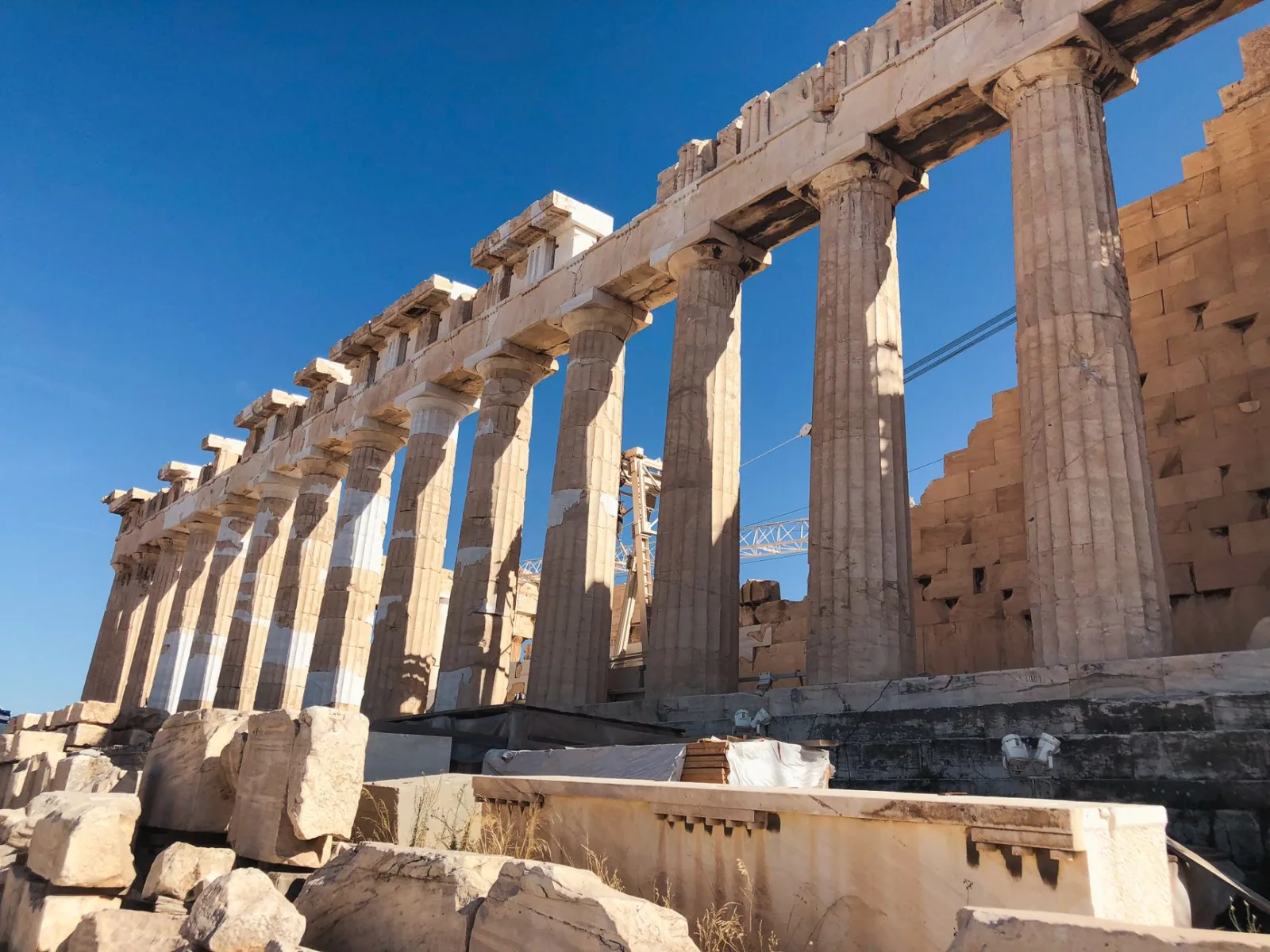
With 3 days, the plan becomes more balanced. You can dedicate one block to the historic center, another to the museums and central neighborhoods, and still leave room for a third day at a more relaxed pace, whether to revisit the area that interested you most or to include Piraeus or the southern waterfront. This is the point where Athens stops feeling like just a stopover and becomes part of an itinerary with some breathing room.
With 4 days, it is worth dividing the trip into three layers: the historic center in the first block, the museums and central neighborhoods in the second, and an area outside the main circuit in the third. If the trip has broad interests, this fourth day lets you choose between the coast, the port, or a residential area in the north or west, depending on the kind of setting you want to see. The gain here is not “seeing more,” but rather stopping treating everything as the same tourist zone.
With 5 days, the city starts to accept a less linear pace. You can keep two solid days in the old center, one day for museums, one for the coast or Piraeus, and still leave room for a day trip without sacrificing the essentials. For those who like making decisions during the trip, this is the most flexible window: you can adjust the itinerary according to the weather, your energy, and what you really still need to see.
Day-by-day itinerary for a first trip
For a first trip, the best itinerary is one that groups nearby areas on the same day. This reduces pointless backtracking and makes the historic center easier to understand. A 3-day plan usually works well like this: one day for the Acropolis and the immediate surroundings, one day for the old center at a more urban pace, and a third block to expand the city or keep some flexibility in case you want to revisit a section.
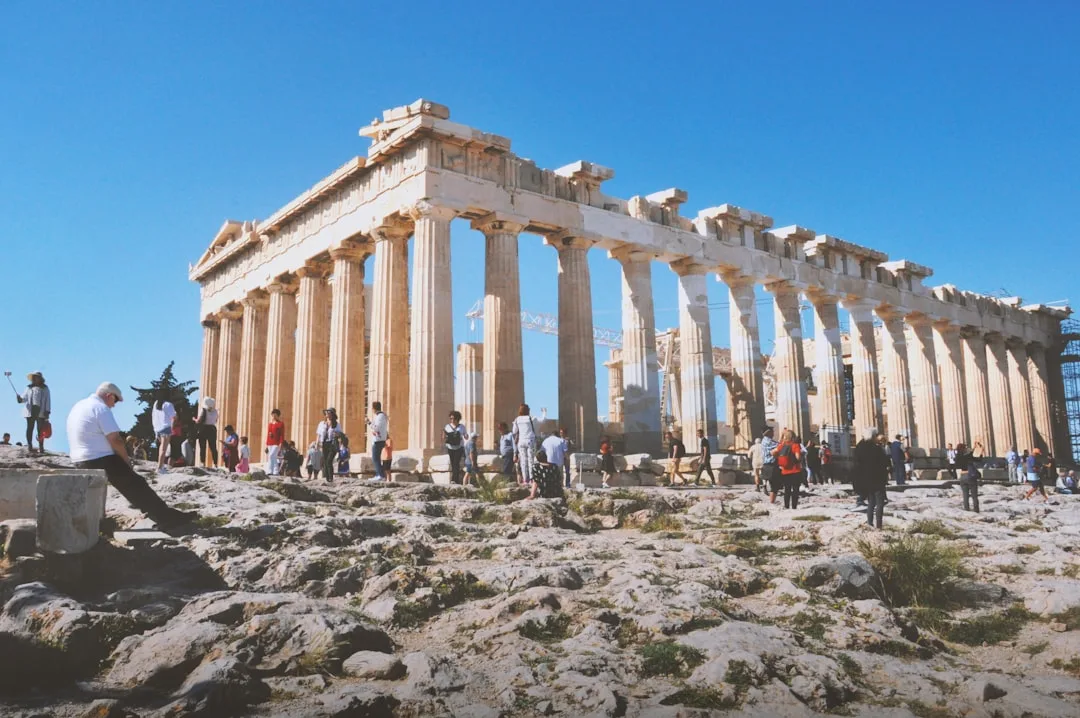
On the first day, focus on the Acropolis area and head down toward Plaka and Thissio. This is the stretch where Athens shows its oldest layer without requiring long transfers. The sequence makes sense because you start at the highest point and end in areas that are easier to explore on foot, with streets that are better suited to unhurried walking. If you want to extend it a little, include Monastiraki in the late afternoon, when the area usually makes more sense as a link between the monumental past and the city that continues to function around it.
On the second day, treat Syntagma, Monastiraki and Omonia as a central axis, without trying to cover everything at once. Syntagma serves as the gateway to the formal center; Monastiraki deserves time to wander among shops, ruins and nearby streets; Omonia works better when you want to feel the city beyond the most photogenic circuit. This is also the day when it makes the most sense to alternate walking and museums, because the central area lets you change pace without leaving the same quadrant.
With 4 or 5 days, it is worth reserving an entire block outside the historic center. If your interest is the sea, leave one day for Piraeus or the southern waterfront; if your priority is to see a less touristy side of the city, use the extra time to explore an area that does not depend on the Acropolis. On shorter trips, this addition only pays off when you have already covered the old core well. If the itinerary has only 2 days, cut without hesitation: keep the Acropolis, Plaka, Thissio, Monastiraki and the Syntagma-Omonia axis, because that is where the first reading of Athens becomes clearest.
How to get to Athens: plane, bus, train and port
Those arriving by plane land at Athens Eleftherios Venizelos International Airport, about 27 km from the city center. It is the city’s main air gateway and works well for connecting your trip to the urban core without unnecessary hassle. If you are planning the route on your own, it is worth checking in advance how you will leave the airport, because arrival may fall during a busy period and this can significantly affect travel time.

By road, Athens receives regional KTEL buses at two main terminals: Liosion KTEL Station, on Liosion Avenue, and Kifissos KTEL Station, on Kifissos Avenue. The latter is the most convenient for those who also need to fit in urban connections, since it is served by lines such as X93 to the airport, 051 to the city center, 052 to Elaionas station and 420 to the port of Piraeus. The city also serves as an arrival point for those coming by bus from other regions of Greece, and the road network is usually the most direct alternative when the origin is already in Greek territory.
Train arrivals come through Athens Central Railway Station, which concentrates the national rail connections. For those who prefer to enter the city by rail, the important point is to confirm the exact departure before setting out, because the experience depends more on the line’s origin than on the station itself. Athens also receives travelers by sea, especially in Piraeus, which is the main port and the most relevant maritime access to the city. If your route comes by boats or ferries, that is where arriving in Athens usually becomes clearest.
Lavrio and Rafina appear as useful port alternatives in specific cases, especially when the sea itinerary already passes through those points. They are not the most common arrival gates for most visitors, but they come into play when the ferry route fits better there. Before finalizing your route, confirm which port appears on the ticket or booking, because confusing Piraeus, Lavrio and Rafina complicates arrival more than necessary.
How to get around Athens without wasting time
Public transport in Athens operates in an integrated way across the metro, bus, and tram, under OASA. For those moving between the most visited areas, this is usually enough: the ticket is valid for 90 minutes and allows you to combine transport modes within that period. The basic fare is €1.20; the airport route costs €9, and this is one of the few cases where the price is very different from the standard city ticket. Since these fares may change, it’s worth checking the current price before traveling.
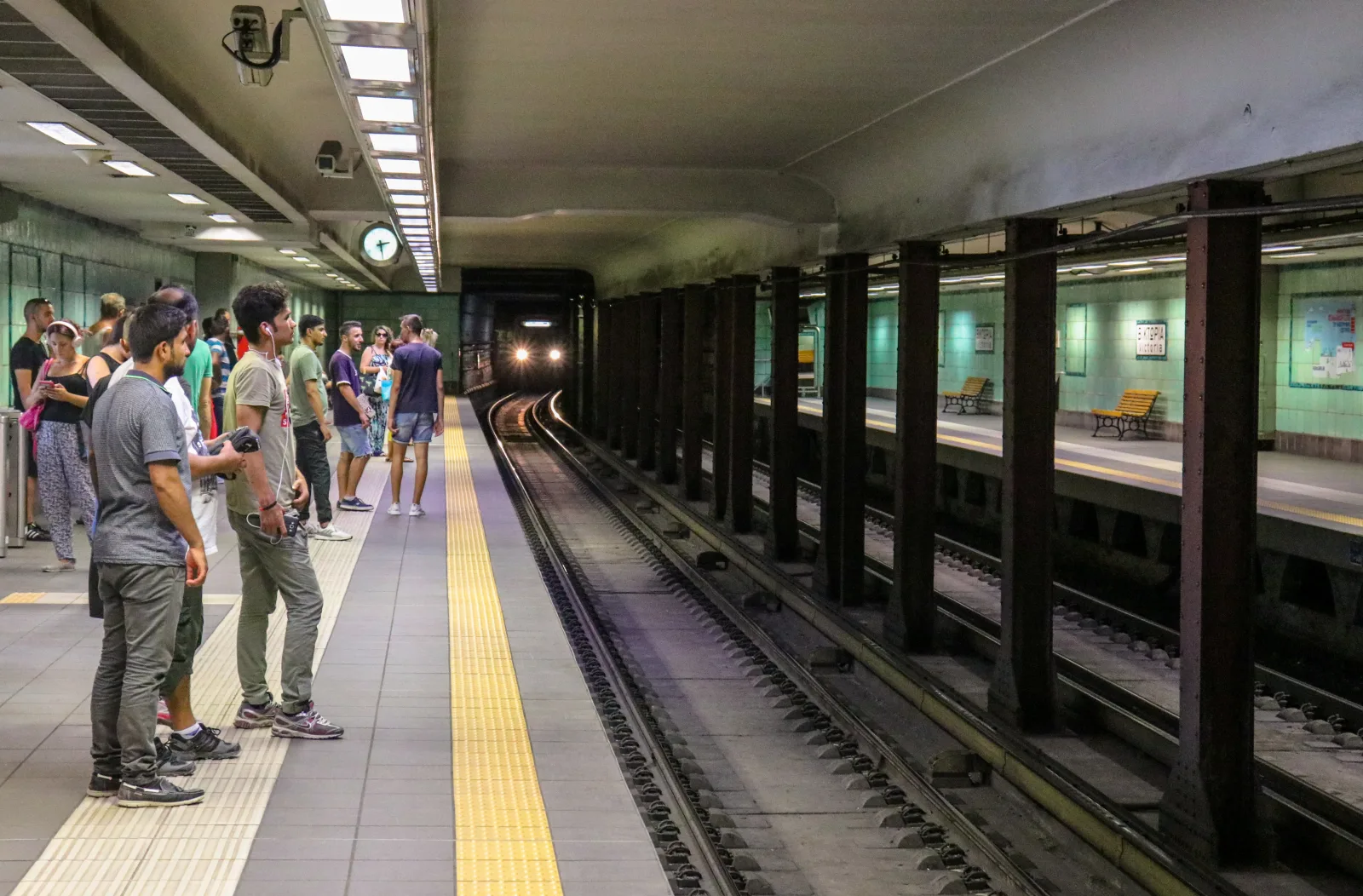
Signage appears in Greek and English, which helps a lot with orientation between the city center, the central station, the port, and the waterfront. On the metro, reading the map is straightforward, but on the bus and tram it pays to pay attention to the final destination and the direction of the line, because some routes serve more as connections than as sightseeing rides. If your itinerary includes Syntagma, Monastiraki, Omonia, Piraeus, or the southern coast, the public network handles the trips without requiring a car.
Contactless payment is already part of the system’s everyday use, so you don’t need to rely on a complicated setup to board. Even so, it’s worth confirming at the time of travel whether the method is accepted on the exact stretch you’ll use, especially if you plan to leave the airport. For those who want to waste less time, the best strategy is to think of the city in blocks and use transport only to connect areas that don’t make sense on foot on the same day.
Where to stay in Athens by area
Central Athens works best for those who want to stay close to the ancient sites and main museums without relying on long commutes. Within this area, the advantage is logistical: you head out early, come back to rest, and can fit in more than one sightseeing block on the same day without wasting time crossing the city.
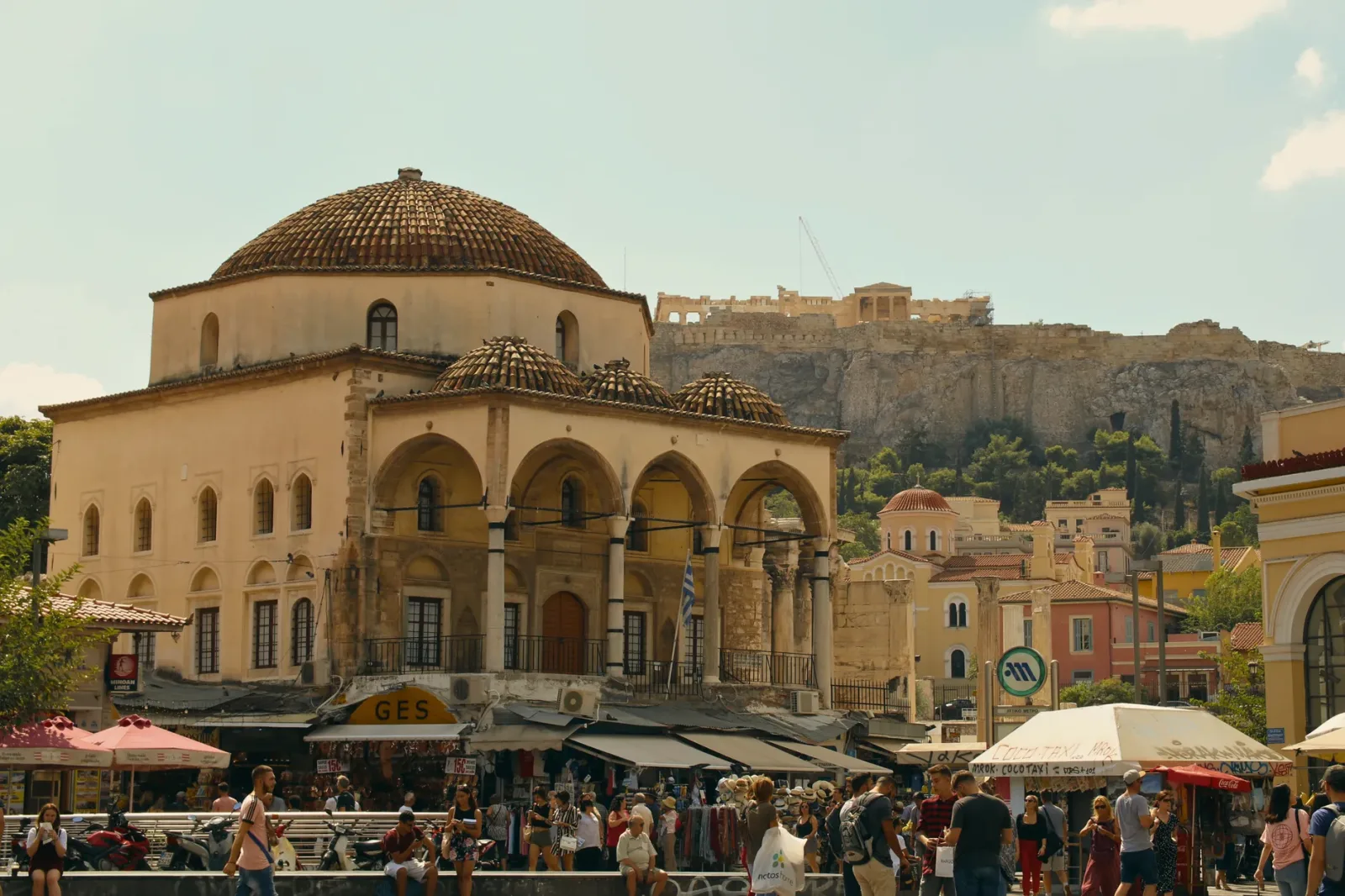
Plaka, Thissio and Monastiraki make sense when the priority is walking through the historic center on foot. Plaka tends to appeal to those who want quieter streets and easy access to the old core; Thissio usually works well for those who want cafés and a more peaceful base; Monastiraki is more for those who accept more activity in exchange for being in the middle of the central flow. If the trip is short, staying along this axis reduces the need for transportation in everyday life.
Syntagma is the convenient choice. It sits at the point where several central areas meet, so it helps when you want a practical address for arriving and leaving without complicating your routine. Kolonaki is better suited to a more sophisticated stay, with a more polished and less touristy neighborhood feel in the classic sense. Omonia and Exarcheia come into play when the goal is to stay central, with a more urban atmosphere and generally easier prices to fit in, although each has its own vibe. Omonia is rougher and more functional; Exarcheia has a more pronounced neighborhood life.
South Athens is worthwhile when the trip includes beaches and you want to stay closer to the coast. In this area, the logic changes: you give up the concentration of the historic center to gain easier access to the seafront. If the itinerary is 3 to 5 days and the beach is just a complement, it makes more sense to stay in the center and visit the coast on a separate day.
What to add to the itinerary beyond the old town
The south coast works well when you want to leave the archaeological axis without leaving the city’s transport system. The beaches in this stretch make sense on a lighter day, especially if the trip is 4 or 5 days and you want to swap museum for sea without turning it into a long crossing. In Athens, this is the area that most naturally expands the itinerary without requiring a different kind of logistics.
Piraeus works better as its own block than as an appendage to the center. It is the city’s main port and has enough activity to justify a few hours of exploration, even when you are not arriving or leaving by sea. Anyone who likes to observe the city beyond the monumental circuit will find a more practical side of Athens there, with boarding traffic, commerce, and everyday rhythm. If your stay is short, it is worth including Piraeus only if you have a real interest in the port or if it is already part of your arrival.
In the north and west, the logic changes again. North Athens is more for those who want to fit museums, shopping, and restaurants into residential areas with less tourist pressure. West Athens comes into play when the priority is to see neighborhoods with a more ordinary profile, with a more local than scenic focus. These areas do not require mandatory attention on a first trip, but they can be worthwhile if you have already covered the old town and want to move a little off the predictable route.
To decide what is worth including in the itinerary, think about what is still missing after the historic center. If the trip is only 3 days, the south coast or Piraeus usually make more sense than spreading time across residential neighborhoods. With 4 or 5 days, it is possible to fit in an area to the north or west if the interest is food, shopping, or a more everyday slice of the city.
Frequently asked questions
How many days are ideal to visit Athens?
For a first trip, 3 days usually strike a good balance between the historic center, museums, and some extra time. With 4 or 5 days, you can include Piraeus or the southern waterfront without feeling so rushed.
Where to stay in Athens for a first trip?
Central Athens is the most practical area for those who want to stay close to the Acropolis, Plaka, Monastiraki, and Syntagma. If the priority is to walk more and use less transportation, this is the best base.
What is the best time to go to Athens?
Spring and late autumn are usually the most comfortable periods. The weather makes it easier to walk and combine archaeological sites, viewpoints, and museums with less strain.
How to get around Athens?
Public transportation integrates the metro, buses, and tram, and covers the most visited areas well. For central trips, it often makes sense to combine walking with transportation only between farther neighborhoods.
Is it worth including Piraeus in the itinerary?
It is worth it if you have 4 or 5 days, or if the port is already part of your arrival or departure. On short trips, it only makes sense when there is specific interest in the port and the local atmosphere.