Annecy: what to do, where to stay, when to go, and how to plan your itinerary
Annecy: see what to do, when to go, and where to stay to put together a short itinerary with the historic center, the lake, and great places to visit.
Where Annecy is and why it belongs on the itinerary
Annecy is located in southwestern France, in the French Alps, near the borders with Switzerland and Italy. The city is also not far from Paris: about 560 km. This puts it in a convenient position to combine with other destinations in the region, without requiring a trip dedicated solely to it.
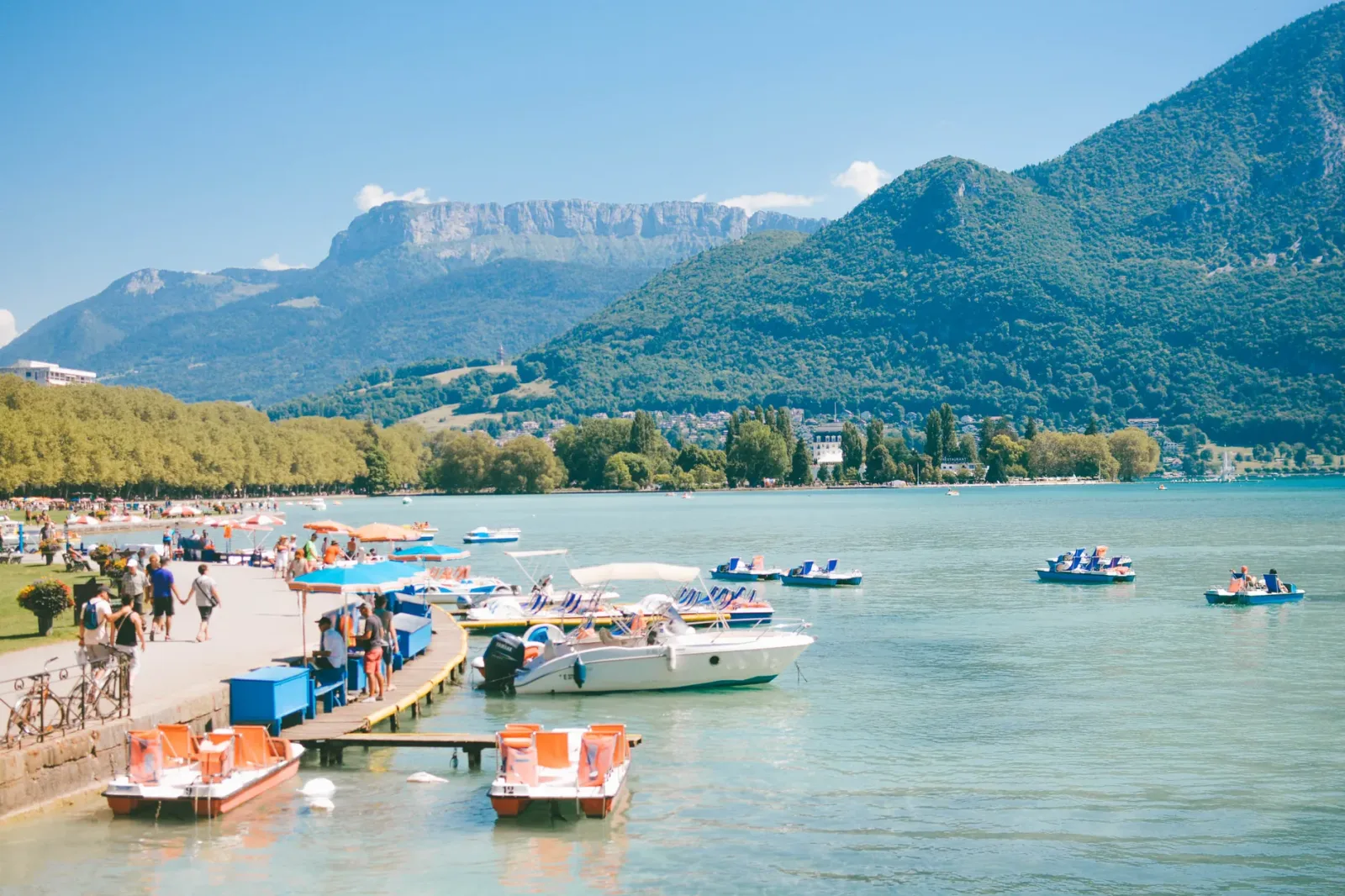
The kind of trip Annecy lends itself to is straightforward: stay in the center, walk a lot, and use the city as a base for a few easy days. The urban layout helps with that, because the appeal lies more in wandering the streets, crossing canals, and taking in the scenery than in rushing from one attraction to another. For couples, it works well because of the calm pace and the setting; for solo travelers, because it’s easy to fill a day without depending on much logistics.
It also makes sense to include Annecy in a broader itinerary through the French Alps or the border area with Switzerland and northern Italy. The city fits best as a two-day stop or as an extension of a larger circuit, especially when the idea is to alternate between city, lake, and short trips around the region.
When to travel to Annecy
Between May and September, Annecy usually works best for those who want to stroll around the city at an unhurried pace and spend more time by the lake. The weather tends to be more inviting for walks, café breaks, and outdoor outings, with the lakeshore naturally becoming part of the itinerary. In the warmer months, spending time outside makes the most of the day.
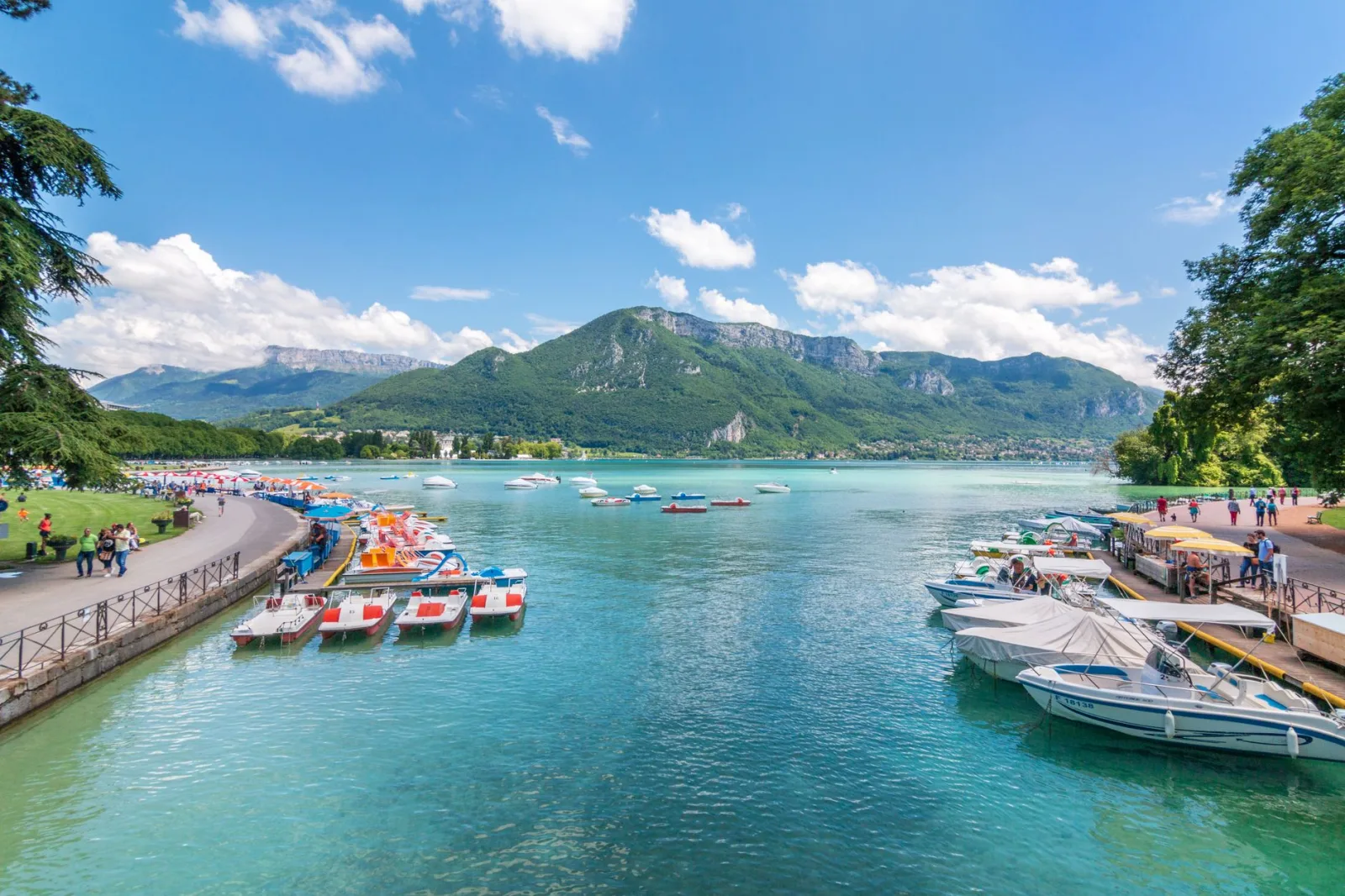
In summer, the city gets busier and the lake becomes a central part of the experience. It is the easiest period to fit in swimming, cycling, and long walks along the waterfront. If you like traveling when the city is in full swing, this is the most practical window. On the other hand, it is advisable to book accommodation and activities in advance, because demand increases.
In winter, Annecy takes on a different profile. The scenery remains pleasant, but the trip becomes more centered around snow sports, escapes to alpine areas, and indoor activities. For those who prefer less crowded settings and do not care much about the lake or long walks, this time of year still works well.
If the priority is to get the best balance of weather, street life, and lake, aim for the warmer months. If the idea is to combine Annecy with snow and another alpine itinerary, winter makes more sense.
Editorial transparency: Some links on this page are affiliate links. We may earn a commission at no extra cost to you. This does not influence our recommendations.
What to do in Annecy in 1 or 2 days
If you only have one day, focus your visit on the Old Town and the sights closest to it: Palais de l’Isle, Annecy Castle, Saint-Maurice Church, and the Jardins de l’Europe. This plan works well because it cuts down on travel time and leaves most of your time free to stroll at a relaxed pace among the canals, squares, and streets of the center.
With two days, it’s worth setting aside the lake and La Tounette for the second day. That way, the first day covers the more urban part of the visit, and the second is for scenery and outdoor activities. If the weather is good, Lake Annecy deserves more time for walking, cycling, or simply staying by the shore; La Tounette fits best when the idea is to go up and see the city from another angle, preferably in the late afternoon.
The Basilique de la Visitation can fit into either day, depending on the pace of your visit. It makes more sense when you want an elevated landmark and don’t want to fill the itinerary with long stops. If you prefer a lighter day, leave the basilica for after the Old Town and fit the lake into the final part of the second day.
To decide how to shape the itinerary, think of it this way: one day calls for the historic center and its immediate surroundings; two days allow you to add the lake and La Tounette without rushing. If you’re planning the visit in winter, the focus of the itinerary tends to shift more toward the basilica and breaks in covered areas; in summer, the lake deserves priority.
The main tourist attractions of Annecy
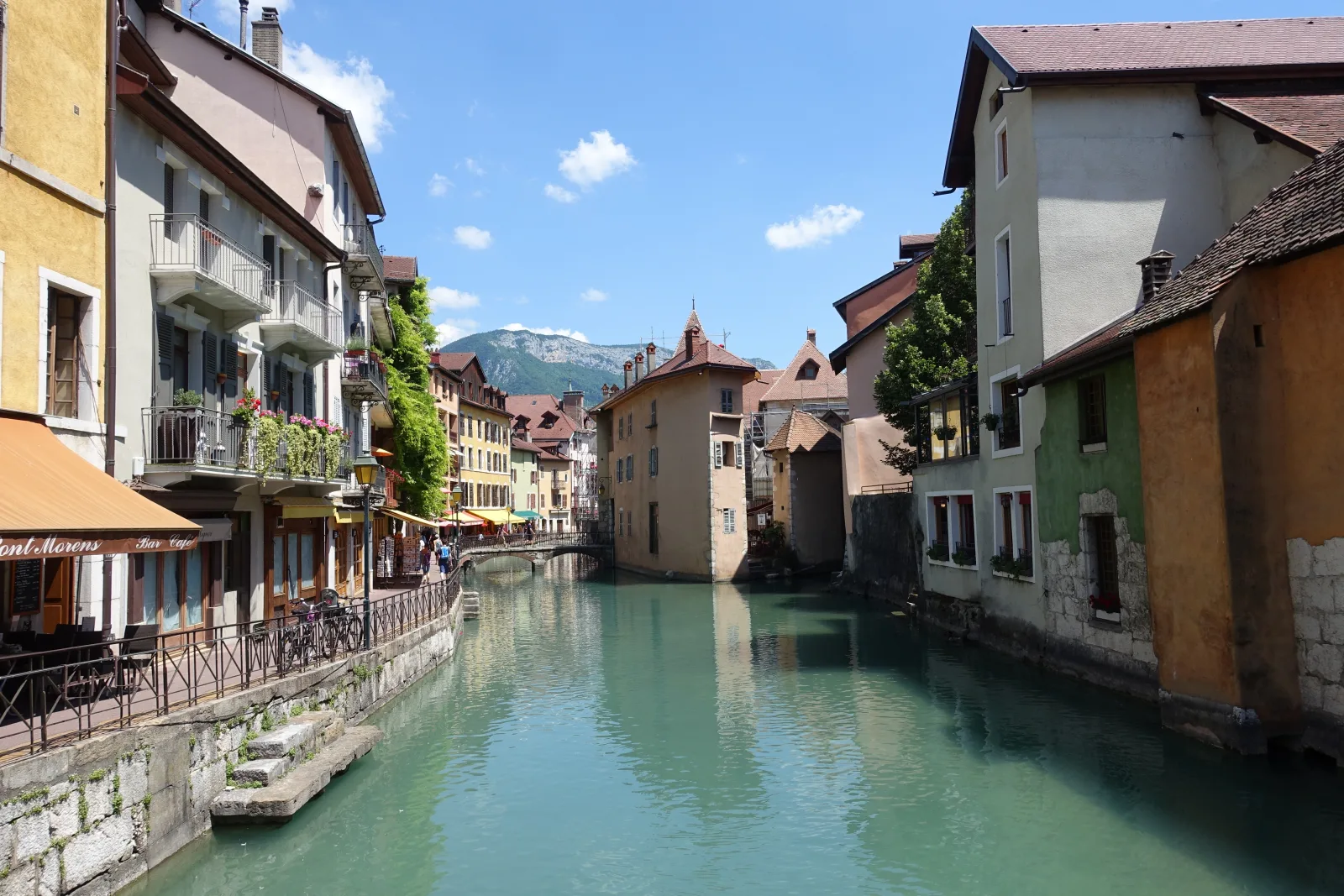
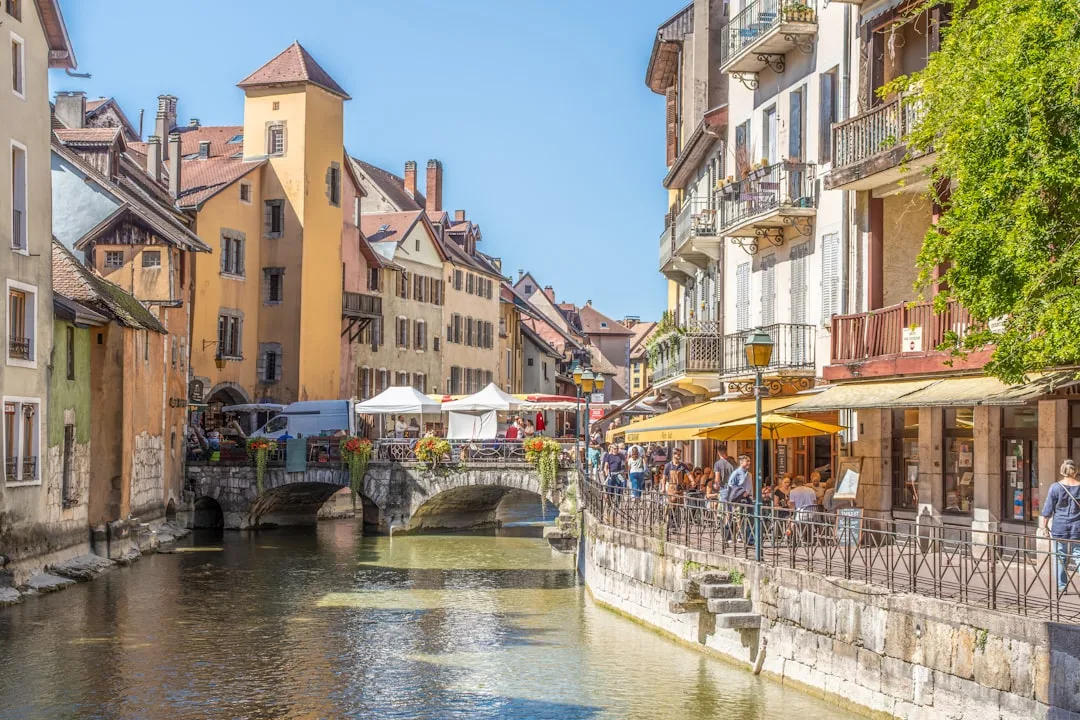
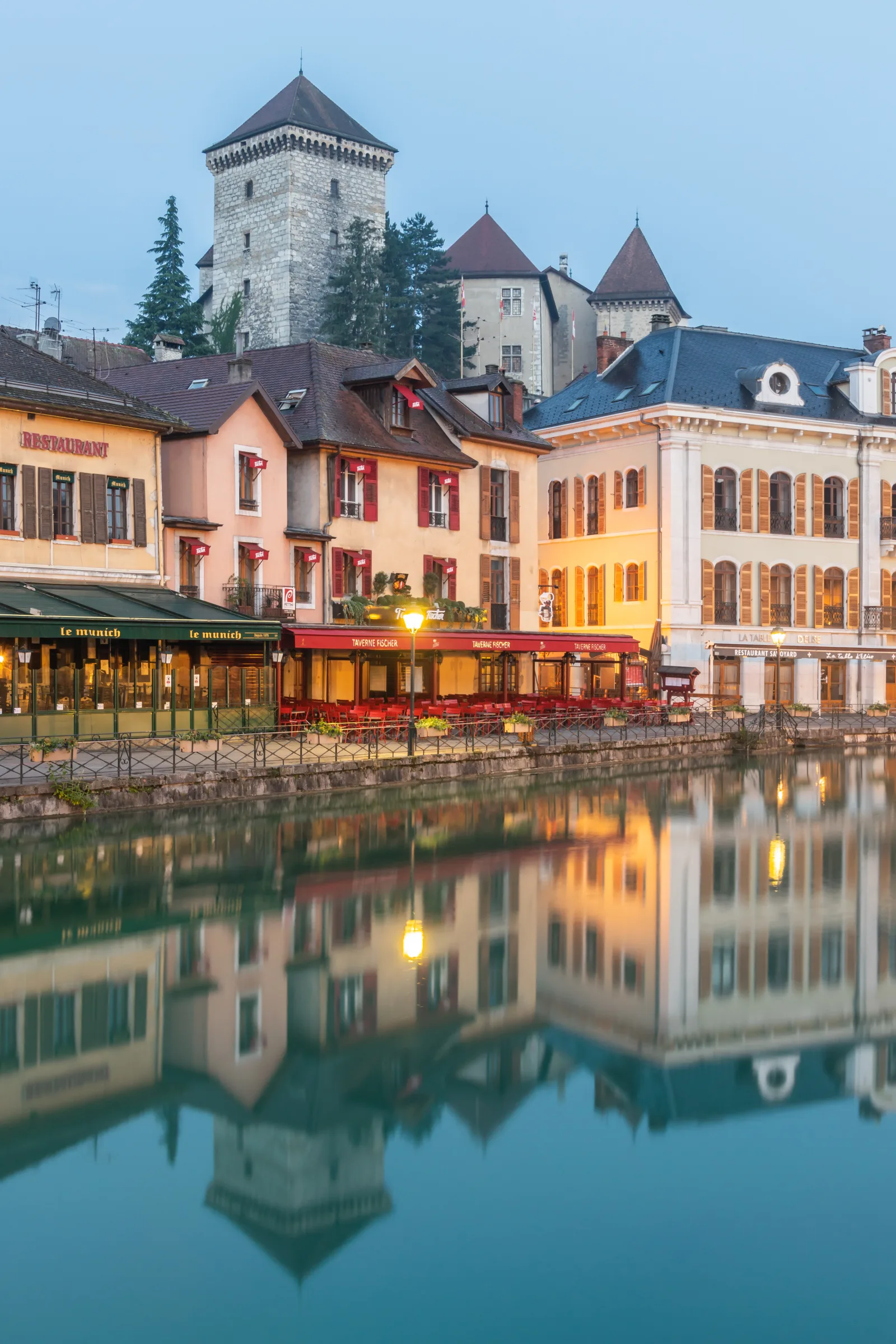
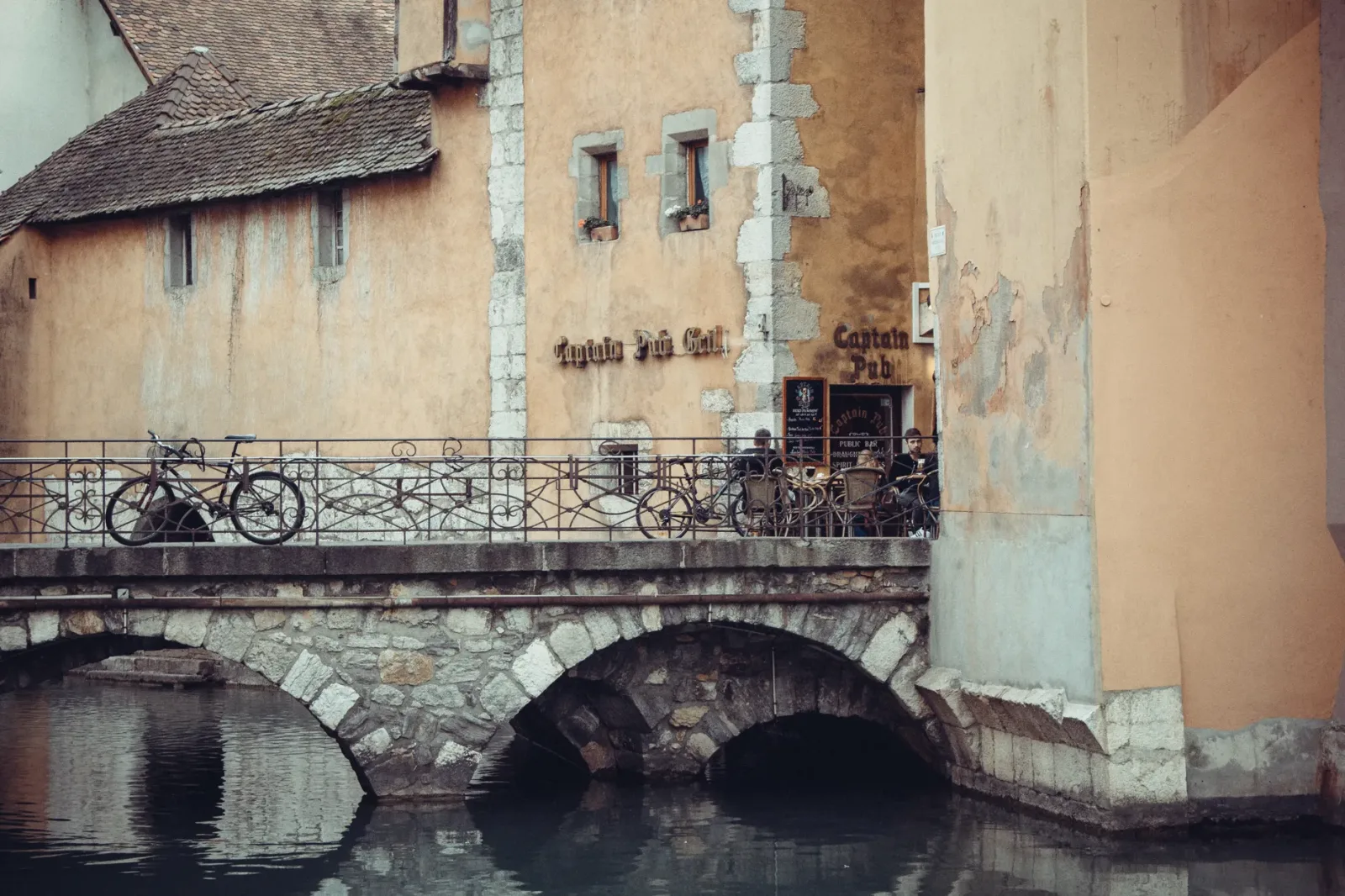
The Old Town is the part of Annecy that most strongly preserves the city’s medieval character. The narrow streets, canals, and bridges create a layout that is easy to explore on foot, with old façades and active ground-floor shops. It is there that the city shows why it is nicknamed the Venice of the Alps: the water runs through the center and shapes the walk more than any avenue.
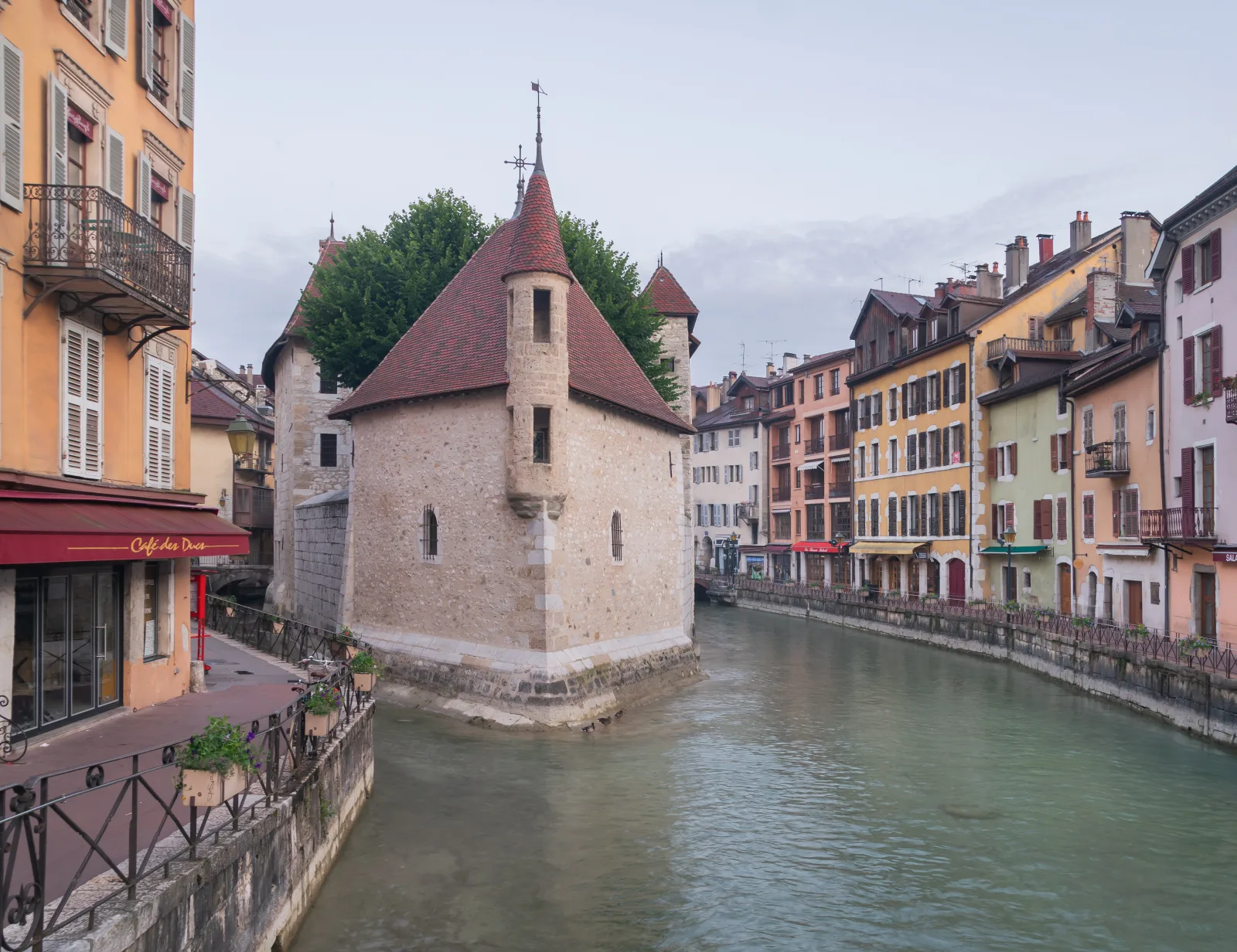
The Palais de l’Isle stands on a small island in the Canal Thiou and has served very different purposes throughout history, from residence to prison. Today, it functions as a museum and interpretation center for local architecture and heritage. Annecy Castle sits above the historic center and now houses the city museum, with information about local history and temporary exhibitions. The Saint-Maurice Church, dating from 1422, preserves medieval paintings and a 19th-century organ; it is a good stop for those wanting a quieter break in the heart of the city.
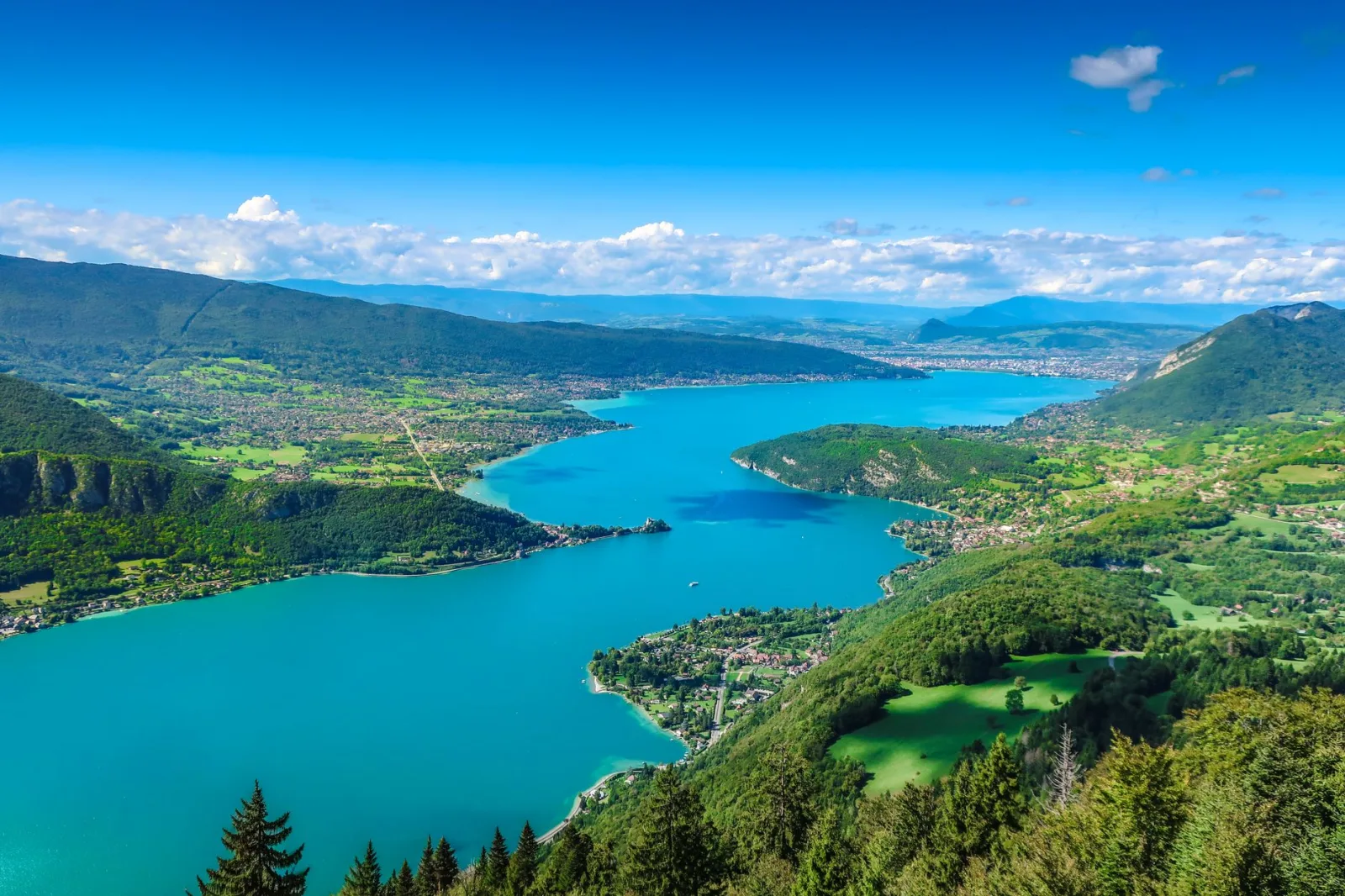
On the shores of Lake Annecy, the feel of the destination changes. The lake is one of the main reasons to include the city in your itinerary: clear water, a pleasant shoreline for walking, and space for sports and swimming in the right season. The Jardins de l’Europe are right next to the lake and work as a pause area between the town hall and the Île des Cygnes. They are a large park, with old trees and easy circulation for those who want to relax without leaving the central area.
La Tounette and the Basilique de la Visitation lie outside the flat-walking logic of the Old Town. La Tounette leads to a higher point, with views over the lake and the urban landscape; on clear days, that perspective is worth the climb. The Basilique de la Visitation dominates the skyline from afar and serves as a visual landmark across almost the entire city. It also helps explain the scale of Annecy: a compact center, surrounded by water, slopes, and neighborhoods that rise quickly.
How much it costs to visit Annecy and how to buy tickets
Costs in Annecy vary quite a bit depending on the type of tour and its duration. Independent visits are cheaper because you do everything on your own; guided tours, private tours, and small-group experiences increase the budget, especially when they include more time with a guide or specific transportation.
Among the paid options, the free walking tour is usually in the more affordable range, since the idea is a voluntary contribution at the end of the tour. Bike, bus, and boat tours tend to cost more than walking, especially when the route is longer or offers a different perspective of the city. If the idea is to control expenses, compare what each activity actually covers: duration, type of guide, and whether the ticket includes only the tour or also admission to an attraction.
Some admissions have their own cost, and the Annecy Castle appears with a ticket price of €5.20. As this type of price can change, it is worth confirming before you go. For popular attractions and tours, booking online in advance helps secure your spot and avoids lines on arrival, in addition to allowing you to better choose the time that fits your itinerary.
In practice, the best approach is to separate what can be seen for free and what is worth paying admission for. In Annecy, walking through the center and along the lakeshore does not require a ticket; guided tours, bike rides, boat tours, and certain timed visits require more careful booking, especially during periods of higher demand.
Where to stay in Annecy
Staying in the historic center is the most practical choice for most trips to Annecy. You sleep close to what matters for travelers on foot, cut down on getting around, and can go out for dinner or return to the hotel without depending on much logistics. For first-time visitors, this is the safest base; for couples, it usually works well because of the pace; for solo travelers, because of how easy it is to get around.
If the goal is to save money, it’s worth first looking at simple accommodations outside the most sought-after core, but still with easy access to the center. In these price ranges, the most important criterion is less the size of the room and more the actual proximity to the Old Town and how easy it is to walk to the lakeshore. In high season, this calculation changes quickly, so confirming availability and the cancellation policy before booking makes a difference.
For a mid-range budget, look for good-value hotels in areas close to the center, where you can still enjoy almost all of Annecy on foot. If the trip calls for more comfort, it makes sense to look for hotels with better rooms and a quieter atmosphere, especially if the idea is to rest between outings. The choice usually depends on how much you want centrality versus quiet at night.
Among the names frequently mentioned are Novotel, Best Western, Les Tresoms, Campanile, and ibis. They help compare different profiles without complicating the search: one tends to be more comfortable, another more economical, another more convenient for those who want to stay near the central axis. Before booking, check the exact location on the map, because in Annecy the difference between being “close” and being truly well positioned for walking is what changes the experience the most.
What to eat in Annecy
Tartiflette de Savoie and savoyard fondue appear frequently on menus in Annecy, especially at restaurants that specialize in alpine cuisine. They are heavier dishes, good for cold nights or for those who want an unhurried meal. Tartiflette is made with potatoes, cheese, and bacon; savoyard fondue follows the route of melted cheeses. In restaurants around the city, the bill for this type of dish tends to rise quickly depending on the menu, the setting, and the location.
Crepes are a lighter and cheaper alternative, useful for a quick meal in the center or near the lake. If the idea is to keep spending under control, it is worth looking first at what is outside the main dish: drinks, dessert, and couvert make a difference in the final amount. In Annecy, the price of a meal varies a lot depending on the place and the type of service, so the best criterion is to check the menu before sitting down.
Among the names that usually come up when searching for where to eat are some places already well known in the city, such as Le Freti, L'Etage, and Le Chalet. They help give an idea of the local style without requiring an elaborate plan. If you want to choose well, go for the dish the place prepares with the most confidence, not the longest menu. On the busiest dates, it is worth booking in advance or arriving early to avoid waiting.
Tips for traveling to Annecy with children, alone, or on specific occasions
For families, Annecy works best when the day is not tightly scheduled. Young children usually do better with frequent breaks, so it is worth prioritizing short distances and keeping the plan open for coffee, rest, and time by the lake. If the child gets tired of walking, the historic center can become exhausting quickly; in that case, the best strategy is to reduce the number of stops and choose only what can be done without extra effort.

Those traveling alone usually feel comfortable in the city because it is easy to get around without relying on big plans. Annecy’s pace lends itself to long walks, time to sit in a café, and unhurried visits. If the idea is to make the most of the experience, a guided tour on the first day helps you understand the city and decide what deserves more time later, without spending energy on improvisation.
On a first visit, the most useful approach is to stay focused on the points that help you understand Annecy as a destination: the historic center, the lake, and the highest viewpoint that makes sense for your pace. On a second visit, the trip becomes better when you trade “seeing everything” for a slower approach. Those who already know the central area can use the time to revisit what they liked, spend more time by the water, or fit in an outdoor activity, depending on the season.
In winter, the city calls for proper cold-weather clothing and an itinerary that depends less on open skies. Indoor activities become more important, and the visit works better if you accept a shorter pace between stops. In summer, the logic is reversed: the lake becomes a major part of the day, and it makes sense to save energy for walks, cycling, and time outdoors. If there are children, the heat and sun exposure matter more than the distance itself; for those traveling alone, the best window is usually the one that allows you to spend more time outside without racing against the weather.
Frequently asked questions
How many days are enough to explore Annecy?
One day covers the historic center and the main nearby sights. With two days, you can include the lake and La Tounette without rushing.
What is the best time to visit Annecy?
Between May and September, the weather usually favors walks, the lake, and outdoor activities. In winter, the city works best for those who want to combine the visit with snow and alpine activities.
Where to stay in Annecy to do everything on foot?
The historic center is the most practical area for those who want to get around on foot. It reduces travel time and makes it easy to go out for dinner or return to the hotel.
What to do in Annecy on a first day?
The best option is to focus on the Old Town, the Palais de l’Isle, Annecy Castle, Saint-Maurice Church, and the Jardins de l’Europe. This itinerary covers the essentials without rushing.
Is Annecy worth it for solo travelers or families?
Yes. For solo travelers, it is a city that is easy to get around and fill your time in without much logistics; for families, it works best with a light itinerary, frequent breaks, and a focus on the lake and the center.