Angra dos Reis: complete guide to planning your trip
Angra dos Reis: see when to go, how to get there, where to stay, and what to do to put together a practical itinerary among beaches, islands, and the historic center.
How to get to Angra dos Reis
When arriving by plane, the most practical route is usually to land in Rio de Janeiro and then continue by road to Angra dos Reis. The drive from the state capital takes about 3 hours, via the Rodovia Procurador Haroldo Fernandes Duarte and BR-101. If the idea is to leave from São Paulo, the road trip takes around 5h30 via BR-116.
Those who prefer buses will also find this connection through the same road routes. The trip is usually longer than by car, taking about 8 hours from São Paulo. For those leaving Rio de Janeiro, the journey follows the highway and tends to be much more direct.
Angra has its own airport, but it is geared toward private flights. For those planning to go to Ilha Grande, departures leave from Angra and are usually the most convenient option along the coast, with a crossing of about 1h30. If you’re combining Angra with Paraty, the trip between the two destinations is also by road, and takes close to 1h40.
How to get around in Angra dos Reis
In the Historic Center, you can do almost everything on foot. It’s the most practical way to get around the nearby streets, stop at the squares, and go into the churches and the market without relying on a car. If your itinerary stays concentrated in this area, walking works very well.
On the mainland, a car and Uber are more helpful. They’re useful for getting to beaches outside the urban core, accessing boarding points, and returning with more flexibility at the end of the day. In areas with limited transportation options, relying only on spontaneous travel usually makes logistics more complicated.
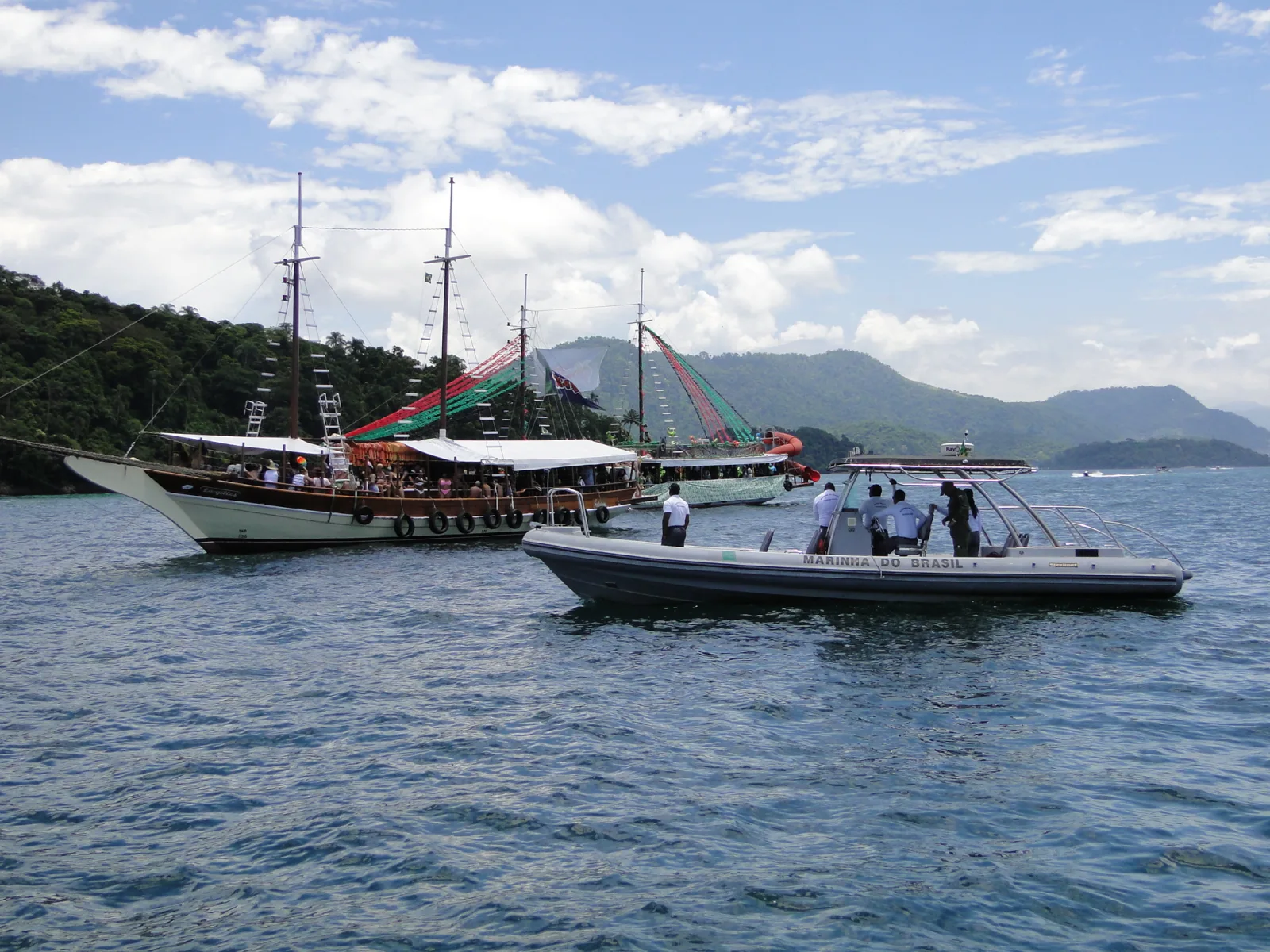
For islands and many beaches, transportation changes completely: the trip is by boat or speedboat. That’s how the most common tours work, including those that combine several stops in the same day. Schooners and speedboats are the basis of these itineraries, because part of the coast simply has no land access.
On the islands, mobility is limited in practice. In many cases, you arrive by boat, disembark, enjoy the beach or the short trail, and return the same way. It’s worth keeping this in mind before planning your day: what looks “close” on the map may depend on a boat, sea conditions, and return time.
Editorial transparency: Some links on this page are affiliate links. We may earn a commission at no extra cost to you. This does not influence our recommendations.
When to go to Angra dos Reis
Between February and October, the trip usually pays off better. During this period, rain tends to let up more, and the sea is calmer more often, which matters a lot in a destination where much of the itinerary depends on boat and beach.
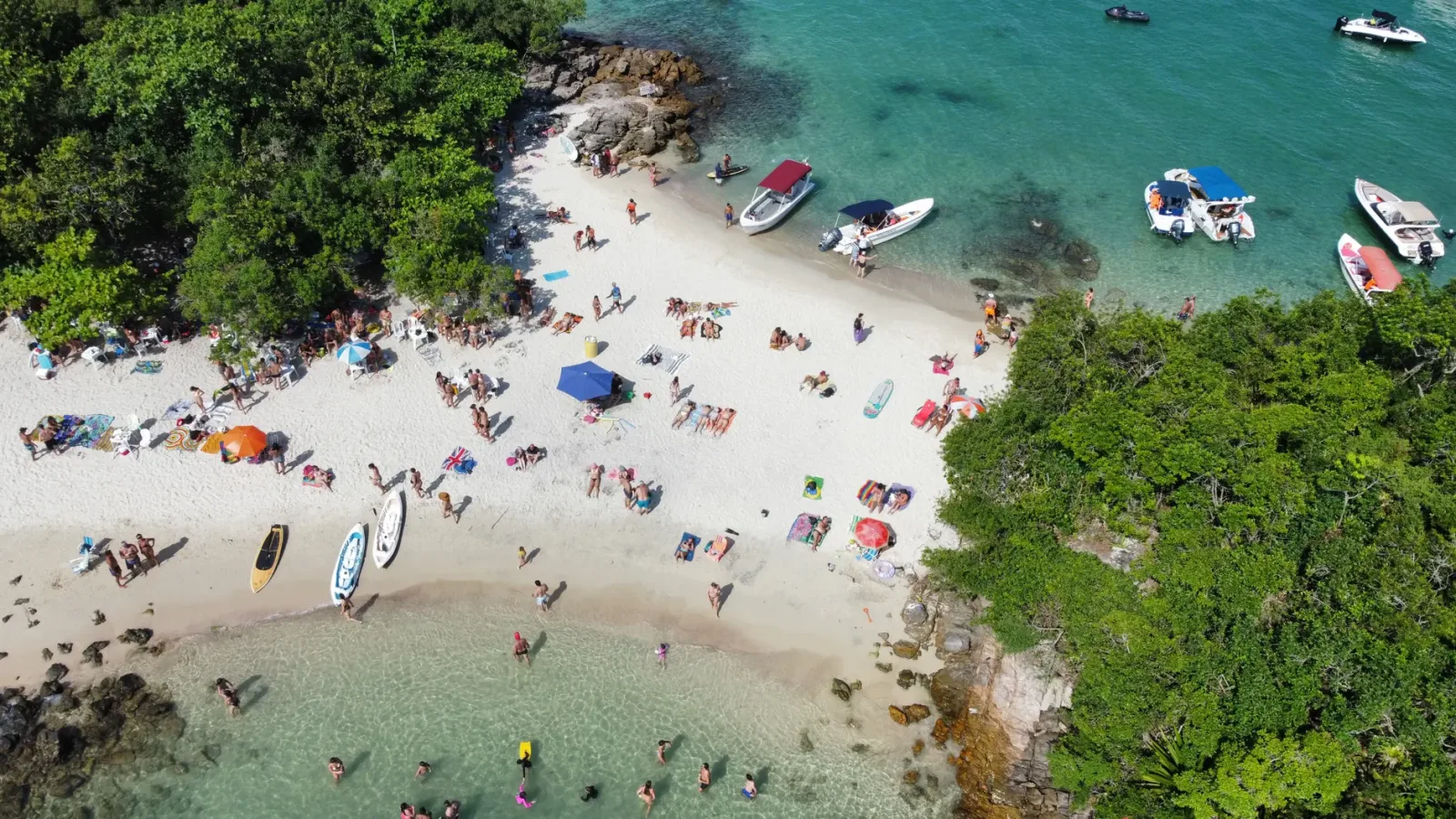
Spring and autumn are the most comfortable windows for combining more stable skies and friendlier water for outings. In these months, the pace also tends to be less pressured than at the height of summer, so it’s easier to get around without encountering the destination at its capacity limit.
Summer, school holidays, and long weekends change the picture. Demand rises, prices follow, and tours tend to be more competitive, with the need to book in advance. If the idea is to avoid heavy crowds, this is the period that requires the most planning.
If you want more predictable waters and less risk of seeing the itinerary stall because of rain or rough seas, it’s worth aiming for the transition between seasons. If the priority is peak-season atmosphere and more hustle and bustle, the end of the year and the holidays deliver that, but they require accepting higher costs and more people around.
How many days to stay in Angra dos Reis
To see the essentials of Angra dos Reis, 3 to 4 days are usually enough. This time allows you to fit in an island tour, some time in the center, and at least one freer day for the beach or a trail without turning the trip into a rush.
If the idea is to combine Angra with Ilha Grande or Paraty, it’s worth thinking of around 7 days. The logic is simple: these destinations call for their own pace, and squeezing everything into less time usually makes the itinerary too tight to enjoy the crossings, boat trips, and stops at a relaxed pace.
For a shorter trip, focus on choosing what really matters to you: island, beach, historic center, or trail. With less than 3 days, the destination becomes very dependent on the weather and the day’s logistics, and you tend to cut exactly the part that most sets Angra apart.
What to do in Angra dos Reis
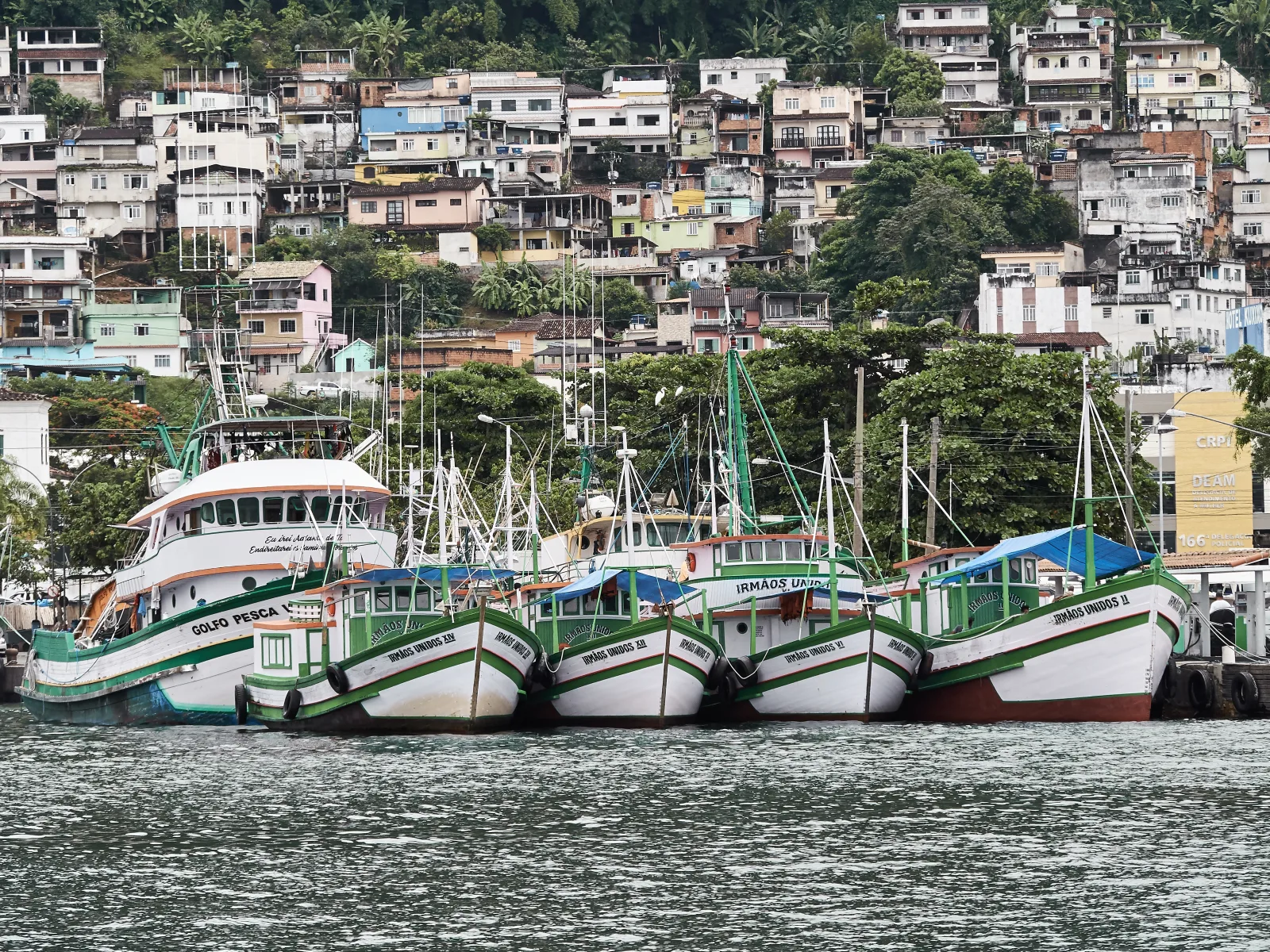
In the Historic Center, the itinerary fits into a short walk. Praça General Osório, the Municipal Market, Praça Zumbi dos Palmares, and Rua do Comércio are all part of the same route, with no need to fit in extra transfers. Among the religious landmarks, it is worth seeing Igreja Matriz Nossa Senhora da Imaculada Conceição, Igreja de Nossa Senhora da Lapa e Boa Morte, Convento de São Bernadinho de Sena, and Igreja e Convento do Carmo.
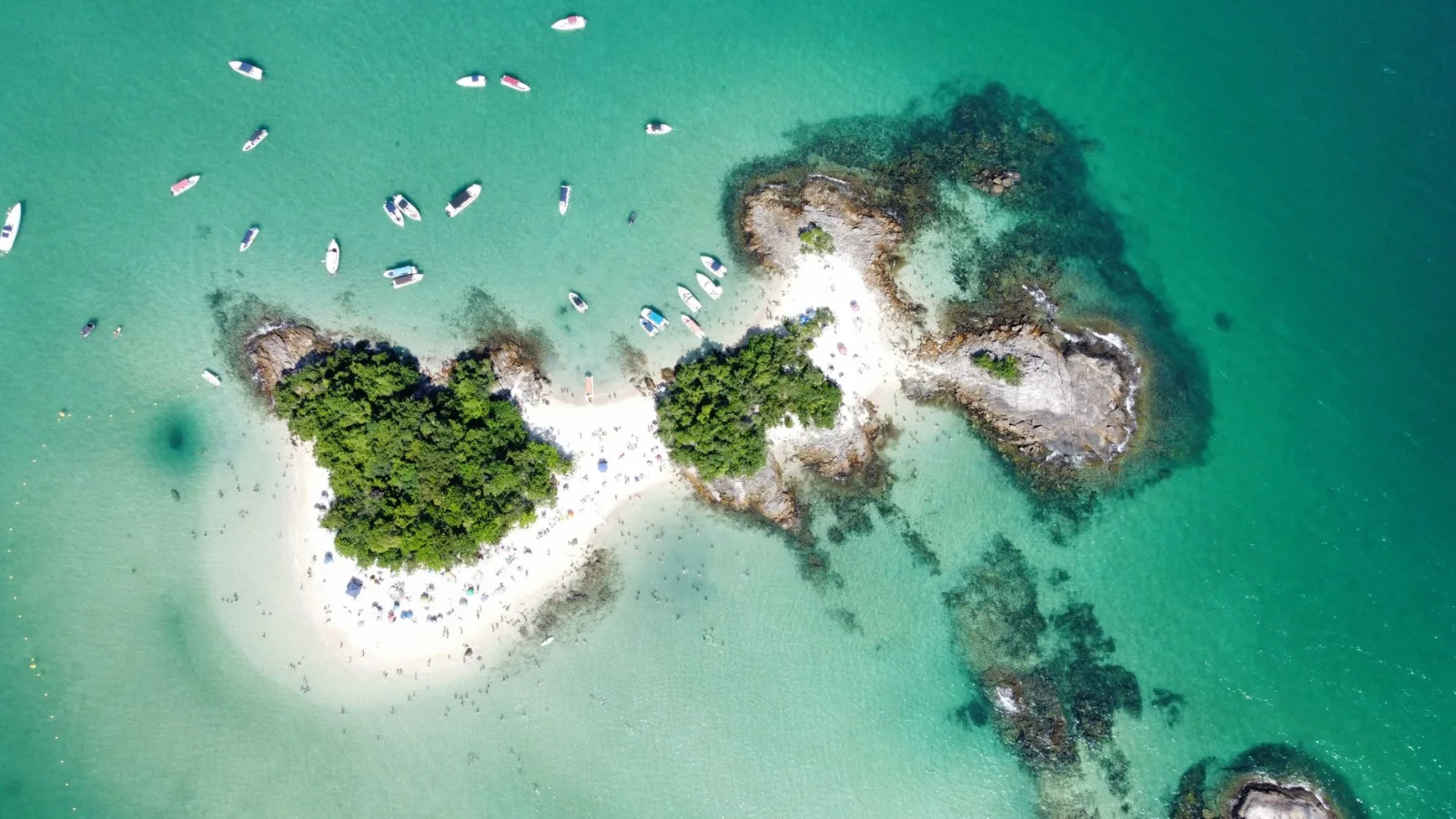
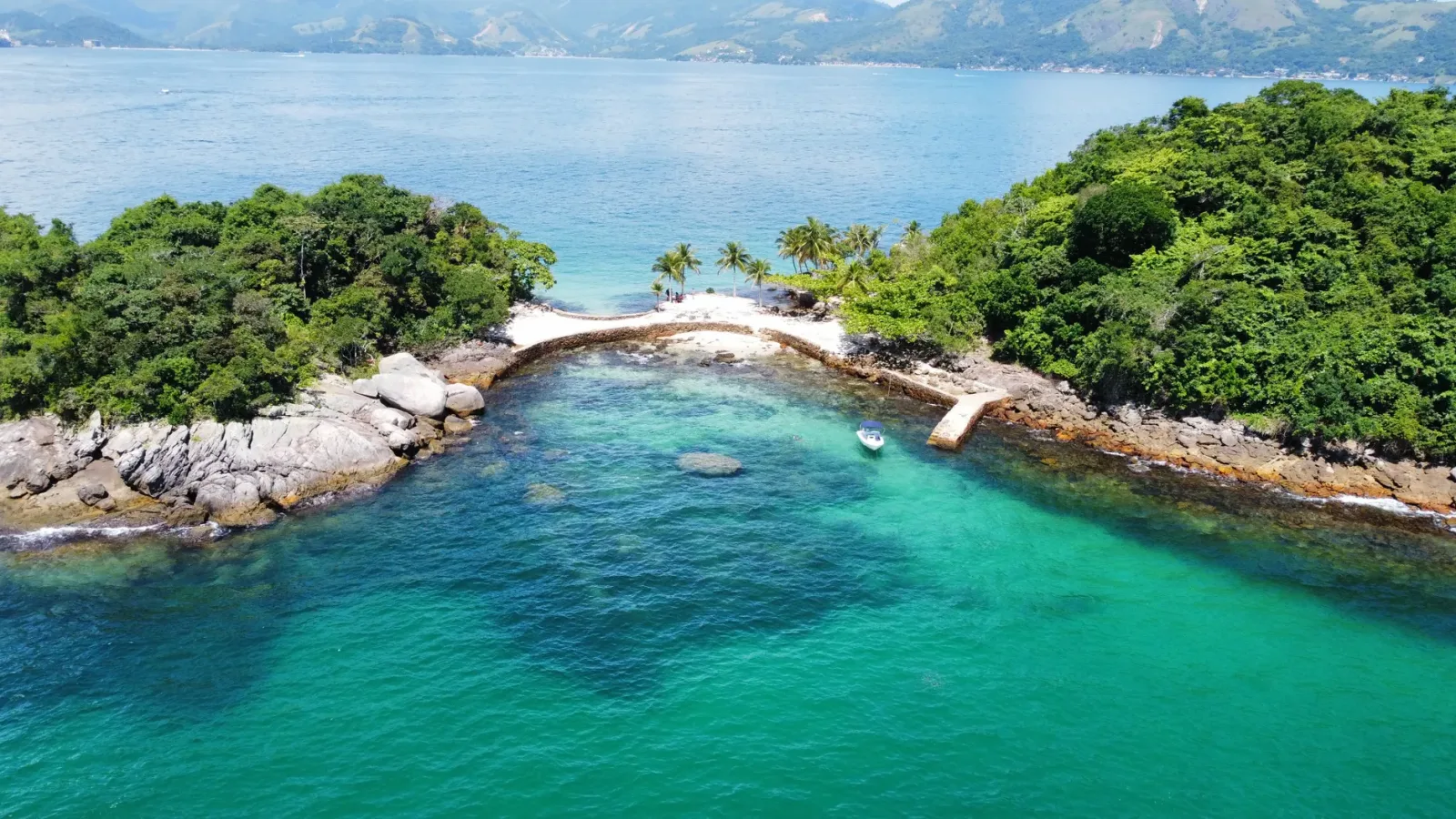
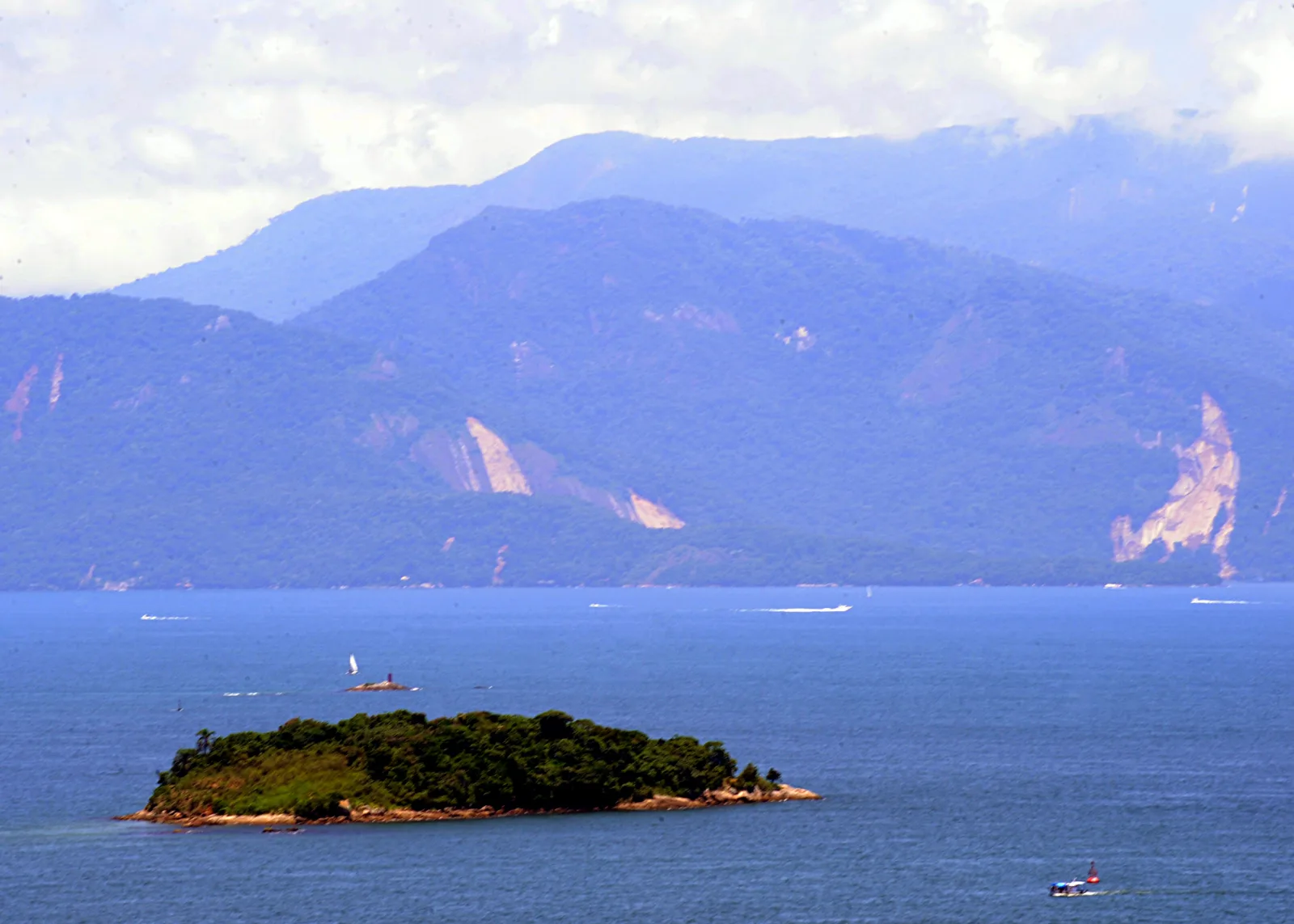
The heart of the visit, however, is the sea. Ilha Grande is usually the most complete excursion, and stops at Ilhas Botinas, Ilha da Gipóia, and Ilha de Cataguases work well for those who want to alternate between swimming, snorkeling, and short island-hopping boat rides. Each one has its own character: Botinas is known for its crystal-clear water, Cataguases for the strip of fine sand connected to Ilha do Peregrino, and Gipóia concentrates the most popular beaches of the day.
If the idea is to include a trail in the itinerary, there are options with very different levels. Perequê-Mambucabinha and Trilha da Torre de Televisão are usually simpler choices, while Trilha da Praia Grande and Pico do Frade require more physical preparation and time. They make sense for those who want to move a bit away from the beach-and-boat logic without having to leave Angra.
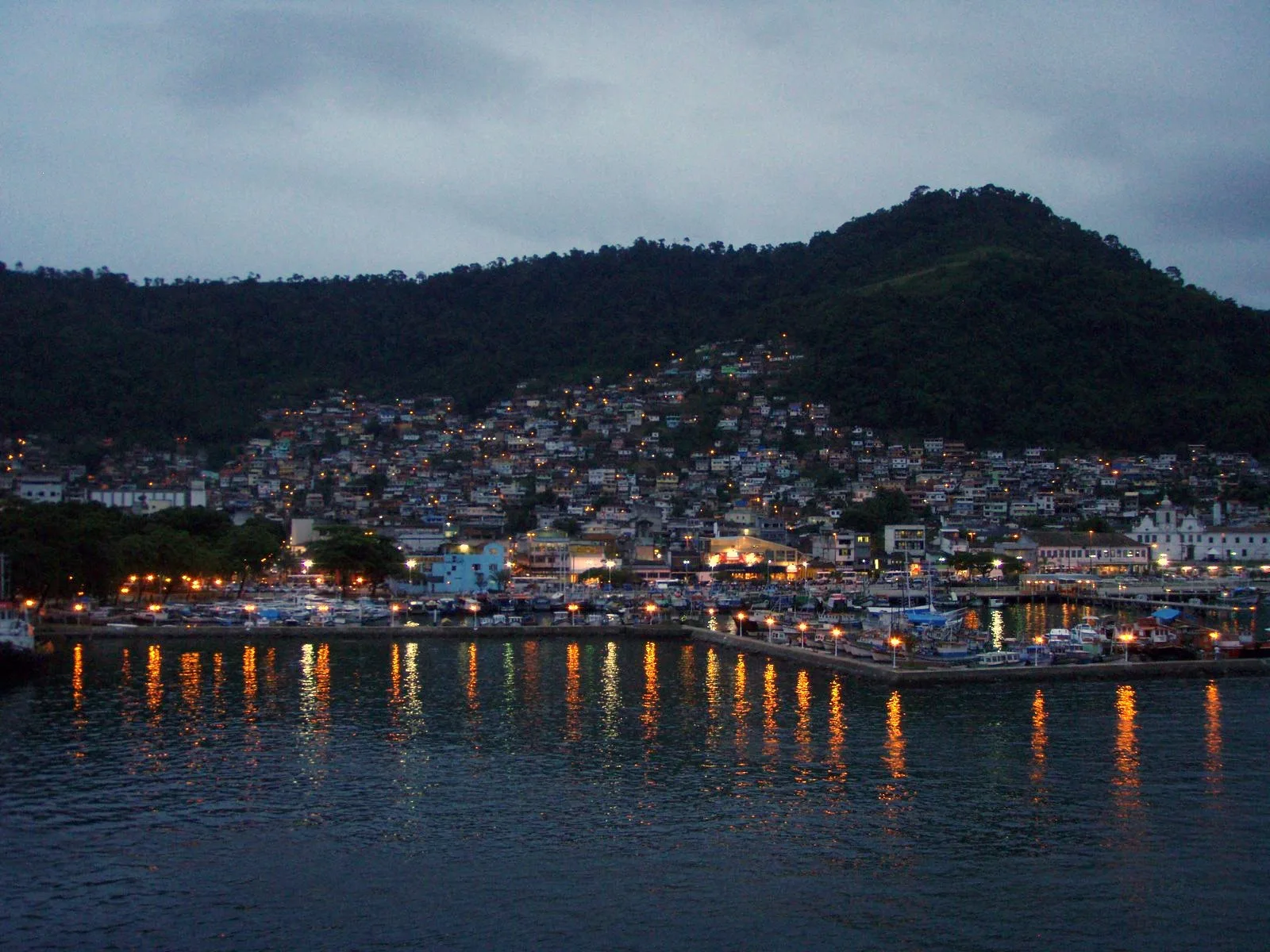
At night, Cais de Santa Luzia offers the most practical spot for dinner and a drink without complicating the day. The area usually works best in the late afternoon and early evening, when the flow of people spreads between restaurants and bars.
The beaches worth including in the itinerary
Praia da Figueira is a choice for those who want a simpler stretch with little infrastructure. The strip of sand and the sea are enough to make the plan work without requiring much beyond the basics, so it works well for a more peaceful stop.
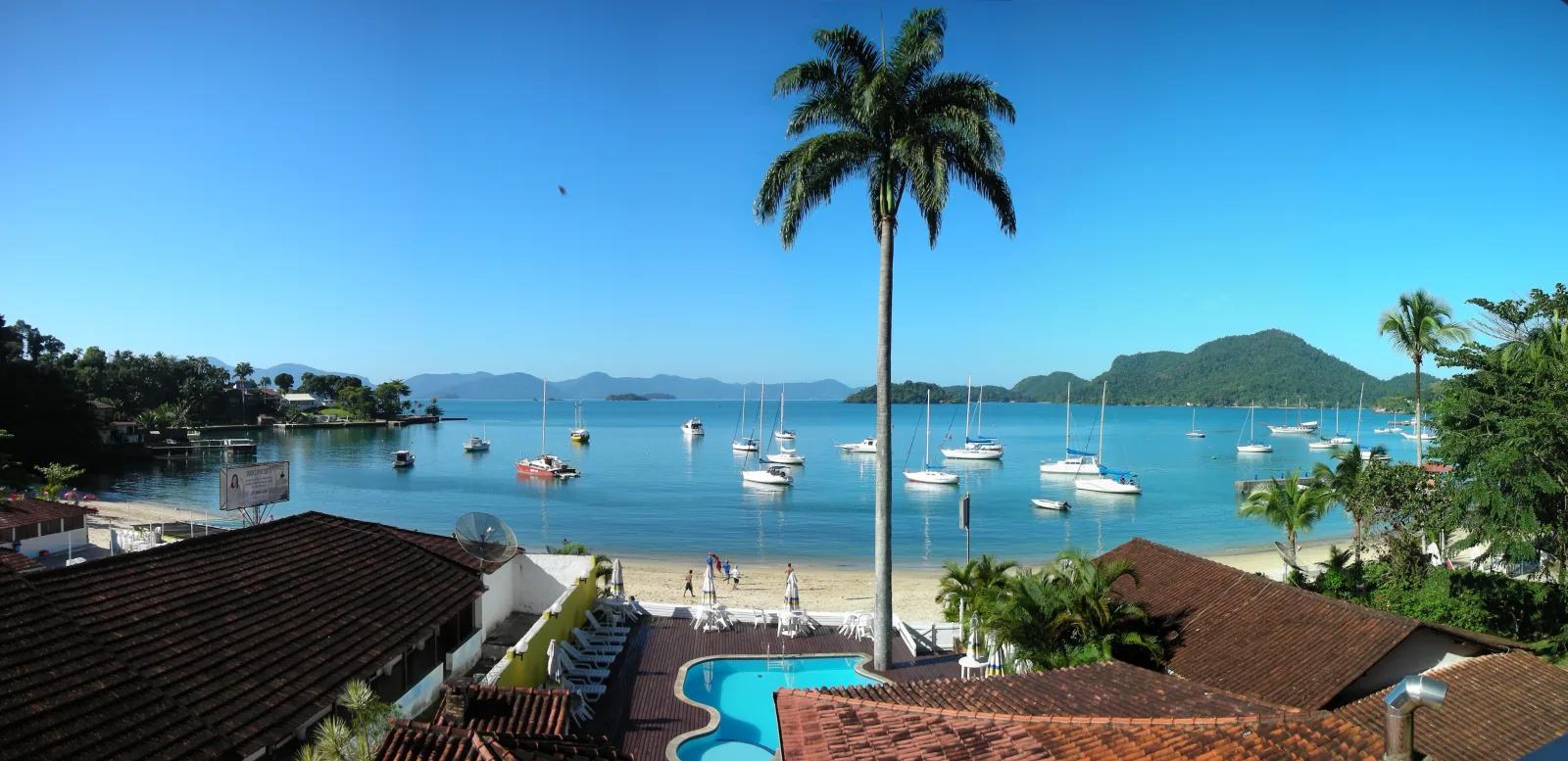
Praia Secreta has a different profile: it usually gets more activity and has beach bars and vendors. For those who prefer to spend the day with support nearby, it tends to be the most practical option among the continental beaches.
On the islands, the selection changes quite a bit. Lopes Mendes is the beach most associated with long sand and open sea on Ilha Grande. Aventureiro became known for its leaning coconut tree, Praia do Caxadaço is surrounded by stone cliffs, and Praia do Dentista is one of the most sought-after on Ilha da Gipóia. Praia da Piedade stands out for the setting of the church next to the strip of sand, and Cataguases draws attention for its connection to Ilha do Peregrino by a narrow strip of white sand.
Along the stretch toward Paraty, São Gonçalinho, Prainha and Tarituba work well for those who want to fit less obvious beaches into the same itinerary. These are stops that make more sense if you are putting together a day on the road with time to stop without rushing.
Where to stay in Angra dos Reis
Hotels concentrate the most predictable supply, with higher-end and mid-range options. Among the names that help calibrate your choice are Hotel Fasano Angra dos Reis, Angra Beach Hotel, Angra Boutique Hotel, and Mercure Angra dos Reis. The daily rates mentioned in the material range from R$ 355 to R$ 2,600, but these values change depending on the date; use them as a reference and confirm before booking.

Pousadas and chalés work well for those who want to stay closer to the water and have a simpler base. There are pousadas with structure and guidance for snorkeling and diving, such as Pousada e Mergulho Jamanta, as well as others like Pousada Mestre Augusto, Pousada Casa do Bicho Preguiça, and Pousada Vitorino. Among the chalés, Cabana Do Mar and Pousada Aquamaster Dive Center appear as options with a more private profile. The daily rates mentioned in the references range from R$ 419 to R$ 1,100, so it is worth checking what is included in each rate.
For those seeking more structure, resorts usually bring sea views, a spa, and meal service all at the same address. Hotel do Bosque ECO Resort and Vila Galé Eco Resort Angra are the two names mentioned in this profile. Vacation rentals, on the other hand, work well for groups and more independent stays, with examples such as Casa frente ao Mar, Mangue Seco Angra, Residencial Aquidabã, and Casa Verde e Mar.
When deciding, look less at the accommodation name and more at the logistics of your itinerary. Staying near the beach helps those who want to split their time between the sea and rest; choosing accommodation with support for diving or snorkeling makes a difference if that is part of the plan. If budget is the priority, the ranges mentioned show a big difference between categories, so comparing what each rate includes usually matters more than the classification itself.
Where to Eat in Angra dos Reis
Angra dos Reis revolves a lot around fish, shrimp, squid, and other dishes that make sense in a beach town and departure point for islands. Those who want to eat well without complications usually alternate between more traditional restaurants, beachfront spots, and simpler places for a quick bite.
Samburá is the most straightforward choice for anyone who wants seafood in a classic style. Bar do Chuveiro, on the other hand, became known for its shrimp pastel and works well for an informal stop. Canto das Canoas is an option near the beach, with a casual dining profile.
If the idea is to extend the night, Cervejaria Mistura Clássica combines craft drinks and a sea view, which puts it more in the happy hour category than a sightseeing lunch. For a quick meal, Sam serves those looking for Arabic food, while Old Republic Hamburgueria handles the burger craving without relying on beach dishes.
When choosing, think about your day’s itinerary. If you’re getting off the boat and want lunch, the safest option is usually a seafood place. If the idea is a light dinner or ending the night with something simple, the brewery, fast-food, and burger spots usually fit better.
Useful information before traveling
Getting domestic travel insurance helps cover medical emergencies and other expenses that may arise along the way. In Angra, this matters even more if you plan to take boat trips, hike, or spend the day among islands, because any setback far from base makes returning more complicated and care more expensive.
In the downtown area, it is worth being extra careful with valuables. Bring only what you will use during the day, keep your phone, camera, and wallet out of sight when not in use, and avoid leaving anything exposed in a parked car. At night, especially on quieter streets, it is best to avoid walking alone for long stretches and to choose more direct routes.
If your itinerary includes dinner or a later outing in the Historic Center, arrange your departure in advance and already make clear how you will get back. This reduces the chance of having to improvise at times with less activity. For those thinking of combining beach, island, and nightlife all in one day, the order of the itinerary matters: leave the more mobility-demanding activities for earlier and reserve the end of the day for areas with more predictable traffic.
It is also worth checking, before you leave, the conditions of the tour you booked, especially if there is a boat, trail, or water activity involved. In Angra, the weather and the sea affect the schedule more than many people expect, so confirming that the day’s operation is part of the trip, not a detail.
Frequently asked questions
How many days should you stay in Angra dos Reis?
To see the essentials, 3 to 4 days are usually enough. If you want to combine Angra with Ilha Grande or Paraty, the ideal is to set aside about 7 days.
What is the best time to visit Angra dos Reis?
Between February and October, the trip usually works out better, with less rain and calmer seas more often. Spring and autumn tend to be the most comfortable periods.
How do you get around in Angra dos Reis?
In the Historic Center, you can do a lot on foot. For more distant beaches and trips on the mainland, a car and Uber help; for islands and many beaches, transportation is by boat or speedboat.
What are the main tours in Angra dos Reis?
The historic center, Ilha Grande, Ilhas Botinas, Ilha da Gipóia and Ilha de Cataguases are among the most common tours. There are also trails such as Perequê-Mambucabinha, the Praia Grande Trail and Pico do Frade.
Where to eat in Angra dos Reis?
The city has a good selection of seafood, as well as options for snacks and light dinner. Among the most convenient types of places are fish and shrimp restaurants, breweries, burger joints and fast-food spots.