3-day itinerary in Château-d’Oex: how to get there, what to do, and where to stay
How to get to Château-d’Oex and organize 3 days with train, car, nearby villages, trails, and practical accommodation and restaurant options.
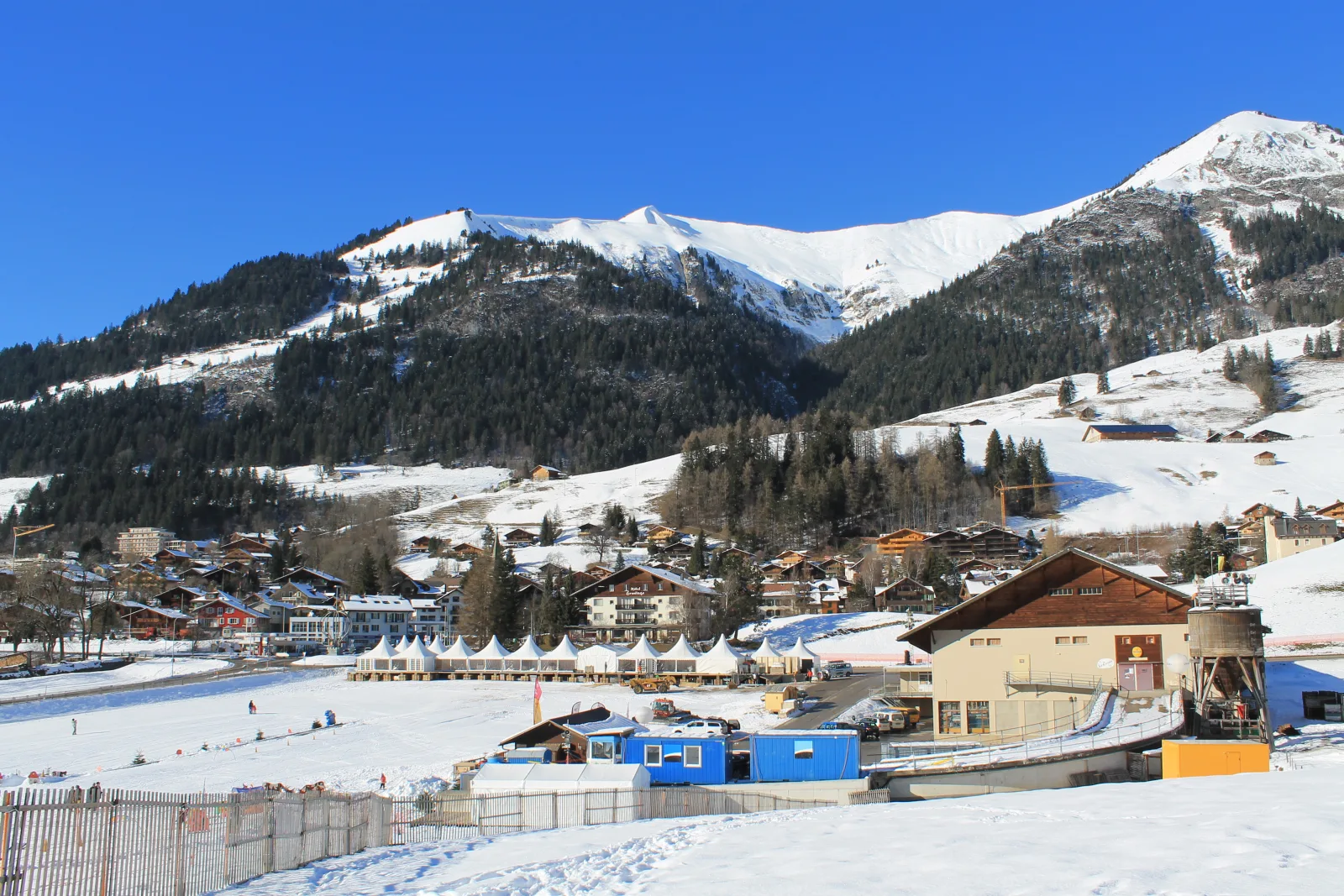
How to get to Château-d’Oex by train and by car
Château-d’Oex station is the most practical point for reaching the village by train. The most direct connection usually comes via the line that passes through Montreux, with a transfer in Zweisimmen; Gstaad lies along the same route, so the same network also works for those combining the destination with other stops in the valley. If your base is in nearby towns, check the timetable combination before you leave, because the trip depends on these connections.
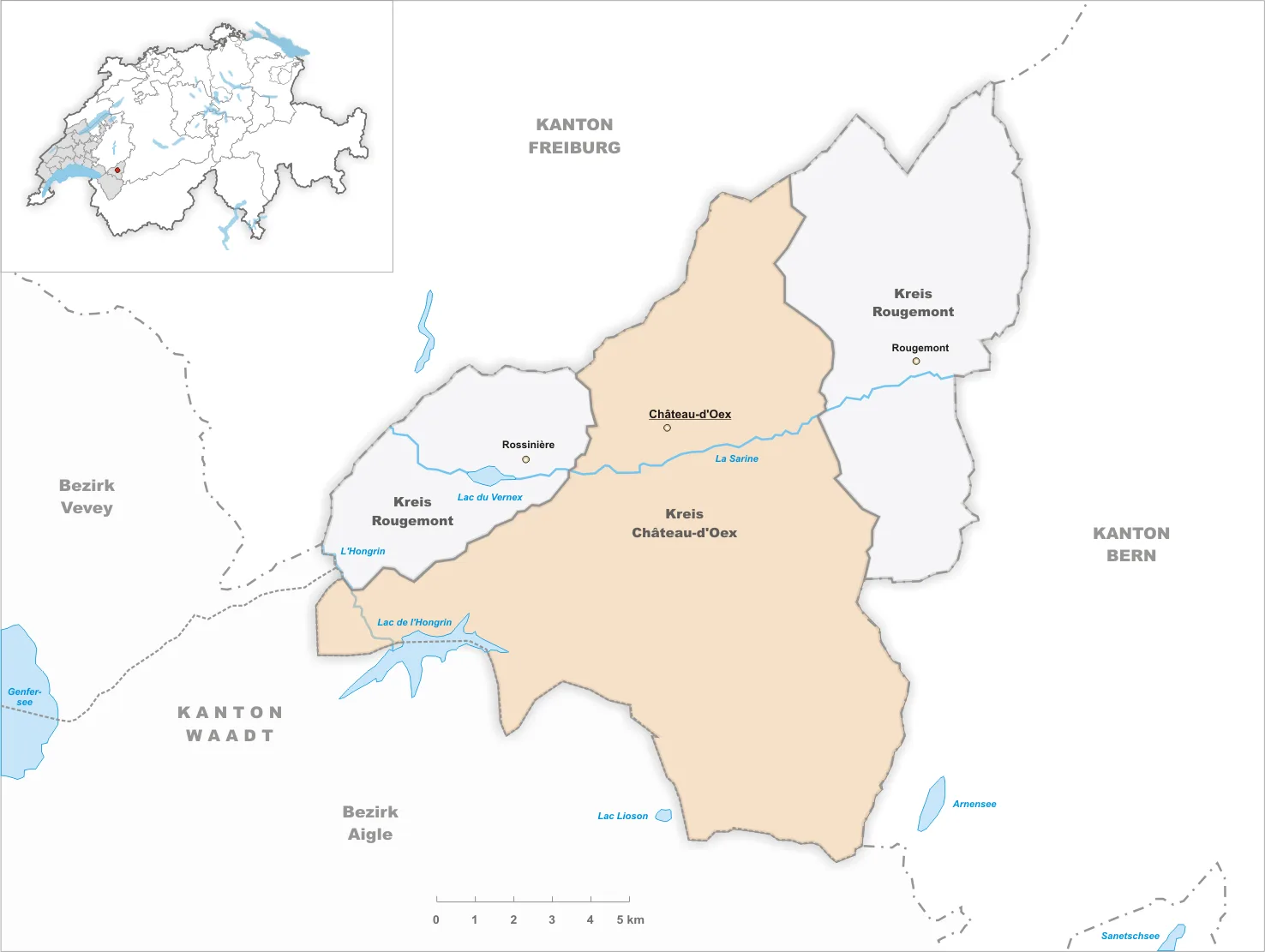
There is also a bus connection to Le Sépey and Aigle. This option makes sense when you want to access Château-d’Oex from another side of the valley or fit the route in with other stages in the region. As in much of the Alpine area, the best route is not just the shortest on the map, but the one that matches your arrival and departure times.
By car, Château-d’Oex is well connected to nearby towns in the Vaud region and the Bernese Oberland. It is a useful choice if you plan to stop in smaller villages along the way or move between different bases in the same itinerary. In winter, it is worth paying close attention to road conditions; in the mountains, this weighs more heavily in the decision than distance itself.
If you are putting together an itinerary with several stops, think of it this way: train for those who want to make the journey without driving and enjoy the connections, car for those who want more flexibility between villages and hiking areas. To decide on the best option, compare the schedules for the day you arrive and the day you need to continue your trip.
When to visit Château-d’Oex for a 3-day itinerary
January is the busiest month in Château-d’Oex because of the annual balloon festival. During this period, the village welcomes visitors who want to see the takeoff in the valley and follow the event-related schedule, so it is worth booking in advance and accepting that the experience depends more on the day’s weather.
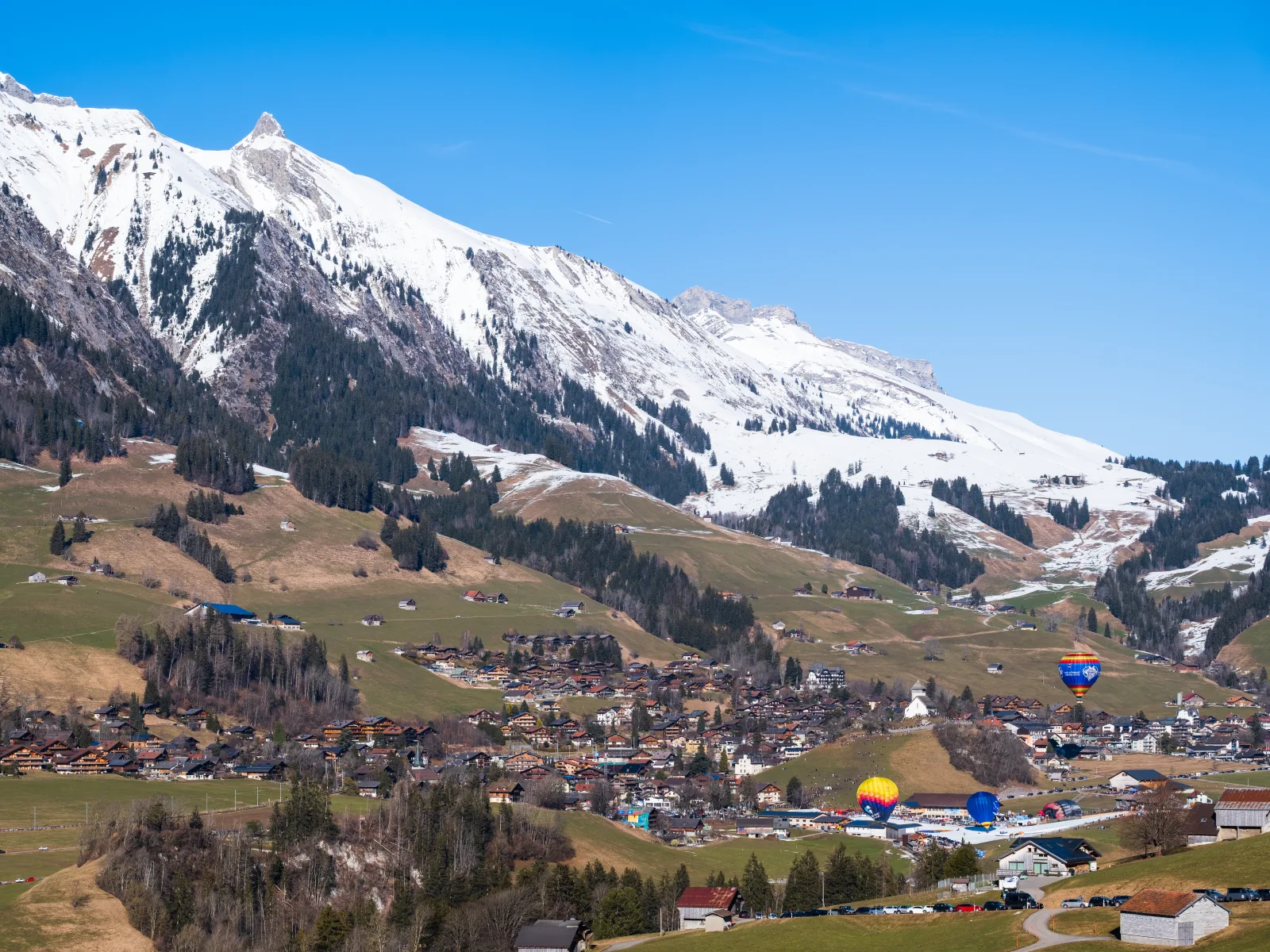
Outside this window, balloon flights remain possible throughout the year, as long as the weather is favorable. This means that clear skies and suitable wind matter more than the exact date. If ballooning is a central part of your itinerary, leave room to adjust your plans in case of a poor forecast.
In winter, Château-d’Oex works best for those who want a slower pace, with snowy scenery and a typical alpine resort atmosphere. In the warmer months, the itinerary gains more flexibility for hikes and outdoor strolls, with trails and stretches of the valley easier to enjoy without relying so much on road conditions or snow cover.
For a 3-day itinerary, the most practical choice is to match the season with what you want to prioritize: January for the festival, another time of year if the idea is to try a balloon flight with more room to choose, and milder months if the goal is to walk more.
Editorial transparency: Some links on this page are affiliate links. We may earn a commission at no extra cost to you. This does not influence our recommendations.
Day 1 in Château-d’Oex: village center, balloon museum, and a walk along the Sarine
The first day works well on foot. Start with the Espace Ballon, in the center, where the permanent exhibition tells the story of ballooning in the region and explains an important milestone in balloon aviation: the first non-stop flight. It is a short, straightforward visit, and it helps provide context for what you will see later in the valley.

After leaving, stroll unhurriedly through the center of Château-d’Oex. The village is small enough to be covered in a short time, so the interest lies more in observing the local rhythm than in following a fixed route. If your trip coincides with January, the activity around the balloon festival changes the atmosphere of the place; otherwise, the center remains a good introduction to the destination before heading out on the walk.
From the main square, head toward the woods and the small river to pick up the Sarine route. The path leads to the Turrian suspension bridge, from 1883, which crosses without requiring much effort or a long crossing time. Those who want to extend the outing can continue to the left after the bridge to the Ramaclé waterfall.
If the day is short or the pace is slower, the bridge alone makes for a good outing. If there is still daylight and energy, the trail to the waterfall fits naturally into the same stretch and ends the first day without leaving the village.
Day 2: visit to the villages of Rougemont and Rossinière
Rougemont works well as a half-day stop. The wooden houses with decorated façades are the main reason to stroll unhurriedly through the village, observing doors, balconies, and carved details that appear in the more traditional buildings. It is also a good place to understand the local connection to the art of paper cutting, which is part of the village’s identity and can be explored in a workshop with a paper cutting artist, if you want to turn the visit into something more hands-on.
Then, continue on to Rossinière. The village is small and quick to explore, but the point that draws attention is the Grand Chalet, the former home of the painter Balthus. The building remains a private residence, so the visit is limited to the outside, looking at the long façade and the scale of the structure in relation to its surroundings.
If you are planning the day with limited time, the logic is simple: Rougemont calls for a short walk and close observation of details; Rossinière calls for a brief stop to see the Grand Chalet and move on. The two villages work well in the same itinerary because they do not require a fixed program.
Day 3: Gstaad, Saanen, and the surrounding hiking area
Gstaad is close enough to Château-d’Oex to work as an easy day trip. If you want a more urban day, with storefronts, activity, and concentrated services, this is the most obvious base in the region. For lunch, Saanen is usually the more interesting choice than Gstaad itself, especially if you prefer a smaller village that’s easier to walk around before sitting down to eat.
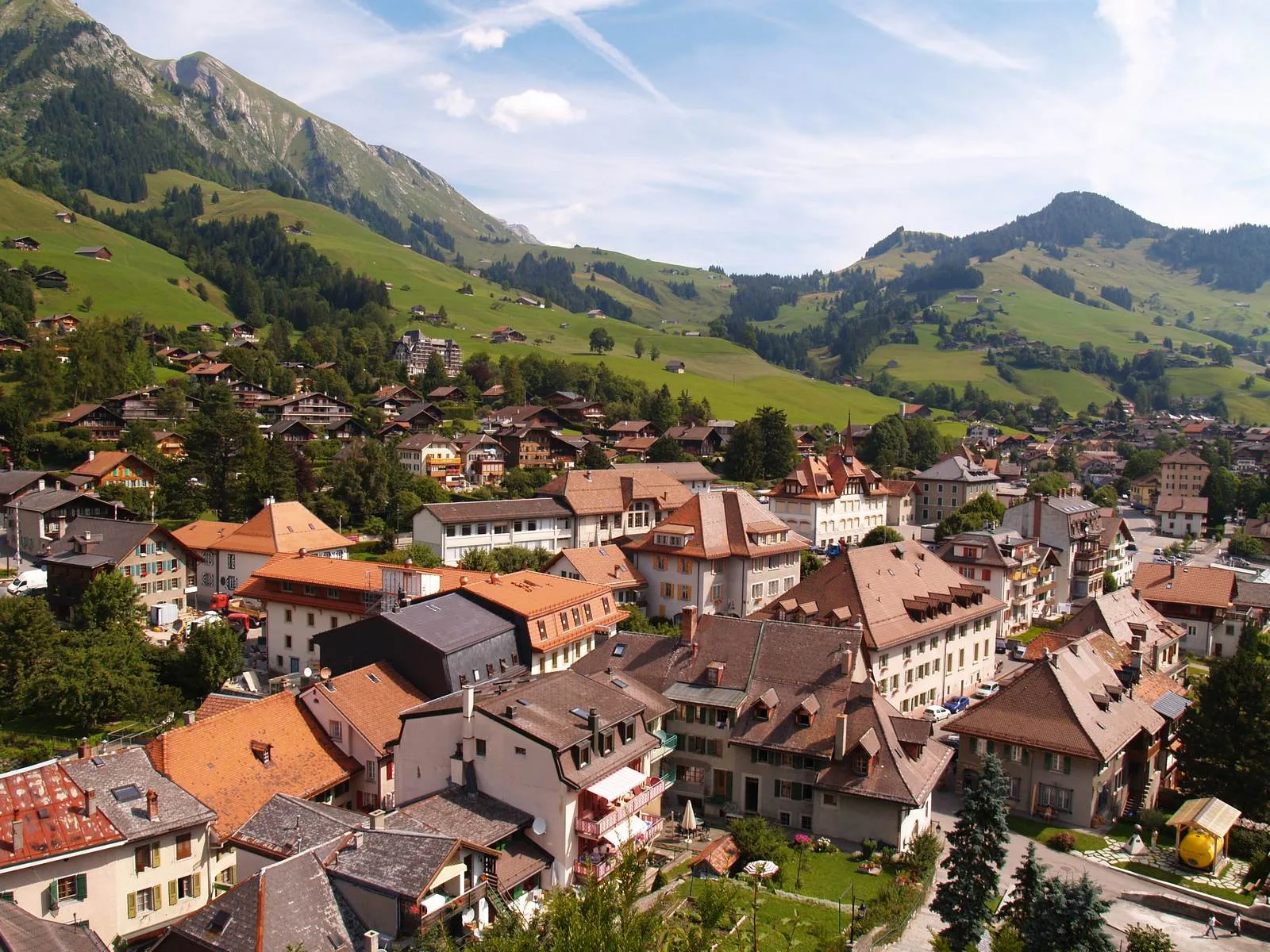
In practice, Gstaad works well as a reference point, but Saanen usually makes for a more pleasant stop for those who want to walk a bit through the center, observe the traditional architecture, and have a meal without feeling like they’re in a place made only for passing through. If the idea is to spend little time away from Château-d’Oex, choose Saanen; if you want to combine sightseeing with a broader tour of the area, make Gstaad the focus of the day.
For walking, the region offers options at different paces. Lauenen works well if you want an outing tied to a lake and alpine scenery, while Schönried is worth it for those looking for trails with good views and wanting to stretch the visit without turning the day into a long trek. Both areas make sense when the weather is stable and the goal is to spend more hours outdoors than in a village.
If you’re still deciding how to end the third day, think about your energy level. If you’re up for more walking, choose a trail in Lauenen or Schönried; if you’re less inclined to move between stops, stay in Gstaad and center your lunch break in Saanen.
Where to stay in Château-d’Oex: hotel, bed & breakfast, camping or chalets
The most versatile accommodation in Château-d’Oex is the family-run bed & breakfast with a garden, terrace, multisport court, game room, and hot tub overlooking the mountains. It works well for those who want to stay close to the center without giving up outdoor space, and also for families with children, since there is a play area and leisure options within the house itself. Some rooms are in the chalet section, and there are also apartments for rent, as well as occasional stays with yoga retreats.
For those who prefer something simpler and more economical, the public camping is located by the river and next to the public pool. It is a practical base in summer, with space to pitch a tent and easy access to the pool, without needing a car for everything. If you like this kind of setup, it is worth checking in advance the seasonal opening and the services available during your travel period.
There are also hotels and traditional chalets in the region, which make sense for those who want more privacy or a stay with a classic alpine feel. The choice usually depends less on the type of room and more on your routine in the valley: staying in the center reduces travel time; a chalet may work better if you want space and independence; a hotel is a good fit when the priority is to arrive, sleep, and continue traveling without complications.
Where to eat in Château-d’Oex and nearby villages
For breakfast, Early Beck Boulanger Confiseur handles the first stop of the day well. If the idea is to buy something quick before heading out, the Coop near the station helps with bread, fruit, and simple items to put together a meal without depending on a reserved table.
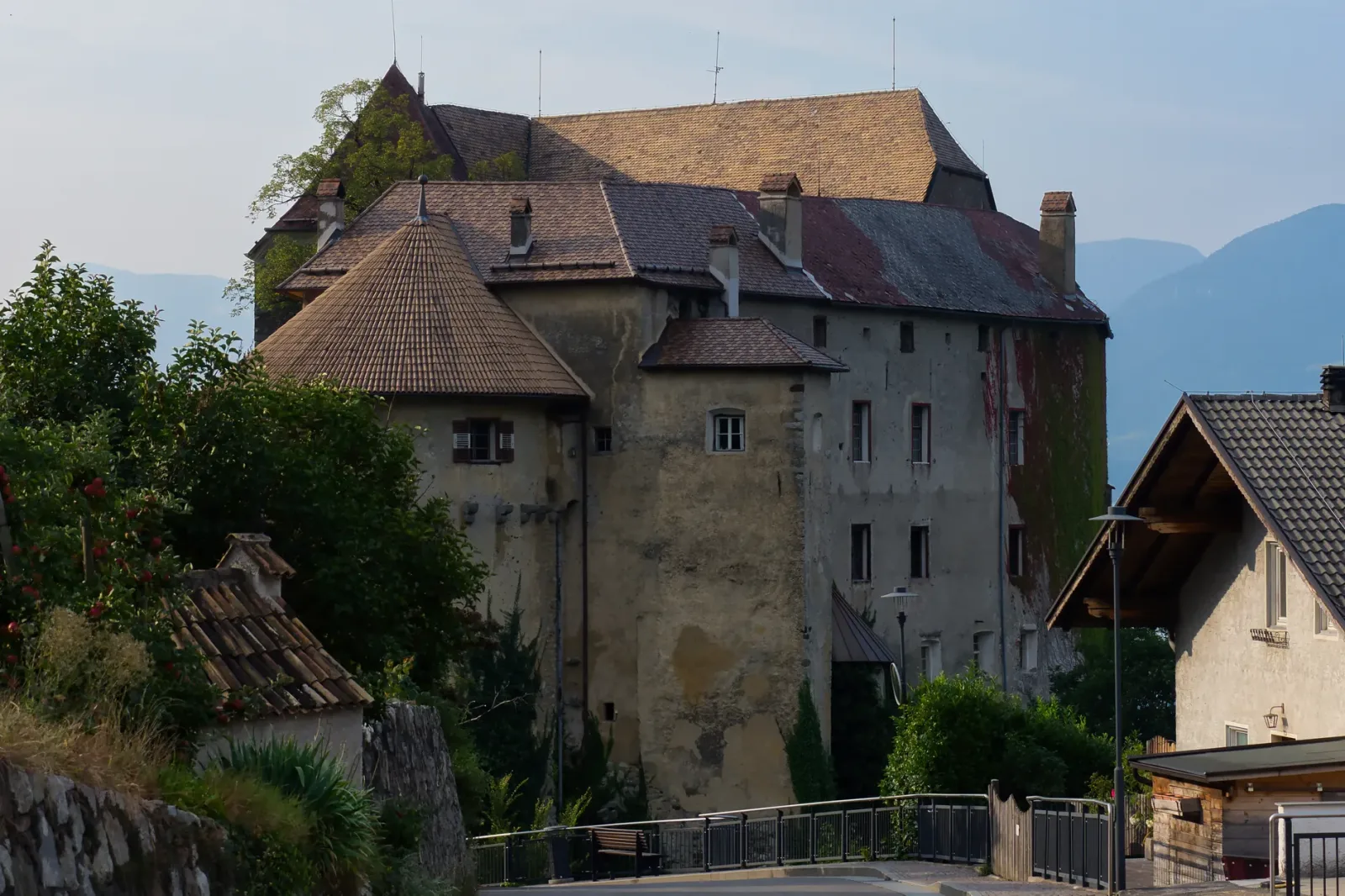
For lunch or dinner in Château-d’Oex, Le Chalet works for a more classic Swiss meal, while Au Montagnard is the obvious choice when you’re craving fondue and traditional dishes. Au Relais is a straightforward option for pizza, useful when you want something informal in the middle of your itinerary, and Caribou Bar Lounge covers a more casual profile, with burgers, rösti, and tarte flambée.
In Rougemont, Café du Cerf is worth a stop if you fit the village into day 2. It’s a practical place for lunch and usually works well when the itinerary calls for a meal without a major detour from the route.
If you’re putting together the three days with flexibility, leave a simpler meal for arrival day or late afternoon, use a traditional restaurant when you want to sit down without rushing, and rely on the supermarket when the priority is saving time between one day trip and the next.
Frequently asked questions
How do you get to Château-d’Oex by train?
The most practical way is to arrive via Château-d’Oex station, usually with a connection on the line that passes through Montreux and Zweisimmen. It’s worth checking the schedules before you leave, because the journey depends on these connections.
Is it worth going to Château-d’Oex by car?
Yes, especially if you want to visit smaller villages and move between different bases in the same itinerary. In winter, it’s important to check road conditions before traveling.
What is the best time to visit Château-d’Oex?
January is the busiest period because of the balloon festival. Outside this time, the destination also works well for trying balloon flights and going on hikes, depending on the weather.
What should I do on the first day in Château-d’Oex?
Start with Espace Ballon, then walk through the village center and follow the Sarine to the Turrian suspension bridge. If you want, continue to the Ramaclé waterfall.
Where to eat in Château-d’Oex?
For breakfast, Early Beck Boulanger Confiseur is a good option. For meals, Le Chalet, Au Montagnard, Au Relais and Caribou Bar Lounge cater to different lunch and dinner styles.