
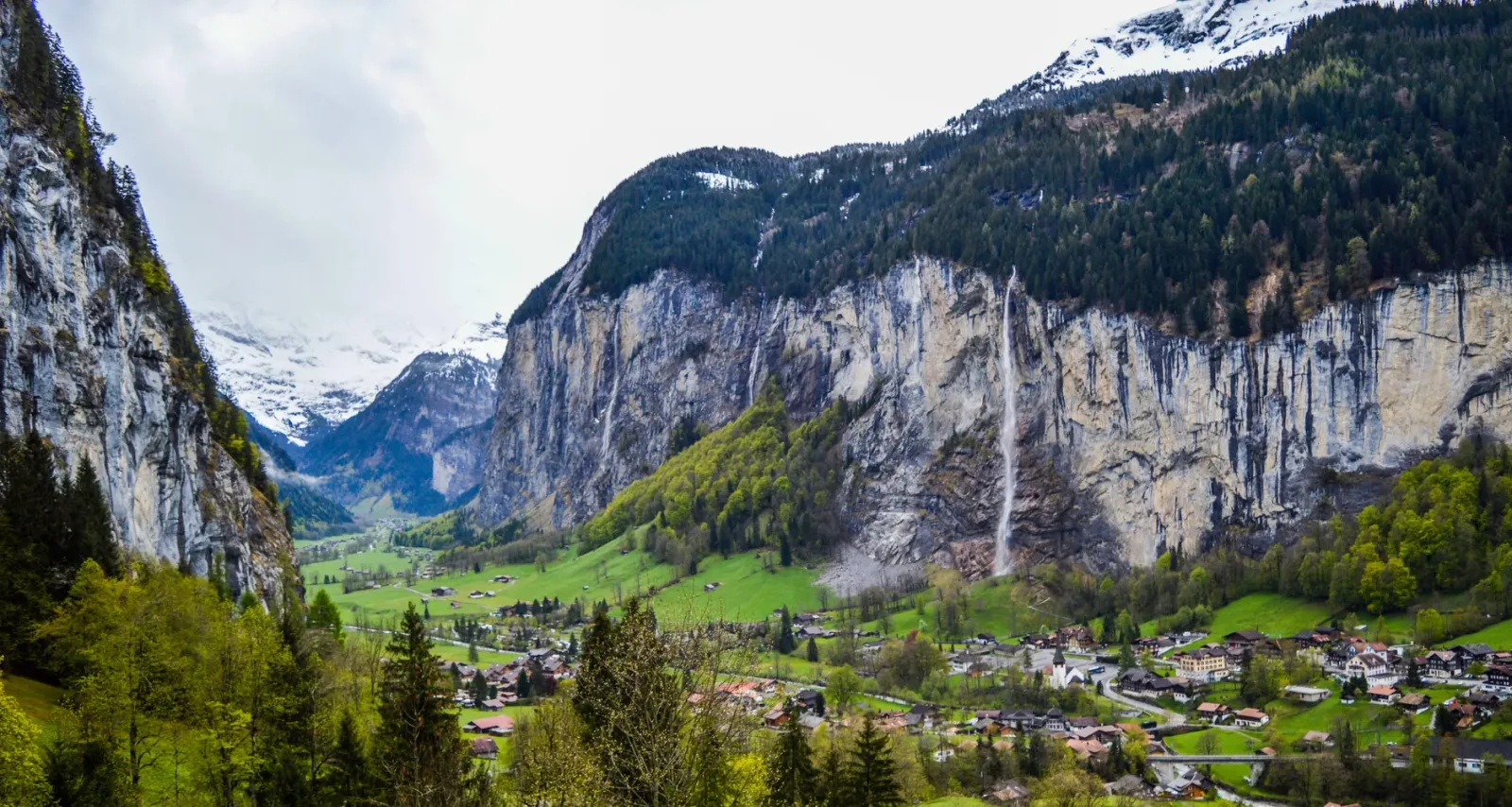
1-day itinerary in Lauterbrunnen: what to do, how to get there, and how to fit in the activities
How to get to Lauterbrunnen and use the village as a base
The most practical arrival is by train from Interlaken Ost. The journey to Lauterbrunnen takes about 21 minutes, which makes the village easy to include on a day trip or as the first stop on a route through the Jungfrau region.
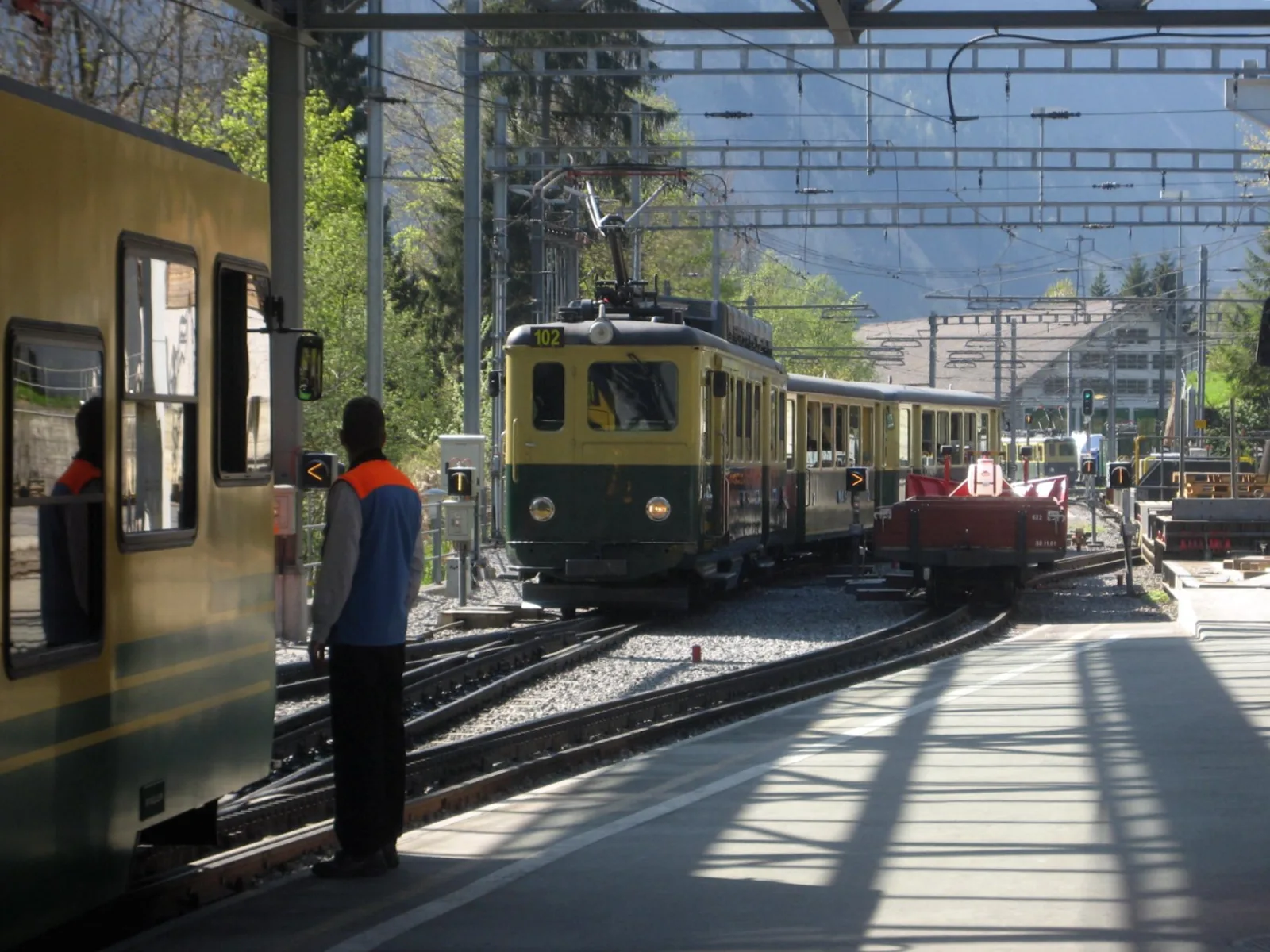
Lauterbrunnen works well as a base because it sits on the route connecting some of the valley’s most popular excursions. Staying there simplifies logistics: you return to the same station, you don’t need to switch hotels for each outing, and you can organize your time better, especially if you plan to combine more than one excursion in the same area.
The village is also convenient for those who want to arrive early and leave early. The center is small, the station is right in the valley, and the connections between trains and the region’s links are usually direct enough to avoid wasting time on long transfers. If the idea is to use Lauterbrunnen as a starting point, it is worth thinking of it as a base for exploring the surroundings without carrying luggage from place to place.
How to get around between the center, the waterfalls, and the surrounding villages
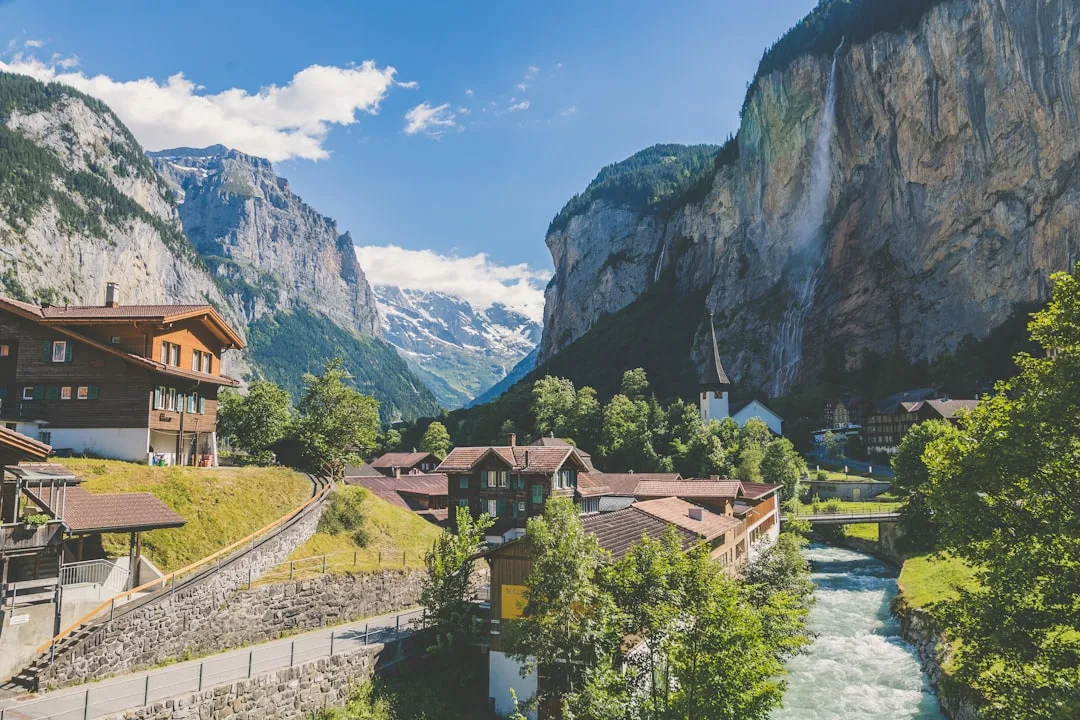
If your plan includes only the center and the closest stops, you can do everything on foot. The main street concentrates the village’s activity, and the walk to Staubbach Falls is short enough to fit into your itinerary without effort. For Trümmelbach Falls, you can also walk there from the center; it’s the kind of stretch where you decide between walking or taking the bus depending on the weather and how much energy you have that day.
For the longer stretches, the local bus works better than trying to shorten the trip on the fly. It makes a difference especially when the idea is to combine Stechelberg or return without repeating the same walk. For Wengen, Mürren, and Kleine Scheidegg, the transfer becomes part of the experience: these are villages and mountain spots that work well in combination with the time you have, but they require planning so a day trip doesn’t turn into a rush.
If the goal is to make the most of the day without unnecessary travel, think of the valley in layers: Lauterbrunnen center for the simplest part; Trümmelbach and Stechelberg as a natural extension at the bottom of the valley; Wengen and Mürren to change perspective; Kleine Scheidegg to fit in a higher-altitude outing. This helps you decide whether it’s worth returning to the village in the middle of the afternoon or continuing on until you complete the day’s route.
If you plan to combine more than one of these points, the main thing is to let transportation shape the sequence, not the other way around. In Lauterbrunnen, the most common mistake is trying to fit in attractions that are on different sides of the valley without allowing for the time each transfer takes.
The best 1-day itinerary in Lauterbrunnen
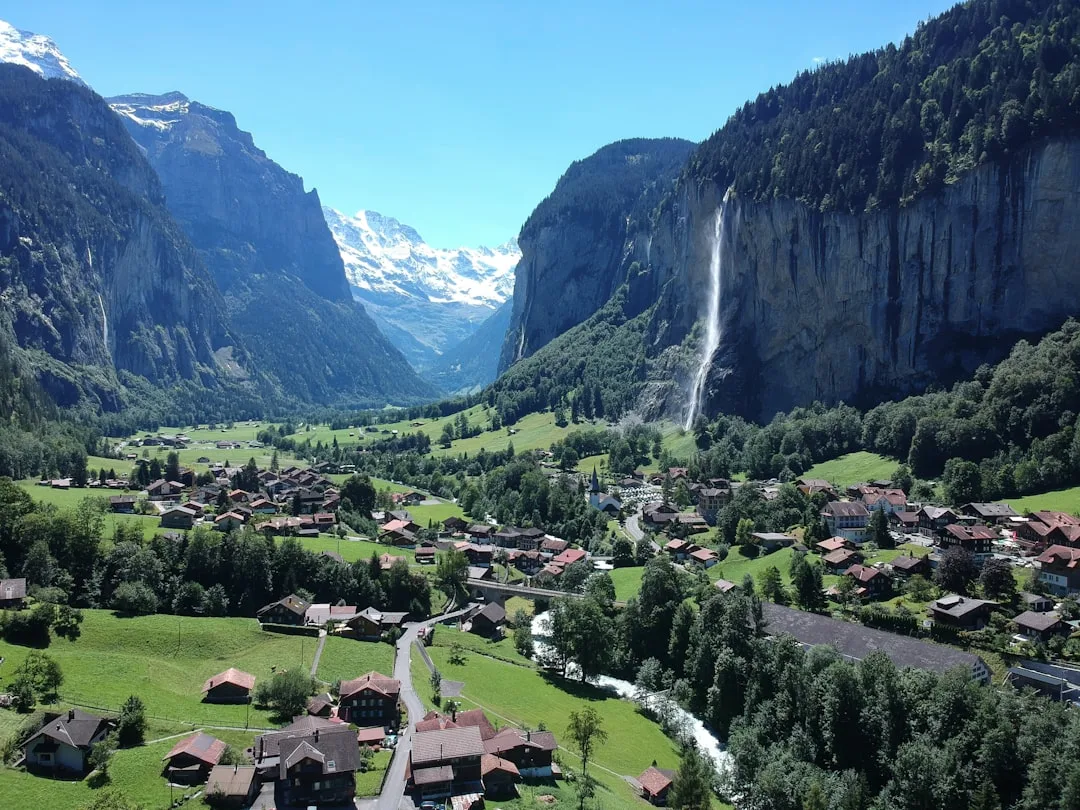
Start in the center early, when the valley is still quieter. Give yourself time to walk unhurriedly through the few main streets, observe the village, and fit in the first stop at Staubbach Falls before moving on.
Then, head to Trümmelbach Falls while the morning is still going. It requires more time than it seems at first glance, because the visit is not just about looking from the outside: the whole complex is inside the mountain and the experience is slower than a quick photo stop. If you are planning the day with some flexibility, this is the part that deserves the most room in the middle of the itinerary.
In the second half of the day, choose an extension according to the pace you have left. Wengen works well if you want to change perspective without turning the outing into a marathon; Mürren fits better if the idea is to go higher and feel the valley from another angle; and a bigger mountain excursion, such as Jungfraujoch, Schilthorn, or Kleine Scheidegg, requires you to accept that the day will revolve around it. Trying to do everything in the same day usually makes the schedule too tight.
If you prefer a lighter itinerary, wrap up the afternoon by returning to the village and reserve that time for a meal and rest. If the priority is to make the most of the region, choose just one extension and leave the rest of the day free so you do not end up rushing between places that already take up a large part of the journey on their own.
The waterfalls worth the stop
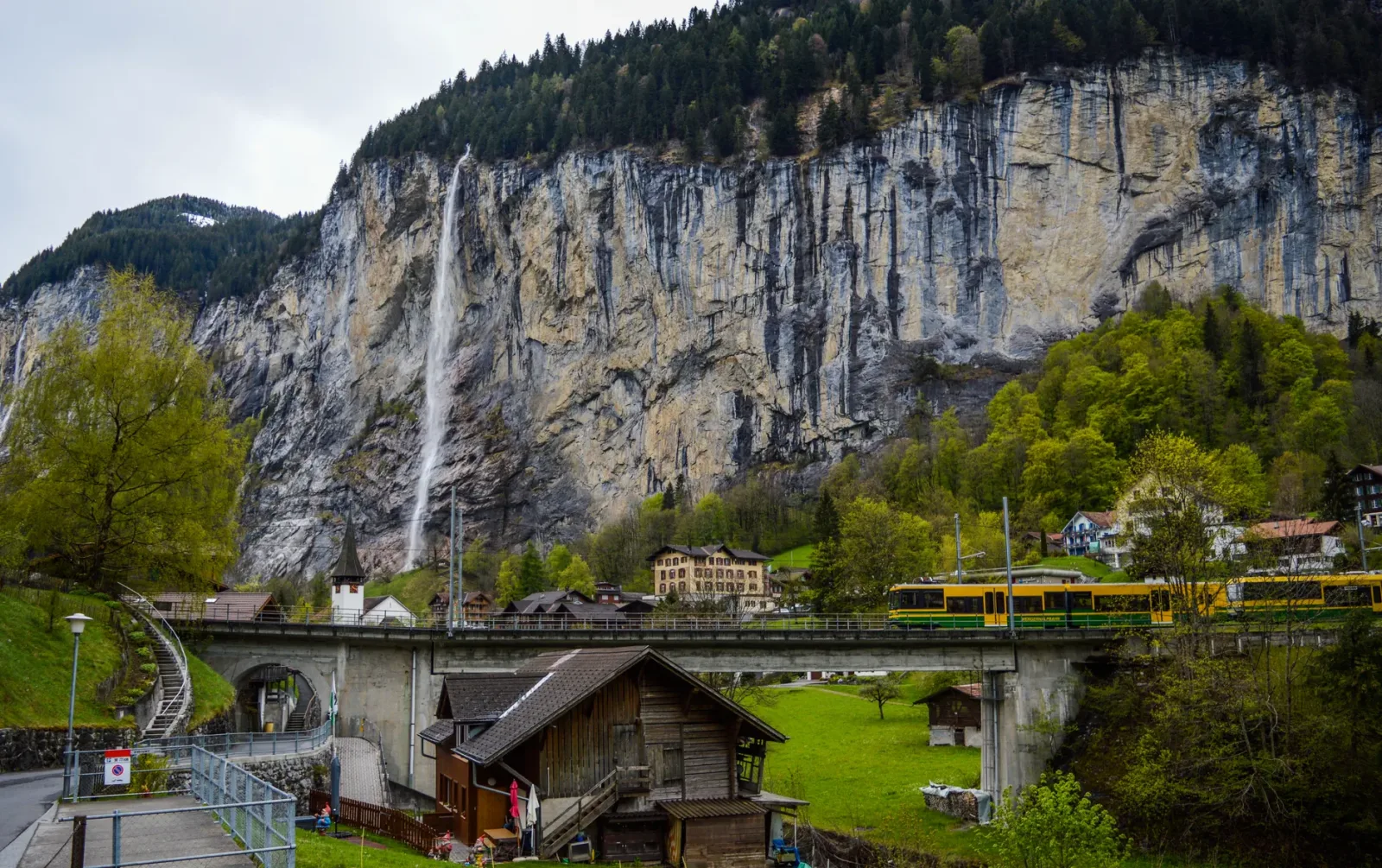
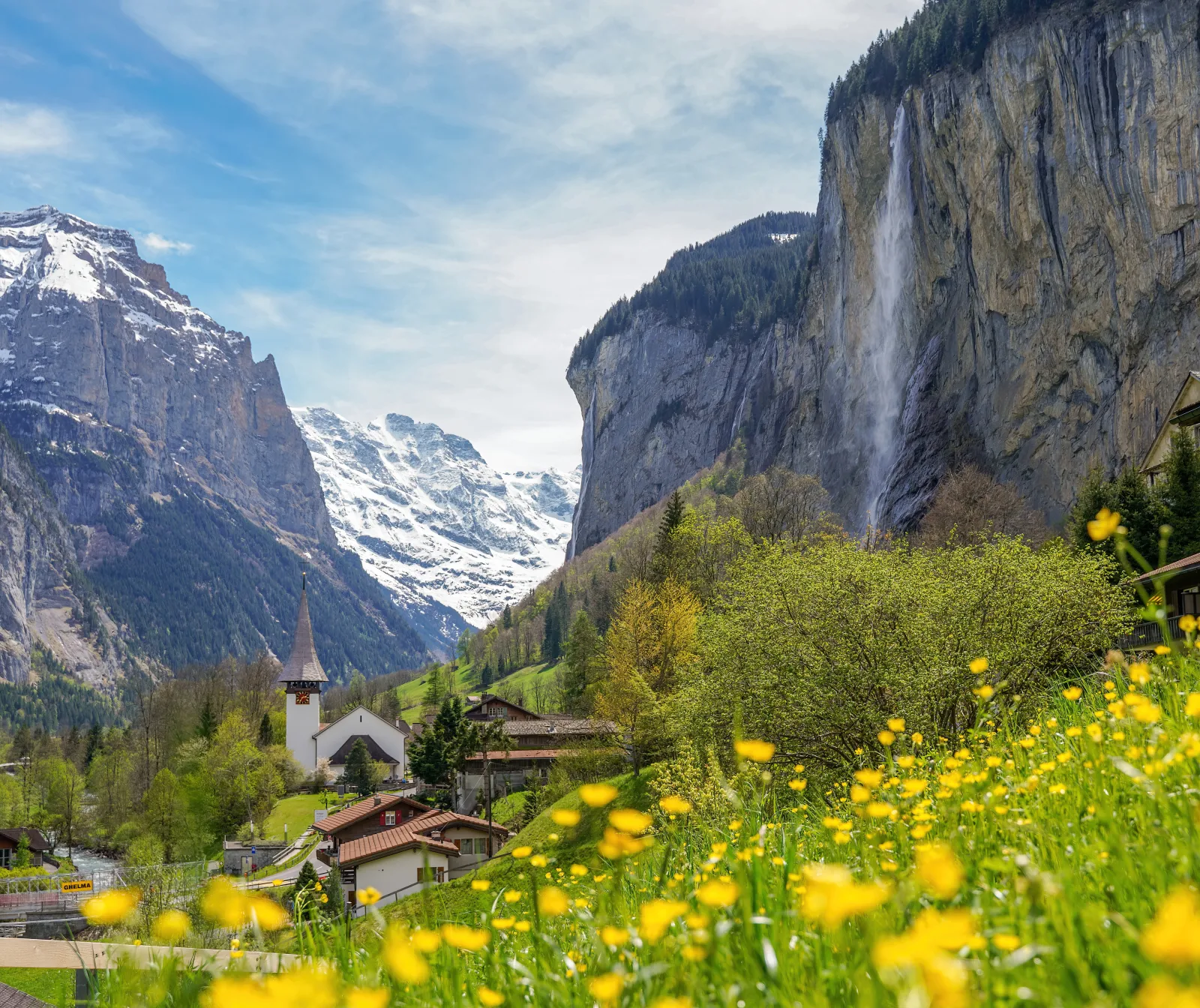
Staubbach Falls is practically in the center of Lauterbrunnen, with direct walking access. It’s the waterfall that first catches your eye in the village: the free fall is tall, and the visit works well even for those who only want a short stop. The path that leads to the back of the fall requires a small climb and a few steeper steps at the end, but it’s worth it if you want to see the water from another angle. At night, it is illuminated, so it can also fit into an itinerary for those who prefer to stroll after dinner.
Trümmelbach Falls takes more time. It is about 2 km south of Lauterbrunnen and is unlike anything else you see in the valley: these are waterfalls inside the mountain, accessed by funicular and by internal structures of stairs, tunnels, and an elevator. The experience is more enclosed, louder, and less panoramic. Since the water comes from the melting glaciers of Eiger, Mönch, and Jungfrau, the volume changes throughout the year and the visit can vary quite a bit depending on the season. If you want a waterfall that doesn’t depend on open views, this is the one that deserves priority.
Murrenbach Falls often stays off many people’s radar, and that is precisely why it can fit into your day if there is room. It is farther from the center, about 10 km away on foot, or around 20 minutes by bus. It is a less-visited fall, with a simpler appeal, without the structure of Trümmelbach and without the fame of Staubbach. It’s worth it for those who want to extend the stop to a more remote area of the valley without turning the visit into a long itinerary.
Hiking trails in Lauterbrunnen for those who want to walk
The trail to Mürren is the most practical choice if you want to fit in a hike without turning the day into an expedition. The route climbs up from the valley and offers a clear change in scenery along the way, with the journey itself being part of the experience. If time is short, it is worth prioritizing it before any longer hike.
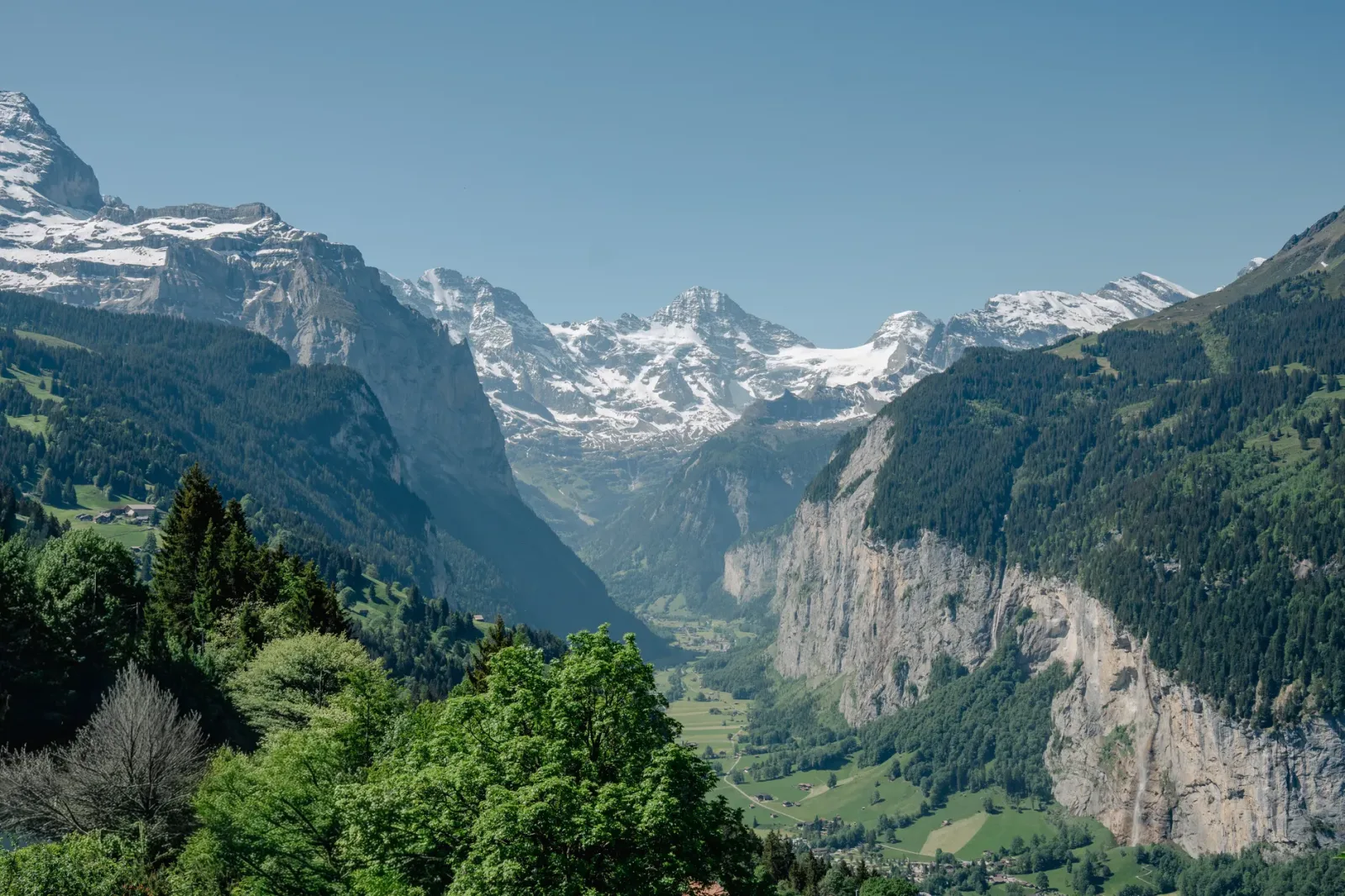
The route to Rotstockhütte requires more preparation. It is a mountain trail, with a different physical demand and pace, better suited for those who want to dedicate a good part of the day to hiking and are okay with returning late. Bring water, check the forecast, and don’t count on this as an outing to fit in between several other stops.
The so-called 72 waterfalls trail works best when you want to see a lot of the valley on foot without being tied to a single spot. It covers about 8 km and can be done in around 2 and a half hours, passing through the central station, the Staubbach Falls area, and continuing toward the back of the valley. It is the kind of route that helps you understand Lauterbrunnen’s geography without relying on major detours.
If you still have energy left, the extensions toward Stechelberg, Tanzbödeli and Oberhornsee are on the map for those who want to extend the day with a hike. These are not sections to decide on a whim: choose one only if you already have enough time to climb, stop, and return calmly, without squeezing the trip back into the late afternoon.
Mountain excursions: Jungfraujoch, Schilthorn, Wengen and Kleine Scheidegg
Jungfraujoch is the highest excursion and the one most centered around the mountain experience. Access is by train and takes you to an observation point with sweeping views, as well as the ice palace and snow-related activities. It makes sense for those who want to spend much of the day above the treeline and do not mind organizing their itinerary around that.
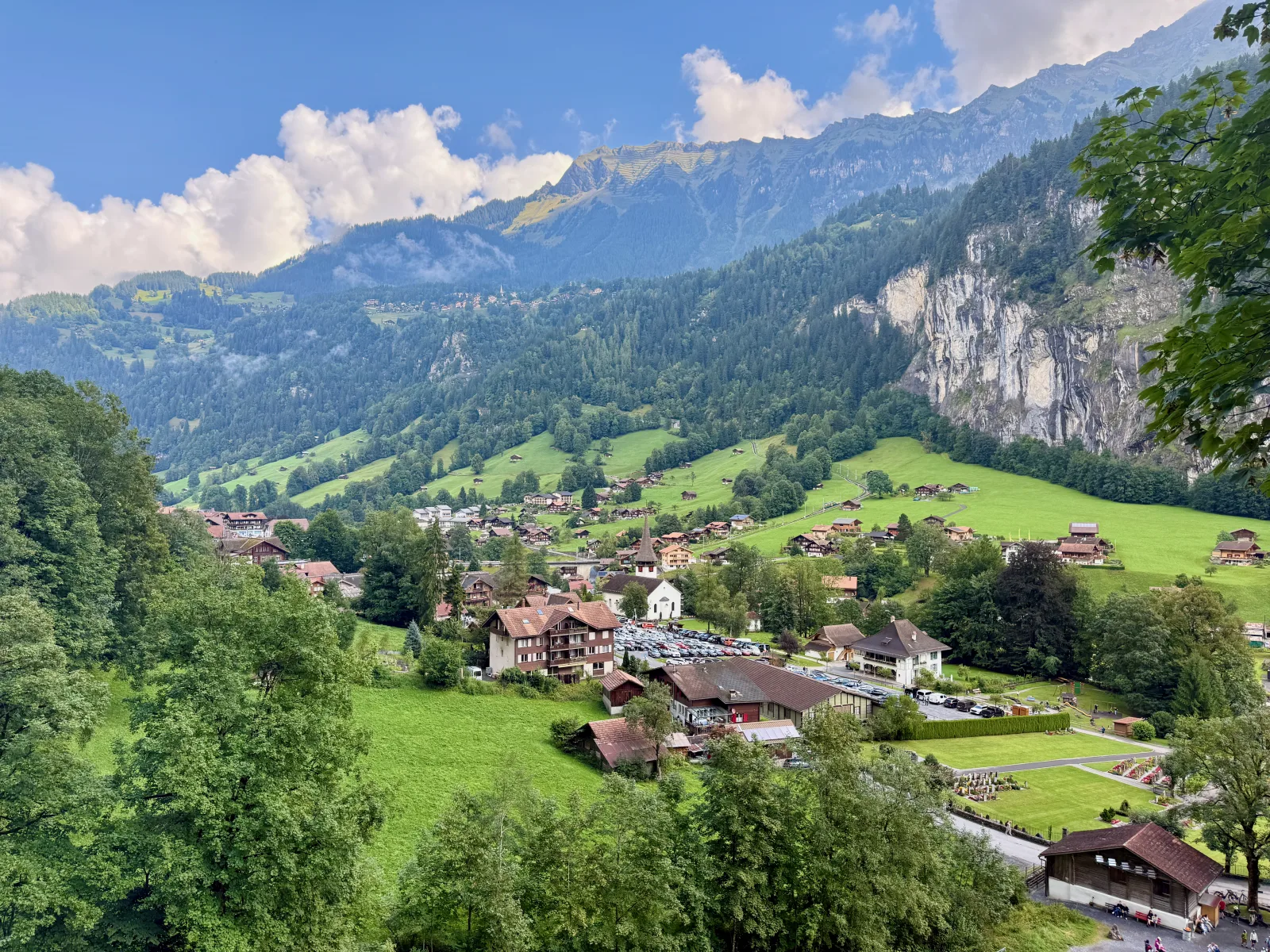
Schilthorn works differently. The ascent is by cable car, departing from Mürren, and the summit combines viewpoints with the revolving restaurant Piz Gloria. The connection to Bond World 007 matters for those who like that kind of attraction, but what really determines the visit is whether you want a high-altitude outing focused on panoramas and a more compact experience at the top.
Wengen and Kleine Scheidegg are more flexible options for those who want to see the valley and the Eiger north face without committing to an excursion as concentrated as Jungfraujoch. Wengen changes the perspective on Lauterbrunnen and usually works well as the first ascent of the day. Kleine Scheidegg, on the other hand, speaks to those who want views of the Eiger and a starting point for hiking or simply spending time looking at the high-altitude landscape. If the idea is to choose just one of the four, think about the time you want to dedicate: Jungfraujoch for the summit experience, Schilthorn for cable cars and viewpoints, Wengen for a lighter detour, Kleine Scheidegg for altitude with a focus on the Eiger.
Paragliding, bike and other ways to see the valley
The paragliding flight in Lauterbrunnen usually departs from Mürren and lands in Stechelberg, at the bottom of the valley, near the cable car station. It is a direct way to see the geography of the place from above, without relying on a long trail or a more strenuous mountain outing. The tour is done in pairs, with an instructor, and the equipment is already part of the flight arrangement; there are operations with Spanish-speaking instructors, which can make things easier for those who prefer clearer instructions at boarding.
For biking, the logic is different: use the valley as a route, not as a viewpoint. The region’s cycling routes are meant to connect points in the bottom of the valley and explore at a leisurely pace, with stretches that vary greatly in effort. If you want an easy ride, it makes sense to choose flatter terrain and keep your pedaling focused on the main axis; if you want something more physical, it is worth looking for a specific cycling trail before setting out, because the terrain changes quickly.
Base jumping is also part of Lauterbrunnen’s landscape, but it comes in more as context than as an activity for most travelers. It is a hallmark of the destination, not a sightseeing choice for everyone. If the idea is to see the valley from a different angle without heading up for a major mountain outing, paragliding and biking do that with less logistics and at a pace that is easier to fit into the day.
Where to eat and where to stay in Lauterbrunnen
For eating in the center of Lauterbrunnen, the logic is practical: cafés and restaurants are concentrated near the station and the main street, so you can handle a meal without straying from your itinerary. The most commonly mentioned stop is the local café for Swiss fondue, which works better as a late lunch or simple dinner than as a quick meal.
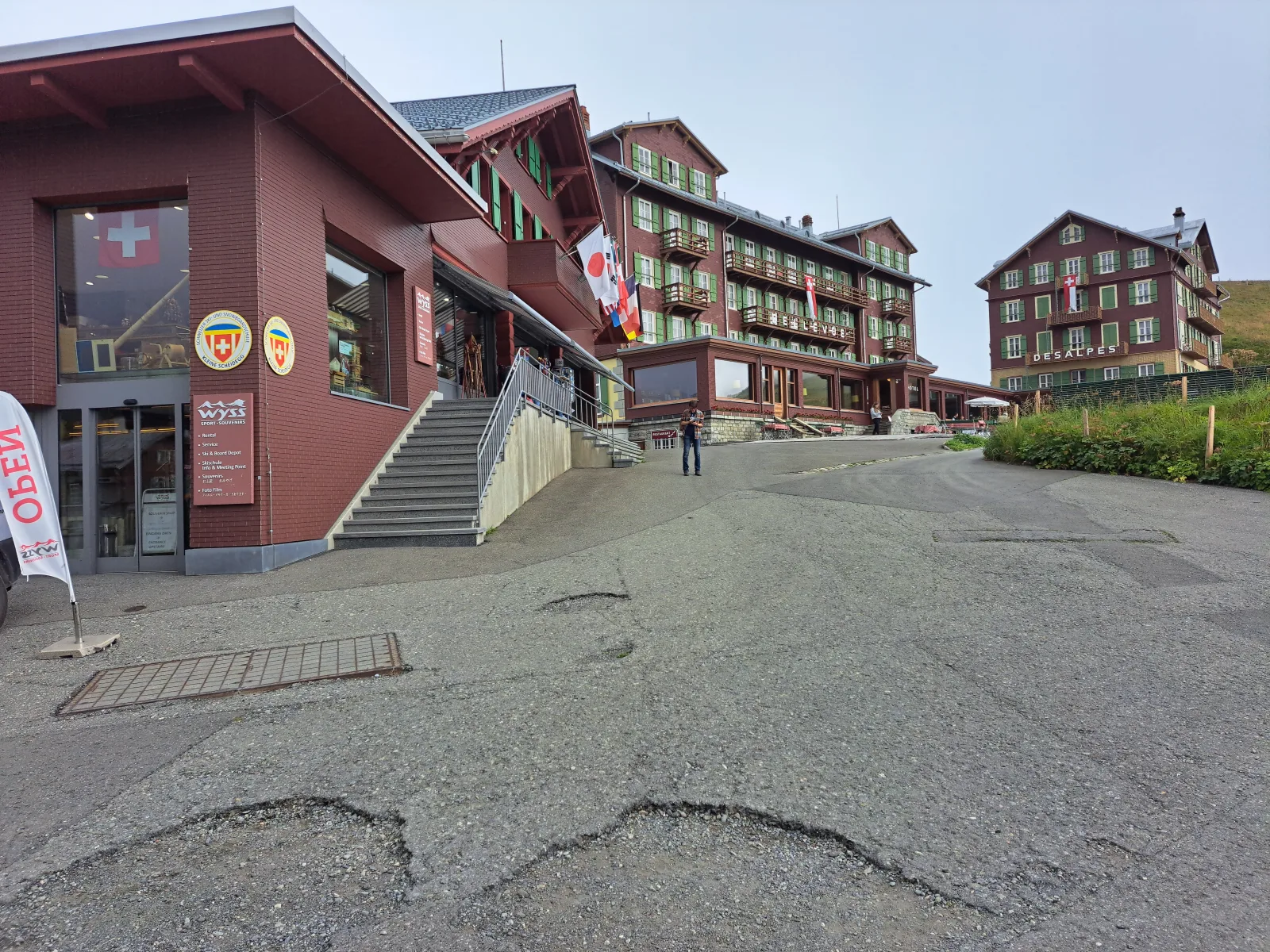
For accommodation, the main difference is between staying in the heart of the village or heading up to Wengen. In the center, Hotel Staubbach and Hotel Hornerpub come up as well-located options for those who want to leave the station on foot and get around without relying on transfers. Valley Hostel and Hostel Schutzenbach Backpackers cater to those prioritizing lower cost and a hostel atmosphere, with a more practical profile for those using Lauterbrunnen as a short base. Hotel-Restaurant Waldrand, meanwhile, is a lodging choice with a restaurant in its name, useful for those who prefer to handle part of their meals in the same place.
If the idea is to wake up already with a view of the valley and accept staying outside the center, Wengen usually works well. It was the alternative chosen by travelers when the main village was full, which makes sense during peak demand periods. The trade-off is simple: you get accommodation higher up in the valley, but you become dependent on mountain connections to get back and forth. For those who want to sleep in the center, the most useful criterion is to aim for somewhere within a short walk of the station or the main street; in Lauterbrunnen, that matters more than the list of services.
If you are planning the trip in advance, it is worth checking availability early, because the supply of rooms in the village is small for the amount of traffic the region receives. In high season, the difference between staying in the village or ending up in the surroundings usually depends more on the date than on the hotel category.
When to go and what to consider before booking
In summer, Lauterbrunnen works best for those who want to hike, head up to viewpoints, and fit in full-day excursions without relying so much on sudden weather changes. It is also the period when the village tends to receive more visitors, so accommodation and tickets become more important in the planning. If your itinerary includes Jungfraujoch or Schilthorn, it is worth arranging those bookings before the trip, because these are the excursions most affected by high demand.
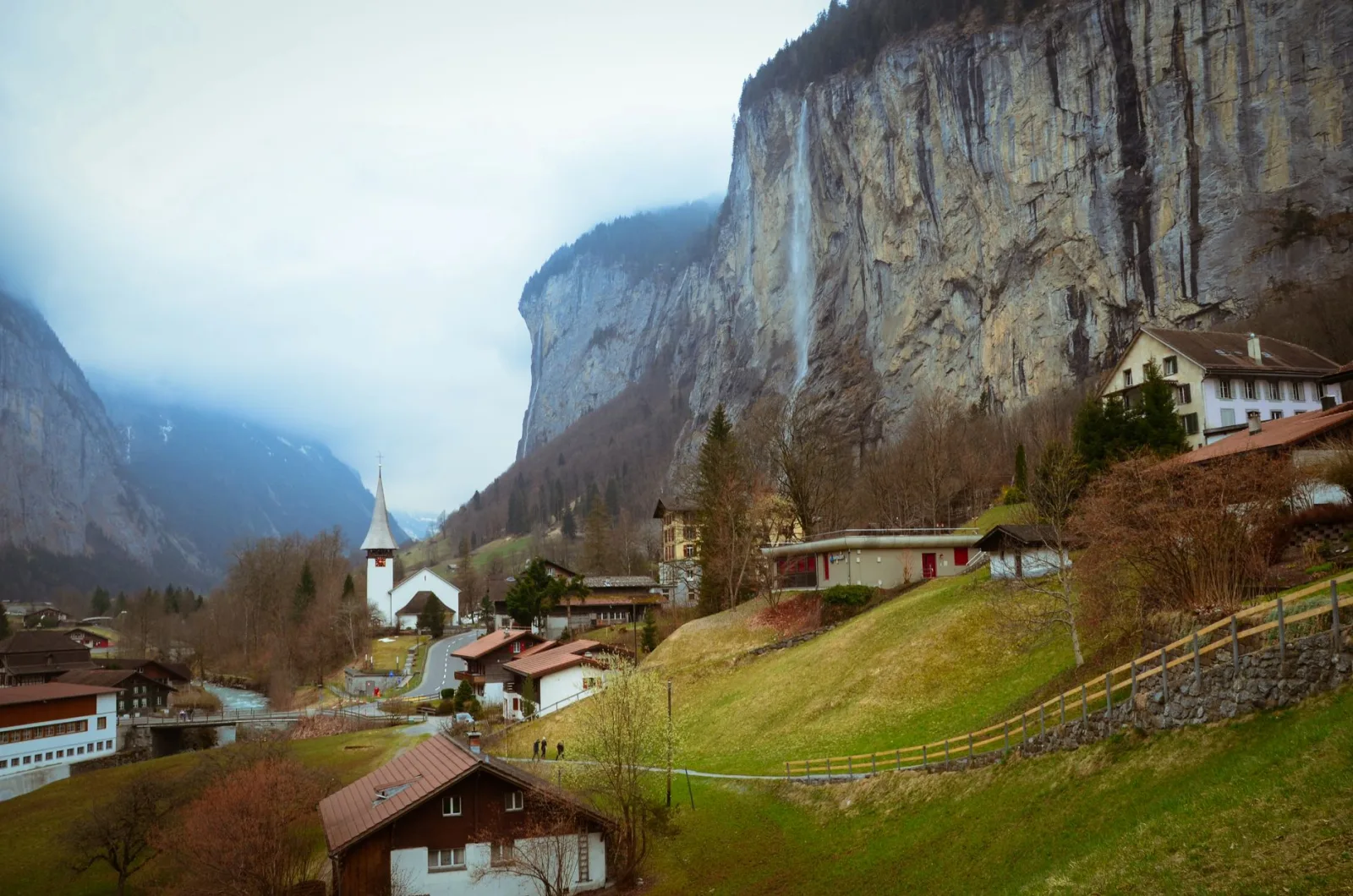
In winter, the use of the destination changes. The village remains a good base, but part of the decision now depends on snow conditions and the operation of the surrounding mountains. Wengen and Mürren become more important for those who want to ski, while Lauterbrunnen itself serves well as a place to stay and move around with less friction between excursions. If you plan to go higher up, confirm the day’s operation and weather conditions before finalizing the schedule.
To book safely, prioritize the most in-demand stretches of the Jungfrau region in advance, especially during holiday periods and weekends. Mountain excursions and guided activities tend to sell out before village stays. As for hotels, the supply is limited for the amount of demand the valley receives; leaving accommodation to the last minute usually reduces the number of useful options quite a bit.
If the trip falls within a short window, choose based on the type of experience you want: hiking and a quieter valley call for more stable and longer days; snow and winter sports call for flexibility to adjust schedules and accept changes of plan. In Lauterbrunnen, that matters more than trying to fit everything into the same day.