What to do in Munich: complete guide to planning your trip
Discover what to do in Munich, where to stay, and how to get around to plan a practical itinerary, with the historic center, museums, and excursions.
Munich in a few lines: what to expect from the city
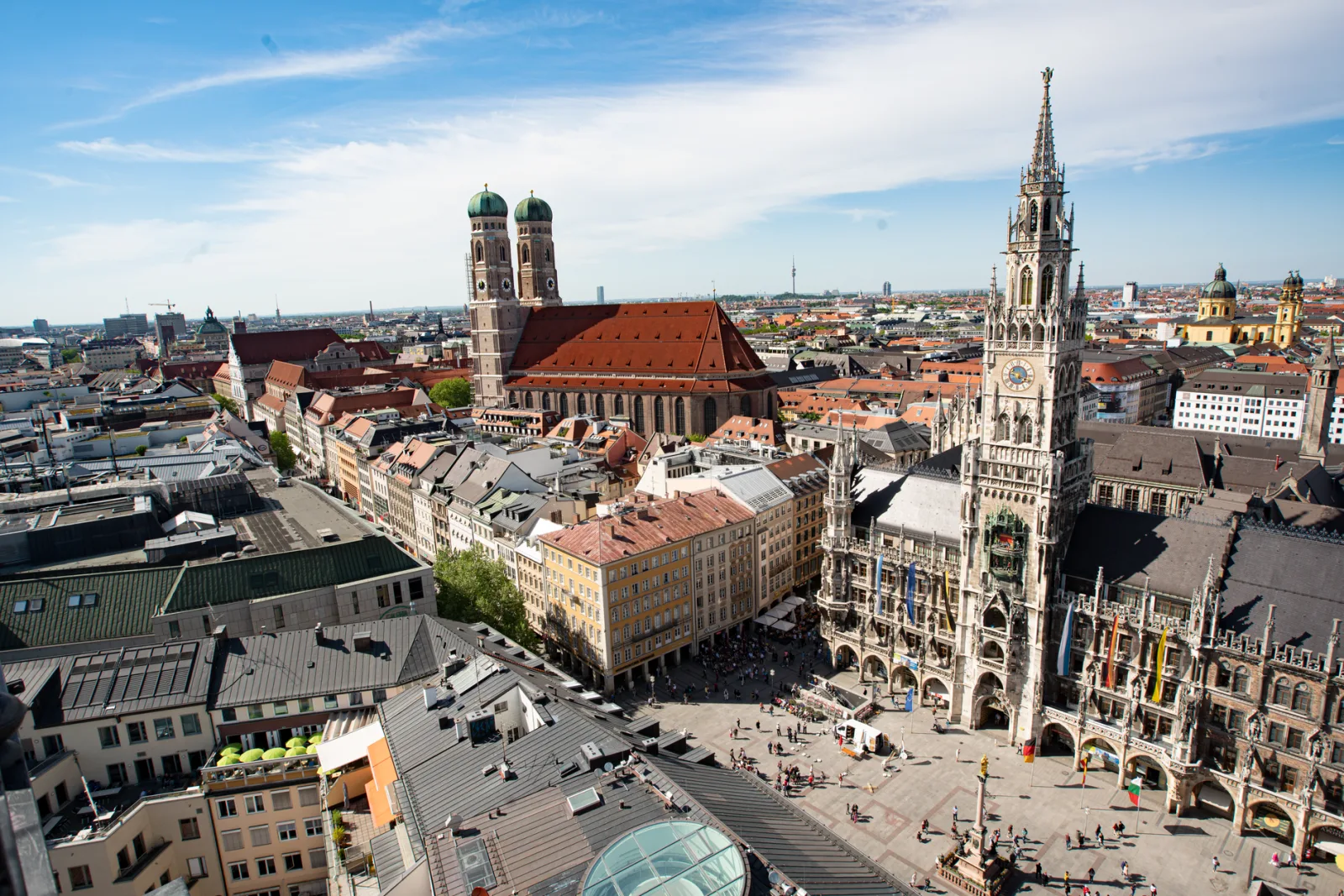
Munich works well for those who want to build an urban itinerary without depending on long trips all the time. The historic center is compact, easy to cross on foot, and concentrates an important part of what visitors look for in the city. In the same itinerary, you pass through squares, churches, markets, and old facades without feeling like you are changing neighborhoods at every stop.
The city also works well for visits that require more time: palaces, large museums, and expansive parks fit into the same plan without turning into a logistical marathon. This leaves room to alternate lighter days, with walking and coffee outdoors, and busier days, dedicated to collections, gardens, or breweries.
The local atmosphere blends Bavarian tradition with an organized, practical, and easy-to-use European capital. For those traveling as a couple, with family, or alone, this helps a lot when deciding where to invest energy: you can stay in the center and do a lot without rushing, or expand the itinerary with larger attractions outside the historic core.
With 3 or 4 days, you can put together a very complete trip. Less than that requires clear cuts; with that much time, you can fit in the essentials of the center, one or two major visits, and still leave room for a break in a park or biergarten.
When to go to Munich and how the weather changes throughout the year
Spring is a good middle ground for visiting Munich. Between April and June, the weather becomes milder, the gardens start to gain color, and the days are long enough to fit in some outdoor strolling without rushing. It is the most comfortable season for alternating between walks, parks, and breaks in biergartens without relying so much on shelter from cold or heat.
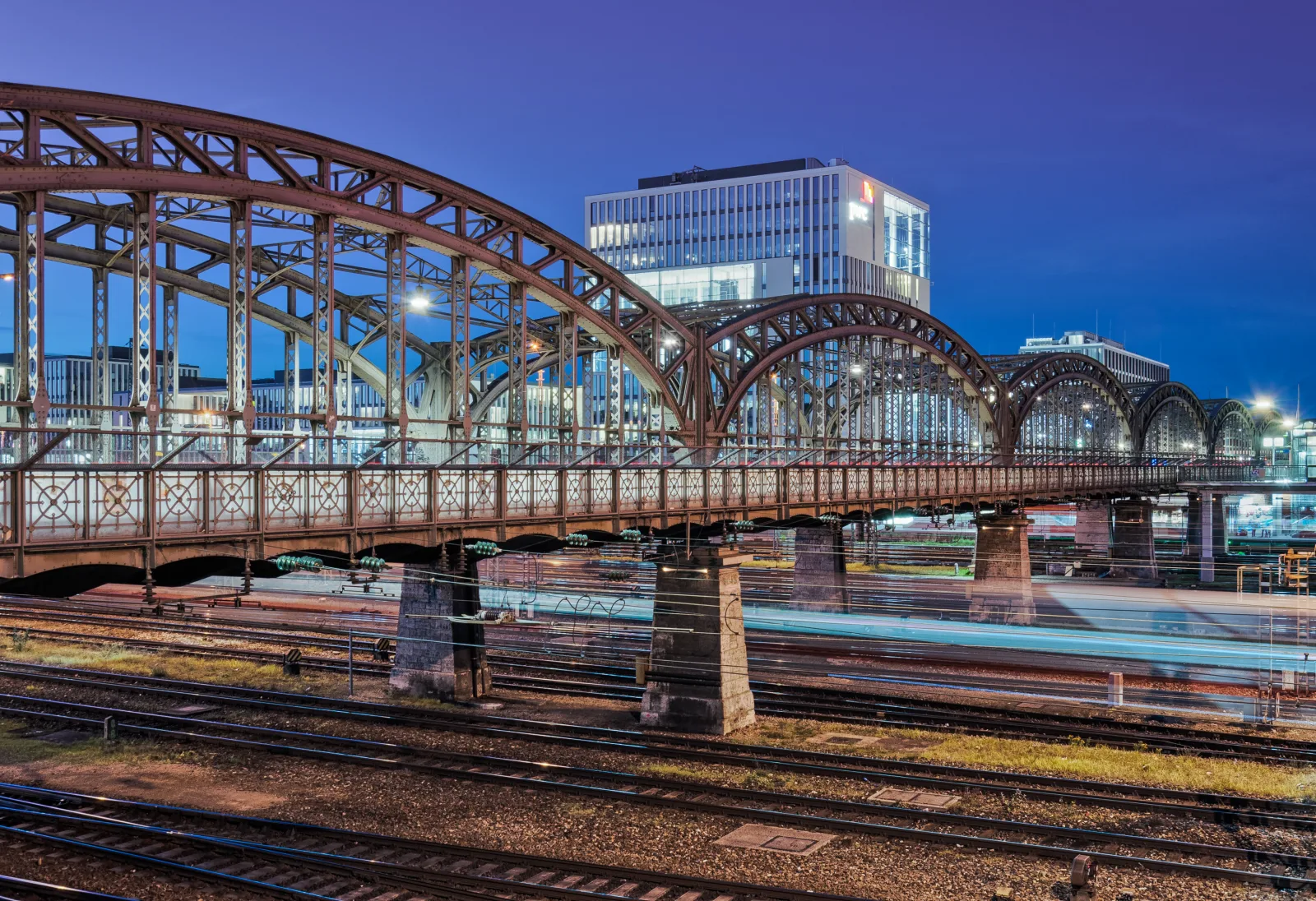
In summer, especially in July and August, the city enters its busiest and warmest period. This favors the biergartens and the use of the parks, including the Englischer Garten, but it also increases crowds and tends to drive prices up. If the idea is to stay out for many hours, it is worth bringing light clothes for the day and an extra layer for late afternoon, when the temperature can drop.
Autumn is when Munich takes on its own rhythm. September and October usually have pleasant temperatures, with good light for walking and an itinerary centered around Oktoberfest at Theresienwiese. If this event is on your route, planning ahead matters more than in any other season: accommodation and trip arrangements become more competitive.
In winter, from December to February, the focus shifts to Christmas markets and the cold weather, with short days and the possibility of snow. The city remains functional, but the outdoor itinerary needs to be shorter and well planned. If you prefer lots of walking, parkas and breaks in cafés make a difference; if you enjoy the end-of-year atmosphere, this is the period when Munich is most worthwhile.
Editorial transparency: Some links on this page are affiliate links. We may earn a commission at no extra cost to you. This does not influence our recommendations.
Where to stay in Munich to explore the city on foot
Staying in the Altstadt is the most practical choice for those who want to do a lot on foot. You leave the hotel and are already close to Marienplatz, the churches, Viktualienmarkt, the Residenz, and the areas where the itinerary usually starts and ends. This reduces the time spent on transportation and is especially helpful for short trips, when every hour counts.
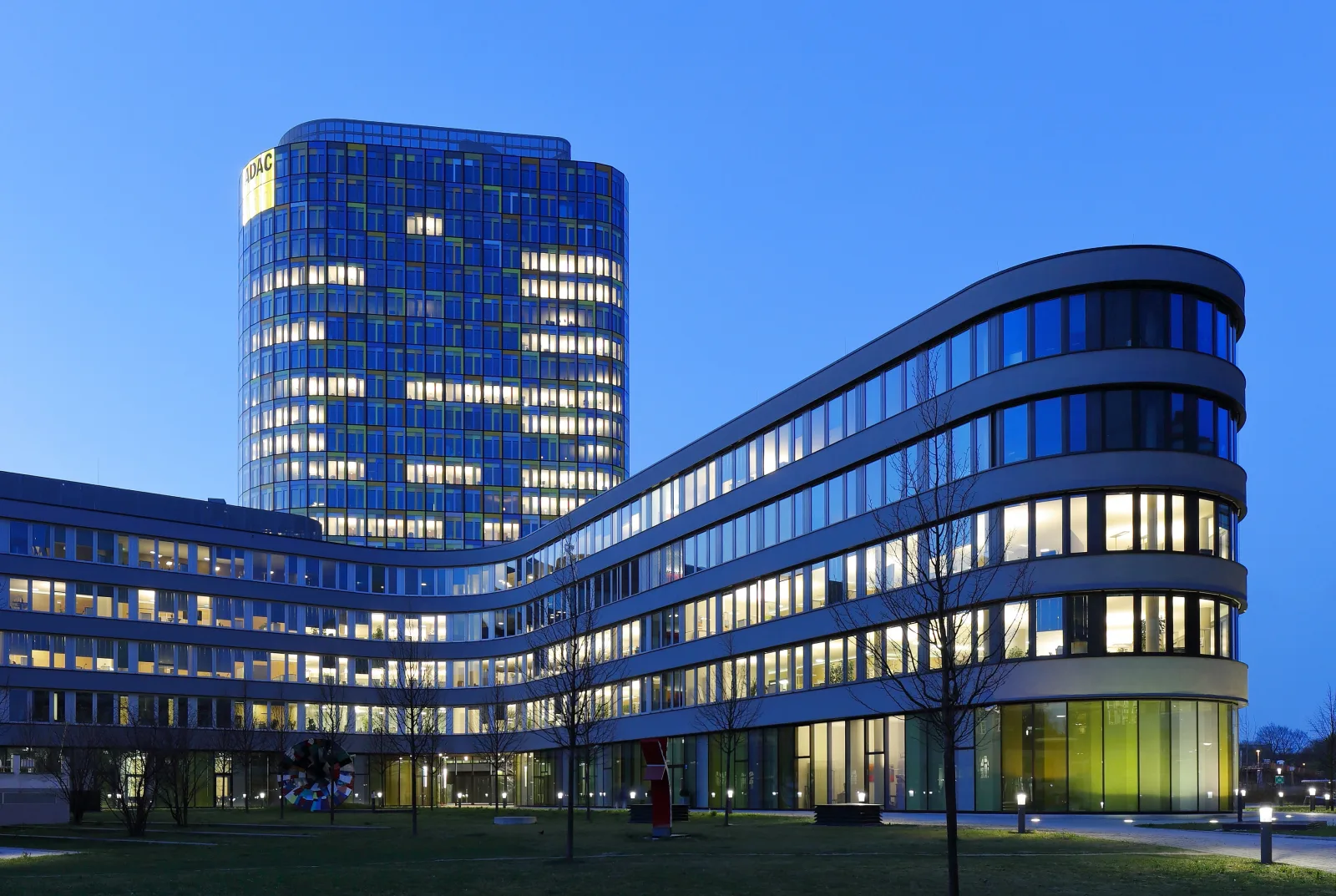
If the Altstadt is too expensive or fully booked, Maxvorstadt is the most sensible alternative. The area works well for those who want to move between museums, cafés, and transport connections without constantly relying on taxis or a long walk to the historic center. It is also usually a good base for those who prefer a quieter stay at night.
Another factor that matters is proximity to U-Bahn, S-Bahn or tram. Even staying outside the most touristy core, you make up for it with simple and frequent transfers. If the idea is to spend the whole day exploring the city, staying near a station makes a bigger difference than choosing a hotel based only on the neighborhood name.
Book early during peak demand periods, especially if the trip coincides with the Oktoberfest. At this time, hotels in the city tend to rise sharply in price and the most convenient locations disappear first. If the goal is to walk less and return to the hotel without hassle, location matters more than any secondary detail of the accommodation.
How to get around Munich without complicating your itinerary
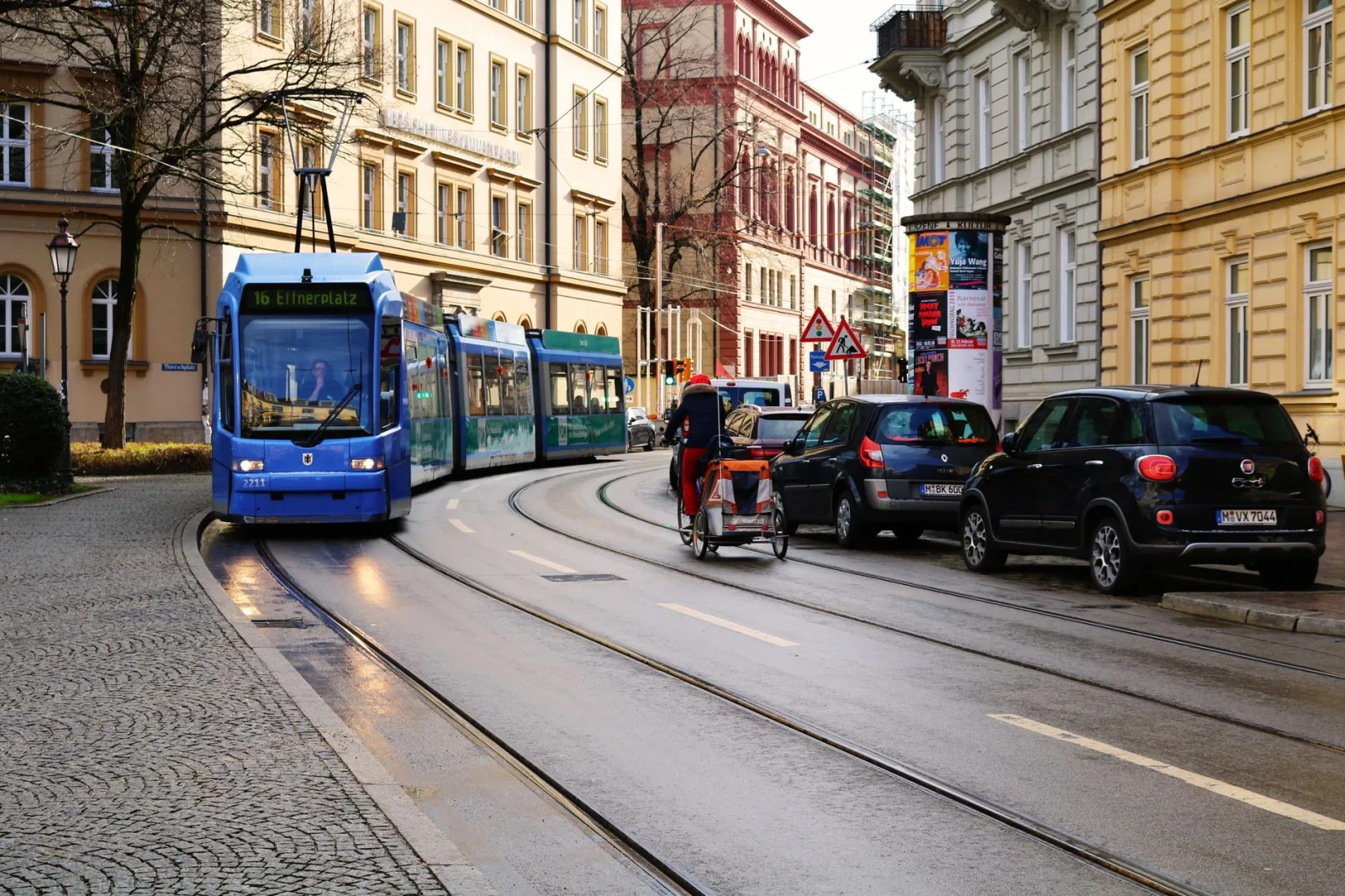
Munich’s transportation network works well because U-Bahn, S-Bahn, tram and bus are all integrated into the same system. For anyone planning an itinerary, this means you can combine subway, urban rail and streetcar without having to relearn the city at every leg. For short trips within the central area, the tram usually does the job well; to cross the city or leave the more touristy core, U-Bahn and S-Bahn make things faster.
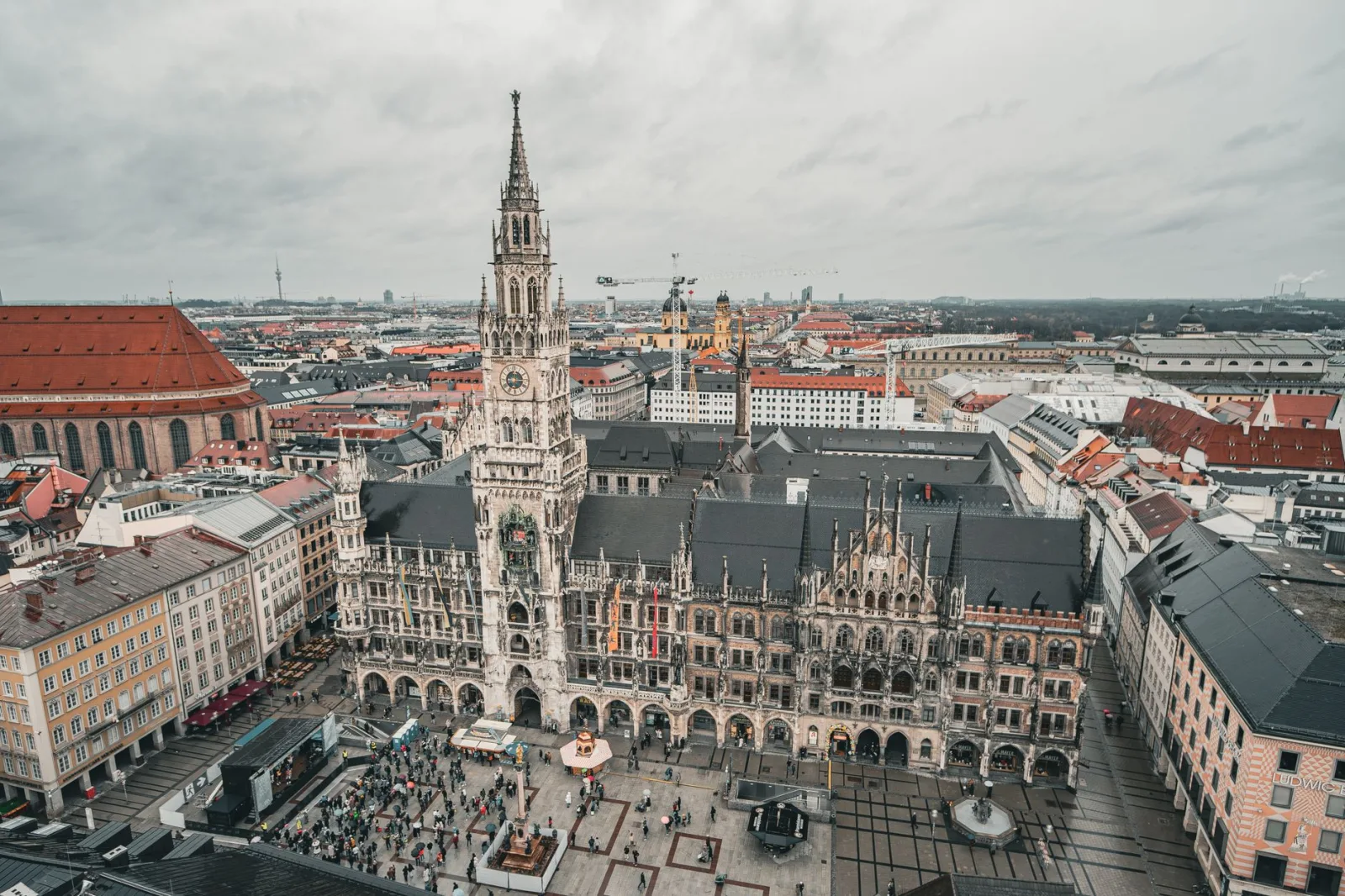
Single urban tickets usually cost around €3 to €4, and day passes for the central zones around €8 to €10. If you’ll be making more than 3 or 4 trips in a day, the pass tends to be worth it. In Munich, it’s worth checking your route before buying: on many days you only use public transport to get into or out of the center, and the rest can be done on foot.
Paper tickets need to be validated at the blue machines before boarding. This is not an optional detail. Without validation, the ticket is not valid as it should be, and inspections are frequent. If you bought a physical ticket, look for the machine as soon as you enter the station or the correct stop and stamp it before moving on.
Within the Altstadt, walking is usually the best choice. The center is compact, and many things are close enough for you to trade connections for a short walk. Use transportation when the destination is outside the central core or when the day includes several consecutive legs; otherwise, walking avoids waiting, line changes, and unnecessary travel.
What to do in Munich’s historic center
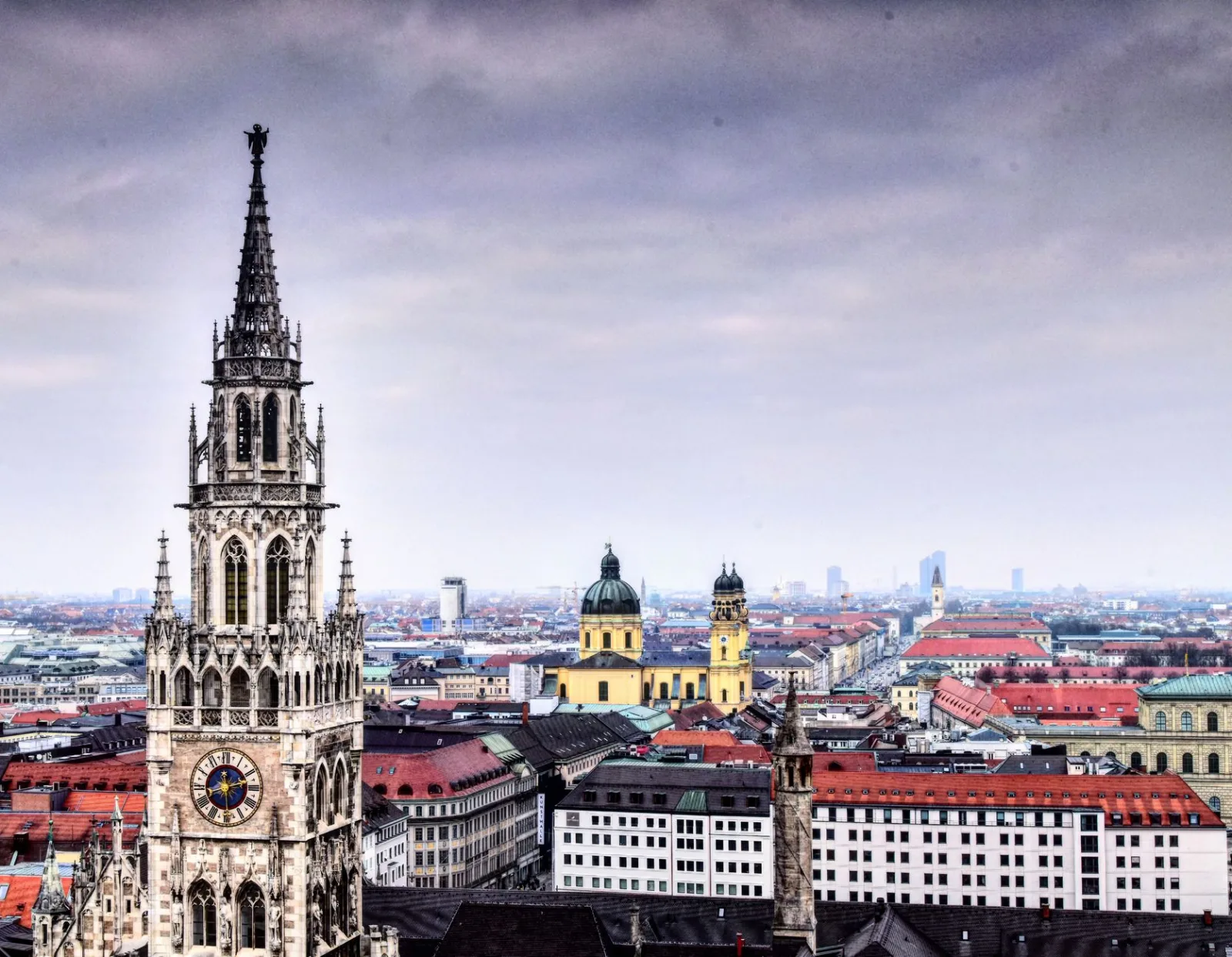
The Altstadt concentrates the most efficient stretch for exploring on foot. Start at Marienplatz, where the New Town Hall dominates the square and the Glockenspiel usually plays in the morning and early afternoon, generally around 11 a.m. and 12 p.m., with extra sessions in peak season. If you want to see the performance without the crowd, arrive about 10 minutes early. The square itself is free, and going up the town hall tower, when available, usually costs between €7 and €10.
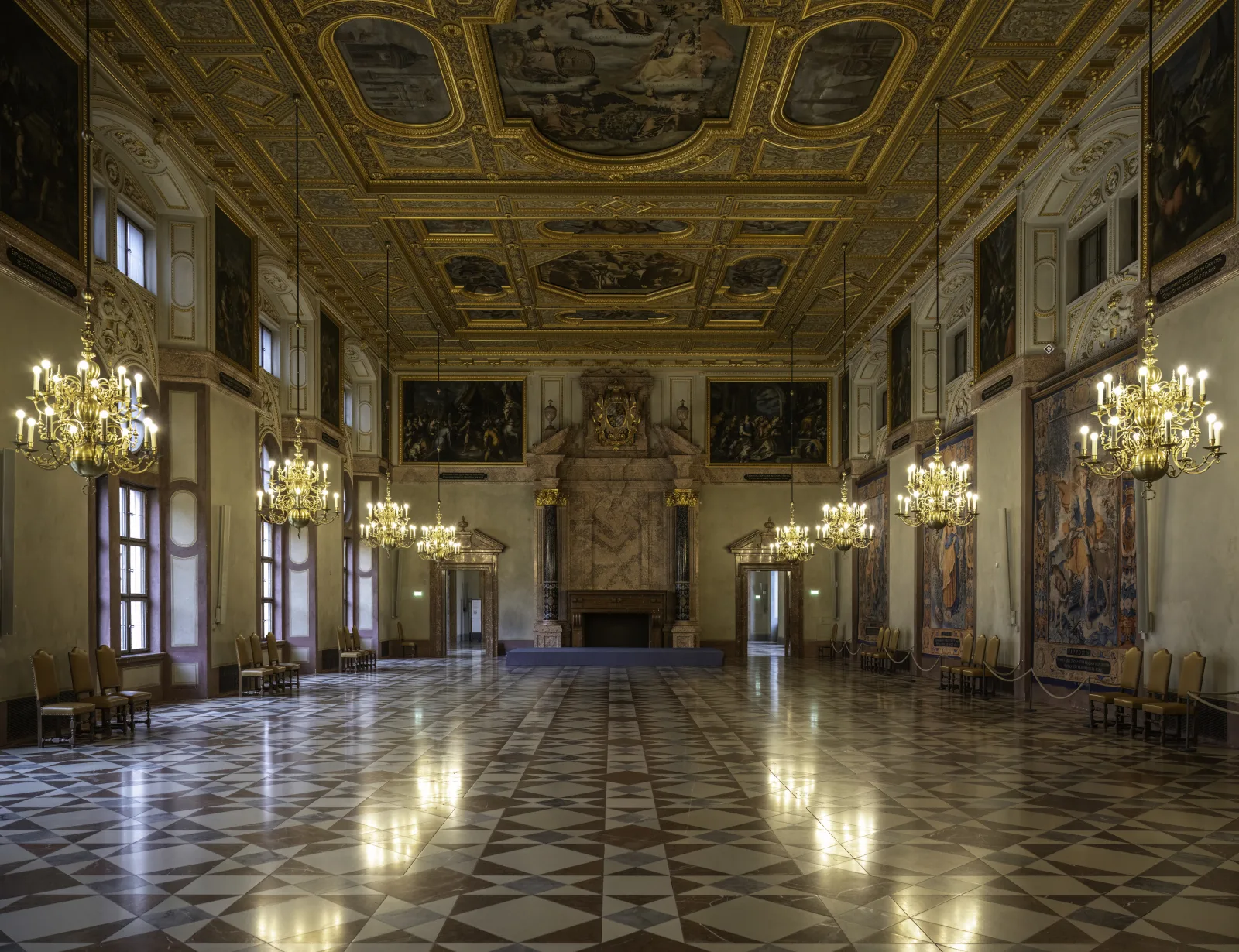
From Marienplatz, head to Frauenkirche and Peterskirche. The first is the city’s most recognizable cathedral, with free admission and a tower that, when open, usually costs around €7 to €10. The second is Munich’s oldest church and has the best view of the historic center; the tower climb is around €5 to €8, but it is by stairs. Both fit within the same walking block without requiring a detour.
In the immediate core, Viktualienmarkt works well for a late-morning break, with stalls that usually open around 8 a.m. and close in the mid or late afternoon. Quick snacks go for around €5 to €10, and a lunch with beer is close to €15 to €25 per person. After that, Hofbräuhaus comes in as the most classic stop for anyone who wants to feel the local beer-hall atmosphere; a 1-liter mug usually costs between €12 and €15, and typical dishes are in the €18 to €28 range. If you eat there, think of it as a meal, not a quick visit.
To close the circuit, fit Asamkirche, Odeonsplatz, Theatinerkirche, Residenz, and Hofgarten within the same radius. Asamkirche is on Sendlinger Straße and easily fits into a walking itinerary between shopping and the historic center; admission is free. Odeonsplatz and Theatinerkirche also do not require a ticket for the basic visit, and Residenz, with the Treasury, usually costs around €15 to €20, requiring at least 2 to 3 hours. Hofgarten works well as a passage between Residenz and the rest of the center, especially if you want to slow the pace before heading to another area.
Museums, palaces and parks to include in the itinerary
The Englischer Garten is worth adding to the itinerary when you want to swap a museum for open space without leaving Munich. It is a park large enough to take up part of the day, with trails, rest areas and biergartens scattered throughout. If your plan includes the Eisbach, it is worth watching the urban surf there: the wave works year-round, even in the cold. It is not a quick stop; it works best when you set aside time to walk without a fixed goal.

Nymphenburg Palace easily calls for half a day. The baroque complex includes historic rooms, collections and expansive gardens crossed by canals, so the visit is more rewarding when you combine the interior and outdoor areas. Admission to the palace with some pavilions usually costs around €15 to €20 per adult, and Nymphenburg station is close enough to get there without hassle. In spring and autumn, the route through the gardens usually makes more sense; in winter, part of the area may be more limited.
For those who need to choose just one major science-related visit, the Deutsches Museum takes much more time than it seems on the map. It is a 3 to 4 hour outing, with sections on transport, energy, communication, medicine and aeronautics that call for a relaxed pace. Adult admission is around €15 to €20. The same applies to the BMW complex: the BMW Museum costs about €12 to €15, BMW Welt has free admission and Olympiapark completes the circuit, with the tower costing around €10 to €15 to go up. If you like cars, contemporary architecture or sports, you can combine all three in the same day.
The art museum axis is in the Kunstareal, with the Pinakotheken and the Gliptothek close to one another. Tickets per museum usually range from €7 to €12, with variations depending on the day. In many German museums, Sundays have reduced rates in some cases, so it is worth checking before planning your route. If you have time beyond the center, the Schleissheim Palace, about 10 km north, is usually a quieter alternative to Nymphenburg. The Bavarian National Museum, at Prinzregentenstraße 3, rounds out this section nicely for those who want to include art, sculpture and furniture without leaving the city.
Oktoberfest and the best day trips from Munich
Oktoberfest takes over the Theresienwiese between the end of September and the first Sunday in October, and it belongs in the itinerary as a backup plan, not something improvised. The tents fill up early, accommodation gets more expensive and can cost 2 to 4 times the normal price, so anyone who wants to go usually needs to book everything several months in advance. On weekdays and at lunchtime, the pressure for space tends to be lower. Inside the event, the 1-liter mug usually costs between €14 and €18, and the typical dishes between €20 and €35.
Neuschwanstein requires more logistics, because it is in the Bavarian Alps and takes about 2 hours from Munich. It is the kind of day trip that works best with tickets and transportation arranged in advance, especially in high season, when guided tours departing from Munich usually cost around €60 to €90 per person, with admission sold separately. If you want to reduce the risk of missing the visiting window, it is worth treating this outing as a fixed commitment, not a last-minute idea.
Dachau calls for a different kind of preparation. It is 20 km from Munich and is usually done with a guided tour, often in Portuguese or Spanish, in the €40 to €70 range with transportation. It is a heavy program, but the logistics are simple compared with Neuschwanstein, so the decision depends more on the content of the visit than on the trip itself.
How much it costs to travel in Munich and what to book in advance
Munich is not a city for tight budgets, but it is possible to keep spending under control if you choose in advance what you want to do. Budget meals at markets and snack bars usually cost around €8 to €15; in a mid-range restaurant, expect something close to €18 to €30 per person. Beer at a bar or biergarten usually costs €4 to €6 for a 0.5 L glass, while the 1 L mug varies quite a bit, but it often falls in the €8 to €15 range outside major events.
Attraction tickets also require some sorting out. Many museums and palaces fall in the €10 to €20 range for adults, with some museums around €7 to €12. The Deutsches Museum usually costs around €15 to €20, Nymphenburg Palace around €15 to €20, and the BMW Museum around €12 to €15. When the itinerary includes a tower climb or special area, it is worth checking the current price before going, because this type of ticket changes frequently.
Accommodation weighs more on busy dates. During Oktoberfest, the nightly rate can rise to somewhere between 2 and 4 times the normal price, and the most convenient locations sell out early. If the trip falls during this period, booking many months in advance makes a real difference in price and neighborhood choice. Outside peak demand, staying close to the historic center or a transport station is usually more worthwhile than saving a few minutes of walking.
It is better to buy in advance whatever tends to sell out or depends on a visit window. This applies to Neuschwanstein, whose guided tour from Munich usually costs around €60 to €90 per person, with admission ticket sold separately, and to Dachau, where guided tours with transport usually cost €40 to €70. In both cases, planning helps more than trying to find availability at the last minute. For Oktoberfest, the 1-liter mug usually costs in the €14 to €18 range and typical dishes between €20 and €35, but the main issue is not just the price: it is the competition for a seat.
Frequently asked questions
How many days are ideal to get to know Munich?
With 3 or 4 days, you can put together a very complete trip. That time allows you to see the historic center, include one or two major attractions, and still leave room for a park or biergarten.
Where should I stay in Munich to do everything on foot?
The Altstadt is the most practical base for anyone who wants to walk a lot. If it’s too expensive or full, Maxvorstadt is a sensible alternative with good transport connections.
Is public transportation in Munich easy to use?
Yes. U-Bahn, S-Bahn, tram, and bus all work within the same system, which makes getting around much easier. Inside the Altstadt, however, walking is usually the best option.
Which attractions are most worth it in Munich’s historic center?
Marienplatz, Frauenkirche, Peterskirche, Viktualienmarkt, and Hofbräuhaus make a very practical walking circuit. You can also fit Asamkirche, Odeonsplatz, Theatinerkirche, Residenz, and Hofgarten into the same itinerary.
When should I go to Munich for the best weather?
Spring and autumn usually offer more pleasant temperatures for walking. In winter, the city works well for Christmas markets, but the outdoor itinerary needs to be shorter.