What to do in Melk: itinerary of attractions, a Danube cruise, and practical tips
See what to do in Melk, with the Abbey, a Danube cruise, the historic center, and tips for planning a leisurely itinerary.
Visiting Melk Abbey
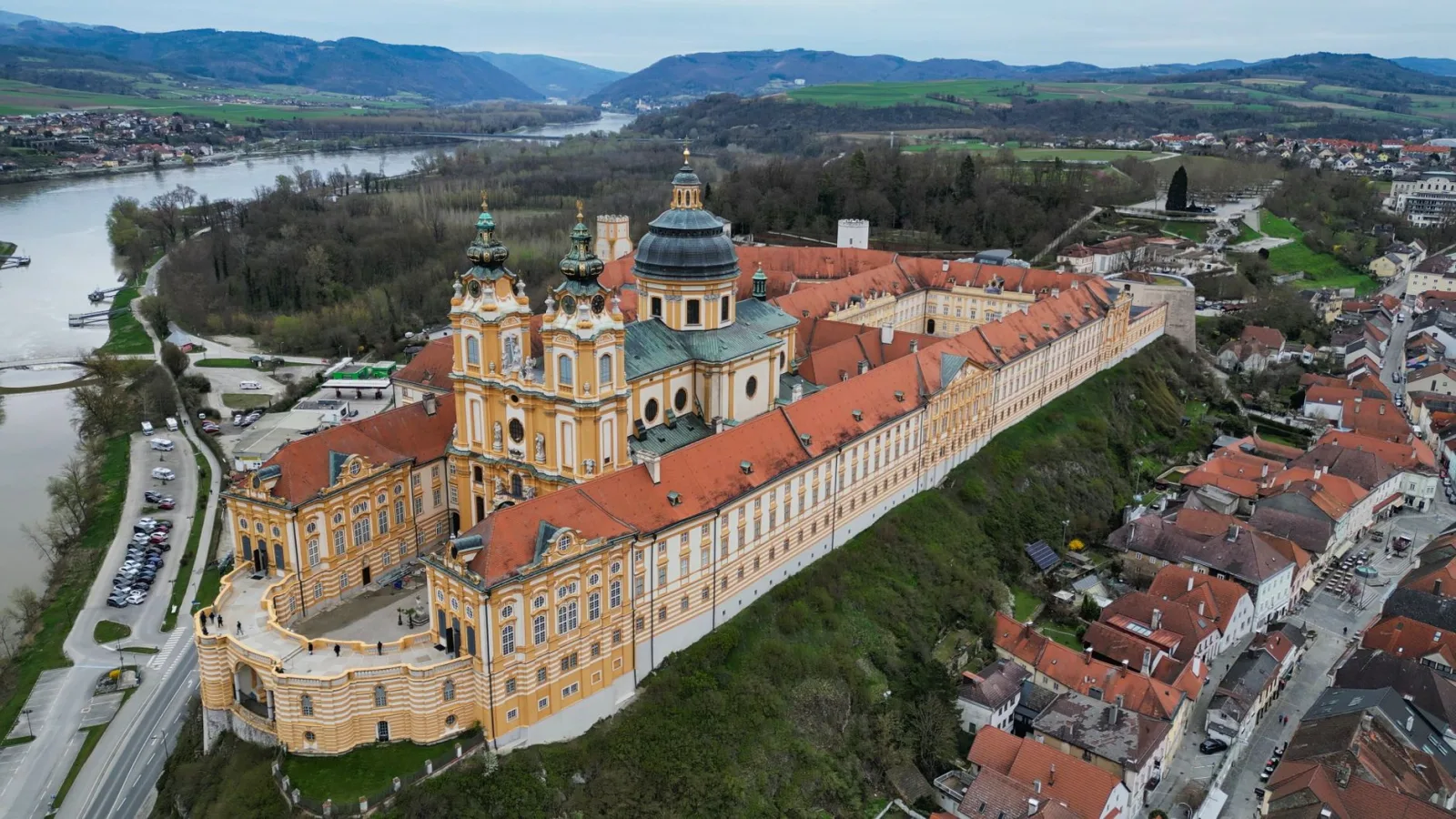
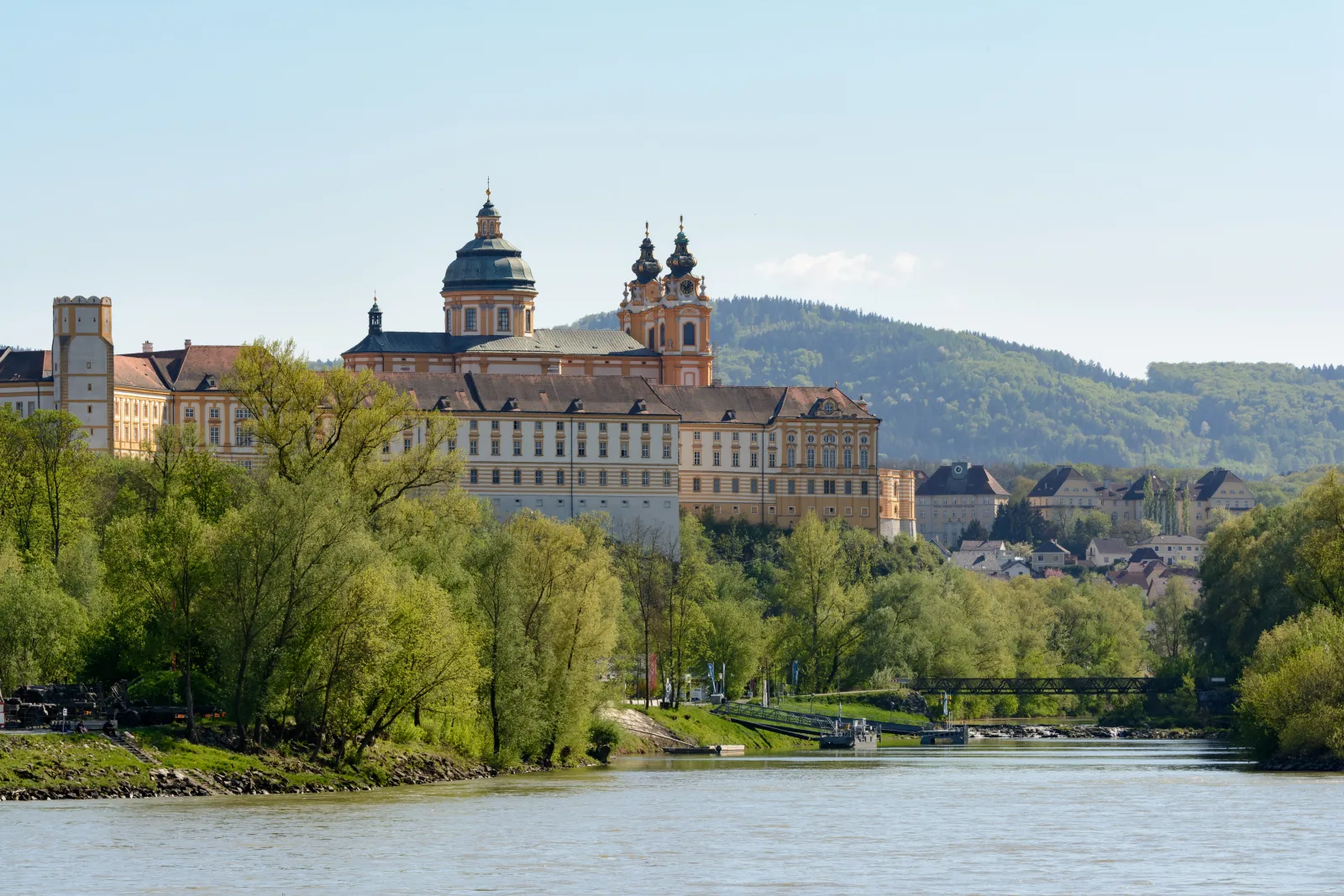
Melk Abbey is the main reason many people come to the town. The Benedictine complex was founded in 1089 and rebuilt in the early 18th century in Baroque style, with the scale and ornamentation that now dominate the hill above the Danube. From the outside, the setting itself is already striking, as the complex rises above the riverbank; inside, what most draws attention are the ceremonial halls, corridors, and the library.
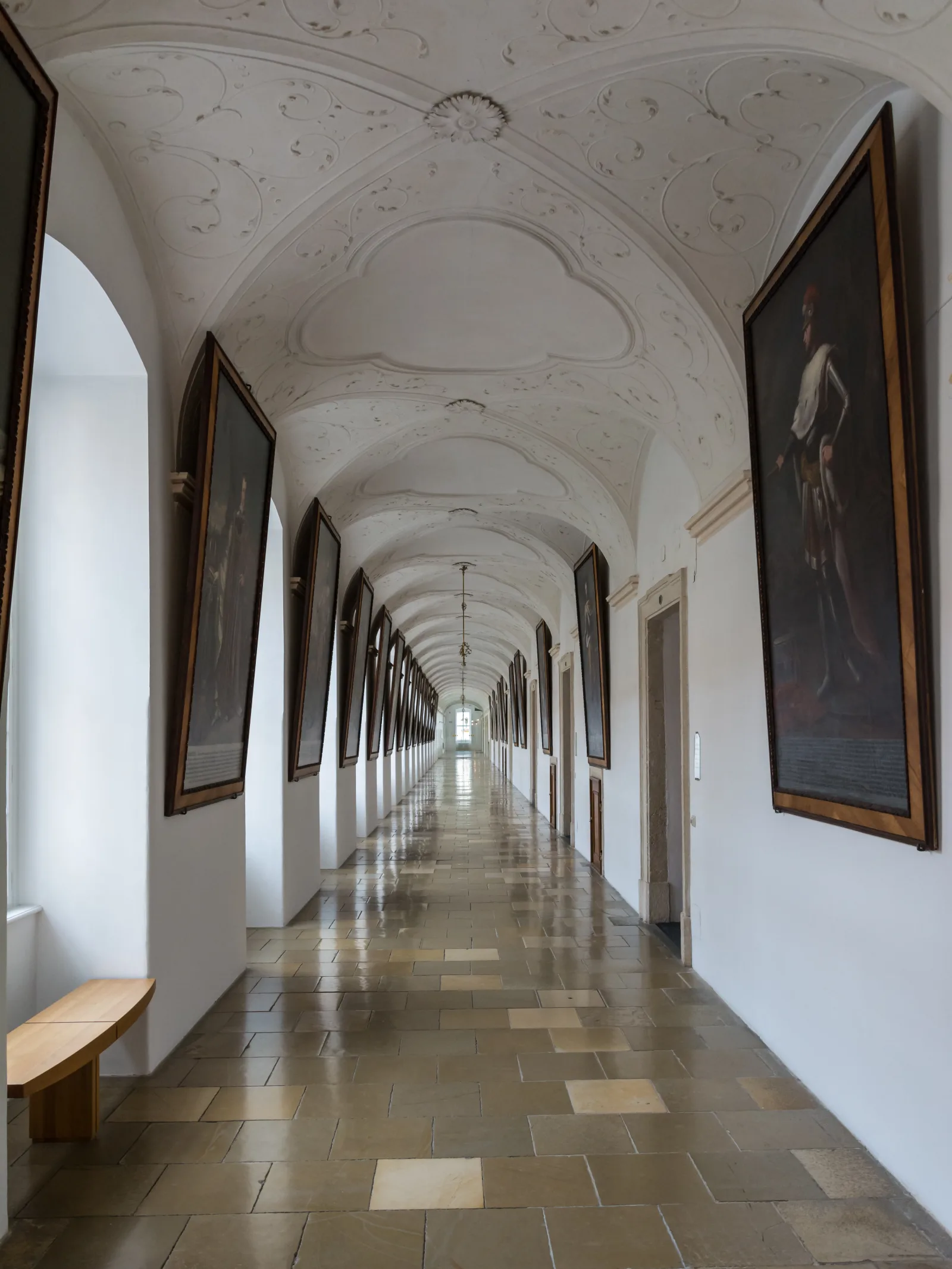
The library is the most memorable part of the visit, with books arranged on dark shelves and golden details. There are also areas open to visitors with staircases, reception rooms, and sections of the building that convey the scale of the former monastery. Photography is not allowed inside, so it is worth taking your time to observe the decorative elements and the sequence of rooms without rushing.
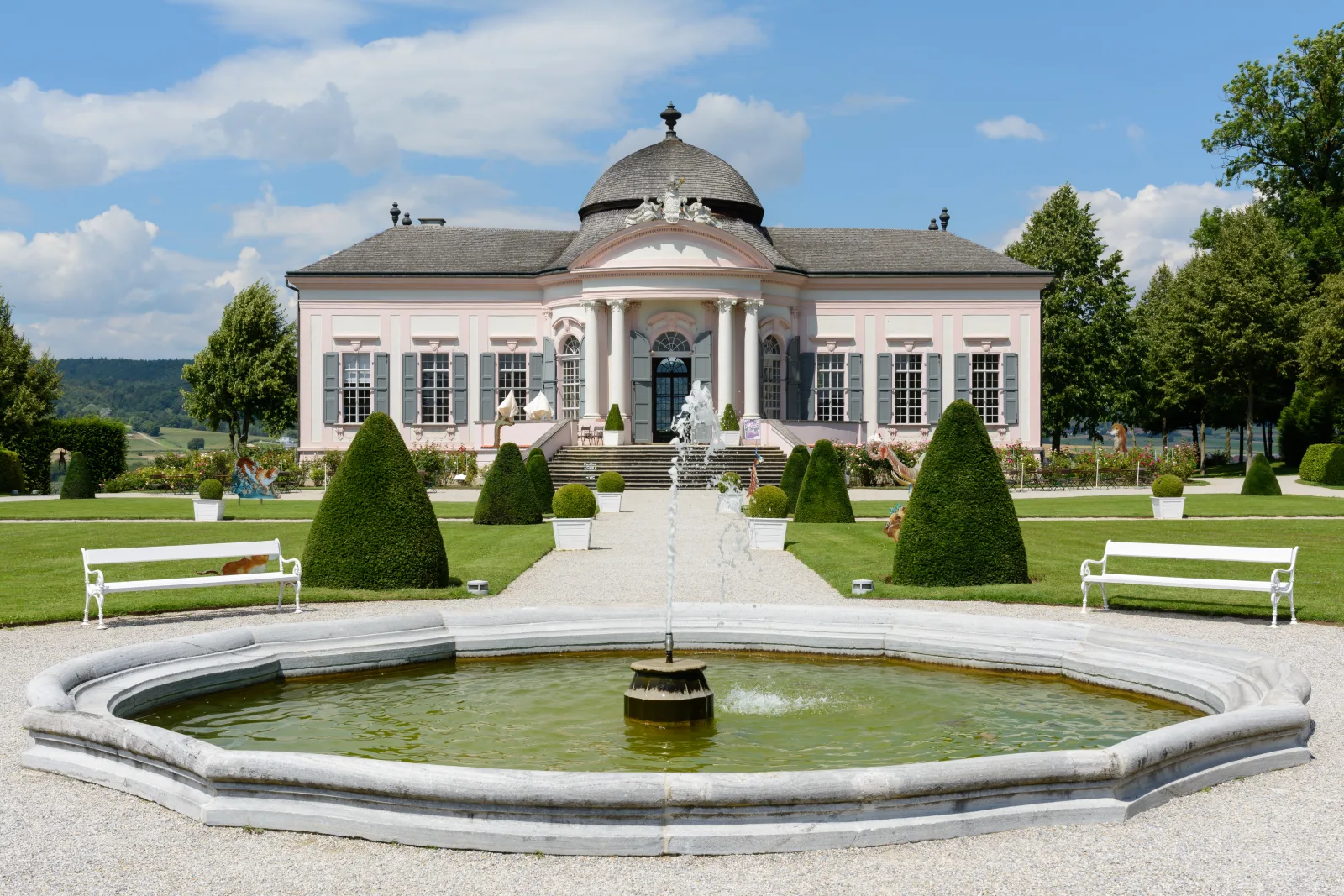
The gardens deserve the same attention as the interior. They function as an extension of the visit and help convey the abbey’s relationship with the Wachau landscape. After touring the complex, continue to the viewpoint near the river: from there, the façade appears more clearly, and the framing over the Danube helps explain why this is Melk’s signature landmark.
If you are visiting during a busy period, check the official website for visiting hours and, if you prefer a guided tour, verify the options available on the day. The visit usually takes at least two hours, and that makes a difference when organizing the rest of the trip.
Walking through Melk's historic center
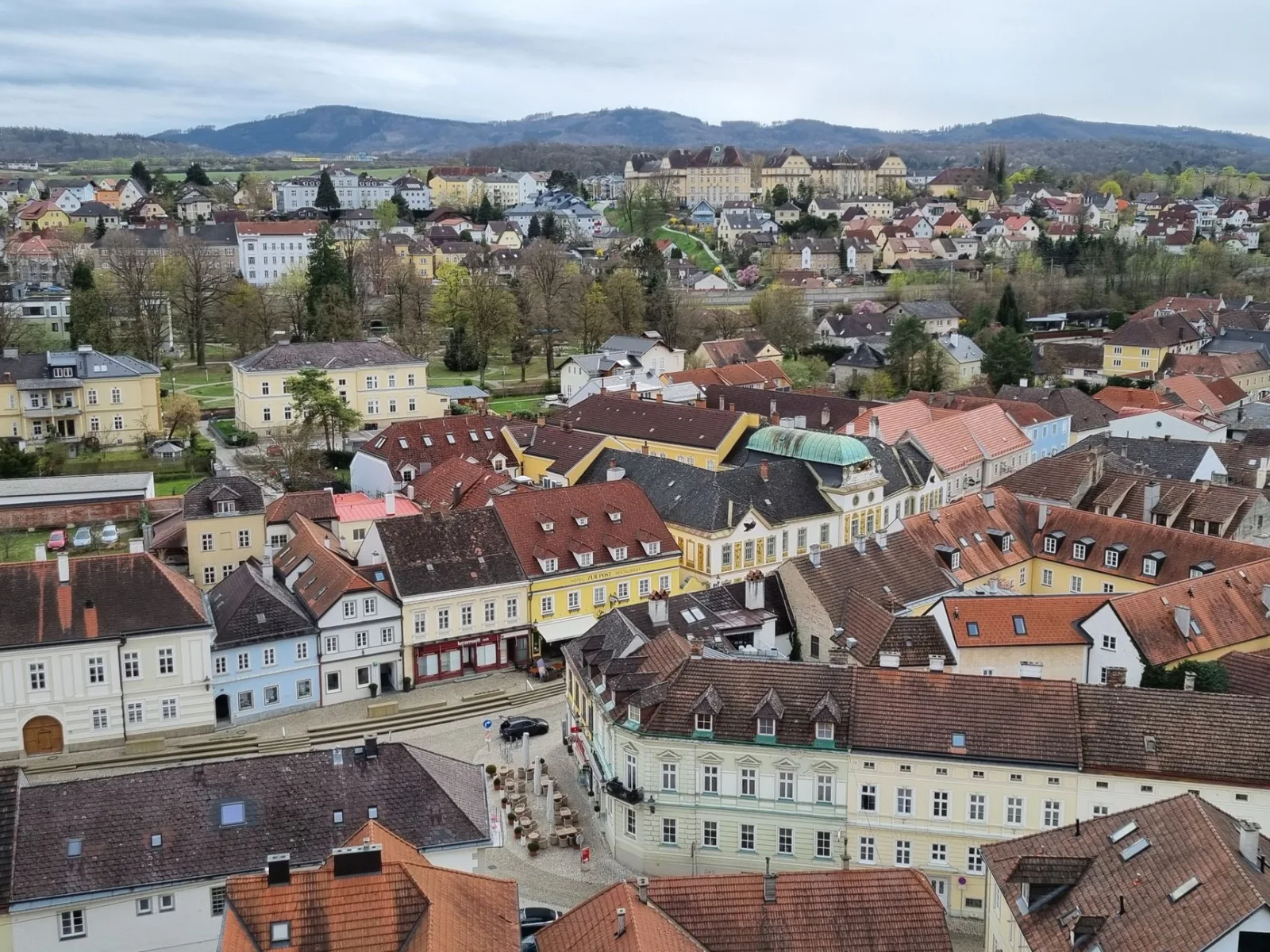
Melk works well on foot because the center is compact and easy to take in over just a few blocks. The main street concentrates restaurants, breweries, and delicatessens, so the best use of your time is to stroll unhurriedly among shop windows, old doorways, and outdoor tables, observing where the activity is concentrated.
Rathausplatz and Sterngasse help orient this route. Sterngasse is cited as the city’s oldest street, and it is worth stepping into the pedestrian lanes that branch off from there to look for cafés and small food shops. On Saturdays, the farmers’ market livens up the center and is a good time to buy fresh cheese, bread, fruit, and whatever is in season, directly from those who produce it.
If you like stopping for something to eat or drink along the way, Melk offers this kind of short walk that fits between one table and the next. Between a café and a brewery, the center makes for a pleasant wander without requiring complex planning, and the best criterion for choosing where to sit is usually simple: look for where the locals are and what is written on the daily board.
Editorial transparency: Some links on this page are affiliate links. We may earn a commission at no extra cost to you. This does not influence our recommendations.
Taking the Danube boat tour
The Danube boat tour departs from Melk from 15/04 to 01/10, with daily departures at 11:00, 13:50, and 16:25. The duration covers practically an entire shift, so it’s worth setting aside most of the day for it. Two companies are mentioned for the stretch departing from the city: Brandner, with a red boat, and DDSG Blue Danube, with a blue boat; the route is basically the same.
From the deck, what stands out is the sequence of stops and passages along the valley. On the section leaving Melk, you’ll pass Emmersdorf, Aggsbach Dorf, Schönbühel, the ruins of Hinterhaus, Spitz, Wösendorf, and Dürnstein, with the curve of the river constantly changing the framing. Spitz is usually a particularly practical stop to get off, and Dürnstein is the one most remembered for the village scenery.
If the weather is good, the outdoor deck helps you enjoy the route better. On very hot days, the air-conditioned interior with glass windows works well. The boats have screens showing the places they pass through, which makes it easier to follow the route. There is also onboard service, so you can take the trip more calmly without relying on a snack before boarding.
If you only plan to choose one stop, first consider your travel pace: some people do the full stretch just for the valley views, while others prefer to get off in a village and combine the return by another means. Connections and schedules change with the season, so confirm the current operation before heading to the pier.
Getting to know the vineyards and villages of Wachau
Between Melk and the villages of Wachau, the appeal lies in the terraced slopes and the short rhythm of the stops. On foot, there are stretches of walking between vineyards that work well for those who want to head out for a few hours, move among rows of vines, and return without hassle. Instead of trying to cover everything, choose one stretch and leave room to stop at wine taverns along the way.
The labels you’ll see most often here are the region’s whites, especially Grüner Veltliner and Riesling. They usually appear in simple tastings at wineries and taverns, often accompanied by a cold platter. If the idea is to sample at a leisurely pace, it’s worth looking for a Heuriger or a winery with on-site service and asking what is open that day, because the offering changes quite a lot away from the most obvious spots.
Spitz and Dürnstein are the most natural stops for this kind of itinerary. Spitz usually works well for a wine-focused break, while Dürnstein draws more attention for its location in the valley and its small center, easy to explore without rushing. Between one and the other, the appeal lies less in “doing attractions” and more in combining a short drive, an easy walk, and a table with a view of the valley.
If you like walking, a good combination is to head out for a stretch among vineyards, stop at a tavern to taste local wines, and continue on to a village for another short stroll on foot. In Wachau, the experience becomes much better when you avoid rushing and choose just two or three points for the day.
Include Schallaburg and the ruins of Aggstein in the itinerary
Schallaburg is about a 10-minute drive south of Melk and works well as a short visit off the city’s more obvious route. The castle stands out for its Renaissance architecture, with a courtyard where the sculptures set the tone of the visit as soon as you arrive. If you like seeing how a historic building was designed to be read from the outside before you even step in, this is the kind of stop that rewards attention without requiring a whole day.
The ruins of Aggstein Castle call for a different pace. The appeal there lies in the historical weight of the place and its position above the Danube, which opens up views of the valley and the river’s bend. The visit works best when you pay attention both to the landscape and to what remains of the fortification, because it is this combination that explains why the place became a reference in the region.
If there is time for only one of these outings, the choice usually depends on what you want to see: Schallaburg for architecture and courtyard, Aggstein for ruins and panorama. If the idea is to fit both into the same itinerary, it is worth thinking of them as complementary visits, not as substitutes.
Where to eat in Melk
Rathauskeller and Madar Café Restaurant zum Fürsten concentrate much of what makes sense to try in Melk without complicating the choice. At Rathauskeller, the more traditional atmosphere pairs well with classic Austrian dishes; at Madar Café, the cuisine is straightforward and often part of the itinerary for those who want to eat well in the center without dragging out the stop. At both, what appears frequently is the kind of food that works for lunch or dinner without requiring much ceremony.
If the idea is to order what truly speaks to the region, go for Wiener Schnitzel, Marillenknödel, and apfelstrudel. The first makes for a more substantial meal; the second and third are better if you want to finish with dessert. In taverns and wine houses, it is common to find Brettljause, the cold platter with cheeses, cured meats, and bread, as well as Most, the local drink made from apple or pear, which usually appears as a simple and fitting accompaniment to this kind of meal.
In the surroundings, Emmersdorf is the most practical name for those who want to include fish in the meal. This works well if you are making a short detour along the Danube bank and want some variety from the more traditional dishes of Melk. If you prefer to eat without rushing, look for where the day’s menu is clearest and where the table matches the season: in Melk, what matters less is sophistication and more the honesty of what arrives on the plate.
Where to stay in Melk
Accommodation in Melk tends to be simple and functional, with guesthouses and small hotels that work well for those who want to sleep in the center and head out on foot to explore the city. Hotel Stadt Melk and Rathauskeller Melk appear as examples of welcoming stays, without too much formality, with the kind of setup that works well for a night or two in the city.
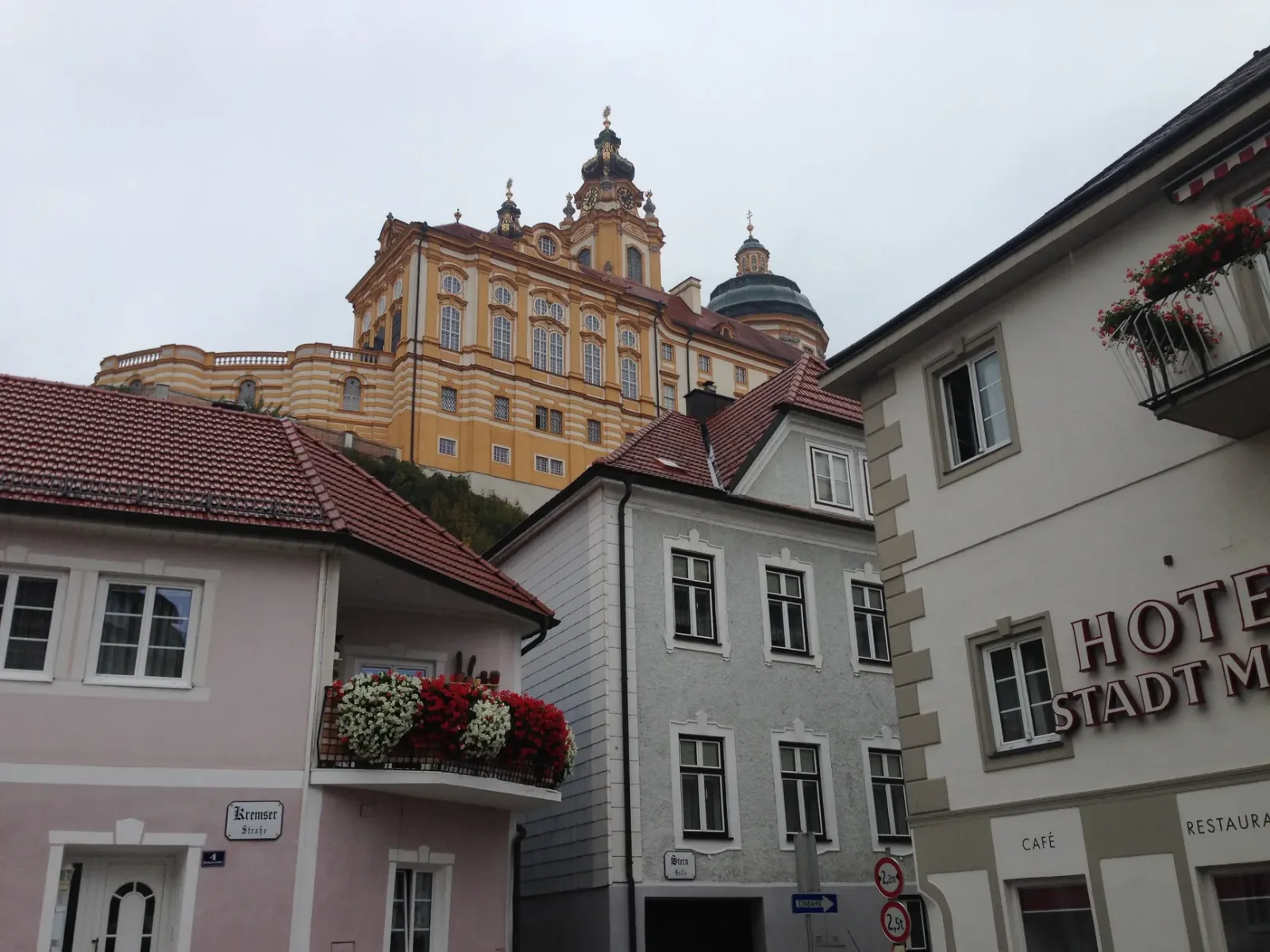
Hotel Stadt Melk is in the line of practical accommodations, while Rathauskeller Melk stands out for its older atmosphere, with the feeling of being in a place that speaks to the historic center without relying on extensive services. For those traveling as a couple, with family, or alone, location matters more than luxury: being close to the central streets and easy walking routes reduces the need for complicated transfers.
If the idea is to use Melk as a short base, it’s worth first looking at pedestrian access to the center and the level of comfort you expect in the room, instead of searching for large hotels. In a small town, that usually matters more than many extras. When availability is limited, check the current booking conditions and what each accommodation includes before confirming.
Best time to visit and what to expect in each season
The best window to visit Melk runs from May to September. During this period, the weather usually favors walks in the center, outdoor outings, and an easier pace for fitting in short trips without relying so much on a backup plan. If the idea is to choose a time with less friction, this stretch delivers the most stable conditions.
July and August bring the apricot harvest, which affects the local calendar and what appears at the stalls and in the kitchens of the region. For those who like to eat according to the season, it is worth keeping an eye on what is being sold at the time and asking what came from that day’s harvest, because it is in this phase that the fruit gains more prominence in Wachau.
From mid-September onward, the grape harvest comes onto the agenda. It is an interesting period for those who want to see the region at work, with the activity tied to grapes and wine changing the atmosphere in the surrounding towns. If your trip depends on this environment, it is advisable to check in advance what each winery or tavern will be doing at the time, since the schedule varies from year to year.
In winter, Melk becomes quieter, but gains Advent markets and Christmas programming. It is the shortest season in terms of outdoor sightseeing, with cold days and less room for improvisation, so it makes sense to go with expectations geared toward the seasonal climate and year-end activities. If you want to combine the city with this kind of atmosphere, always check the current dates before finalizing your itinerary.
How to get around Melk and the surrounding area
Melk is compact enough to be explored on foot without much effort. To move between the center, the quay, and the most visited spots, walking is usually the simplest way to organize the day. Those who want to include the surrounding area can combine this with a bicycle, boat, train, or taxi, without relying on a car all the time.
Cycling makes the most sense especially for short stretches along the Danube and for those who want to move between villages at an unhurried pace. Rentals are available in town, and the option to drop off in another place, such as Krems an der Donau, needs to be booked in advance. This avoids arriving and finding that the model or the return option is no longer available.
For regional connections, the boat helps shorten scenic river journeys, while the train works well when the idea is to continue on to other cities in the valley. The taxi handles the short crossing to Emmersdorf and other quick connections when you want to save time or carry luggage. In a small destination like Melk, this kind of combination works better than trying to do everything the same way.
If the itinerary is short, focus your transfers on a simple logic: on foot within the city, boat for the Danube, bicycle for the scenic stretch, and train or taxi for the return or the next base.
Frequently asked questions
How much time do I need to visit Melk?
Melk Abbey usually takes at least two hours. If you also want to walk through the town center and take the boat ride, it is worth setting aside most of the day.
What is the most worthwhile thing to see in Melk?
The main visit is Melk Abbey, especially the library, the halls, and the gardens. The historic center and the viewpoint near the river round out the trip nicely.
Is it possible to take a Danube boat tour departing from Melk?
Yes. The boats depart from Melk between 04/15 and 10/01, with daily departures at set times. The route follows the Danube Valley and passes through villages such as Spitz and Dürnstein.
What are the best areas to eat in Melk?
The historic center has the most practical options, such as the Rathauskeller and the Madar Café Restaurant zum Fürsten. In taverns and wine houses, it is common to find light dishes and Brettljause.
What is the best time to visit Melk?
The best window is from May to September, when the weather is favorable for walks and outdoor activities. In July and August there is apricot harvest, and from mid-September onward the grape harvest begins.