What to do in Dresden: a practical itinerary for 2 to 4 days
See what to do in Dresden in 2, 3, or 4 days and put together a practical itinerary with the historic center, the Elbe, and well-planned day trips.
How to organize your visit to Dresden in 2, 3, or 4 days
With 2 days, the itinerary works best if you stay almost entirely within the historic center. Set aside the first day for the most concentrated stretch of monuments, squares, and main interiors, and the second to complete what is left outside and walk calmly along the riverside area. This approach avoids running from one side to the other and leaves room to enter an attraction with a line, stop for coffee, or adjust the pace if the weather does not help.
With 3 days, it is worth fitting in a short, well-chosen day trip, as long as it does not take up the city’s best hours. If the idea is to head out, do it on a day separate from the heaviest stretch of museums and palaces. In Dresden, the most common mistake is trying to pile everything into the same block: when that happens, the city becomes just a sequence of transfers and you miss exactly what makes it worthwhile, which is the concentration of visits on foot.
With 4 days, the distribution becomes more balanced. You can keep two full days in the historic core, dedicate one day to attractions outside the center, and leave another for an external excursion or to revisit, without rushing, what made the most sense. This extra time helps especially those traveling as a couple, with family, or alone and who prefer to choose the pace in the moment rather than depend on a rigid itinerary. The best criterion is simple: first, what requires a scheduled time or works better early; then the walkable stretches; and, finally, the longer transfers.
Where to stay in Dresden to do everything on foot
Staying in Altstadt is the most straightforward choice for anyone who wants to handle almost everything on foot. It is the most practical area for couples and families because it reduces transport changes and puts you close to the sightseeing core, the historic squares, and the banks of the Elbe. It also works well for solo travelers who prefer to head out early, return to rest, and resume exploring without relying on long transfers. If the idea is to spend the day walking between central attractions, this is the most efficient place to stay.
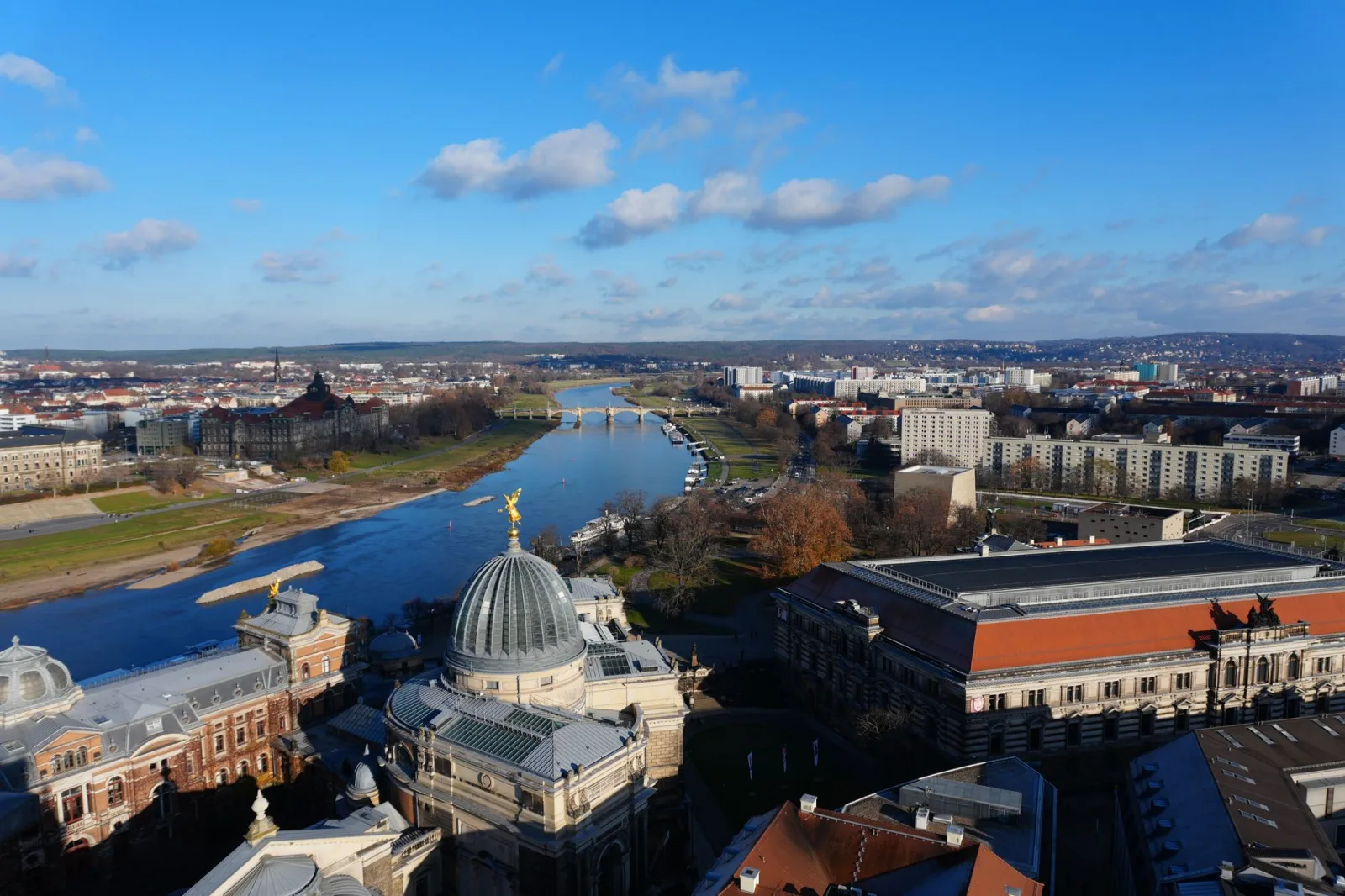
The area around the main station makes sense when the priority is hassle-free arrival and departure. It is usually convenient for those arriving with luggage, for shorter stays, and for anyone planning to make an early regional trip. In terms of sightseeing, you still have easy access to the historic center, but you gain a more functional transport base, which matters more for families with luggage or solo travelers who value simple logistics.
Neustadt calls for a different kind of choice. It usually appeals more to those who want a livelier stay at night and do not mind crossing the bridge to reach the historic center during the day. For an itinerary, the practical side is clear: you can reach the historic core easily on foot or in a short ride, and return to an area with a more residential and less formal profile. If the focus of the trip is to combine daytime sightseeing with dinner and local life afterward, this may be the most comfortable base.
Editorial transparency: Some links on this page are affiliate links. We may earn a commission at no extra cost to you. This does not influence our recommendations.
Dresden’s historic center: Frauenkirche, Neumarkt, Altmarkt and Kreuzkirche
Frauenkirche is the point where reading Dresden’s historic center starts to make sense. Admission to the church is free, and the climb to the dome usually costs around €10 to €12. It offers a good contrast between the interior visit, which shows the restored white-and-gold space, and the exterior view, which almost works as a frame for the urban ensemble. Go early, preferably before 10 a.m., because it gets busier as the day goes on. During services and concerts, access may change, so it is worth checking the current schedule before going.
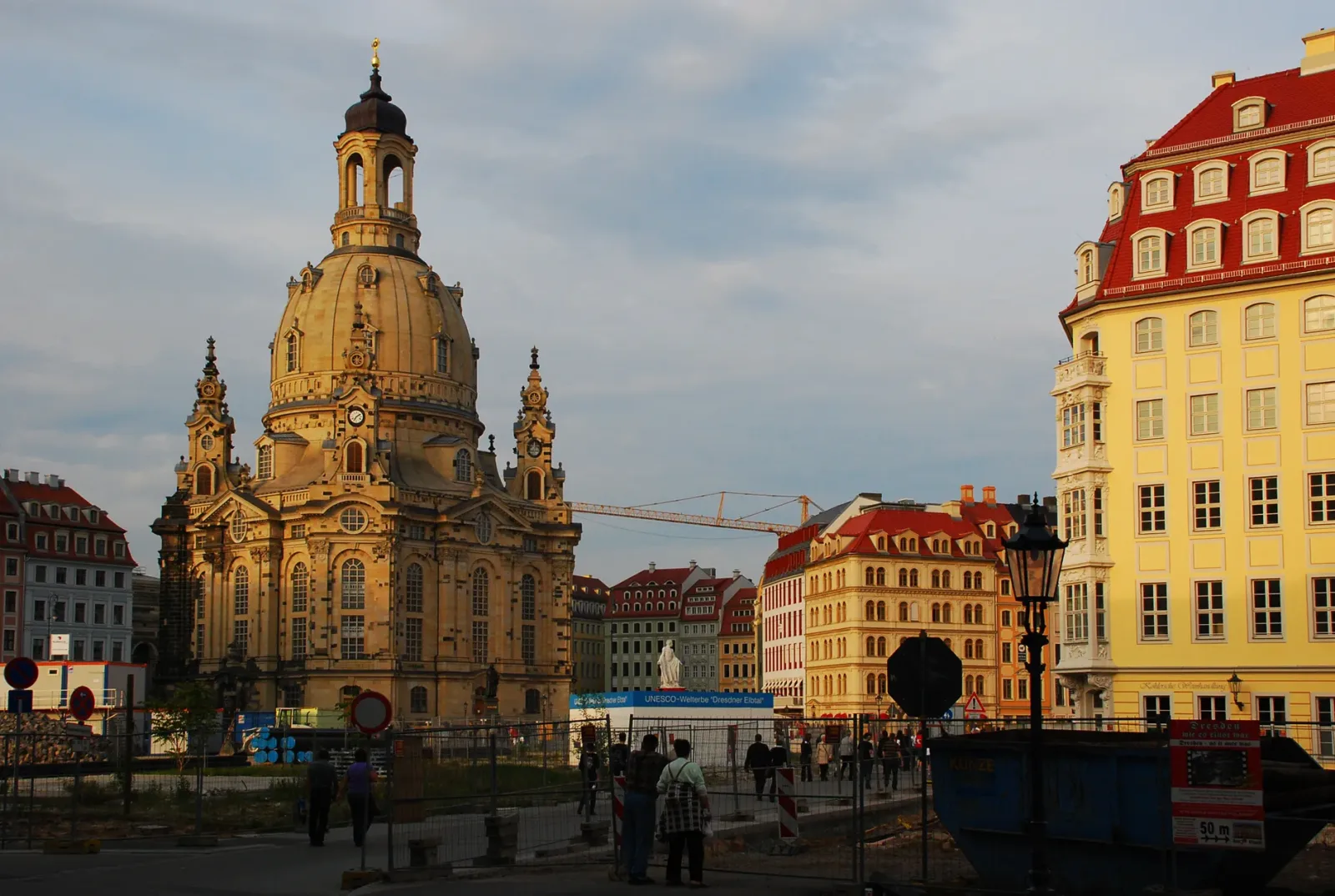
In Neumarkt, the logic is different: it is not a place to “get things done,” but rather to stop between one visit and another. The square brings together cafés and restaurants, with a good outdoor seating area and a chance to observe the flow around the Frauenkirche. The reconstructed buildings there give context to the surroundings without requiring a long visit, so it is the right stretch for coffee, lunch, or a short break in the middle of the itinerary.
Altmarkt serves another purpose on the walk. It is the oldest square in the city and helps you understand how the center is organized beyond the most famous postcard view. When there are fairs and events, it becomes lively; for the rest of the year, it is more valuable for the scale of the square and its connection to the rest of the historic core. It is an area you can cross easily, without needing to set aside much time, but one that helps you read the layout of the center.
At Kreuzkirche, the appeal lies less in the interior and more in the chance to climb the tower. Admission to the church is free, and the climb costs about €5. The platform is at 54 meters, in a tower 92 meters high, and offers a different view from the Frauenkirche, usually with fewer people. If the idea is to choose just one high viewpoint in the center, the Kreuzkirche works better when you want something quicker and with a shorter line; the Frauenkirche is worth it when the priority is the city’s symbol.
Zwinger, Semperoper and Theaterplatz: the city’s baroque axis
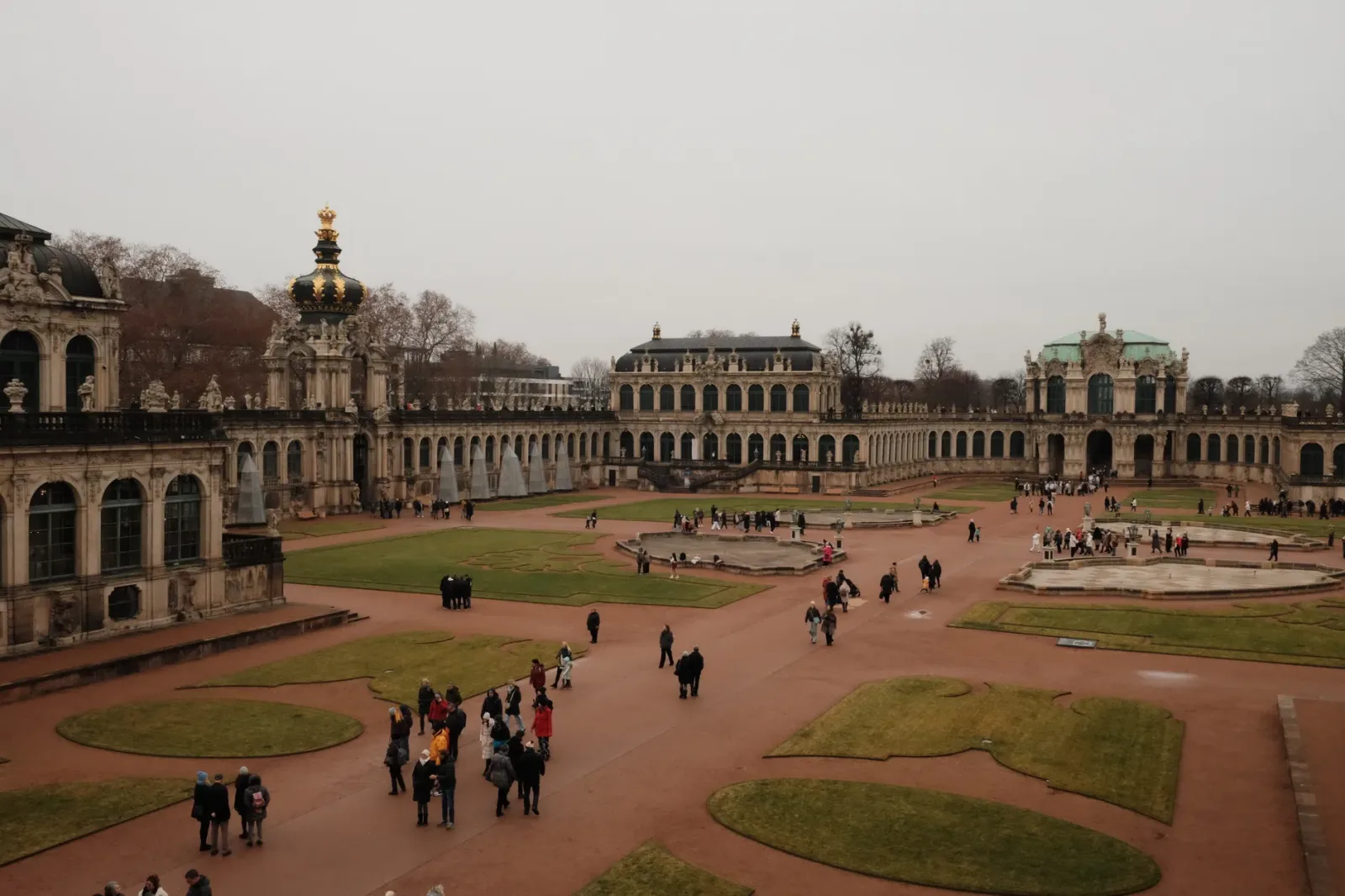
The Zwinger works well as a single visit block because the courtyards and gardens are open for walking, and the museums fit in without requiring major detours. If you have little time, first walk through the outer complex and decide on the spot whether to enter one or more collections. The Old Masters Gallery, the Dresden Porcelain Collection, and the Hall of Mathematics and Physical Instruments are all inside; the museums usually open from 10 a.m. to 6 p.m. and close on Mondays, with a combined ticket in the €14 to €20 range. For those who want to fit the Zwinger into the same stretch of sightseeing, the advantage lies precisely in that: you don’t waste time crossing between different areas.
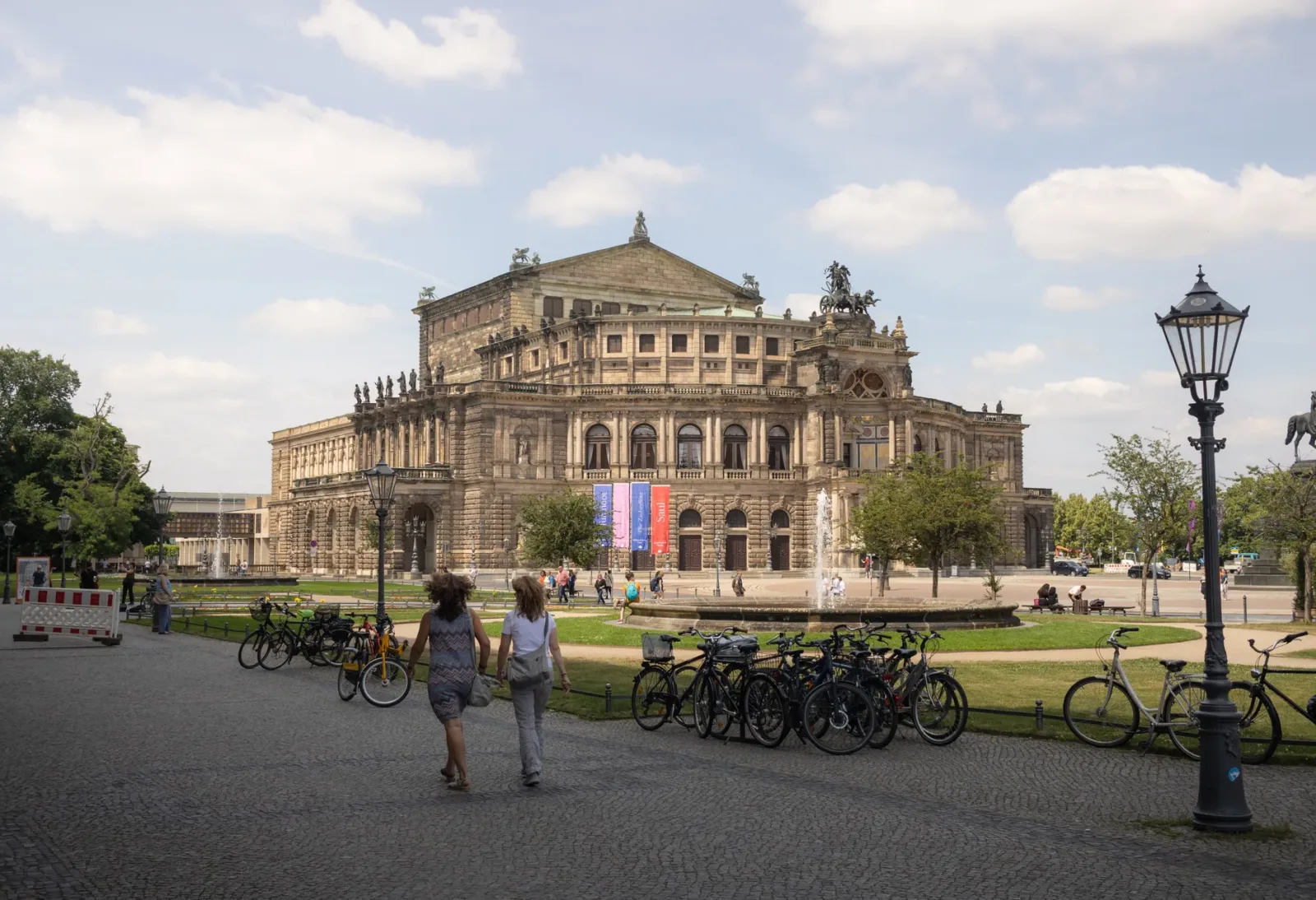
The Semperoper is just a few steps away and fits well before or after the Zwinger, depending on whether you want a guided tour or a performance. The daytime tour lasts about 45 minutes and costs around €15 to €20; in high season, English-language slots sell out quickly, so it’s worth booking in advance. If the idea is to attend an evening performance, the building enters the itinerary in a different way: you can leave the end of the day for that and use the square as your arrival point, without having to squeeze the rest of the program.
Theaterplatz ties the three landmarks together without requiring extra effort. It is the square where the walk gains a sense of the whole ensemble, with the Semperoper on one side and the Zwinger on the other, as well as the Cathedral right nearby. For those who want to do everything in the same stretch, the best use of this axis is simple: arrive via the square, cross the Zwinger at a leisurely pace, continue to the opera, and leave the rest of the day free for the city center or the banks of the Elbe. If you are putting together a short itinerary, this block fills a good part of a morning or an afternoon without feeling rushed.
Residenzschloss and Grünes Gewölbe: what to book in advance
The historic Grünes Gewölbe is the part that requires the most planning within the Residenzschloss. The visit has a set time and a limited number of visitors, so buying in advance makes a real difference on the day. If this collection is at the top of your list, it needs to go first in the itinerary, before adjusting the rest around it.
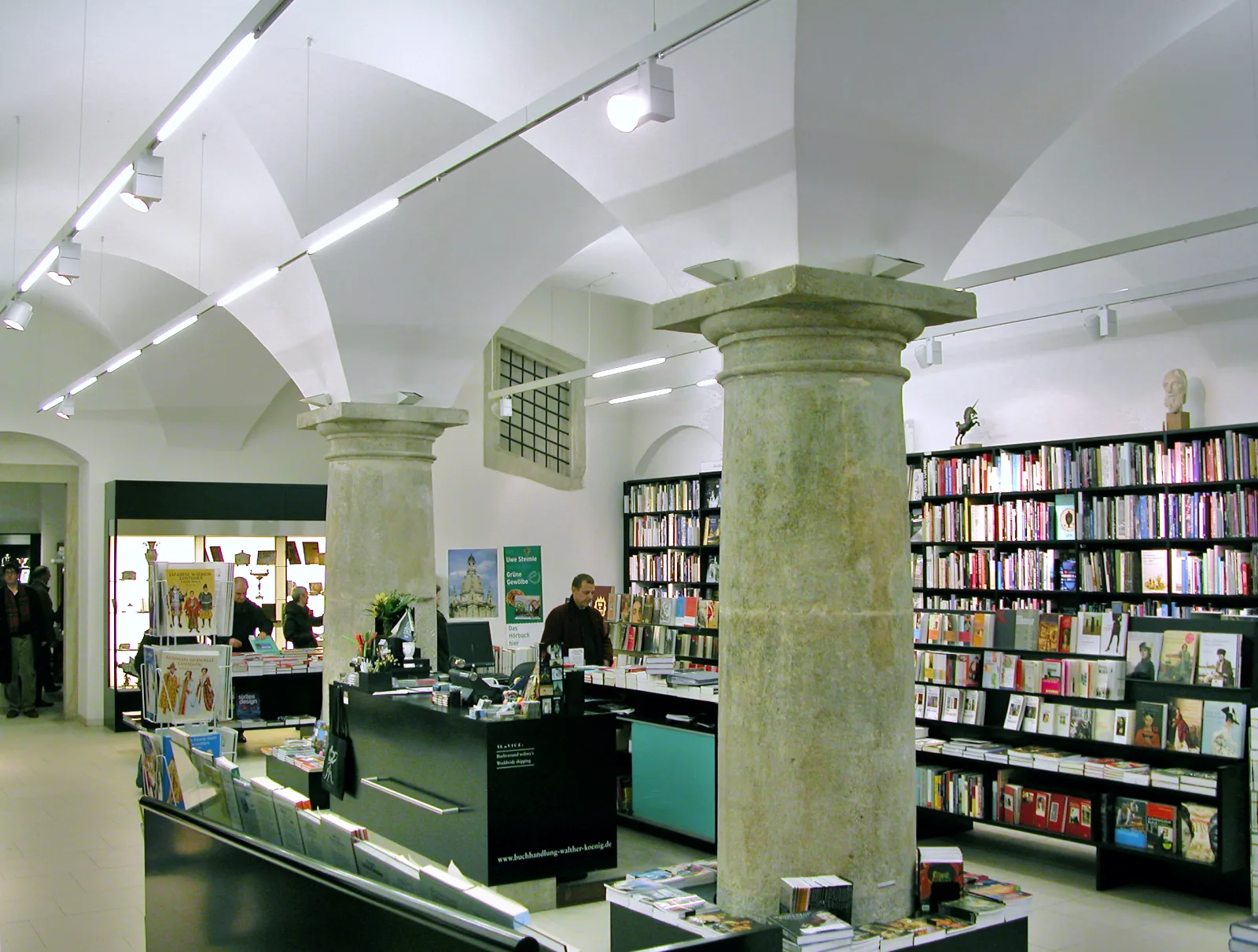
The New Grünes Gewölbe is easier to fit in because entry is more flexible and the exhibition is displayed in modern showcases. For those who need to choose, the logic is straightforward: the historic one is worth it for the collection as a whole and the way the visit works, while the new one is better as a complement. If you have little time, prioritize what requires booking; if you have room, both make sense in the same block.
The other museums in the castle fit well into the same visit, as long as you know what you are looking for. The Rüstkammer focuses on armor and ceremonial weapons, the Münzkabinett brings together coins and medals, and the Kupferstich-Kabinett holds prints and drawings. They do not require the same urgency of booking as the historic Grünes Gewölbe, so the decision usually comes down to interest: collection pieces, numismatics, or drawings. If you want to see more than one, the combination passes can be worthwhile.
The complex is open from 10 a.m. to 6 p.m. and closes on Tuesdays; individual tickets cost between €14 and €20, with combinations that may be more worthwhile for those entering two or more areas. Before you go, confirm the updated hours and see whether the chosen time slot fits the rest of your day, because the castle takes more time than it seems once you add up lines, internal movement, and pauses between rooms.
Walks along the Elbe: Brühlsche Terrasse, Augustusbrücke and Albertinum
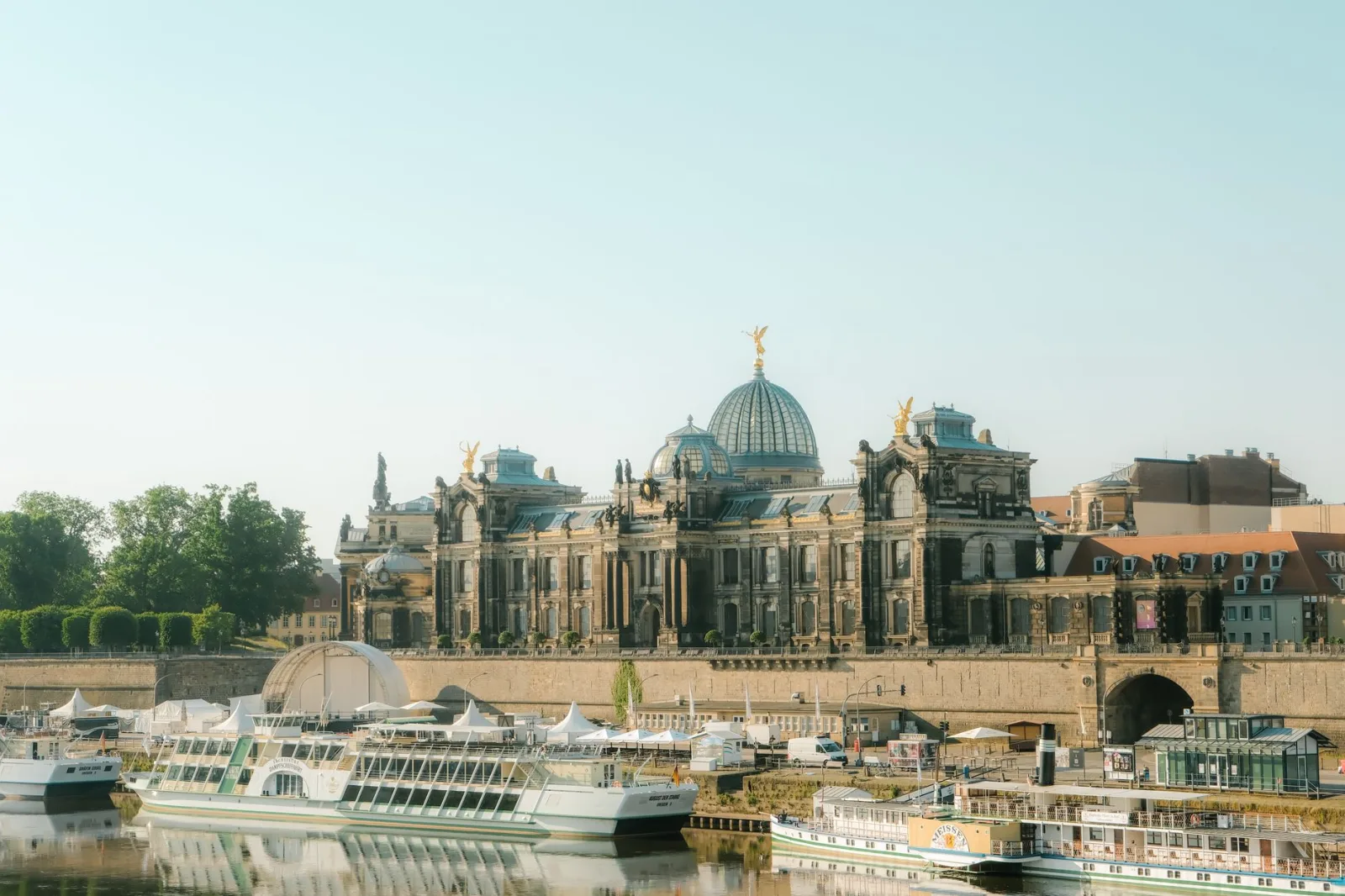
The Brühlsche Terrasse is the easiest stretch to fit into your itinerary when you want to walk effortlessly and keep looking out over the Elbe from above. The promenade is open all the time and, throughout the late afternoon, works well as a place to stop, sit, and take in the city at a slower pace. It is also a good spot to end the day, because the low light enhances the riverbank and the outline of the surrounding buildings.
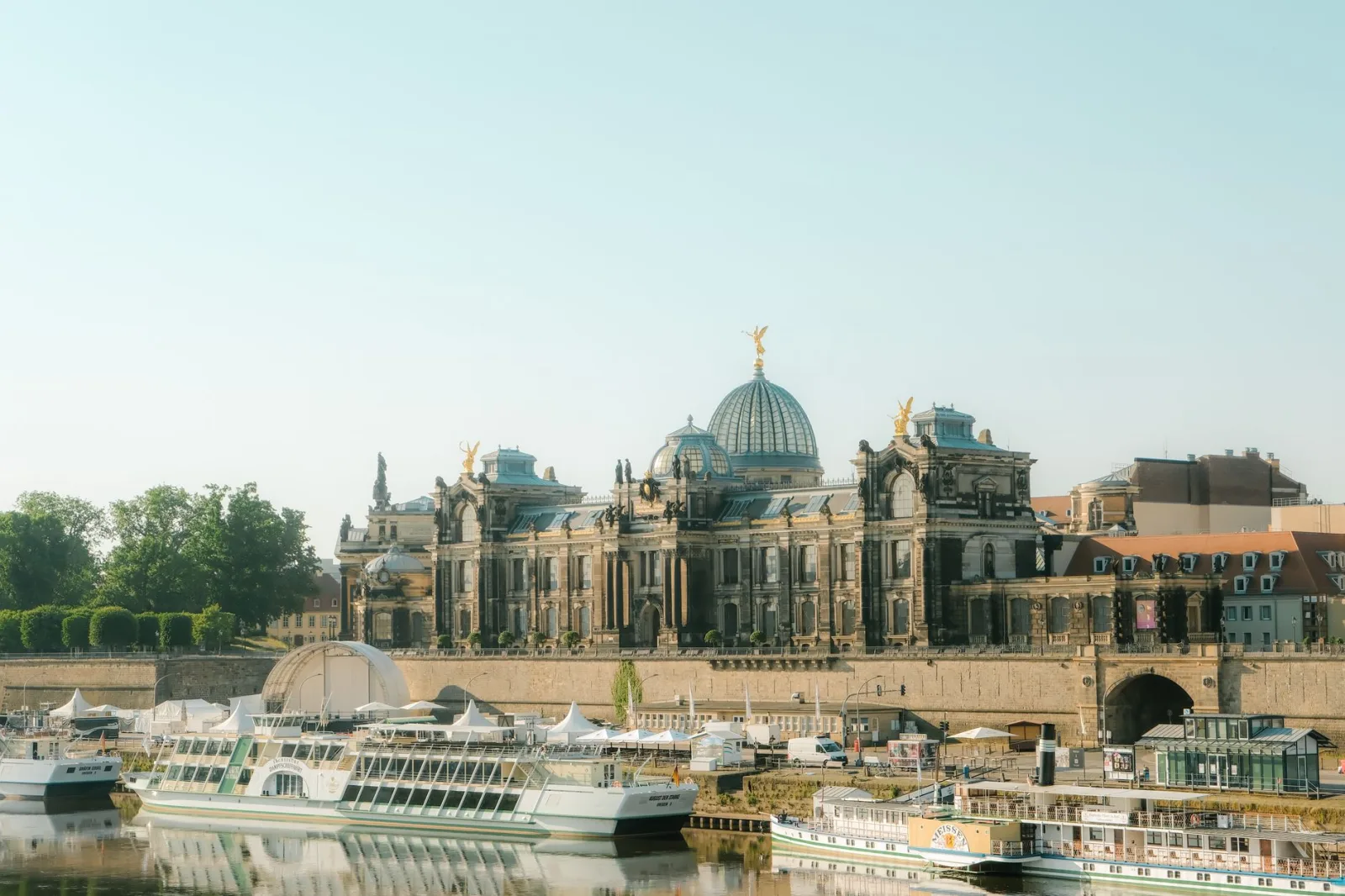
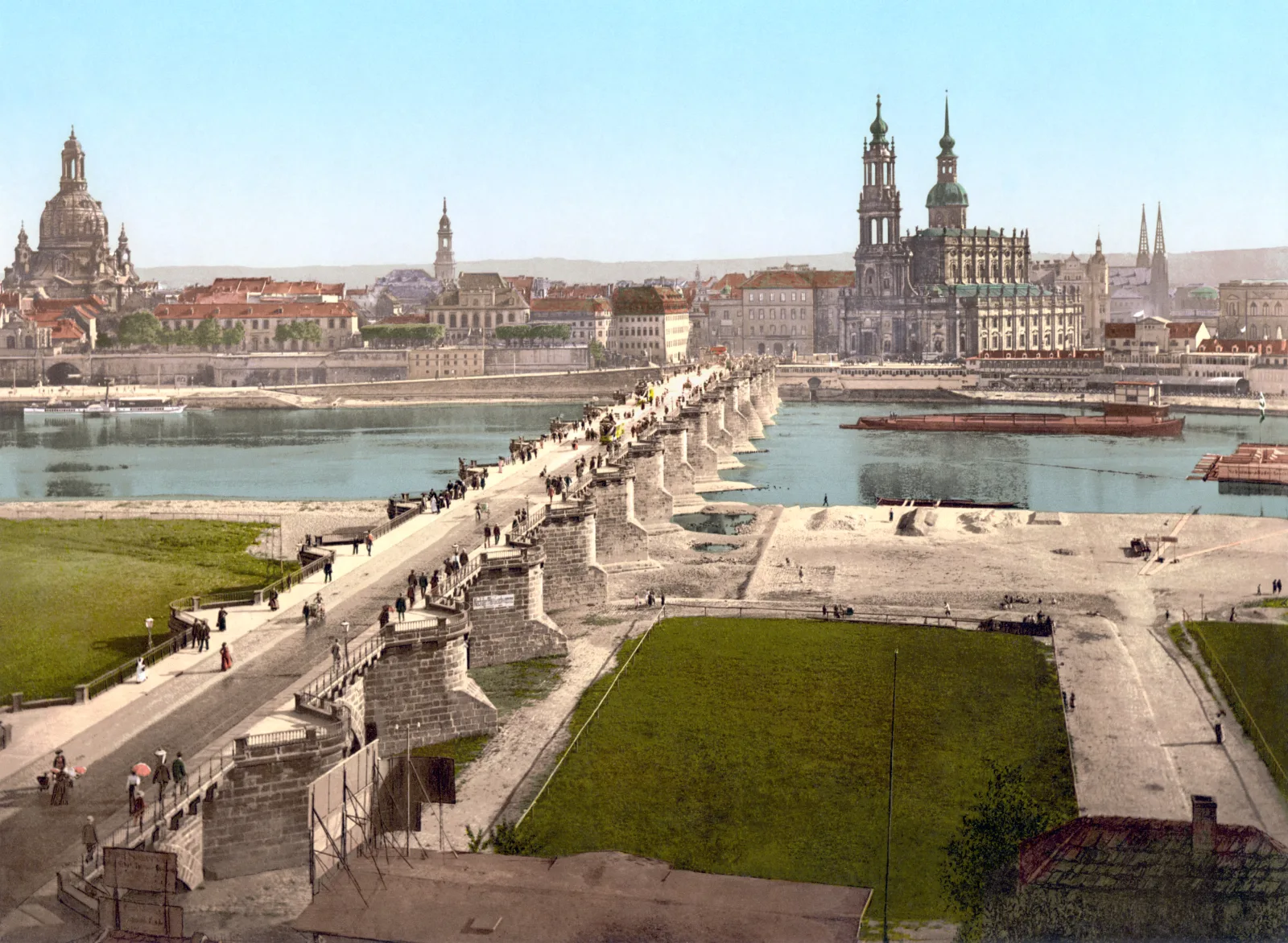
Crossing the Augustusbrücke naturally becomes part of this walk. It connects the historic center to Neustadt and helps turn the stroll into a route, not just a stop. As you cross the bridge, you get a different perspective on the urban landscape without needing transportation, which makes a difference when the goal is to rest a bit between more enclosed visits and museums.
The Albertinum is right next to this route and fits well into the same block of sightseeing. The museum is open Tuesday through Sunday, from 10 a.m. to 6 p.m., and admission costs between €10 and €15, with an audio guide included most of the time. If the idea is to keep the itinerary lighter, it works as an intermediate stop: you walk along the riverbank, go into the museum, and then continue without retracing your steps.
This axis is also the most comfortable for sunset. Anyone wanting a less rushed afternoon can start at the Albertinum, head out to the Brühlsche Terrasse, and finish at the Augustusbrücke, or take the reverse route. What matters here is the pace: little distance, few decisions, and enough time to stay in the area without turning the outing into constant movement.
Attractions off the main circuit: Großer Garten, Pillnitz, Gläserne Manufaktur and the Military History Museum
The Großer Garten works as the simplest extension for a day that is less museum-focused. It is a large public park, 1.8 km² in size, with a Baroque design and very practical use for anyone who wants to walk, rest, or travel with children. In summer, the Dresdner Parkeisenbahn runs through the park; it is an attraction in its own right for families, but it is worth checking whether it is operating on the day of your visit. If the itinerary has already taken up a lot of time in the center, this is the kind of plan that fits well as a breather, without requiring complicated planning.
The Gläserne Manufaktur draws attention more for the visit than for the architecture itself. It is Volkswagen’s show-factory, with glass walls and a current focus on electric cars. The guided tours show the assembly process and the technology behind production, so it makes more sense for those interested in industry, engineering, or automotive design. It is close to the Großer Garten, which makes it easy to combine the two in the same part of the day without crossing the city from one side to the other.
The Deutsches Hygiene-Museum works best when the interest is content, not the facade. The name is misleading: the museum deals with the human body, health, science, and society, with an interactive approach. It is a good fit for families with teenagers or for anyone looking for a less obvious visit in Dresden. The Bundeswehr Military History Museum calls for more time and energy; the collection is large, and the building itself is already part of the experience. Set aside at least 2 to 3 hours for it, because it does not work as a quick stop.
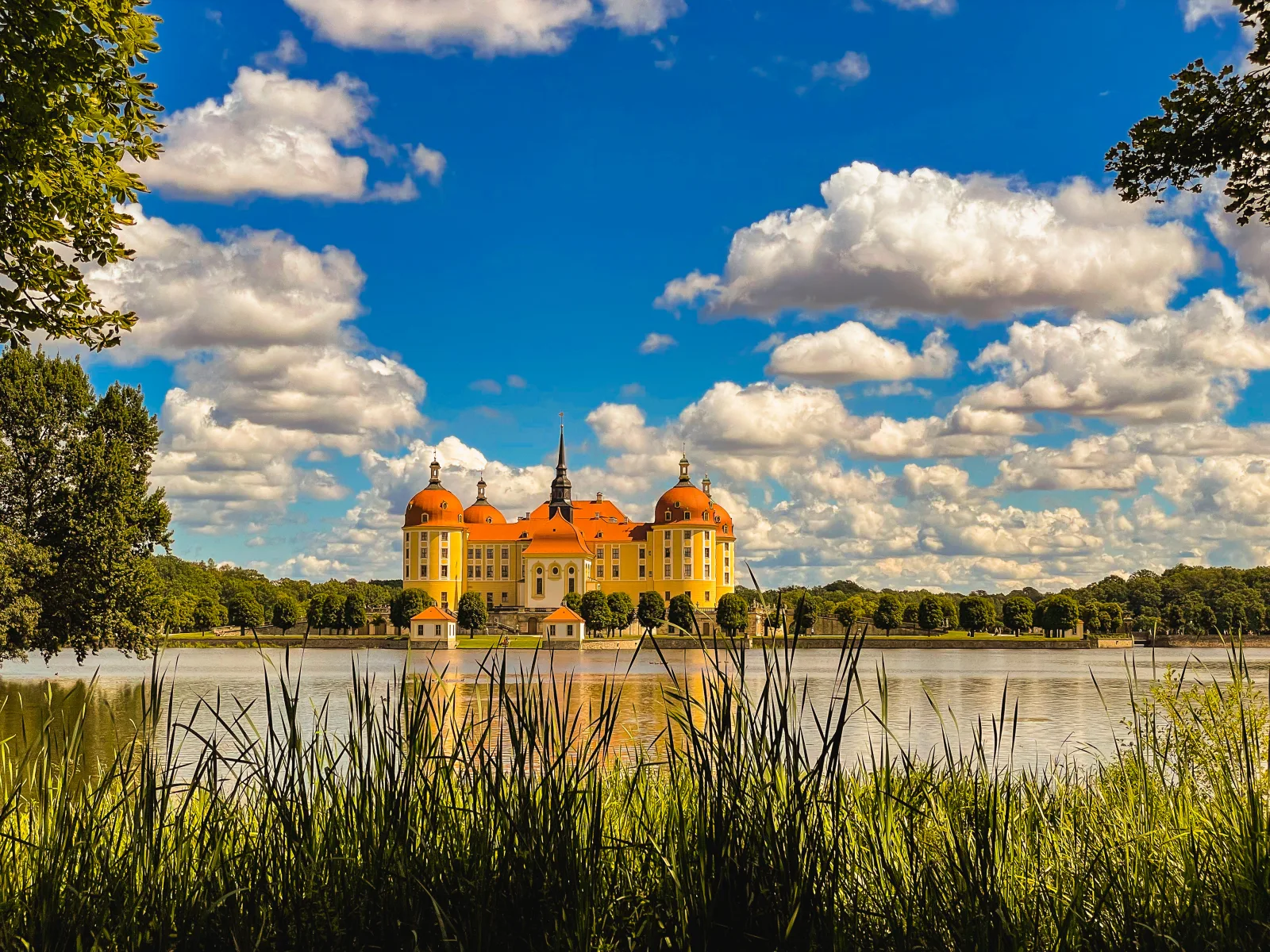
Schloss Pillnitz is usually worthwhile as a half-day outing when you want to leave the center without turning the trip into a tiring day trip. The complex sits on the banks of the Elbe, about 15 km from the center, and arriving by boat is the most pleasant route when it fits into your day. Regional train also works well. For a 3- or 4-day itinerary, Pillnitz is best as a calm extension: choose it if you want gardens and palaces with fewer attraction changes and more time spent in the same place.
Day trips from Dresden: Saxon Switzerland, Meissen, Königstein and Prague
Saxon Switzerland works well as a day trip from Dresden when the idea is to trade the city center for natural scenery without complicating the logistics. The area is about 40 minutes by regional train away and calls for its own itinerary, because the appeal there lies in the route and the viewpoints, not in “showing up” for a short time. If you only have 2 days in the city, I wouldn’t force this detour; with 3 days, it makes sense if you’re willing to give up part of the urban circuit; with 4, it fits better without making the rest feel too tight.
Königstein works as an extension of the same outing, but with a different vibe: instead of focusing only on the landscape, the visit revolves around the fortress and the view over the Elbe. It’s an option that’s easier to justify when you’ve already decided to leave Dresden for a full day, because it fills the schedule well and pairs with the region. If the priority is to walk less between different points and see more of one place, this is the kind of day trip that pays off.
Meissen is worth it for those who want a smaller, medieval town with a more concentrated historical interest. The main attraction here is the town center itself, and the visit works better when you want something more contained than Saxon Switzerland. Since it’s about 30 minutes by train, it’s the simplest day trip to fit into a short itinerary. In 3 days, it’s usually the most balanced choice; in 4, it can share space with another outing outside the center, as long as you don’t try to stack too many transfers on the same day.
Prague is a different kind of trip altogether. The city is about 2h15 by train from Dresden, so it makes more sense as part of a longer journey than as a casual outing. It can work as a day trip, but the smartest use is usually in an itinerary that already includes passing through Dresden between two bases. If you only have 3 days, I’d leave Prague out; with 4, it still requires a strict prioritization, because the travel time eats up much of the day.
Frequently asked questions
How many days are ideal to get to know Dresden?
Two days work well for the historic center and the river area. With 3 or 4 days, you can include attractions outside the central core and even do a day trip.
Where should you stay in Dresden to do everything on foot?
Altstadt is the most practical base for doing almost everything on foot. The area around the main train station is good for those who prioritize logistics, and Neustadt appeals to those who want more nightlife.
Which main attractions are in Dresden’s historic center?
Frauenkirche, Neumarkt, Altmarkt, Kreuzkirche, Zwinger, Semperoper, Theaterplatz and Residenzschloss make up the main itinerary. This is the easiest stretch to explore on foot.
Do you need to book the Grünes Gewölbe in advance?
Yes, especially the historic Grünes Gewölbe, which has timed entry and limited slots. The New Grünes Gewölbe is more flexible, but it is also worth planning for.
Is it worth taking day trips from Dresden?
Yes, especially to Saxon Switzerland, Meissen and Königstein. Prague is also possible, but the trip is longer and requires more planning.