Victoria, Canada: what to do, when to go, how to get there and how much it costs
Victoria in Canada: find out when to go, how to get there, where to stay, and how much it costs to plan a practical 2- to 5-day itinerary.
Understand Victoria before planning your itinerary
Victoria is the capital of British Columbia and is located on Vancouver Island, a position that helps explain the city’s pace. It was founded in 1843, before Canada was organized as a nation in 1867, and maintained a relevant political role despite its modest size. Today, with about 70,000 inhabitants, it concentrates provincial decisions and still retains an institutional presence that carries more weight than its urban scale suggests.
The climate is one of the factors that most influence the trip. Victoria has well-defined seasons: between December and March, winter usually brings temperatures below zero; between July and August, summer tends to be warmer and sunnier. This changes the city experience a lot, both for walking around downtown and for fitting in outdoor activities. Those who want drier, brighter days usually aim for summer; those traveling in the cold need to consider that the city changes mood and calls for a different kind of itinerary.
This variation also affects the sea and the coast. In summer, orcas come closer to the region to breed, which makes the season more interesting for those who plan to observe marine life. Outside this window, the city still works well, but the choice of period depends more on the type of excursion you want to prioritize.
When to go to Victoria
Victoria has well-defined seasons, and this weighs on choosing the travel period. Between December and March, winter usually brings temperatures below zero, so the city calls for a heavy coat and lower expectations for long outdoor walks. Between July and August, on the other hand, the days get warmer and sunnier, which favors walking tours and makes the waterfront experience more comfortable.
If the idea is to enjoy the sea and fit in wildlife watching, summer has the advantage. It is at this time that orcas come closer to the coast to breed, which increases the chances of finding good conditions for a watching tour. Outside this window, it is still possible to travel well, but the weather weighs more heavily on the daily routine and on itinerary choices.
The practical decision usually comes down to climate comfort versus less movement. In summer, Victoria is easier to explore outdoors and the long days help you make the most of it. In winter, the trip remains viable, but it requires more attention to the cold and the possibility of rapid weather changes.
Editorial transparency: Some links on this page are affiliate links. We may earn a commission at no extra cost to you. This does not influence our recommendations.
How to get to Victoria
Victoria is on an island, so getting there involves water at some point during the trip. The most commonly used route departs from Vancouver via the Tsawwassen terminal, continues by ferry with BC Ferries to Swartz Bay, and then goes by road to downtown Victoria. If you are arranging the trip on your own, it is worth checking the timing combination between the segments before you leave.
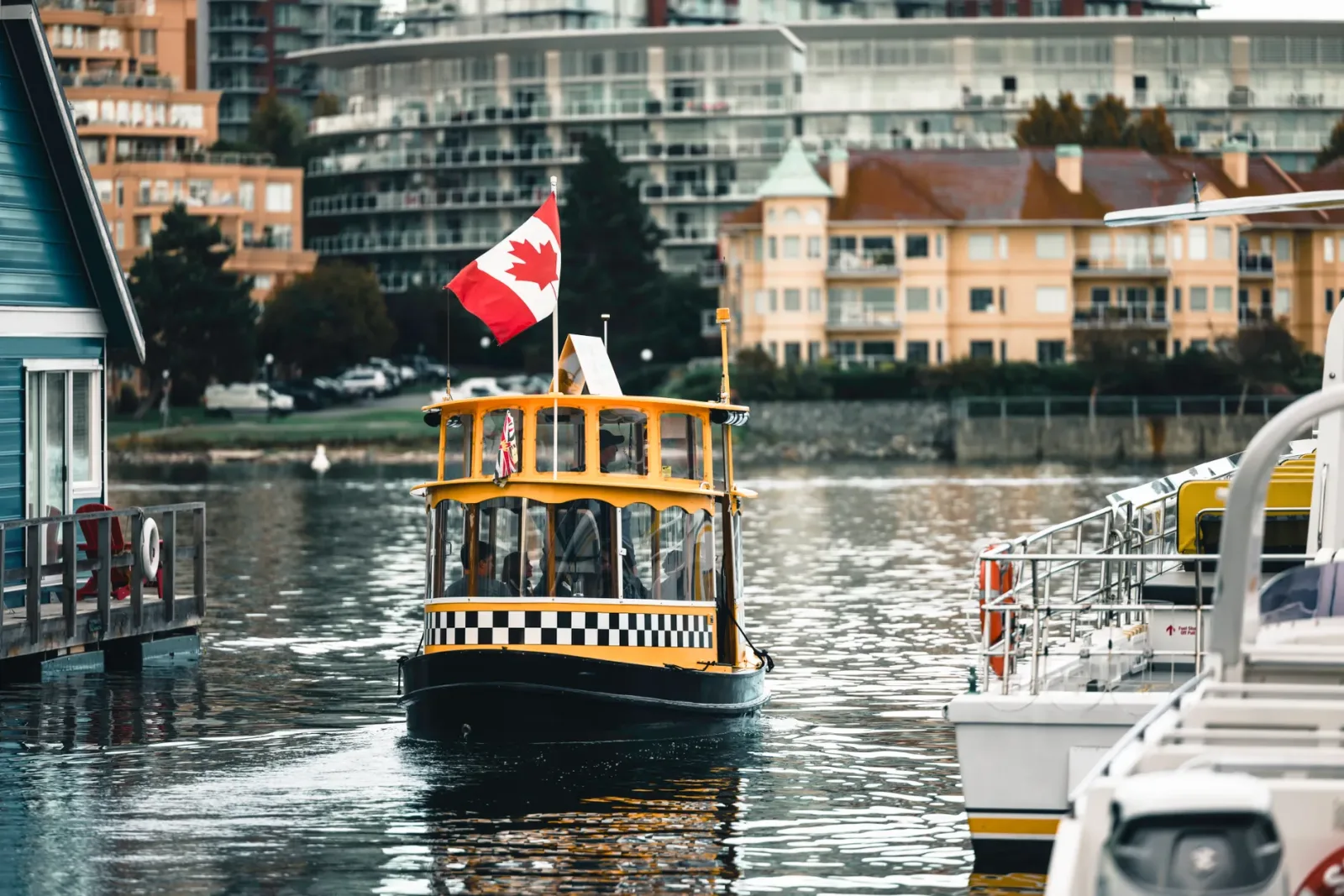
Vancouver International Airport (YVR) serves as the main regional gateway. From there, many people continue to the boarding point bound for the island, which makes sense for those who prefer to concentrate arrival at a single major airport and then complete the overland and sea journey.
Since the ferry segment comes in the middle of the route, the margin for unexpected delays is smaller than in a completely overland trip. If the journey is scheduled for a busier day, leave a comfortable buffer between arrival in Vancouver and the connection to Tsawwassen. This reduces the risk of missing the crossing and cuts into the extra time you already have in Victoria.
Where to stay in Victoria
Victoria is a small city, and that affects accommodation. The hotel supply is more limited than in Vancouver, so booking early makes a difference, especially if your travel dates are already set. Leaving it until the last minute usually reduces the most convenient options.
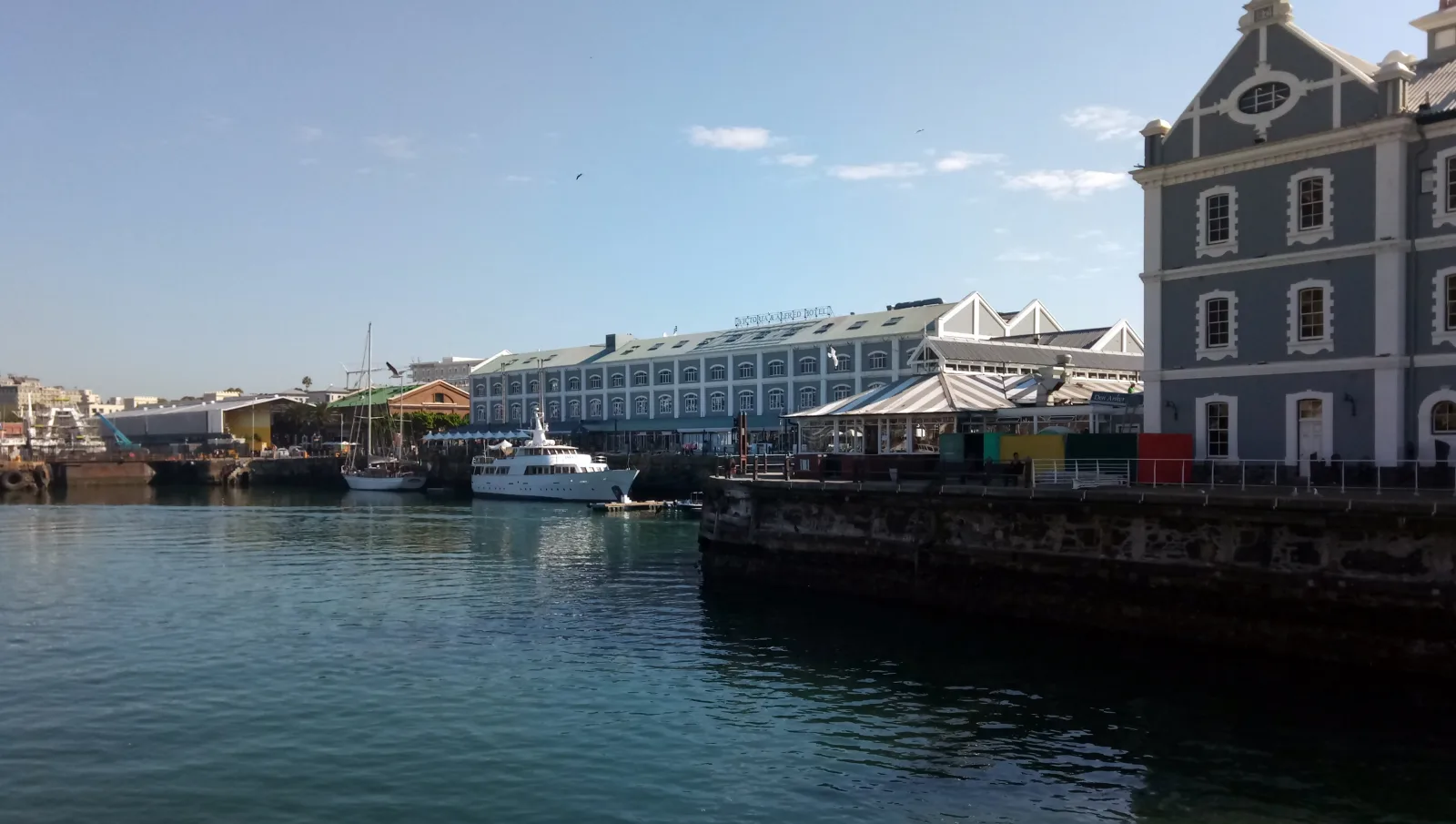
For those who want to do most of the itinerary on foot, staying close to downtown usually simplifies logistics. It is the most practical area for anyone planning to get around without relying too much on extra travel during the day. If another priority comes first, it is worth looking for a base that makes it easier to head out for the activities in your itinerary, rather than focusing only on the hotel itself.
Since the city is compact, the decision tends to be less about the number of neighborhoods and more about your travel routine. Couples and solo travelers usually gain convenience from a central area; families may prefer accommodation that reduces transportation changes and makes getting back at the end of the day simpler. The best filter is this: first choose the base that fits your pace, then book the available accommodation within it.
How much does it cost to travel to Victoria
Admission to the Royal British Columbia Museum costs CAD 18, an amount that makes sense if you plan to spend a few hours visiting. If you’re on a tight budget, it is one of the items that weighs most heavily in planning a weekend in Victoria.
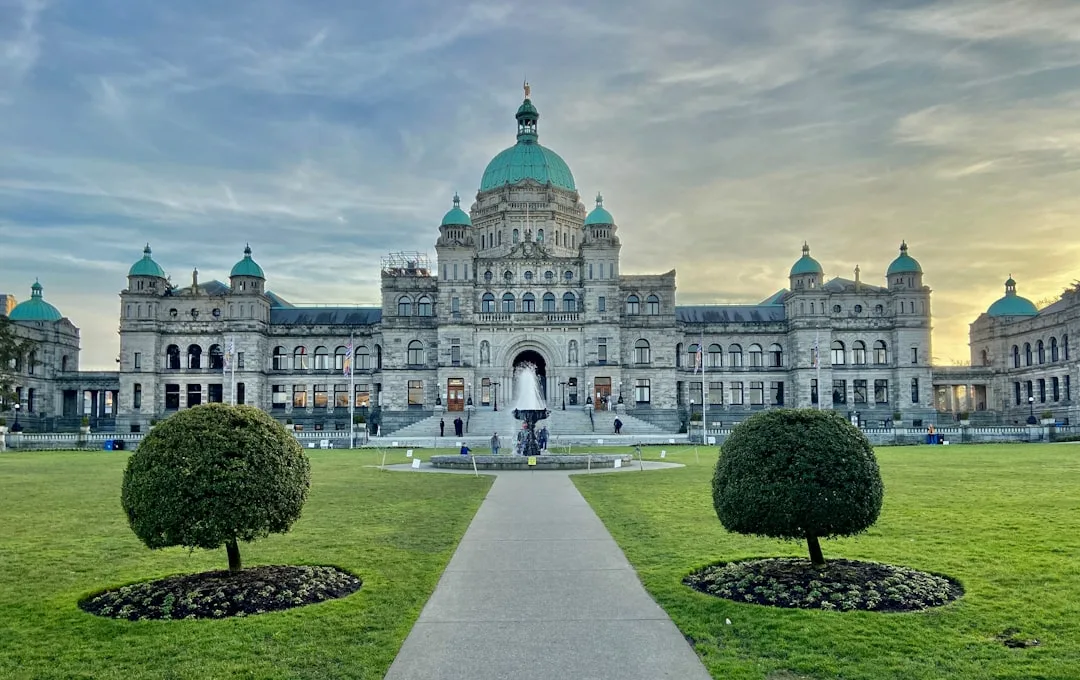
The whale-watching tour starts at CAD 129. It is one of the highest expenses in the itinerary and, therefore, is worth treating as the main activity of the day, not as an add-on. If you plan to fit it into the trip, it is advisable to confirm availability and the updated price before booking the tour.
On the crossing between Tsawwassen and Swartz Bay, the fare is CAD 18.70. This is the base amount that goes into the cost for anyone arriving by ferry and then continuing by road to Victoria. For those who want to calculate the total cost more accurately, this leg should be considered together with the land transportation fare to the boarding point.
Afternoon tea at the Hotel Empress costs CAD 63. It is a modest expense, but it easily fits as a one-off experience in the budget, especially if you plan to include a lighter meal that day.
There is also mention of travel insurance for Canada. It is not mandatory, but it is usually a sensible expense in planning, because medical assistance outside the country can add up quickly. Before buying, it is worth confirming the coverage, limits, and policy conditions.
What to Do in Victoria in a Weekend
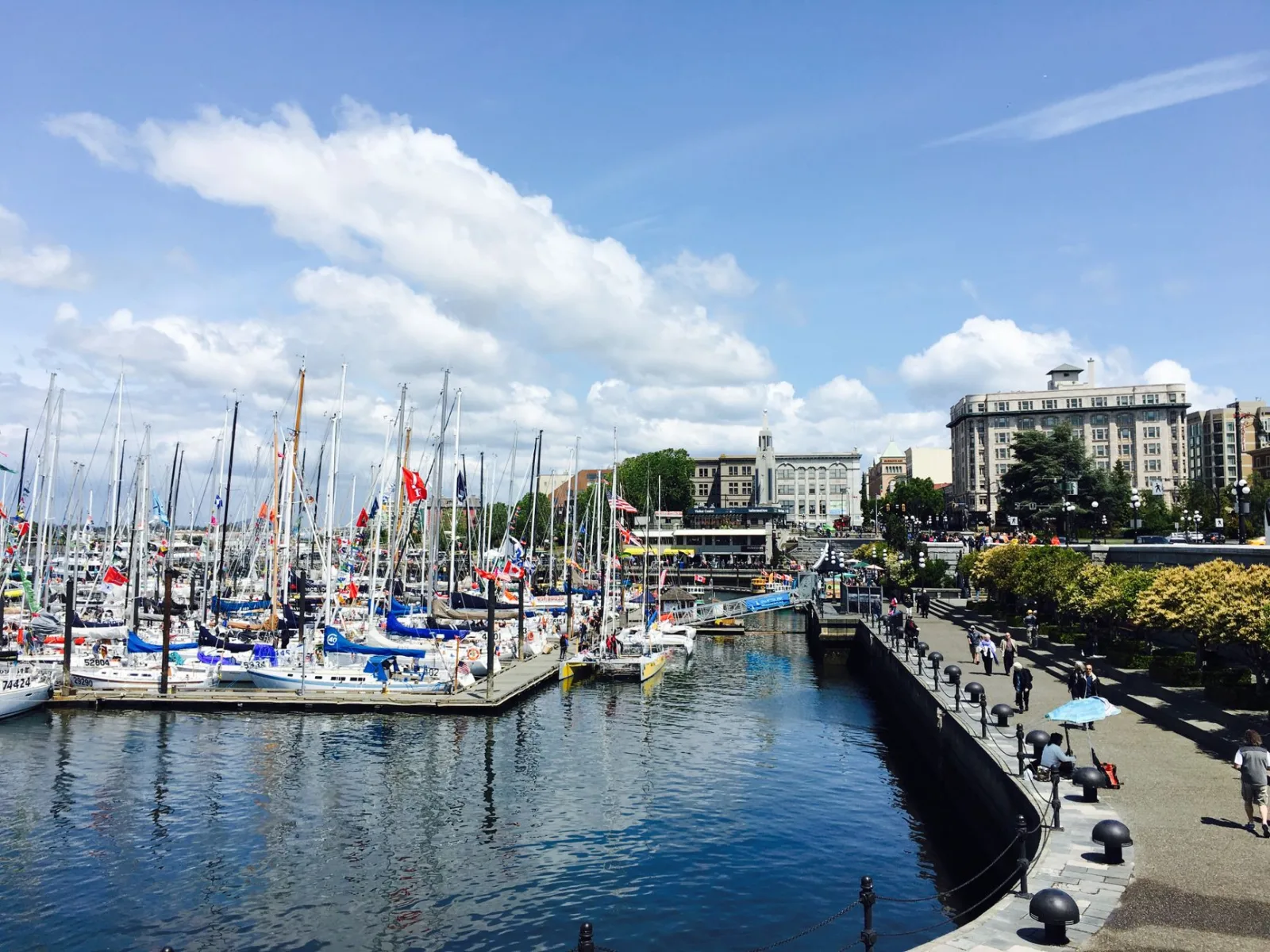
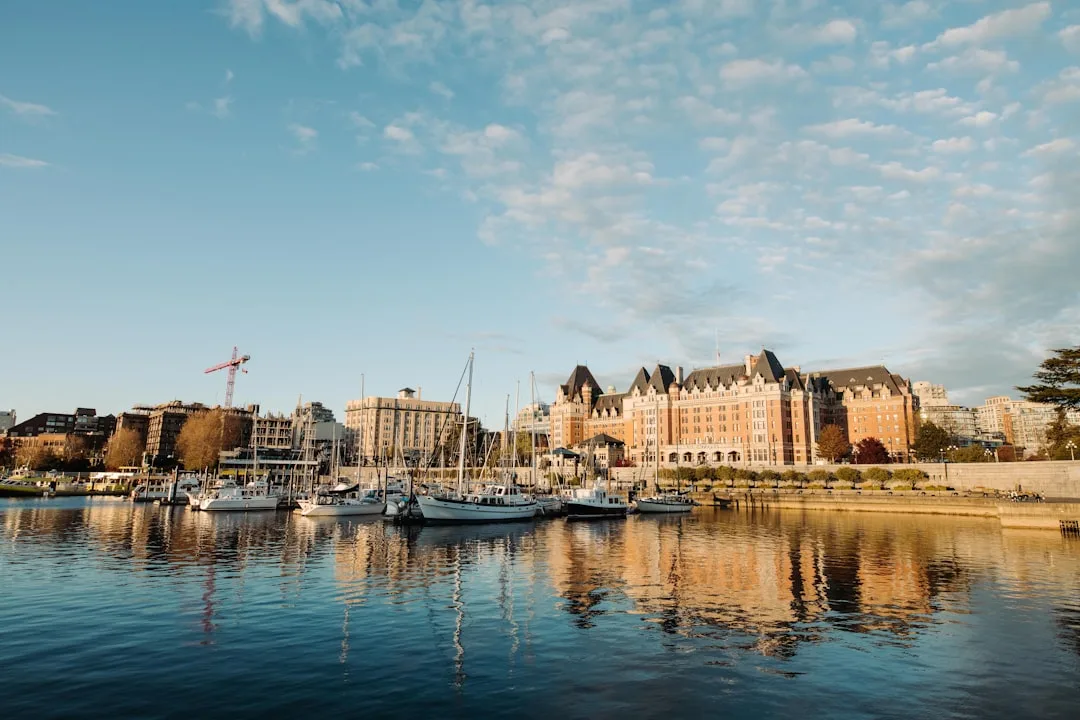
The gravitational center of any weekend in Victoria is the Inner Harbour. That is where it makes sense to organize almost everything, because the area concentrates much of what visitors want to see without spreading the time too thin. Around it, the Parliament Building and the Empress Hotel form the most recognizable pair in the downtown area, while the Royal British Columbia Museum fits into the itinerary for those who want to understand the natural and human history of the province more calmly.
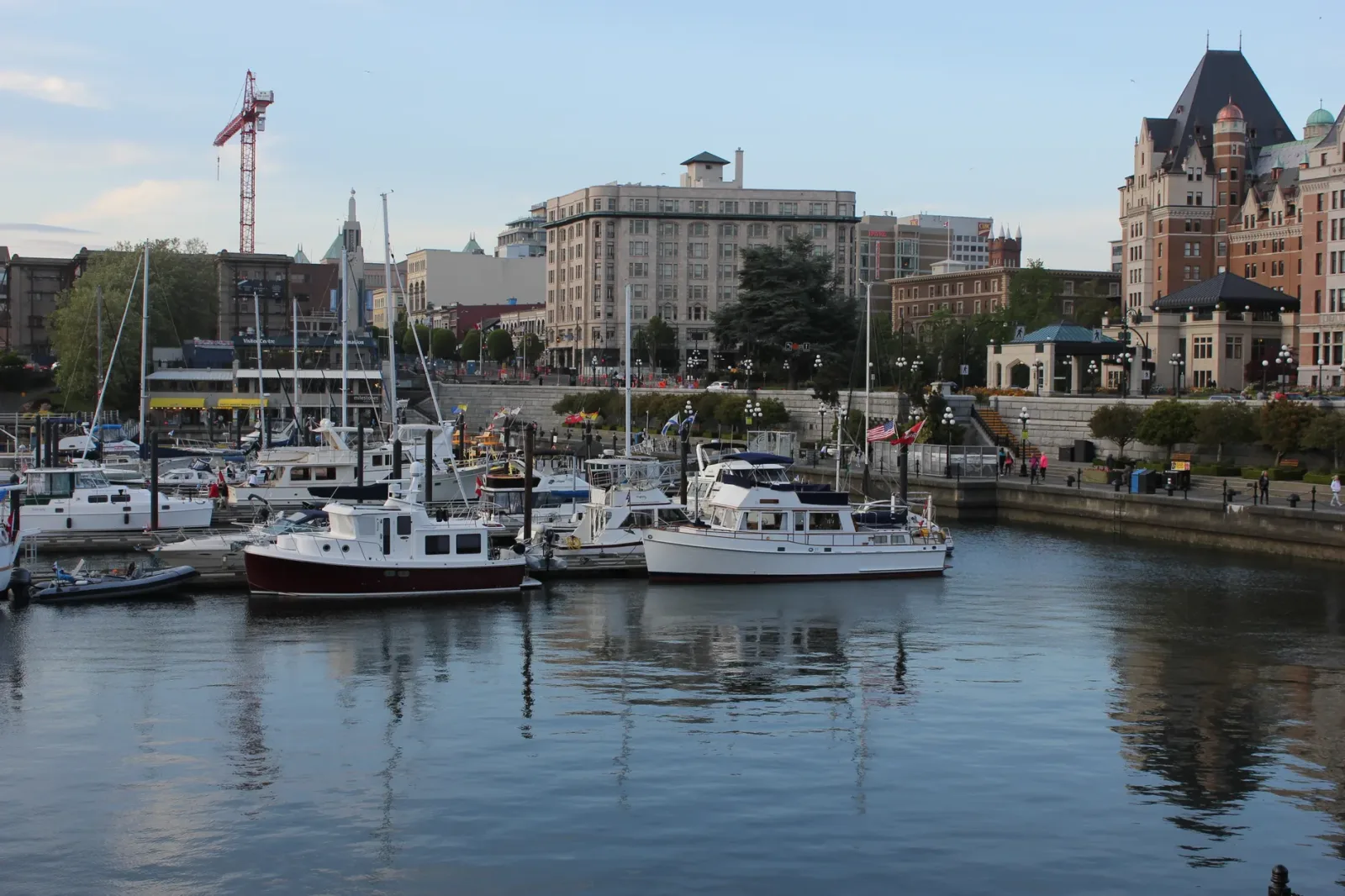
The Parliament Building stands out for its scale and presence on the city skyline, especially in the late afternoon, when the lighting changes the mood of the facade. The Empress Hotel is less about its lodging function and more about the experience: afternoon tea there has become part of a visit to Victoria and works well as a scheduled break in the middle of the outing. The museum, on the other hand, takes time; it makes sense for those who want to devote a few hours to a broad collection, with a good reading of the region’s landscape and wildlife.
Outside the central core, the itinerary gains variety without losing coherence. Fisherman’s Wharf is worth it for the activity along the waterfront and the floating houses; Beacon Hill Park, for its paths, gardens, and open areas for walking unhurriedly; Chinatown, for the city’s older history, with Fan Tan Alley adding a short and very specific stretch to the walk. If you want to include the sea, whale watching is one of the experiences that best justify Victoria on the map. To round out the more scenic side of the trip, Butchart Gardens deserves its own space, and Craigdarroch Castle comes in as a historical counterpoint, with residential architecture from another era and a visit that helps move away from the obvious downtown route.
How to organize the days in Victoria
Dividing Victoria into blocks helps you make the most of the city without rushing from one point to another. A first day works well with Inner Harbour, Parliament Building, Fisherman’s Wharf and Beacon Hill, because all of these are within an area that makes for a good walk. Leave late afternoon to stroll around downtown without a set plan and watch the city change pace.
On the second day, take your time with Chinatown and Fan Tan Alley and reserve whale watching for the main part of the schedule. If you still have energy, fit in the pubs at night, when the city is quieter and movement downtown slows down. This is a day that calls for less scattering and more room for the sea excursion.
Butchart Gardens works best as a third day, along with some shopping on the way back. This avoids breaking up the rhythm of downtown and concentrates the logistics outside the most walkable area. Then leave a fourth day for Christ Church, the museum and afternoon tea at the Empress, because these are visits that call for a more compact amount of time and go well together. If you have a fifth day, use it for Craigdarroch Castle, Market Square and another night out, ending the itinerary with a different side of the city without crowding the transfers too much.
Practical information for traveling more safely
Brazilians need a visa to enter Canada, and the passport must be valid. Before finalizing your trip, also confirm that the required authorization is up to date and that the document details are correct.
The local currency is the Canadian dollar (CAD). If you want, you can bring US dollars as a backup reference, but day-to-day expenses in Victoria are paid in CAD.
No specific vaccination is required to enter the country. Even so, it is worth checking whether your personal vaccination record is up to date, especially if the trip includes a long layover or other destinations on the same journey.
Travel insurance is not mandatory, but it makes sense in Canada. Medical care can quickly affect your budget, so the ideal is to purchase coverage that includes medical and hospital expenses and to check, before buying, the coverage limits, deductibles, and what is excluded from the policy.
Frequently asked questions
What is the best time to visit Victoria?
Summer, between July and August, is usually the best time to enjoy warmer, sunnier days. During this period, outdoor activities and whale watching are also more favorable.
How do you get to Victoria from Vancouver?
The most common way is to travel from Vancouver to the Tsawwassen terminal, take the BC Ferries ferry to Swartz Bay, and then continue by road to downtown Victoria. It is also common to arrive via the Vancouver International Airport.
Where should you stay in Victoria to do everything on foot?
Staying near downtown is the most practical option for exploring Victoria on foot. Since the city is compact, this base makes it easy to access Inner Harbour and other central attractions.
How much does it cost to travel to Victoria?
The costs mentioned in the article include the Royal British Columbia Museum at CAD 18, whale watching starting at CAD 129, the ferry at CAD 18.70, and afternoon tea at the Empress for CAD 63. Travel insurance should also be included in the budget.
What is there to do in Victoria on a weekend?
A weekend is well spent with Inner Harbour, Parliament Building, Empress Hotel, Royal British Columbia Museum, Fisherman’s Wharf, Chinatown, Fan Tan Alley, and Beacon Hill Park. If there is time, it is worth including whale watching or Butchart Gardens.