Valle de Guadalupe: complete guide to planning your trip
Valle de Guadalupe: see when to go, how long to stay, how to get around, and what to book to plan a hassle-free trip.
When to go to Valle de Guadalupe
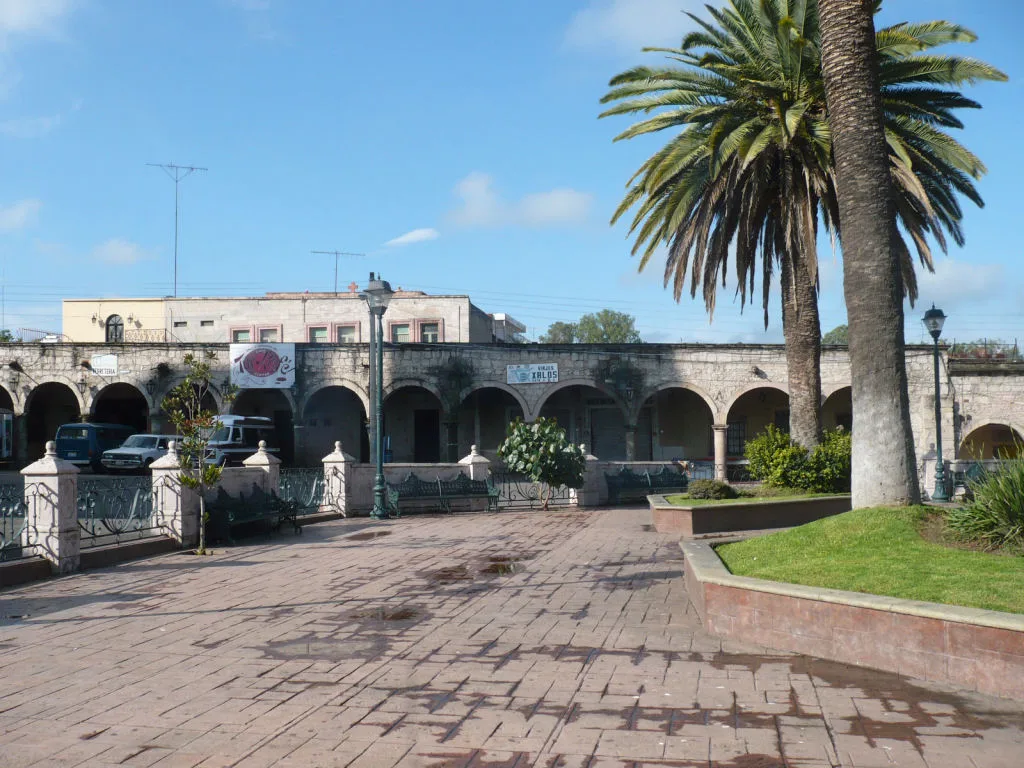
August is the busiest month in Valle de Guadalupe. That’s when the Harvest Festival takes place, with special tastings, concerts, and a paella contest. If your idea is to catch the region during its fullest event calendar, this is the right bet.
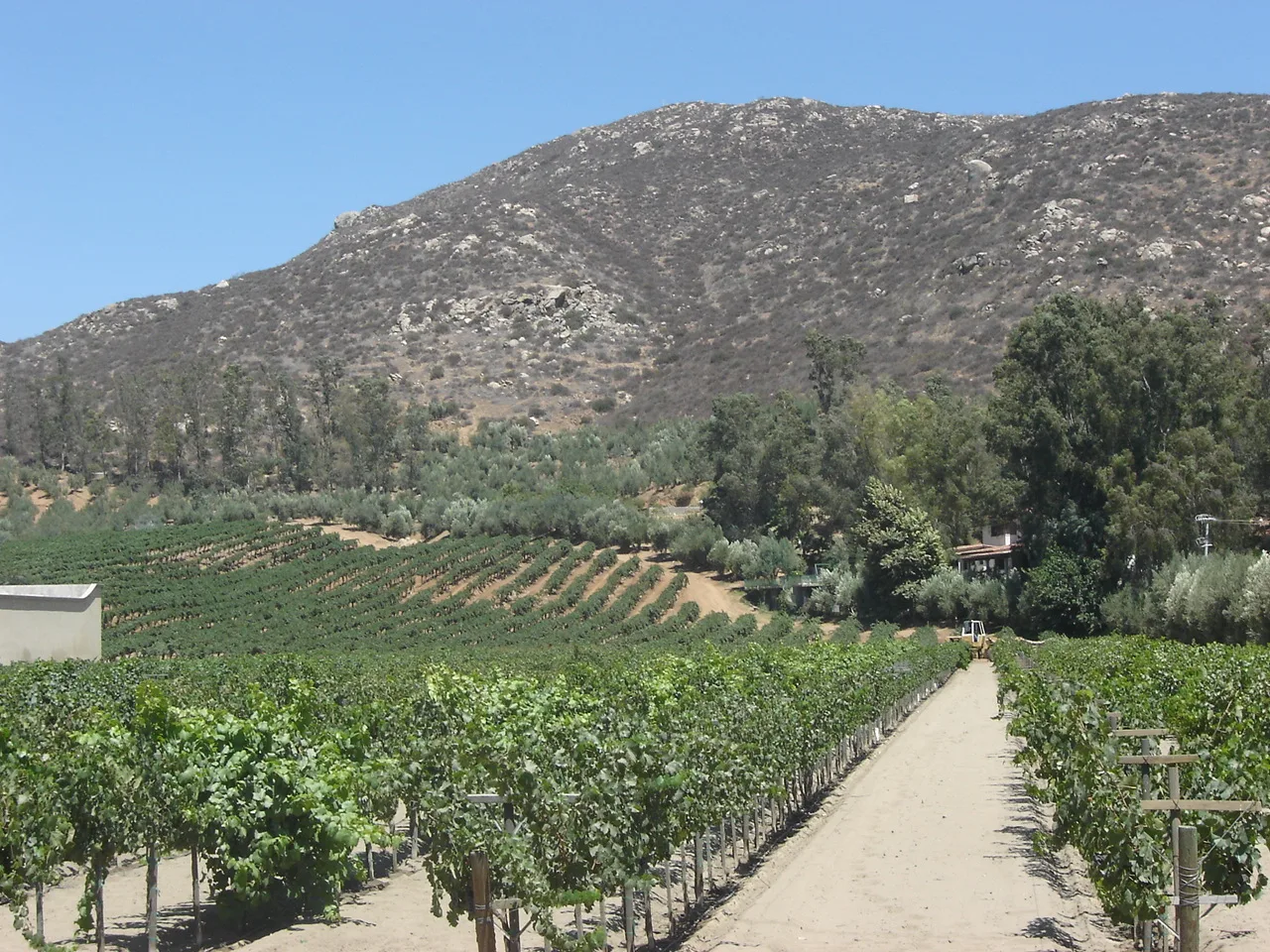
Spring and summer work best for those who want to see the vineyards at their greenest, with the grapes still on the vine. They’re also the easiest months for enjoying the pool and outdoor areas without thinking twice about the weather.
In winter, the vines are leafless, so the landscape changes quite a bit. Even so, the weather usually remains pleasant enough for drinking outdoors. If you prioritize fewer crowds and don’t care so much about the fuller look of the vineyards, this time of year is usually a good choice.
How much time to set aside for the trip
A long weekend is usually the sweet spot for Valle de Guadalupe. With three or four days, you can arrive without rushing, sleep well, and choose the pace of the trip without turning everything into a race between wineries, restaurants, and the road.
If you are going by car, planning to arrive on Friday and leave on Monday makes sense for a simple reason: the crossing tends to be busier on Saturdays and Sundays. This adjustment reduces the chance of losing most of the day stuck at the border and makes the stay more predictable.
Less than two days generally works only for a very short visit. More time starts to make sense if you really want to slow down, but for a first trip it is not necessary to go beyond the long weekend. What changes in practice is the extra room to deal with road delays and not depend on a tight schedule.
If the idea is to combine the Valle with other places in Baja California, it is worth keeping the same logic: do not concentrate your departure on the busiest return days. This helps preserve the best part of the trip, which here depends more on well-spread-out time than on the number of stops.
Editorial transparency: Some links on this page are affiliate links. We may earn a commission at no extra cost to you. This does not influence our recommendations.
How to get to and get around Valle de Guadalupe
The nearest airport is in Tijuana. From there, the drive to Valle usually takes about two hours by road, along a route that follows the coast. Those who prefer to enter by land can also cross the border from San Diego by car.
If you’re driving, use the main highway and make the trip during the day. Before leaving, download the maps on your phone, because the first stretches after Tijuana can be confusing when there are unexpected detours or roadblocks. Inside Valle, walking doesn’t work well: the distances between points are not very pedestrian-friendly and, in general, Uber is not available.
To get around with less hassle, the most practical option is usually to rent a car or hire a driver. Many hotels help arrange this, and a one-way driver to or from the border costs around M$2000, when available. Daily car rental is around M$500, which is usually cheaper than relying on individual rides.
On the way back to the U.S., be patient: the wait at the border varies a lot and can be between one and three hours, depending on the day and time. Those who have SENTRI, or Golden Entry Card, tend to get through faster.
How much does a trip to Valle de Guadalupe cost
The region usually falls within a mid-range for wine-destination standards: it is not cheap, but it is still below many wine itineraries in California. Hotel rates usually range from M$4000 to M$8000 per night, or about US$200 to US$400, depending on the season and the type of accommodation.
For experiences, prices vary quite a bit. Tastings are around M$450; dinner for one person, M$1500; fish taco, M$35; temazcal, M$6400; massage, M$4700; horseback riding, M$1800. If you want to control your budget, it is worth choosing where to spend more: a long dinner and wine tasting, or wellness and outings.
Transportation also weighs on the trip’s overall cost. A driver to or from the border costs around M$2000 each way, when available, and daily car rental is about M$500. For those planning to move around freely, the car is usually the item that most changes the final total, because it avoids relying on individual rides.
Where to stay in Valle de Guadalupe
El Cielo Resort works well for those who want to handle their stay in one place. The hotel has its own vineyard and winery, restaurants, a pool, rooms with views of the vines, and also offers bookable falconry. It is the clearest choice for those who want to wake up, eat, and spend the day without relying on long transfers.
Banyan Tree Veya Valle de Guadalupe makes more sense if rest is the priority. The concept is centered on well-being, with programs focused on sleep, stress reduction, and body care. The villas offer more privacy and work better for those who want more silent accommodation, with less stimulation and less of a schedule.
Campera Hotel Burbuja is the most different option of the three. The bubble rooms have a transparent roof, so the night ends with the sky in view, and some units include a private jacuzzi. It works well for those who want a short, specific, and photogenic experience, without needing much more than the room.
If the trip calls for convenience and structure, El Cielo is the better solution. If the priority is to slow down, Banyan Tree Veya fits better. If you want to sleep in a bubble, Campera is the right address.
What to do besides tasting wines
Besides wines, the region works well for those who want to vary their day without leaving the Valle. At El Cielo, the tractor-pulled cart tasting puts you inside the vineyard and makes sense for those who prefer a more guided experience, with stops along the way and context about the land itself.
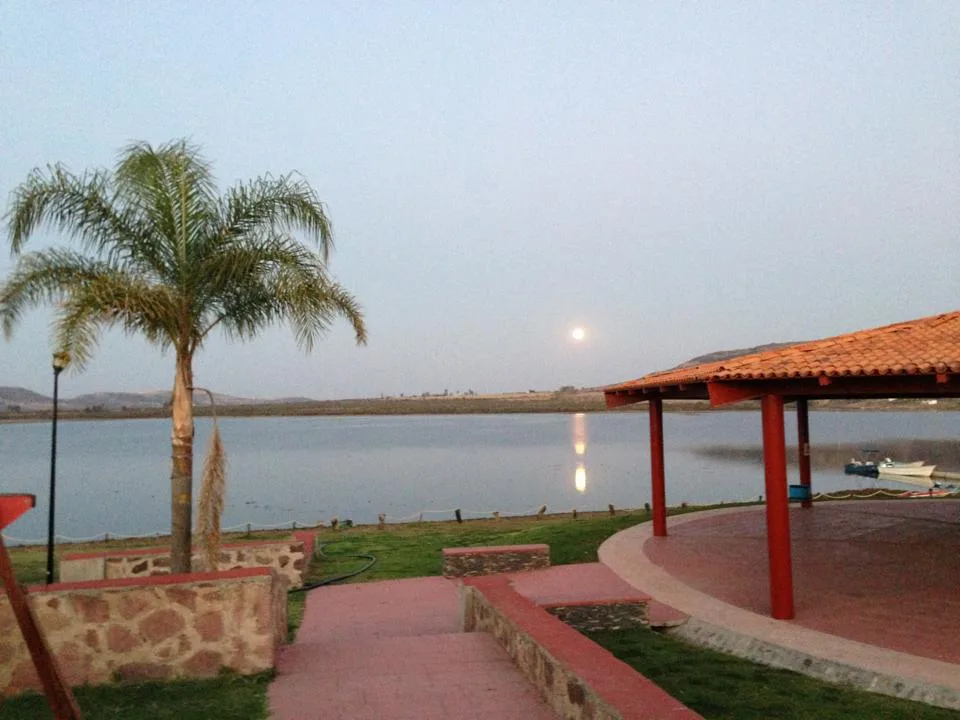
It’s also worth looking for wineries for their architecture and the format of the tasting, not just the label. Bruma stands out for its glass-enclosed underground cellar built around a 300-year-old oak tree, and Vena Cava is often remembered for its reservation-only tastings and its food truck area, useful if you want a less formal setting. At 3 Mujeres, the visit is easier to fit in, since the house is open on limited days or by appointment during the week.
At Adobe Guadalupe, horseback riding changes the pace of the visit and offers a different view of the vineyards. The rides last about an hour and use trained Azteca horses. For those looking for something wellness-related, the temazcal comes as a separate activity: it is a ritual in an enclosed structure, with breathing exercises, meditative chanting, and percussion. It is not something to fit in without considering your energy and stamina; it works best when you truly want to slow down, not just fill time.
If there is room in the schedule, La Bufadora, in Ensenada, is the easiest day trip to combine with the region. It is about 30 minutes away and is worth more for the natural phenomenon itself than for the surroundings, so it makes sense as a short detour, especially if you are already by the coast.
Where to eat and drink in Valle de Guadalupe
For breakfast and brunch, La Cocina de Doña Esthela is the best-known stop in the region. The safest order is the usual one that makes sense there: corn hotcakes and machaca, especially if you want a no-fuss start to the day. Parador Mercedes works well when the idea is to eat something simpler, with a focus on local ingredients and breakfast dishes at a slower pace. Bruma Wine Garden falls into the same range, but with a more relaxed vibe for a late lunch; it’s worth checking the daily menu and ordering the dishes that use the oven and the house bakery.
For lunch and dinner, Latitud 32 is the choice for those who want a tasting menu with wine pairing. The kitchen blends Baja and Yucatán, and the dish that usually draws the most attention is octopus and shrimp ceviche with dark sauce. Fauna works with local produce and changes the menu frequently; the most practical route is to order à la carte, since the house lets you put together a lighter and more flexible meal. At Animalón, the experience depends a lot on the season, since the menu is seasonal and the outdoor table matters as much as the food. Finca Altozano sits on the more informal side of Valle cuisine, with seafood and wood-fired dishes that work best for sharing. Villa Torél follows a similar line, but with Mediterranean influence and a focus on pastas, rice dishes, meats, and vegetables from the fire. Olivea is more reserved and centered on a farm-to-table tasting menu, so it makes sense when you want a guided meal from start to finish. Lunario is another seasonal-menu address, with the atmosphere of seasonal cuisine and a multi-course journey.
For seafood and wine, Conchas de Piedra is worth it for its clear specialty: oysters, shellfish, and the house sparkling wines. If the idea is to eat fresh fish after tasting wines, this is one of the most straightforward spots. Deckman’s En El Mogor also revolves around fire and seafood, with an open grill and generous portions; the best fit is usually to arrive hungry and choose what comes off the embers. For something looser at the end of the day, Bloodlust works as a wine bar and a stop for a drink without the commitment of a long meal, useful when you just want a glass and to keep the night going without a fixed itinerary.
How to plan your first trip itinerary
For a first trip, it makes sense to build Valle around three decisions: how much time you have, what time of year you want to go, and whether you’ll want to drive. With a long weekend, the plan works out better because there’s enough time to arrive, sleep well, and make choices without rushing the schedule. If you’re going during a busier period, lodging and meals should be booked further in advance; in quieter months, there’s more room for improvisation.
The most practical order is usually this: set the dates, choose lodging that fits the type of stay you want, and only then lock in the tables you truly don’t want to miss. If the trip is for rest, lodging with its own facilities helps reduce travel time. If the priority is to experience the region, it makes more sense to stay somewhere that lets you leave and return without hassle. What avoids wasting time is trying to fit everything into the same day.
For a short itinerary, limit the number of big meals. Choose a breakfast or brunch, a long lunch, and a dinner worth the table; the rest can be lighter and more flexible. That way you won’t spend the whole trip tied to meal times and you’ll still preserve energy for what really matters in the region: tasting leisurely, resting in the middle of the day, and not rushing from one place to another.
If it’s your first time, don’t try to turn the weekend into an inventory. Valle works best when you leave space between one reservation and the next, especially if you’re driving and need to deal with border crossing, roads, and transfers that aren’t short within the region itself.
Frequently asked questions
What is the best time to visit Valle de Guadalupe?
August is the busiest month, because of the Harvest Festival. Spring and summer show the greenest vineyards; in winter there is less activity, but the vines are leafless.
How many days are ideal to stay in Valle de Guadalupe?
A long weekend, with three or four days, is usually ideal. Less than two days only works for a very quick visit.
What is the most practical way to get around in Valle de Guadalupe?
The most practical option is usually to rent a car or hire a driver. Distances between places are too long to walk, and in general, Uber is not available.
How much does a trip to Valle de Guadalupe cost?
A hotel night usually costs between M$4000 and M$8000. Common expenses include tastings, dinners, transportation, and experiences such as temazcal or horseback riding.
Where should I stay in Valle de Guadalupe?
El Cielo Resort is a good option for those who want full amenities. Banyan Tree Veya focuses on relaxation, and Campera Hotel Burbuja is recommended for a more unique and photogenic stay.